
Quinta das Lágrimas
Coimbra historic center, Coimbra
Hotel in Coimbra, Portugal
 Book with Pearl
The Read
Royal Romance Estate
Why go
A strong Coimbra choice for a special-occasion stay, especially if the hotel's setting and service matter more than being in the thick of the city. Quinta das Lágrimas is easier to recommend for couples than for logistics-heavy groups, with Small Luxury Hotels of the World membership adding a useful quality signal.
About Quinta das Lágrimas
Quinta das Lágrimas is a Coimbra property listed as a Small Luxury Hotels of the World member in 2025. Its dress code is smart casual. That makes it a reasonable shortlist candidate for travelers who want a more vetted stay in the city, but details are limited.
The booking case should therefore stay simple. Choose it if the name, Coimbra setting, smart-casual standard, and Small Luxury Hotels of the World membership are enough to make it relevant for your trip. Do not book based on assumptions about a specific restaurant, room type, service format, price point, or location advantage.
Book it for a polished Coimbra stay, not for undisclosed specifics
The right guest is comparing stays in and around Coimbra and wants a venue with a recognized hospitality affiliation. If you are weighing other options, Quinta das Lágrimas can be compared with Sapientia Boutique Hotel in Coimbra, while Bussaco Palace Hotel, Curia Palace Hotel, Montebelo Vista Alegre Ílhavo Hotel, and MS Collection Aveiro - Palacete Valdemouro are separate regional alternatives rather than interchangeable Coimbra choices.
The most concrete positioning detail is the Small Luxury Hotels of the World membership. That is a useful trust signal, but it should not be stretched into claims about exact service style, amenities, restaurant quality, or room experience. Confirm current facilities, room categories, and policies directly before booking.
Better for travelers who are comfortable confirming details directly
Quinta das Lágrimas is easiest to recommend to travelers who already want to stay in Coimbra and prefer to confirm the practical details that matter to them. If day-to-day logistics, exact location, or a particular room setup are the deciding factors, compare current venue information carefully before committing.
Dining should also be treated cautiously. Specific cuisine, chef, menu format, or pricing is not specified, so do not choose it on the assumption of a destination restaurant experience. For food-led planning around the city, compare it with Our full Coimbra restaurants guide.
The verdict: shortlist Quinta das Lágrimas if you want a Coimbra property with Small Luxury Hotels of the World recognition and a smart-casual dress code. Skip it if you need specific details on dining, pricing, room categories, or exact logistics before deciding.
Planning details
- Location
- Rua António Augusto Gonçalves, 3041-901 Coimbra
- Website
- quintadaslagrimas.pt
- Phone
- +351 239 802 380
The take
The Take
The Vibe
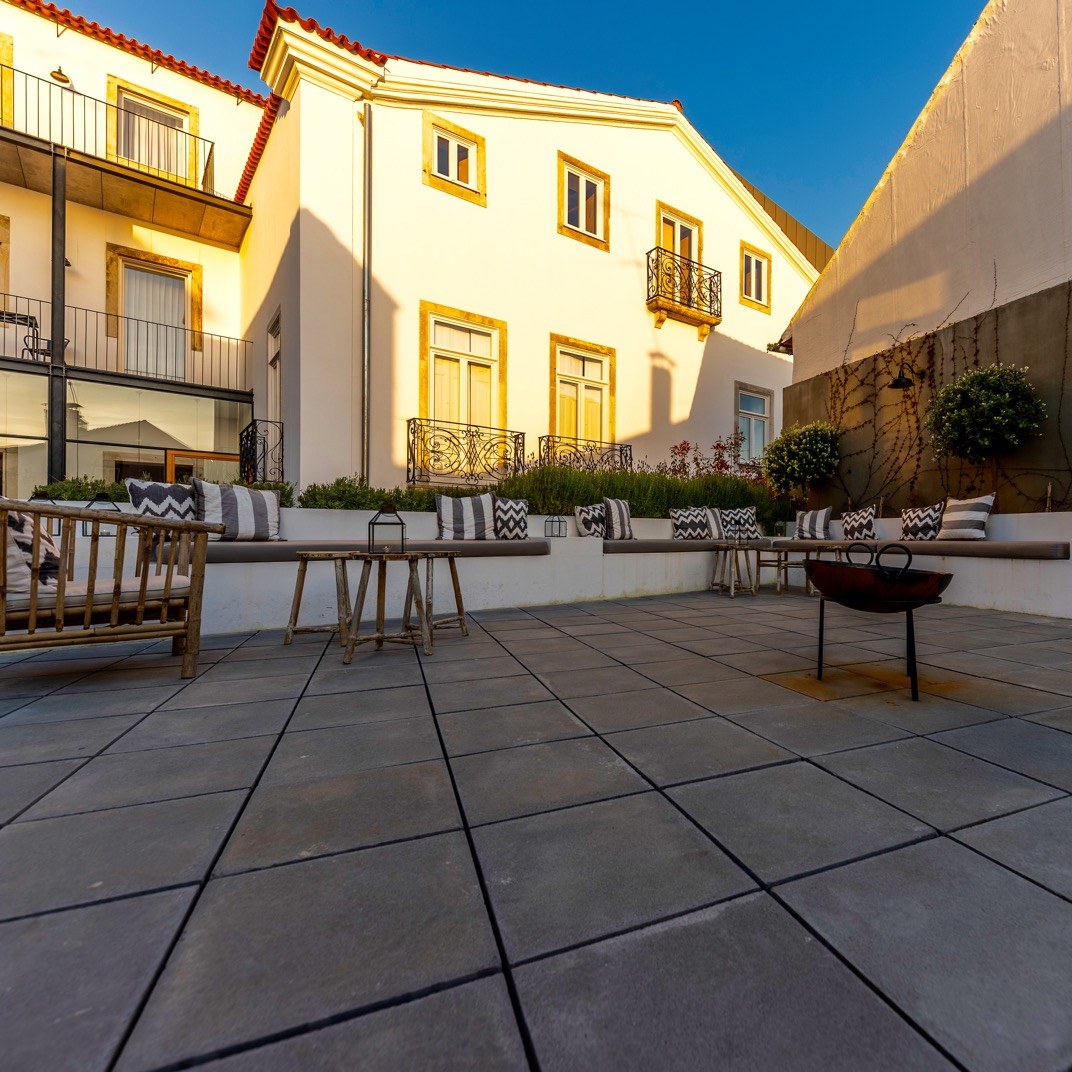
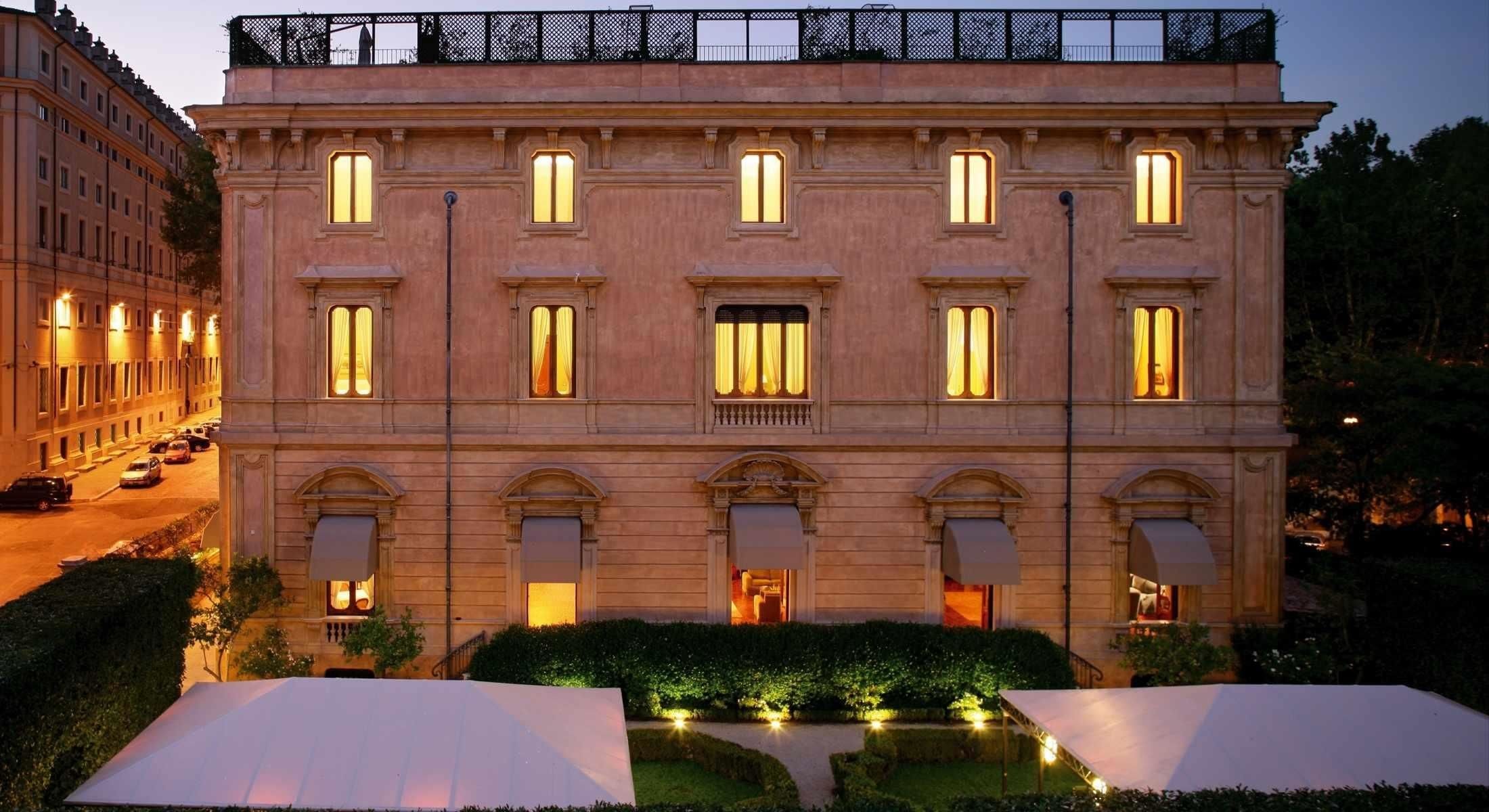
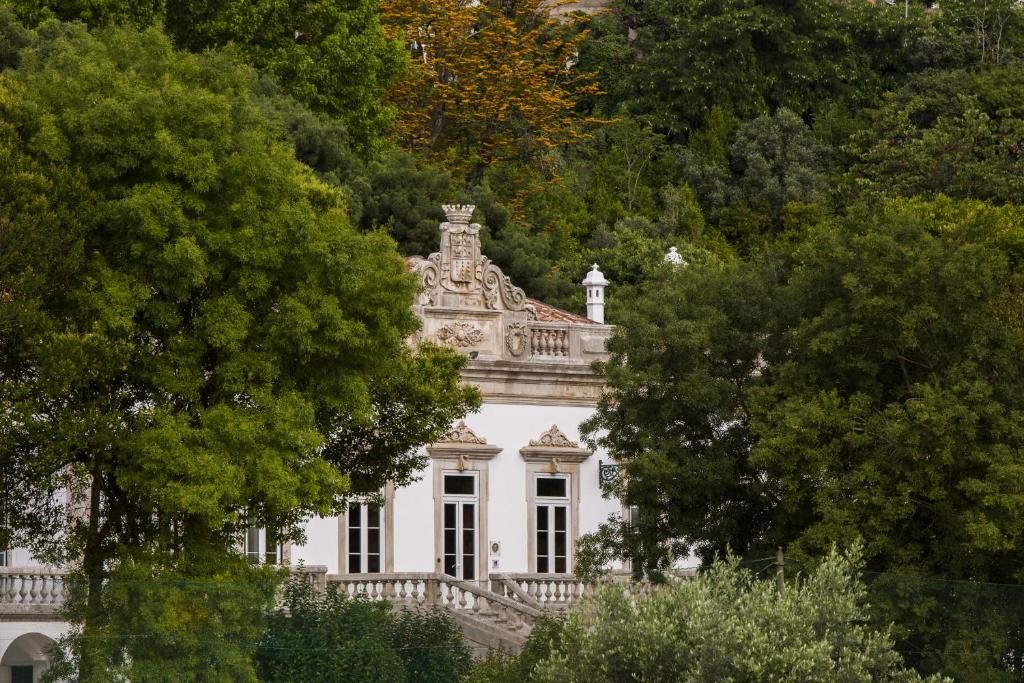
Quinta das Lágrimas presents a quietly majestic atmosphere where centuries-old stone, formal gardens, and a restrained eighteenth-century palace shape the experience. The estate leans into its layered architectures—the palace, a Garden residence, and a contemporary wing—so rooms and public spaces feel like chapters in a single historical narrative. The grounds are threaded by mature trees, stone walls, and the Fonte das Lágrimas, a legendary spring that anchors the property’s romantic mythology. Overall the mood is intimate and classic, with a serene garden orientation that foregrounds reflection and low-key elegance rather than hustle or spectacle.
Best For
Quinta das Lágrimas is best for couples and travelers drawn to history, literature, and a quietly romantic setting. The estate’s connection to the medieval story of Prince Pedro and Inês de Castro and the on-site Fonte das Lágrimas make it especially resonant for honeymooners, anniversaries, or romantic getaways. It also suits guests who favor heritage properties—those who appreciate an eighteenth-century palace, a garden residence, and a contemporary wing arranged across generous grounds. Visitors seeking restorative time among mature trees and formal gardens will find the pacing slow and reflective rather than urban or nightlife-driven.
Venue details
Ambiance
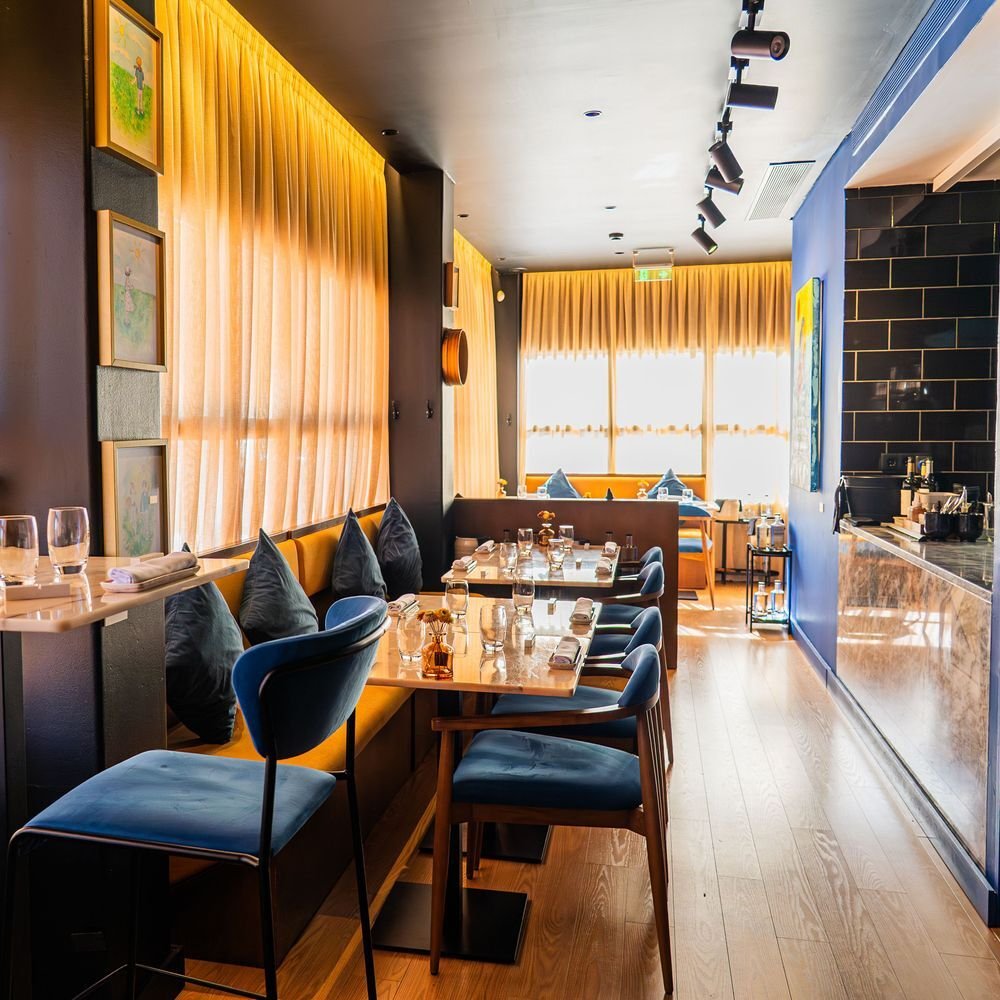
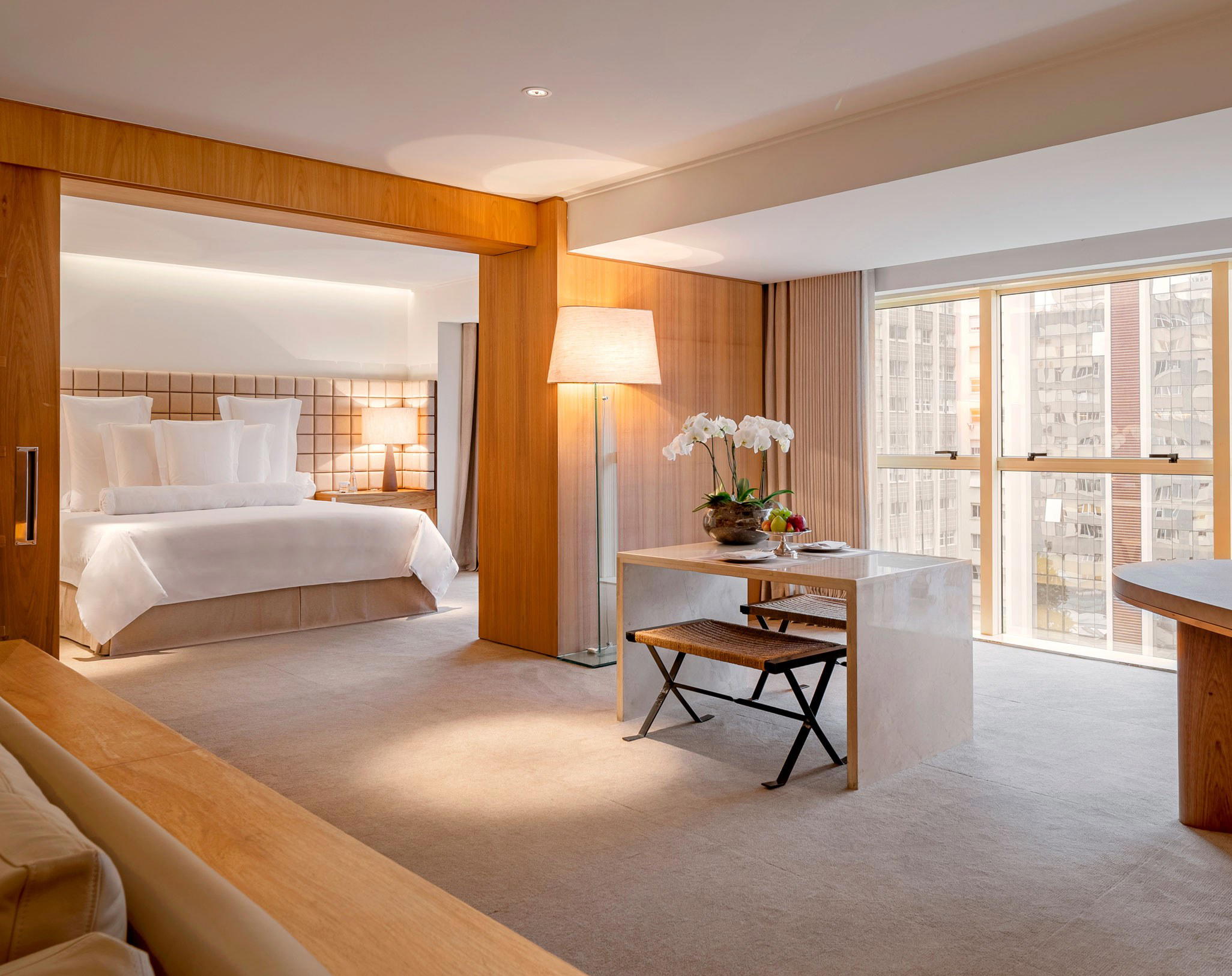
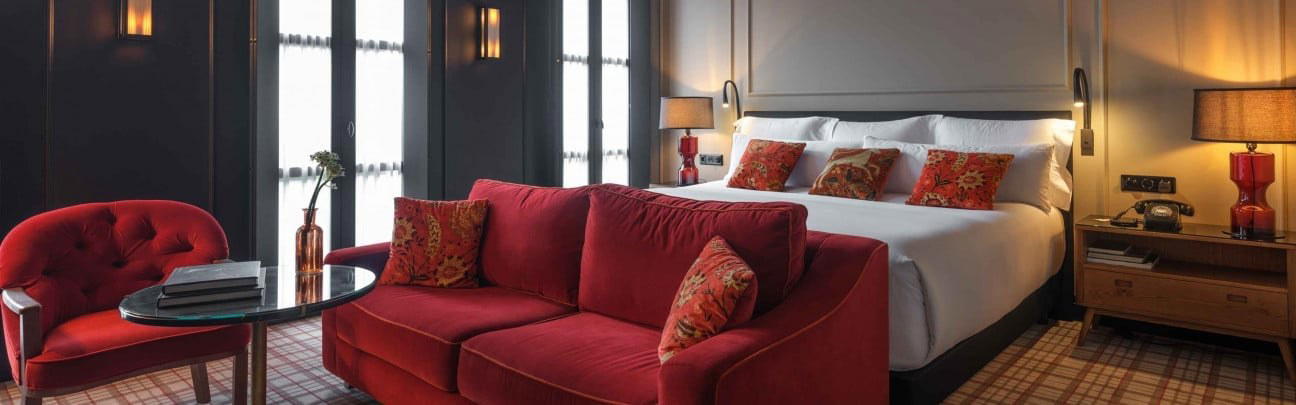
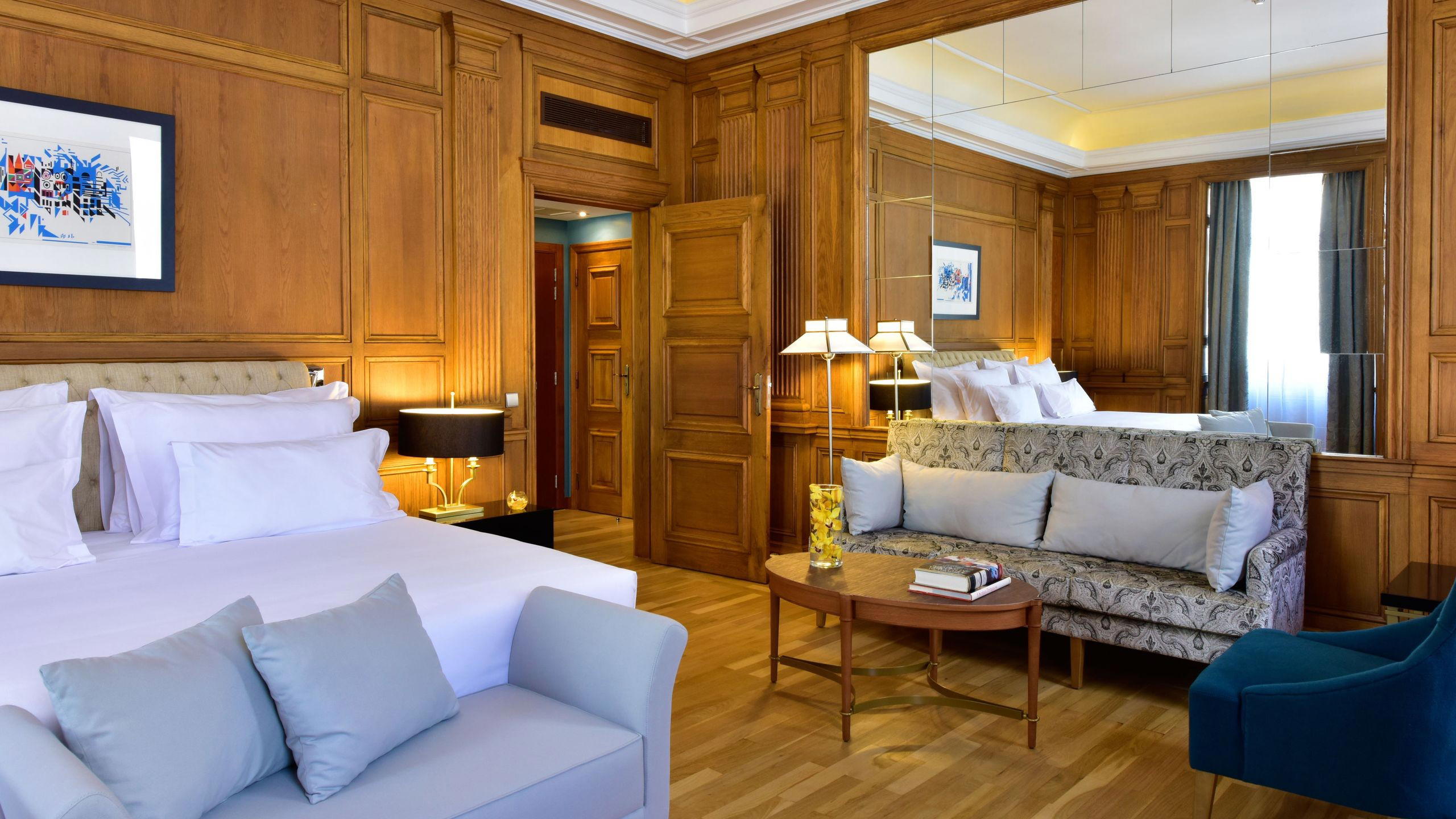
Romantic and tranquil atmosphere with stately architecture, lush gardens, and a blend of historic charm and modern spa luxury, though some areas feel dated.
Tags
Vibe
Best For
Experience
Amenities
View
Accessibility
About the Stay
- Rooms
- 54
- Check-in
- 15:00
- Check-out
- 12:00
- Property Style
- Historic Palace with Modern Spa Wing
- Design Style
- Classic Opulent with Contemporary Elements
Know before you go
Know Before You Go
- Getting there
- Rua António Augusto Gonçalves, 3041-901 Coimbra
Planning details
Location
Recognition and awards

Also consider
Also Consider
- Sapientia Boutique Hotel, Notable alternative
- Bussaco Palace Hotel, Notable alternative
- Curia Palace Hotel, Notable alternative
- Montebelo Vista Alegre Ílhavo Hotel, Notable alternative
- MS Collection Aveiro - Palacete Valdemouro, Notable alternative
Hotel context
How it compares in and around Coimbra
Choose Quinta das Lágrimas over Sapientia Boutique Hotel if the stay needs a more ceremonial, estate-style feel. Sapientia is the sharper pick for guests who want a compact city base and easier movement around Coimbra; Quinta das Lágrimas is better for couples who want the hotel itself to carry the occasion.
Bussaco Palace Hotel and Curia Palace Hotel are the more obvious comparisons if you are willing to look outside Coimbra for historic ambiance. They make sense for travelers building the trip around a grander out-of-town hotel experience. Quinta das Lágrimas is the more practical compromise if Coimbra remains the center of the itinerary.
Montebelo Vista Alegre Ílhavo Hotel and MS Collection Aveiro - Palacete Valdemouro are stronger cross-shops for travelers considering Aveiro or the coast instead of Coimbra. Pick those when the wider route matters more than staying in the city; stay with Quinta das Lágrimas when the brief is Coimbra plus a more occasion-ready hotel setting.
Explore Coimbra
Around this place
Discover more on Pearl
Unlock the full Quinta das Lágrimas guide in Pearl, including awards, comparisons, FAQs, planning details, and nearby places.
Compare Quinta das Lágrimas
| Venue | Location | Awards |
|---|---|---|
| Quinta das Lágrimas | Coimbra | Small Luxury Hotels Member 2025 |
| Sapientia Boutique Hotel | Coimbra | No published awards |
| Bussaco Palace Hotel | Luso | No published awards |
| Curia Palace Hotel | Anadia | No published awards |
| Montebelo Vista Alegre Ílhavo Hotel | Ilhavo | No published awards |
| MS Collection Aveiro - Palacete Valdemouro | Aveiro | 2025 Michelin 1 KeySmall Luxury Hotels Member 2025 |

How Quinta das Lágrimas Coimbra compares with similar nearby venues.
FAQ
Frequently Asked Questions
Which room category is best at Quinta das Lágrimas?
Room-category details are not specified. Choose based on the current room descriptions from Quinta das Lágrimas and confirm directly with the venue if quiet, space, views, or accessibility are important.
When is the best time to book Quinta das Lágrimas?
Booking timing is not specified. If Quinta das Lágrimas is important to your Coimbra trip, check availability directly and book when the terms suit your plans.
What is check-in like at Quinta das Lágrimas?
Specific check-in details are not specified here. Quinta das Lágrimas is in Coimbra, so confirm arrival time, luggage options, and any special requests directly with the venue before travel.
How does Quinta das Lágrimas compare to nearby hotels?
Quinta das Lágrimas and Sapientia Boutique Hotel are Coimbra options. Bussaco Palace Hotel, Curia Palace Hotel, Montebelo Vista Alegre Ílhavo Hotel, and MS Collection Aveiro - Palacete Valdemouro are regional alternatives to consider if your itinerary extends beyond Coimbra.
How is the location of Quinta das Lágrimas?
Quinta das Lágrimas is in Coimbra. More specific location advantages or trade-offs are not detailed here, so check a current map against your planned activities before booking.