
Grand Hotel Djibloho
Djibloho, Ciudad de la Paz
Hotel in Ciudad de la Paz, Equatorial Guinea
 Book with Pearl
The Read
Planned-Capital Scale Hospitality
Why go
Book Grand Hotel Djibloho when the trip needs a dependable base in Ciudad de la Paz and easy availability matters. It is a practical choice for business travel or family logistics, but not the right pick if the hotel must be the main leisure draw.
About Grand Hotel Djibloho
Grand Hotel Djibloho is a hotel option in Ciudad de la Paz. Evaluate it as a Ciudad de la Paz stay, and check directly with the property before relying on specific restaurants, leisure facilities, room types, prices, or service features.
The hotel has a smart casual dress code and is listed as a Preferred Hotels Member in 2025. Travelers should check directly with the property for current room categories, dining details, amenities, arrival arrangements, and any family or business-specific needs before booking.
Choose it for a Ciudad de la Paz stay, with expectations checked in advance
The clearest grounded verdict is simple: consider Grand Hotel Djibloho when you need to stay in Ciudad de la Paz. Do not assume specific dining concepts, spa facilities, children's programming, meeting services, or other hotel features unless the property confirms them for your dates.
For repeat guests or first-time visitors, the practical move is to confirm the details that matter most before arrival: room setup, timing, on-property services, and any special requirements. The dress code is smart casual, so packing should reflect a polished but not formal hotel setting.
Where it sits against regional alternatives
Compared with Radisson Blu Okoume Palace Libreville and Hotel Akwa Palace Douala, the choice is mainly about destination. Those hotels are relevant references for travelers considering stays in Libreville or Douala, while Grand Hotel Djibloho is the relevant option when the trip is specifically to Ciudad de la Paz.
For broader planning, use destination guides only where they match the actual itinerary. The practical call is simple: stay in Ciudad de la Paz when that is the required destination; compare regionally only if the destination itself is flexible.
Planning details
- Location
- Grand Hotel, Ciudad de la Paz
- Website
- grandhoteldjibloho.com
- Phone
- +240 555 984 084
The take
The Take
The Vibe
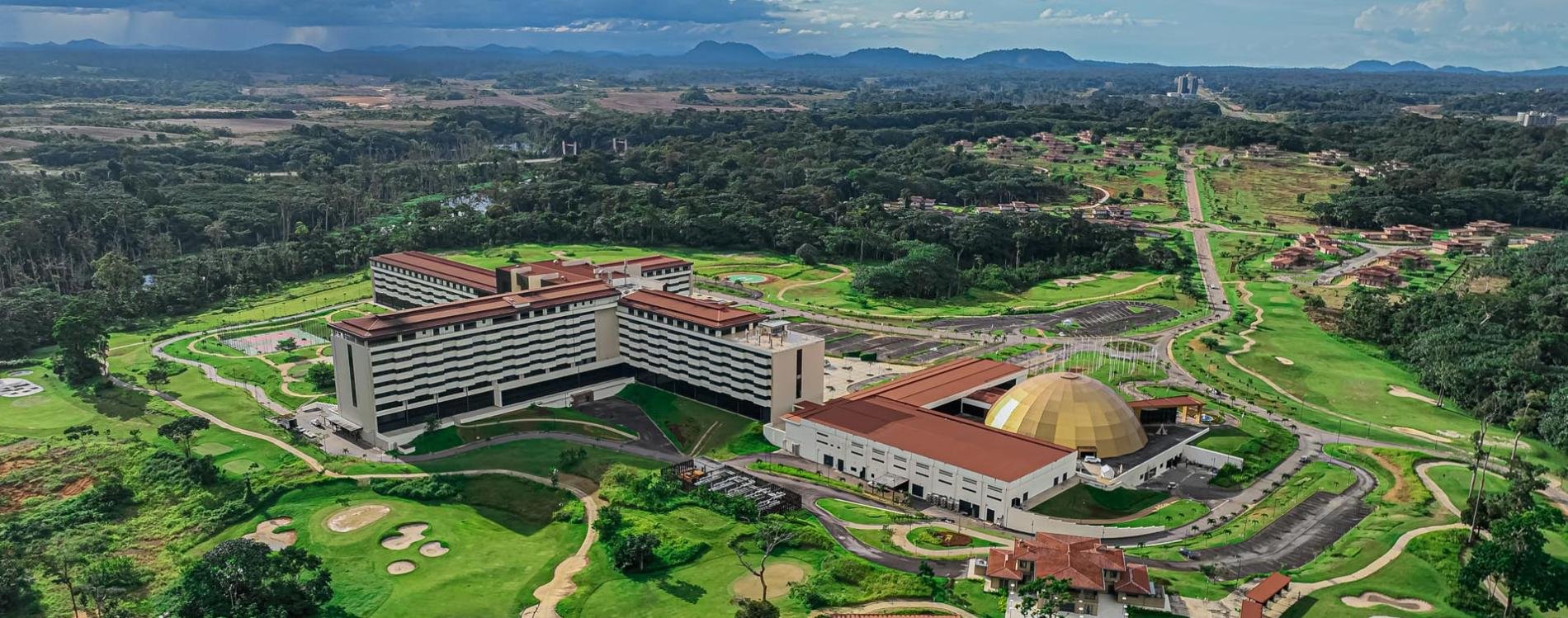
The Grand Hotel Djibloho presents itself as a large-format anchor in a purpose-built capital. Its 452 rooms and monumental scale position it less as a neighbourhood fixture and more as an architectural statement about Ciudad de la Paz’s ambitions. The property reads as institutional and declarative, combining modern construction and expansive public spaces to serve the emerging city. It feels purposely designed for high volume and official presence rather than boutique intimacy; guests experience a polished, civic-scale hotel that reflects planning-era certainty and the civic role the building is intended to fill.
Best For
Grand Hotel Djibloho is best for large-scale business travel, government delegations and groups attending conferences or banquets. With 452 rooms and described conference-capable facilities, the hotel suits planners organizing corporate events, international meetings and formal celebrations where capacity and infrastructure matter. Leisure travelers who need reliable, full-service accommodation while transacting official business will also find it well suited. The property’s scale is a feature for groups that require room blocks and dedicated event space rather than travelers seeking boutique or historic character.
Stay Tips
If you are planning a meeting, banquet or group stay, reserve well in advance and confirm event capacities and room-block availability. The description highlights conference halls and banqueting infrastructure, so ask the hotel about ballroom and meeting-room sizes, catering packages and included services when planning a delegation or corporate function. For teams traveling together, securing group rates and confirmed space ahead of arrival helps ensure logistics are handled smoothly.
Venue details
Ambiance
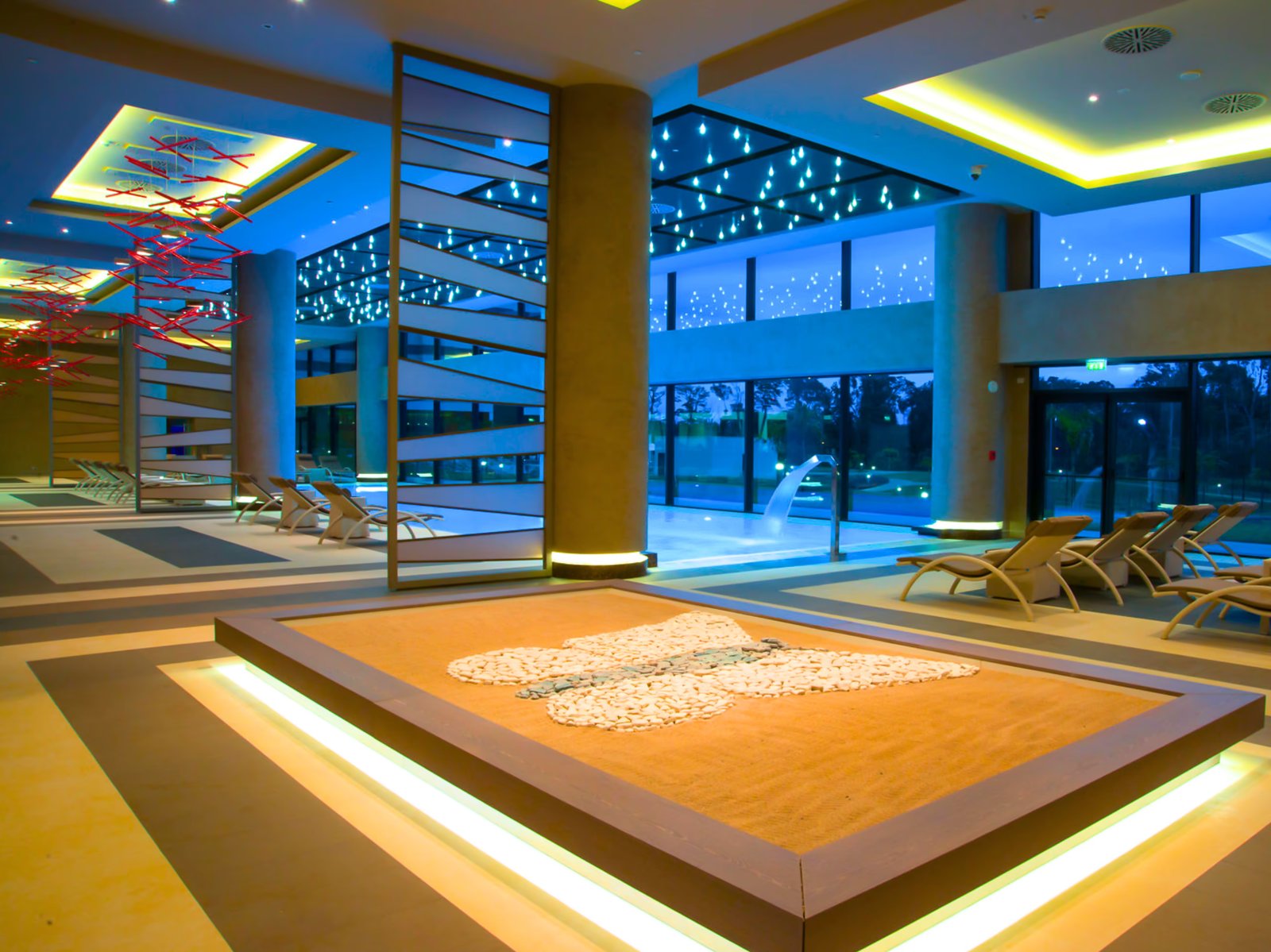
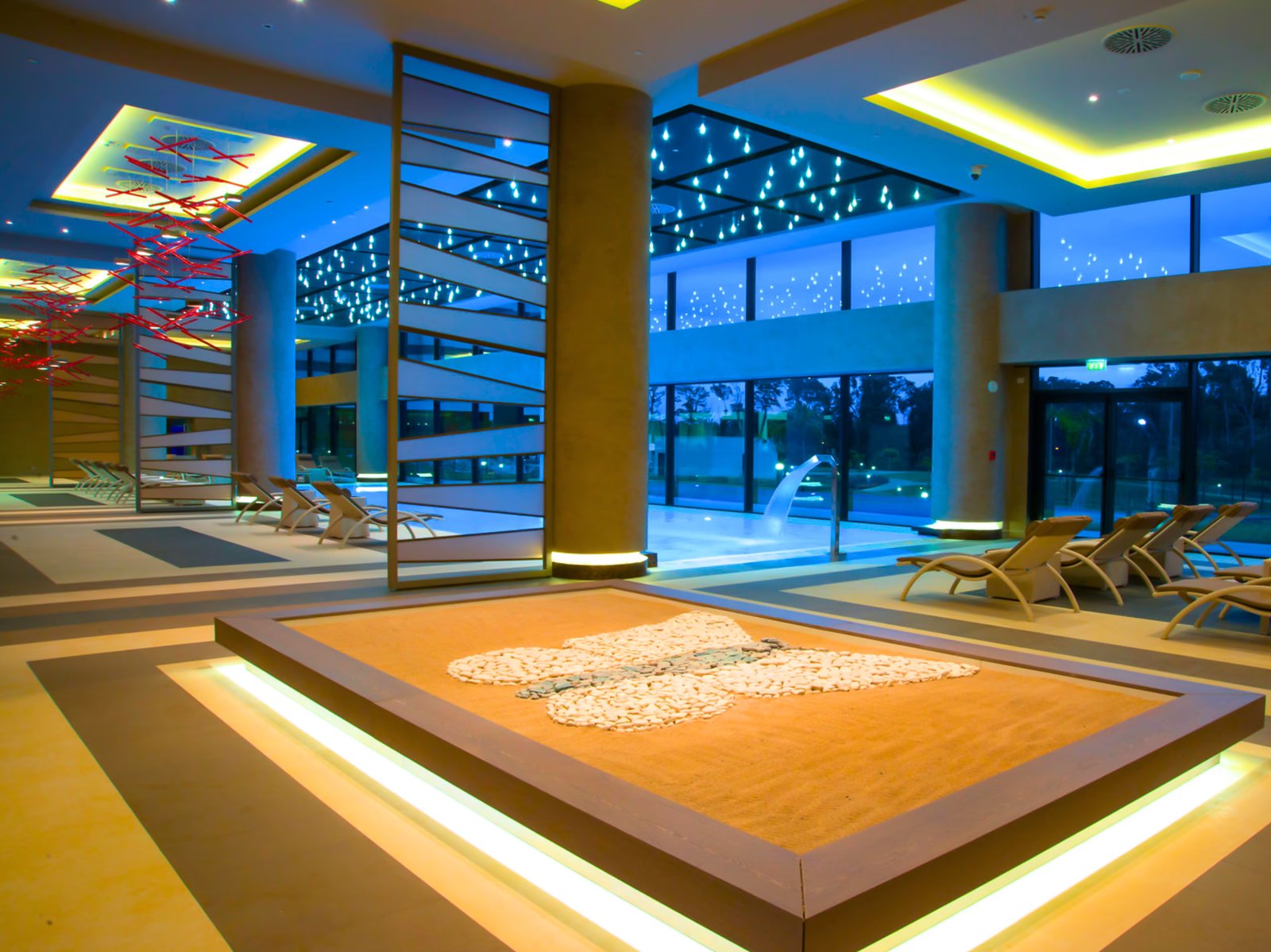
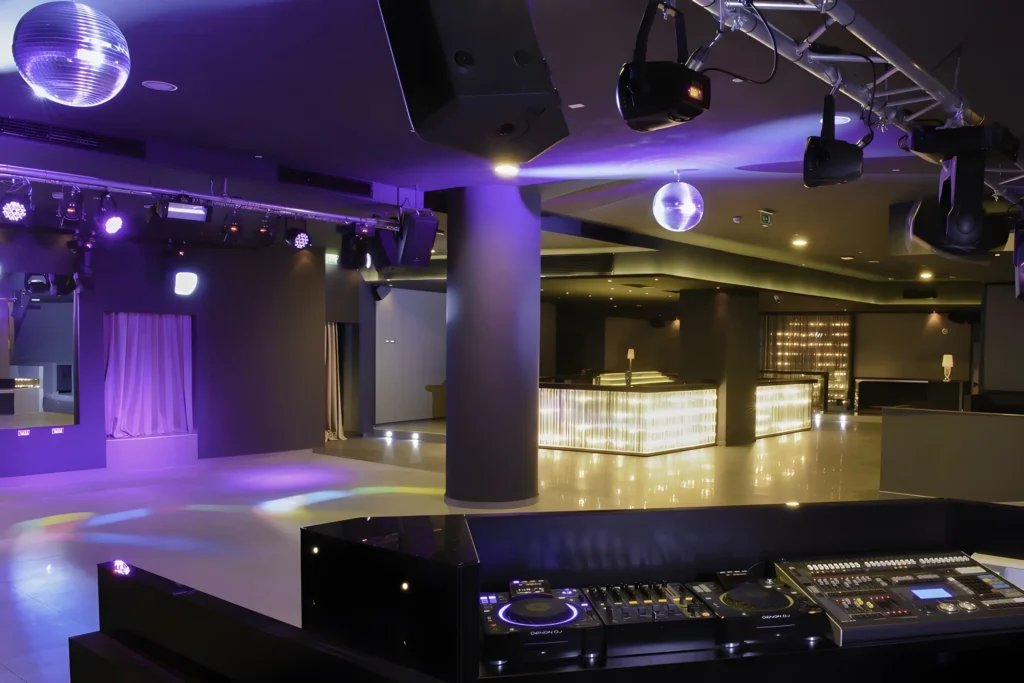
Elegant and contemporary with ambient lighting, refined comfort, marble bathrooms, and a serene spa atmosphere.
Tags
Vibe
Best For
Experience
Amenities
Accessibility
About the Stay
- Rooms
- 495
- Check-in
- 11:00
- Check-out
- 14:00
- Property Style
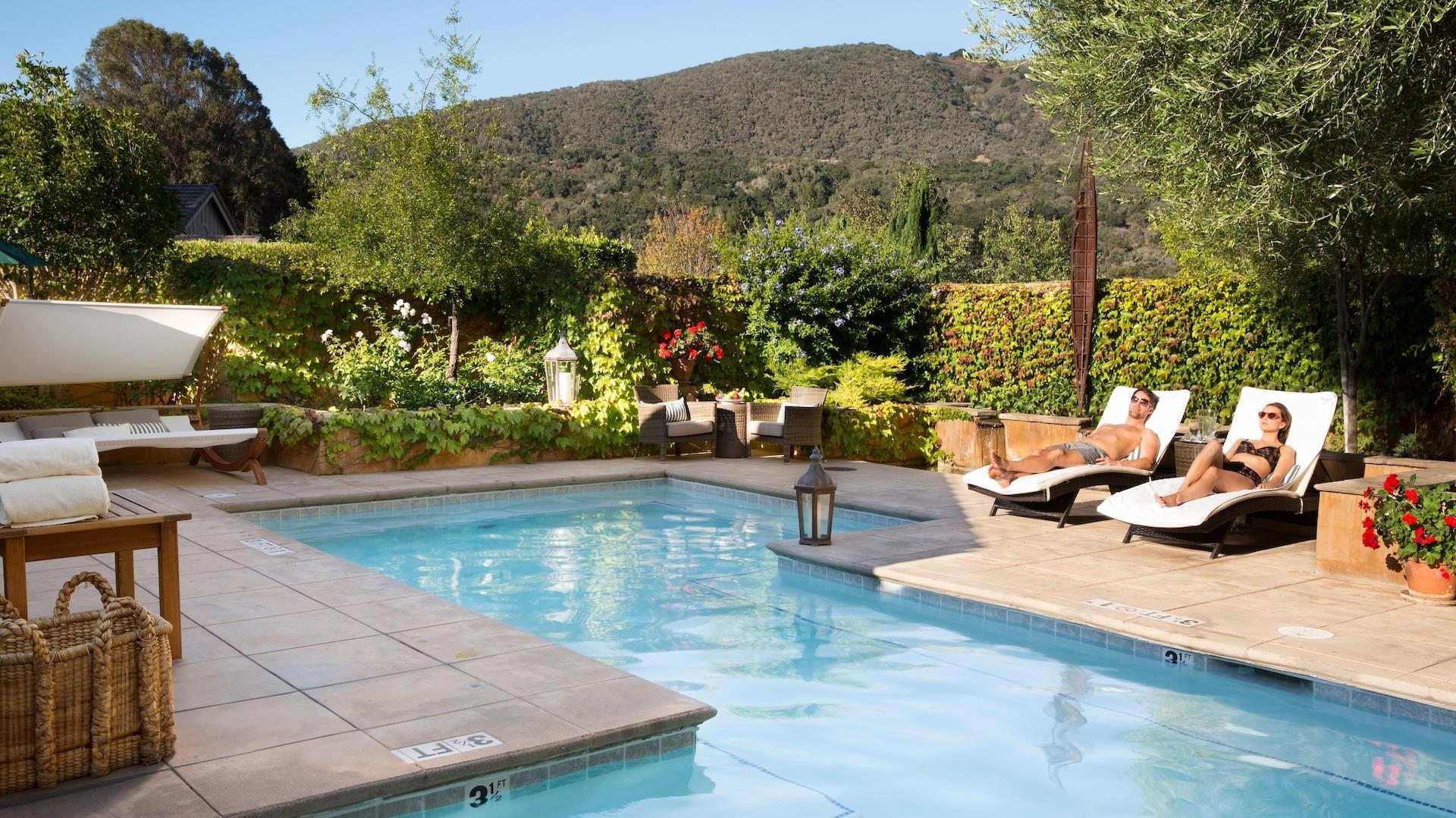
- Luxurious Resort Style Property with Extensive Suites and Villas in a Modern Complex.
- Design Style
- Contemporary Modern with Elegant Marble Bathrooms and African Inspired Luxury Elements.
- Airport Transfer
- Available
- Pool
- Yes
- Spa
- Yes
- Families
- Welcome
Know before you go
Know Before You Go
- Getting there
- Grand Hotel, Ciudad de la Paz
Planning details
Location
Recognition and awards
Also consider
Also Consider
- Radisson Blu Okoume Palace Libreville, Notable alternative
- Hotel Akwa Palace Douala, Notable alternative
Hotel context
How Grand Hotel Djibloho compares
Grand Hotel Djibloho is the right choice when the trip is anchored in Ciudad de la Paz. Against Radisson Blu Okoume Palace Libreville, the tradeoff is simple: Libreville may suit a Gabon itinerary, but it is not a practical substitute for meetings or family plans in Ciudad de la Paz.
Hotel Akwa Palace Douala belongs in the conversation only if Douala is part of the trip. For value, booking difficulty, and day-to-day convenience, the better hotel is the one closest to the reason for travel. If Ciudad de la Paz is fixed, Grand Hotel Djibloho wins on logistics; if the itinerary is Cameroon- or Gabon-based, choose the relevant regional peer instead.
Ambiance is harder to compare without using the city as the filter. Grand Hotel Djibloho reads as the more formal, destination-specific base, while the regional peers make sense for travelers who need established city-hotel infrastructure in larger commercial hubs. Families and business travelers should decide by schedule first, then room needs.
Explore Ciudad de la Paz
Around this place
Discover more on Pearl
Unlock the full Grand Hotel Djibloho guide in Pearl, including awards, comparisons, FAQs, planning details, and nearby places.
Compare Grand Hotel Djibloho
| Venue | Location | Awards |
|---|---|---|
| Grand Hotel Djibloho | Ciudad de la Paz | Preferred Hotels Member 2025 |
| Radisson Blu Okoume Palace Libreville | Libreville | No published awards |
| Hotel Akwa Palace Douala | Douala | No published awards |
How Grand Hotel Djibloho compares with similar nearby venues.
FAQ
Frequently Asked Questions
Is Grand Hotel Djibloho good for business travel?
Grand Hotel Djibloho may be relevant if your trip requires a stay in Ciudad de la Paz. Ask the hotel directly about meeting spaces, work-friendly amenities, connectivity, and services for your dates. Its details include a smart casual dress code and Preferred Hotels Member status in 2025. For a hotel reference in another city, Radisson Blu Okoume Palace Libreville is a separate regional comparison.
What is check-in like at Grand Hotel Djibloho?
Confirm arrival time, identification requirements, payment details, and any transfer needs directly with Grand Hotel Djibloho before traveling to Ciudad de la Paz.
When is the best time to book Grand Hotel Djibloho?
Book once your Ciudad de la Paz dates are firm, and confirm current availability and terms directly with the hotel. If your destination is flexible, Hotel Akwa Palace Douala can be considered as a separate regional option in Douala.
How does Grand Hotel Djibloho compare to regional hotels?
Grand Hotel Djibloho is the relevant comparison point when the stay needs to be in Ciudad de la Paz. Radisson Blu Okoume Palace Libreville and Hotel Akwa Palace Douala are useful regional references in Libreville and Douala, but they serve different itineraries.
How is the dining at Grand Hotel Djibloho?
If dining is important to your stay, contact Grand Hotel Djibloho directly for current restaurant and service information before booking.
Which room category is best at Grand Hotel Djibloho?
Ask the hotel directly about available room types, size, bedding, views, and any accessibility or family requirements before confirming a stay in Ciudad de la Paz.