
Banyan Tree Chongqing Beibei
Beibei District, Chongqing
Hotel in Chongqing, China
 Book with Pearl
The Read
Vernacular Hot Spring Retreat
Why go
Banyan Tree Chongqing Beibei is worth considering for a wellness-led Chongqing escape, especially for couples or celebration stays where spa time and a quieter Beibei setting matter more than city access. The 2025 Michelin 1 Key is the main quality signal. Cross-shop central Chongqing hotels if meetings, dining, or urban convenience are the real priority.
About Banyan Tree Chongqing Beibei
Banyan Tree Chongqing Beibei is a Chongqing hotel with a confirmed Michelin 1 Key recognition for 2025. Beyond that quality marker and a smart-casual dress code, details for specific facilities, dining formats, room categories, prices, hours, or services are not available. Plan with that in mind: use the confirmed accolade as a signal of hotel quality, but confirm any trip-specific needs directly before booking, especially if your stay depends on particular amenities, service timings, or room features.
A Chongqing hotel with a confirmed 2025 Michelin 1 Key
The clearest reason to consider Banyan Tree Chongqing Beibei is its Michelin 1 Key recognition in 2025. That is the grounded quality signal, and it is the safest basis for comparison when deciding whether it fits your trip. In practical terms, the Key gives the hotel a point of distinction, but it should not be stretched into assumptions about every part of the stay.
Because detailed public planning facts are not available, avoid assuming a particular restaurant concept, wellness program, room layout, or service package. If location convenience within Chongqing is important, compare the hotel with InterContinental Chongqing Raffles City. If you are considering a wider regional itinerary, Chengdu Expo Waterfall - MGallery, InterContinental Century City Chengdu, InterContinental Chengdu Global Center, and Pushine Jinfoshan Resort may also be useful reference points depending on your route. Those comparisons are most useful as planning anchors, not as one-to-one substitutes, because each property may serve a different kind of trip.
Book with confirmed priorities, not assumptions
The Michelin 1 Key recognition in 2025 is the clearest quality signal: it points to a hotel experience recognized by Michelin. For readers, the practical interpretation is simple. This is a stronger fit when you value a confirmed hotel accolade and are prepared to verify the exact facilities, room details, and services you need before committing. Treat the recognition as a starting point for confidence, then build the rest of the booking around confirmed information.
Room-category choice should be handled directly through the hotel or your booking channel. Details for specific named categories, layouts, views, or in-room amenities are not available, so the right choice depends on the current inventory and the confirmed inclusions at the time of booking. Ask especially about the elements that would change your decision, rather than relying on general expectations of the brand or destination.
Dining is also best approached carefully. Cuisine focus, chef-led format, price point, or service schedule details are not available, so do not book primarily on the assumption of a specific restaurant experience. For food-led planning, use other Chongqing dining research alongside the hotel decision. If meals are central to the trip, confirm what is available during your exact stay before treating dining as a deciding factor.
Who should book, and who should cross-shop
Book this if you want a Chongqing hotel with a confirmed 2025 Michelin 1 Key and are comfortable confirming practical details directly. Cross-shop InterContinental Chongqing Raffles City if you want another Chongqing hotel reference point, or Pushine Jinfoshan Resort if you are comparing resort-style options in the wider region. For Chengdu-area alternatives, Chengdu Expo Waterfall - MGallery, InterContinental Century City Chengdu, and InterContinental Chengdu Global Center are separate-city comparisons rather than Chongqing options. This distinction matters: the better shortlist depends on whether your priority is staying in Chongqing itself or building a broader regional route.
Quick reference: choose Banyan Tree Chongqing Beibei for a Chongqing stay anchored by its confirmed 2025 Michelin 1 Key; verify facilities, dining, room details, and services before booking.
Planning details
- Location
- Chong Qing Shi, Bei Bei Qu, 澄江镇温泉路101号 邮政编码: 400700
- Website
- banyantree.com
- Phone
- +86 23 6030 8888
The take
The Take
The Vibe
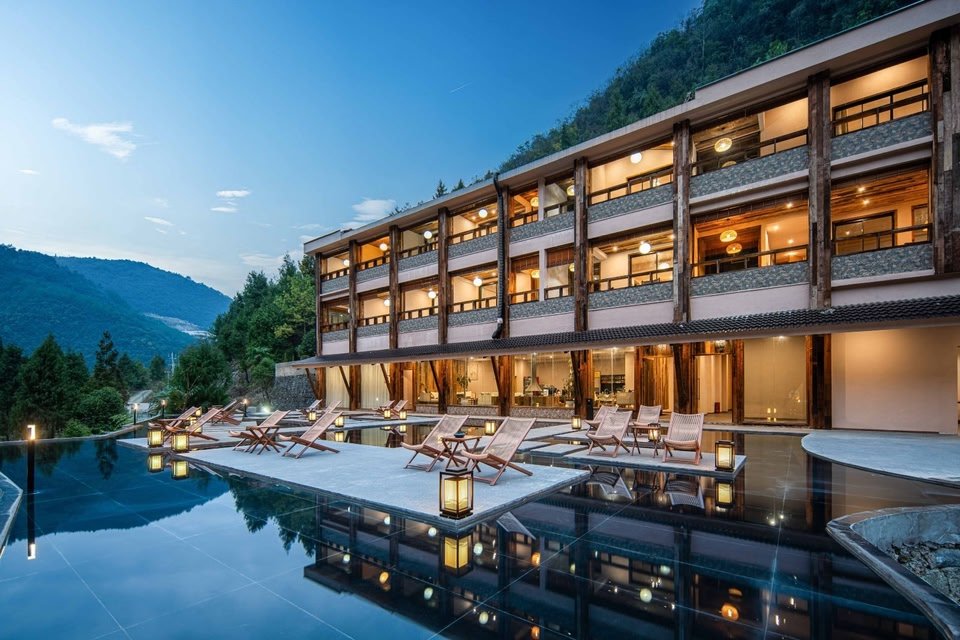
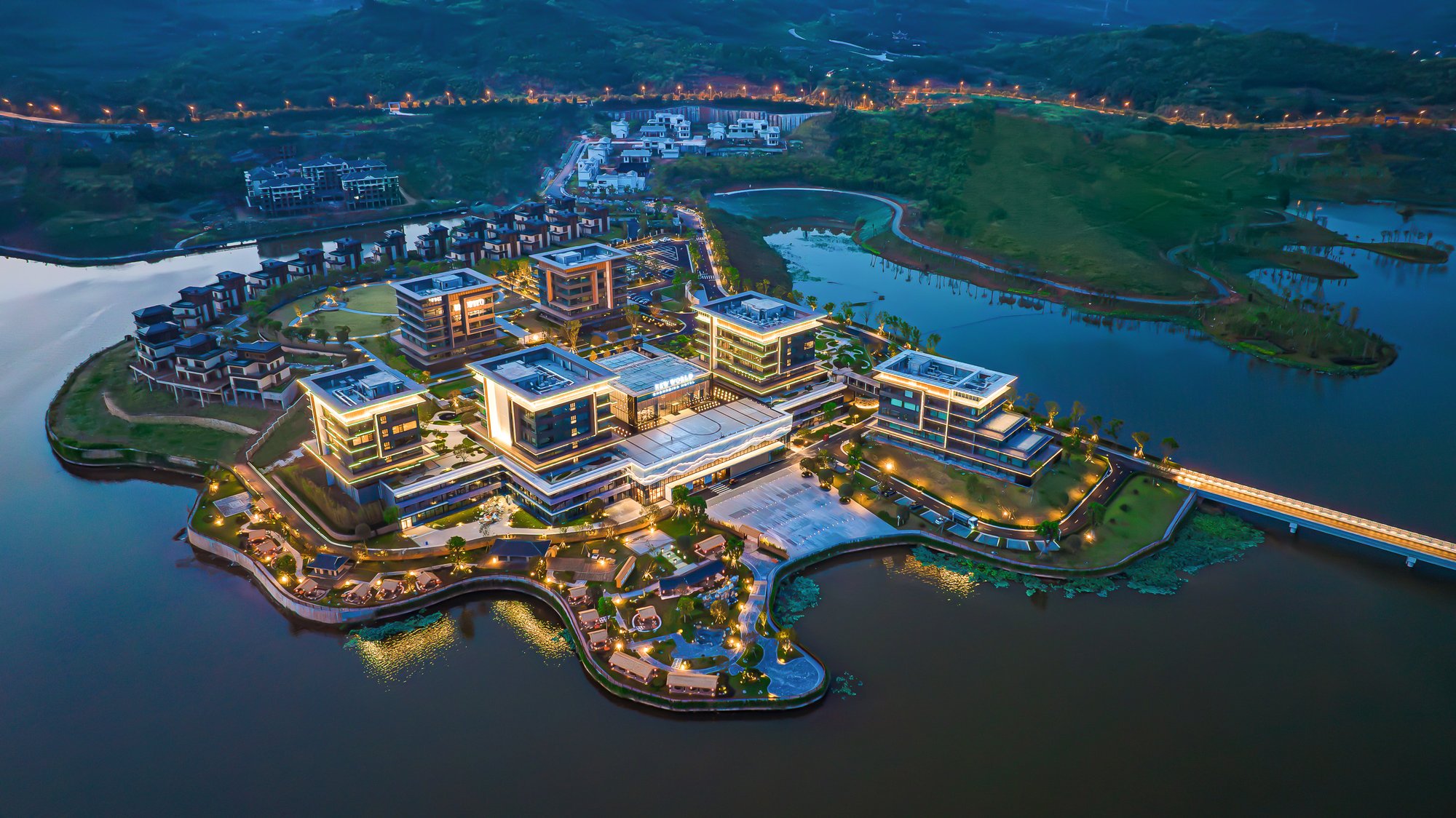
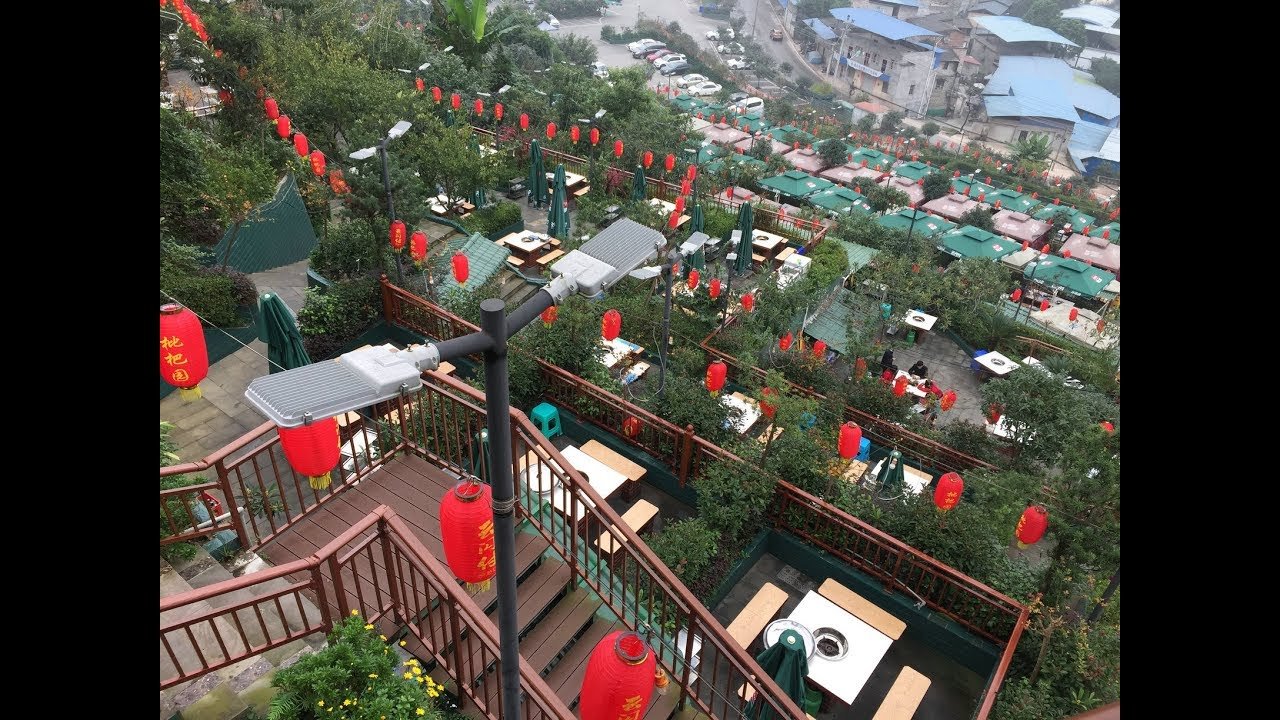
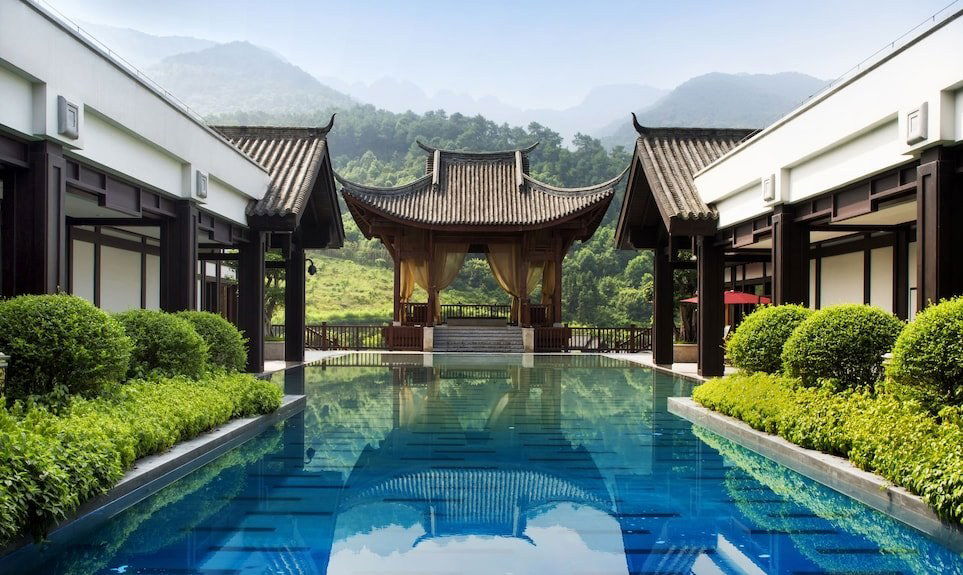
Banyan Tree Chongqing Beibei reads as a mountain retreat first and a city hotel second. The architecture borrows from local vernacular — pitched roofs and natural material palettes — and the low, horizontal massing is set deliberately against a rugged mountain backdrop. The resort intentionally slows the visitor’s pace: forested ridges, thermal-spring geology and a retreat-focused layout create a measured, restorative atmosphere. The property emphasizes regional identity over urban gloss, trading skyline presence for a grounded, quietly crafted experience that feels rooted in Chongqing’s northern landscape and hot‑spring tradition.
Best For
This property is best for travelers seeking a restorative mountain escape rooted in local hot‑spring culture. The resort’s location in Beibei and its classification of all units as Retreats favor wellness-minded guests, couples after a quiet romantic break and families wanting more space than a standard city room. It also suits anyone who prefers architecture and landscapes that foreground regional character rather than downtown skyline views. Guests who value privacy, slower rhythms and direct access to thermal-spring surroundings will find the hotel’s retreat format particularly appropriate.
Stay Tips
When booking, prioritize reserving one of the property’s Retreat accommodations, since the description emphasizes that the 96 units are organized as Retreats rather than standard hotel rooms. Given the hotel’s location north of Chongqing’s downtown, allow extra planning time for the transfer and confirm arrival logistics. If the hot‑spring tradition is a primary draw, inquire in advance about on‑site thermal amenities and how they are accessed, so you can ensure the stay aligns with your wellness expectations.
Venue details
Ambiance
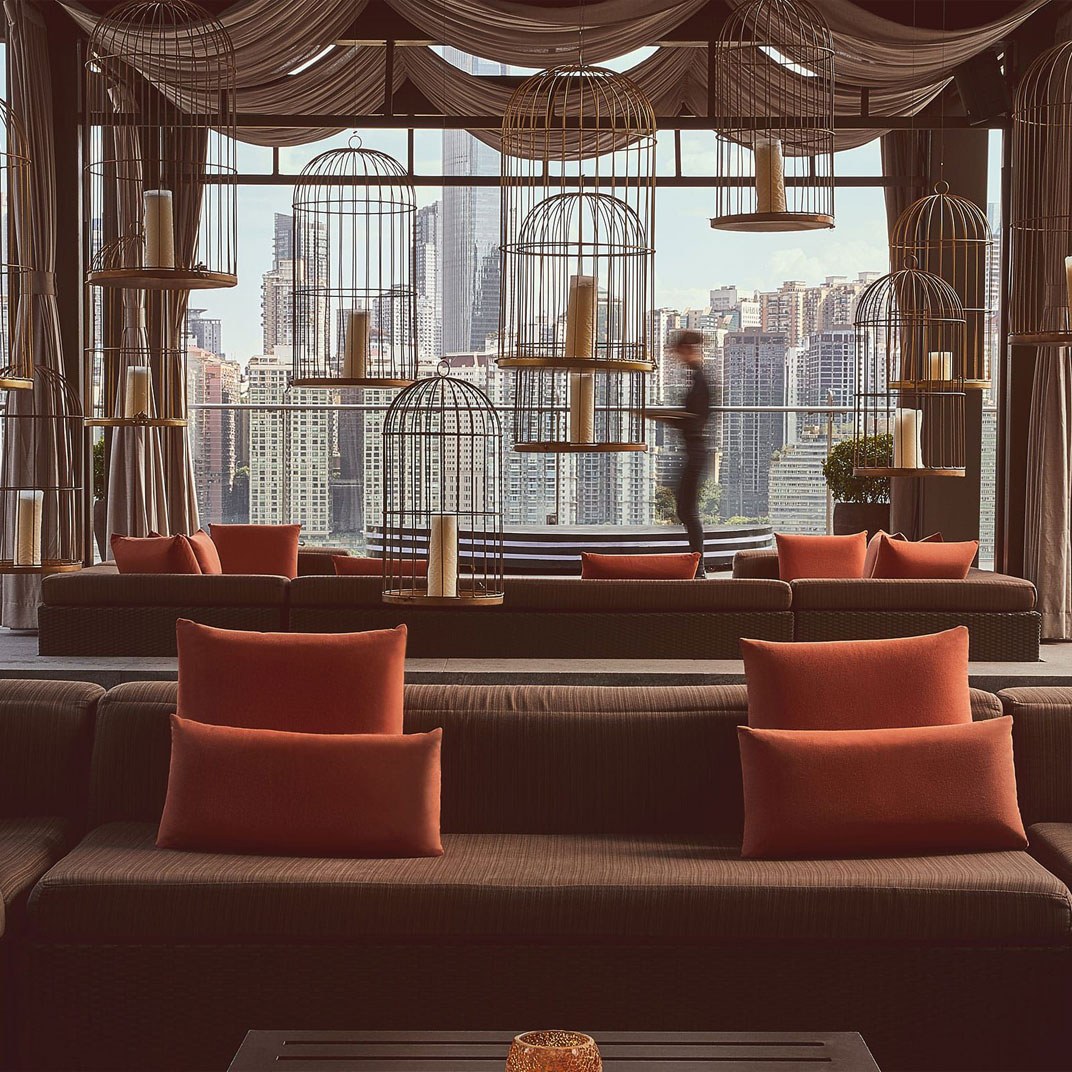
Serene and luxurious with warm, restorative atmosphere enhanced by natural hot spring waters, lush green surroundings, and contemporary design blending nature with upscale comfort.
Tags
Vibe
Best For
Experience
Amenities
View
Accessibility
About the Stay
- Rooms
- 95
- Check-in
- 15:00
- Check-out
- 12:00
- Property Type
- Boutique hotel
- Property Style
- Eco Luxury Contemporary Resort Nestled in Nature with Emphasis on Wellness and Cultural Immersion
- Design Style
- Oriental Inspired with Modern Amenities, Featuring Natural Materials, Mountain Views, and Integration with Surrounding Landscape
- Breakfast
- Included
- Airport Transfer
- Available
- Pool
- Yes
- Spa
- Yes
- Families
- Welcome
Know before you go
Know Before You Go
- Getting there
- Chong Qing Shi, Bei Bei Qu, 澄江镇温泉路101号 邮政编码: 400700
Planning details
Location
Recognition and awards
Also consider
Also Consider
- Pushine Jinfoshan Resort, Notable alternative
- InterContinental Chongqing Raffles City, Notable alternative
- InterContinental Century City Chengdu, Notable alternative
- InterContinental Chengdu Global Center, Notable alternative
- Chengdu Expo Waterfall - MGallery, Notable alternative
Hotel context
How it compares
Banyan Tree Chongqing Beibei is the stronger pick when the trip is built around spa time, pool time, and a quieter Beibei retreat. InterContinental Chongqing Raffles City is the better choice for city access, business travel, and a more connected Chongqing base. If the stay needs to feel like a retreat, choose Banyan Tree; if the itinerary is downtown-heavy, choose the InterContinental.
Pushine Jinfoshan Resort is the closest cross-shop for travelers who want a resort mood rather than an urban hotel. The difference is positioning: Banyan Tree is the safer choice for a wellness-led special occasion with a recognized luxury signal, while Pushine makes more sense for guests prioritizing a broader nature-resort frame in the Chongqing area.
The Chengdu options are more useful if the trip can shift cities. InterContinental Century City Chengdu and InterContinental Chengdu Global Center suit convention, business, and large-complex convenience. Chengdu Expo Waterfall - MGallery is the better cross-shop for travelers who want a design-forward Chengdu alternative rather than a hot-spring retreat near Chongqing.
Explore Chongqing
Around this place
Discover more on Pearl
Unlock the full Banyan Tree Chongqing Beibei guide in Pearl, including awards, comparisons, FAQs, planning details, and nearby places.
Compare Banyan Tree Chongqing Beibei
| Venue | Location | Awards |
|---|---|---|
| Banyan Tree Chongqing Beibei | Chongqing | 2026 Michelin 1 KeyMichelin 1 Key 20252025 Michelin 1 Key |
| Pushine Jinfoshan Resort | Chongqing | Leading Hotels of the World 2026 |
| InterContinental Chongqing Raffles City | Chongqing | 2026 Michelin 1 Key2025 Michelin 1 Key |
| InterContinental Century City Chengdu | Chengdu | No published awards |
| InterContinental Chengdu Global Center | Chengdu | No published awards |
| Chengdu Expo Waterfall - MGallery | Chengdu | No published awards |


How Banyan Tree Chongqing Beibei compares with similar nearby venues.
FAQ
Frequently Asked Questions
How is the pool and spa at Banyan Tree Chongqing Beibei?
Details for the pool or spa are not available. The confirmed quality marker is the Michelin 1 Key recognition in 2025, but guests should confirm specific facilities directly before booking. InterContinental Chongqing Raffles City is another Chongqing hotel to compare if location and practical access matter more.
Is Banyan Tree Chongqing Beibei family-friendly?
Family-specific details for Banyan Tree Chongqing Beibei are not available. If traveling with children, confirm room setup, services, and any family policies directly with the hotel before booking. The location for planning purposes is Chongqing.
How is the dining at Banyan Tree Chongqing Beibei?
Cuisine focus, chef-led format, price point, or service schedule details are not available. Treat dining details as something to confirm directly with the hotel. If restaurant choice is central to the trip, research other dining in Chongqing alongside the hotel decision.
Which room category is best at Banyan Tree Chongqing Beibei?
Choose based on the current confirmed inclusions and policies shown by the hotel or booking channel. Details for specific named room categories are not available, so the safest approach is to confirm the exact room features before paying.
Do loyalty programs work at Banyan Tree Chongqing Beibei?
Loyalty-program details for this hotel are not available. Confirm earning, redemption, elite benefits, and booking-channel rules before you commit. If points are a major priority, compare the confirmed terms with larger chain options such as InterContinental Chongqing Raffles City.
When is the best time to book Banyan Tree Chongqing Beibei?
Demand patterns or booking-window guidance for this hotel are not available. If your dates are important, book when the room, rate, and cancellation terms match your needs, and confirm any essential services directly before arrival.
Is Banyan Tree Chongqing Beibei good for business travel?
It may work for some business trips, but business-facility or access details are not available. If efficiency is the priority, compare it with InterContinental Chongqing Raffles City and confirm the practical requirements of your itinerary before booking.