
Tamarind Village
Mueang Chiang Mai, Chiang Mai
Hotel in Chiang Mai, Thailand
 Book with Pearl
The Read
Old-City Resort Retreat
Why go
Tamarind Village is a smart Chiang Mai pick for couples or special-occasion travelers who want old-city atmosphere over big-brand scale. Book early for fixed dates, choose the entry room tier unless the stay is built around downtime, and cross-shop Rachamankha for a quieter heritage feel or Chiang Mai Marriott Hotel for loyalty-driven convenience.
About Tamarind Village
Tamarind Village is a hotel in Chiang Mai with Michelin 1 Key recognition for 2025. The confirmed accolade is its main public distinction, making it a Chiang Mai stay worth considering for travelers who value recognized quality over a long list of advertised amenities.
The practical decision is whether Tamarind Village fits the kind of Chiang Mai trip you are planning. Compare current booking terms directly before committing, especially if the stay depends on a specific room setup, accessibility need, or hotel feature.
Choose this for a confirmed Michelin Key stay in Chiang Mai
Tamarind Village can be considered by travelers who want a Chiang Mai hotel with Michelin 1 Key recognition. Beyond that confirmed point, check the exact facilities, dining options, room layouts, and arrival experience that matter most to you.
If your dates are fixed, check availability and cancellation terms before building the rest of the trip. If your plans are flexible, compare Tamarind Village with other Chiang Mai options based on the latest room information, rates, and policies available at the time of booking.
Who should cross-shop before committing
If you are comparing different Chiang Mai hotel styles, consider Chiang Mai Marriott Hotel or Le Méridien Chiang Mai alongside Tamarind Village. Rachamankha, Sala Lanna Chiang Mai Hotel, and Away Chiang Mai Thapae Resort - A Vegan Retreat are also relevant Chiang Mai comparisons depending on the type of stay you want.
For a broader Chiang Mai hotel search, use Our full Chiang Mai hotels guide. Travelers pairing the stay with dining, drinks, or activities can also scan Our full Chiang Mai restaurants guide, Our full Chiang Mai bars guide, Our full Chiang Mai experiences guide, and Our full Chiang Mai wineries guide. For nearby hotel comparisons, focus on named Chiang Mai options such as Chiang Mai Marriott Hotel, Le Méridien Chiang Mai, Rachamankha, Sala Lanna Chiang Mai Hotel, Away Chiang Mai Thapae Resort - A Vegan Retreat, and Tamarind Village.
For Thailand-wide planning, compare Chiang Mai with other destinations generically, but do not treat those hotels as direct substitutes unless their location, style, and booking terms fit your itinerary.
Planning details
- Location
- 50 Rachadamnoen Rd Soi 1, Tambon Si Phum, Amphoe Mueang Chiang Mai, Chang Wat Chiang Mai 50200
- Website
- tamarindvillage.com/en/index.php
- Phone
- +66 53 418 896
The take
The Take
The Vibe
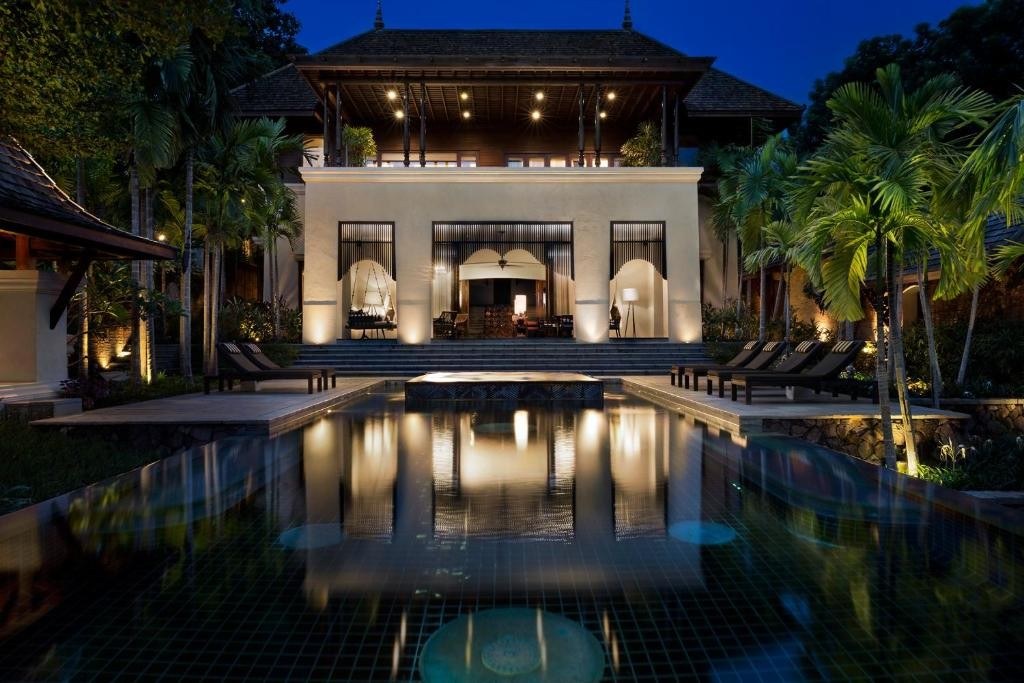
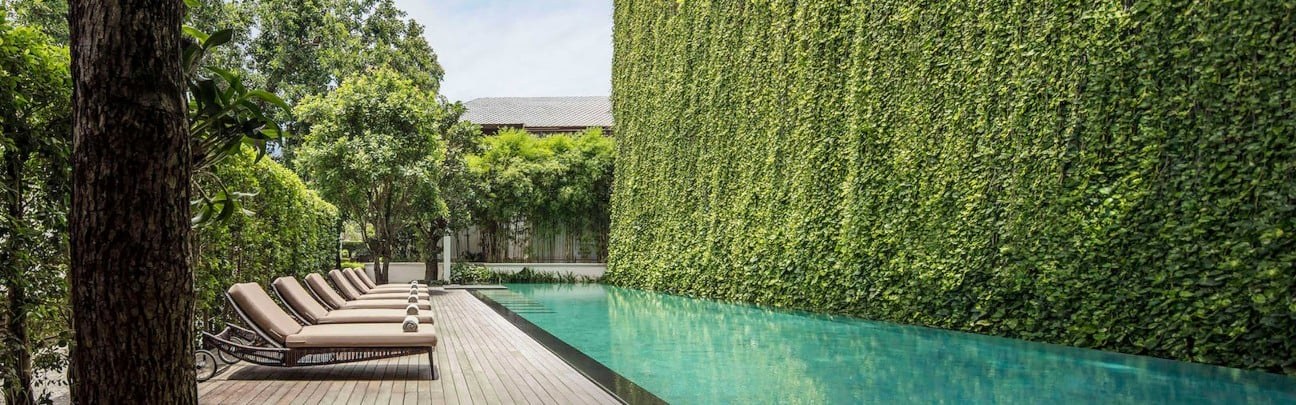
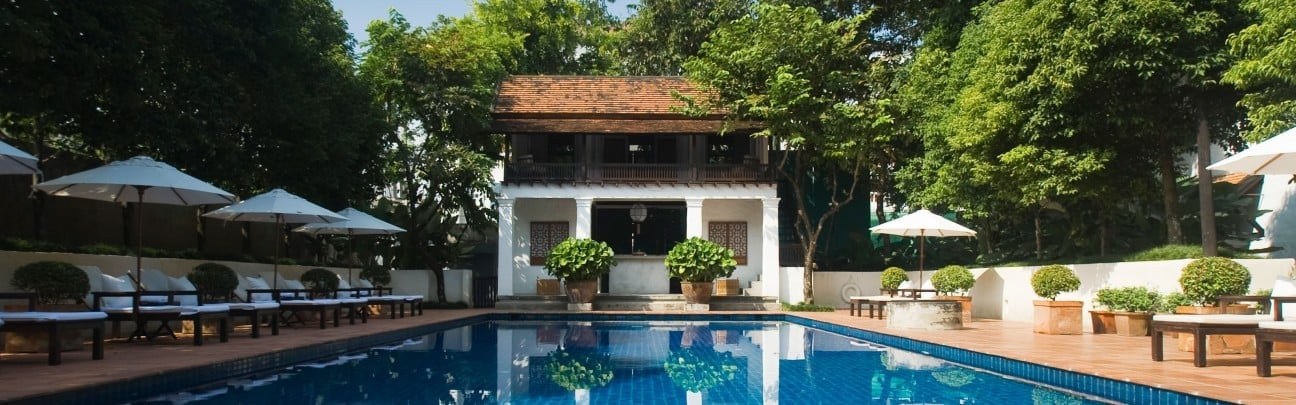
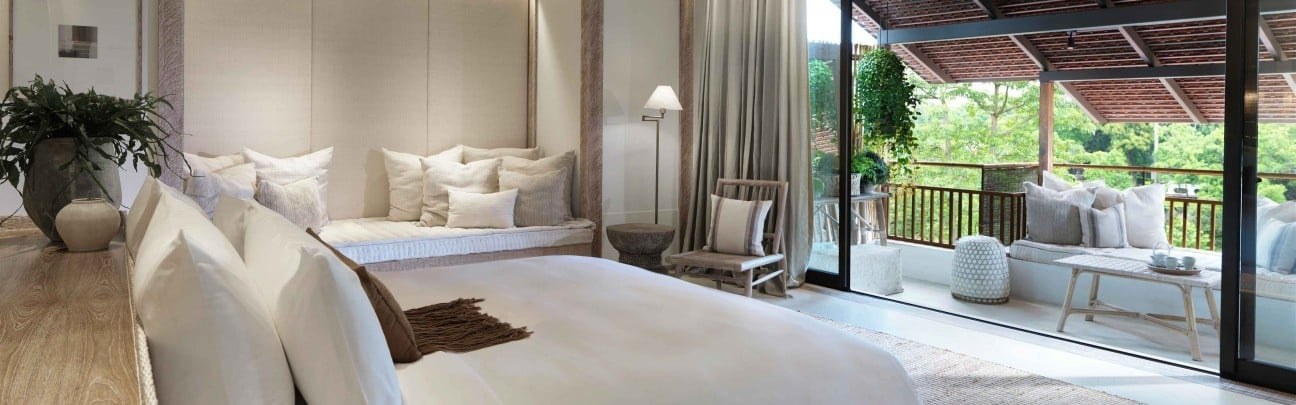
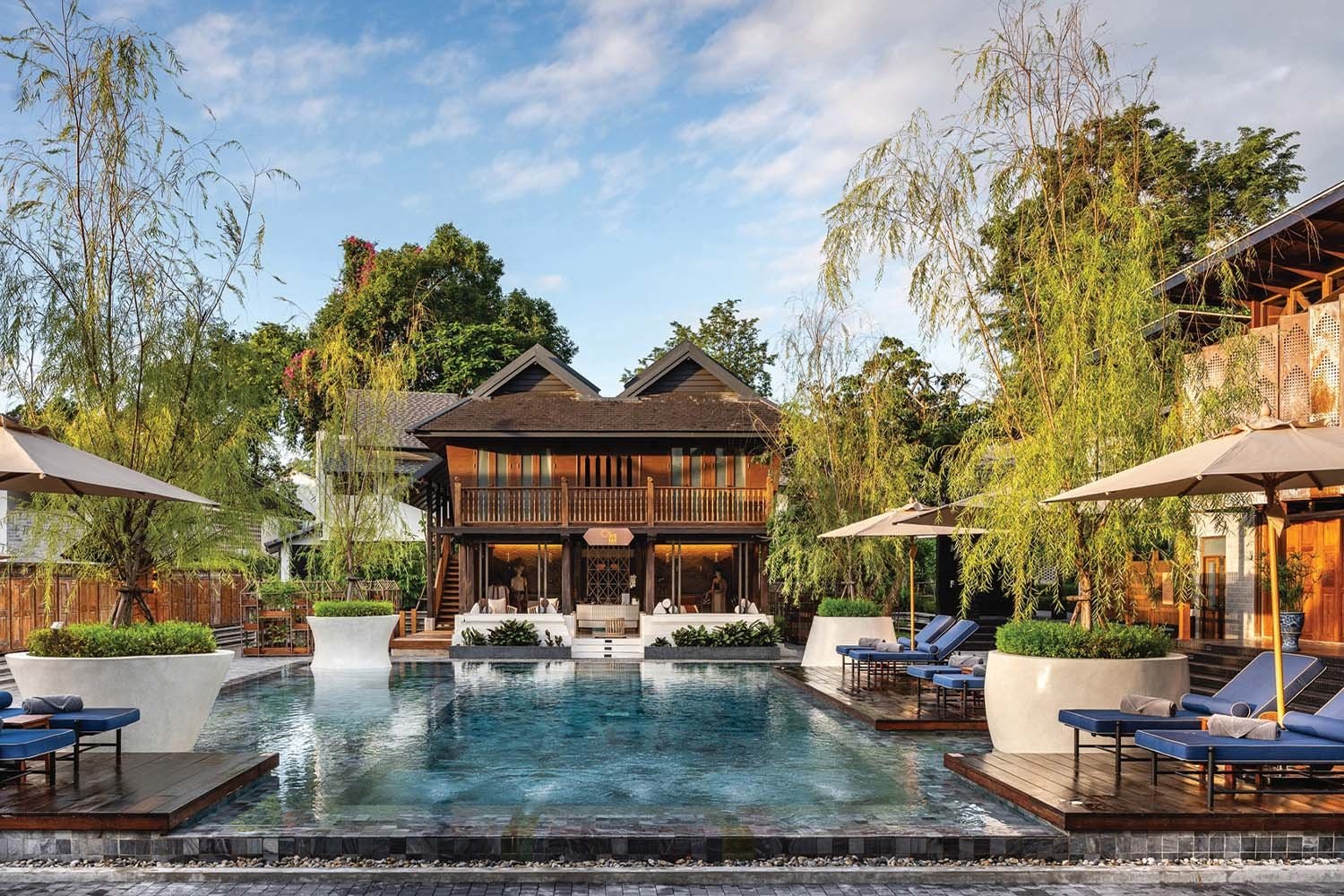
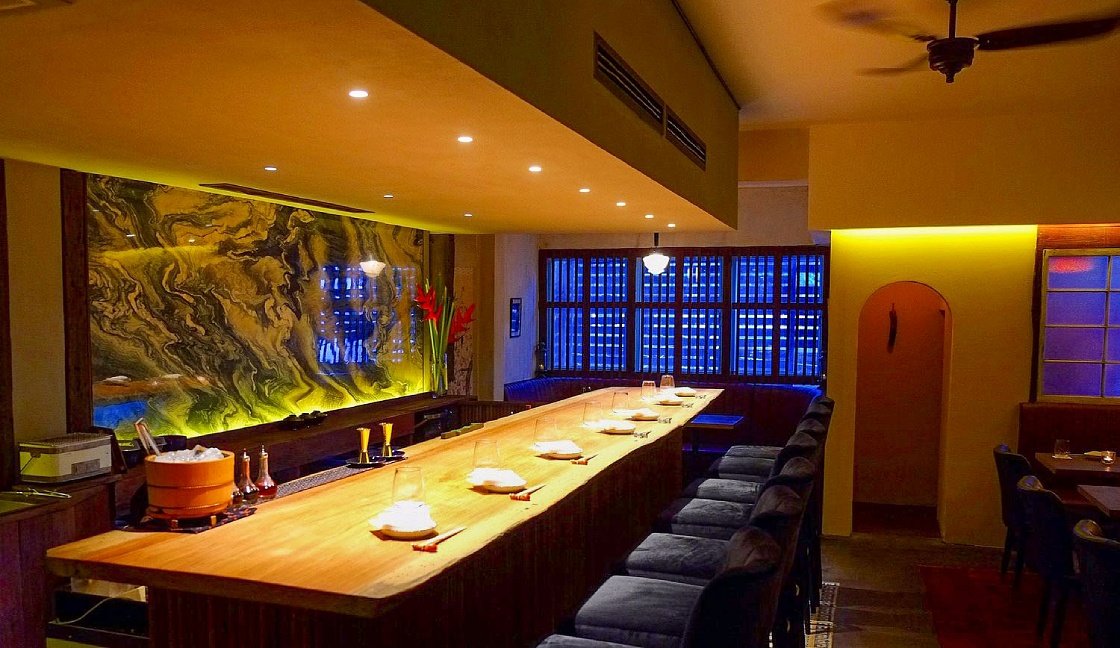
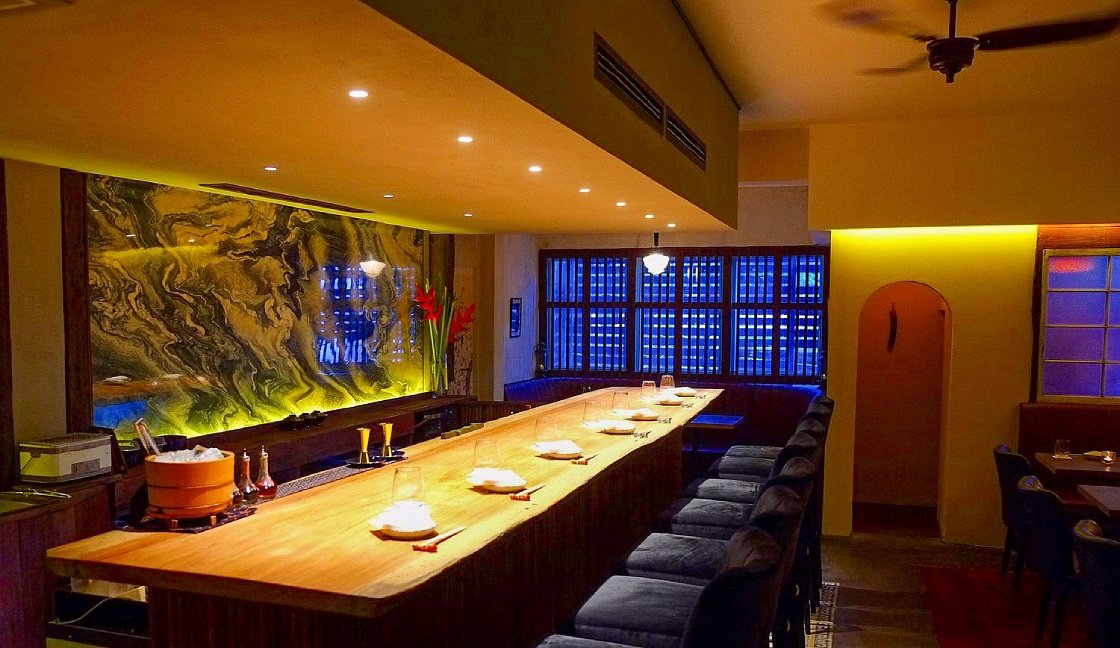
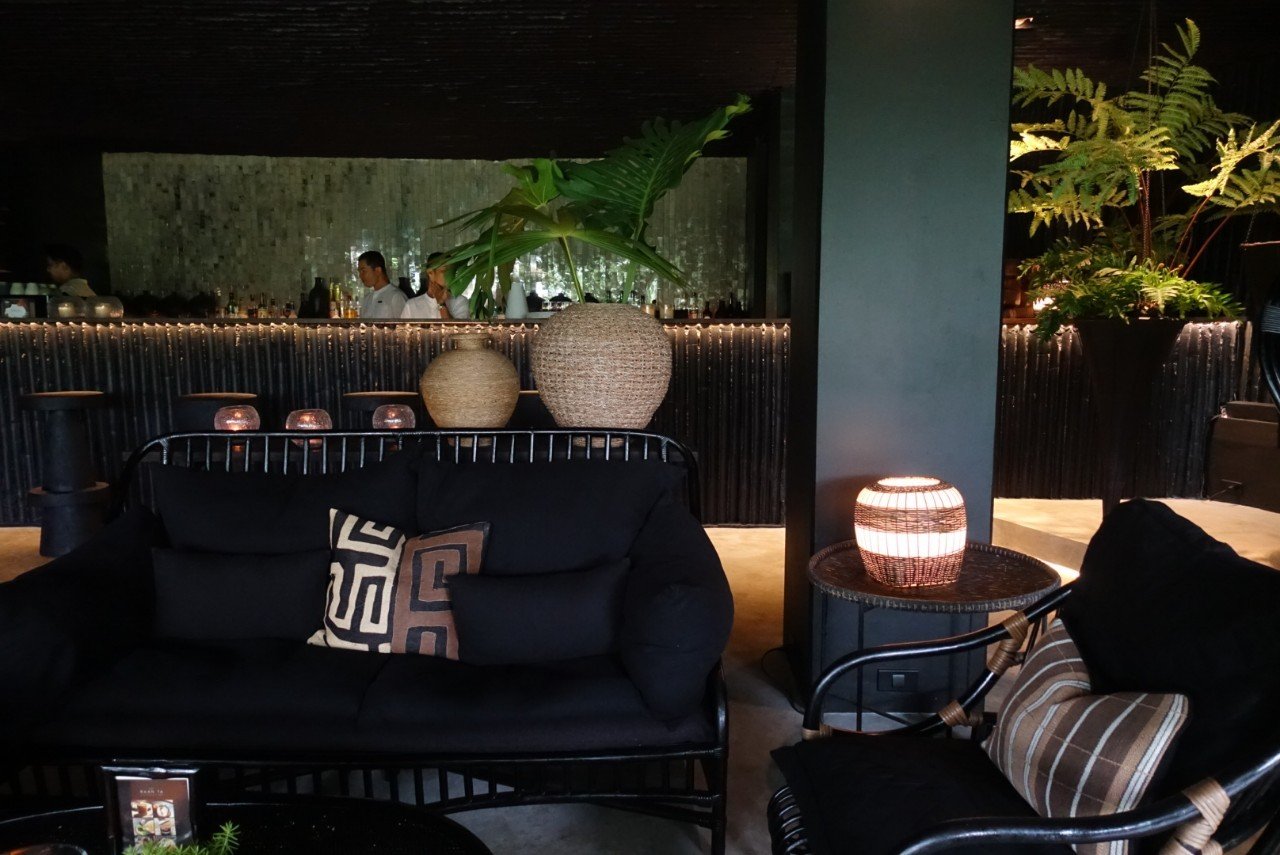
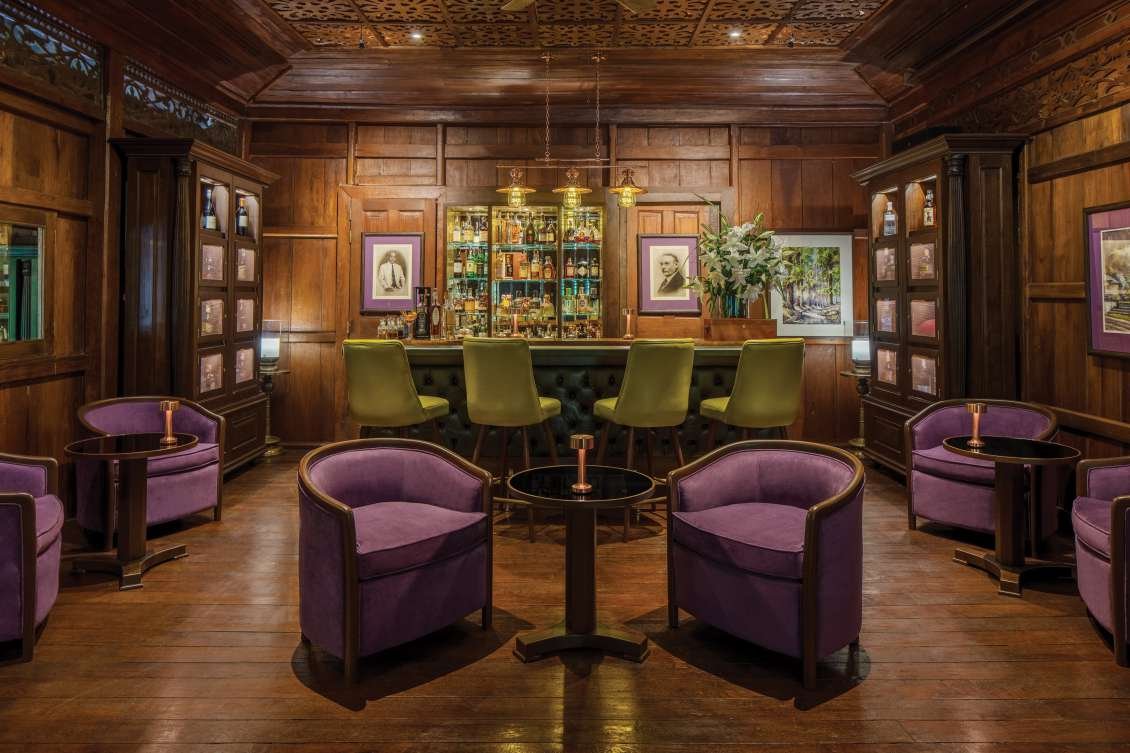
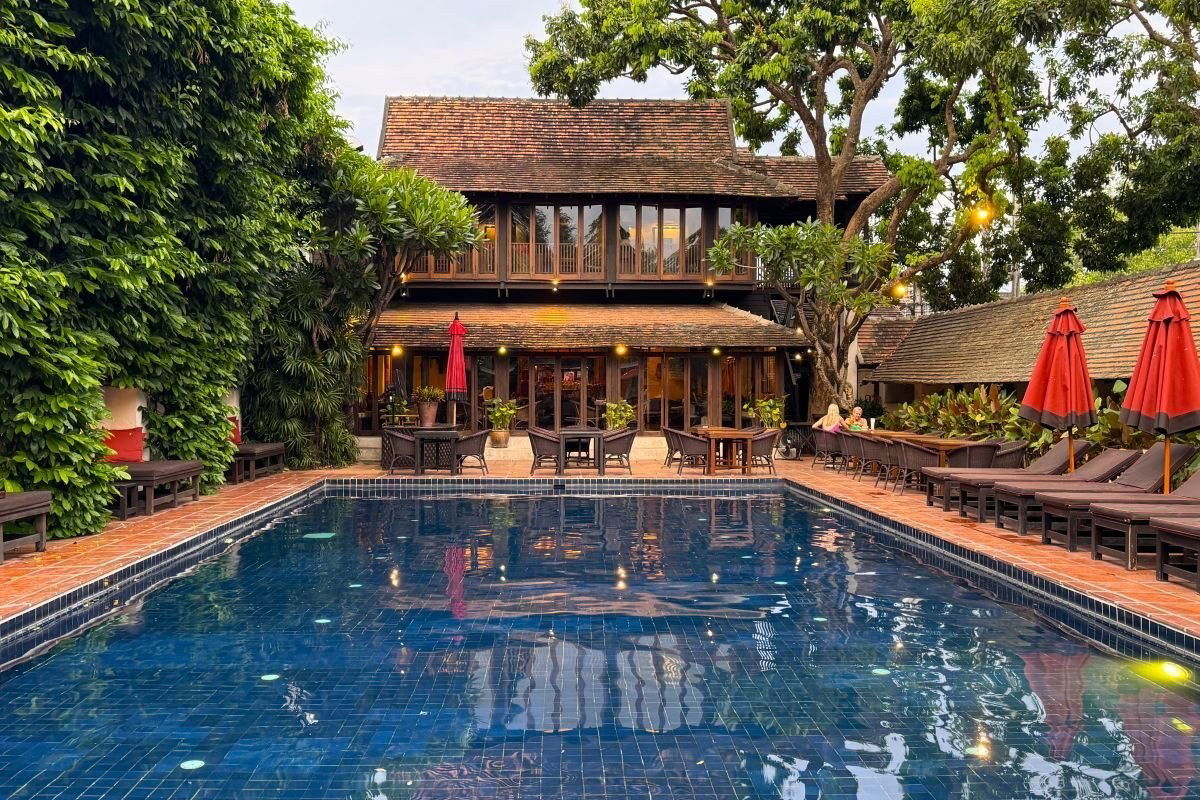
Tamarind Village reads like a quietly curated garden dropped inside Chiang Mai’s Old City. The property orients itself around a 200-year-old tamarind tree and a bamboo archway that mark a clear threshold from the busy moat road into a calm compound. With just 42 rooms, the hotel emphasizes intimacy and a measured pace rather than showy renovation tropes; rooms reference the Lanna textile tradition with lacquer boxes and patterned fabrics without feeling like decor tourism. Overall the feel is serene, charming and intimately historic — a small, thoughtfully resolved refuge inside the city walls.
Best For
This is a stay for travellers who prize place and quiet over flash. The compound’s garden setting and modest room count suit solo travellers and couples seeking a peaceful base inside the Old City. Cultural-minded visitors who appreciate Lanna weaving and regional craft find the property’s restrained use of tribal textiles and lacquerwork a fitting backdrop. It’s also a good option for anyone who wants to retreat from the street while remaining within walking distance of temples, markets and the moat road.
Venue details
Ambiance
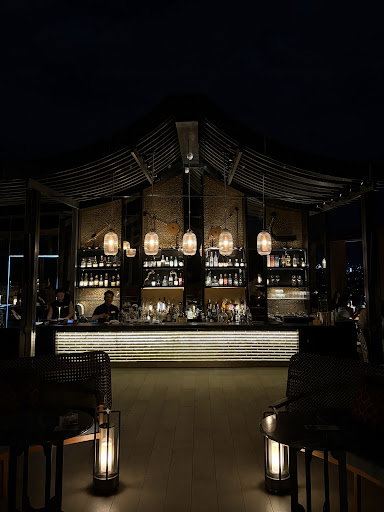
Serene and peaceful with warm, ambient lighting throughout lush garden courtyards; guests consistently describe it as a tranquil oasis despite its central location in a busy city.
Tags
Vibe
Best For
Experience
Amenities
View
Accessibility
About the Stay
- Rooms
- 45
- Check-in
- 14:00
- Check-out
- 12:00
- Property Style
- Historic Lanna Style Boutique Hotel with Traditional Thai Architecture and Contemporary Comfort, Positioned as a Peaceful Retreat Within the Urban Old City.
- Design Style
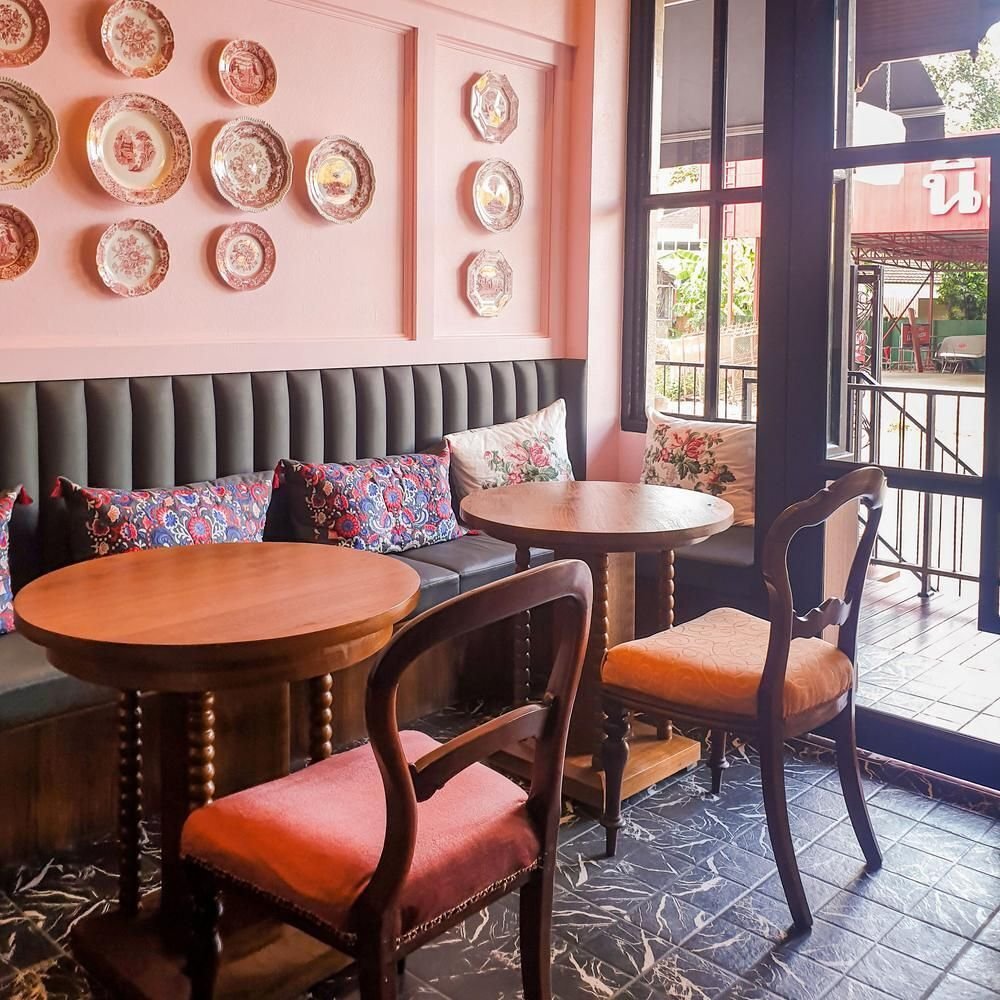
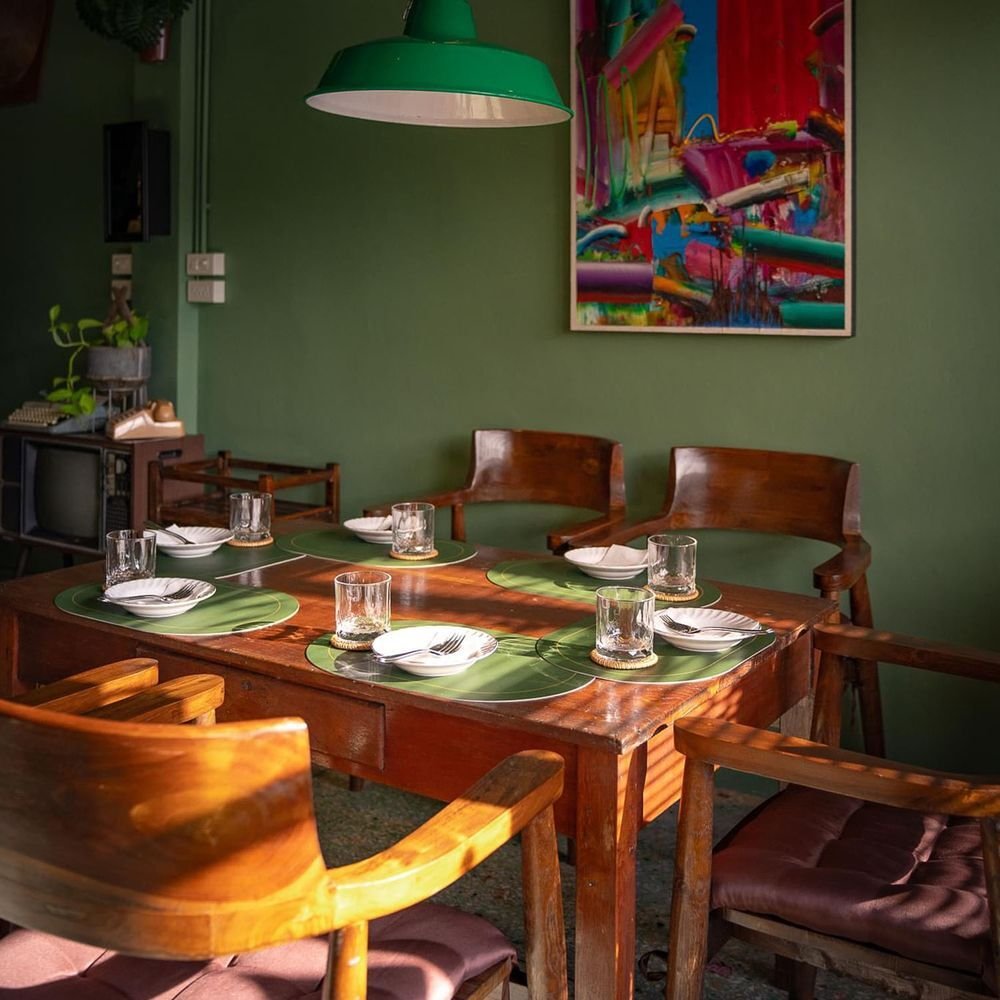
- Rustic Elegance with Handmade Accents, Polished Concrete Floors, Thai Hill Tribe Fabrics, Wooden Furnishings, and Lush Tropical Gardens Creating a Charming, Characterful Aesthetic.
Know before you go
Know Before You Go
- Getting there
- 50 Rachadamnoen Rd Soi 1, Tambon Si Phum, Amphoe Mueang Chiang Mai, Chang Wat Chiang Mai 50200
Planning details
Location
50 Rachadamnoen Rd Soi 1, Tambon Si Phum, Amphoe Mueang Chiang Mai, Chang Wat Chiang Mai 50200 · Directions
Recognition and awards
Also consider
Also Consider
- Away Chiang Mai Thapae Resort - A Vegan Retreat, Notable alternative
- Rachamankha, Notable alternative
- Chiang Mai Marriott Hotel, Notable alternative
- Le Méridien Chiang Mai, Notable alternative
- Sala Lanna Chiang Mai Hotel, Notable alternative
Hotel context
How It Compares
Choose Tamarind Village if the priority is old-city atmosphere and a smaller-scale stay. Rachamankha is the closer cross-shop for travelers who want a more hushed heritage mood, while Sala Lanna Chiang Mai Hotel makes more sense if river proximity is the deciding factor.
For value and ease, Away Chiang Mai Thapae Resort - A Vegan Retreat is the more focused choice for wellness-minded travelers, especially if the vegan retreat angle matters. Tamarind Village is stronger for a celebration where visual character and central positioning carry the stay.
If loyalty benefits, meeting logistics, or a predictable corporate setup matter, book Chiang Mai Marriott Hotel or Le Méridien Chiang Mai instead. Those are safer for business travel; Tamarind Village is the more appealing choice for couples who want a softer old-city base and are willing to plan further ahead.
Explore Chiang Mai
Around this place
Discover more on Pearl
Unlock the full Tamarind Village guide in Pearl, including awards, comparisons, FAQs, planning details, and nearby places.
Compare Tamarind Village
| Venue | Location | Awards |
|---|---|---|
| Tamarind Village | Chiang Mai | Michelin 1 Key 20252025 Michelin 1 Key |
| Away Chiang Mai Thapae Resort - A Vegan Retreat | Chiang Mai | No published awards |
| Rachamankha | Chiang Mai | 2026 Mr & Mrs Smith Luxury Hotels2025 Michelin 2 Keys2024 Michelin 2 Keys |
| Chiang Mai Marriott Hotel | Chiang Mai | No published awards |
| Le Méridien Chiang Mai | Chiang Mai | No published awards |
| Sala Lanna Chiang Mai Hotel | Chiang Mai | No published awards |

How Tamarind Village Chiang Mai compares with similar nearby venues.
FAQ
Frequently Asked Questions
Which room category is best at Tamarind Village?
What is check-in like at Tamarind Village?
Do loyalty programs work at Tamarind Village?
The confirmed distinction is Tamarind Village's Michelin 1 Key recognition for 2025, so travelers who prioritize points or elite benefits should compare current booking options with Chiang Mai Marriott Hotel or Le Méridien Chiang Mai.
When is the best time to book Tamarind Village?
Book when the current rate, cancellation terms, and available room details match your Chiang Mai plans.
Is Tamarind Village good for business travel?
Business-travel suitability depends on the facilities and room details you require. Compare Tamarind Village with Chiang Mai Marriott Hotel, Le Méridien Chiang Mai, or other Chiang Mai hotels if you need specific work-related features.