
Guanyin Yiyuntai Hotel
Chengdushi, Chengdu
Hotel in Chengdu, China
 Book with Pearl
The Read
Qing Yang Heritage Hospitality
Why go
Guanyin Yiyuntai Hotel is worth considering for a design-led Chengdu stay rather than a points-driven business trip. Its 2025 Leading Hotels of World Member recognition gives it a useful quality signal, but travelers who want predictable chain infrastructure should also compare The Ritz-Carlton, The St. Regis, and Niccolo Chengdu.
About Guanyin Yiyuntai Hotel
Guanyin Yiyuntai Hotel is a Chengdu hotel to consider when you are comparing hotel options in the city. The safest way to evaluate it is to confirm current rooms, facilities, location specifics, and booking terms directly before committing.
Guanyin Yiyuntai Hotel is a Leading Hotels of the World member in 2025. Its dress code is smart casual. Beyond those points, avoid relying on assumptions about amenities, service format, dining, or loyalty benefits when deciding whether it fits your trip.
Book for atmosphere, not for chain-hotel predictability
Guanyin Yiyuntai Hotel may appeal to travelers who want an alternative to more familiar hotel names in Chengdu. If you are comparing options, The Ritz-Carlton, Chengdu and The St. Regis Chengdu are natural references to check alongside it, while Niccolo Chengdu may also belong on a Chengdu hotel shortlist.
Expectations should be set carefully. Before booking, confirm the features that matter most to your stay, including room type, facilities, breakfast or dining arrangements, and cancellation terms. Guanyin Yiyuntai Hotel is easiest to consider when its Leading Hotels of the World membership and smart-casual dress code match the kind of stay you want.
Where it fits in a Chengdu hotel shortlist
For most guests, the decision should come down to how much confidence they need before booking. Guanyin Yiyuntai Hotel has a 2025 Leading Hotels of the World member credential. Still, travelers should compare it directly with other Chengdu options if they need more detail on facilities, loyalty benefits, or trip logistics.
Use the wider Chengdu list if the itinerary is still unsettled: Our full Chengdu hotels guide is the better place to compare stays and practical alternatives. Dorsett Chengdu, Niccolo Chengdu, The Ritz-Carlton, Chengdu, The St. Regis Chengdu, and Upper House Chengdu are all reasonable names to check while deciding which hotel best fits the trip.
Quick read: choose Guanyin Yiyuntai Hotel if its Chengdu setting, smart-casual dress code, and 2025 Leading Hotels of the World membership match your priorities; compare other Chengdu hotels if you need more detail before booking.
Planning details
- Location
- 1 Gu Lou Nan Jie, Luomashi, Qing Yang Qu, Cheng Du Shi, Si Chuan Sheng, 610016
The take
The Take
The Vibe
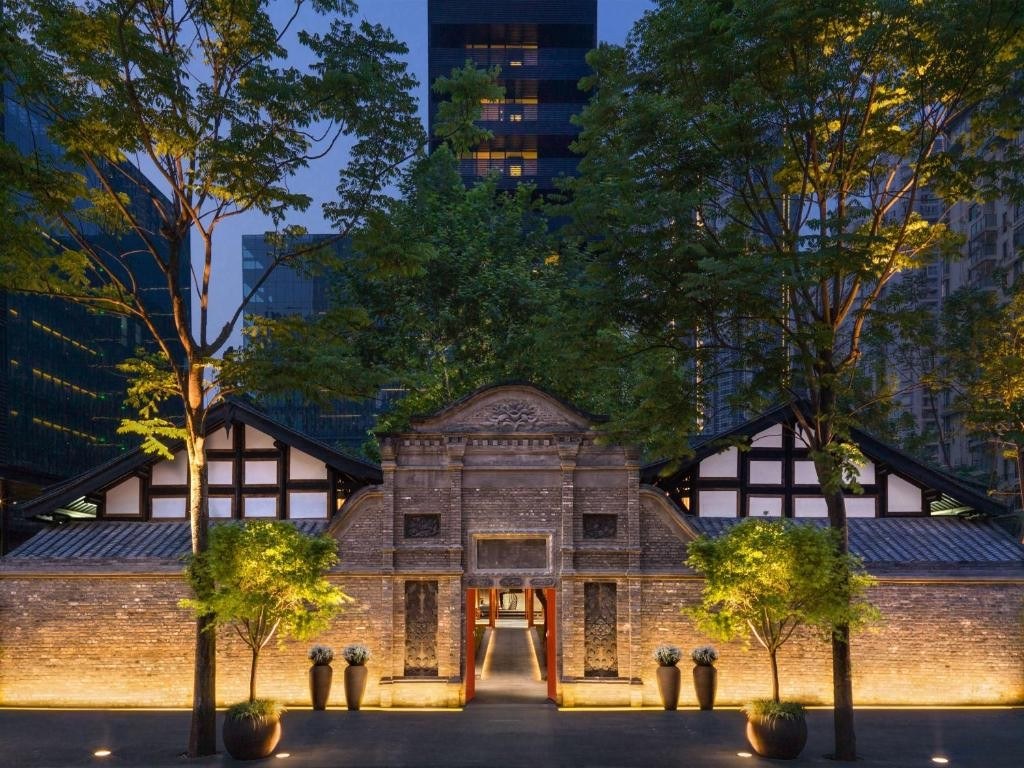
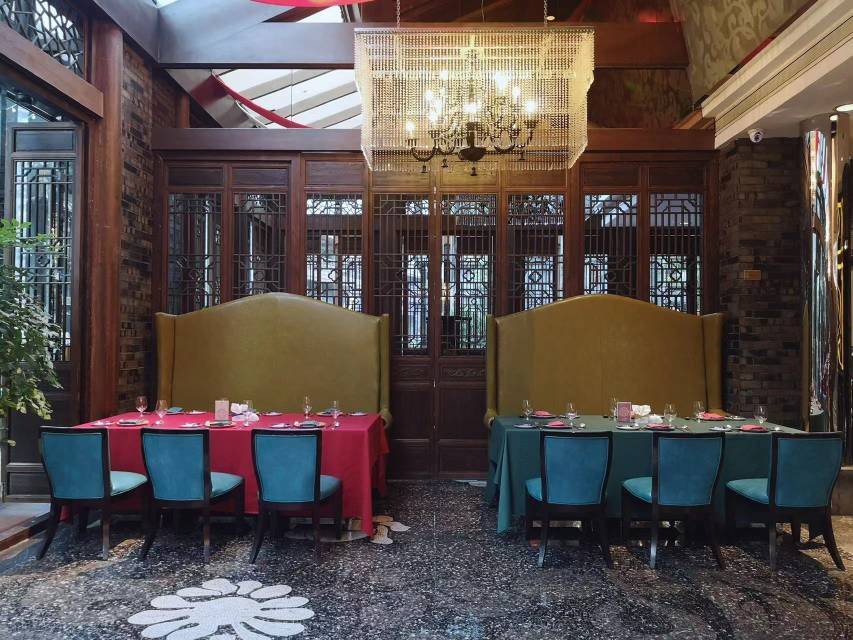
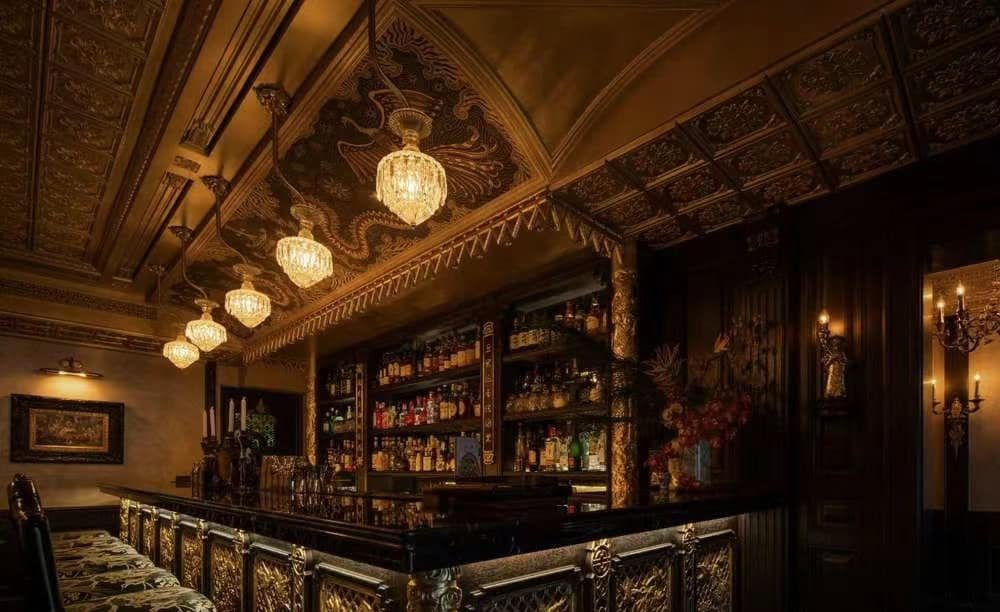
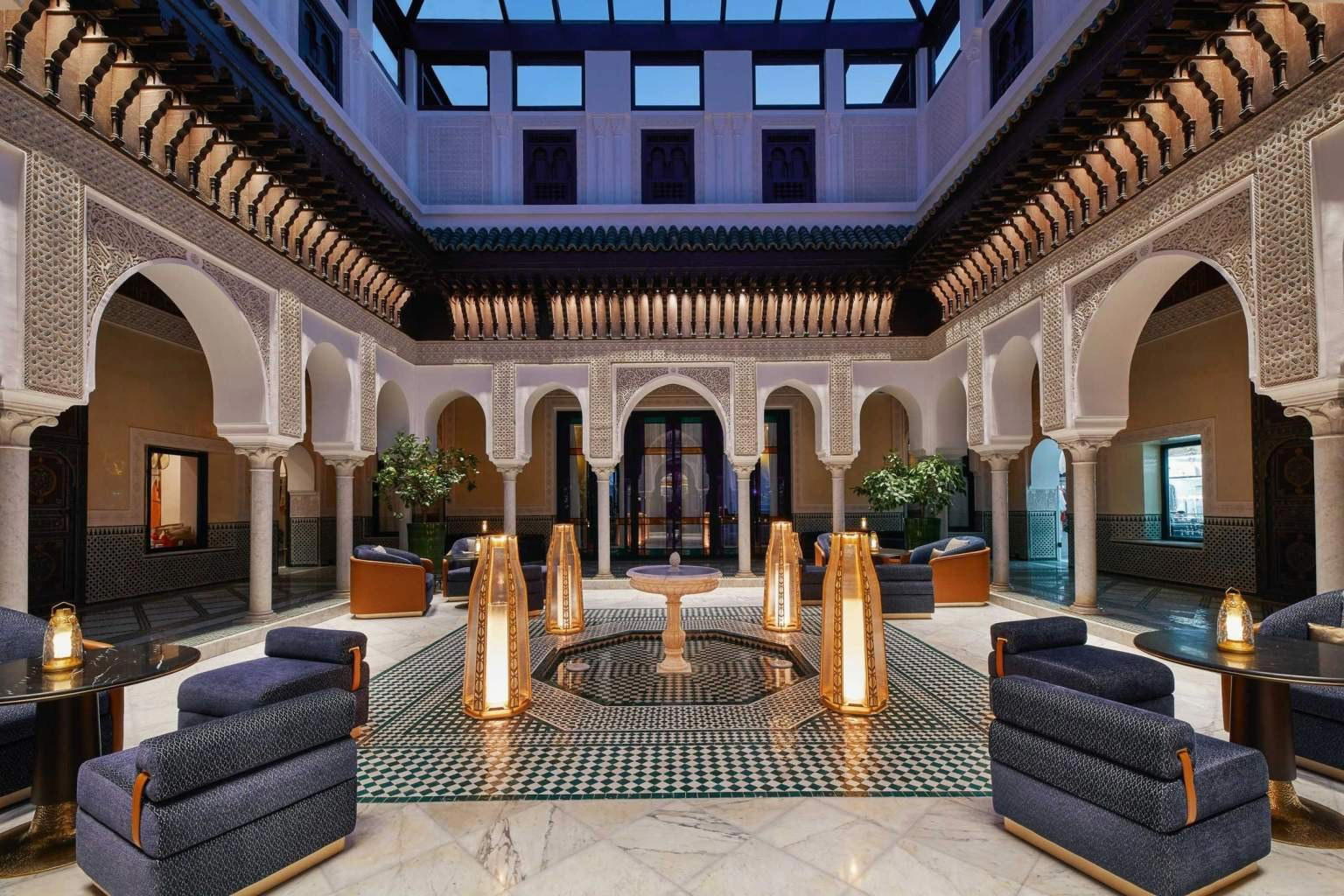
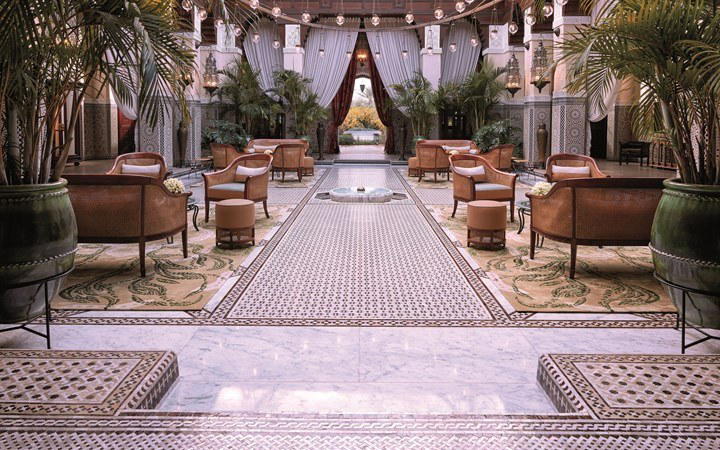
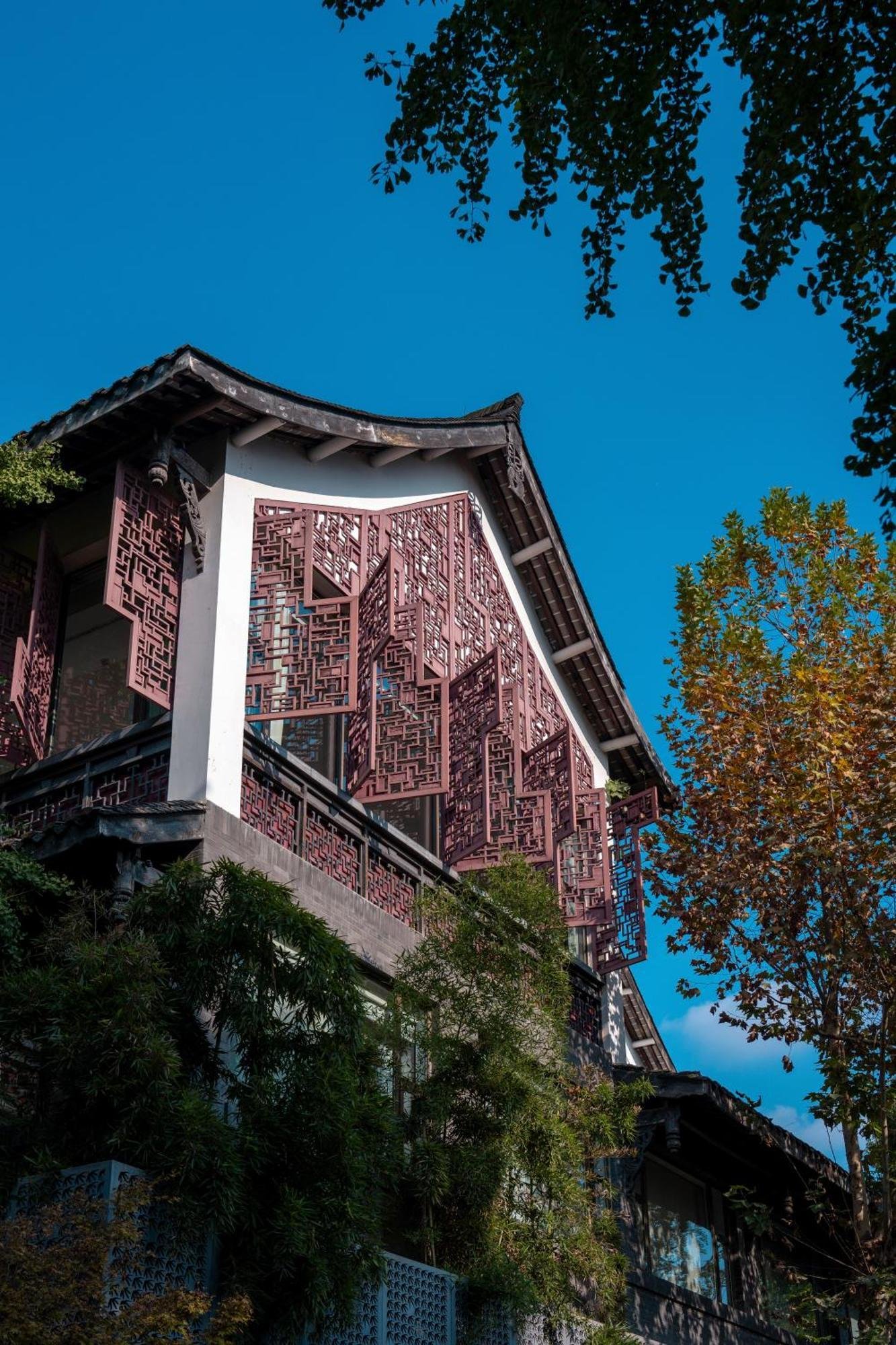
Guanyin Yiyuntai stages its appeal through architecture. The property reads as an argument for Chengdu’s courtyard tradition: timber joinery, Sichuan decorative vocabulary, and measured courtyard sequencing shape rooms and public spaces. Rather than competing on tower height or ballroom scale, the hotel foregrounds place-making rooted in the city’s older commercial and cultural corridors. The result is a composed, material-forward environment that privileges intimacy, craft, and regional reference over spectacle. Guests encounter thoughtfully scaled sightlines and calm courtyard moments that reward attention to detail and an interest in local building traditions.
Best For
The hotel is best for travelers who want a culturally grounded stay in central Chengdu. It suits design-minded visitors, cultural explorers, and couples who prefer a quieter, architecture-forward alternative to the city’s international flagships. Its location in Luomashi and proximity to Qingyang Temple make it a practical base for walking-based exploration of historic streets, temples, and local life. Because the property trades on heritage and craft rather than ballroom capacity, it also appeals to guests seeking a premium, contemplative weekend escape or a distinct business-trip option away from the financial-district towers.
Venue details
Ambiance
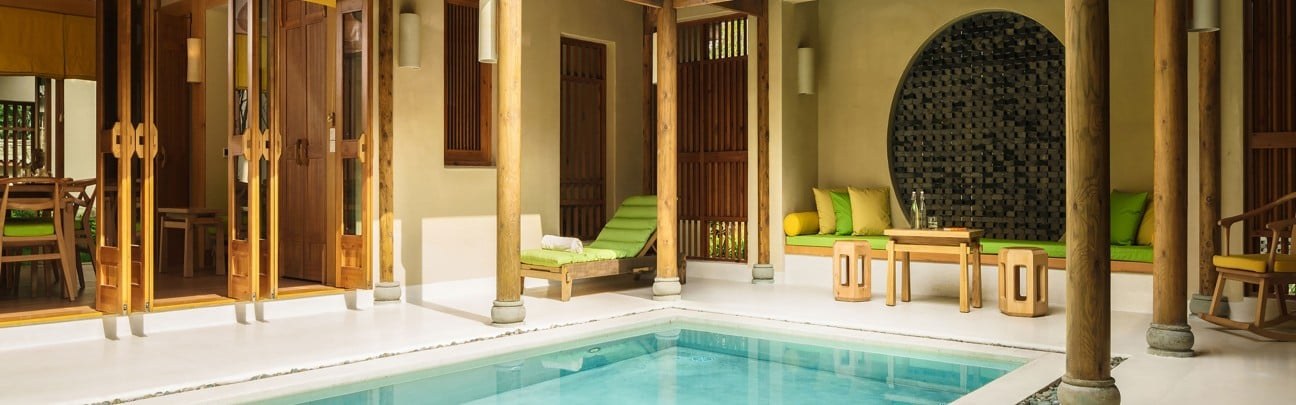
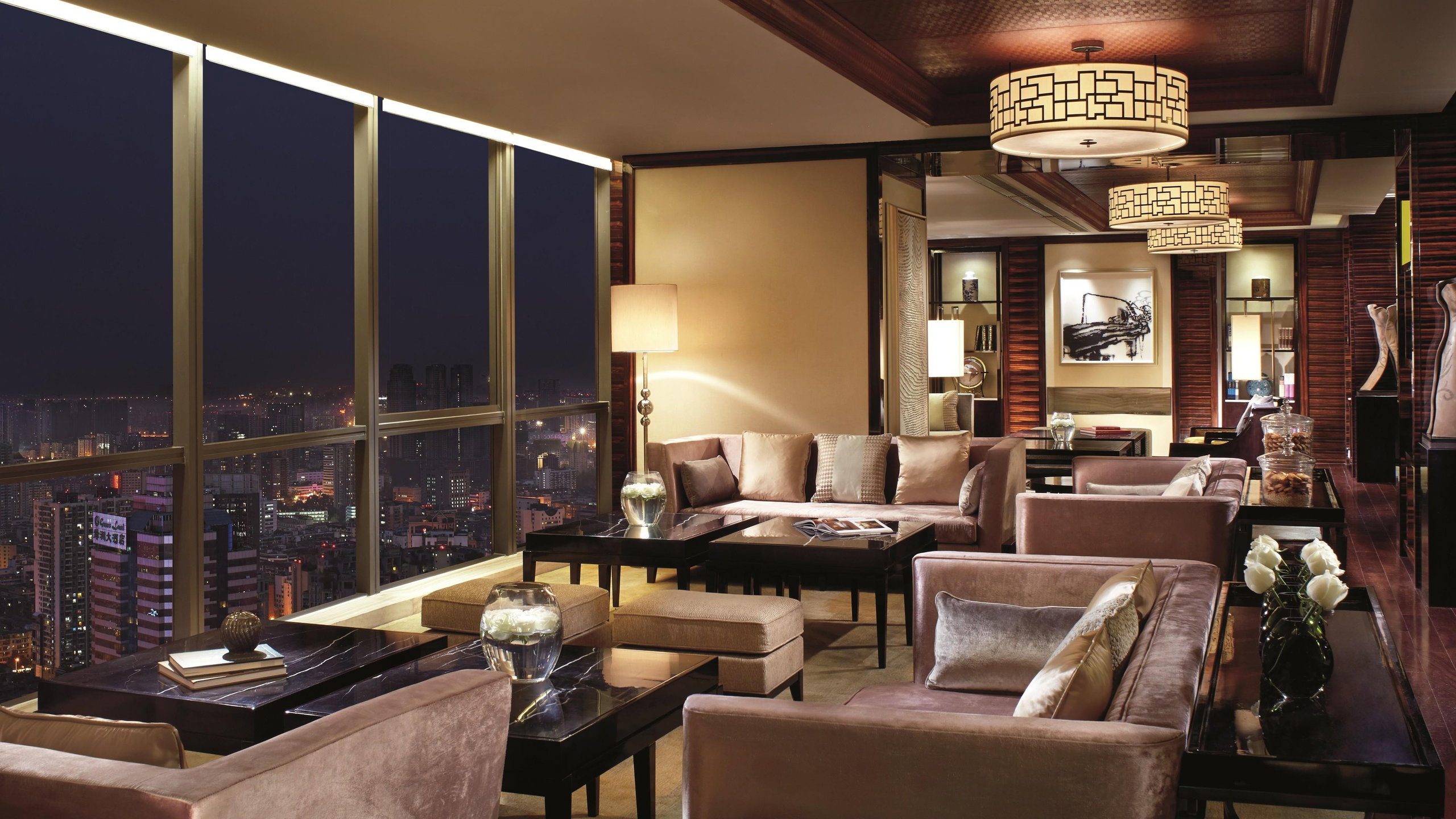
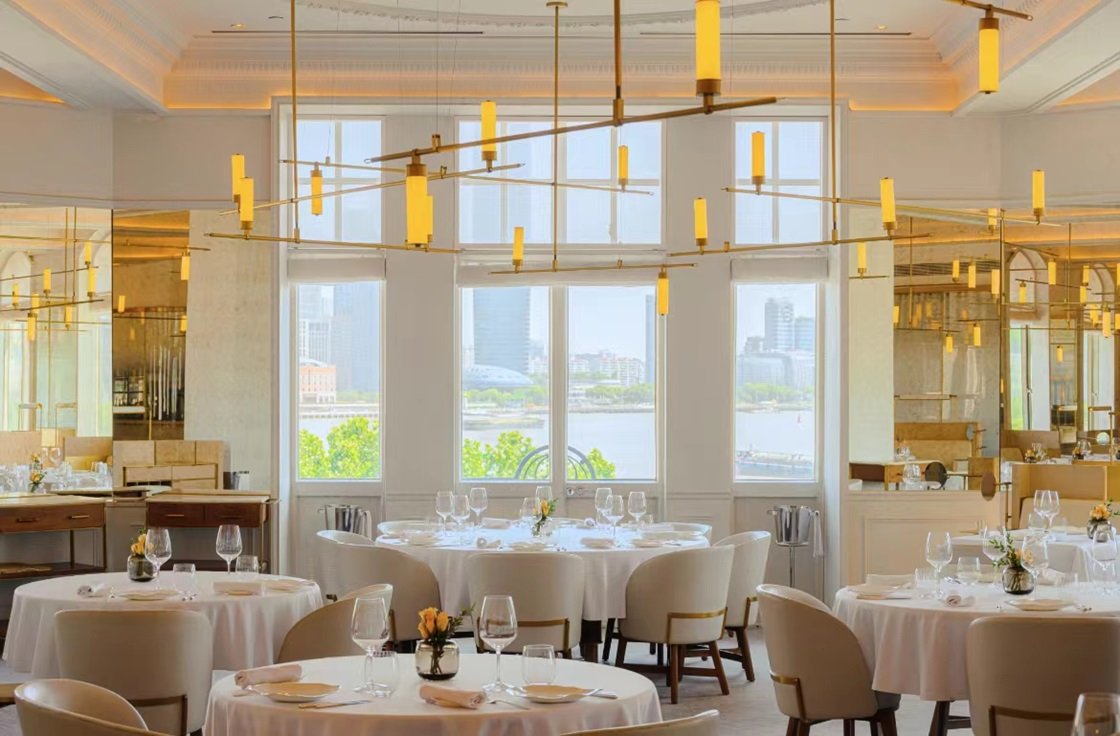
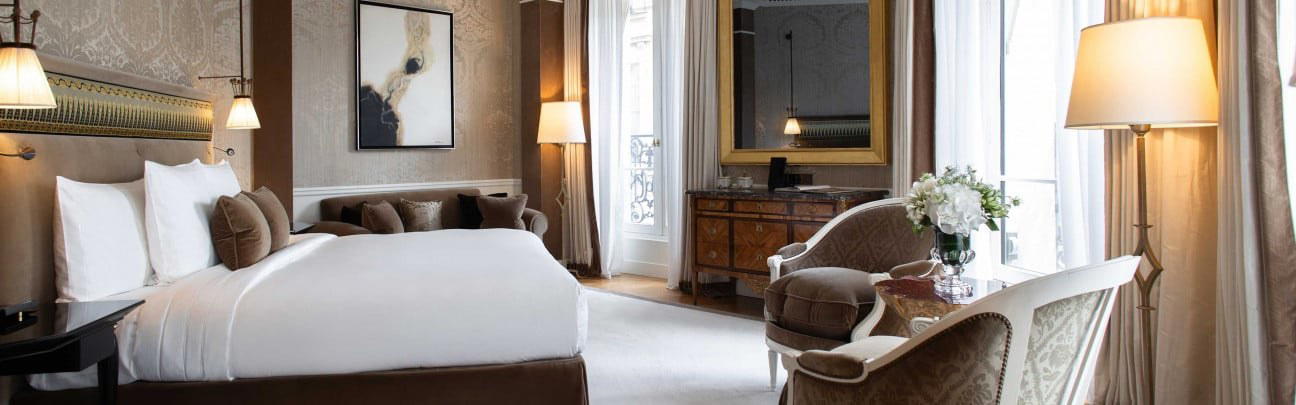
Serene and elegant with peaceful courtyard views, subtle aromatherapy, and sophisticated Chinese-modern interiors featuring natural light and calming color palettes.
Tags
Vibe
Best For
Experience
Amenities
View
Accessibility
About the Stay
- Rooms
- 22
- Check-in
- 14:00
- Check-out
- 12:00
- Property Style
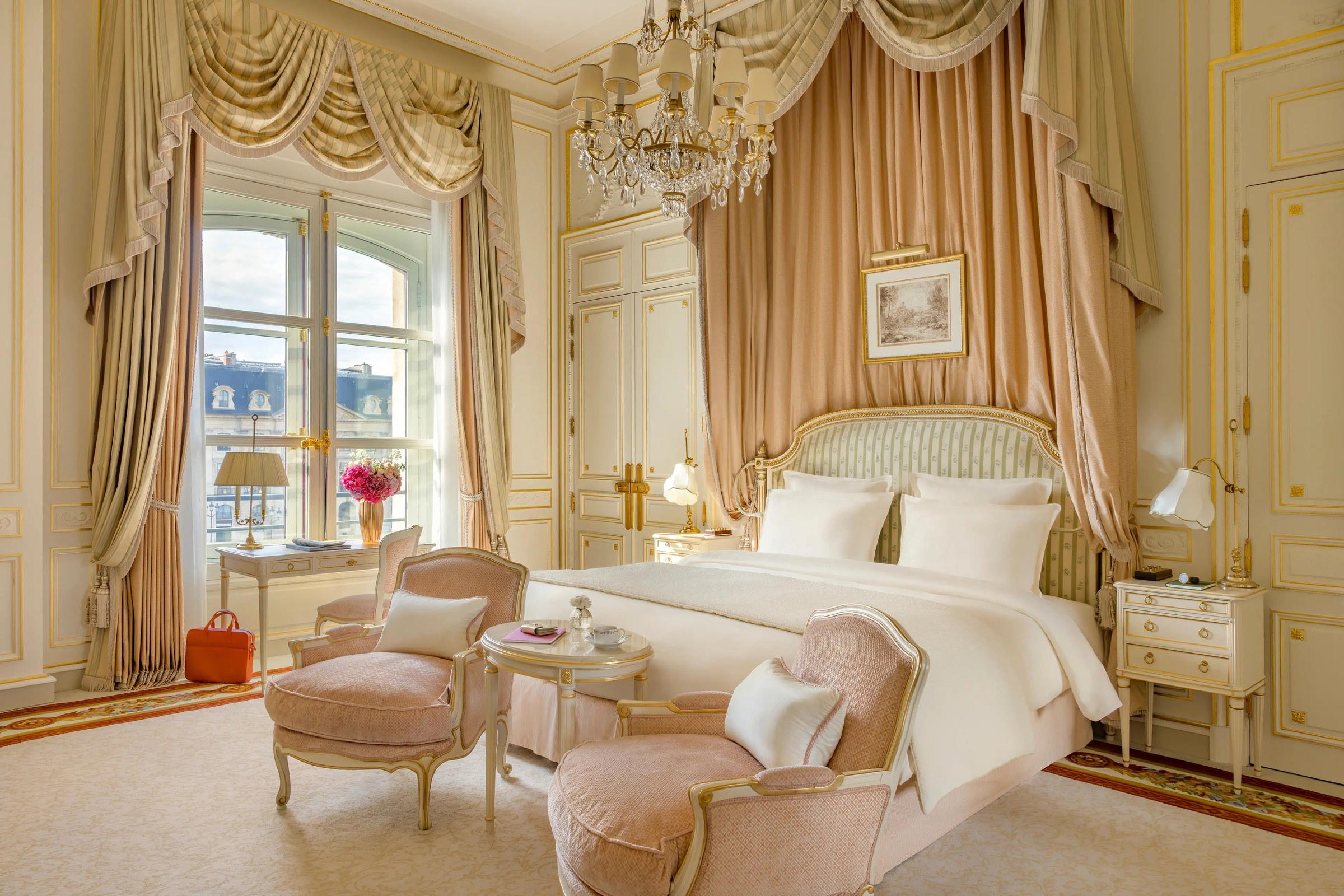
- Restored Ancient Terraced Courtyard Blending Eastern Heritage and Western Elegance
- Design Style
- Traditional Chinese Courtyard with Modern Gallic Influences, Simple Wooden Furnishings, and Refined Textures
Know before you go
Know Before You Go
- Getting there
- 1 Gu Lou Nan Jie, Luomashi, Qing Yang Qu, Cheng Du Shi, Si Chuan Sheng, 610016
Planning details
Location
1 Gu Lou Nan Jie, Luomashi, Qing Yang Qu, Cheng Du Shi, Si Chuan Sheng, 610016 · Directions
Recognition and awards

Also consider
Also Consider
- The St. Regis Chengdu, Notable alternative
- The Ritz-Carlton, Chengdu, Notable alternative
- Dorsett Chengdu, Notable alternative
- Niccolo Chengdu, Notable alternative
- Upper House Chengdu, Notable alternative
Hotel context
How it compares in Chengdu
Choose Guanyin Yiyuntai Hotel if the stay needs a calmer, more design-focused feel than the city's larger luxury hotels. The St. Regis Chengdu and The Ritz-Carlton, Chengdu are safer bets for travelers who want recognizable luxury standards, loyalty familiarity, and a more conventional full-service hotel experience. They are easier to assess before booking because the format is familiar.
Niccolo Chengdu is the stronger cross-shop for guests who want a sharper urban stay with a more contemporary city-hotel personality. Guanyin Yiyuntai Hotel is the better pick if ambiance matters more than corporate polish; Niccolo is the cleaner choice for travelers who want a busier, more commercial-feeling base.
For value-first or simpler logistics, Dorsett Chengdu is the practical alternative. Upper House Chengdu belongs in the same conversation for guests prioritizing atmosphere over a generic chain stay. The deciding question is whether the hotel should be a quiet part of the trip or a highly serviced platform for the rest of Chengdu.
Explore Chengdu
Around this place
Discover more on Pearl
Unlock the full Guanyin Yiyuntai Hotel guide in Pearl, including awards, comparisons, FAQs, planning details, and nearby places.
Compare Guanyin Yiyuntai Hotel
| Venue | Location | Awards |
|---|---|---|
| Guanyin Yiyuntai Hotel | Chengdu | Leading Hotels of the World 2026 |
| The St. Regis Chengdu | Chengdu | 2026 Forbes 4-Star2026 La Liste Top Hotels2025 Michelin Selected Hotels2025 Forbes 4-Star |
| The Ritz-Carlton, Chengdu | Chengdu | 2026 Forbes 5-Star2026 La Liste Top Hotels2025 Forbes 5-Star |
| Dorsett Chengdu | Chengdu | No published awards |
| Niccolo Chengdu | Chengdu | 2026 Forbes 4-Star2026 La Liste Top Hotels2025 Michelin Selected Hotels2025 Forbes 4-Star |
| Upper House Chengdu | Chengdu | No published awards |




How Guanyin Yiyuntai Hotel Chengdu compares with similar nearby venues.
FAQ
Frequently Asked Questions
When is the best time to book Guanyin Yiyuntai Hotel?
If your Chengdu dates are fixed, check availability and cancellation terms directly before committing, and compare Dorsett Chengdu or other Chengdu hotels if flexibility is important.
Is Guanyin Yiyuntai Hotel family-friendly?
Family-specific facilities or policies are not described here. Families should contact the hotel or booking channel directly about room configurations, extra beds, breakfast, and any child-related policies before booking.
How is the pool and spa at Guanyin Yiyuntai Hotel?
Pool and spa details are not part of the information provided here. If wellness facilities are important, confirm them directly with Guanyin Yiyuntai Hotel and compare Niccolo Chengdu or Upper House Chengdu as part of your Chengdu hotel shortlist.
How does Guanyin Yiyuntai Hotel compare to other Chengdu hotels?
Guanyin Yiyuntai Hotel's distinction is its 2025 Leading Hotels of the World membership and smart-casual dress code. Compare it with The St. Regis Chengdu, The Ritz-Carlton, Chengdu, Dorsett Chengdu, Niccolo Chengdu, and Upper House Chengdu based on the current rates, location, room types, and facilities that matter for your trip.