
Aethos Monterosa
Champoluc
Hotel in Champoluc, Italy
 Book with Pearl
The Read
Adventure-First Alpine Base
Why go
Aethos Monterosa is a strong Champoluc pick for travellers who want a polished alpine base with Michelin 1 Key recognition and Mr & Mrs Smith approval. Families should book only after confirming room setup and child-specific needs, since the strongest case here is the hotel's credibility and location rather than a fully documented family-resort package.
About Aethos Monterosa
Aethos Monterosa is a Champoluc venue with two clear, trust signals: Michelin 1 Key recognition in 2025 and a Mr & Mrs Smith Seal of Approval in 2026. Beyond those points, the available record is deliberately limited, so the safest verdict is to judge it on confirmed recognition and location rather than on promises about facilities, room types, dining, or family services.
Book it for recognition, not unconfirmed amenity claims
The strongest reason to consider Aethos Monterosa is confidence in its confirmed hotel recognition. Michelin 1 Key status in 2025 and the Mr & Mrs Smith Seal of Approval in 2026 give it meaningful external validation for travellers comparing premium stays.
What should not be assumed is equally important. Travellers with firm requirements should check the venue's official channels before booking. The confirmed dress code is smart casual.
Where it sits for Champoluc trips
Use Champoluc as the anchor for planning around Aethos Monterosa. For broader comparison, keep the focus on alternatives such as Aethos Monterosa, Boutique Hotel Matthiol, Hermitage Hotel & Spa, Riffelalp Resort 2222 m, VRetreats Cervino, and Valtur Cervinia Cristallo Ski Resort, rather than assuming that every alpine property offers the same facilities or setting.
The verdict: consider Aethos Monterosa if a Champoluc stay with confirmed Michelin 1 Key recognition and a Mr & Mrs Smith Seal of Approval is enough to support the booking. Cross-shop or contact the property directly if the trip depends on specific family amenities, dining details, room configuration, or other operational requirements.
Planning details
- Location
- SR45, 16, 11020 Champoluc AO
- Website
- aethos.com/destinations/monterosa
- Phone
- +39 0125 938300
The take
The Take
The Vibe
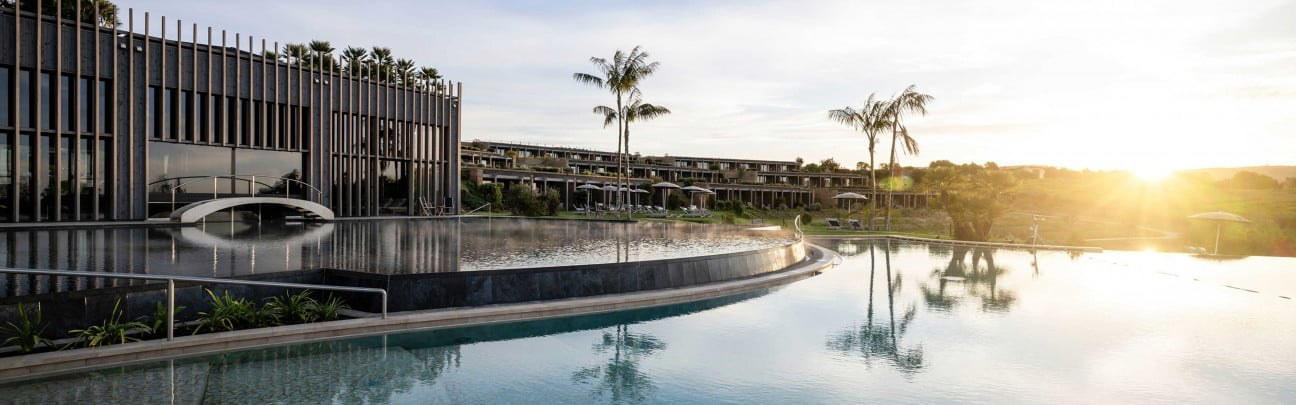
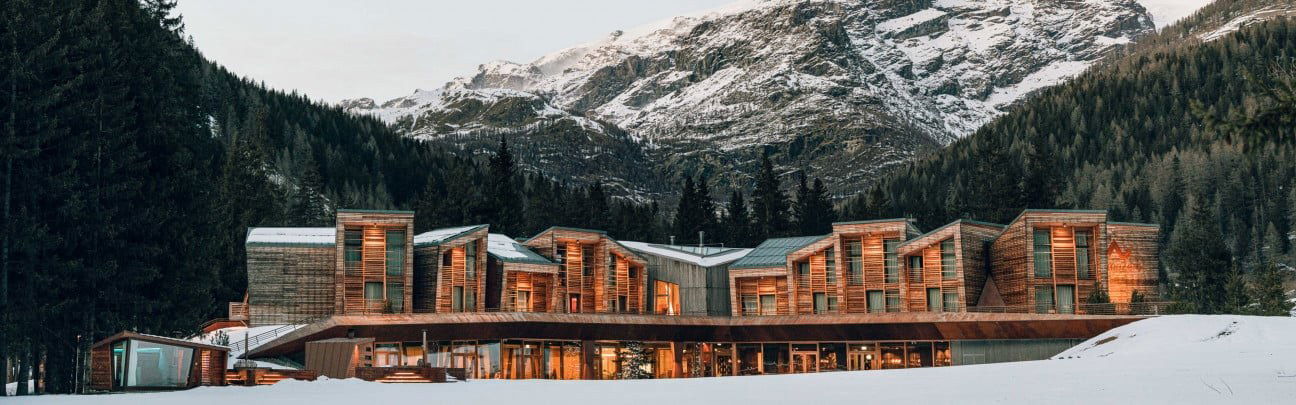
Aethos Monterosa presents a purposeful, design-forward take on the Alpine hotel. The exterior’s concrete and weathered-metal palette and the deliberately positioned climbing infrastructure signal a building conceived as an extension of the mountain rather than a shelter from it. Inside, the lobby’s rock-climbing wall displaces conventional reception theatrics, reinforcing an energetic, architectural programme where activity and structure are inseparable. The result feels contemporary and assertive: a mountain property that prioritises movement and form over alpine cliché, and that reads as a design destination for guests who appreciate thoughtful, modern mountain architecture.
Best For
This hotel best suits active, design-minded mountain visitors—particularly skiers and climbers who value direct access to terrain. Its location in Champoluc gives guests straightforward entry to the Monterosa lift system, and the building’s integrated climbing infrastructure signals an emphasis on on-site adventure. Travelers who prefer a less trafficked circuit and a hotel that foregrounds architectural intent over traditional lodge trappings will find this especially appealing. It also works well for weekend escapes and multi-day stays where easy lift access and a compact village scale matter to the itinerary.
Stay Tips
Book with activity in mind: confirm lift-access logistics and inquire about any in-house adventure programming, since the hotel centralises climbing infrastructure and links directly to the Monterosa lift network. If skiing or climbing is your priority, ask about room location relative to lift connections to minimise transfer time. Expect a design-forward property rather than a traditional alpine lodge, and check availability in advance during peak ski season when regional lift access is most in demand.
Venue details
Ambiance
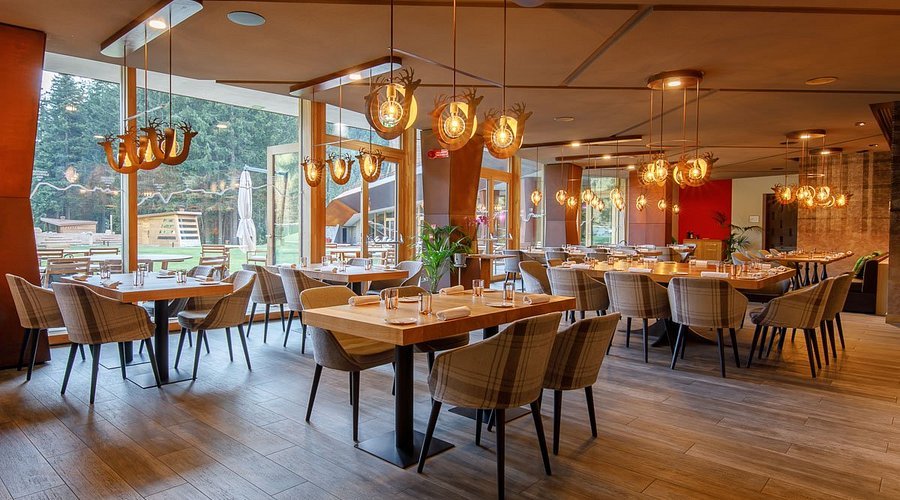
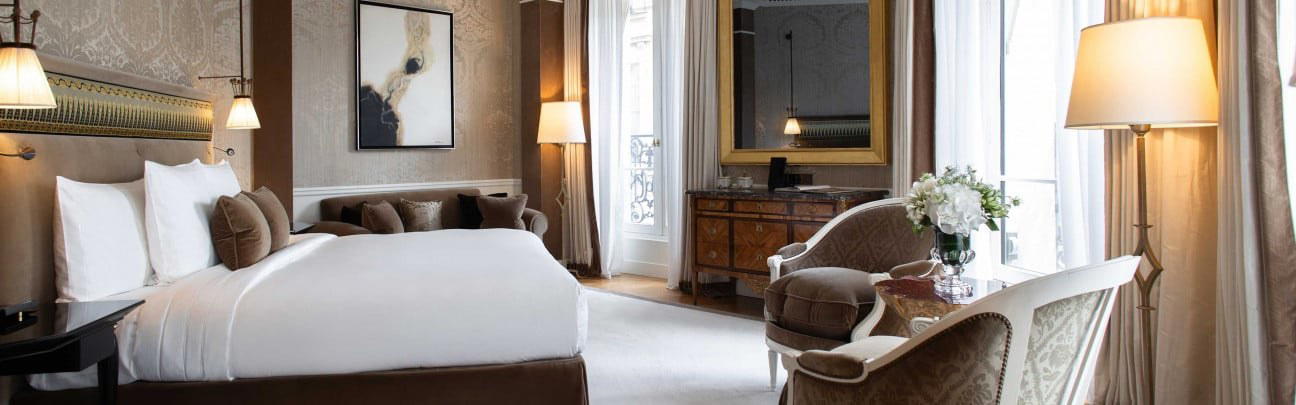
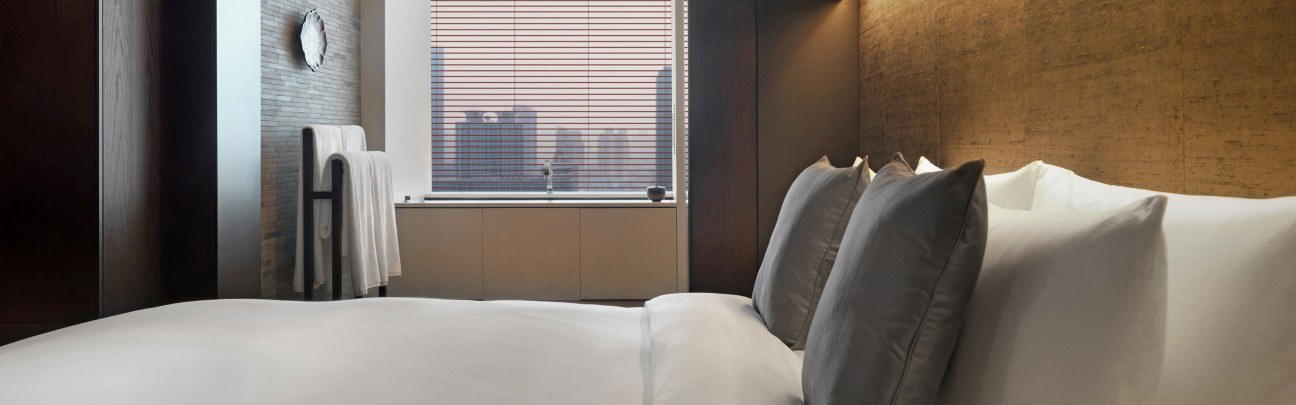
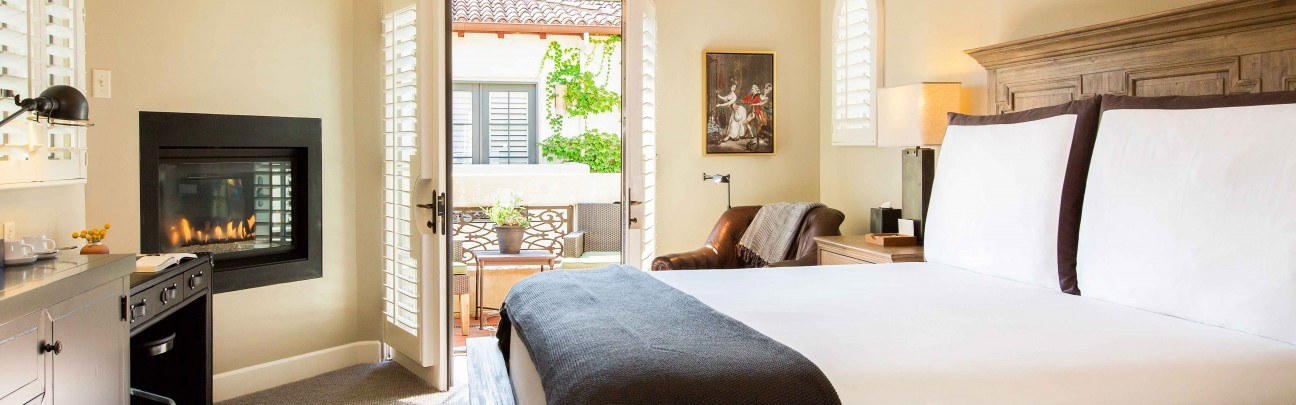
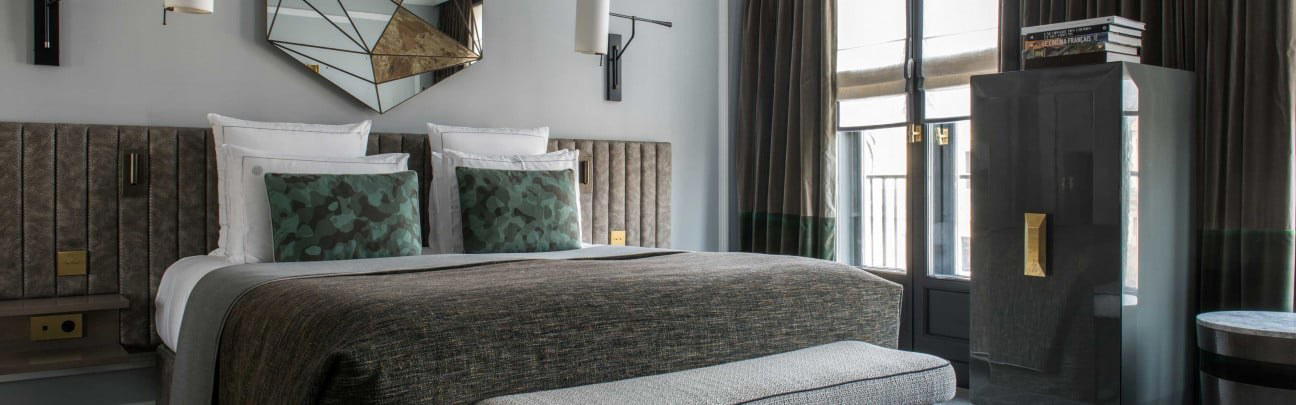
Warm and inviting with subdued colors, wooden details, soft fabrics, and huge windows framing forest and mountain vistas, creating cosy intimate spaces despite grand architecture.
Tags
Vibe
Best For
Experience
Amenities
View
About the Stay
- Rooms
- 30
- Check-in
- 15:00
- Check-out
- 11:00
- Property Style
- Modern Alpine Refuge Blending Nature and Luxury
- Design Style
- Contemporary with Textural Natural Materials, Wood, Subdued Colors, Clean Lines
Know before you go
Know Before You Go
- Getting there
- SR45, 16, 11020 Champoluc AO
Planning details
Location
Recognition and awards
Also consider
Also Consider
- Valtur Cervinia Cristallo Ski Resort, Notable alternative
- Hermitage Hotel & Spa, Notable alternative
- VRetreats Cervino, Notable alternative
- Riffelalp Resort 2222 m, Notable alternative
- Boutique Hotel Matthiol, Notable alternative
Hotel context
How it compares
Aethos Monterosa is the pick for travellers who want Champoluc as the base and care about hotel recognition: the Michelin 1 Key and Mr & Mrs Smith approval give it a clearer quality signal than a basic ski stay. Valtur Cervinia Cristallo Ski Resort, Hermitage Hotel & Spa, and VRetreats Cervino are better cross-shops if the trip is aimed at Cervinia rather than Champoluc.
For a higher-altitude mountain emphasis, Riffelalp Resort 2222 m is the sharper comparison, especially for travellers who want the setting itself to carry more of the experience. Boutique Hotel Matthiol is the one to consider if a smaller boutique feel is more important than booking into Champoluc specifically.
Choose Aethos Monterosa if the decision is location-led and the group wants a credible, design-conscious alpine hotel. Choose the Cervinia and Zermatt-area peers if ski-area preference, altitude, or a different resort atmosphere matters more than staying in Champoluc.
Explore Champoluc
Around this place
Discover more on Pearl
Unlock the full Aethos Monterosa guide in Pearl, including awards, comparisons, FAQs, planning details, and nearby places.
Compare Aethos Monterosa
| Venue | Location | Awards |
|---|---|---|
| Aethos Monterosa | Champoluc | 2026 Mr & Mrs Smith Luxury HotelsMichelin 1 Key 20252025 Michelin 1 Key |
| Valtur Cervinia Cristallo Ski Resort | Breuil-Cervinia | Preferred Hotels Member 2025 |
| Hermitage Hotel & Spa | Breuil-Cervinia | 2026 Virtuoso Luxury Hotel Collection2026 Relais Chateaux Hotels2025 Michelin Selected Hotels2025 Relais Chateaux Award |
| VRetreats Cervino | Breuil-Cervinia | Small Luxury Hotels Member 2025 |
| Riffelalp Resort 2222 m | Zermatt | 2026 La Liste Top Hotels |
| Boutique Hotel Matthiol | Zermatt | 2026 Michelin 1 Key2025 Michelin 1 Key |







How Aethos Monterosa compares with similar nearby venues.
FAQ
Frequently Asked Questions
Which room category is best at Aethos Monterosa?
Choose based on the space, configuration, and terms shown on the venue's official booking channels, and confirm directly if room layout is important to the trip.
Is Aethos Monterosa family-friendly?
Families can still consider Aethos Monterosa, but should confirm practical needs directly before booking.
How is the location of Aethos Monterosa?
Aethos Monterosa is in Champoluc. The location information should be treated at city level here, so confirm any transport, access, or arrival details through the venue's official channels.
When is the best time to book Aethos Monterosa?
Do loyalty programs work at Aethos Monterosa?
Judge value on the confirmed facts, Champoluc location, Michelin 1 Key recognition in 2025, Mr & Mrs Smith Seal of Approval in 2026, and the terms available at booking.
How does Aethos Monterosa compare to other hotels?
Aethos Monterosa is best compared on facts rather than assumed amenities. Relevant comparison points include Boutique Hotel Matthiol, Hermitage Hotel & Spa, Riffelalp Resort 2222 m, VRetreats Cervino, and Valtur Cervinia Cristallo Ski Resort, but confirm each property's facilities, location, and current offer directly before deciding.