

KestelINN Alaçatı
Alaçatı, Cesme
Hotel in Cesme, Turkey
 Book with Pearl
The Read
Alaçatı Artisan Retreat
Price
$300–500per night
Why go
KestelINN Alaçatı is worth considering if the trip is centered on Alaçatı or Çeşme and a smaller boutique setting matters more than big-hotel infrastructure. Its Small Luxury Hotels of the World membership and MICHELIN Guide hotel selection are meaningful trust signals, but business travelers needing loyalty benefits or Izmir access should compare urban peers first.
About KestelINN Alaçatı
KestelINN Alaçatı is a hotel in Cesme, listed as a Small Luxury Hotels of the World member and appearing in the MICHELIN Guide hotel selection for 2025. While it boasts confirmed recognition, specific operating details such as facilities, dining format, prices, room count, or service inclusions should be confirmed directly with the hotel.
For planning, keep the decision practical. KestelINN Alaçatı may make sense when the trip is centered on Cesme and its hotel recognition is important to you. For comparison Alavya, Key Hotel, Renaissance Izmir Hotel, Swissôtel Büyük Efes, Izmir, and Warehouse By The Stay alongside it as separate hotel options.
A Cesme base with notable hotel recognition
KestelINN Alaçatı is a Small Luxury Hotels of the World Member for 2025 and is listed as MICHELIN Guide, Hotels Selected for 2025. These are useful quality signals, but they do not provide details about specific services, facilities, dining, or business amenities.
The dress code is smart casual. Beyond that, travelers should confirm practical needs directly before booking, especially if they require specific facilities, meeting support, accessibility details, dietary arrangements, or transportation help.
Who should book, and who should cross-shop
Book KestelINN Alaçatı if you want a Cesme hotel with Small Luxury Hotels of the World and MICHELIN Guide hotel recognition and are comfortable confirming the finer details before arrival. Cross-shop if the decision depends on amenities or services that need to be confirmed.
For other options, compare KestelINN Alaçatı with Alavya, Key Hotel, Renaissance Izmir Hotel, Swissôtel Büyük Efes, Izmir, and Warehouse By The Stay. Treat each as a separate comparison rather than assuming the same location, facilities, or service profile.
Planning details
- Location
- Alaçatı, Kemalpaşa Cd. No:113, 35930 Çeşme/İzmir
- Website
- kestelinn.com
- Phone
- +90 232 726 00 00
The take
The Take
The Vibe
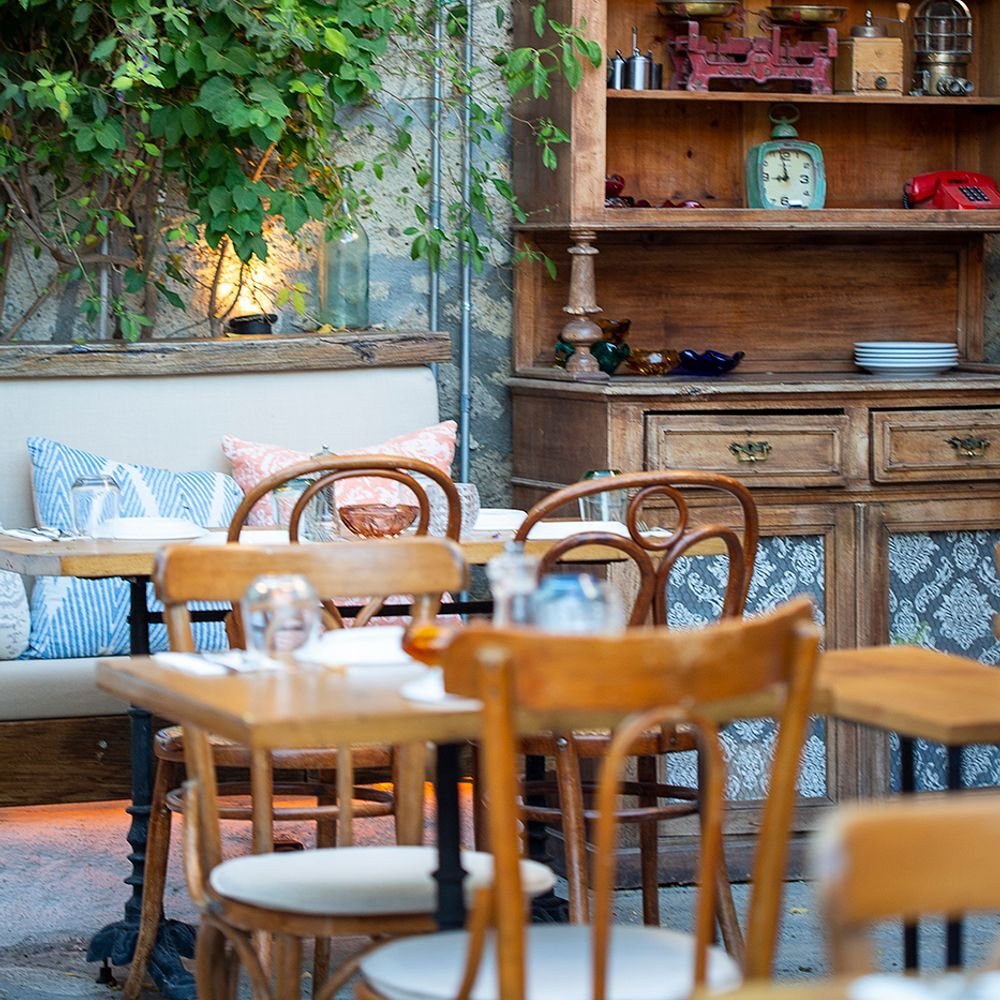
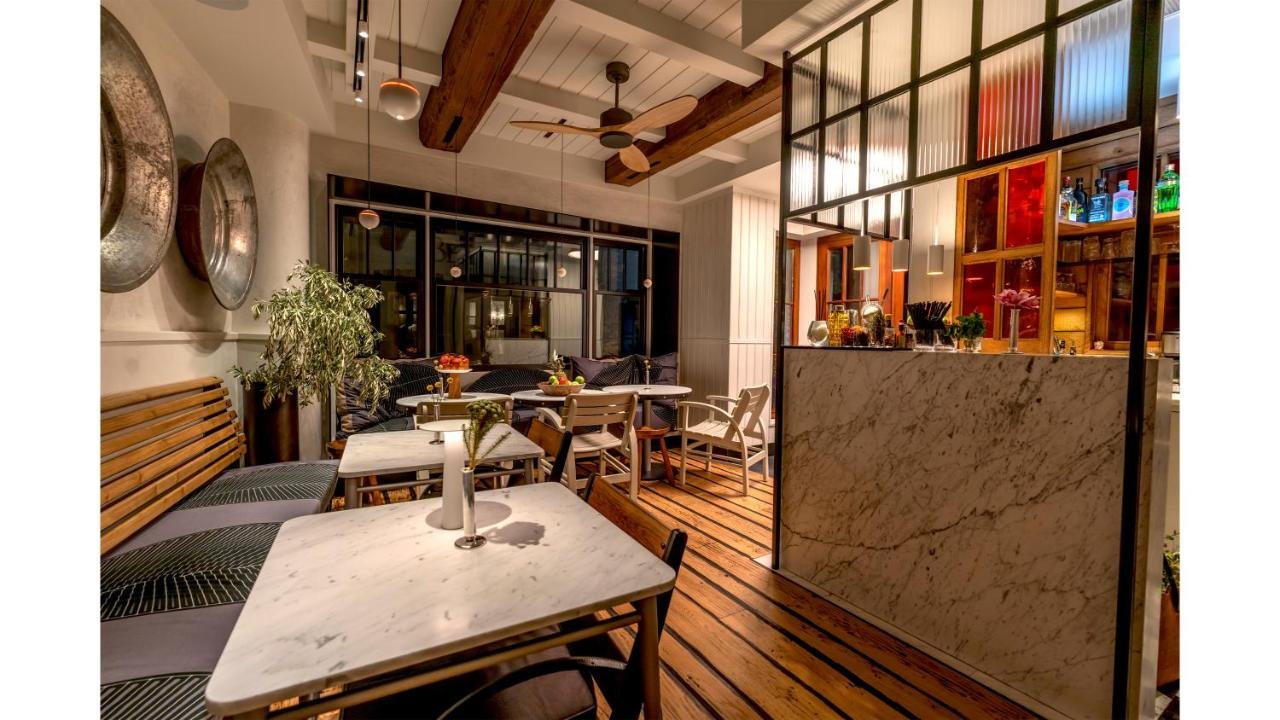
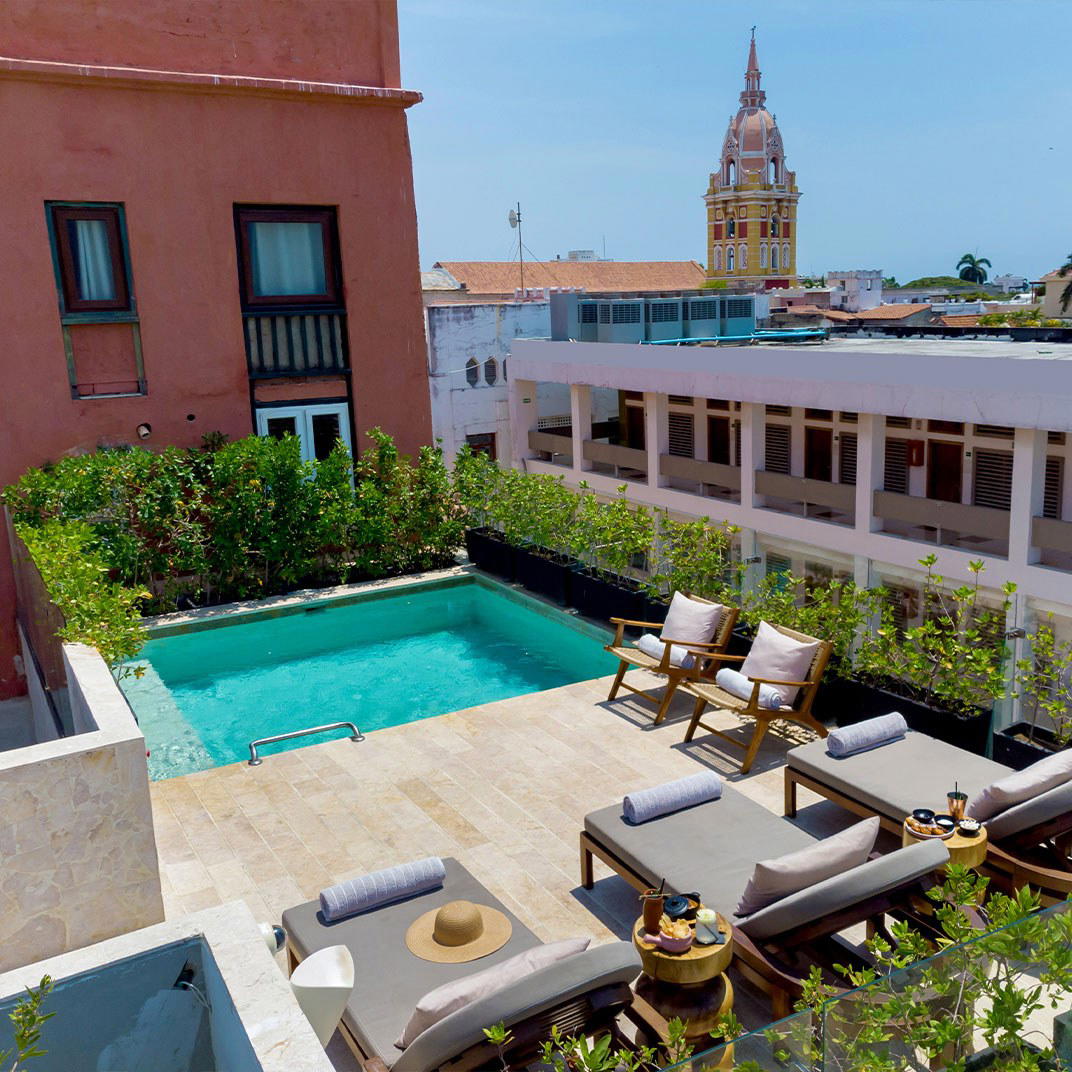
KestelINN Alaçatı presents a boutique, historically rooted presence within the town’s cobbled lanes. The register leans on vernacular stone construction and whitewashed interiors, with bougainvillea and restored Greek façades giving the property a quietly romantic, old-world charm. Design is restrained and architectural — finishes and colour palettes defer to the building rather than competing with it — so the sense of place feels authentic and low-key. Guests experience the hotel as part of the street: arrival is pedestrian, the scale is intimate, and the overall mood privileges preservation and local texture over resort spectacle.
Best For
This is a stay for people who want to be in the thick of Alaçatı’s streetscape rather than removed from it. It suits couples on romantic getaways and anniversaries, travellers seeking a slow-paced weekend escape and solo explorers who value walking access to the town’s cafes and restaurants. The hotel’s boutique scale and restoration-focused approach make it a good base for guests who prefer atmospheric architecture and neighbourhood character to large-scale, amenity-driven resorts. Expect to spend time wandering lanes and letting the town’s culinary and design culture shape your days.
Venue details
Ambiance
Serene and tranquil courtyard atmosphere with warm lighting, fragrant breezes, and elegant details creating a home-like retreat.
Tags
Vibe
Best For
Experience
Amenities
View
About the Stay
- Rooms
- 7
- Property Type
- Boutique hotel
- Property Style
- Restored Traditional Stone House Boutique Hotel
- Design Style
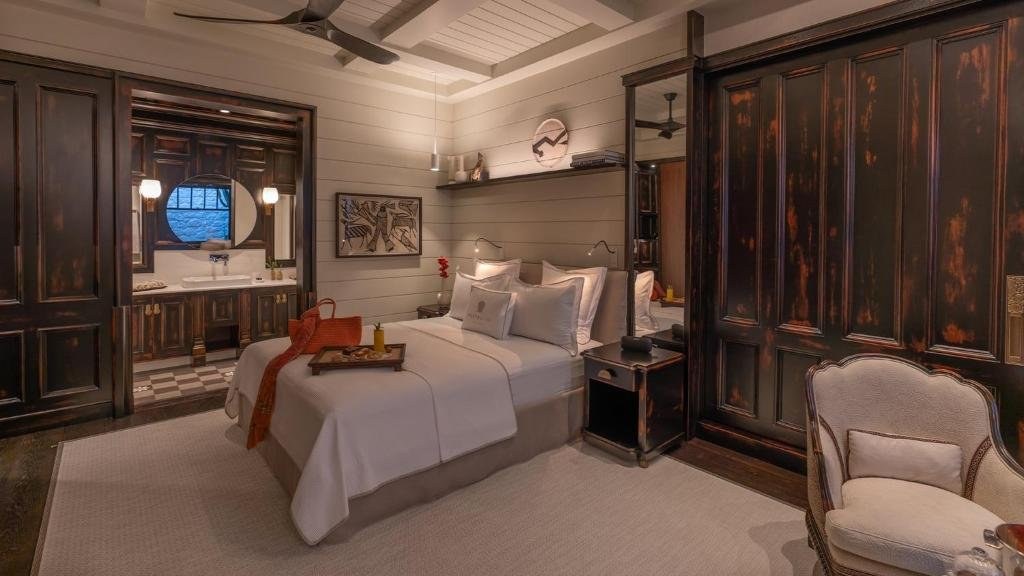
- Artisan Crafted with Antiques, Natural Materials, Earth Tones, and Original Turkish Artwork
- Breakfast
- Included
- Airport Transfer
- Available
- Spa
- Yes
Know before you go
Know Before You Go
- Getting there
- Alaçatı, Kemalpaşa Cd. No:113, 35930 Çeşme/İzmir
Planning details
Location
Recognition and awards

Also consider
Also Consider
- Alavya, Notable alternative
- Warehouse By The Stay, Notable alternative
- Key Hotel, Notable alternative
- Renaissance Izmir Hotel, Notable alternative
- Swissôtel Büyük Efes, Izmir, Notable alternative
Hotel context
How It Compares
Choose KestelINN Alaçatı over Alavya if the priority is a quieter boutique base and easier booking confidence, especially for a short Çeşme stay with work built into the schedule. Alavya is the more obvious Alaçatı cross-shop for travelers who want a fuller resort-style feel, while KestelINN reads as the cleaner call for a focused, lower-friction village stay.
Warehouse By The Stay is the better comparison for travelers leaning design-led and social; KestelINN is the safer choice when the trip needs calm, local access, and less scene energy. For value, the decision comes down to what the stay must do: if ambiance is the main return, stay in Alaçatı; if the trip is mainly functional, look closer to Izmir.
For business-heavy itineraries, Key Hotel, Renaissance Izmir Hotel, and Swissôtel Büyük Efes, Izmir are more practical. They make more sense for office access, chain-style service expectations, or larger facilities. KestelINN is the better fit when Çeşme is the destination, not a side trip.
Explore Cesme
Around this place
Discover more on Pearl
Unlock the full KestelINN Alaçatı guide in Pearl, including awards, comparisons, FAQs, planning details, and nearby places.
Compare KestelINN Alaçatı
| Venue | Location | Awards |
|---|---|---|
| KestelINN Alaçatı | Cesme | 2025 Michelin Selected HotelsSmall Luxury Hotels Member 2025 |
| Alavya | Alacati | 2026 Michelin 1 Key2025 Michelin 1 Key |
| Warehouse By The Stay | Alacati | 2026 Michelin 1 Key2025 Michelin 1 Key |
| Key Hotel | Izmir | No published awards |
| Renaissance Izmir Hotel | Izmir | No published awards |
| Swissôtel Büyük Efes, Izmir | Izmir | No published awards |


How KestelINN Alaçatı compares with similar nearby venues.
FAQ
Frequently Asked Questions
Do loyalty programs work at KestelINN Alaçatı?
Loyalty-program details for KestelINN Alaçatı should be confirmed directly with the hotel. It is a Small Luxury Hotels of the World member for 2025 and listed in the MICHELIN Guide, Hotels Selected for 2025.
How does KestelINN Alaçatı compare to other hotels?
KestelINN Alaçatı is a Cesme hotel with Small Luxury Hotels of the World and MICHELIN Guide hotel recognition for 2025. Alavya, Key Hotel, Renaissance Izmir Hotel, Swissôtel Büyük Efes, Izmir, and Warehouse By The Stay are separate comparison options to review according to your itinerary and needs.
Is KestelINN Alaçatı good for business travel?
It may work for travelers whose plans are centered on Cesme, but specific business facilities or meeting services should be confirmed directly. If the trip depends on particular corporate amenities, confirm them directly before booking.
When is the best time to book KestelINN Alaçatı?
Seasonality or booking-window guidance for KestelINN Alaçatı is not available. If your dates are fixed, check availability directly and confirm any stay requirements before committing.
How is the location of KestelINN Alaçatı?
KestelINN Alaçatı is in Cesme. A more specific public location detail is not available, so planning should be based on Cesme-level location information and confirmed directly before arrival.
How is the dining at KestelINN Alaçatı?
Cuisine, restaurant format, menus, or dining services for KestelINN Alaçatı are not available. Dining details should be confirmed directly with the hotel.
How is the pool and spa at KestelINN Alaçatı?
Pool or spa details for KestelINN Alaçatı are not available. If those facilities are important, confirm them directly before booking or compare with other hotels whose facilities match your needs.