


Villa Petriolo
Cerreto Guidi
Hotel in Cerreto Guidi, Italy
 Book with Pearl
The Read
Agritourism With Conviction
Why go
Villa Petriolo is the Cerreto Guidi pick for travelers who want a polished countryside base rather than a simple overnight stop. Its Michelin 1 Key and Small Luxury Hotels of the World recognition make it a stronger splurge case than a basic rural stay, but the location works better for leisure travelers with a car than for tight business schedules.
About Villa Petriolo
Villa Petriolo is a Cerreto Guidi stay with two recognition signals: Michelin 1 Key (2025) and Small Luxury Hotels of the World membership (2025). Beyond those credentials and a smart casual dress code, details on amenities, dining format, room count, service style, rates, or operating hours are not available.
If those credentials matter to the trip, Villa Petriolo belongs on the shortlist. If the decision depends on a particular restaurant setup, spa facility, room category, arrival window, or transport plan, confirm those details directly with the property before booking.
Choose it when credentials matter
The strongest reason to consider Villa Petriolo is its 2025 recognition: Michelin 1 Key and membership in Small Luxury Hotels of the World. Those are meaningful hotel signals, but they should not be stretched into claims about specific rooms, food, service style, or on-property facilities.
For planning around the stay, compare options carefully and confirm current details through official sources. For dining in Cerreto Guidi, use the Cerreto Guidi restaurants guide as a starting point, then confirm hours, menus, and booking requirements directly with each venue.
Better for travelers who can confirm the practical details
Villa Petriolo may suit travelers who want a recognized hotel in Cerreto Guidi, but information on some aspects is limited. Information on check-in procedure, room categories, dining service, parking, transfers, accessibility, or other operational details is not available.
The decision point is whether the recognition and Cerreto Guidi location are enough for the trip. If they are, Villa Petriolo is a credible premium candidate. If the stay depends on specific amenities or logistics, compare it with other regional options such as Colle Alberti Country House, Grotta Giusti Resort Golf & Spa, Grotta Giusti Thermal Spa Resort Tuscany, Autograph Collection, La Monastica Resort & Spa, and Villa Lena Agriturismo, then confirm the details that matter most.
Inside Villa Petriolo
Planning details
- Location
- V. di Petriolo, 7, 50050 Cerreto Guidi FI
- Website
- villapetriolotuscany.com
- Phone
- +39 0571 177 1225
The take
The Take
The Vibe
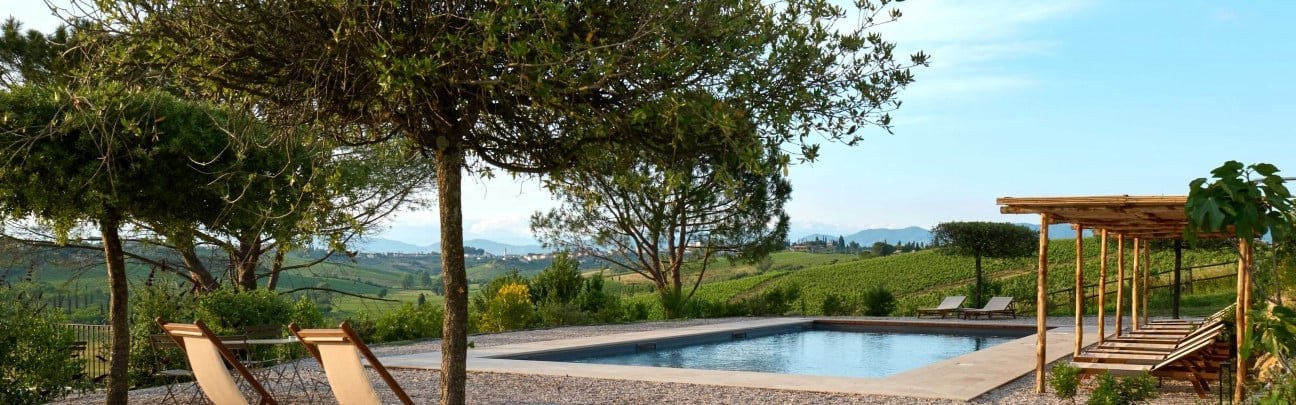
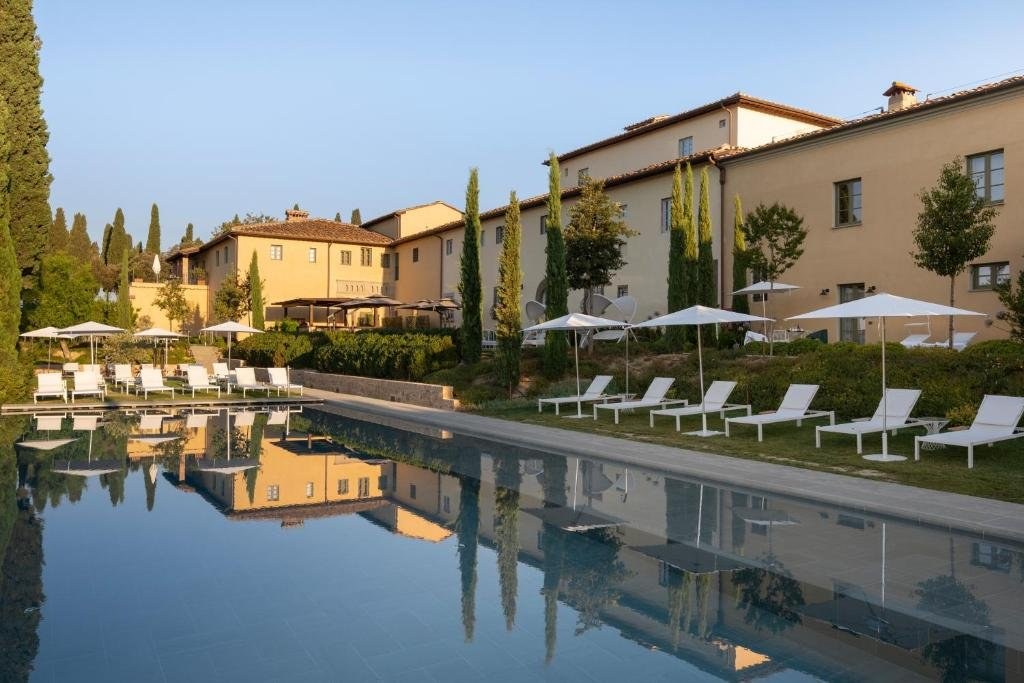
Villa Petriolo reads as a quietly articulate argument about place and craft: honey‑coloured stone buildings arranged like a reanimated hamlet, restored agricultural structures that retain evidence of their earlier uses, and explicit reference to Renaissance estate architecture. The conversion emphasizes architectural honesty over theatrical decoration, so rooms and common areas feel like considered continuations of the landscape rather than stage sets. The rolling Tuscan hills and the property’s distribution across former granaries, workers’ quarters and hillside villas give the estate a historic, intimate character that foregrounds material, proportion and the rural setting.
Best For
This is a property for travelers who prize architecture, landscape and a quietly curated countryside experience. The scale — 42 rooms and suites distributed through former agricultural buildings — suits couples and small groups seeking intimacy and a sense of place rather than a full‑service resort scene. Guests who appreciate restored historic fabric, measured design decisions and the visual grammar of the Tuscan hills will find the estate especially rewarding. The setting lends itself to relaxed, contemplative stays where the landscape and built form are central to the visit.
Stay Tips
With 42 rooms spread across converted granaries, farmworkers’ quarters and hillside villas, availability can be limited during peak seasons; book early to secure preferred dates. When reserving, ask about specific building locations — rooms in the hillside villas will better convey the relationship between architecture and landscape described in the property narrative, while other units may emphasize preserved structural features. Because the hotel’s identity hinges on its restored estate fabric, request room details or photos if retaining original stonework or particular sightlines matters to your stay.
Venue details
Ambiance
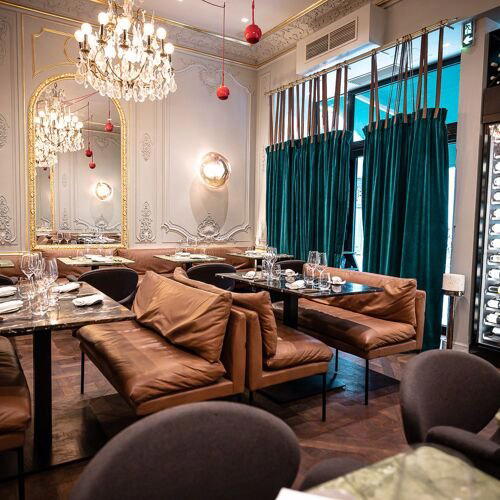
Relaxed and luxurious Tuscan atmosphere with natural light, soundproofed rustic rooms, and serene spa and pool areas.
Tags
Vibe
Best For
Experience
Amenities
View
Accessibility
About the Stay
- Rooms
- 42
- Check-in
- 15:30
- Check-out
- 11:00
- Property Style
- Historic Tuscan Estate with Modern Luxury
- Design Style
- Rustic Tuscan with Unique, Individually Decorated Furnishings
Know before you go
Know Before You Go
- Getting there
- V. di Petriolo, 7, 50050 Cerreto Guidi FI
Planning details
Location


Also consider
Also Consider
- Colle Alberti Country House, Notable alternative
- Grotta Giusti Resort Golf & Spa, Notable alternative
- Grotta Giusti Thermal Spa Resort Tuscany, Autograph Collection, Notable alternative
- Villa Lena Agriturismo, Notable alternative
- La Monastica Resort & Spa, Notable alternative
Hotel context
How Villa Petriolo compares in Cerreto Guidi and nearby
Villa Petriolo is the more credentialed choice if the stay needs to feel like part of the trip, not just a bed near Cerreto Guidi. Compared with Colle Alberti Country House, it is the stronger pick for travelers willing to trade likely simplicity for a more polished countryside experience and harder booking conditions. Choose Colle Alberti Country House when value and ease matter more than recognition.
Grotta Giusti Resort Golf & Spa and Grotta Giusti Thermal Spa Resort Tuscany, Autograph Collection make more sense if spa time is the main reason for the trip. Villa Petriolo is better for a quieter rural hotel stay around Cerreto Guidi; the Grotta Giusti options are better when wellness facilities are the deciding factor.
Villa Lena Agriturismo is the cross-shop for a more informal countryside mood, while La Monastica Resort & Spa is the better alternative when resort-style spa positioning matters. If Villa Petriolo is unavailable, start with Colle Alberti Country House for proximity and Villa Lena Agriturismo for a rural stay with less emphasis on formal hotel polish.
Explore Cerreto Guidi
Around this place
Discover more on Pearl
Unlock the full Villa Petriolo guide in Pearl, including awards, comparisons, FAQs, planning details, and nearby places.
Compare Villa Petriolo
| Venue | Location | Awards |
|---|---|---|
| Villa Petriolo | Cerreto Guidi | Tablet Hotels Editors' Picks: Top 40 New Hotels — July 20262026 Michelin Guide New Hotels2025 Michelin 1 KeyMichelin 1 Key 2025Small Luxury Hotels Member 2025 |
| Colle Alberti Country House | Cerreto Guidi | No published awards |
| Grotta Giusti Resort Golf & Spa | Monsummano Terme | No published awards |
| Grotta Giusti Thermal Spa Resort Tuscany, Autograph Collection | Monsummano Terme | No published awards |
| Villa Lena Agriturismo | Palaia | No published awards |
| La Monastica Resort & Spa | Buggiano Castello | 2026 Mr & Mrs Smith Luxury Hotels2025 Michelin 1 Key |
How Villa Petriolo Cerreto Guidi compares with similar nearby venues.
FAQ
Frequently Asked Questions
Is Villa Petriolo good for business travel?
It may work for some business trips, but details on meeting facilities, transport, check-in hours, or work-focused amenities are not available. Confirm the practical requirements directly with the property before booking.
How is the location of Villa Petriolo?
Villa Petriolo is in Cerreto Guidi. A street address or neighborhood-level location detail is not available, so use the property's official channels for precise arrival information.
How does Villa Petriolo compare to other regional stays?
Villa Petriolo has Michelin 1 Key (2025) recognition and Small Luxury Hotels of the World membership (2025). When comparing it with Colle Alberti Country House, Villa Lena Agriturismo, Grotta Giusti Resort Golf & Spa, Grotta Giusti Thermal Spa Resort Tuscany, Autograph Collection, or La Monastica Resort & Spa, confirm current amenities, location details, rates, and policies directly with each property.
What is check-in like at Villa Petriolo?
Which room category is best at Villa Petriolo?
Room-category details for Villa Petriolo are not available. Choose based on the property's current room descriptions, availability, and the amount of space or features needed for the stay.