


Villa Cordevigo
Cavaion Veronese
Hotel in Cavaion Veronese, Italy
 Book with Pearl
The Read
Vineyard Palazzo Hospitality
Why go
Villa Cordevigo is worth shortlisting if you want a polished countryside hotel base near Cavaion Veronese rather than a busier lakefront stay. Its 2026 Relais & Châteaux and Virtuoso recognition, plus MICHELIN Guide hotel selection, give it credible luxury signals, but value depends on what the rate includes, especially for wellness-focused guests.
About Villa Cordevigo
Villa Cordevigo is a Cavaion Veronese venue with a concise profile: smart casual dress code, a Relais Chateaux Award in 2026, Virtuoso Luxury Hotel Partner recognition in 2026, and MICHELIN Guide, Hotels Selected recognition in 2025. Those are useful quality signals, but specific amenities, room categories, dining format, prices, hours, or service inclusions are not detailed. Treat this as a shortlist candidate, then confirm the practical details directly before booking.
A Cavaion Veronese base with hotel recognition
The clearest reason to consider Villa Cordevigo is its combination of location in Cavaion Veronese and recognition from luxury and hotel-selection sources. The 2026 Relais Chateaux Award, 2026 Virtuoso Luxury Hotel Partner status, and 2025 MICHELIN Guide hotel selection provide external quality signals.
Those credentials are helpful, but specific spa facilities, pool access, restaurant details, room types, rates, transfer options, parking, or meal inclusions are not detailed. If any of those details will decide the value of the stay, verify them with the venue before committing.
Value depends on what is included in the rate
The practical way to evaluate Villa Cordevigo is to compare the total quoted cost with the inclusions for your dates. The venue's recognition and smart casual dress code are noted, but it does not specify which amenities or services are included in a rate.
If your decision depends on a particular hotel feature, compare the offer with other regional options such as Cape of Senses and Grand Hotel Terme Sirmione. If the priority is a Cavaion Veronese stay with hotel recognition, Villa Cordevigo remains a relevant choice.
Use it as a Cavaion Veronese anchor, then cross-check the trip around it
For planning around Cavaion Veronese, start with the basics: Villa Cordevigo is in Cavaion Veronese, has smart casual dress code guidance, and carries the recognitions listed above. For dining around the city, use Our full Cavaion Veronese restaurants guide and verify current details directly with each venue.
For broader hotel benchmarking, compare Villa Cordevigo with named alternatives such as Byblos Art Hotel Villa Amista, Cape of Senses, Grand Hotel Terme Sirmione, Natiia Relais, and Villa Cortine Palace. The decision is simplest when Villa Cordevigo's recognition and Cavaion Veronese location match the trip, and when the venue confirms the specific inclusions you need.
Quick reference: best evaluated as a Cavaion Veronese venue with smart casual dress code guidance and Relais Chateaux, Virtuoso, and MICHELIN Guide hotel recognition; confirm amenities, prices, policies, and inclusions before booking.
Inside Villa Cordevigo
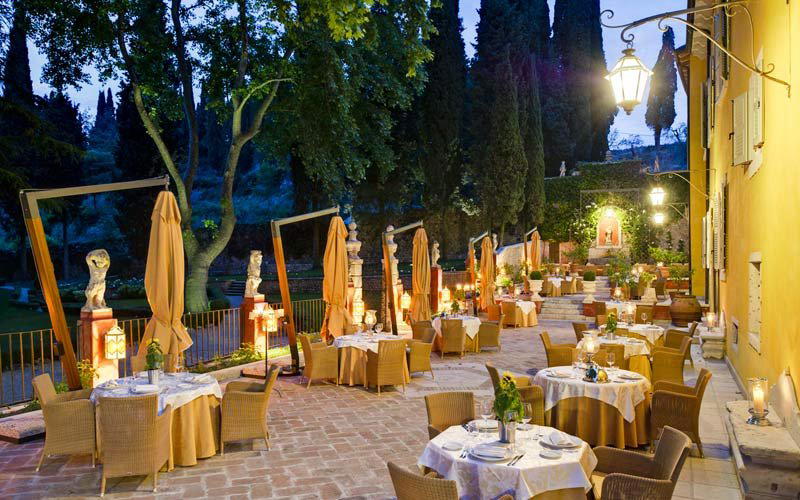 restaurantVilla CordevigoA family-run wine estate set in an 18th-century episcopal palazzo on the hills above Lake Garda, Villa Cordevigo pairs Mediterranean-leaning Italian cooking under Chef Marco Marras with its own vineyard production. Rated 4.8 on Google from 435 reviews and holding an EP Club member score of 4.7/5, it closes annually from January through late March. See our full Cavaion Veronese guide for context on the wider area.
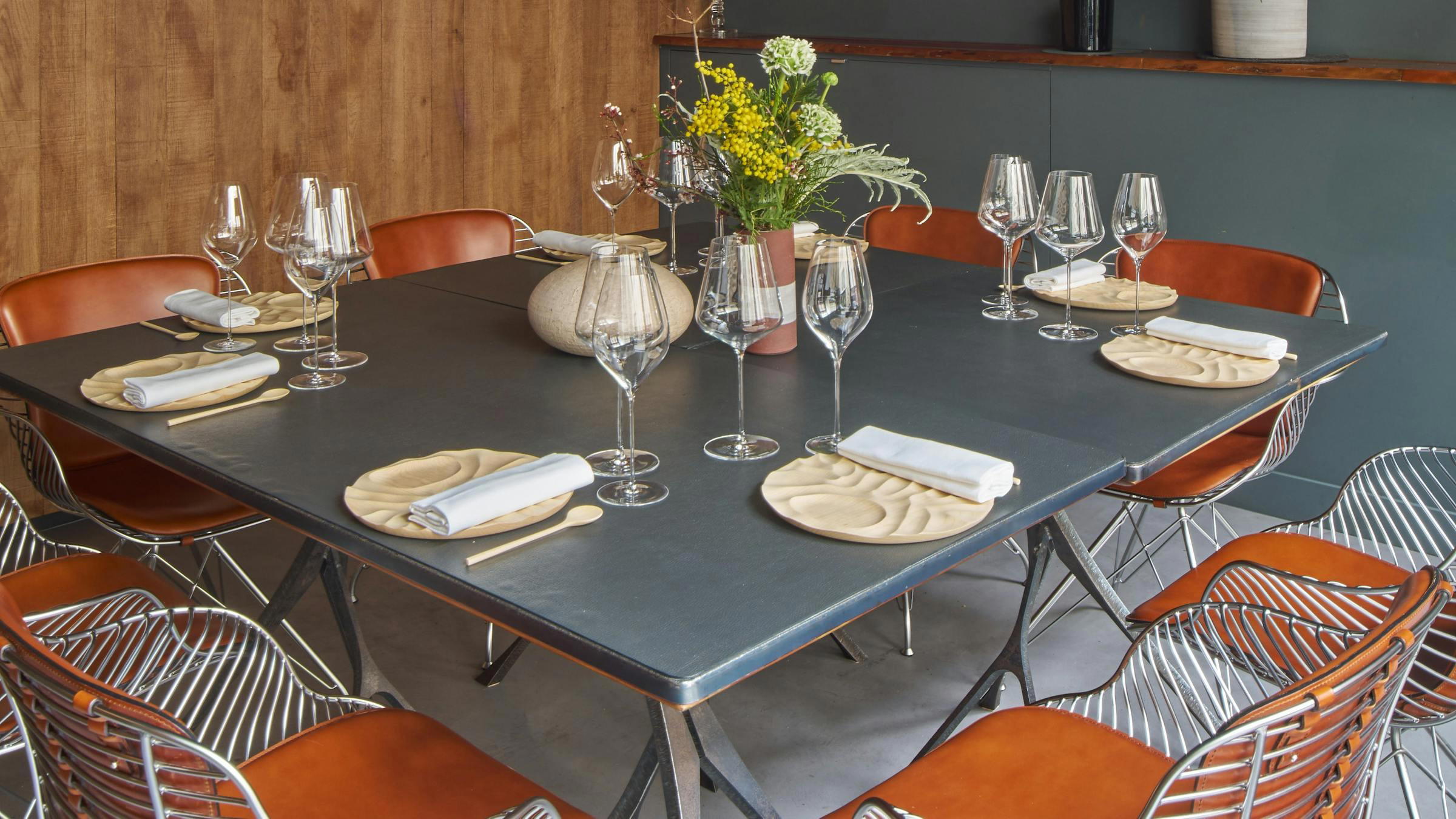
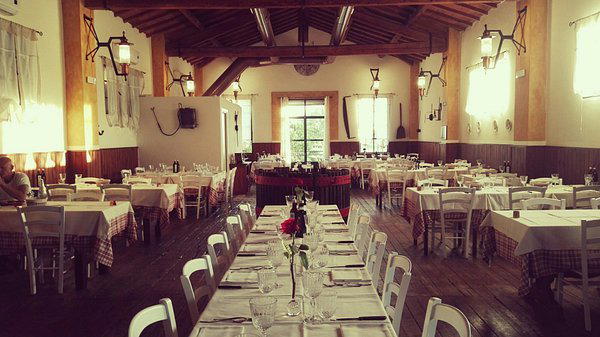 restaurantOseletaSet within Villa Cordevigo on the vine-covered slopes above Lake Garda, L'Oseleta holds a Michelin star for creative cooking that draws on lake, sea, and garden in equal measure. Chef Marco Marras applies precision and theatrical confidence to a menu that crosses regional boundaries without losing its Veronese footing. The veranda tables, overlooking gardens and pool, make this one of the more considered dining rooms in the eastern Lake Garda corridor.
Planning details
- Location
- Località Cordevigo, 1, 37010 Cavaion Veronese VR
- Website
- villacordevigo.com
- Phone
- +39 045 723 5287
The take
The Take
The Vibe
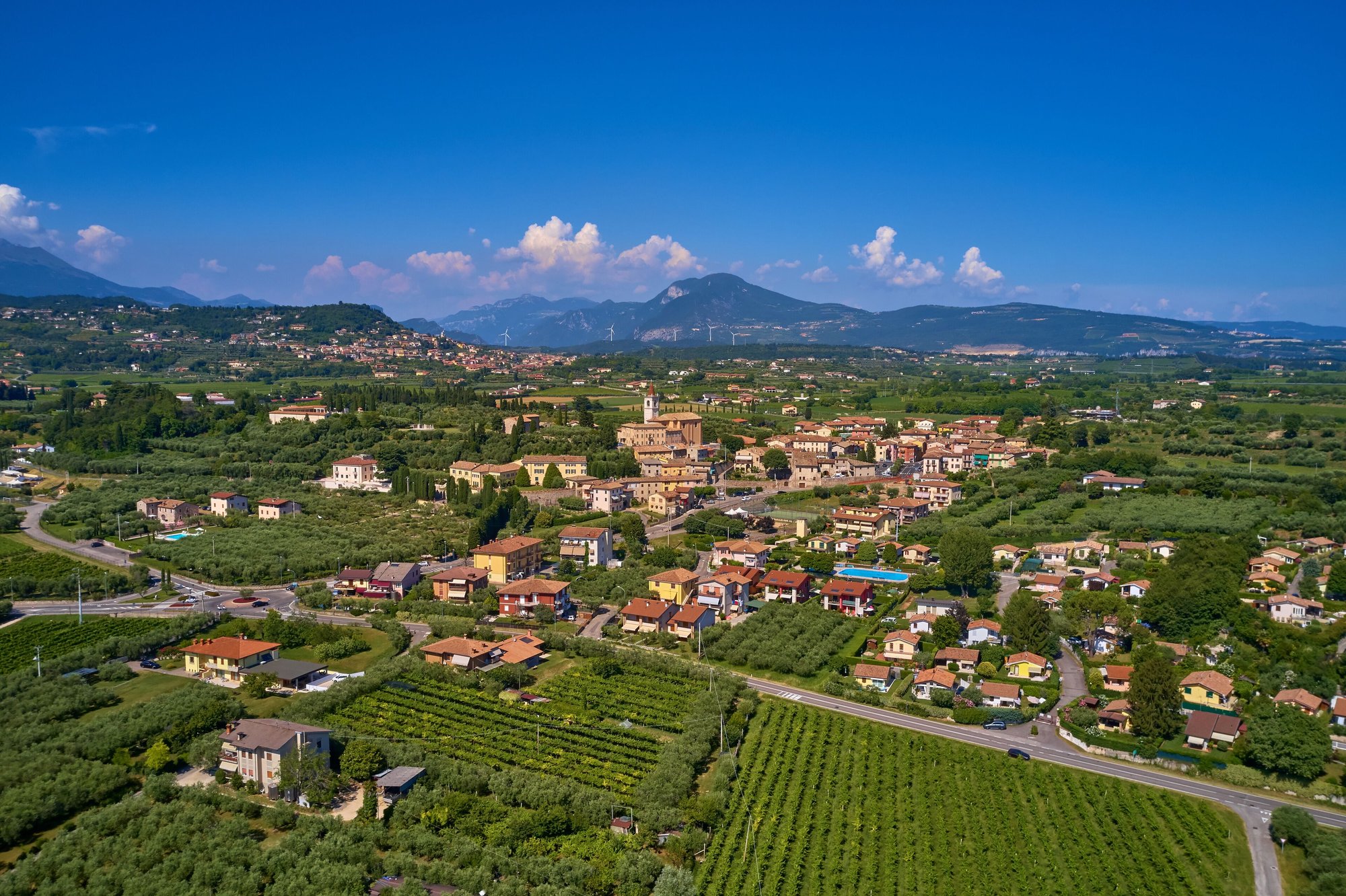
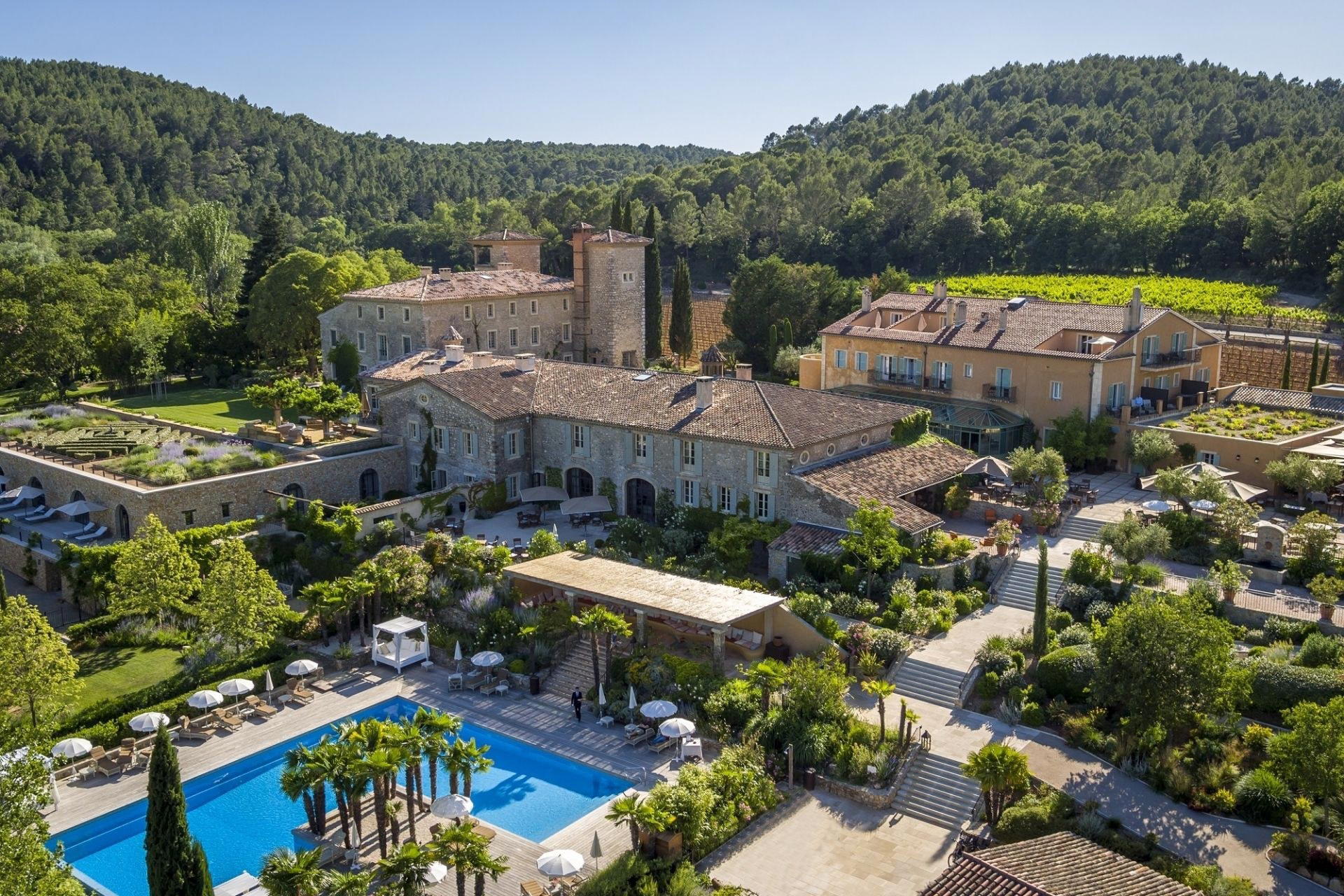
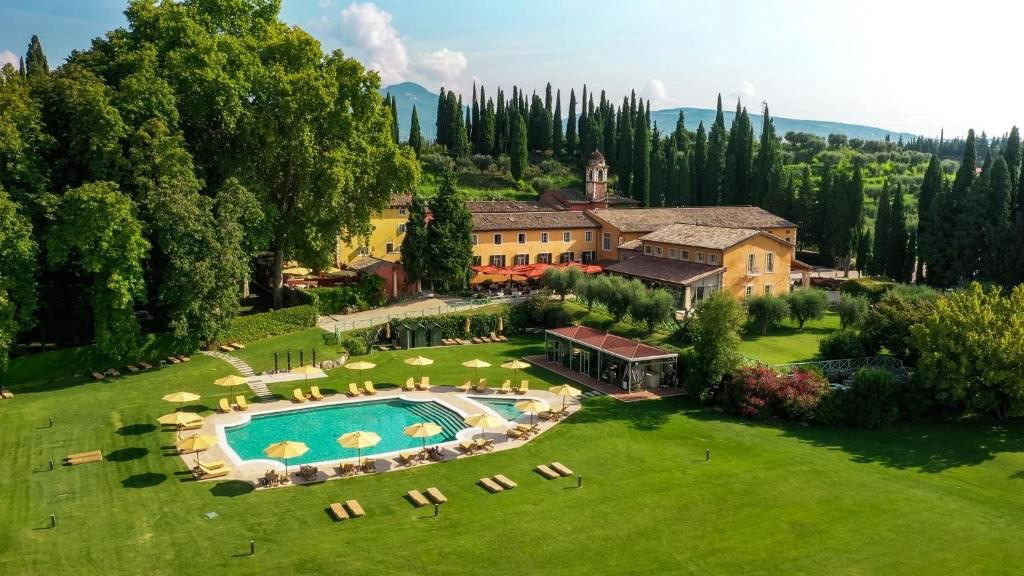
Villa Cordevigo presents a quietly authoritative historic presence: a long, symmetrical stone façade, lower wings that frame a carved-fountain cortile and an Italianate garden that reward slow looking. The building’s sequence—Renaissance nucleus overlaid with 17th- and 18th-century additions—reads like an accumulation of Veneto patrician taste rather than a pastiche, so the property feels authentic and classically proportioned. Vineyards and parkland wrap the villa, softening its form and lending a serene, intimate quality. The overall impression is of a well-preserved country estate where architecture, landscape and history coexist with the private-service feel of a relais.
Best For
Villa Cordevigo suits travellers seeking an intimate, historically resonant escape. Its private-estate character, chapel and cultivated gardens make it especially well matched to romantic getaways, honeymoons and anniversaries, when privacy and atmosphere matter as much as amenities. The continuous use of the park, barchesse and vineyards also appeals to guests who want a quiet, restorative stay rather than a bustling resort experience—hence its fit with wellness-focused breaks. Because the villa sits off the main tourist routes, it’s a good choice for visitors who want to arrive deliberately and spend time exploring the grounds and surrounding vineyards.
Stay Tips
Allow time to explore the estate rather than treating the stay as a brief stopover. The description emphasizes the approach, the cortile, the carved fountain, the Italianate garden and the working vineyards, so plan to walk the park and gardens on arrival or departure. If specific experiences on the grounds matter to you—visiting the chapel or learning about the vineyards—ask the property in advance about access and any estate activities. The villa’s private-estate feel rewards a slow schedule: arrive early in the day to take in the architecture and landscaped setting.
Venue details
Ambiance
Serene and relaxing with lush gardens, vineyard views, and a peaceful historic atmosphere blending grandeur and intimacy.
Tags
Vibe
Best For
Experience
Amenities
View
Accessibility
About the Stay
- Rooms
- 40
- Check-in
- 15:00
- Check-out
- 11:00
- Property Style
- Historic Venetian Villa with Modern Luxury
- Design Style
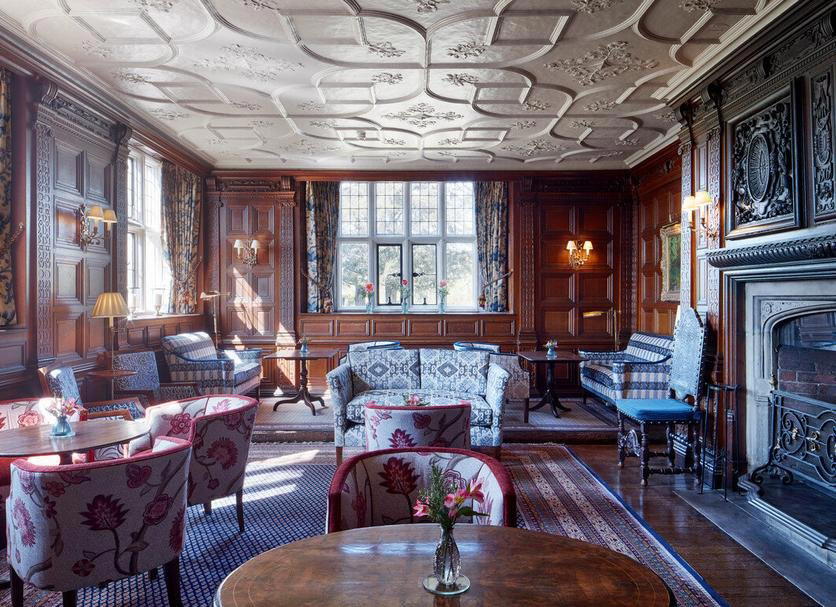
- Elegant Classic with Rich Fabrics and Patina
Know before you go
Know Before You Go
- Getting there
- Località Cordevigo, 1, 37010 Cavaion Veronese VR
Planning details
Location
Recognition and awards


Also consider
Also Consider
- Natiia Relais, Notable alternative
- Byblos Art Hotel Villa Amista, Notable alternative
- Cape of Senses, Notable alternative
- Grand Hotel Terme Sirmione, Notable alternative
- Villa Cortine Palace, Notable alternative
Hotel context
How Villa Cordevigo compares nearby
Choose Villa Cordevigo if the priority is a quieter countryside base with strong luxury recognition. Against Natiia Relais and Byblos Art Hotel Villa Amista, it is the safer pick for travelers who want a refined Veneto stay without making design or art-hotel energy the main event.
If wellness is the deciding factor, compare it carefully with Cape of Senses and Grand Hotel Terme Sirmione before committing. Those are the smarter cross-shops for travelers weighing spa time, pool days, and lake-area relaxation against the total rate. Villa Cordevigo makes more sense when calm setting and hotel credentials matter as much as the amenity list.
For a more formal Lake Garda-style stay, Villa Cortine Palace is the cleaner comparison. Pick that direction if lakefront presence and old-school grand-hotel mood are the goal. Pick Villa Cordevigo if the trip needs an easier countryside rhythm near Cavaion Veronese and booking pressure is a concern.
Explore Cavaion Veronese
Around this place
Discover more on Pearl
Unlock the full Villa Cordevigo guide in Pearl, including awards, comparisons, FAQs, planning details, and nearby places.
Compare Villa Cordevigo
| Venue | Location | Awards |
|---|---|---|
| Villa Cordevigo | Cavaion Veronese | 2026 Virtuoso Luxury Hotel Collection2026 Relais Chateaux Hotels2025 Michelin Selected Hotels2025 Relais Chateaux Award |
| Natiia Relais | Lazise | No published awards |
| Byblos Art Hotel Villa Amista | San Pietro In Cariano | 2026 Michelin 1 Key2025 Michelin 1 KeySmall Luxury Hotels Member 20252024 Michelin 1 Key |
| Cape of Senses | Torri del Benaco | 2026 Virtuoso Luxury Hotel Collection2026 Michelin 1 Key2025 Michelin 1 KeySmall Luxury Hotels Member 20252024 Michelin 1 Key |
| Grand Hotel Terme Sirmione | Sirmione | No published awards |
| Villa Cortine Palace | Lake Garda | 2026 Relais Chateaux Hotels2026 Michelin 1 Key2025 Relais Chateaux Award2025 Michelin 1 Key2024 Michelin 1 Key |



How Villa Cordevigo, Cavaion Veronese compares with similar nearby venues.
FAQ
Frequently Asked Questions
When is the best time to book Villa Cordevigo?
Seasonal booking patterns, rates, or availability are not specified. If your dates, room type, or inclusions matter, confirm current availability and booking terms directly with Villa Cordevigo.
How does Villa Cordevigo compare to other hotels?
Choose Villa Cordevigo if its Cavaion Veronese location and hotel recognition fit your trip. For comparison, consider other regional options such as Villa Cortine Palace, Grand Hotel Terme Sirmione, Cape of Senses, Natiia Relais, or Byblos Art Hotel Villa Amista, then check each venue's current inclusions and policies directly.
How is the location of Villa Cordevigo?
Villa Cordevigo is in Cavaion Veronese. No more specific address or neighborhood detail is available, so use only the city-level location when planning.