

Schgaguler Hotel
historical centre, Castelrotto
Hotel in Castelrotto, Italy
 Book with Pearl
Why go
Book Schgaguler Hotel if the priority is a calm, design-forward Castelrotto base with easy booking rather than a large resort experience. Its 2026 Design Hotels membership gives it a clearer quality signal than many village stays, but compare room terms closely because confirmed pricing and category details are not listed.
About Schgaguler Hotel
Is Schgaguler Hotel worth considering in Castelrotto? Yes, if you are specifically looking at Schgaguler Hotel in Castelrotto and want a stay with design-hotel credentials. Before booking, check current room, service, and amenity details directly with the hotel.
The strongest reason to keep Schgaguler Hotel on a shortlist is its recognition as a 2026 Design Hotels member. That is a useful credibility signal for travelers who care about design. Check facilities, dining, room categories, prices, and service details through the hotel's official booking channels.
Choose this for a Castelrotto hotel with a design signal
The booking logic is simple: choose Schgaguler Hotel if the Castelrotto location and 2026 Design Hotels membership are enough to make it relevant to your trip. For a broader hotel search, compare it with COMO Alpina Dolomites, FLORIS Green Suites, Alpine Boutique Villa Gabriela, Charme Hotel Uhrerhof Dëur, and Ansitz Steinbock before deciding.
Avoid making assumptions about seasonal appeal, booking difficulty, room inventory, or on-property facilities. If your dates or preferences are fixed, check the hotel's current availability and policies directly rather than relying on general expectations.
Direct booking value depends on the terms
Make the value call through the booking terms rather than a headline rate. Compare cancellation flexibility and any clearly stated inclusions before committing. If a direct rate and another booking rate are close, direct booking may be simpler for making requests, but the written terms should drive the final choice.
Do not overbuy a room category unless the benefits are clearly stated at checkout. If the upgrade description is vague, keep the decision practical and check the details with the hotel before paying more.
Know Before You Go
- Location: Castelrotto.
- Dress code: Smart casual.
- Design signal: 2026 Design Hotels member.
- Good fit: Travelers comparing Castelrotto hotel options who value a design-hotel affiliation.
- Planning note: Compare other Castelrotto options when planning the stay around the hotel, and check current details directly.
Planning details
- Location
- Via Dolomiti 2, Castelrotto 39040, Italy
- Website
- marriott.com/en-us/hotels/bzosg-hotel-schgaguler-a-member-of-design-hotels/overview
- Phone
- 0039 0471712100
The take
The Take
The Vibe
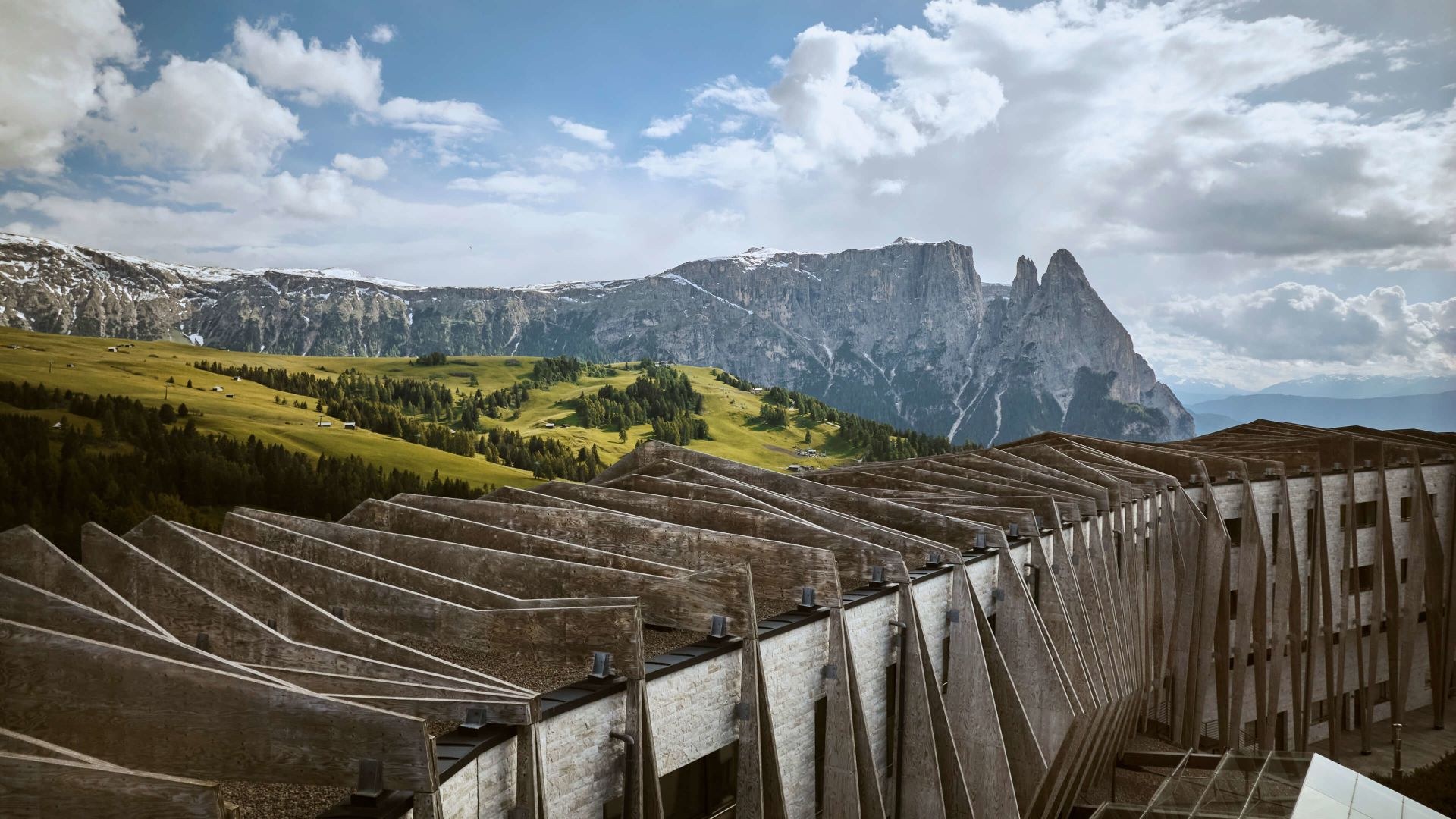
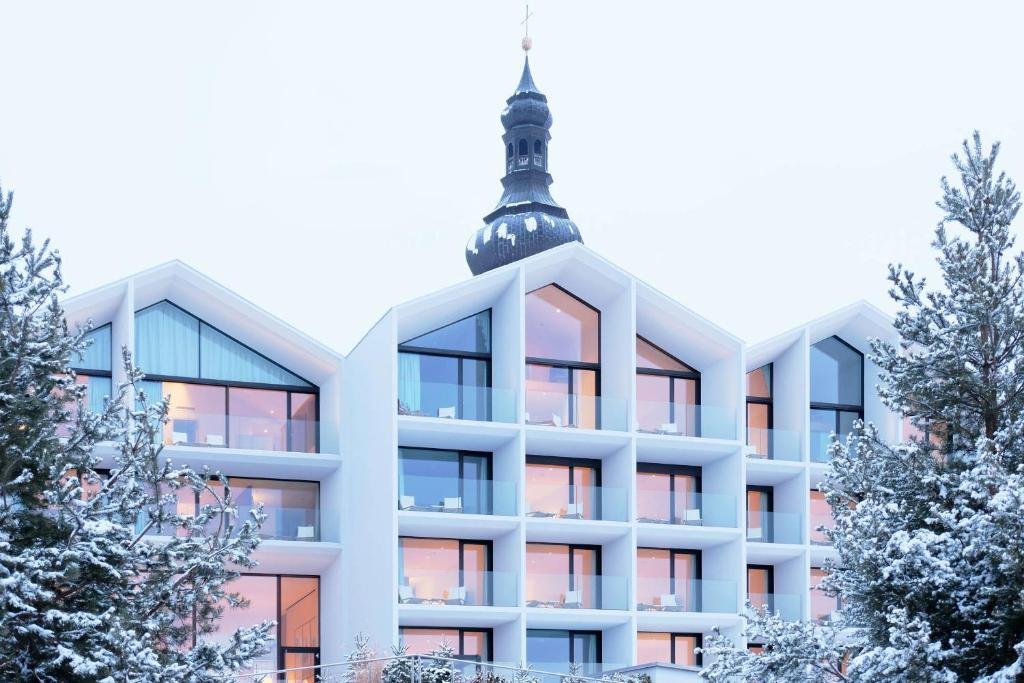
Schgaguler Hotel presents a measured blend of alpine setting and contemporary design. The property treats the Dolomites as an integral part of the experience rather than mere scenery, and art threads through public spaces and guest areas as a deliberate design choice. Set on a high plateau above Castelrotto, the hotel's atmosphere reads tranquil and refined: you feel rooted in a working Ladin village rather than a purpose-built tourist hub. That combination of clean modern lines, curated artwork and an attentive sense of place creates a quietly sophisticated mountain refuge for travelers who value aesthetics as much as location.
Best For
This hotel suits travelers who want the Dolomites to shape their stay—design-minded couples and small groups seeking a scenic, restful base for exploring Alpe di Siusi. Its tone and positioning make it a natural pick for romantic getaways and weekend escapes, and the property's upper-tier, art-forward approach also appeals to guests looking for a wellness-oriented break or a family stay with a quieter, less commercialized village feel. In short, Schgaguler is best for visitors who prioritize landscape, design and a calm alpine rhythm over high-energy resort bustle.
Venue details
Ambiance
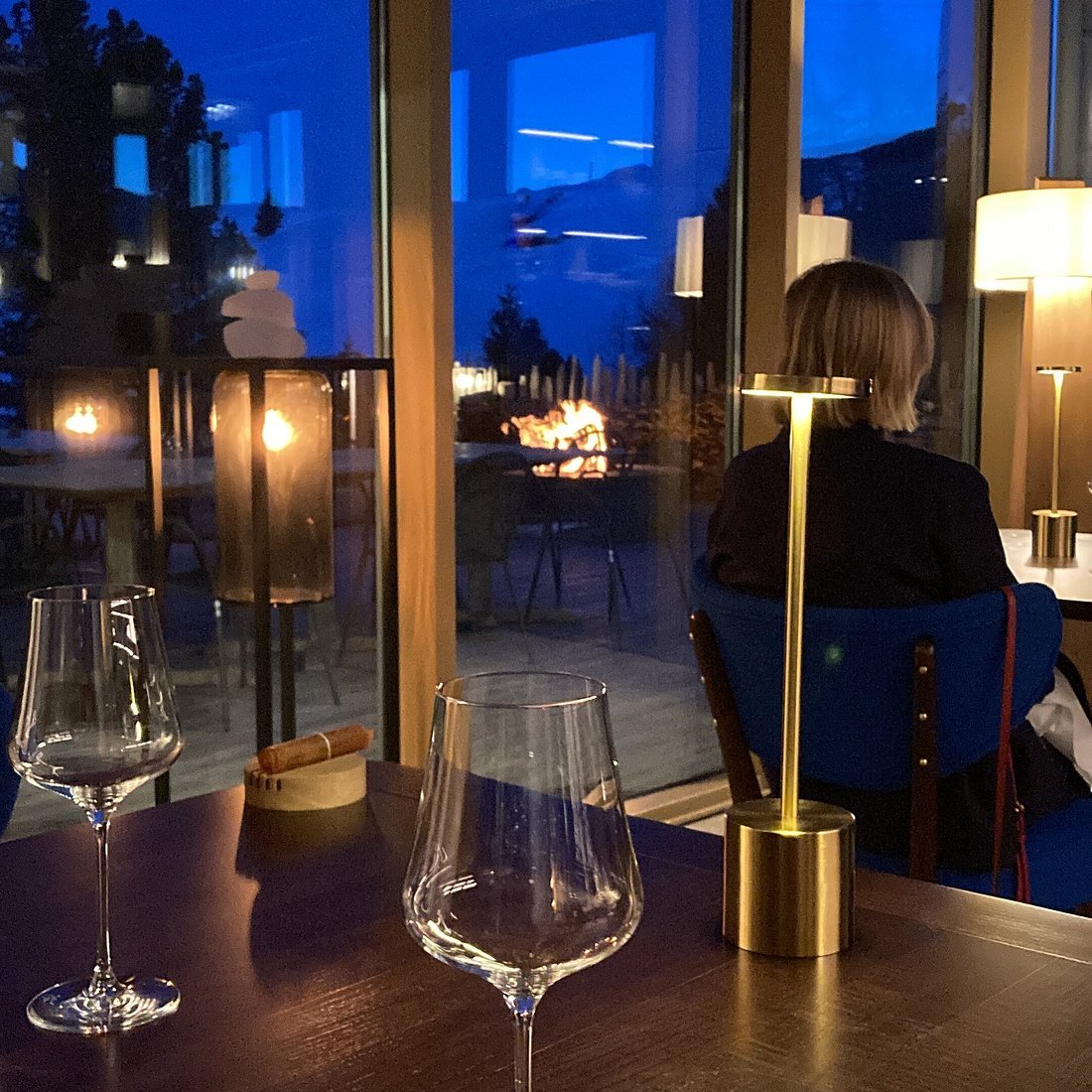
Serene and relaxing with soundproofed rooms, peaceful garden, spa lounge lighting, and wellness-focused atmosphere praised for tranquility amid alpine beauty.
Tags
Vibe
Best For
Experience
Amenities
View
Accessibility
About the Stay
- Rooms
- 42
- Check-in
- 15:00
- Check-out
- 11:00
- Property Style
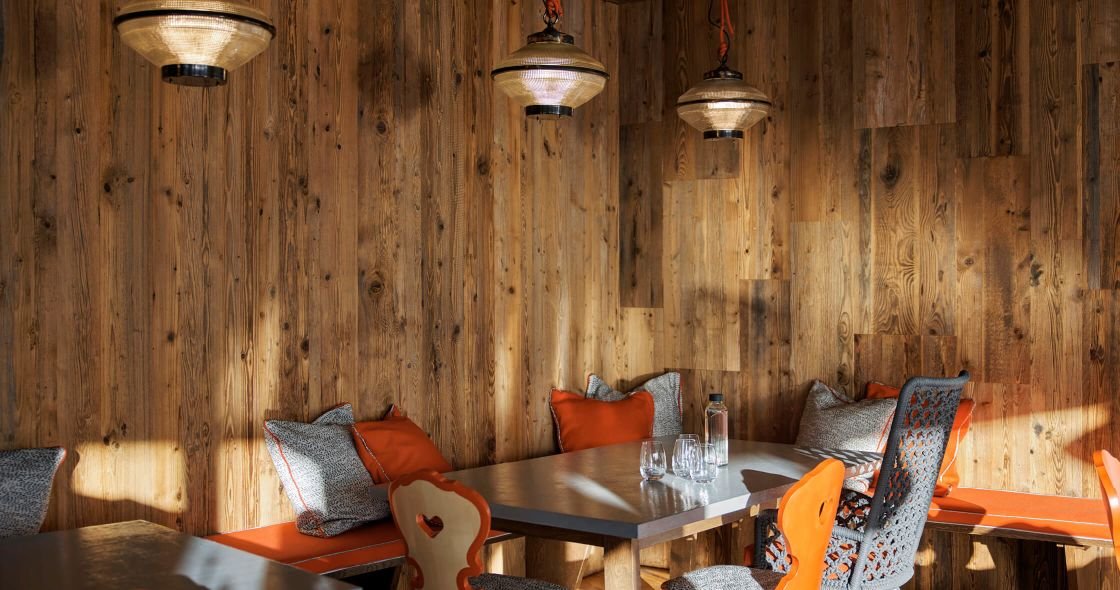
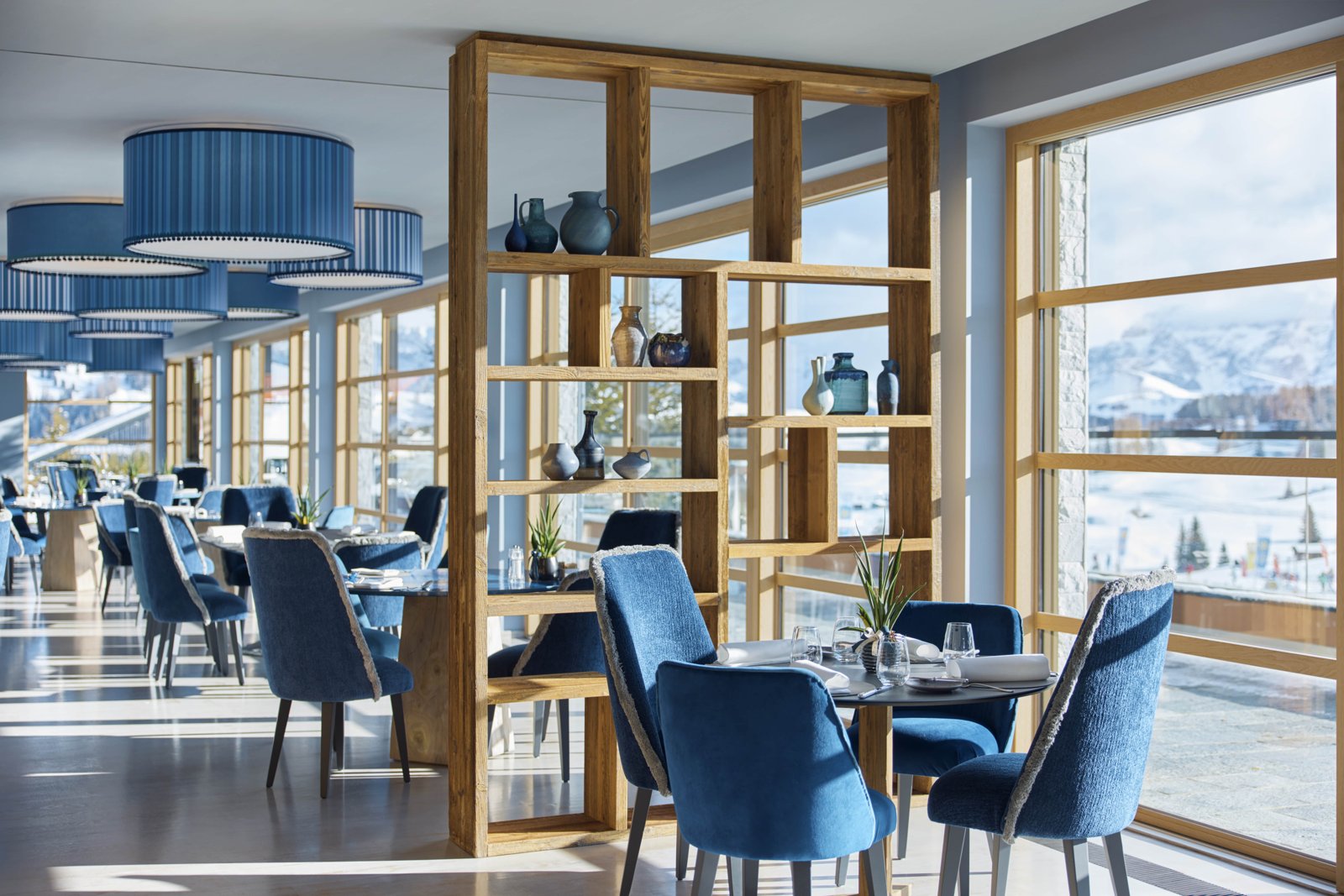
- Alpine Inspired Boutique with Custom Local Wood Furnishings and Frameless Windows Maximizing Mountain Views.
- Design Style
- Modern Alpine with Custom Chestnut Wood Furniture, High Ceilings, and Minimalist Elegance.
Know before you go
Know Before You Go
- Getting there
- Via Dolomiti 2, Castelrotto 39040, Italy
Planning details
Location
Via Dolomiti 2, Castelrotto 39040, Italy · Directions
marriott.com/en-us/hotels/bzosg-hotel-schgaguler-a-member-of-design-hotels/overview
Recognition and awards
Also consider
Also Consider
- FLORIS Green Suites, Notable alternative
- Alpine Boutique Villa Gabriela, Notable alternative
- COMO Alpina Dolomites, Notable alternative
- Charme Hotel Uhrerhof Dëur, Notable alternative
- Ansitz Steinbock, Notable alternative
Hotel context
How It Compares
Against FLORIS Green Suites, Alpine Boutique Villa Gabriela, Charme Hotel Uhrerhof Dëur, and Ansitz Steinbock, Schgaguler Hotel is the cleaner choice for travelers who specifically want to stay in Castelrotto and keep the trip village-based. The booking difficulty is easy, so value should come from rate flexibility, room category clarity, and whether the design angle matters to the guest.
COMO Alpina Dolomites is the peer to check if the trip calls for a bigger resort feel in Castelrotto. Choose Schgaguler Hotel for quieter ambiance and design focus; choose COMO Alpina Dolomites if the stay should revolve around a more expansive hotel experience. If Schgaguler Hotel is not available, cross-shop COMO Alpina Dolomites first for location relevance, then Ansitz Steinbock or Charme Hotel Uhrerhof Dëur if a different out-of-metro mood is acceptable.
Explore Castelrotto
Around this place
Discover more on Pearl
Unlock the full Schgaguler Hotel guide in Pearl, including awards, comparisons, FAQs, planning details, and nearby places.
Compare Schgaguler Hotel
| Venue | Location | Awards |
|---|---|---|
| Schgaguler Hotel | Castelrotto | 2026 Design Hotels Collection2025 Michelin Selected Hotels |
| FLORIS Green Suites | Castelrotto/kastelruth | No published awards |
| Alpine Boutique Villa Gabriela | Castelrotto/kastelruth | No published awards |
| COMO Alpina Dolomites | Castelrotto | 2026 Forbes 4-Star2026 Virtuoso Luxury Hotel CollectionLeading Hotels of the World 20262026 La Liste Top Hotels2026 Michelin 1 Key2025 Michelin 1 Key2025 Forbes 4-Star2024 Michelin 1 Key |
| Charme Hotel Uhrerhof Dëur | Ortisei | No published awards |
| Ansitz Steinbock | Villandro | No published awards |






How Schgaguler Hotel Castelrotto compares with similar nearby venues.
FAQ
Frequently Asked Questions
How does Schgaguler Hotel compare to other hotels?
Schgaguler Hotel is a Castelrotto hotel and a 2026 Design Hotels member. Compare it with COMO Alpina Dolomites, FLORIS Green Suites, Alpine Boutique Villa Gabriela, Charme Hotel Uhrerhof Dëur, and Ansitz Steinbock based on the current details each property publishes for your dates.
How is the location of Schgaguler Hotel?
When is the best time to book Schgaguler Hotel?
Book based on your travel dates, cancellation needs, and the hotel's current published terms.