

Hôtel Le Parc - La Table de Franck Putelat
Carcassonne Center, Carcassonne
Hotel in Carcassonne, France
 Book with Pearl
The Read
Languedoc Hotel-Restaurant Dining
Why go
Book Hôtel Le Parc - La Table de Franck Putelat if the stay is meant to revolve around both the hotel and dinner, not just a bed near Carcassonne's sights. It is the stronger fit for couples and food-focused short stays; value-seekers who only need a base should compare Bloc G, Camellas-Lloret, and Hôtel du Château first.
About Hôtel Le Parc - La Table de Franck Putelat
For travellers comparing Carcassonne stays, Hôtel Le Parc - La Table de Franck Putelat is a useful option to consider when the hotel choice and the named dining identity are part of the same decision. If the priority is a different hotel style in Carcassonne, Hôtel de la Cité - MGallery is a natural cross-shop; if the priority is keeping the stay centered on this property's hotel-and-table identity, Hôtel Le Parc - La Table de Franck Putelat is the more direct fit.
The value case is best understood as a planning question: whether you want lodging and a named dining venue under one decision in Carcassonne, or whether you prefer to separate the hotel choice from other dining in the city.
A stay to book when dining is part of the point
The recommendation is clearest for travellers who specifically want Hôtel Le Parc - La Table de Franck Putelat rather than a hotel that functions only as a base. It is less compelling for travellers who mainly want a simple room and plan to make all dining decisions elsewhere. Those guests may also compare Hôtel du Château and Bloc G before committing.
The safest approach is to book once your Carcassonne dates and dining plans are clear, rather than relying on assumptions about room categories, schedules, or restaurant format. Use the broader city context from Our full Carcassonne hotels guide and Our full Carcassonne restaurants guide if the preferred stay pattern or dining plan does not line up.
Who should cross-shop before booking
If a different Carcassonne hotel experience is the priority, Hôtel de la Cité - MGallery is the sharper comparison. Camellas-Lloret and Bloc G are also worth reviewing if you want to compare this property with other named options. Hôtel Le Domaine d'Auriac is another option to consider.
The bottom line: book this when the trip is meant to include Hôtel Le Parc - La Table de Franck Putelat as part of the stay decision, and keep the dress code in mind: smart casual. Skip it if the room is only a place to sleep, because Carcassonne has other options that may fit a simpler hotel brief.
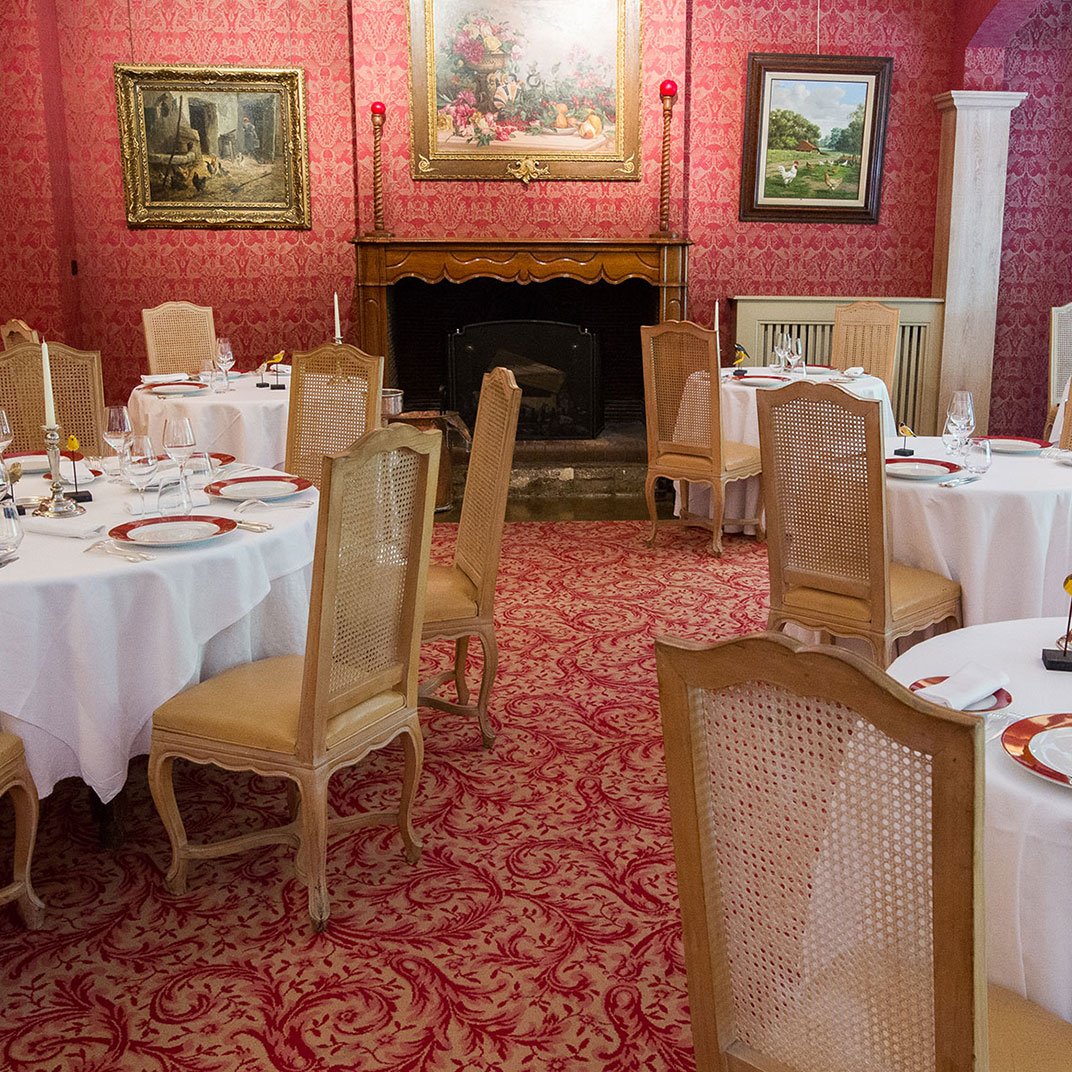
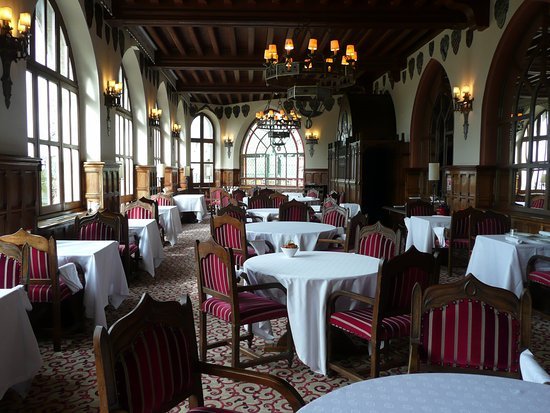
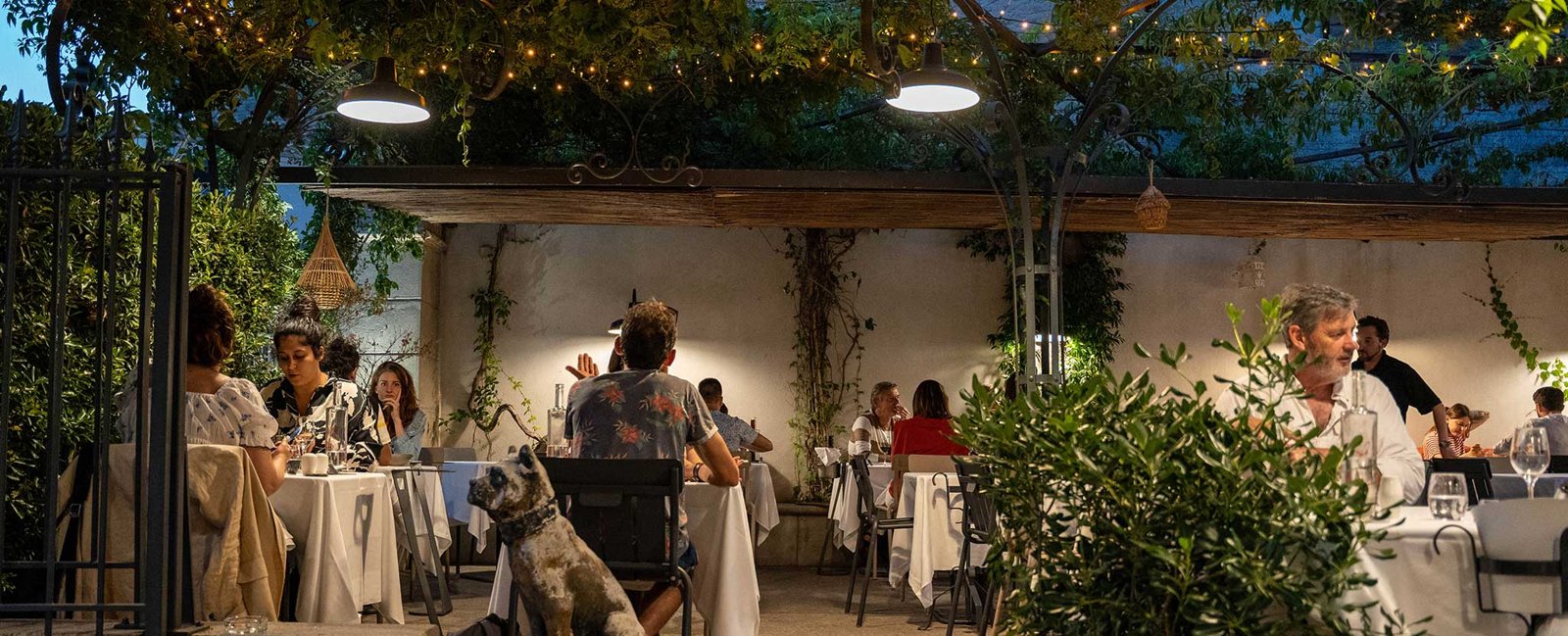
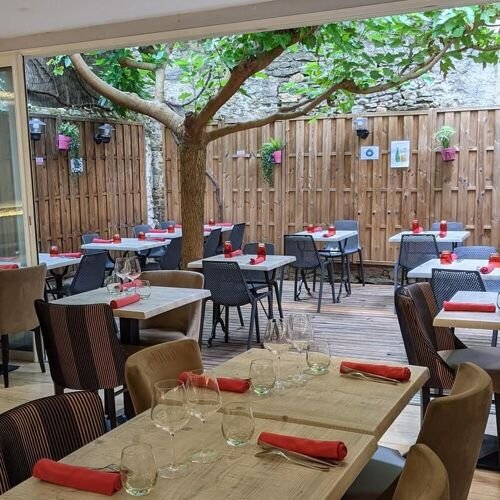
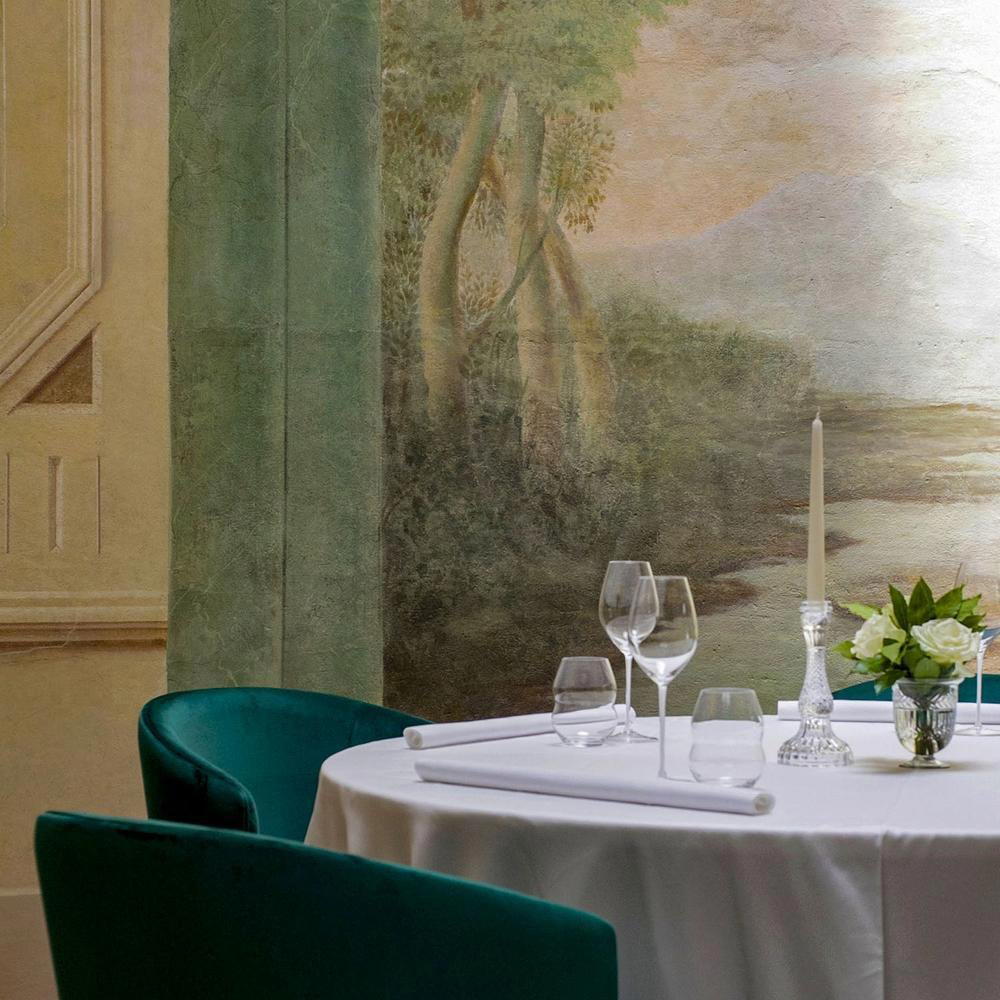
Inside Hôtel Le Parc - La Table de Franck Putelat
Planning details
- Location
- 80 Chem. des Anglais, 11000 Carcassonne
- Website
- hotelleparc.franckputelat.com
- Phone
- +33 4 68 71 80 80
The take
The Take
The Vibe
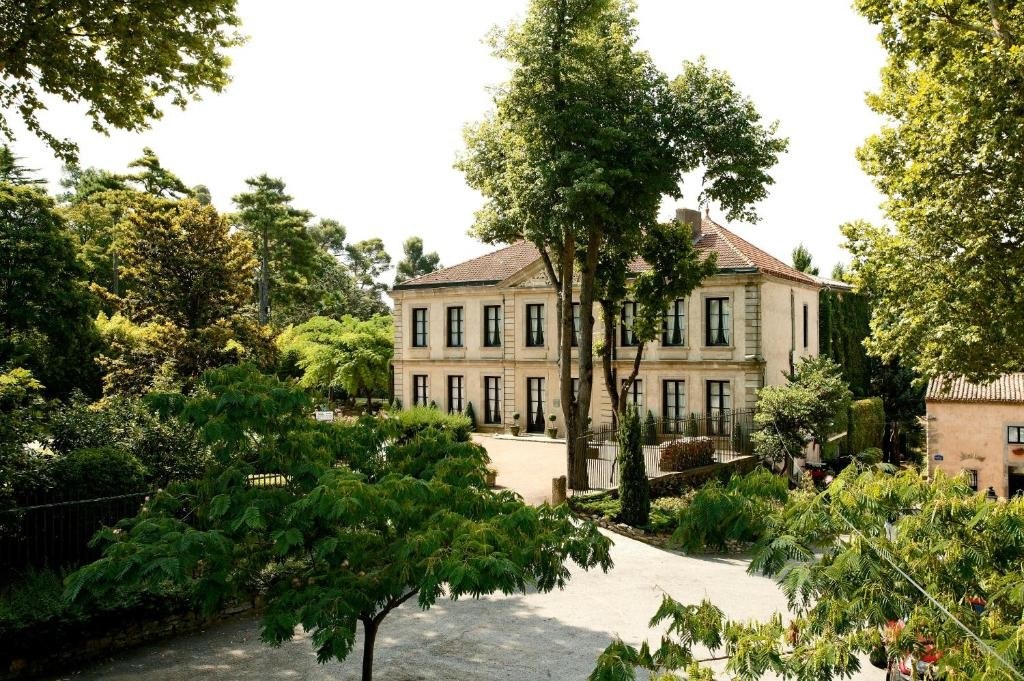
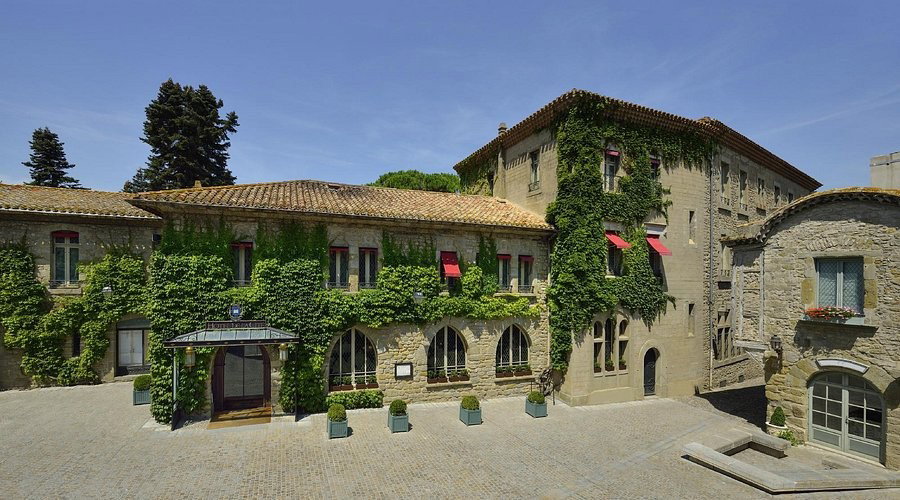
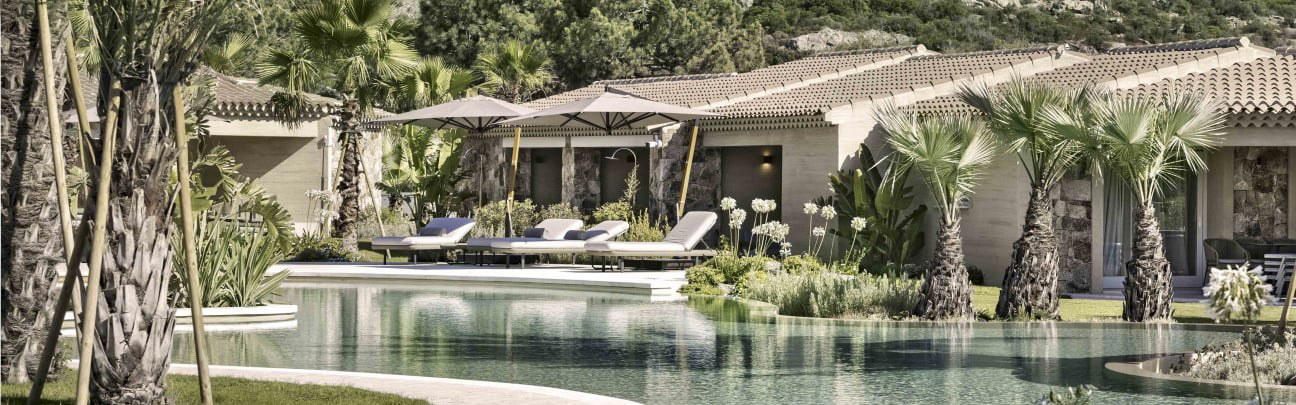
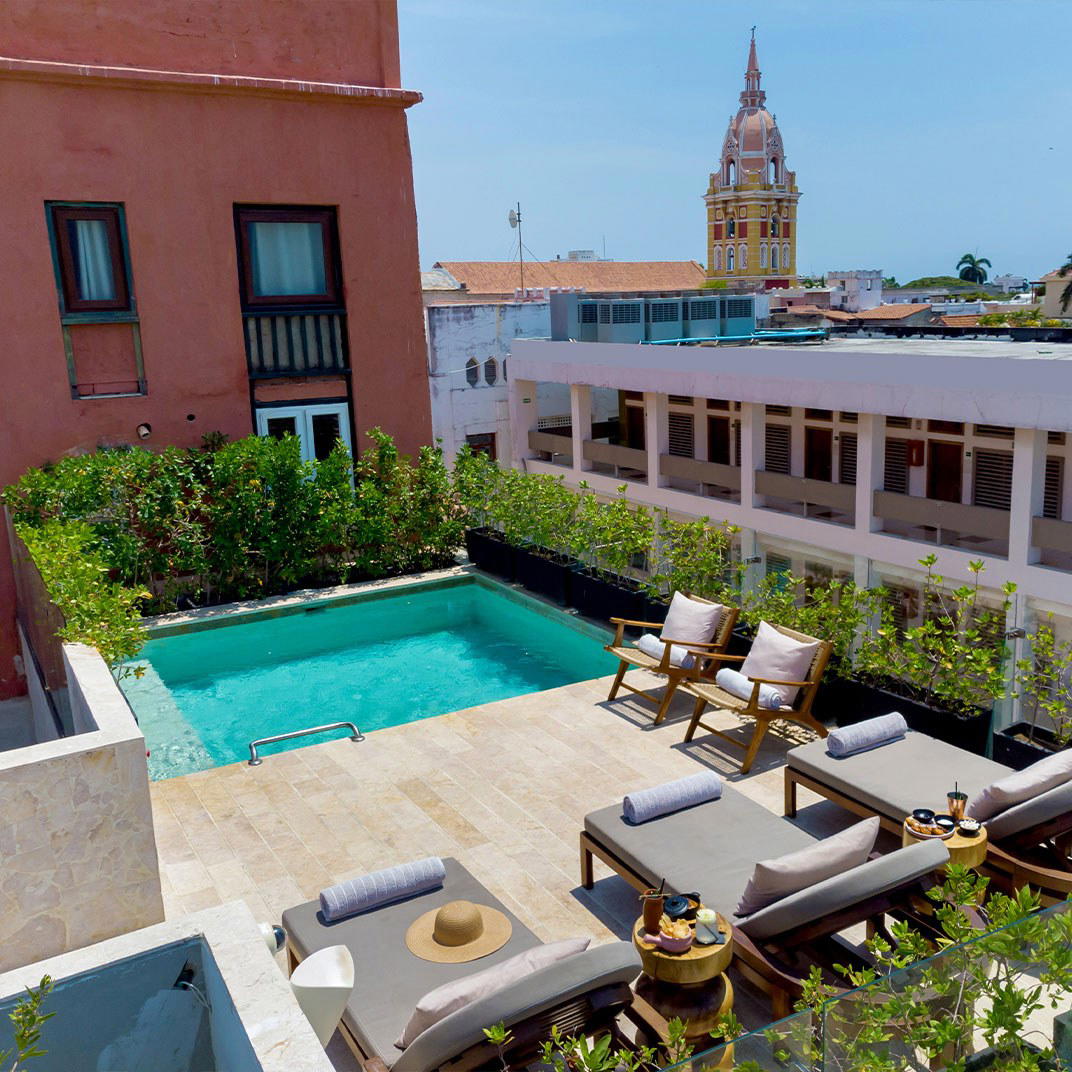
Hôtel Le Parc reads as a quietly assured counterpoint to Carcassonne’s tourist theatrics. The property settles into a domestic scale, with garden light filtering through the park’s canopy and a deliberate stillness that frames the guest experience. The writing on the wall is culinary: the restaurant’s seriousness gives the hotel a measured, composed air, where medieval proximity is more contextual than performative. Guests encounter an atmosphere that balances historic resonance with contemporary precision, favoring restraint, attention to detail, and an unshowy luxury that foregrounds the food and service rather than spectacle.
Best For
The hotel’s restaurant and accommodation pairing makes this a natural choice for special occasions and celebrations. With a high-calibre kitchen and a Gault & Millau Exceptional Hotel designation, the property positions itself for guests seeking a memorable, restaurant-led weekend or an elevated overnight that keeps service and rooms on equal footing. It suits couples marking an anniversary or travelers who prioritize a refined dinner experience paired with quietly comfortable lodging in close proximity to Carcassonne’s medieval attractions.
Venue details
Ambiance
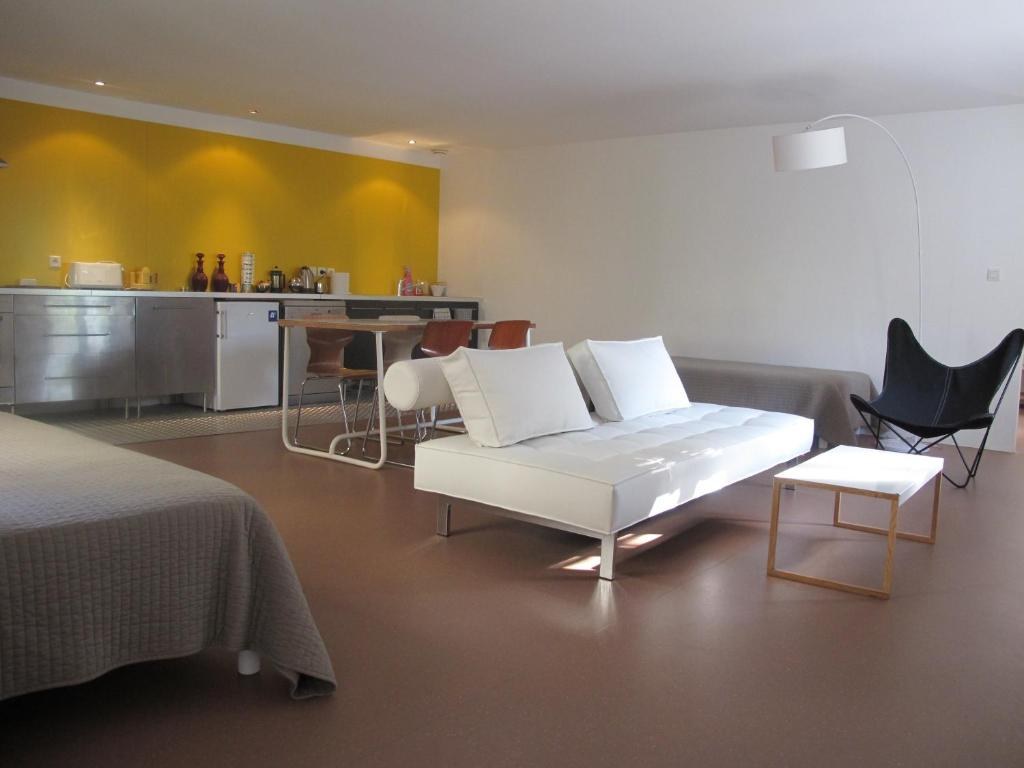
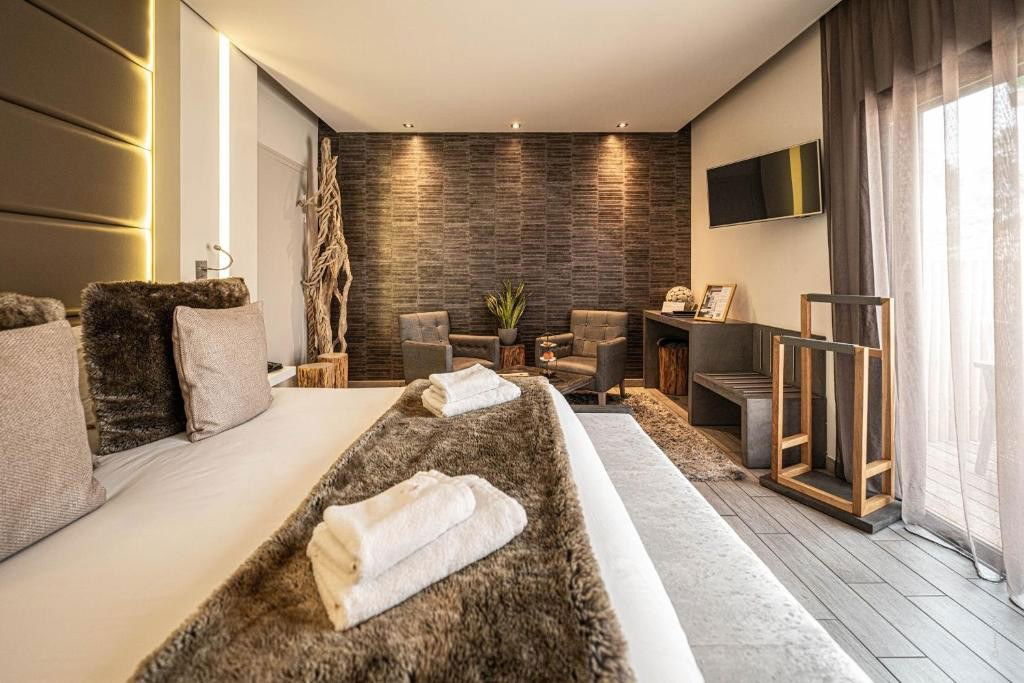
Tranquil and serene with warm, attentive service, stylish Japanese-inspired interiors, and relaxing garden terrace.
Tags
Vibe
Best For
Experience
Amenities
View
Accessibility
About the Stay
- Rooms
- 7
- Check-in
- 15:00
- Check-out
- 12:00
- Property Style
- Restaurant with Chic Rooms
- Design Style
- Japanese Inspired Modern
Know before you go
Know Before You Go
- Getting there
- 80 Chem. des Anglais, 11000 Carcassonne
Planning details
Location
Recognition and awards

Also consider
Also Consider
- Hôtel de la Cité - MGallery, Notable alternative
- Hôtel du Château, Notable alternative
- Bloc G, Notable alternative
- Hôtel Le Domaine d'Auriac, Notable alternative
- Camellas-Lloret, Notable alternative
Hotel context
How It Compares
Against Hôtel de la Cité - MGallery, Hôtel Le Parc - La Table de Franck Putelat is the better pick when the meal is central to the stay. Hôtel de la Cité - MGallery is the more obvious choice for travellers prioritising old-city atmosphere and a classic Carcassonne setting; this is the more practical choice for guests who want the hotel decision and dining decision to sit in one plan.
Hôtel du Château and Bloc G are the value checks. Choose them if the room is mainly a base and the itinerary is built around sightseeing, bars, or casual meals. Choose Hôtel Le Parc - La Table de Franck Putelat if spending more makes sense because it reduces planning friction and gives the trip a more restaurant-led rhythm.
Hôtel Le Domaine d'Auriac is the stronger cross-shop for travellers who want a more retreat-like feel, while Camellas-Lloret is better for a smaller, design-conscious stay. For easy booking and a polished hotel-plus-dinner plan in Carcassonne, Hôtel Le Parc - La Table de Franck Putelat is the one to price against those two first.
Explore Carcassonne
Around this place
Discover more on Pearl
Unlock the full Hôtel Le Parc - La Table de Franck Putelat guide in Pearl, including awards, comparisons, FAQs, planning details, and nearby places.
Compare Hôtel Le Parc - La Table de Franck Putelat
| Venue | Location | Awards |
|---|---|---|
| Hôtel Le Parc - La Table de Franck Putelat | Carcassonne | 2025 Michelin Selected Hotels2025 Gault & Millau Exceptional Hotel |
| Hôtel de la Cité - MGallery | Carcassonne | 2026 Virtuoso Luxury Hotel Collection2025 Gault & Millau Exceptional Hotel2025 Michelin Selected Hotels |
| Hôtel du Château | Carcassonne | No published awards |
| Bloc G | Carcassonne | No published awards |
| Hôtel Le Domaine d’Auriac | Carcassonne | 2026 Relais Chateaux Hotels2025 Michelin Selected Hotels2025 Relais Chateaux Award2025 Gault & Millau Exceptional Hotel |
| Camellas-Lloret | Carcassonne | No published awards |


How Hôtel Le Parc - La Table de Franck Putelat compares with similar nearby venues.
FAQ
Frequently Asked Questions
Do loyalty programs work at Hôtel Le Parc - La Table de Franck Putelat?
Loyalty perks should not drive the decision. The confirmed recognition to note is Gault & Millau Exceptional Hotel 2025 with 5 points and MICHELIN Guide Hotels Selected 2025.
When is the best time to book Hôtel Le Parc - La Table de Franck Putelat?
Book once your Carcassonne dates are fixed, especially if the dining side of Hôtel Le Parc - La Table de Franck Putelat is part of the plan.
Which room category is best at Hôtel Le Parc - La Table de Franck Putelat?
How is the dining at Hôtel Le Parc - La Table de Franck Putelat?
The property's name places La Table de Franck Putelat at the center of the hotel identity, and the confirmed dress code is smart casual.