


Hôtel de la Cité - MGallery
Medieval City (Cité), Carcassonne
Hotel in Carcassonne, France
 Book with Pearl
The Read
Citadel-Integrated Heritage Stay
Why go
Book Hôtel de la Cité - MGallery if the point of the trip is staying inside Carcassonne's medieval core and the rate premium feels justified by location. Its Gault & Millau Exceptional Hotel recognition and 2026 Virtuoso partner status make it a safer luxury pick than a generic old-city stay, but value-seekers should compare live rates before committing.
About Hôtel de la Cité - MGallery
Hôtel de la Cité - MGallery is a premium hotel option in Carcassonne. Consider it when you want this specific property and its recognized status matters more than choosing a simpler stay in the city.
The clearest grounded signals are external recognition and dress expectations. Gault & Millau listed Hôtel de la Cité - MGallery as an Exceptional Hotel in 2025 with 5 points, and Virtuoso names it a Luxury Hotel Partner for 2026. The dress code is smart casual.
Book for confirmed recognition, not for a bargain hunt
The strongest reason to keep Hôtel de la Cité - MGallery on a Carcassonne shortlist is its recognition. Gault & Millau listed it as an Exceptional Hotel in 2025 with 5 points, and Virtuoso names it a Luxury Hotel Partner for 2026. Those signals do not prove that every rate will feel like good value, but they do make the property more credentialed than a simple overnight stop.
Compare current prices carefully before booking. Treat the confirmed accolades as part of the case, then decide whether the rate makes sense for your trip.
Value depends on what you need from the stay
Do not pay a premium only because a hotel belongs to a luxury conversation. Book this if the recognition and smart-casual dress code match the kind of stay you want in Carcassonne. If the hotel is mainly a place to sleep, value may be stronger at a simpler option.
Booking should come down to the live rate, your preferred style of stay, and how much weight you give to the property's recognition. For a broader scan of meals during the trip, pair your hotel search with Our full Carcassonne restaurants guide. Other Carcassonne dining and hotel options can help put the price in context.
Planning details
- Location
- Pl. Auguste Pierre Pont, 11000 Carcassonne
- Website
- mgallery.accor.com/hotels/8613?merchantid=seo-maps-FR-8613&sourceid=aw-cen
- Phone
- +33 4 68 71 98 71
The take
The Take
The Vibe
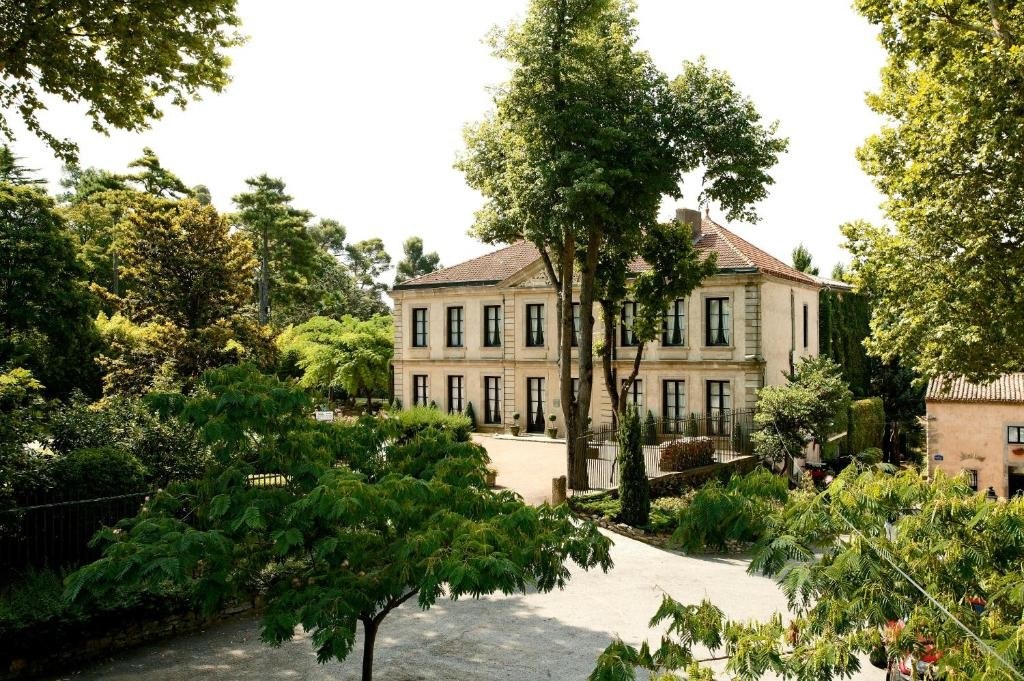
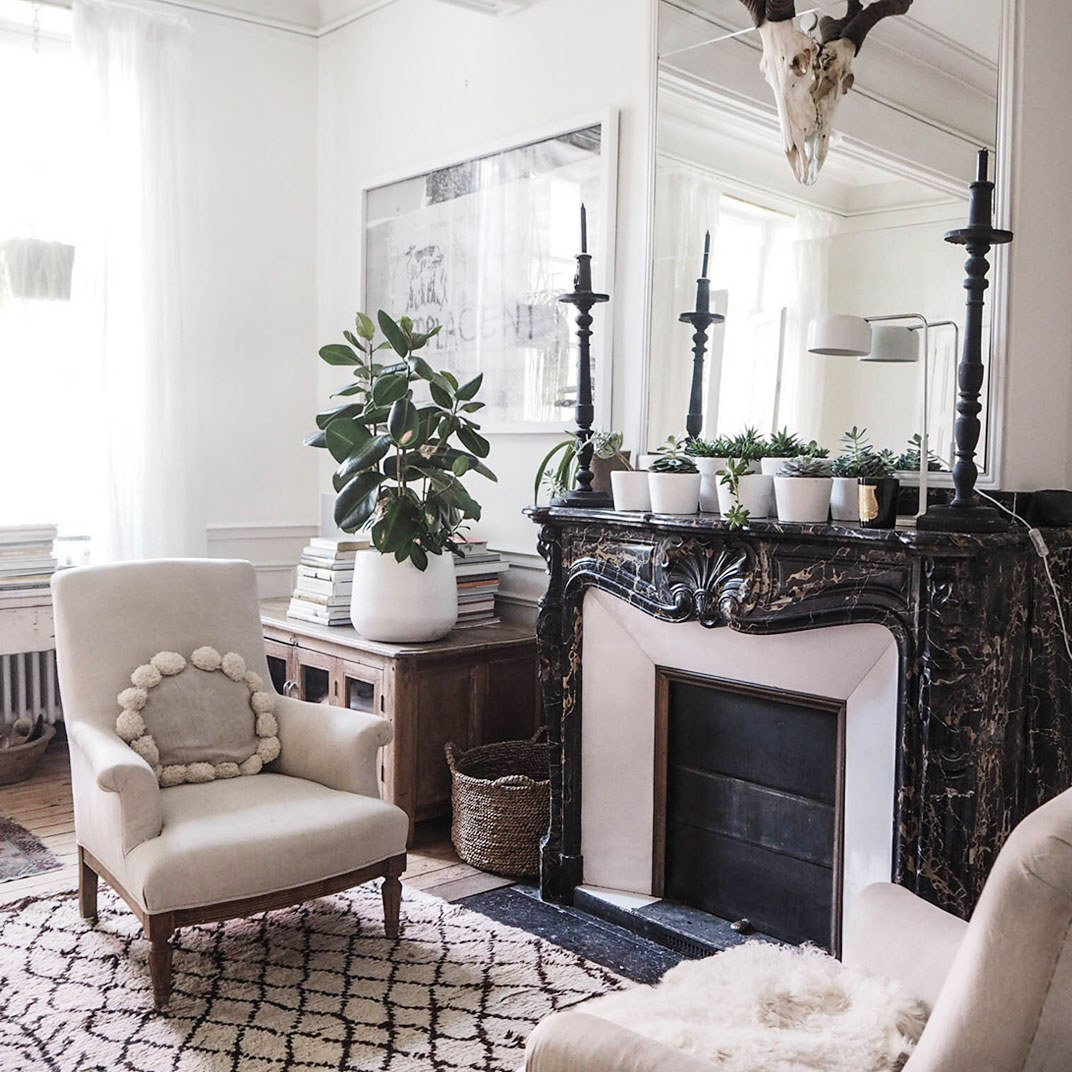
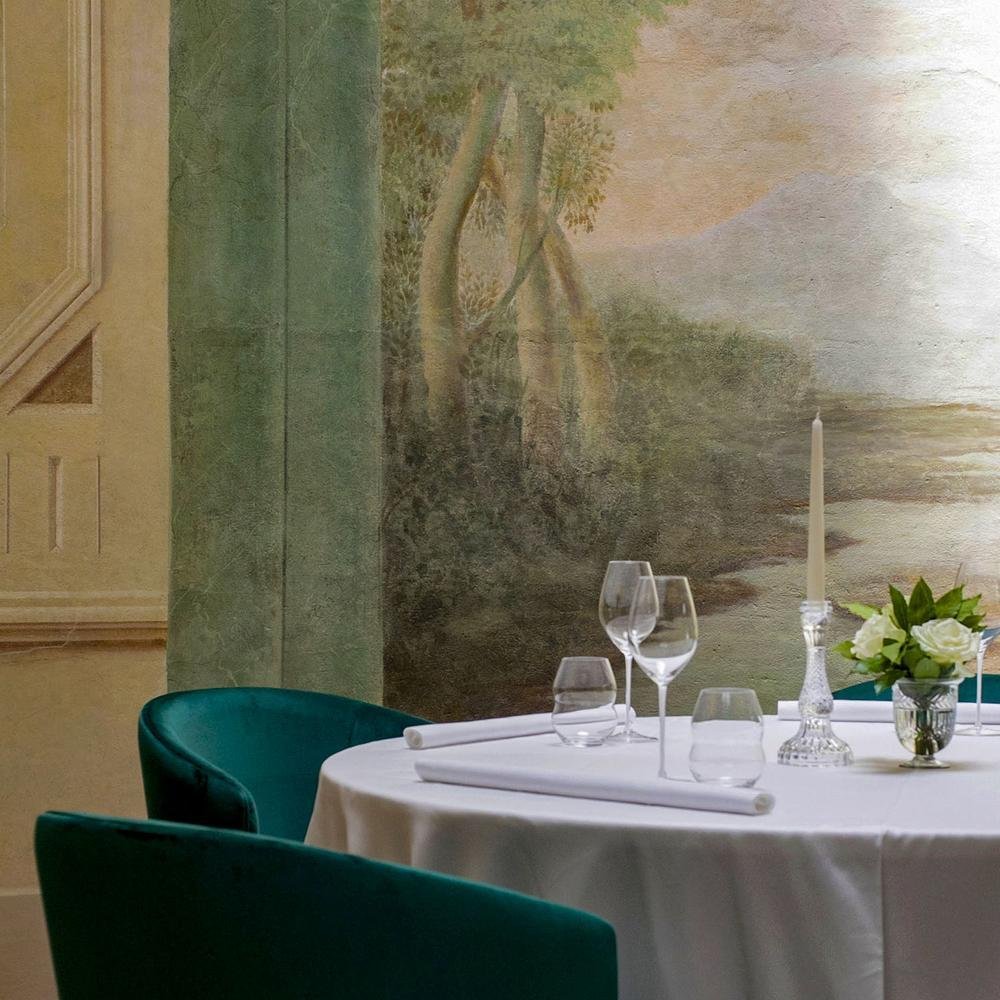
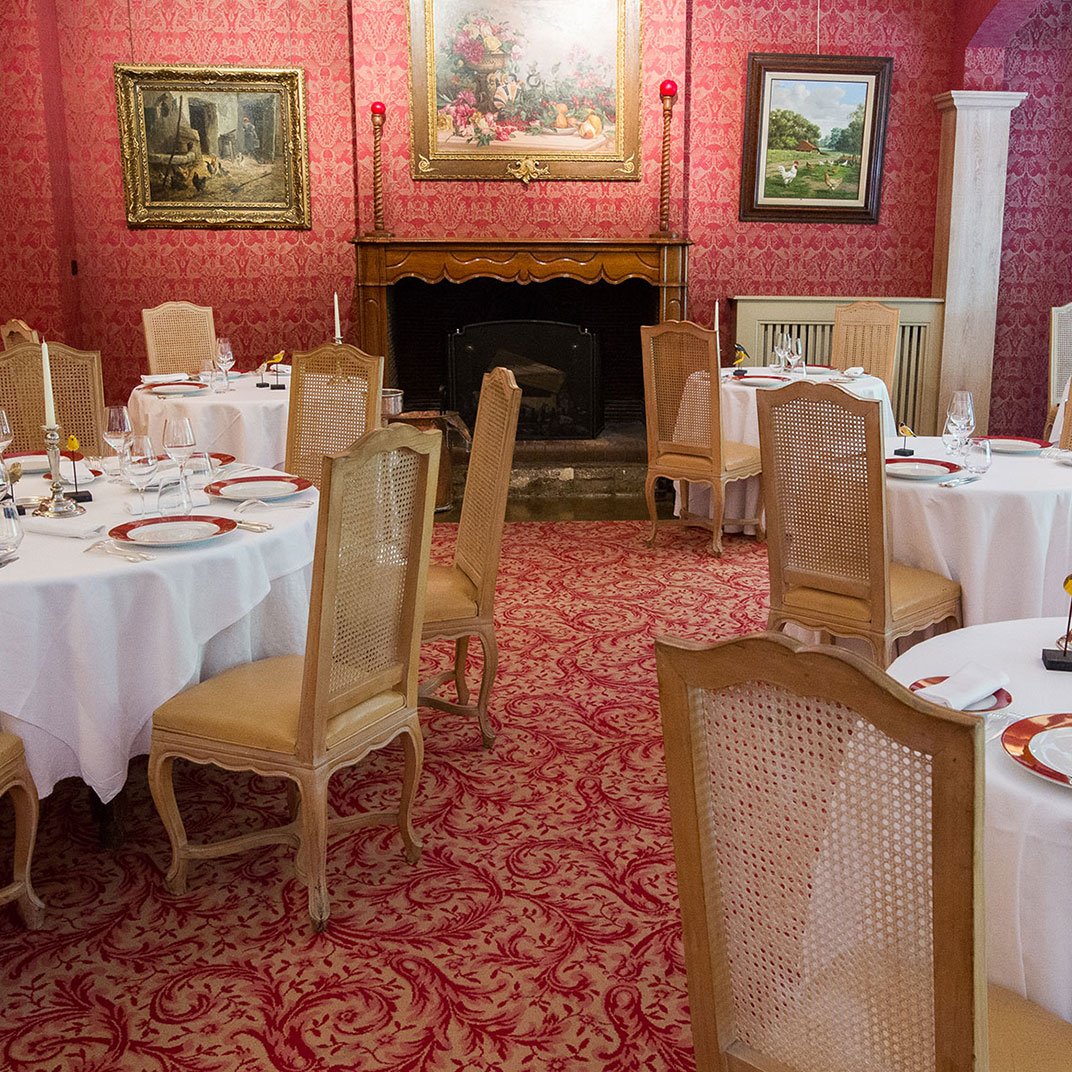
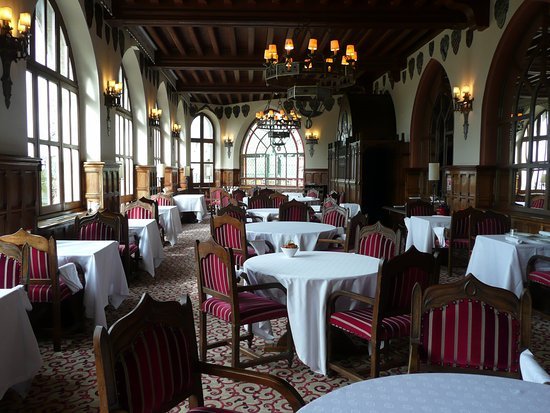
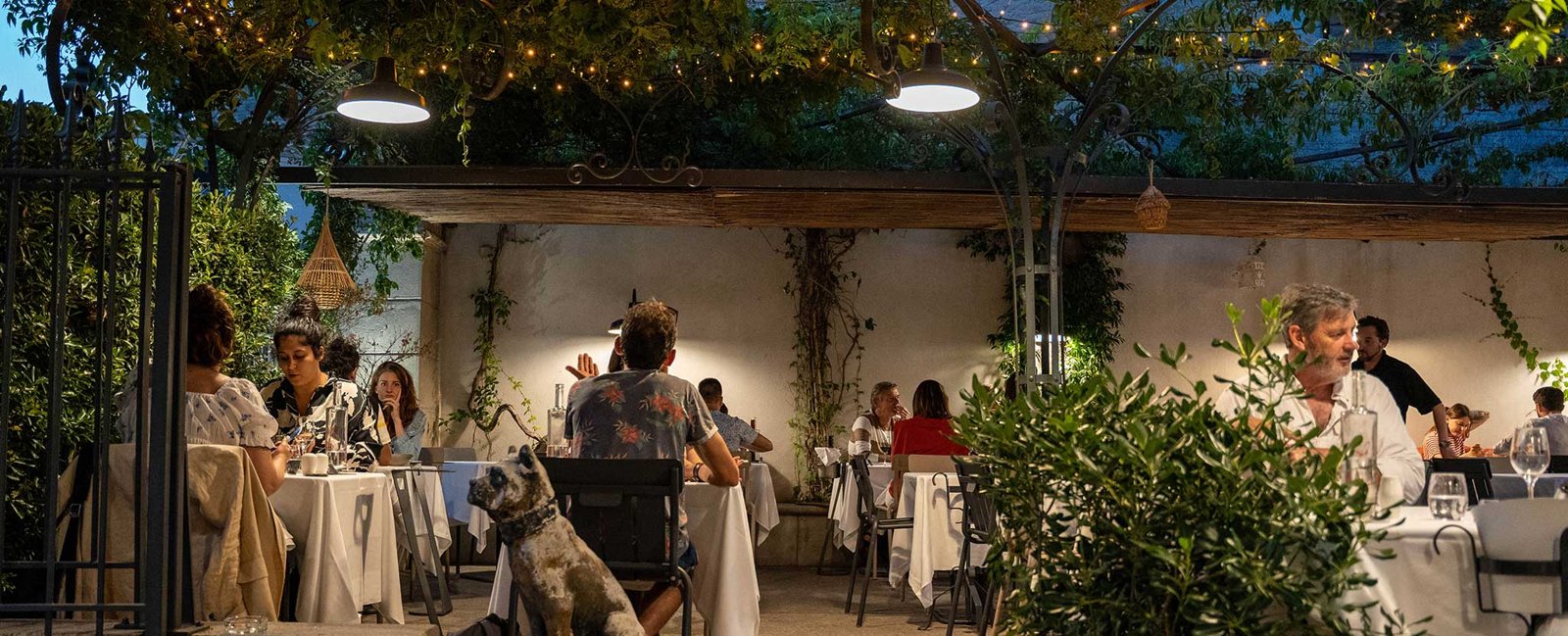
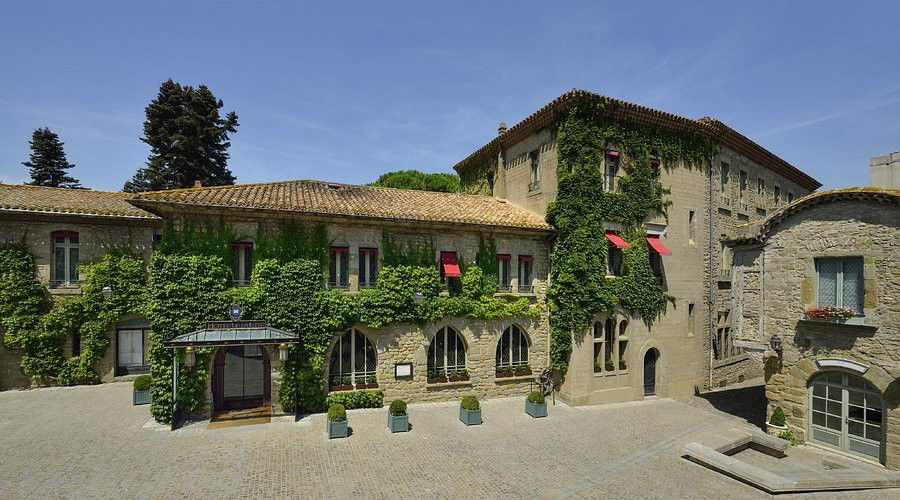
Hôtel de la Cité sits inside Carcassonne’s walled medieval citadel and reads like an extension of the ramparts themselves. The neo‑Gothic bones of the former Episcopal Palace are restored with care: 1920s mosaic floors, beamed ceilings, solid oak wainscoting and wrought‑iron fixtures create a tactile historic atmosphere. By day the location hums with visitors; by evening the lanes calm and the hotel’s terraces and garden take on a hushed quality. The result is a historic, quietly romantic property that foregrounds place — the architecture and setting are as central to the experience as the guestrooms themselves.
Best For
This hotel clearly suits travelers who want to sleep inside a UNESCO World Heritage citadel and make the setting the centerpiece of their stay. It is especially apt for romantic getaways, anniversaries and honeymoons where privacy and atmosphere matter, and for celebrations that benefit from dramatic medieval surroundings. Families and visitors who want to be immersed in Carcassonne’s history also find it convenient: the property’s position between Château Comtal and the Basilica puts the citadel’s main sights at your doorstep while offering quieter evenings once tour coaches depart.
Stay Tips
Request a room with terrace or garden-facing windows to catch the early-morning light and the garden at dusk — both are singled out in the hotel description. Plan arrival or evening time inside the citadel after the day’s tour coaches leave if you want the lanes to feel private and quiet. Note the restored historic details (mosaic floors, oak wainscoting, beamed ceilings) when choosing a room if period character matters to you. Because this is the main substantial hotel operating inside the ramparts, book early during peak travel periods.
Venue details
Ambiance
Warm and intimate atmosphere created by sculpted wood paneling, ornamental tapestries, and stained-glass windows; tranquil gardens and terraces overlooking the lower town enhance the historic charm.
Tags
Vibe
Best For
Experience
Amenities
View
Accessibility
About the Stay
- Rooms
- 59
- Check-in
- 16:00
- Check-out
- 12:00
- Property Style
- Historic Medieval Château Converted Into a Luxury Heritage Hotel, Blending Period Architecture with Contemporary Luxury Amenities.
- Design Style
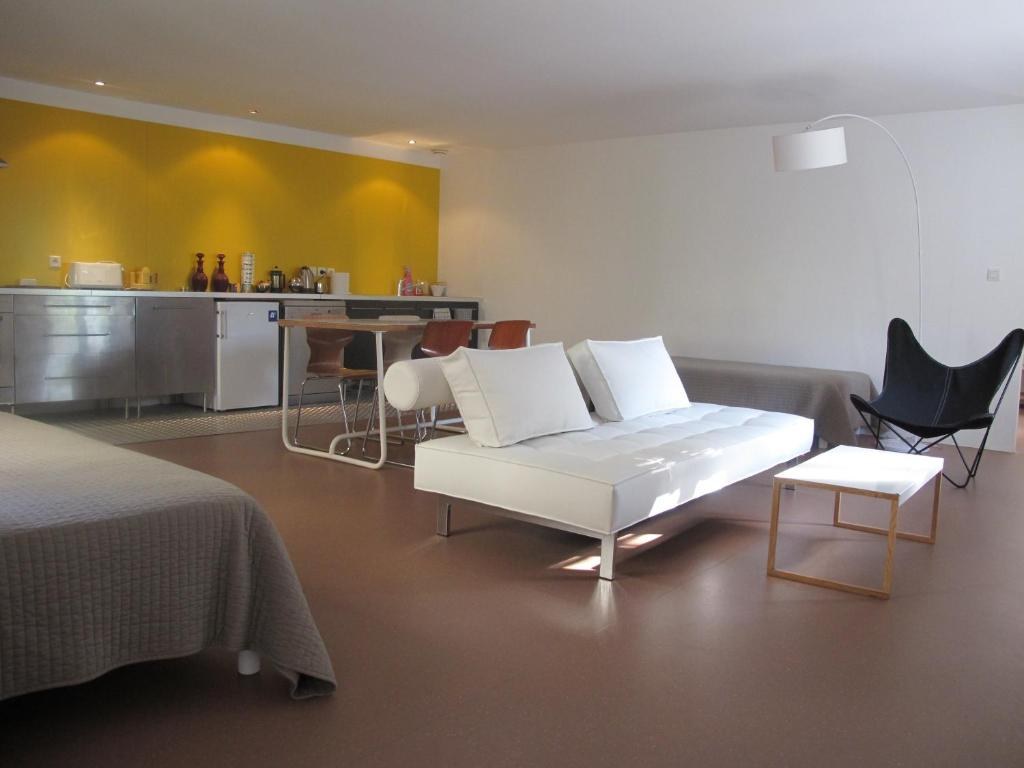
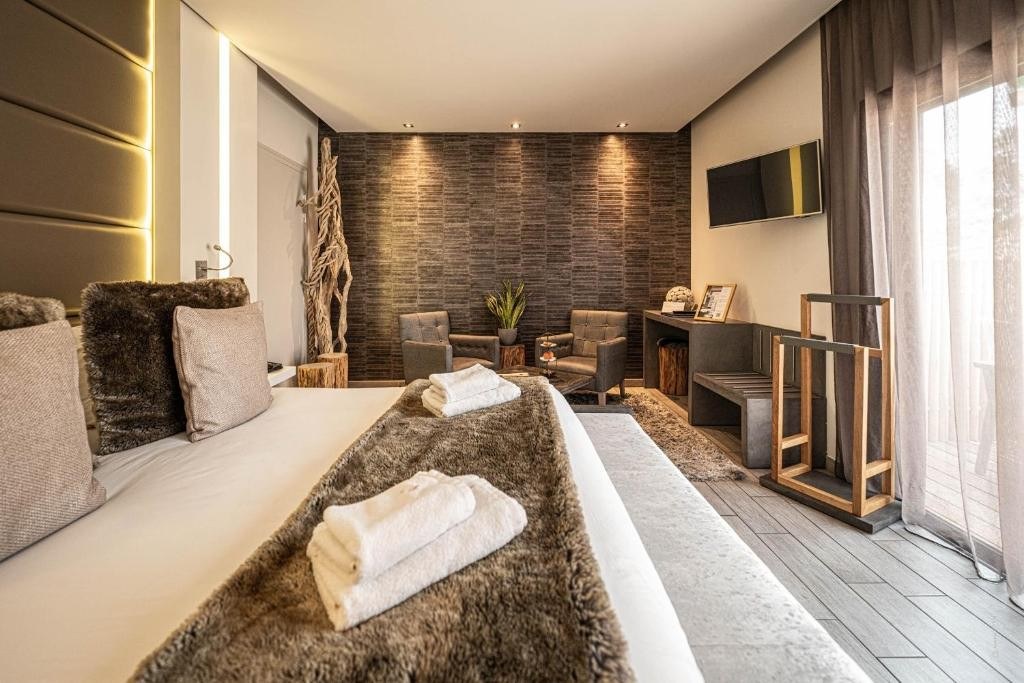
- Classic French Elegance with Period Details Including Ornamental Tapestries, Stained Glass Windows, and Individually Decorated Rooms Featuring Provençal or Classic Furnishings.
Know before you go
Know Before You Go
- Getting there
- Pl. Auguste Pierre Pont, 11000 Carcassonne
Planning details
Location
Pl. Auguste Pierre Pont, 11000 Carcassonne · Directions
mgallery.accor.com/hotels/8613?merchantid=seo-maps-FR-8613&sourceid=aw-cen
Recognition and awards


Also consider
Where to look if this is not the right fit
For a lower-key Carcassonne stay, start with Bloc G. For a more intimate alternative, compare Camellas-Lloret. If the trip is dining-led rather than location-led, check Hôtel Le Parc - La Table de Franck Putelat before committing.
Hotel context
How it compares in Carcassonne
Hôtel du Château is the cleaner cross-shop for travelers who want Carcassonne atmosphere with a potentially easier value equation. Hôtel de la Cité - MGallery is the stronger pick when the address inside the old city is the main event; Bloc G is better for travelers who would rather keep the stay simpler and spend more of the budget on meals or experiences.
Hôtel Le Parc - La Table de Franck Putelat makes more sense when the trip is anchored by dining, while Hôtel de la Cité - MGallery is more about the citadel setting and classic hotel comfort. Hôtel Le Domaine d'Auriac is the better comparison for travelers who want a resort-style break outside the densest visitor flow rather than an old-city base.
Camellas-Lloret is the one to consider if a smaller, more personal stay sounds better than a recognized luxury hotel. Choose Hôtel de la Cité - MGallery for credentialed comfort and location confidence; choose Camellas-Lloret or Bloc G when price discipline matters more than staying in the headline address.
Explore Carcassonne
Around this place
Discover more on Pearl
Unlock the full Hôtel de la Cité - MGallery guide in Pearl, including awards, comparisons, FAQs, planning details, and nearby places.
Compare Hôtel de la Cité - MGallery
| Venue | Location | Awards |
|---|---|---|
| Hôtel de la Cité - MGallery | Carcassonne | 2026 Virtuoso Luxury Hotel Collection2025 Gault & Millau Exceptional Hotel2025 Michelin Selected Hotels |
| Hôtel du Château | Carcassonne | No published awards |
| Bloc G | Carcassonne | No published awards |
| Hôtel Le Parc - La Table de Franck Putelat | Carcassonne | 2025 Michelin Selected Hotels2025 Gault & Millau Exceptional Hotel |
| Hôtel Le Domaine d’Auriac | Carcassonne | 2026 Relais Chateaux Hotels2025 Michelin Selected Hotels2025 Relais Chateaux Award2025 Gault & Millau Exceptional Hotel |
| Camellas-Lloret | Carcassonne | No published awards |

How Hôtel de la Cité - MGallery Carcassonne Verdict compares with similar nearby venues.
FAQ
Frequently Asked Questions
Is Hôtel de la Cité - MGallery family-friendly?
Families considering Hôtel de la Cité - MGallery should check current room options and practical details directly before booking. Hôtel du Château can be another option to compare.
What is check-in like at Hôtel de la Cité - MGallery?
Confirm arrival times and procedures directly with Hôtel de la Cité - MGallery before travel. Compared with Bloc G, the grounded draw here is the hotel's recognition rather than any specific check-in format.
Is Hôtel de la Cité - MGallery good for business travel?
The confirmed Virtuoso Luxury Hotel Partner status supports its premium positioning, but travelers should check work-related needs directly before booking. Hôtel Le Parc - La Table de Franck Putelat is another property to compare.
Which room category is best at Hôtel de la Cité - MGallery?
Choose based on the current room descriptions, cancellation terms, and rate differences shown at the time of booking. Camellas-Lloret can be another option to compare if you are weighing alternatives.
How does Hôtel de la Cité - MGallery compare to other properties?
Hôtel de la Cité - MGallery is the more compelling pick when its recognition matters to you: Gault & Millau listed it as an Exceptional Hotel in 2025 with 5 points, and Virtuoso names it a Luxury Hotel Partner for 2026. Hôtel du Château, Hôtel Le Domaine d'Auriac, and Hôtel Le Parc - La Table de Franck Putelat are useful comparisons depending on the kind of stay you want.