

Carbis Bay Estate
St Ives, Carbis Bay
Hotel in Carbis Bay, United Kingdom
 Book with Pearl
The Read
Private Shoreline Scale
Why go
Carbis Bay Estate is worth shortlisting if the hotel is meant to be part of the trip, not just a place to sleep near St Ives. Its Tablet Hotels Top 40 New Hotels #27 recognition gives it a stronger trust signal than many local alternatives, but value depends on using the estate-style facilities rather than treating it like a simple overnight base.
About Carbis Bay Estate
Carbis Bay Estate is a venue in Carbis Bay with a smart-casual dress code and Tablet Hotels Top 40 New Hotels #27 recognition for 2025. It suits travellers who specifically want Carbis Bay and value that recognition point.
Use the core details as the anchor: Carbis Bay location, smart-casual dress expectations, and the 2025 Tablet Hotels recognition. Check live availability and the venue's own booking terms before committing.
Pick this for a Carbis Bay stay with confirmed recognition
The strongest case for Carbis Bay Estate is direct: it is in Carbis Bay and has a clear external recognition point in Tablet Hotels Top 40 New Hotels #27 for 2025. That gives it a quality signal, while still leaving practical questions such as specific offerings, facilities, and inclusions to be checked at booking.
Value should be judged from the current booking page rather than assumed from generic labels. If the visit is mostly about being in Carbis Bay, prioritize the option that matches your budget and practical needs. If Carbis Bay Estate itself is central to the trip, check the official details carefully before committing.
When to compare it with another nearby option
Travellers who are not fixed on Carbis Bay Estate should cross-shop carefully. Boskerris Hotel, St Ives, Headland House, Primrose House St. Ives, and Trevose Harbour House are natural alternatives to consider if you want a different style of stay in the wider area. Carbis Bay Estate is the better fit when the Carbis Bay setting and 2025 Tablet Hotels recognition are central to the decision.
For a fair comparison, keep the benchmark narrow: compare Carbis Bay Estate with other Carbis Bay options generically, and with named alternatives such as Boskerris Hotel, Boskerris Hotel, St Ives, Headland House, Primrose House St. Ives, and Trevose Harbour House when they match your dates, budget, and preferred style of stay.
Planning details
- Location
- Carbis Bay, Saint Ives TR26 2NP
- Website
- carbisbayhotel.co.uk
- Phone
- +44 1736 795311
The take
The Take
The Vibe
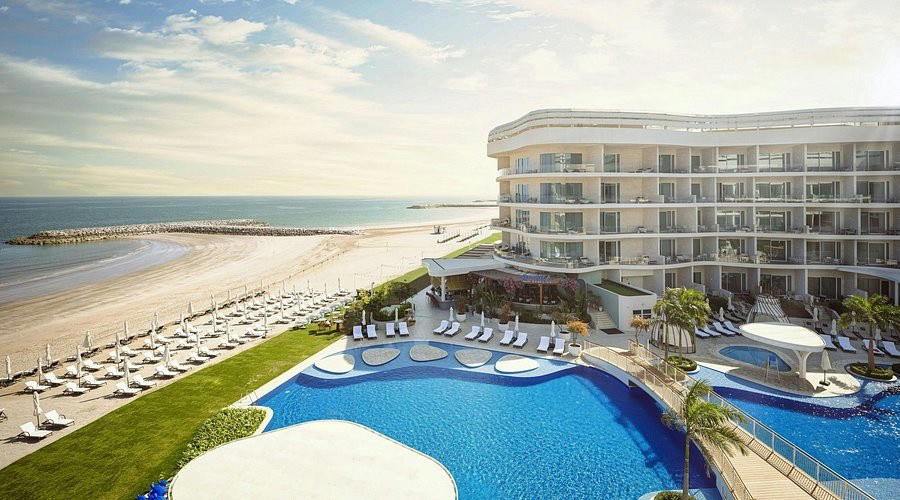
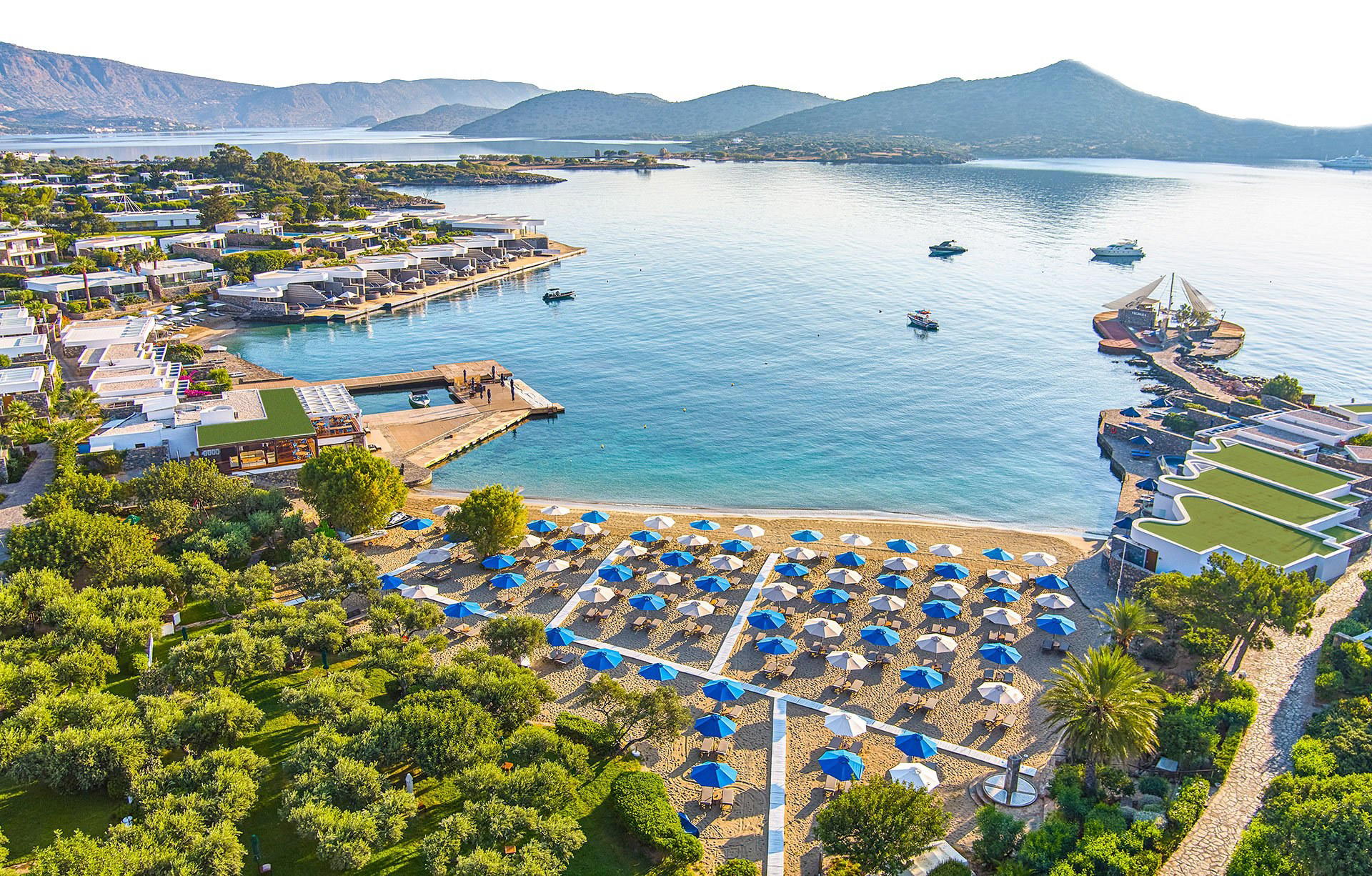
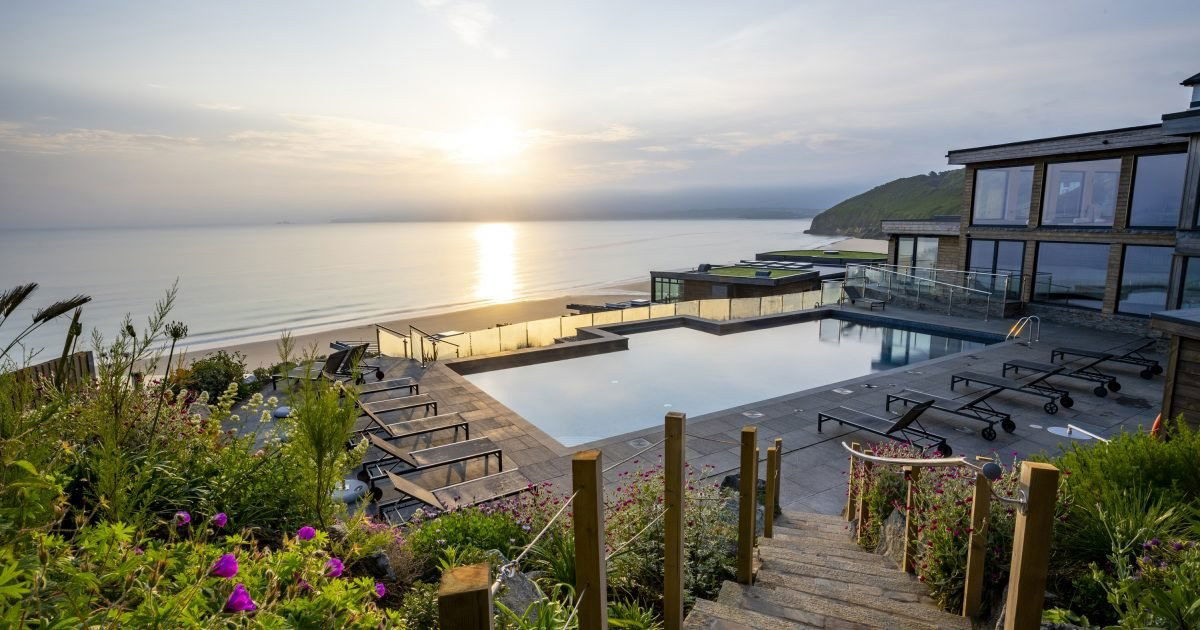
Carbis Bay Estate presents an intimate, serene coastal character built around direct access to the sea. Set across 125 acres, the property’s private path deposits guests onto a 25-acre Blue Flag beach, so the coastline feels immediate rather than decorative. With only 34 individually furnished rooms, the hotel emphasizes personal scale and distinct interiors over uniformity, creating a quietly charming atmosphere. The estate’s design choices favor a restrained, private mood: it reads less like a bustling resort and more like a thoughtfully composed seaside house where the landscape and the water do the bulk of the work.
Best For
This hotel is best for guests who prioritize proximity to the shoreline and a small, characterful property. Couples and people seeking a short seaside escape appreciate the direct beach access and the quieter scale compared with larger coastal resorts. Families who value an estate that feels like it leads onto the sand will find the private path to the Blue Flag beach particularly useful. The small number of unique rooms also appeals to travelers who prefer individualized accommodation rather than standardized hotel rooms.
Stay Tips
Because the estate contains just 34 individually furnished rooms, plan and book well in advance, particularly for peak season. When enquiring, ask specifically about access to the private path and how close your room sits to the beach if proximity to the sand matters to you. Note that each room is unique—request details on décor and layout if you have strong preferences. If you’re weighing location, consider nearby St Ives harbour options for a town-centre stay versus Carbis Bay’s direct beach integration.
Venue details
Ambiance
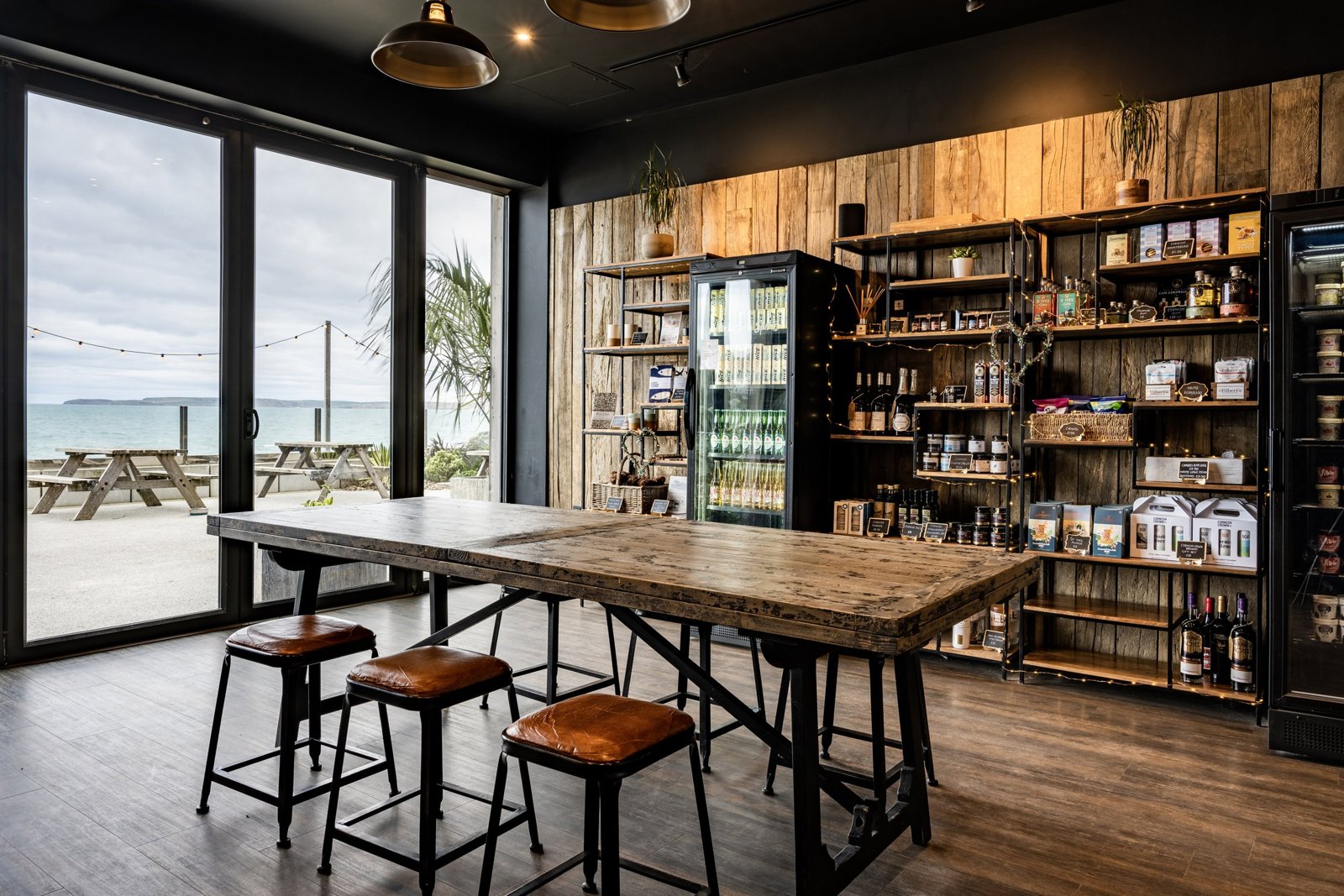
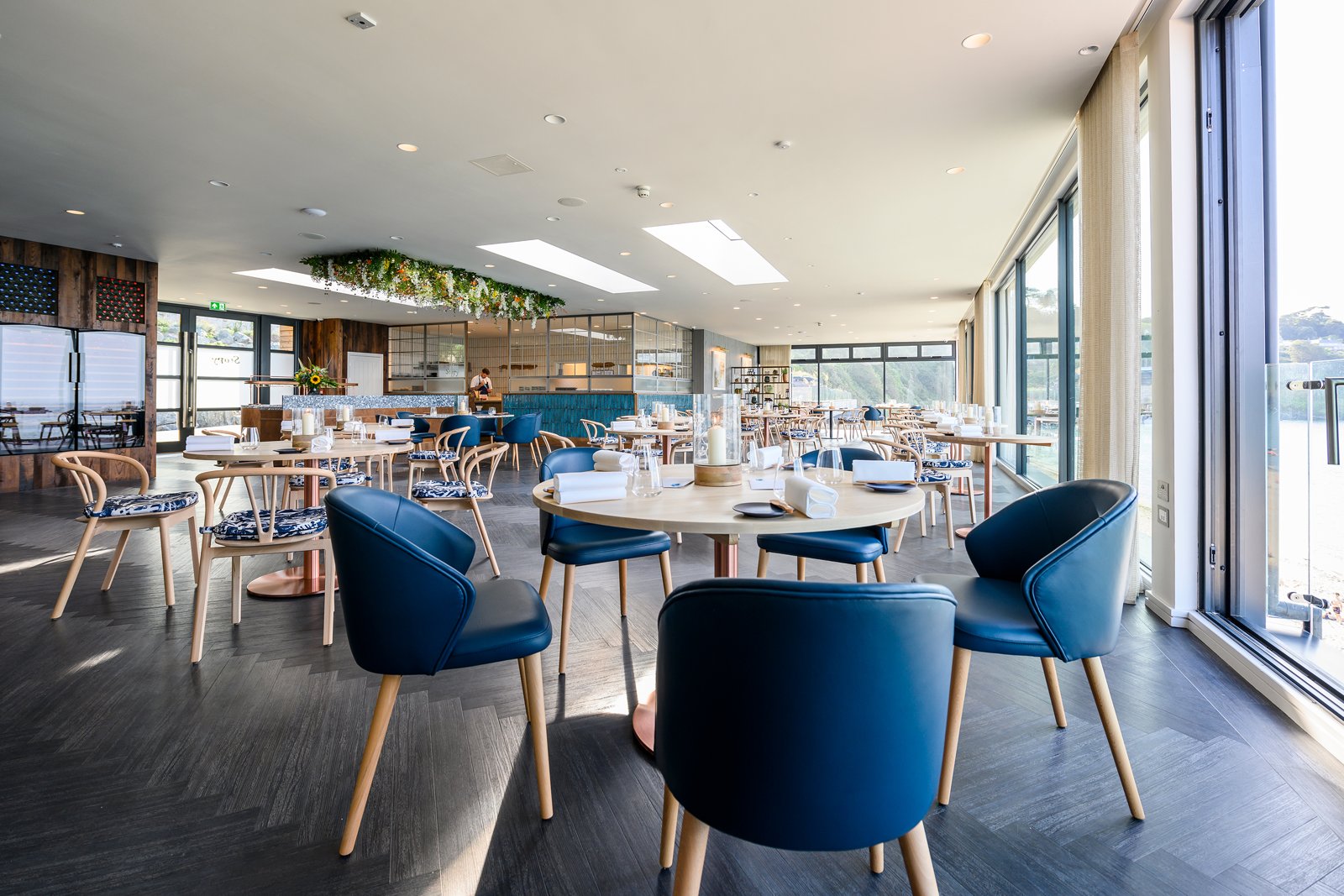
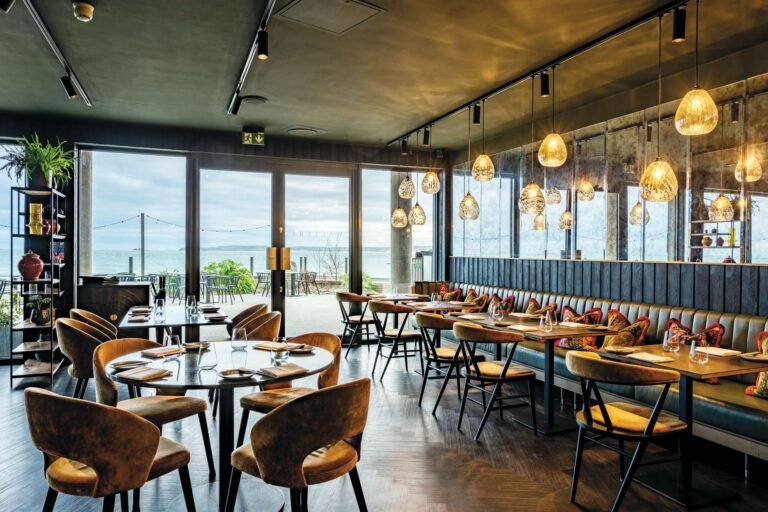
Light-flooded conservatory spaces with elegant marble and contemporary design; terraced gardens overlooking the bay; warm, welcoming service creating an exclusive yet comfortable atmosphere.
Tags
Vibe
Best For
Experience
Amenities
View
Accessibility
About the Stay
- Rooms
- 47
- Check-in
- 15:00
- Check-out
- 11:00
- Property Style
- Restored Victorian Coastal Estate Blending Heritage Architecture with Contemporary Luxury; Family Run Independent Property Emphasizing Personalized Service and Natural Beauty.
- Design Style
- Elegant Contemporary with Marble Hallways, Statement Wallpapers, and Chintz Accents; Light Filled Spaces with Sea Views; Sophisticated Color Palettes of Mushroom and Cappuccino Tones.
Know before you go
Know Before You Go
- Getting there
- Carbis Bay, Saint Ives TR26 2NP
Planning details
Location
Recognition and awards

Also consider
Also Consider
- Boskerris Hotel, St Ives, Notable alternative
- Boskerris Hotel, Notable alternative
- Headland House, Notable alternative
- Primrose House St. Ives, Notable alternative
- Trevose Harbour House, Notable alternative
Hotel context
How Carbis Bay Estate compares in Carbis Bay
Carbis Bay Estate is the stronger choice for travellers who want a resort-style coastal base and are likely to spend meaningful time on property. Its Tablet Hotels Top 40 New Hotels #27 recognition gives it a clearer external credential than Boskerris Hotel, St Ives, Boskerris Hotel, Headland House, Primrose House St. Ives, and Trevose Harbour House. Choose it when the stay needs a fuller coastal-hotel feel rather than a smaller room-led base.
For value, the smaller peers deserve a serious look. Headland House, Primrose House St. Ives, and Trevose Harbour House are better fits for guests who plan to spend most of the day out in St Ives or along the coast and want less emphasis on estate amenities. Boskerris Hotel, St Ives and Boskerris Hotel also make sense for travellers who prefer a more compact atmosphere and simpler booking decision.
Booking difficulty is listed as easy for Carbis Bay Estate, which helps if the trip is being planned without a long lead time. The trade-off is price discipline: if rates climb, compare the room category against the smaller hotels before paying for space or facilities that will not be used. If the hotel itself is the anchor, Carbis Bay Estate is the safer splurge; if St Ives is the anchor, cross-shop the smaller properties first.
Explore Carbis Bay
Around this place
Discover more on Pearl
Unlock the full Carbis Bay Estate guide in Pearl, including awards, comparisons, FAQs, planning details, and nearby places.
Compare Carbis Bay Estate
| Venue | Location | Awards |
|---|---|---|
| Carbis Bay Estate | Carbis Bay | Tablet Hotels Top 40 New Hotels 2025 · #272025 Michelin Selected Hotels |
| Boskerris Hotel, St Ives | St Ives | No published awards |
| Boskerris Hotel | St Ives | No published awards |
| Headland House | St Ives | No published awards |
| Primrose House St. Ives | St Ives | No published awards |
| Trevose Harbour House | St Ives | No published awards |
How Carbis Bay Estate, Carbis Bay: Booking Verdict compares with similar nearby venues.
FAQ
Frequently Asked Questions
Is Carbis Bay Estate good for business travel?
It can be considered if you specifically need a base in Carbis Bay. Treat it as a Carbis Bay venue with smart-casual expectations and Tablet Hotels Top 40 New Hotels #27 recognition for 2025, then confirm any work-specific needs directly before booking.
How does Carbis Bay Estate compare to nearby options?
Choose Carbis Bay Estate when you want Carbis Bay and value its 2025 Tablet Hotels recognition. Compare it with Boskerris Hotel, St Ives, Boskerris Hotel, Headland House, Primrose House St. Ives, or Trevose Harbour House if you are weighing different styles in the wider area.
Which option is best at Carbis Bay Estate?
The best choice depends on the current options available for your dates. Compare live descriptions, cancellation terms, and total price before choosing.
When is the best time to book Carbis Bay Estate?
Book when the option, rate, and terms match your plans. The 2025 Tablet Hotels Top 40 New Hotels #27 recognition may make it worth checking availability early for fixed dates.
How is the pool and spa at Carbis Bay Estate?
If pool and spa facilities matter, confirm access and inclusions directly with Carbis Bay Estate before booking. Travellers comparing a different style can also look at Boskerris Hotel, St Ives or Trevose Harbour House.