
Steenberg Hotel
Westlake, Cape Town
Hotel in Cape Town, South Africa
 Book with Pearl
The Read
Cape Winery Estate Format
Why go
A strong Cape Town pick for travelers who want estate quiet in Tokai rather than a waterfront or city-center base. Steenberg Hotel makes the most sense for wine-country pacing, slower mornings, and a suite upgrade if the hotel is central to the trip, not just somewhere to sleep.
About Steenberg Hotel
Steenberg Hotel is a Cape Town hotel with Michelin 1 Key recognition for 2025. The safest way to frame the choice is simple: consider it when you want Steenberg Hotel specifically, and avoid relying on claims about exact setting, facilities, room categories, dining, or local logistics unless you confirm them directly before booking.
Pearl can confirm the venue name, Cape Town location, smart casual dress code, and Michelin 1 Key recognition for 2025. If your trip depends on a particular facility, meal period, room type, view, transfer time, or on-property amenity, treat that as a booking question rather than an assumption. For broader planning, browse Our full Cape Town hotels guide.
Choose it for a Michelin Key signal
The clearest reason to shortlist Steenberg Hotel is its Michelin 1 Key recognition in 2025. That is a useful quality marker, but it should not be stretched into unsupported specifics about the stay. Pearl is not verifying exact room count, service format, amenities, restaurant details, rates, or neighborhood positioning here.
Room choice should therefore be handled through the hotel's current booking channels. If the trip depends on a larger room, a particular view, a specific meal plan, or accessibility needs, confirm those details directly before committing. The same applies to arrival timing, transport planning, and any on-site services you expect to use.
Who should book, and who should cross-shop
Book this if you specifically want Steenberg Hotel in Cape Town and value the reassurance of Michelin 1 Key recognition for 2025. Cross-shop The Cellars-Hohenort, Last Word Constantia, Colona Castle Manor House, Hout Bay Manor, and Tintswalo Atlantic if you are still comparing premium hotel options.
For travelers still deciding between hotel categories, use Pearl's broader Cape Town coverage rather than assuming Steenberg Hotel fits every itinerary. You can also compare other dining, bars, and experiences in Cape Town generically through Pearl's city guides where relevant.
Inside Steenberg Hotel
Planning details
- Location
- Steenberg Rd, Tokai, Cape Town, 7945
- Website
- steenbergfarm.com
- Phone
- +27 21 713 2222
The take
The Take
The Vibe
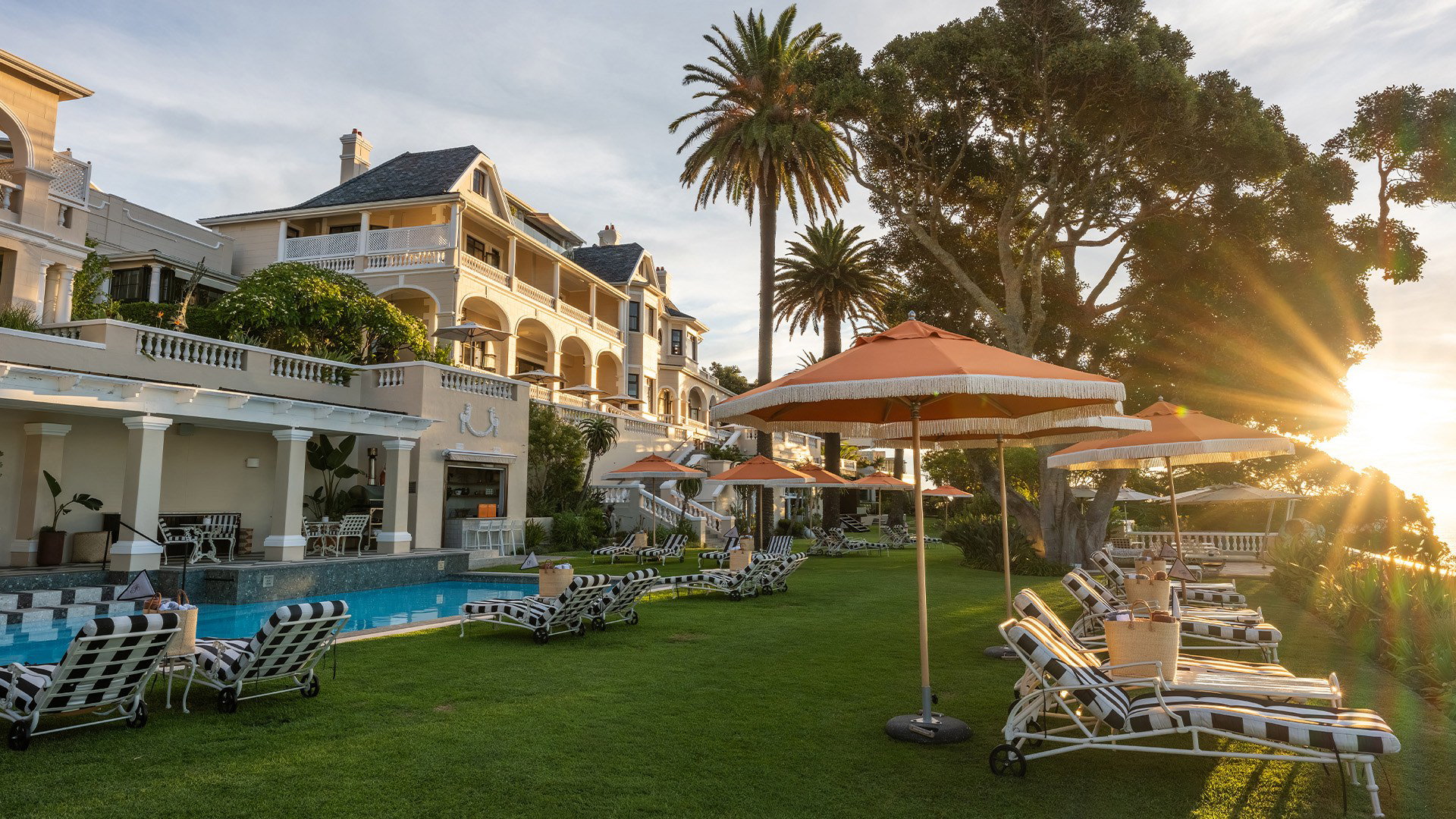
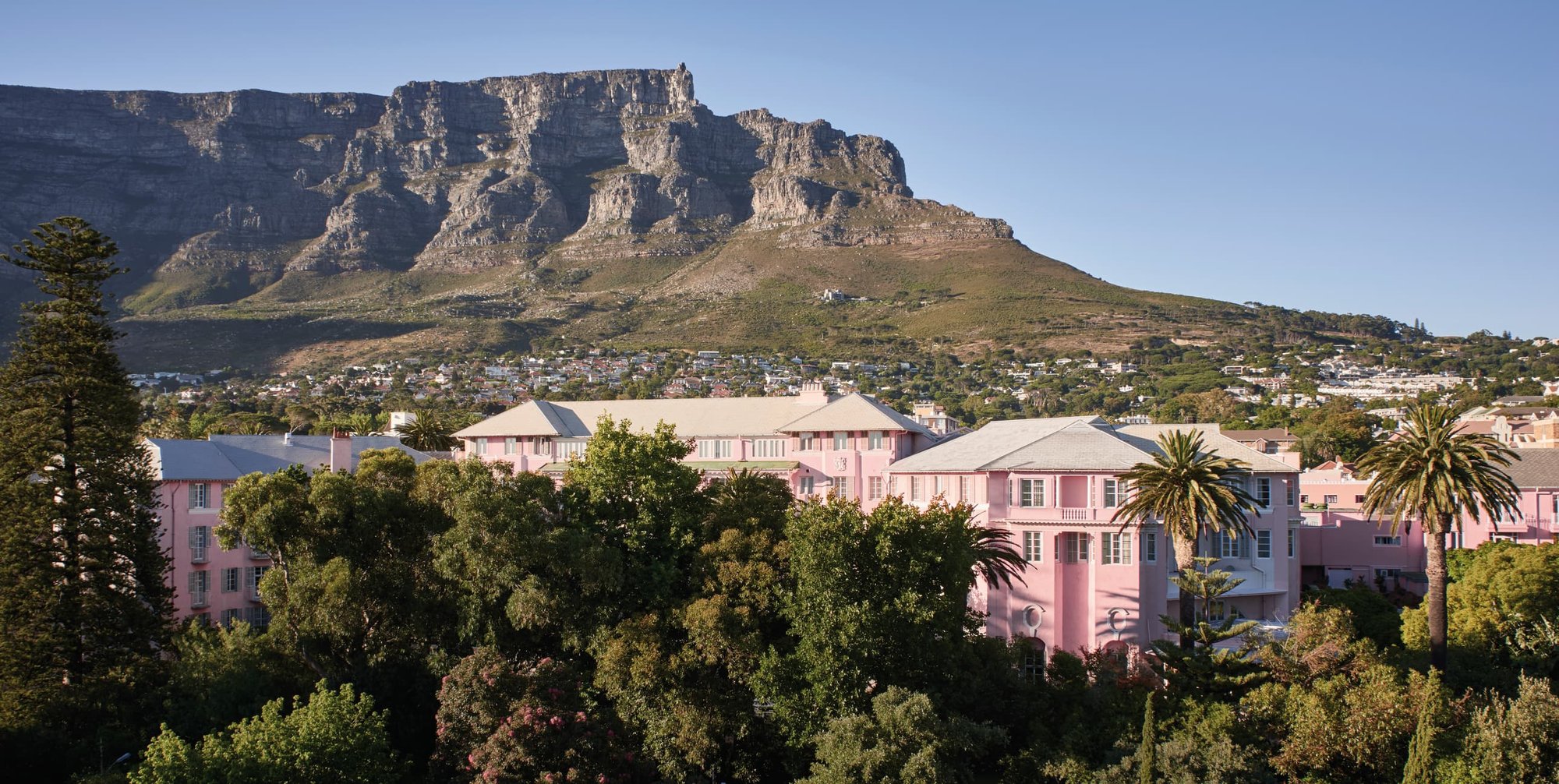
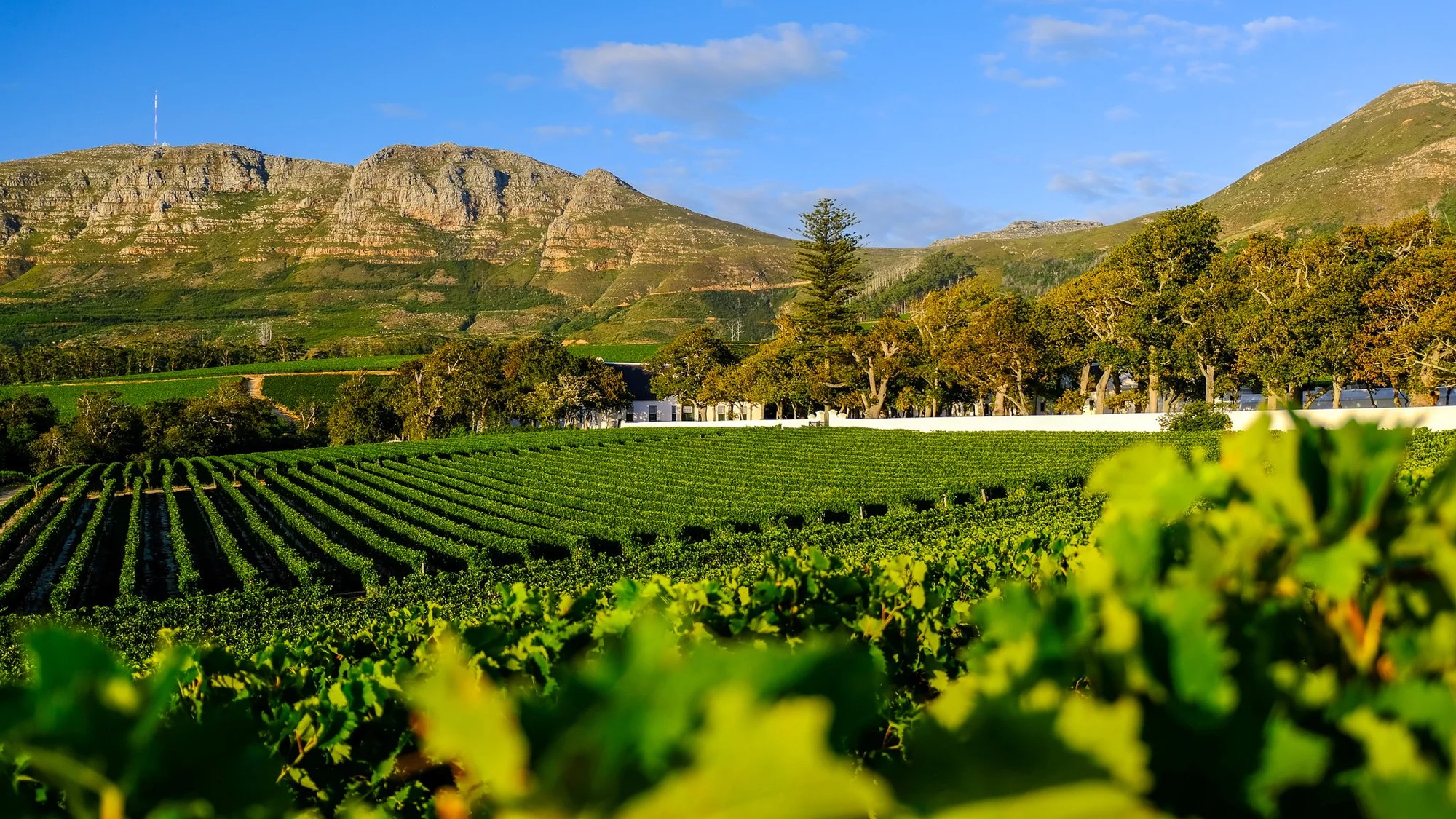
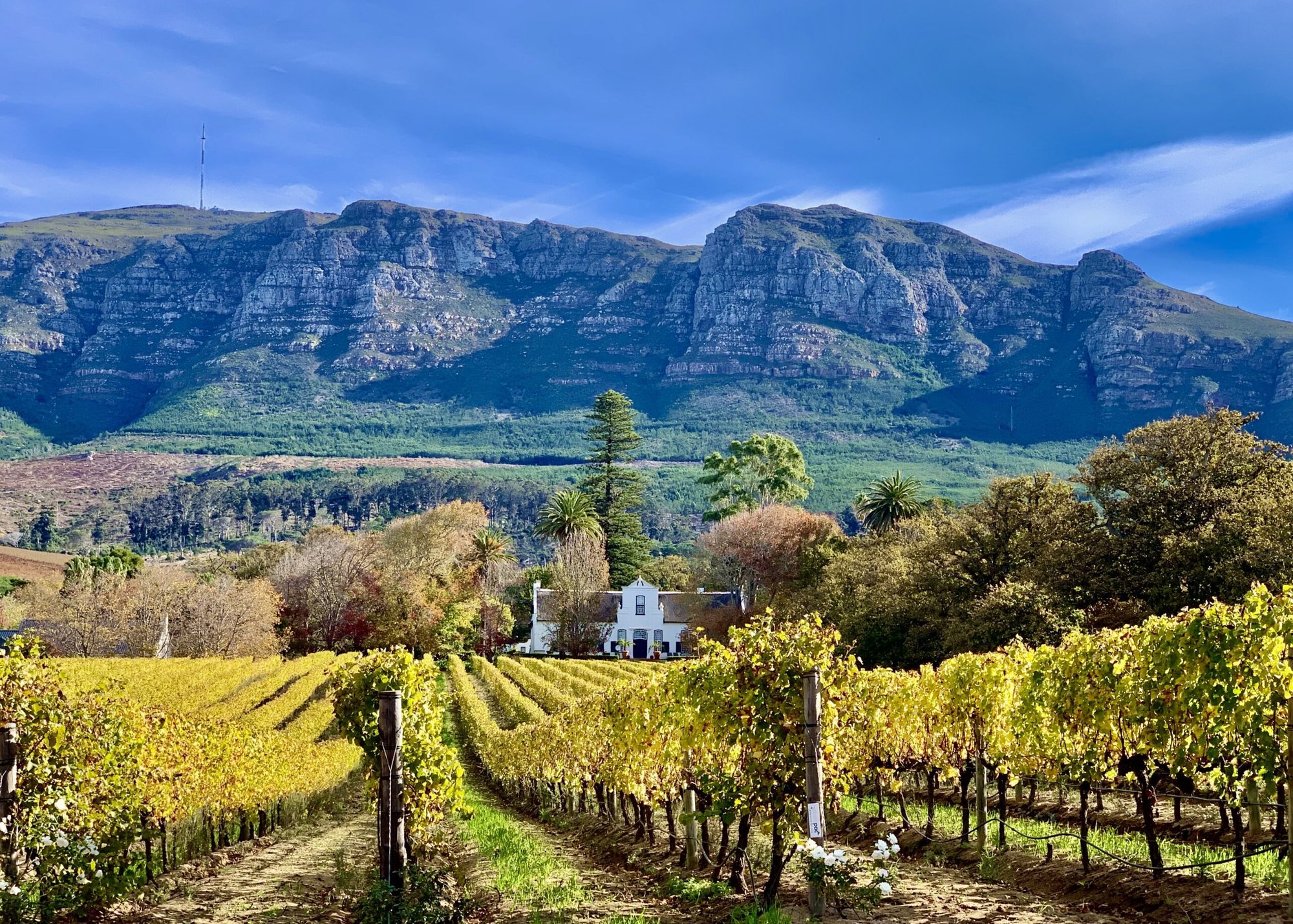
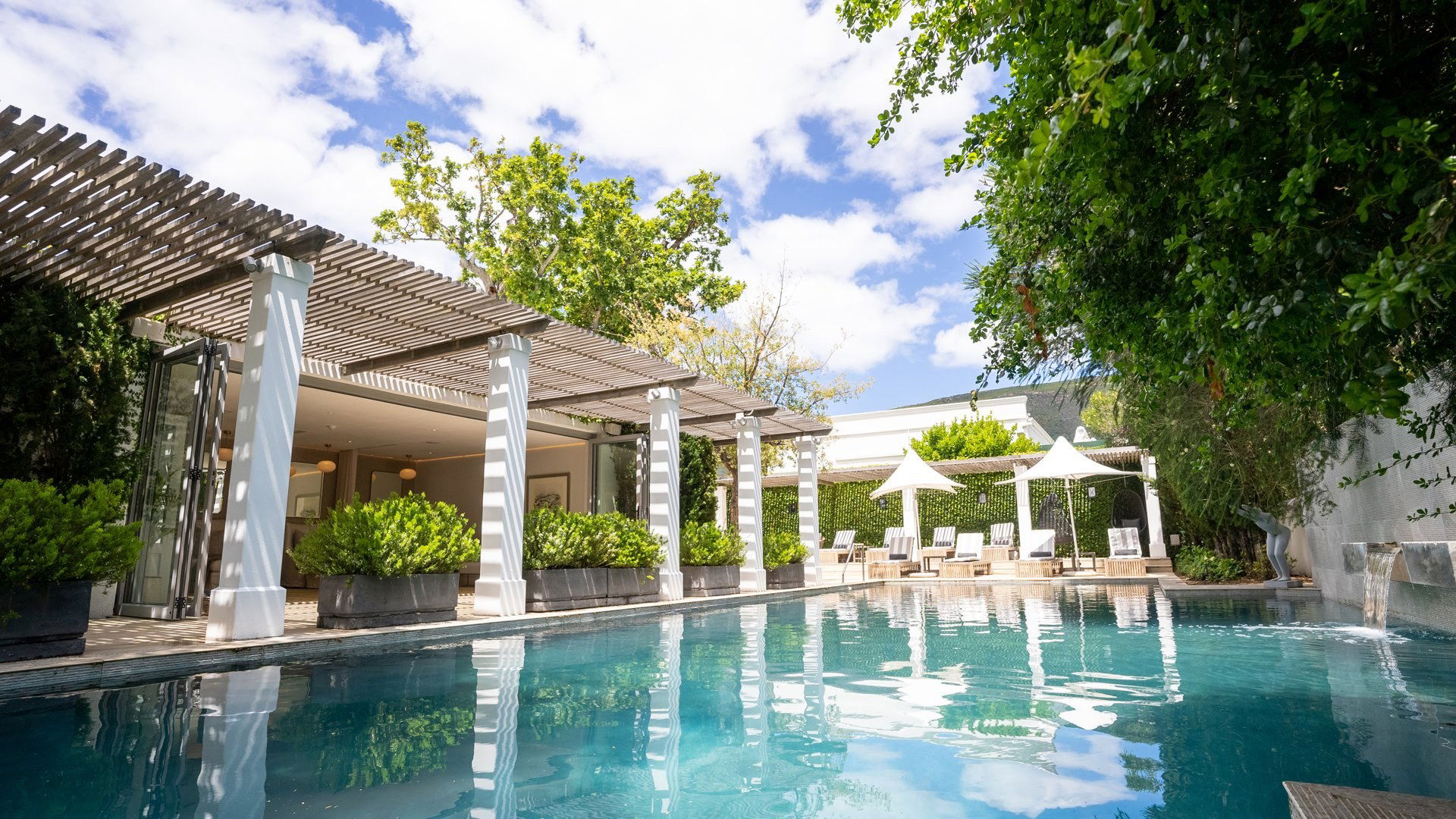
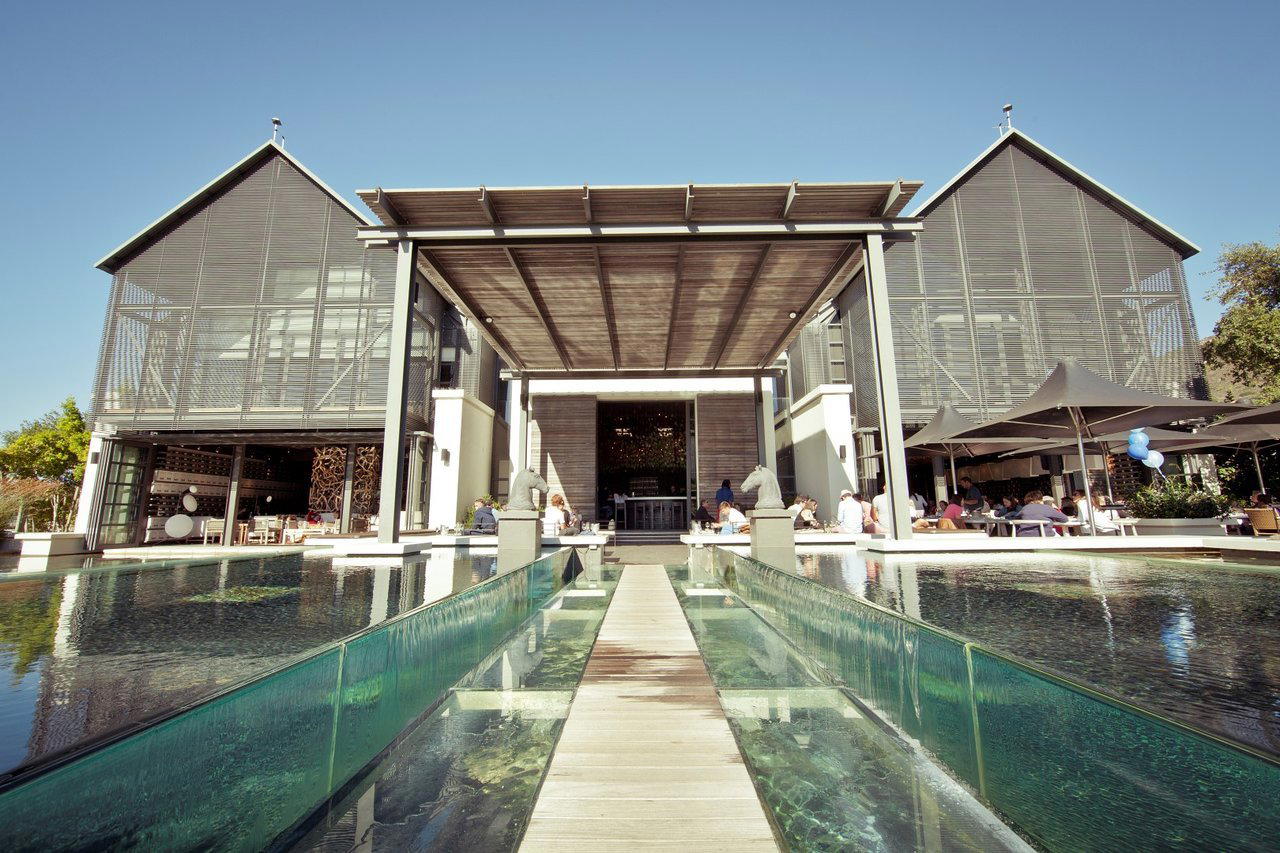
Steenberg reads like a living piece of Cape history: the oldest registered farm in the region, with whitewashed Cape Dutch gables and heritage buildings that distribute its 21 rooms across an actual working estate. The property foregrounds its agricultural context — vineyards frame the driveway and the Hottentots Holland mountains sit at a distance — so the architecture and landscape feel inseparable. At this scale the hotel comes across as quietly confident and intimate rather than showy, pairing rustic, heritage character with a calm, restorative atmosphere that favors slow mornings and evenings framed by vineyard views.
Best For
Steenberg is best for travelers who want a wine-focused, low-key escape rather than a bustling city stay. The hotel suits couples seeking an intimate, historic setting and anyone interested in estate-driven wine experiences: tastings are conducted on the property and the cellar and vineyards are functional parts of the visit. It also appeals to those after scenic privacy and a serene pace — guests who favor heritage architecture, vineyard views and small, thoughtfully scaled accommodations over resort-style amenities will find the property especially rewarding.
Stay Tips
Because the property is small — just 21 rooms spread across heritage buildings — plan and book ahead, especially over weekends and holiday periods. Leave time in your itinerary for on‑estate wine experiences: the description notes that tastings are conducted on the property and the cellar is operational, so reserve a tasting or inquire about cellar visits when you book. If a tranquil, vineyard-facing atmosphere matters, mention that preference when reserving; the grounds and views are a primary feature of the stay.
Venue details
Ambiance
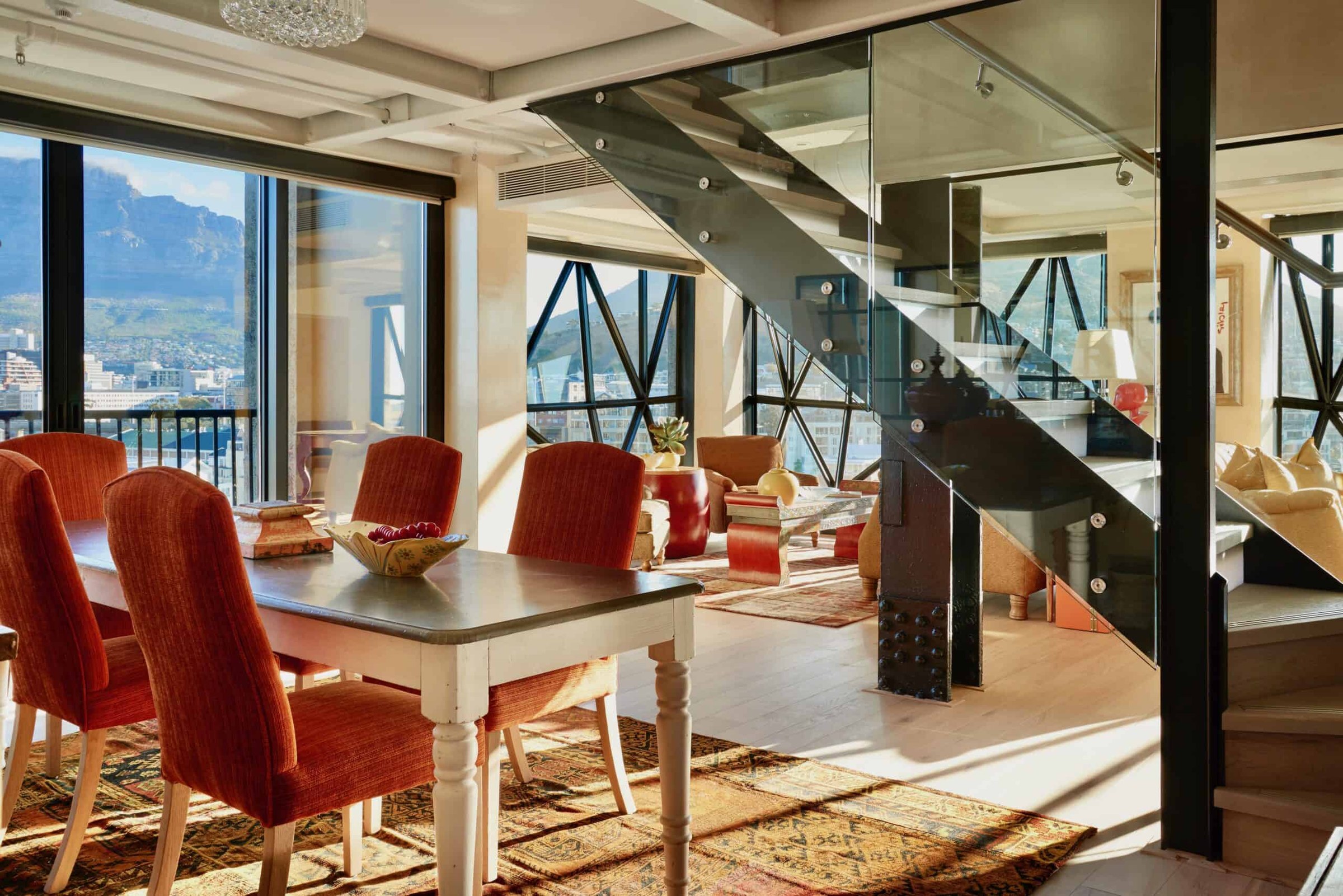
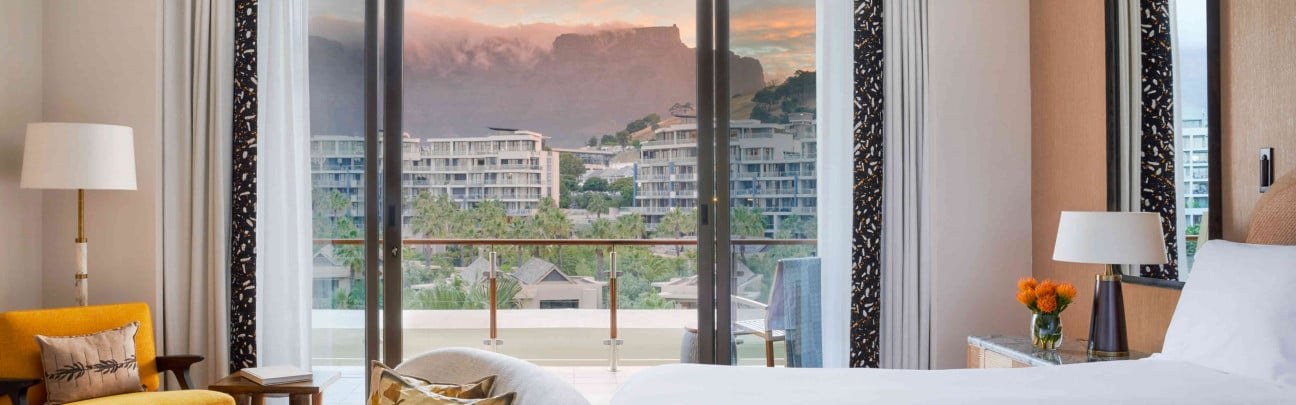
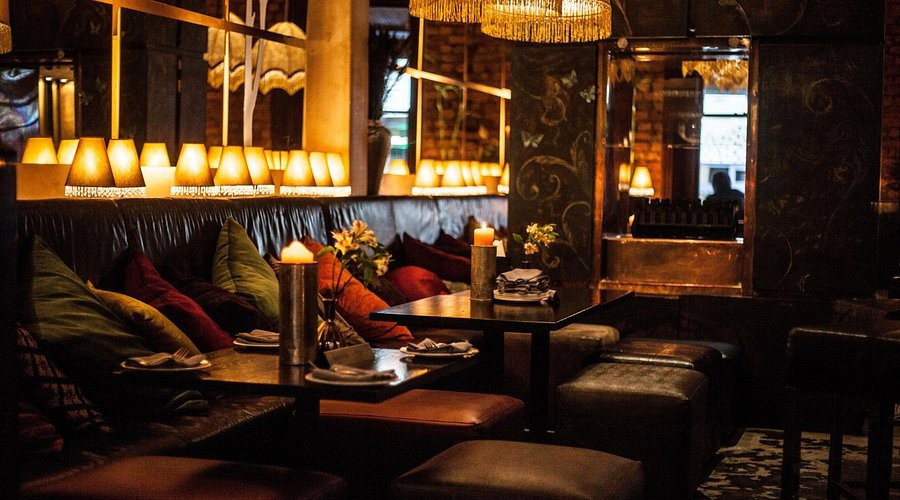
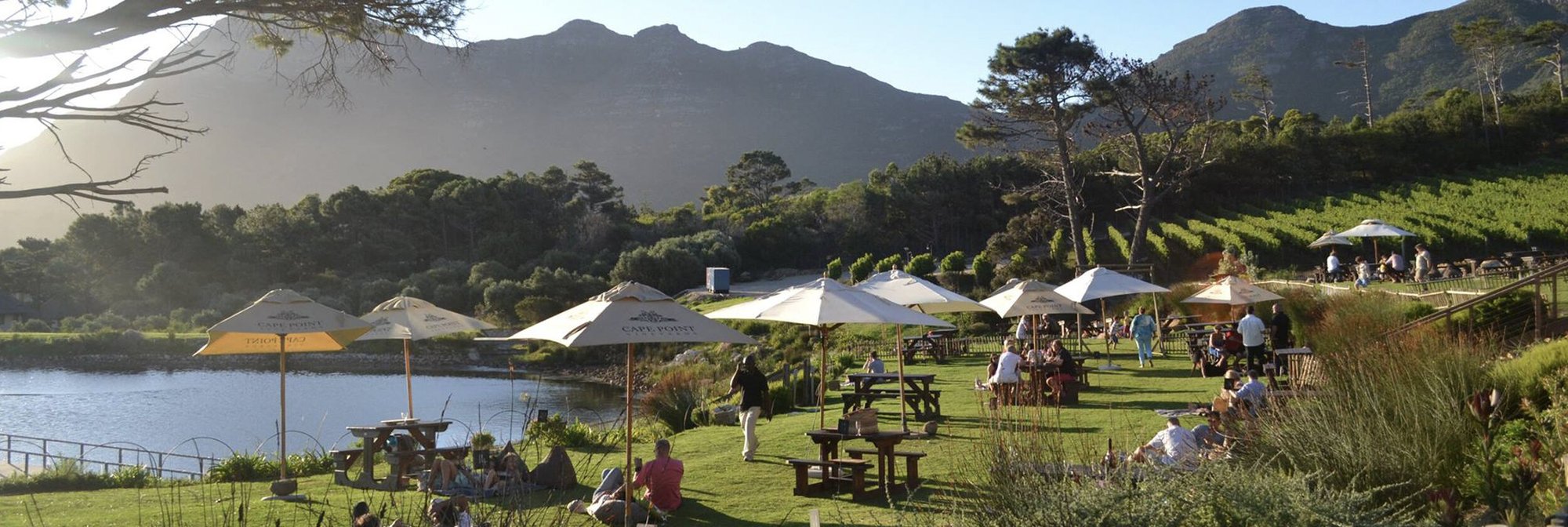
Tranquil and luxurious with beautifully decorated, spacious rooms, immaculate grounds, and a relaxing atmosphere enhanced by scenic vineyard and mountain views.
Tags
Vibe
Best For
Experience
Amenities
View
About the Stay
- Rooms
- 24
- Check-in
- 15:00
- Check-out
- 11:00
- Property Style
- Historic Wine Farm Luxury Resort
- Design Style
- Elegant Heritage with Modern Luxury Finishes
Know before you go
Know Before You Go
- Getting there
- Steenberg Rd, Tokai, Cape Town, 7945
Planning details
Location
Recognition and awards
Also consider
Also Consider
- Colona Castle Manor House, Notable alternative
- Last Word Constantia, Notable alternative
- Tintswalo Atlantic, Notable alternative
- Hout Bay Manor, Notable alternative
- The Cellars-Hohenort, Notable alternative
Hotel context
How It Compares
Steenberg Hotel is the stronger call for travelers who want a polished estate-style stay in Cape Town's southern suburbs, especially if the itinerary leans toward Constantia, Tokai, and quieter days. The Cellars-Hohenort is the closest cross-shop for a similar southern-suburbs mood, while Last Word Constantia is better suited to guests who prefer a smaller, more intimate hotel format.
For atmosphere, Tintswalo Atlantic is the clear alternative if the trip should feel more ocean-led and remote from the city. It is less practical for travelers who want Tokai or Constantia access. Hout Bay Manor works better for guests prioritizing Hout Bay's coastal village feel over vineyard-side calm.
Colona Castle Manor House is the more traditional manor-house comparison, but Steenberg Hotel has the stronger current recognition signal thanks to its Michelin 1 Key in 2025. Given the hard booking profile, treat it as a plan-ahead choice; if dates are tight, Last Word Constantia and Hout Bay Manor are the more sensible fallback searches.
Around this place
Discover more on Pearl
Unlock the full Steenberg Hotel guide in Pearl, including awards, comparisons, FAQs, planning details, and nearby places.
Compare Steenberg Hotel
| Venue | Location | Awards |
|---|---|---|
| Steenberg Hotel | Cape Town | Michelin 1 Key 20252025 Michelin 1 Key |
| Colona Castle Manor House | Cape Town | No published awards |
| Last Word Constantia | Cape Town | Preferred Hotels Member 2025 |
| Tintswalo Atlantic | Hout Bay | 2026 La Liste Top Hotels |
| Hout Bay Manor | Cape Town | No published awards |
| The Cellars-Hohenort | Cape Town | 2026 Forbes 4-Star2025 Michelin 1 Key2025 Forbes 4-StarSmall Luxury Hotels Member 2025 |




How Steenberg Hotel Cape Town compares with similar nearby venues.
FAQ
Frequently Asked Questions
How does Steenberg Hotel compare to nearby hotels?
Steenberg Hotel is a Cape Town hotel with Michelin 1 Key recognition for 2025. If you are comparing premium options, The Cellars-Hohenort, Last Word Constantia, Colona Castle Manor House, Hout Bay Manor, and Tintswalo Atlantic are natural names to cross-shop, but specific differences in facilities, room style, setting, or service should be confirmed directly before booking.
How is the pool and spa at Steenberg Hotel?
Pearl does not have pool or spa details for Steenberg Hotel in this data. If those facilities are important to your stay, confirm current availability, access, and any booking requirements directly with the hotel before you reserve.
How is the location of Steenberg Hotel?
Steenberg Hotel is in Cape Town. Pearl is not verifying a street address, neighborhood, landmark, transfer time, or proximity claim here, so location-sensitive travelers should confirm the exact position and travel logistics before booking.
What is Steenberg Hotel known for?
Steenberg Hotel is a Cape Town hotel with Michelin 1 Key recognition in 2025. The dress code is smart casual.