
Beach Plum Farm Cottages
West Cape May, Cape May
Hotel in Cape May, United States
 Book with Pearl
The Read
Working-Farm Retreat
Why go
Beach Plum Farm Cottages suits travelers seeking a quieter West Cape May stay with more privacy than a standard shore hotel. Its Michelin 1 Key recognition in 2024 is a meaningful quality signal, while business travelers should weigh the property for space and calm rather than full-service hotel convenience.
About Beach Plum Farm Cottages
Beach Plum Farm Cottages is a Cape May lodging choice with a limited set of verified public facts: the dress code is casual, and it received a Michelin 1 Key in 2024. The practical question is whether the property fits the kind of Cape May stay you want. Treat it as a selective choice for travelers who are specifically considering Beach Plum Farm Cottages, rather than a default answer for every itinerary.
Book it for the Beach Plum Farm Cottages experience, not on assumptions
The main decision point is fit. The verified facts do not confirm detailed amenities, room categories, service style, dining, or check-in procedures, so avoid assuming those details before booking. It makes most sense to evaluate Beach Plum Farm Cottages based on confirmed details from the property and the kind of stay you are planning in Cape May.
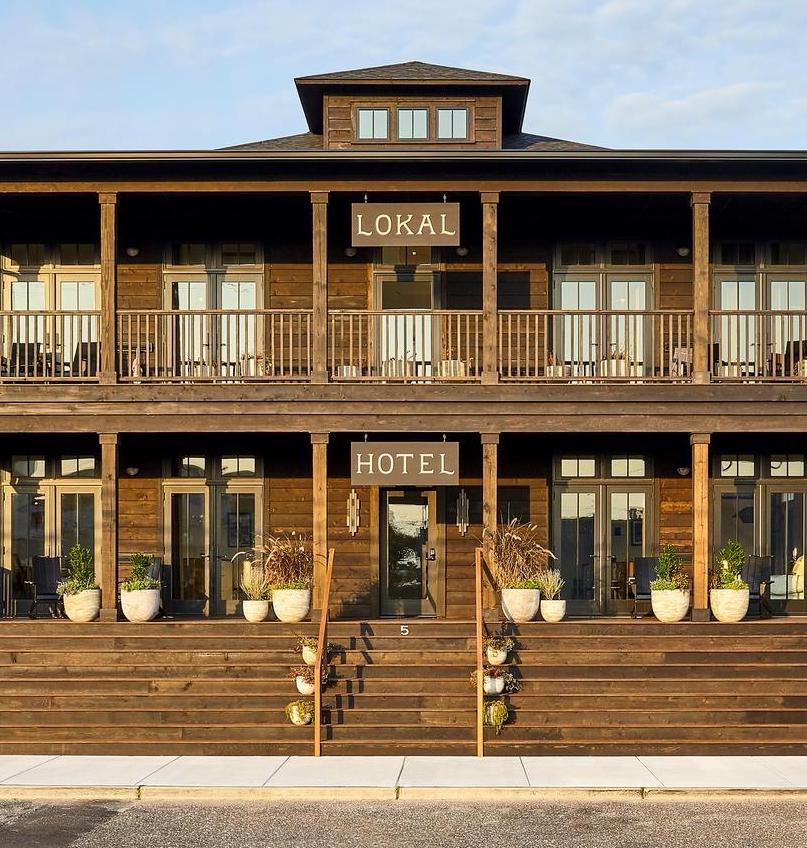
For business travel, the safest verdict is narrow: consider it only if the property supports the way you plan to use the stay. If you need another Cape May comparison, Lokal Micro Beach Resort, Cape May is a natural cross-shop. If you are comparing beyond Cape May, options such as HOTEL DU PONT, Inn at Perry Cabin, The Quoin, and The Wildset Hotel may help frame different lodging choices.
The Cape May fit: best when the property itself is the point
Cape May has a wide range of stay styles, so the right choice depends on what you want the lodging to do. Beach Plum Farm Cottages should be considered when staying at this specific Cape May property is part of the appeal. If your priorities depend on particular amenities or services, compare carefully before booking.
The strongest grounded signal is the Michelin 1 Key recognition in 2024. That gives Beach Plum Farm Cottages a meaningful quality marker, but it does not by itself answer every practical travel question. Use it as one data point, then decide whether the confirmed casual dress code and the property's current offering match the trip you are planning.
If the stay is partly about dining or activities, plan those parts separately with other Cape May options in mind. The confirmed facts here support Beach Plum Farm Cottages as a notable Cape May lodging choice, but not as a catch-all recommendation for every traveler.
Planning details
- Location
- 140 Stevens St, West Cape May, NJ 08204
- Website
- caperesorts.com/hotels/capemay/beachplumfarmcottages
- Phone
- +1 833-327-6268
The take
The Take
The Vibe
Beach Plum Farm Cottages presents a farmhouse sensibility rather than a conventional hotel experience. Set across 62 acres, the property centers on working agricultural operations and a small cluster of converted barns and cottages, where exposed timber framing and generous ceiling heights reveal their former life. The tone is quietly deliberate: a slower pace, rural rhythms, and a small-scale layout that favors privacy and time outdoors. Its relationship to Cape May’s food culture—supplying local restaurants—gives the place a grounded, authentic feel. This is low-key lodging that reads as place-specific and quietly refined.
Best For
Beach Plum Farm appeals to travelers who prioritize seasonal ingredients and a quieter pace. Food-minded visitors come to trace the farm-to-table connections: the property historically supplies a number of Cape May restaurants, so staying here appeals to diners who value provenance. Couples and small families who want room to spread out across five structures and 62 acres find it a restorative base for exploring the peninsula. Guests who prefer privacy, walks across open fields, and a slower rhythm over beachfront crowds will appreciate the setup; the scale and agricultural focus reward curiosity about where local plates begin.
Stay Tips
Rooms are limited—the property comprises three barns and two cottages spread across a modest 62 acres—so reserve well in advance for peak summer weekends. While there’s no detailed description of on-site dining, the farm’s long-standing role as a supplier to Cape May restaurants makes asking hosts about seasonal produce and potential farm offerings a smart move. Plan activities around the agricultural calendar: expect seasonal availability and check with staff about walks of the grounds or opportunities to see where produce is grown. For dining, follow the farm-to-table trail into town to experience restaurants that use Beach Plum Farm’s harvests.
Venue details
Ambiance
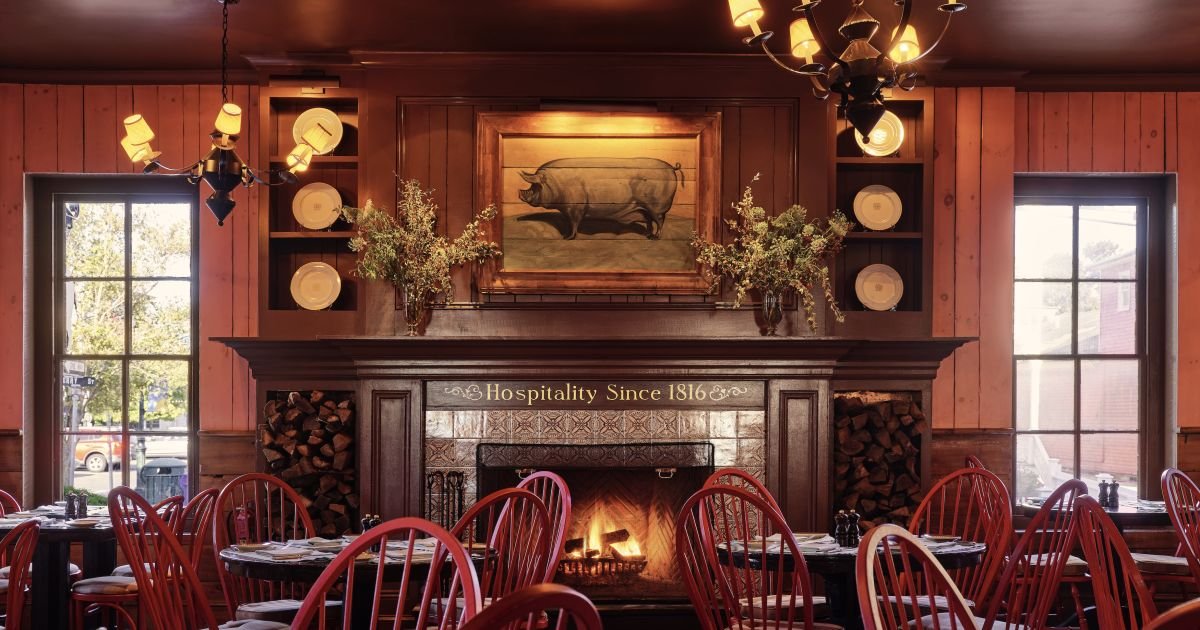
Cozy with indoor fireplaces, outdoor fire pits, and a lively mix of classic farmhouse and colorful modernist decor.
Tags
Vibe
Best For
Experience
Amenities
Accessibility
About the Stay
- Rooms
- 6
- Check-in
- 16:00
- Check-out
- 11:00
- Property Style
- Working Farm Cottages Blending Historic Restoration and Modern Barn Builds
- Design Style
- Classic Farmhouse Utilitarianism with Colorful Modernist Accents
Know before you go
Know Before You Go
- Getting there
- 140 Stevens St, West Cape May, NJ 08204
Planning details
Location
140 Stevens St, West Cape May, NJ 08204 · Directions
Recognition and awards
Also consider
Also Consider
- Lokal Micro Beach Resort, Cape May, Notable alternative
- The Quoin, Notable alternative
- HOTEL DU PONT, Notable alternative
- Inn at Perry Cabin, Notable alternative
- The Wildset Hotel, Notable alternative
Hotel context
How It Compares
Against Lokal Micro Beach Resort, Cape May, Beach Plum Farm Cottages is the better fit when the stay needs more privacy and a quieter West Cape May base. Lokal is the cleaner choice for travelers who want a more compact beach-resort feel and easier coastal positioning, especially for a short trip where convenience matters more than space.
The Quoin and HOTEL DU PONT are stronger cross-shops for business travelers who want a more traditional city-hotel structure, polished public spaces, and a clearer work-trip rhythm. Beach Plum Farm Cottages is more retreat-minded, so it wins for calm and privacy but loses if the stay depends on a classic lobby, meeting-adjacent location, or a more formal service cadence.
For a destination-style East Coast escape, Inn at Perry Cabin and The Wildset Hotel are the broader comparisons. Inn at Perry Cabin reads more resort-like, while The Wildset Hotel is a better alternative for travelers who want a smaller hotel format without committing to a farm-cottage stay. Choose Beach Plum Farm Cottages when the ambiance and extra space are central to the trip, not just a nice add-on.
Explore Cape May
Around this place
Discover more on Pearl
Unlock the full Beach Plum Farm Cottages guide in Pearl, including awards, comparisons, FAQs, planning details, and nearby places.
Compare Beach Plum Farm Cottages
| Venue | Location | Awards |
|---|---|---|
| Beach Plum Farm Cottages | Cape May | 2025 Michelin 1 KeyMichelin 1 Key 20252024 Michelin 1 Key |
| Lokal Micro Beach Resort, Cape May | Cape May | No published awards |
| The Quoin | Wilmington | 2025 Michelin 1 KeySmall Luxury Hotels Member 20252024 Michelin 1 Key |
| HOTEL DU PONT | Wilmington | Preferred Hotels Member 2025 |
| Inn at Perry Cabin | St. Michaels | 2026 Virtuoso Luxury Hotel Collection2026 Forbes 4-Star2025 Conde Nast Best Resorts · #182025 Michelin Selected Hotels2025 Forbes 4-StarPreferred Hotels Member 2025 |
| The Wildset Hotel | St. Michaels | No published awards |






How Beach Plum Farm Cottages Cape May compares with similar nearby venues.
FAQ
Frequently Asked Questions
Is Beach Plum Farm Cottages good for business travel?
It can be, but only if Beach Plum Farm Cottages fits the trip you are planning in Cape May. If you need specific business-travel features, confirm them directly before booking.
Is Beach Plum Farm Cottages family-friendly?
Specific family amenities are not listed. Families should evaluate Beach Plum Farm Cottages as a Cape May stay and confirm practical needs directly before booking.
When is the best time to book Beach Plum Farm Cottages?
Booking difficulty or seasonal availability are not specified. If your dates matter, check availability directly and compare with other Cape May lodging options such as Lokal Micro Beach Resort, Cape May.
Which room category is best at Beach Plum Farm Cottages?
Specific room categories are not listed. Choose based on the current options shown by Beach Plum Farm Cottages and confirm the details that matter for your stay.
How is the dining at Beach Plum Farm Cottages?
A specific dining program is not listed. If dining is central to the trip, plan around Cape May dining separately and confirm any on-property details before booking.
Do loyalty programs work at Beach Plum Farm Cottages?
Loyalty-program participation is not specified. If points or elite benefits are important, confirm directly or compare with other lodging options such as HOTEL DU PONT, Inn at Perry Cabin, The Quoin, or The Wildset Hotel.