


Inn by the Sea
Cape Elizabeth
Hotel in Cape Elizabeth, United States
 Book with Pearl
The Read
Rocky Coast Retreat
Why go
Inn by the Sea is the right Cape Elizabeth pick if you want a calmer coastal base with luxury-hotel recognition rather than downtown Portland access. Book it for the stay first; the on-site dining is better treated as a convenient part of the trip than the main reason to choose the property.
About Inn by the Sea
Is Inn by the Sea worth considering? For a stay in Cape Elizabeth, it has several hotel-recognition signals: Preferred Hotels L.V.X. Collection, Virtuoso Luxury Hotel Partner, and MICHELIN Guide, Hotels Selected. Beyond those confirmed facts, travelers should verify current room, dining, amenity, and booking details directly with the property before planning around them.
Cape Elizabeth is the location, and the hotel should be evaluated as a Cape Elizabeth lodging choice rather than as a confirmed substitute for any specific dining, nightlife, or itinerary style. If your trip depends on particular services, room types, menus, or transportation needs, check the hotel's official channels before booking.
Choose this for a Cape Elizabeth hotel with luxury-hotel recognition
The clearest grounded case for Inn by the Sea is its confirmed recognition: Preferred Hotels L.V.X. Collection, Virtuoso Luxury Hotel Partner, and MICHELIN Guide, Hotels Selected. Those signals may be useful for travelers comparing premium hotels, but they do not by themselves verify specific amenities, room categories, dining formats, or service details.
For on-site dining or other hotel services, the honest expectation is to confirm the latest information directly with the property. There is not enough detail here to describe a specific restaurant concept, menu, chef, price point, or service format. Use Inn by the Sea as a Cape Elizabeth hotel option with confirmed recognition, and make separate plans for any dining or activity priorities that require specifics.
Quick reference: Cape Elizabeth hotel; recognition from Preferred Hotels L.V.X. Collection, Virtuoso Luxury Hotel Partner, and MICHELIN Guide, Hotels Selected; confirm current rooms, amenities, dining, and booking terms directly with the property.
Planning details
- Location
- 40 Bowery Beach Rd, Cape Elizabeth, ME 04107
- Website
- innbythesea.com
- Phone
- +1 207-799-3134
The take
The Take
The Vibe
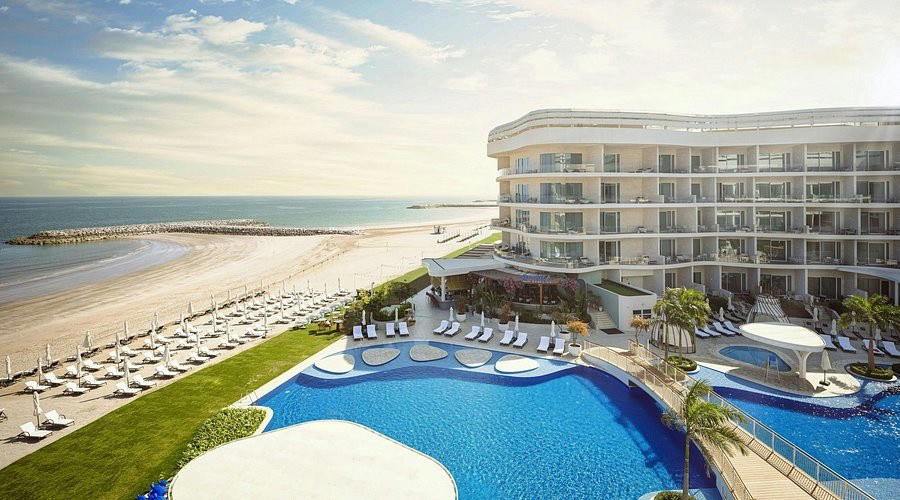
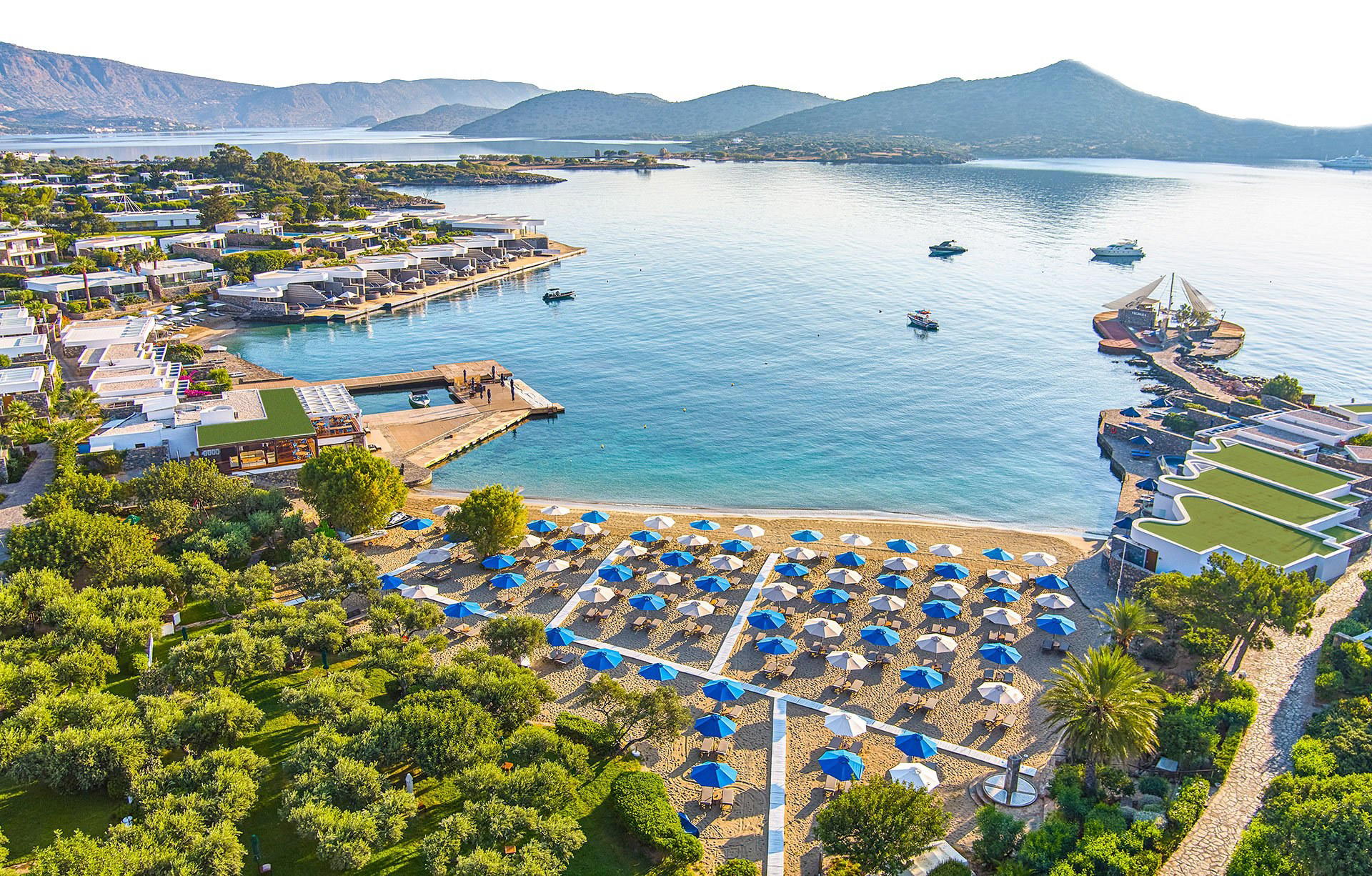
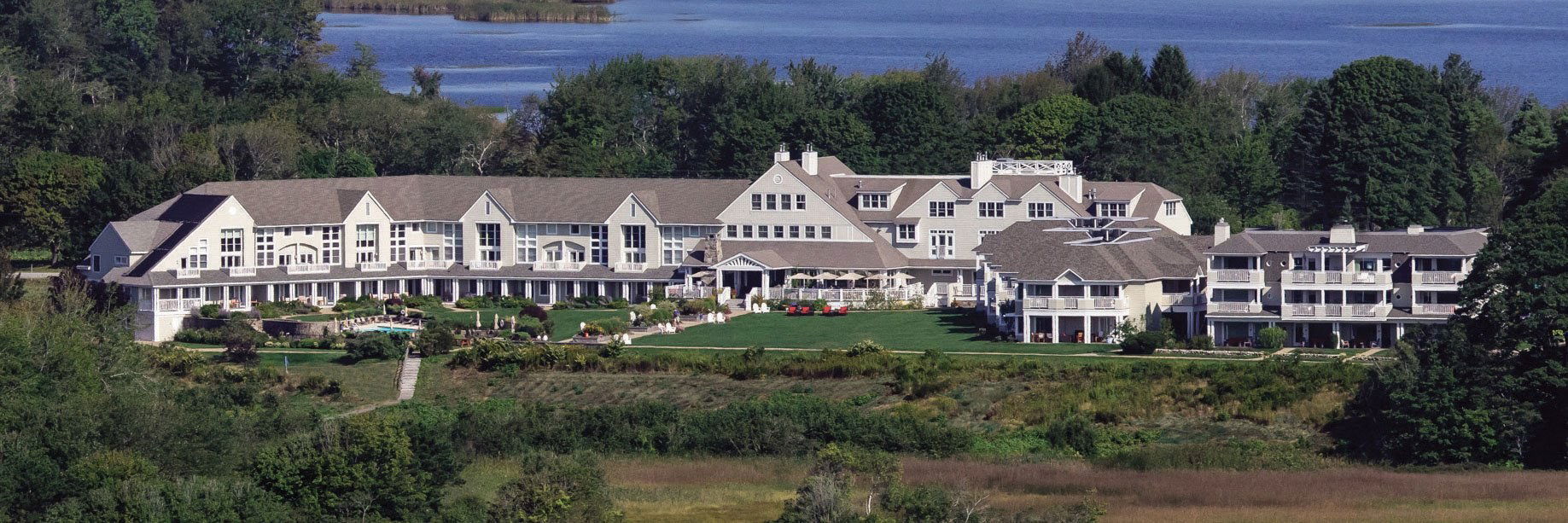
Inn by the Sea reads as a property shaped by place rather than imposed upon it. The architecture foregrounds Maine’s rocky, wind-exposed shoreline: low building masses, shingled exteriors and a nineteenth-century vernacular create a quietly assured coastal aesthetic. With just 62 rooms the hotel preserves sightlines and delivers more meaningful water exposure, so the landscape remains the dominant design force. The overall effect is calm and rooted — an Atlantic seaboard lodging that privileges regional materials and restraint over resort spectacle, and that feels both authentic and thoughtfully scaled to its dramatic setting.
Best For
This is a hotel for travelers who prize coastal authenticity and a quieter, small-scale experience rather than a large resort complex. It works well for couples seeking a romantic getaway, families looking for a Maine shore base, and weekenders who want easy access to Portland’s lobster wharves and the distinctive rocky coastline. The property’s modest room count and emphasis on preserving sightlines make it especially appealing to guests who value views and a sense of place above high-rise amenities or crowded beachfront development.
Venue details
Ambiance
Elegant and serene with ocean views, cozy fireplaces, warm attentive service, and a peaceful atmosphere praised for its quiet insulation and pristine cleanliness.
Tags
Vibe
Best For
Experience
Amenities
View
Accessibility
About the Stay
- Rooms
- 61
- Check-in
- 16:00
- Check-out
- 11:00
- Property Style
- Coastal New England Eco Luxury Resort
- Design Style
- Sophisticated with Regional Art and Stylish Interiors
Know before you go
Know Before You Go
- Getting there
- 40 Bowery Beach Rd, Cape Elizabeth, ME 04107
Planning details
Location
Recognition and awards

Also consider
Also Consider
- Blind Tiger Portland – Danforth Street, Notable alternative
- Blind Tiger Portland – Carleton Street, Notable alternative
- Portland Harbor Hotel, Notable alternative
- The Francis Hotel, Notable alternative
- The Press Hotel, Autograph Collection, Notable alternative
Hotel context
How Inn by the Sea compares in Cape Elizabeth and Portland
Choose Inn by the Sea if the priority is coastal quiet and a fuller hotel-resort feel outside Portland. Portland Harbor Hotel is the more practical choice for travelers who want to be in the city, especially if dinners, bars, and walking access matter more than beach-road calm.
The Press Hotel, Autograph Collection is better for a design-forward Portland stay with stronger city energy. The Francis Hotel is the better cross-shop for a smaller, character-led stay, while Inn by the Sea makes more sense when the trip needs space, quiet, and a coastal base.
Blind Tiger Portland – Danforth Street and Blind Tiger Portland – Carleton Street suit travelers who prefer a guesthouse mood in Portland. Pick them for atmosphere and city access; pick Inn by the Sea when the hotel itself is meant to anchor the trip.
Explore Cape Elizabeth
Around this place
Discover more on Pearl
Unlock the full Inn by the Sea guide in Pearl, including awards, comparisons, FAQs, planning details, and nearby places.
Compare Inn by the Sea
| Venue | Location | Awards |
|---|---|---|
| Inn by the Sea | Cape Elizabeth | 2026 Virtuoso Luxury Hotel Collection2025 Michelin Selected HotelsPreferred Hotels L.V.X. Collection 2025 |
| Blind Tiger Portland – Danforth Street | Portland | 2026 Mr & Mrs Smith Luxury Hotels2025 Michelin 1 Key |
| Blind Tiger Portland – Carleton Street | Portland | 2026 Mr & Mrs Smith Luxury Hotels2025 Michelin 1 Key2024 Michelin 1 Key |
| Portland Harbor Hotel | Portland | No published awards |
| The Francis Hotel | Portland | No published awards |
| The Press Hotel, Autograph Collection | Portland | No published awards |

How Inn by the Sea Cape Elizabeth Hotel Review compares with similar nearby venues.
FAQ
Frequently Asked Questions
How does Inn by the Sea compare to nearby hotels?
Inn by the Sea is the Cape Elizabeth option among these named hotels. Blind Tiger Portland – Danforth Street, Blind Tiger Portland – Carleton Street, Portland Harbor Hotel, The Francis Hotel, and The Press Hotel, Autograph Collection are Portland options, so they make more sense if you specifically want to stay in Portland. Choose based on whether Cape Elizabeth or Portland is the better fit for your trip.
When is the best time to book Inn by the Sea?
There is not enough information here to recommend a specific booking season, day of week, or rate strategy. If Inn by the Sea is a priority, check the hotel's official booking channels for current availability, policies, and any date-specific conditions.
Which room category is best at Inn by the Sea?
room-category details are not available here, so the best choice depends on the current options shown by the hotel. Review the property's official room descriptions and confirm any needs directly before booking.
How is the location of Inn by the Sea?
Inn by the Sea is in Cape Elizabeth. For any practical planning details beyond the city, including access, transportation, or nearby points of interest, confirm directly with the hotel or its official listing.
Is Inn by the Sea good for business travel?
There is not enough information here to assess business-travel suitability, meeting facilities, work amenities, or transportation convenience. If business logistics are important, confirm the relevant services directly with Inn by the Sea before booking.
Do loyalty programs work at Inn by the Sea?
Inn by the Sea is listed with Preferred Hotels L.V.X. Collection and as a Virtuoso Luxury Hotel Partner. The practical value of those affiliations depends on how you book, so confirm benefits, eligibility, and terms through the booking channel you plan to use.