

Château Le Cagnard
Haut-de-Cagnes, Cagnes-sur-Mer
Hotel in Cagnes-sur-Mer, France
 Book with Pearl
The Read
Fortified Hilltop Hospitality
Why go
Château Le Cagnard is a good fit if the priority is a historic Haut-de-Cagnes setting over resort facilities. Its Small Luxury Hotels of the World membership and MICHELIN Guide hotel selection add reassurance, but the value depends on wanting hilltop village atmosphere rather than beach-door convenience.
About Château Le Cagnard
Château Le Cagnard is worth considering for travelers specifically looking at Cagnes-sur-Mer and wanting a hotel with recognized standing rather than an unsupported checklist of facilities. It is a Small Luxury Hotels of the World member for 2025, is selected in the MICHELIN Guide Hotels for 2025, and lists a smart casual dress code.
For detailed questions about facilities, room types, dining, pricing, transport, views, or amenities, the safest approach is to confirm those points directly before booking. The stronger grounded case is simple: Château Le Cagnard is a Cagnes-sur-Mer hotel with two hospitality recognitions, which may reassure travelers who value vetted hotel listings.
Book for confirmed hotel recognition, not extras
This is the kind of hotel to consider when the name, Cagnes-sur-Mer location, and recognized standing matter more than a long list of assumed amenities. Its 2025 Small Luxury Hotels of the World membership and 2025 MICHELIN Guide Hotels selection give the listing credibility, but they do not establish specific details such as dining format, spa facilities, pool access, room categories, parking, or service inclusions.
Before committing, confirm the practical details that matter for your trip directly with the hotel or its current booking channels. That is especially important if your decision depends on arrival logistics, on-site dining, family requirements, accessibility, or any particular facility. Château Le Cagnard is best presented as a recognized Cagnes-sur-Mer hotel rather than as a property defined by specific features.
The decision comes down to how much you value reassurance
Château Le Cagnard makes the clearest sense for travelers who want to stay in Cagnes-sur-Mer and appreciate the reassurance of a Small Luxury Hotels of the World member that is also selected by the MICHELIN Guide Hotels in 2025. Those are the grounded reasons to keep it on a shortlist.
The caution is that many of the details travelers often use to compare premium hotels need direct confirmation. If your choice depends on a particular dining experience, wellness offering, room setup, price point, or transport arrangement, do not assume it from reputation alone. Compare Château Le Cagnard with other named options such as La Colombe d'Or Hotel and Restaurant, Le Domaine du Mas de Pierre, Le Saint-Paul, School Hotel And Tourism Jeanne Et Paul Augier, or Toile Blanche only after checking each venue's current details directly.
Inside Château Le Cagnard
Planning details
- Location
- 54 Rue sous Barri, 06800 Cagnes-sur-Mer, France
- Website
- lecagnard.fr/fr
- Phone
- +33 4 93 20 73 22
The take
The Take
The Vibe
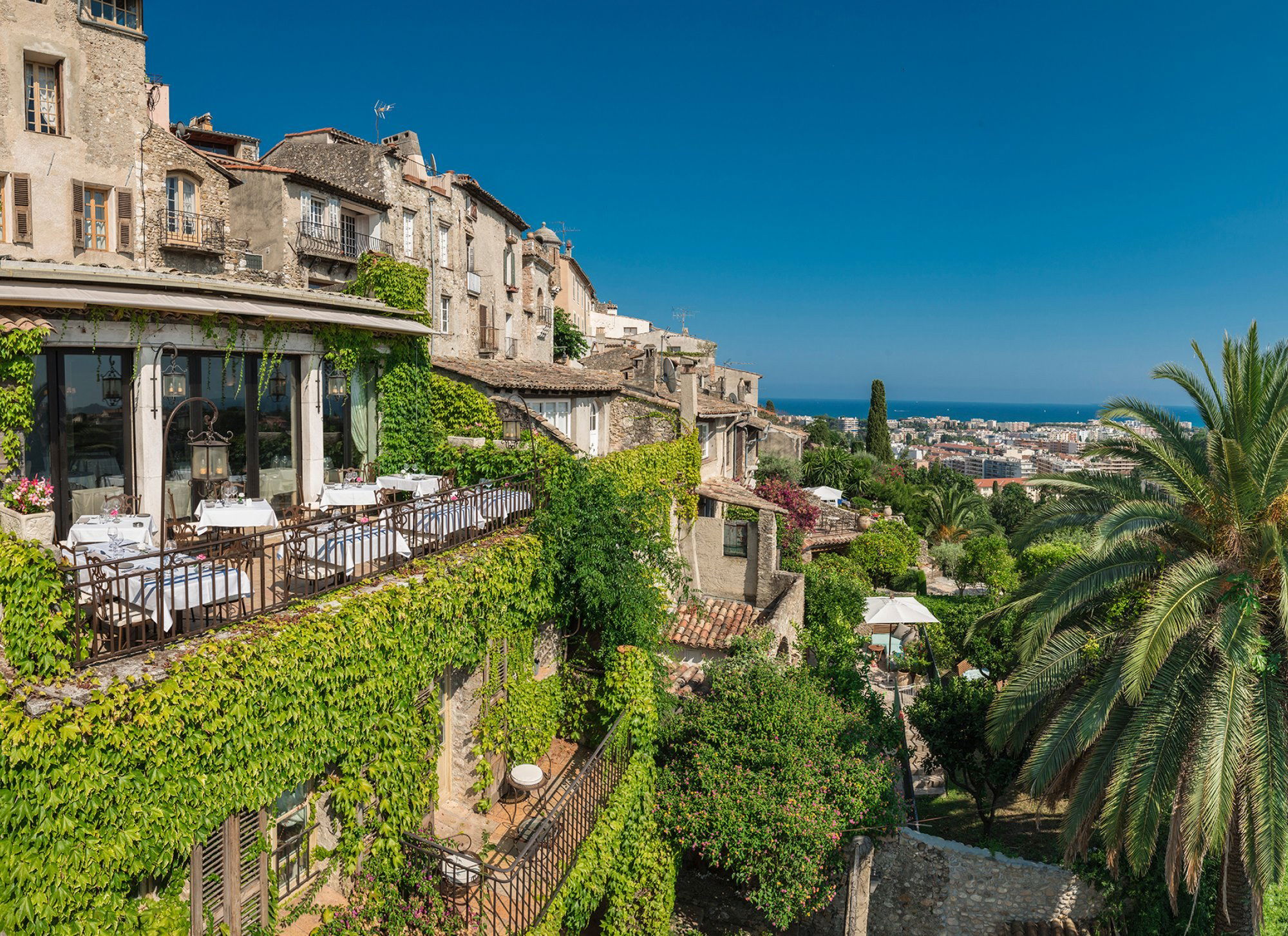
Château Le Cagnard foregrounds architecture as its principal character. The hotel occupies genuine medieval ramparts and stonework, so the experience is tactile and weighty: arched passages, vaulted ceilings and tapering walls shape how light and sound behave in the rooms and corridors. It feels intentionally small and intimate rather than institutional, and that scale keeps the atmosphere quietly resonant rather than staged. The property's connection to the village’s artistic history—Renoir’s late presence nearby and the Provençal tradition of painters—adds a cultural warmth that complements the stonebound austerity, producing a quietly charming, historically grounded stay.
Best For
This is a hideaway for people who value history and a slower pace on the Côte d’Azur. Set within Haut‑de‑Cagnes’ medieval fabric and sitting above the busy marina strip, the château is especially suited to romantic getaways, honeymoons, anniversaries and weekend escapes where quiet, intimacy and architectural character matter more than seaside spectacle. Travelers looking to trade promenade crowds for vaulted rooms, arched passages and village light will find it an ideal base for wandering the lanes, visiting nearby studios and settling into an experience that privileges provenance and atmosphere over flashy resort trappings.
Venue details
Ambiance
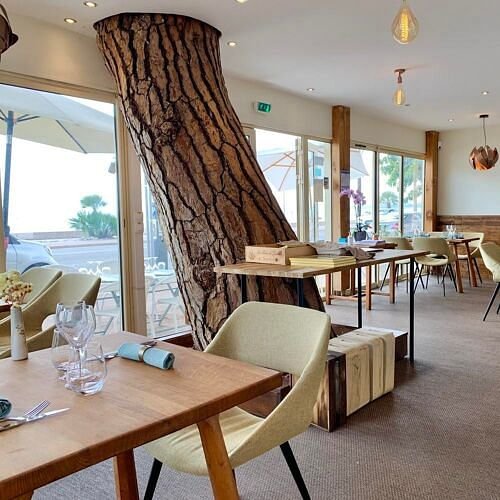
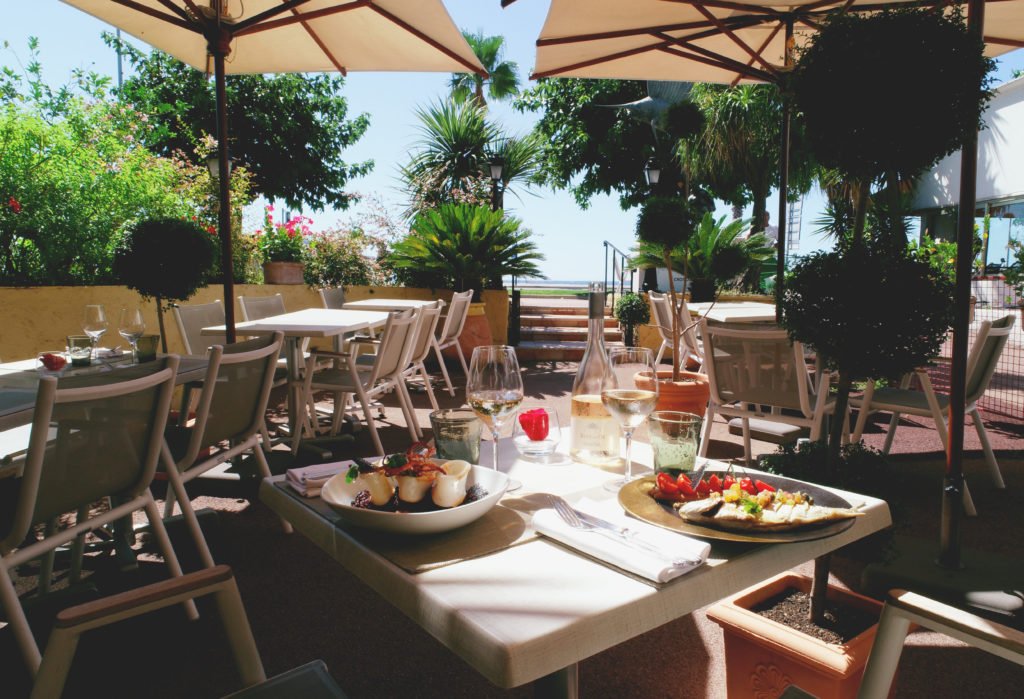
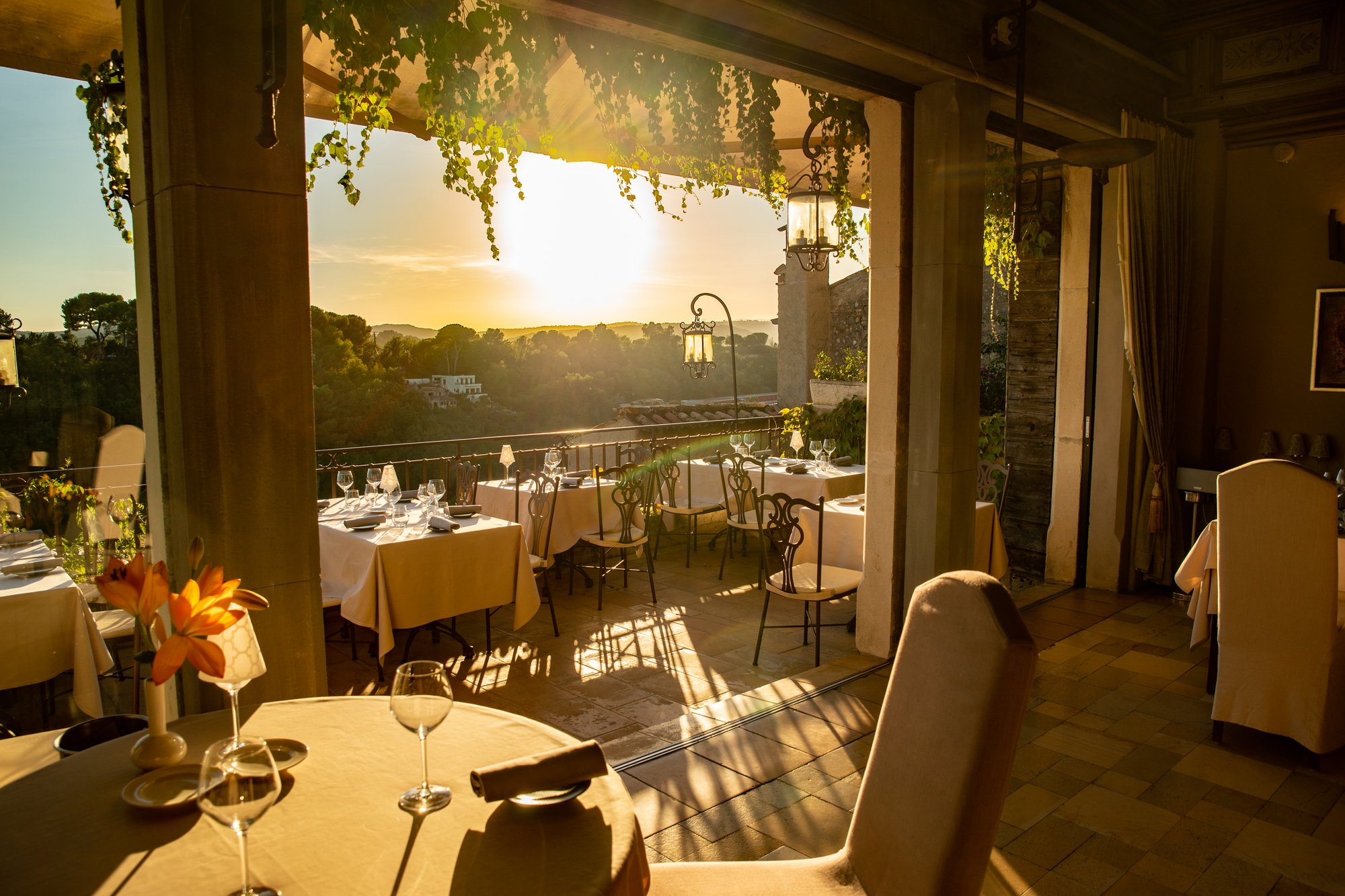
Romantic and enchanting with fairytale charm, soundproofed rooms, terrace dining overlooking the sea, and a magical medieval village atmosphere.
Tags
Vibe
Best For
Experience
Amenities
View
Accessibility
About the Stay
- Rooms
- 30
- Check-in
- 15:00
- Check-out
- 12:00
- Property Style
- Restored 13th Century Medieval Chateau on Village Ramparts
- Design Style
- Elegant Blend of Contemporary and Provencal Mediterranean with Individually Decorated Rooms
Know before you go
Know Before You Go
- Getting there
- 54 Rue sous Barri, 06800 Cagnes-sur-Mer, France
Planning details
Location
Recognition and awards

Also consider
Also Consider
- Le Domaine du Mas de Pierre, Notable alternative
- Toile Blanche, Notable alternative
- Le Saint-Paul, Notable alternative
- La Colombe d'Or Hotel and Restaurant, Notable alternative
- School Hotel And Tourism Jeanne Et Paul Augier, Notable alternative
Hotel context
How Château Le Cagnard compares nearby
Choose Château Le Cagnard for old-village atmosphere and a more intimate Riviera base. Le Domaine du Mas de Pierre is the better fit for travelers who want a resort feel and more space around the stay; it is likely the safer choice for longer leisure breaks where facilities matter more than being inside Haut-de-Cagnes.
Toile Blanche and Le Saint-Paul are stronger cross-shops for guests weighing artful, village-adjacent ambiance against a more classic hill-town hotel mood. Château Le Cagnard has the edge for staying directly in Cagnes-sur-Mer; Le Saint-Paul makes more sense if the trip is centered on Saint-Paul-de-Vence rather than the coast-and-village balance.
La Colombe d'Or Hotel and Restaurant is the more dining-led and heritage-coded alternative, so pick it when the hotel restaurant is central to the trip. School Hotel And Tourism Jeanne Et Paul Augier is a different kind of value comparison: more functional than romantic, better for travelers prioritizing practicality over atmosphere.
Explore Cagnes-sur-Mer
Around this place
Discover more on Pearl
Unlock the full Château Le Cagnard guide in Pearl, including awards, comparisons, FAQs, planning details, and nearby places.
Compare Château Le Cagnard
| Venue | Location | Awards |
|---|---|---|
| Château Le Cagnard | Cagnes-sur-Mer | 2025 Michelin Selected HotelsSmall Luxury Hotels Member 2025 |
| Le Domaine du Mas de Pierre | St. Paul de Vence | 2026 Virtuoso Luxury Hotel Collection2026 Relais Chateaux Hotels2025 Gault & Millau Exceptional Hotel2025 Relais Chateaux Award2025 Michelin 2 Keys2024 Michelin 2 Keys |
| Toile Blanche | St. Paul de Vence | 2026 Vogue Best Hotels in Provence2026 Mr & Mrs Smith Luxury Hotels2025 Michelin 1 Key2024 Michelin 1 Key |
| Le Saint-Paul | St. Paul de Vence | 2025 Michelin Selected Hotels2025 Relais Chateaux Award |
| La Colombe d'Or Hotel and Restaurant | Saint Paul De Vence | No published awards |
| School Hotel And Tourism Jeanne Et Paul Augier | Nice | No published awards |






How Château Le Cagnard Cagnes-sur-Mer compares with similar nearby venues.
FAQ
Frequently Asked Questions
What is check-in like at Château Le Cagnard?
Check-in details should be confirmed directly with the hotel before booking. The grounded facts are that Château Le Cagnard is in Cagnes-sur-Mer and has 2025 recognition from the MICHELIN Guide Hotels and Small Luxury Hotels of the World. Confirm arrival timing and logistics directly with the hotel before booking.
Which room category is best at Château Le Cagnard?
Room categories should be confirmed directly with the hotel. If room size, view, layout, accessibility, or quietness is important, confirm the current room options directly with Château Le Cagnard before reserving.
When is the best time to book Château Le Cagnard?
Booking difficulty and seasonal availability should be confirmed directly. If your dates are fixed, check current availability directly with the hotel or your booking channel. The confirmed context is that Château Le Cagnard is a 2025 Small Luxury Hotels of the World member and a 2025 MICHELIN Guide Hotels selection.
How is the dining at Château Le Cagnard?
Dining details should be confirmed directly with the hotel. The only confirmed service-style detail provided is a smart casual dress code. If dining is central to your stay, check Château Le Cagnard's current information directly and compare it with other options such as La Colombe d'Or Hotel and Restaurant or other dining in Cagnes-sur-Mer.
Is Château Le Cagnard family-friendly?
Family facilities and policies should be confirmed directly with the hotel. If you are traveling with children, confirm room setup, policies, and any relevant services directly with Château Le Cagnard before booking.
How does Château Le Cagnard compare to other hotels?
Choose Château Le Cagnard if you want a Cagnes-sur-Mer hotel with confirmed 2025 recognition from Small Luxury Hotels of the World and the MICHELIN Guide Hotels. For alternatives, compare current details directly with La Colombe d'Or Hotel and Restaurant, Le Domaine du Mas de Pierre, Le Saint-Paul, School Hotel And Tourism Jeanne Et Paul Augier, or Toile Blanche.
How is the pool and spa at Château Le Cagnard?
Pool and spa details should be confirmed directly with the hotel. If wellness facilities are important to your trip, confirm the latest information directly with Château Le Cagnard and compare current offerings with other venues you are considering.