

Auberge La Fenière
Luberon, Cadenet
Hotel in Cadenet, France
 Book with Pearl
The Read
Gluten-Free Provençal Gastronomy
Why go
Auberge La Fenière is worth targeting for a food-led Luberon stay where the hotel is part of the reason for the trip. The Michelin 1 Key gives it a clear trust signal, but this is less compelling for travelers chasing loyalty perks, upgrade certainty, or a city-hotel setup.
About Auberge La Fenière
Auberge La Fenière is a Cadenet stay with one notable distinction: Michelin 1 Key recognition in 2024. That makes it worth considering for travelers who want the property itself to be part of the decision, while keeping expectations grounded in the facts rather than assumed amenities, dining details, or service formats.
The safest way to evaluate it is simple: prioritize the Michelin 1 Key recognition and the Cadenet location. Details such as room categories, specific facilities, pricing, and restaurant format should be checked directly before booking. The dress code is smart casual.
Book this for a Cadenet stay with Michelin Key recognition
Auberge La Fenière makes the most sense when the Michelin 1 Key is relevant to your choice of stay. Decisions should not be built around assumptions regarding price range, room count, services, or amenity list. Treat it as a Cadenet property with recognition, then confirm the practical details that matter for your trip before committing.
If you are comparing the wider local plan, use our full Cadenet restaurants guide for dining research in Cadenet. For Auberge La Fenière itself, confirm information directly for the latest booking, arrival, and on-property details.
Where it sits against other stays
Compared with Le Moulin, Beaumier Hotel and Le Galinier, Lourmarin, Beaumier Guesthouse, Auberge La Fenière is the Cadenet option with Michelin 1 Key recognition. Domaine de Fontenille, Le Pavillon de Galon, and Domaine La Ferme HI Bride are natural alternatives to review if you are comparing other stays.
The practical verdict: book Auberge La Fenière if you want a Cadenet stay and the Michelin 1 Key matters to the decision. If your choice depends on specific amenities, exact rates, room layouts, dining format, or other services, confirm those details directly before booking.
Inside Auberge La Fenière
Planning details
- Location
- 1680 Rte de Lourmarin, 84160 Cadenet
- Website
- aubergelafeniere.com
- Phone
- +33 4 90 68 11 79
The take
The Take
The Vibe
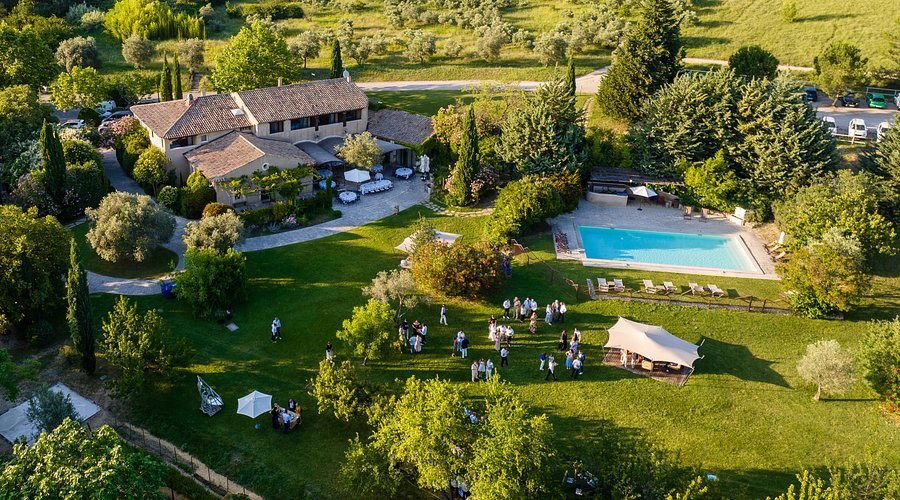
Auberge La Fenière reads as a quietly sophisticated Provençal retreat. The property pairs a minimalist-chic interior language with the region’s traditional shell, so rooms feel spare and deliberately composed rather than ornate. With just 16 rooms the auberge maintains an intimate scale; most accommodations face the gardens and swimming pool, folding the Luberon landscape into everyday sightlines. The presence of a Michelin star anchors the culinary seriousness, while the low-key setting and emphasis on light and greenery keep the mood relaxed and serene rather than ceremonious.
Best For
This auberge is best for travelers who prize food-forward, small-scale hospitality in a countryside setting. The Michelin-starred restaurant makes it a destination for serious dining, while the compact room count and garden-facing accommodations suit couples or solo travelers looking for an intimate, restorative stay. The property’s price positioning and focused program also make it a sensible choice for weekend escapes or short stays in the Luberon when guests want both quietly refined lodgings and high-quality cuisine without the formality or scale of larger estates.
Stay Tips
Book early: with only 16 rooms and a Michelin-starred restaurant, availability can be limited, so reserve both accommodation and a dinner table in advance if possible. When requesting a room, ask for a garden- or pool-facing room—"most rooms face outward toward the gardens and swimming pool"—to make the most of the Luberon light and greenery. Note the property’s modest, unfussy service style and nightly-rate context (mentioned around $146) so you know you’re getting a focused, food-centric auberge rather than a large, formal estate.
Venue details
Ambiance
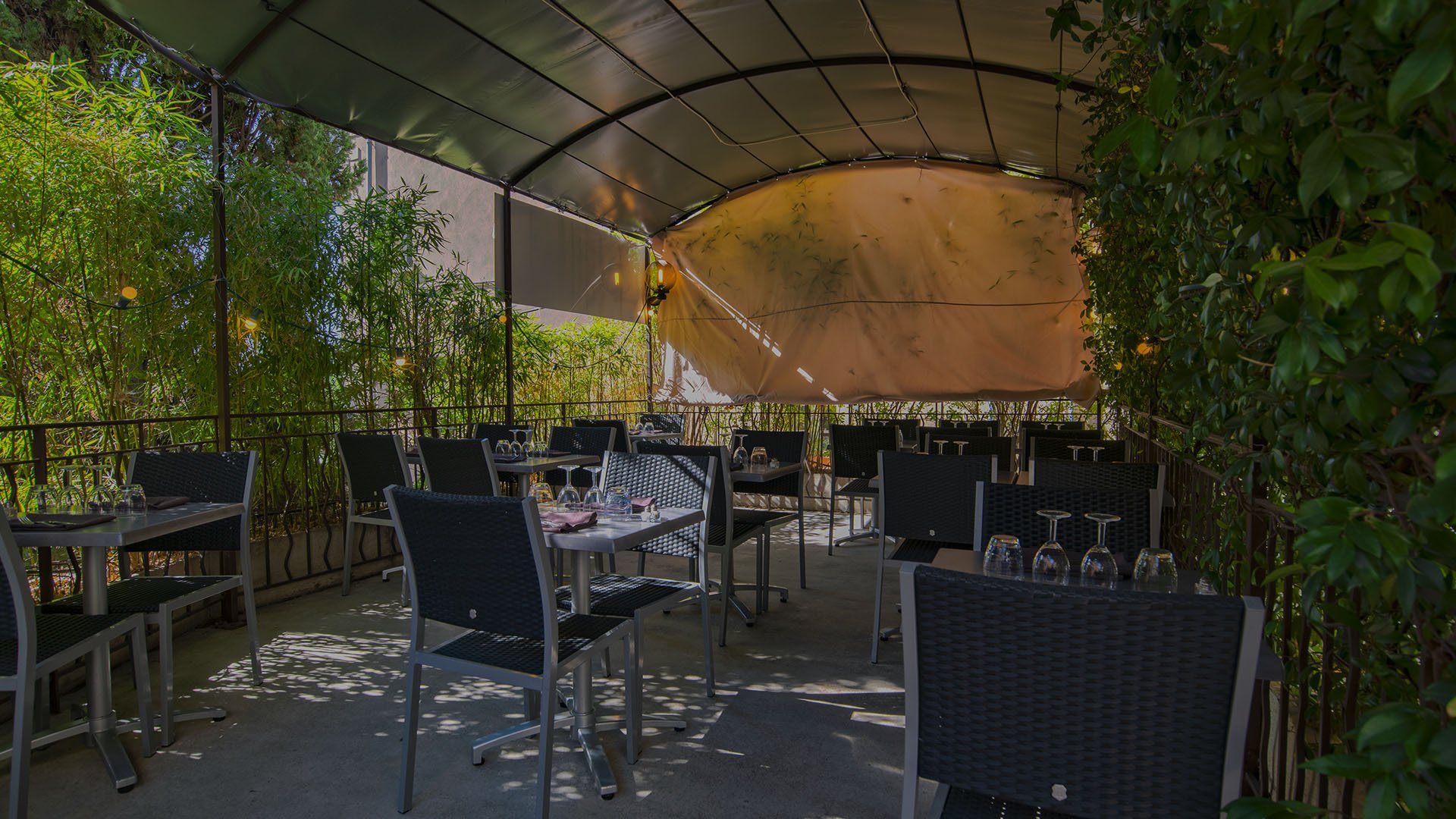
Rustic Provençal charm with lush gardens, relaxed outdoor poolside lounging, and a warm, nature-inspired atmosphere.
Tags
Vibe
Best For
Experience
Amenities
View
Accessibility
About the Stay
- Rooms
- 16
- Check-in
- 15:00
- Check-out
- 11:00
- Property Style
- Rustic Provençal Farmhouse with Contemporary Suites
- Design Style
- Minimalist Chic Provençal
Know before you go
Know Before You Go
- Getting there
- 1680 Rte de Lourmarin, 84160 Cadenet
Planning details
Location
Recognition and awards

Also consider
If Auberge La Fenière is not available, try Domaine de Fontenille first for a comparable countryside-stay logic. If location near Lourmarin matters more than formal recognition, look at Le Moulin, Beaumier Hotel or Le Galinier, Lourmarin, Beaumier Guesthouse.
Hotel context
Auberge La Fenière is the pick for travelers who want a recognized, destination-led stay near Cadenet rather than a simple village base. Le Moulin, Beaumier Hotel and Le Galinier, Lourmarin, Beaumier Guesthouse make more sense if Lourmarin access is the deciding factor and the hotel needs to sit closer to that rhythm.
Domaine de Fontenille is the stronger cross-shop for travelers who want an estate-style Provence stay, while Auberge La Fenière is easier to justify when Michelin 1 Key recognition is part of the value equation. Domaine La Ferme HI Bride and Le Pavillon de Galon are better fits for guests who want a smaller, quieter base and are less focused on formal hotel recognition.
For value, do not compare these only by nightly rate. Compare the role each hotel plays in the trip: Auberge La Fenière for a considered food-and-country stay, Domaine de Fontenille for a broader estate feel, and the Beaumier options for travelers who want easier Lourmarin positioning.
Explore Cadenet
Around this place
Discover more on Pearl
Unlock the full Auberge La Fenière guide in Pearl, including awards, comparisons, FAQs, planning details, and nearby places.
Compare Auberge La Fenière
| Venue | Location | Awards |
|---|---|---|
| Auberge La Fenière | Cadenet | 2026 Vogue Best Hotels in Provence2025 Michelin 1 KeyMichelin 1 Key 20252024 Michelin 1 Key |
| Le Moulin, Beaumier Hotel | Lourmarin | No published awards |
| Le Galinier, Lourmarin, Beaumier Guesthouse | Lourmarin | No published awards |
| Domaine de Fontenille | Lauris | 2026 Vogue Best Hotels in Provence2026 Mr & Mrs Smith Luxury Hotels2026 Relais Chateaux Hotels2026 La Liste Top Hotels2025 Relais Chateaux Award2025 Michelin 2 Keys2024 Michelin 2 Keys |
| Domaine La Ferme HI Bride | Villelaure | 2026 Michelin Guide New Hotels2025 Michelin 1 Key2024 Michelin 1 Key |
| Le Pavillon de Galon | Cucuron | No published awards |



How Auberge La Fenière Cadenet compares with similar nearby venues.
FAQ
Frequently Asked Questions
Which room category is best at Auberge La Fenière?
Choose based on the current options offered directly by Auberge La Fenière, and confirm the layout, privacy, and any accessibility needs before booking.
Is Auberge La Fenière good for business travel?
Auberge La Fenière is in Cadenet and has Michelin 1 Key recognition from 2024. Business travelers should confirm practical needs directly, including workspace, arrival timing, transport, and any meeting-related services.
What is check-in like at Auberge La Fenière?
Is Auberge La Fenière family-friendly?
How does Auberge La Fenière compare to other stays?
Choose Auberge La Fenière if you want a Cadenet stay with Michelin 1 Key recognition. Le Moulin, Beaumier Hotel; Le Galinier, Lourmarin, Beaumier Guesthouse; Domaine de Fontenille; Le Pavillon de Galon; and Domaine La Ferme HI Bride are other options to compare depending on your preferred setting and practical needs.
How is the dining at Auberge La Fenière?
Auberge La Fenière has Michelin 1 Key recognition from 2024, but menu format, cuisine, service style, and meal availability should be checked directly.