
Verno House
Varhegy, Budapest
Hotel in Budapest, Hungary
 Book with Pearl
The Read
Historic Scale, Contemporary Fit
Why go
Verno House is a strong Budapest shortlist pick for travelers who want a central, composed hotel with credible recognition rather than a large palace-style stay. It suits couples, solo travelers, and business guests who value location and polish; loyalty-focused travelers should compare benefits against bigger-brand alternatives before committing.
About Verno House
For a Budapest stay, the smarter decision is not just which room looks appealing, but which property best justifies the booking. Verno House is worth shortlisting if the goal is a Budapest stay with a clear quality signal: Michelin 1 Key recognition in 2025.
Key details are simple: Verno House is in Budapest, has a smart casual dress code, and carries Michelin 1 Key recognition for 2025. Beyond that, travelers should avoid assuming specific amenities, dining formats, room categories, or loyalty benefits unless they are checked directly before booking.
A Budapest stay for travelers who value confidence over extras
The case for booking here is clearest when recognition matters more than a long list of assumed features. Budapest has several options to compare, but Verno House has a Michelin 1 Key signal, which can make it a stronger shortlist candidate for travelers who want an independently recognized stay.
Value should be judged against the total trip, not just the nightly rate. Compare cancellation terms, room details, and any direct-booking benefits before committing, and check whether breakfast, upgrades, spa access, or loyalty-program treatment are included.
Who should choose it, and who should cross-shop
Choose Verno House if you want a Budapest stay with Michelin 1 Key recognition and a smart casual dress code. Cross-shop if your decision depends on specific facilities, family arrangements, dining details, or loyalty benefits, since those details should be checked through the venue before booking.
For planning the rest of the trip, pair this search with Our full Budapest hotels guide, then build meals and evenings through Our full Budapest restaurants guide and Our full Budapest bars guide. Before locking dates, confirm current details directly with each venue or booking channel.
Planning details
- Location
- Budapest, Október 6. u. 26, 1051
- Website
- ihg.com/vignettecollection/hotels/us/en/budapest/budvh/hoteldetail?cm_mmc=GoogleMaps-_-LX-_-HU-_-BUDVH
- Phone
- +36 1 886 1120
The take
The Take
The Vibe
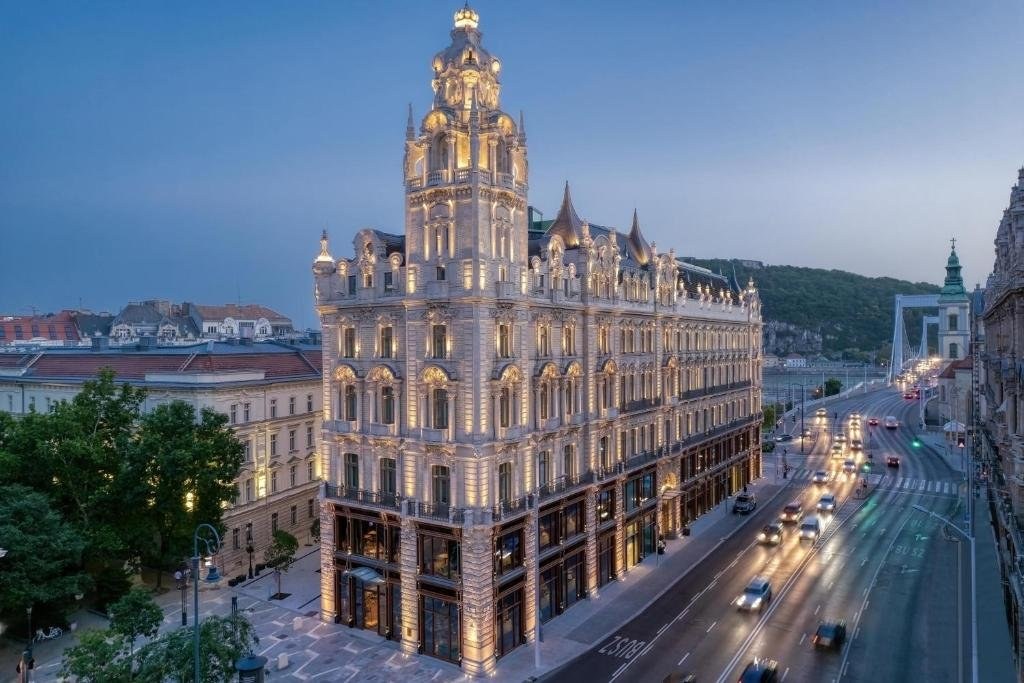
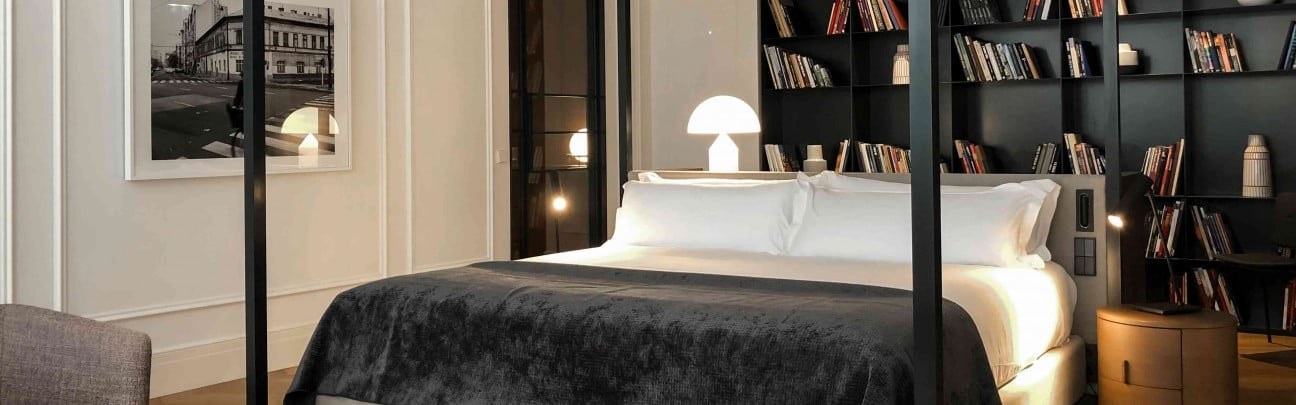
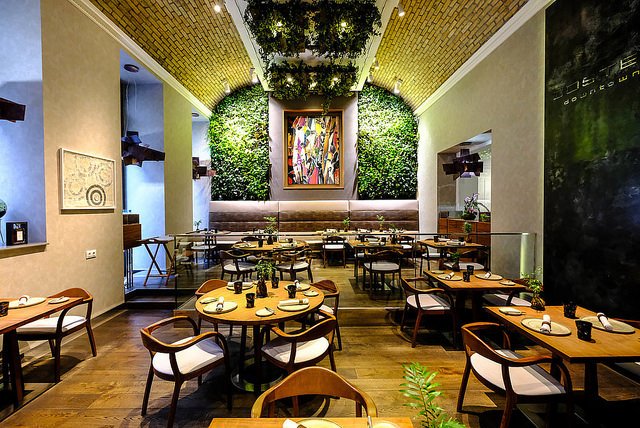
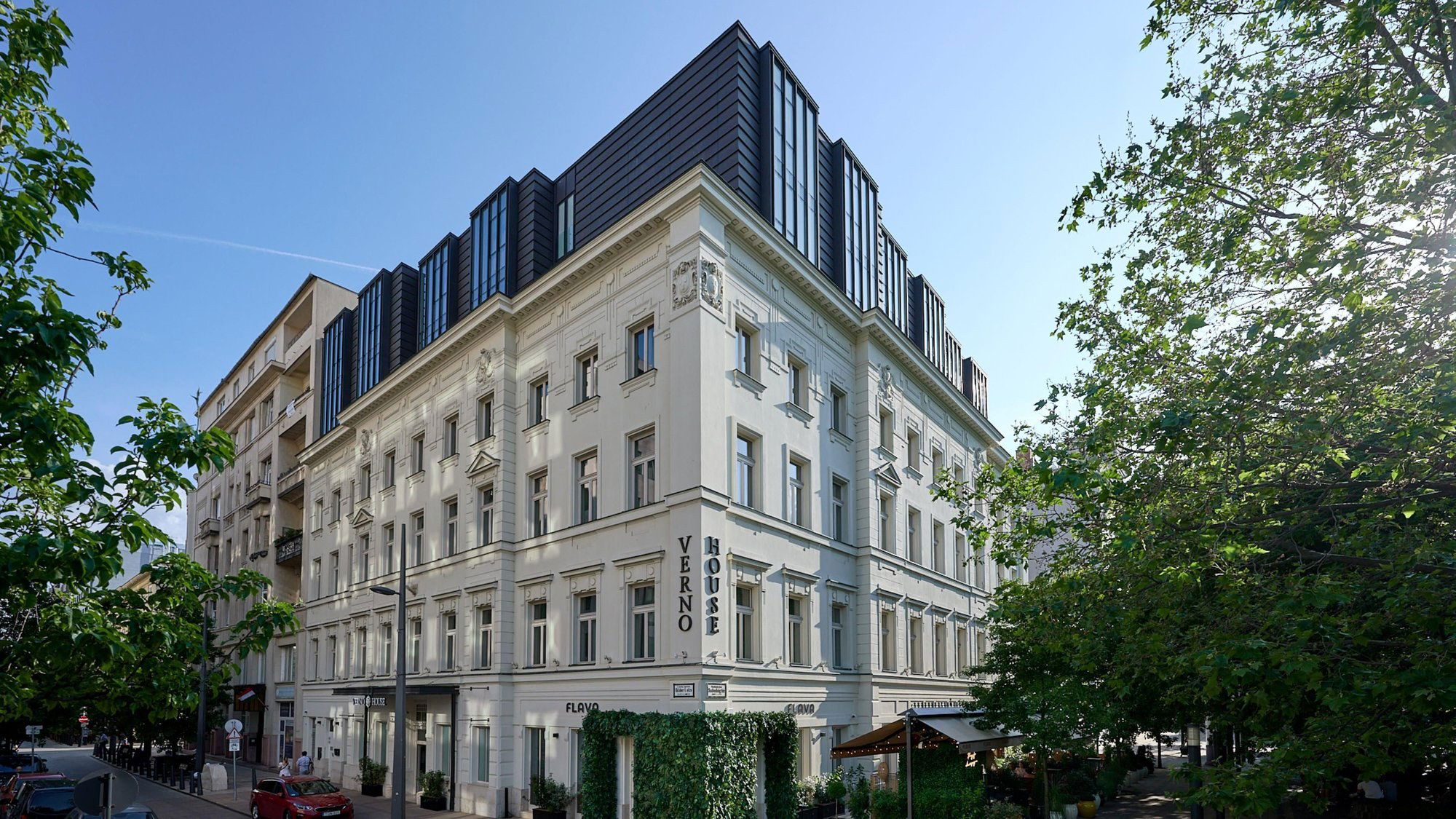
Verno House presents itself as a quietly confident boutique hotel in Budapest’s Fifth District, favoring considered design over grand gesture. It sits on a residential street within easy walking distance of the Parliament and the Chain Bridge, and its modest scale—compared to palace-scale properties—creates a sense of intimacy and close attention. Rooms are described as notably larger than typical city-center accommodations, reinforcing the hotel’s focus on comfort and proportion rather than showy public spaces. The overall impression is of a design-led, low-key hideaway that prefers subtlety and craft to ostentation.
Best For
This hotel suits travelers who want a central City Centre base without the fanfare of Budapest’s larger grand hotels. It appeals to visitors drawn to museums, Parliament tours and the pedestrian corridors that connect the Fifth and Seventh Districts, as well as to those who prize a quieter, residential atmosphere after a day of sightseeing. The boutique scale and emphasis on larger rooms make it a strong pick for couples seeking a low-key city break or solo and small-party travelers who value attentive service and a design-forward environment over expansive hotel amenities.
Venue details
Ambiance
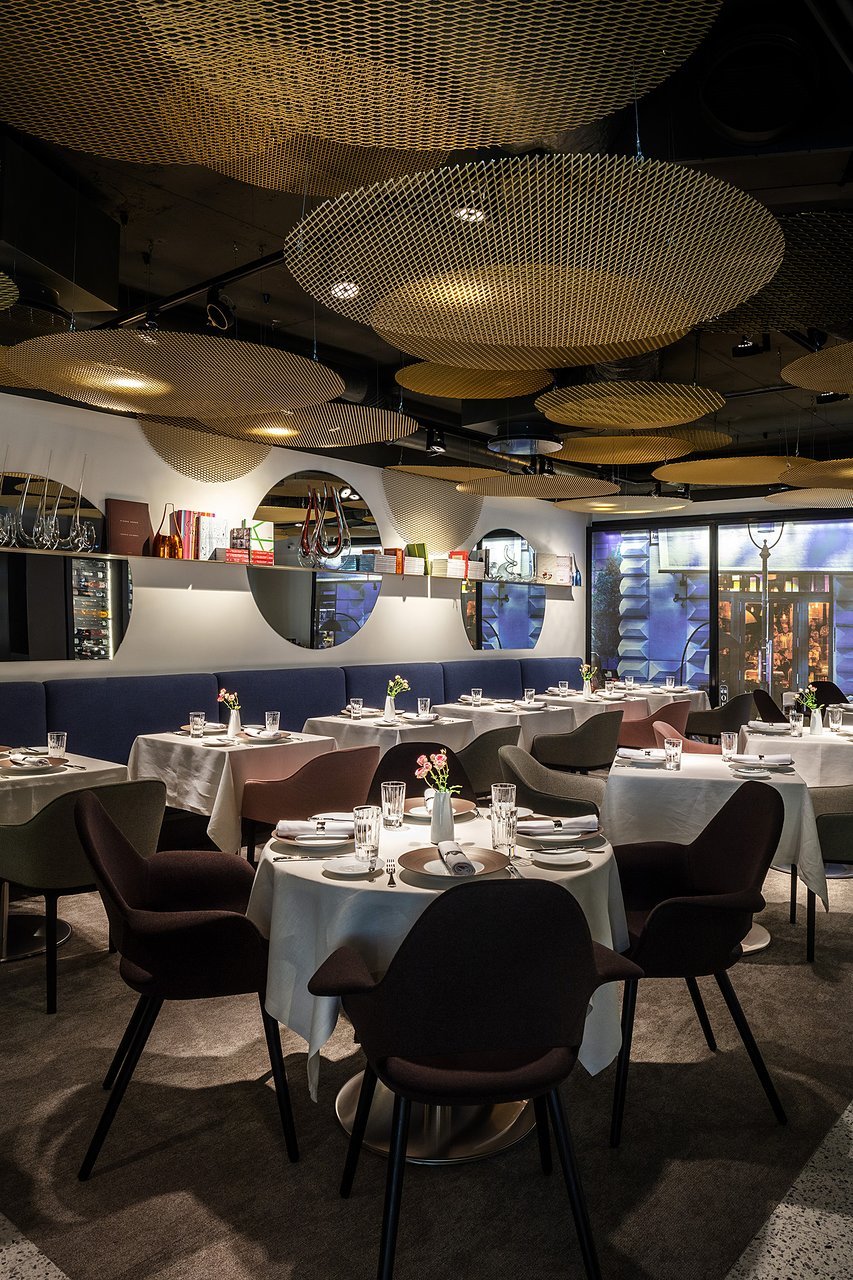
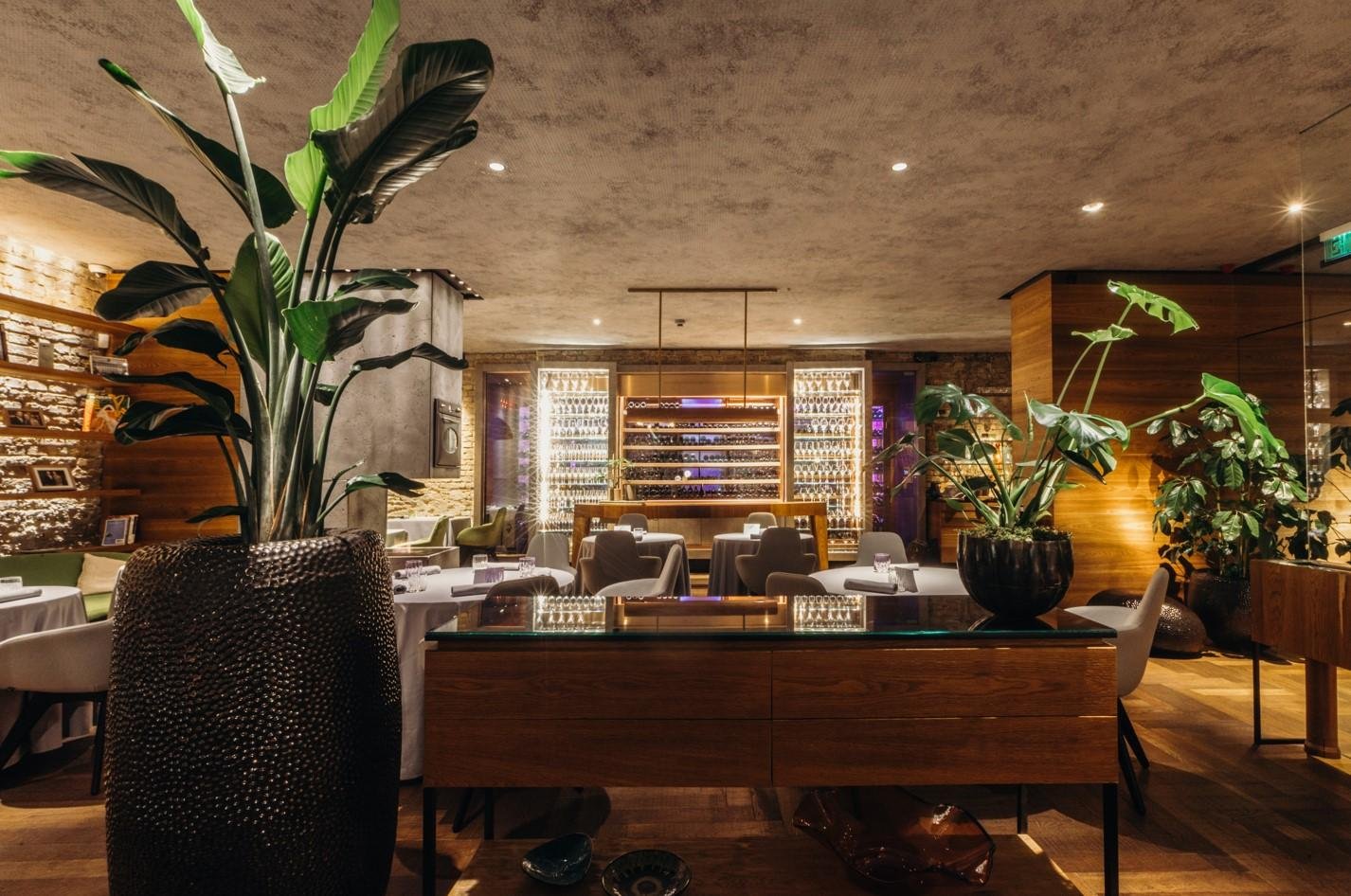
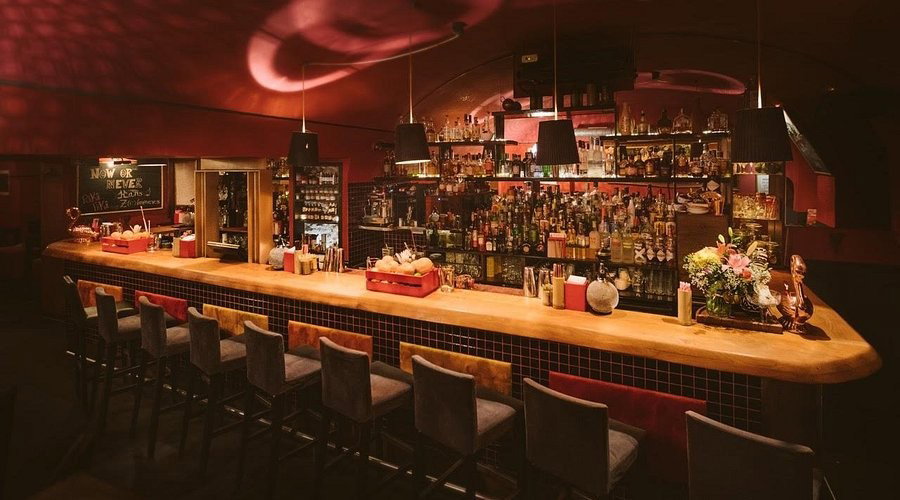
Soothing and elegant atmosphere with high ceilings, soundproofed rooms, and a modern, classy feel enhanced by attentive staff and quiet surroundings.
Tags
Vibe
Best For
Experience
Amenities
View
Accessibility
About the Stay
- Rooms
- 48
- Check-in
- 15:00
- Check-out
- 11:00
- Property Style
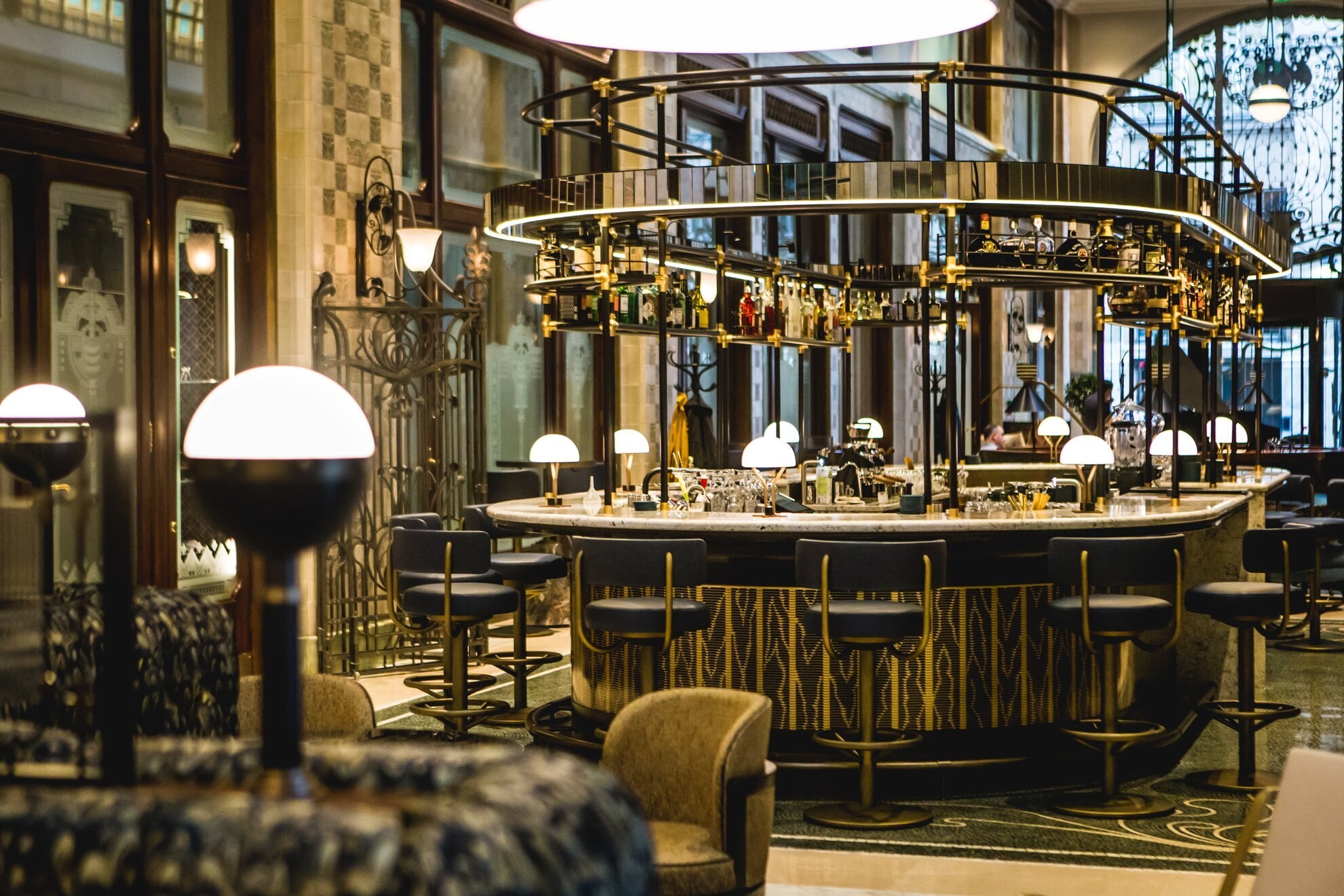
- Art Deco Boutique Hotel with Spacious, Comfortable Rooms in Budapest's City Centre
- Design Style
- Modern and Elegant with Dark Wood Floors, High Ceilings, and Soothing Design
Know before you go
Know Before You Go
- Getting there
- Budapest, Október 6. u. 26, 1051
Planning details
Location
Budapest, Október 6. u. 26, 1051 · Directions
Recognition and awards
Also consider
Also Consider
- Iberostar Grand Hotel Budapest, Notable alternative
- Aurea Ana Palace, Notable alternative
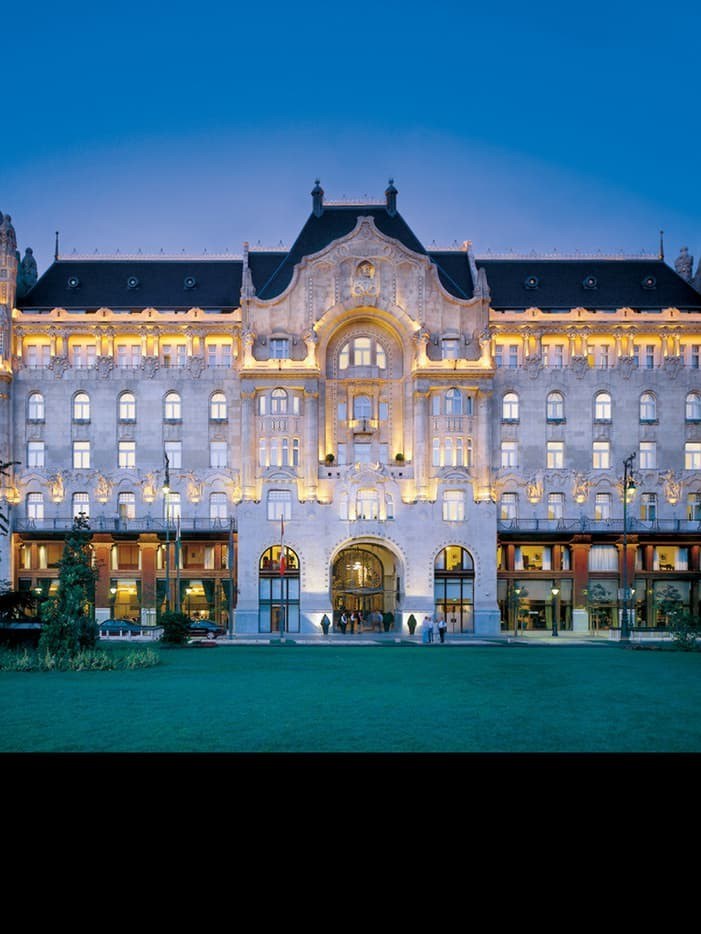
- Four Seasons Hotel Gresham Palace Budapest, Notable alternative
- Aria Hotel Budapest by Library Hotel Collection, Notable alternative
- Hotel Moments Budapest by Continental Group, Notable alternative
Hotel context
How It Compares
Against Iberostar Grand Hotel Budapest and Aurea Ana Palace, Verno House is the sharper choice for travelers who want a current central stay with less emphasis on classic hotel scale. If pricing is close, choose Verno House for a more contemporary-feeling base; choose Iberostar Grand Hotel Budapest or Aurea Ana Palace if the safer play is a more familiar traditional hotel format.
Four Seasons Hotel Gresham Palace Budapest is the cross-shop for travelers who want a major luxury brand and are willing to pay for the broader service expectation that comes with it. Verno House makes more sense when the trip is city-led and the hotel needs to be polished, central, and less formal. For loyalty travelers, Four Seasons-style service recognition may matter more than design preference, so compare benefits before choosing.
Aria Hotel Budapest by Library Hotel Collection and Hotel Moments Budapest by Continental Group are useful backups if Verno House is unavailable or priced too aggressively. Aria is the better cross-shop for travelers who want a more personality-led boutique stay, while Hotel Moments is the practical alternative when the goal is a clean central base and easier value math.
Around this place
Discover more on Pearl
Unlock the full Verno House guide in Pearl, including awards, comparisons, FAQs, planning details, and nearby places.
Compare Verno House
| Venue | Location | Awards |
|---|---|---|
| Verno House | Budapest | 2025 Michelin 1 KeyMichelin 1 Key 2025 |
| Iberostar Grand Hotel Budapest | Budapest | No published awards |
| Aurea Ana Palace | Budapest | No published awards |
| Four Seasons Hotel Gresham Palace Budapest | Budapest | 2026 Virtuoso Luxury Hotel Collection2026 Forbes 5-Star2026 La Liste Top Hotels2025 Forbes 5-Star2025 Michelin 2 KeysFour Seasons Hotels |
| Aria Hotel Budapest by Library Hotel Collection | Budapest | 2026 Virtuoso Luxury Hotel Collection2026 La Liste Top Hotels2025 Michelin Selected Hotels |
| Hotel Moments Budapest by Continental Group | Budapest | No published awards |






How Verno House Budapest compares with similar nearby venues.
FAQ
Frequently Asked Questions
Is Verno House family-friendly?
Check family-specific facilities directly before choosing Verno House for a family stay. It is in Budapest, has a smart casual dress code, and has Michelin 1 Key recognition for 2025. For a broader comparison, consider checking current details at Hotel Moments Budapest by Continental Group as part of your search.
Is Verno House good for business travel?
Verno House may be relevant for a Budapest trip where a recognized stay matters, but check business-specific services before booking. The basis for shortlisting it is its Budapest location, smart casual dress code, and Michelin 1 Key recognition in 2025. Compare current details with Aurea Ana Palace if your decision depends on meeting, work, or service arrangements.
How is the pool and spa at Verno House?
Check pool and spa details directly before making Verno House a wellness-led booking. The key quality signal is Michelin 1 Key recognition for 2025. If wellness amenities are central to the trip, compare current details with Four Seasons Hotel Gresham Palace Budapest before booking.
How is the location of Verno House?
Verno House is in Budapest. Confirm the exact address and transport fit through the venue's official channels before booking. If you want to compare another Budapest stay, Four Seasons Hotel Gresham Palace Budapest is an option to review.