
The Marmorosch Bucharest, Autograph Collection
Old Town, Bucharest
Hotel in Bucharest, Romania
 Book with Pearl
The Read
Belle Époque Banking Conversion
Why go
A central Bucharest pick for travelers who want a historic, design-conscious hotel rather than a basic Old Town stay. The Marmorosch Bucharest, Autograph Collection is strongest for couples, business travelers, and city explorers; compare Moxy Bucharest Old Town for value and InterContinental Athenee Palace Bucharest by IHG for a more conventional grand-hotel feel.
About The Marmorosch Bucharest, Autograph Collection
The Marmorosch Bucharest, Autograph Collection is a Bucharest hotel with Michelin 1 Key recognition for 2025. For travelers comparing premium stays in the city, that recognition is the strongest reason to keep it on the shortlist.
Book it for a Michelin Key stay in Bucharest
The most reliable way to frame The Marmorosch Bucharest, Autograph Collection is simple: it is a Bucharest hotel with Michelin 1 Key recognition in 2025. Specific claims about room categories, facilities, dining, prices, service style, or exact location details are not included here, so the safest planning approach is to confirm those details directly with the hotel before booking.
If you are comparing options, look at The Marmorosch Bucharest, Autograph Collection alongside Moxy Bucharest Old Town, Corinthia Grand Hotel du Boulevard Bucharest, Grand Hotel Bucharest, InterContinental Athenee Palace Bucharest by IHG, and Ecletico Villa. The right choice depends on your dates, rates, loyalty needs, and the current room or package details available from each property.
The dress code is smart casual, which is useful to know if you are planning time at the property and want to pack accordingly.
Who should choose this among Bucharest hotels
Choose The Marmorosch Bucharest, Autograph Collection if the Michelin 1 Key recognition matters to your decision and you want to stay in Bucharest. It is best approached as a premium hotel candidate rather than as a property defined by specifics such as a particular suite strategy, dining program, spa setup, or neighborhood claim.
If your decision is mainly about price, loyalty benefits, room type, or facilities, compare the latest official information for Grand Hotel Bucharest, InterContinental Athenee Palace Bucharest by IHG, Corinthia Grand Hotel du Boulevard Bucharest, Moxy Bucharest Old Town, and Ecletico Villa before committing.
Quick reference: the grounded facts are Bucharest location, smart casual dress code, and Michelin 1 Key recognition in 2025. For anything more specific, check the hotel directly.
Part of
Autograph Collection160 locations on PearlPlanning details
- Location
- Strada Doamnei 2, 030053 București
- Website
- marriott.com/en-us/hotels/buhak-the-marmorosch-bucharest-autograph-collection/overview/?scid=f2ae0541-1279-4f24-b197-a979c79310b0
- Phone
- +40 371 533 100
The take
The Take
The Vibe
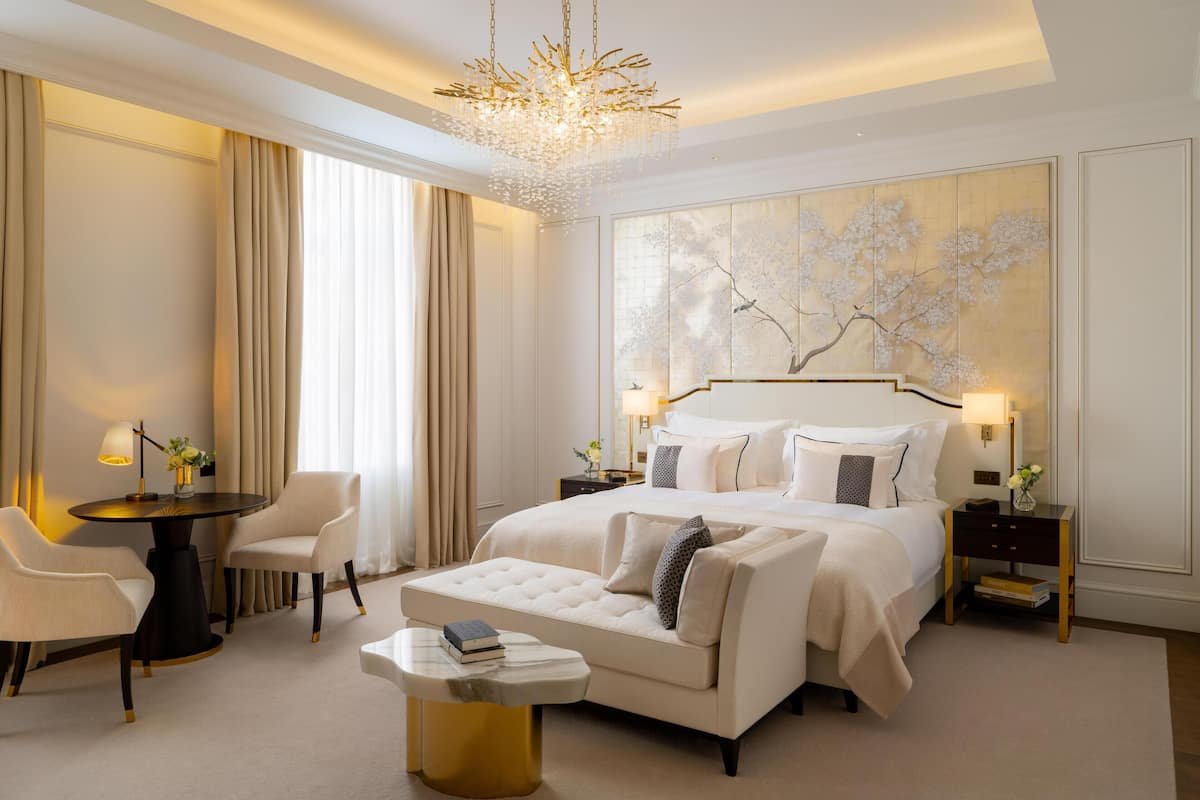
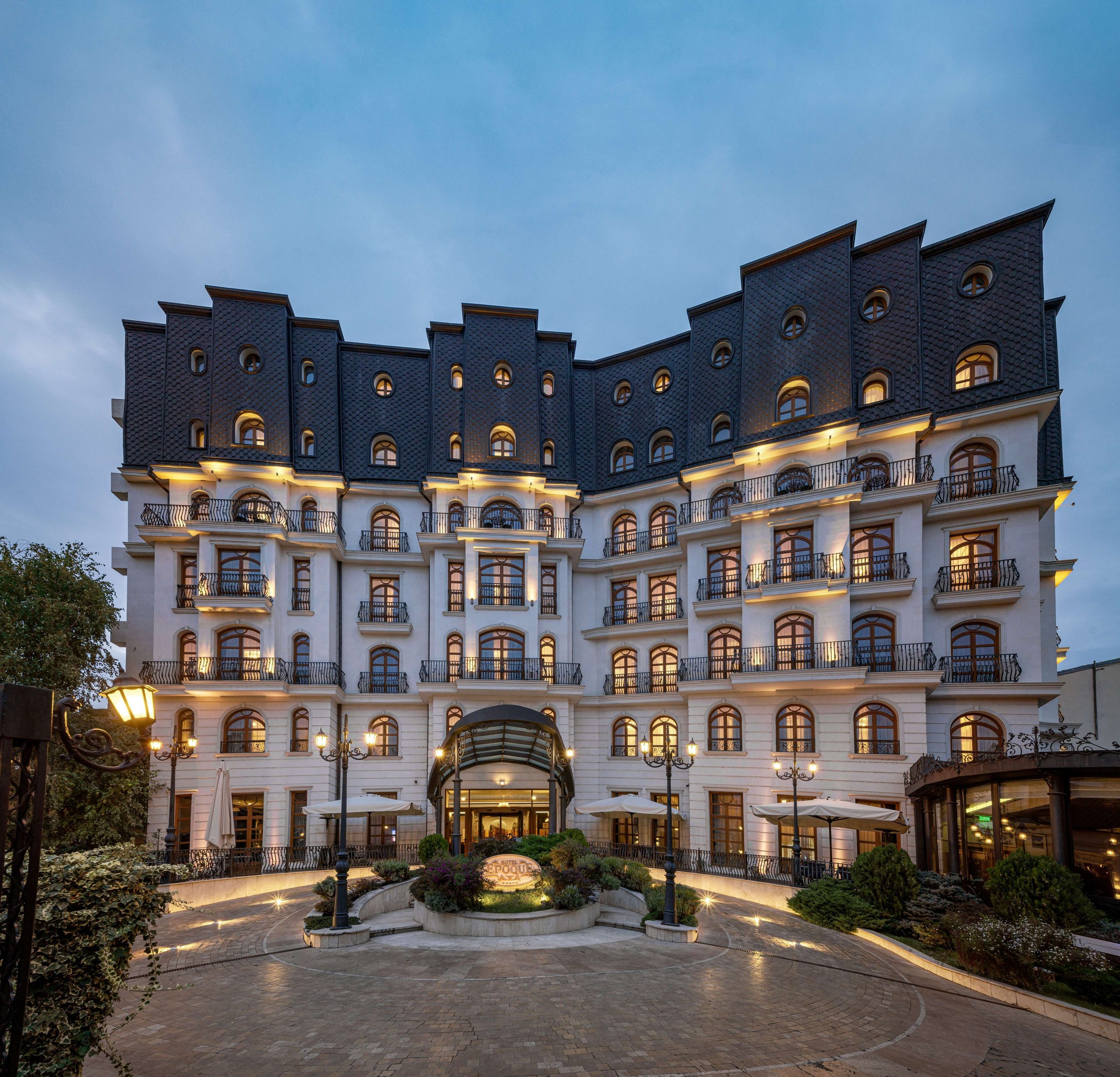
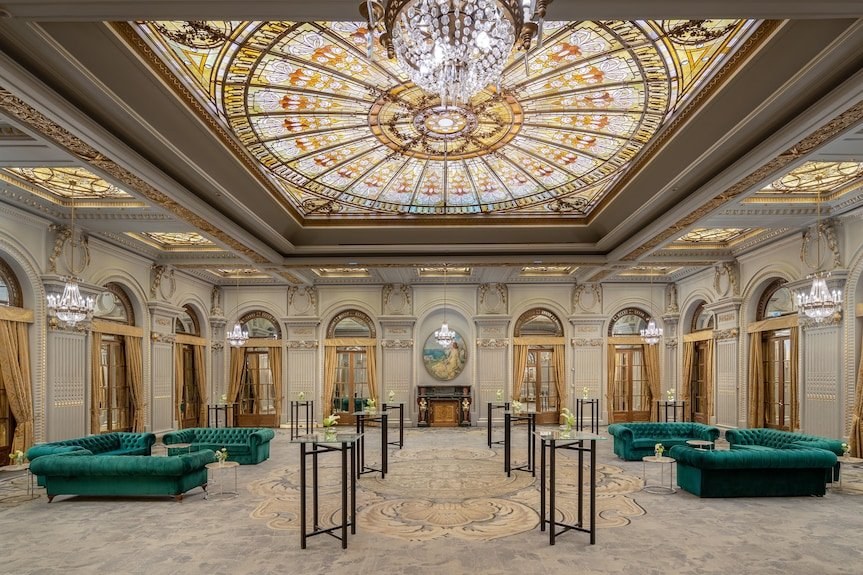
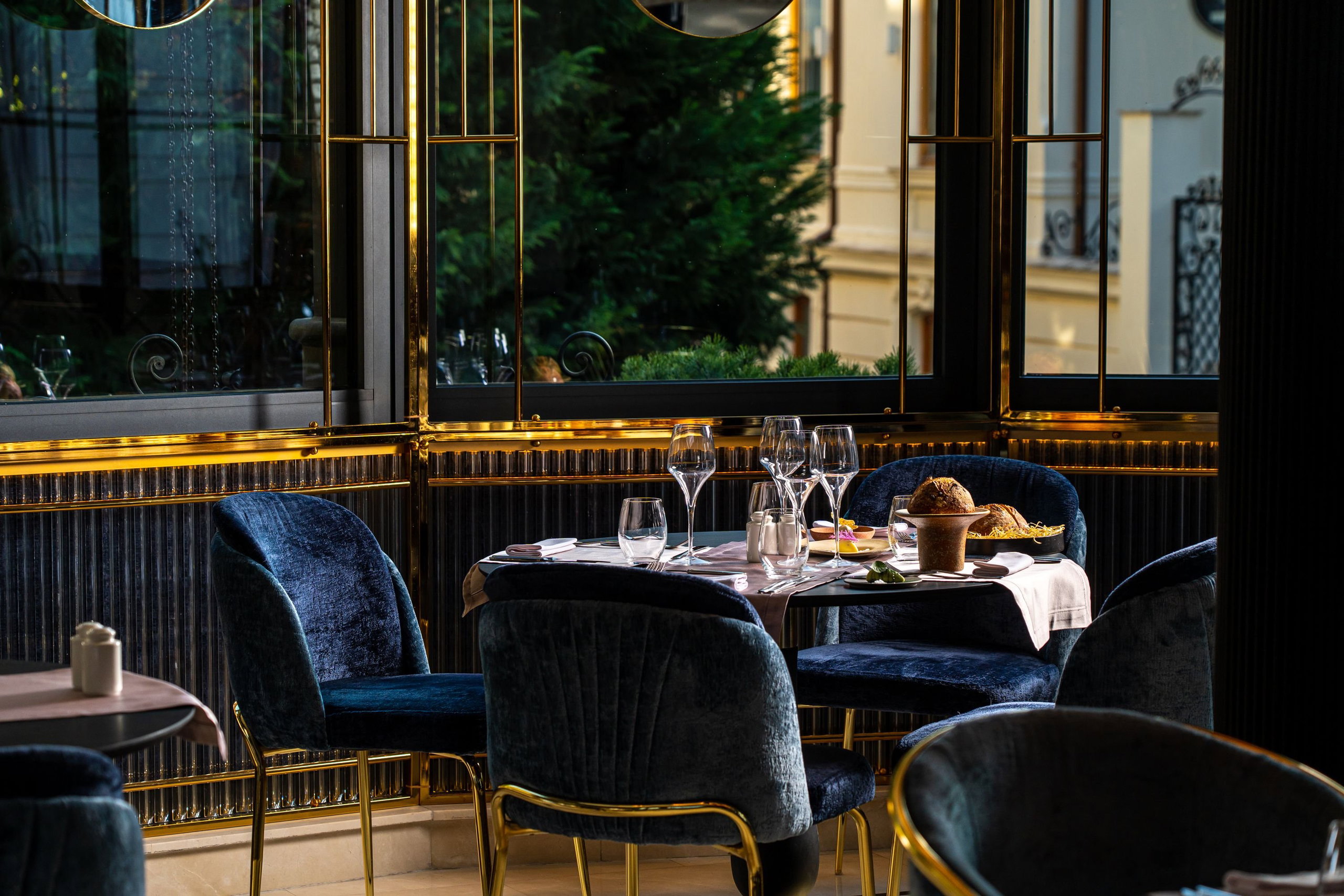
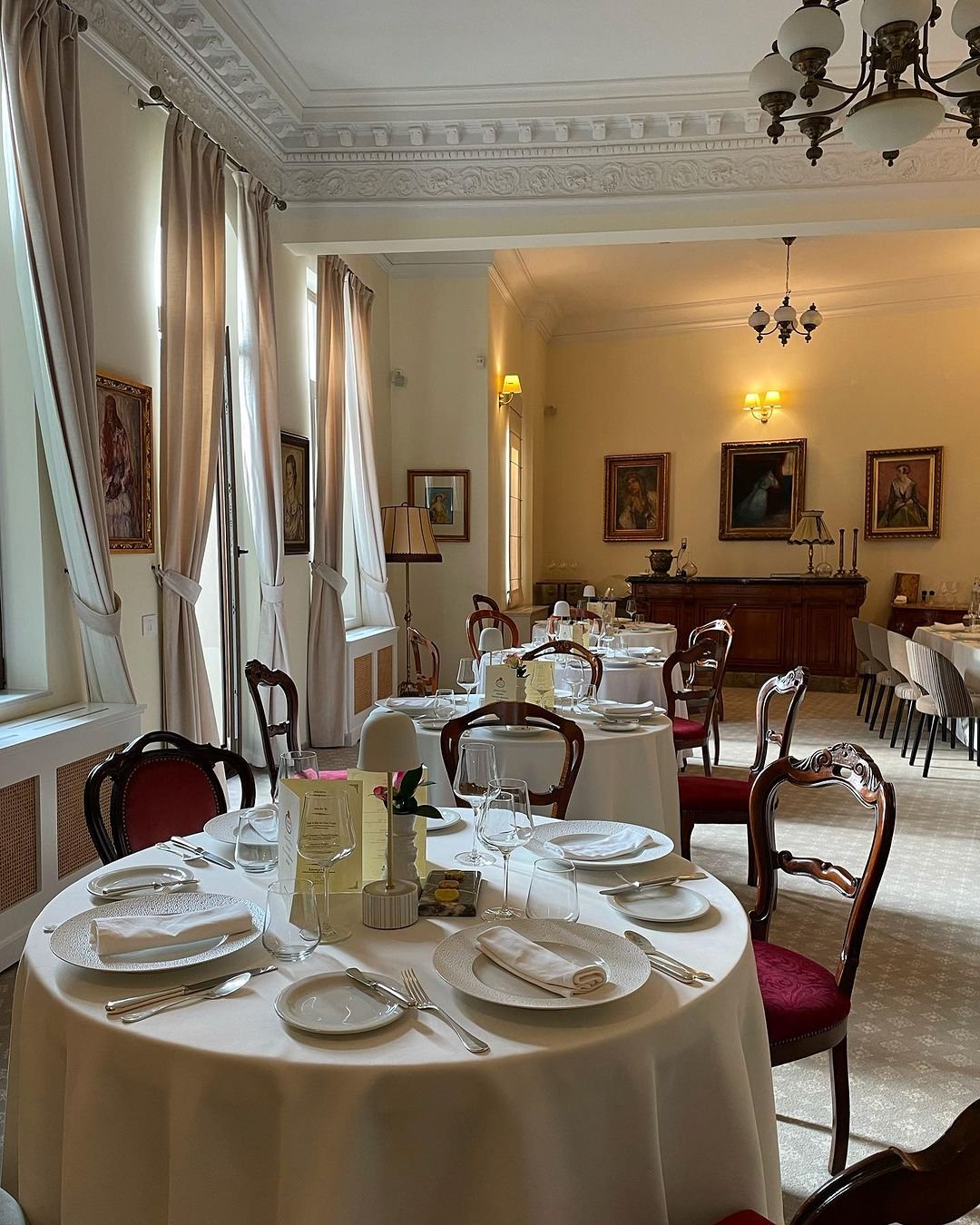
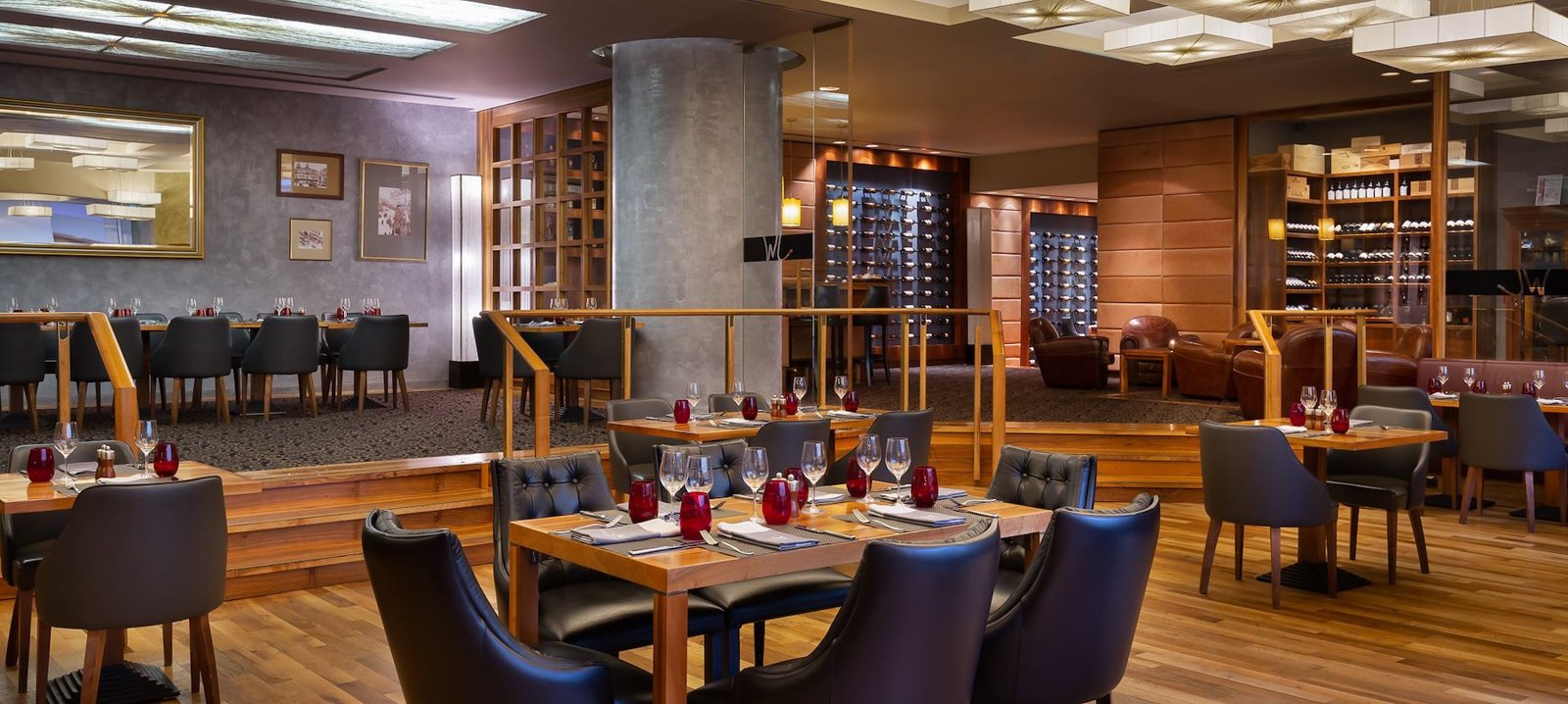
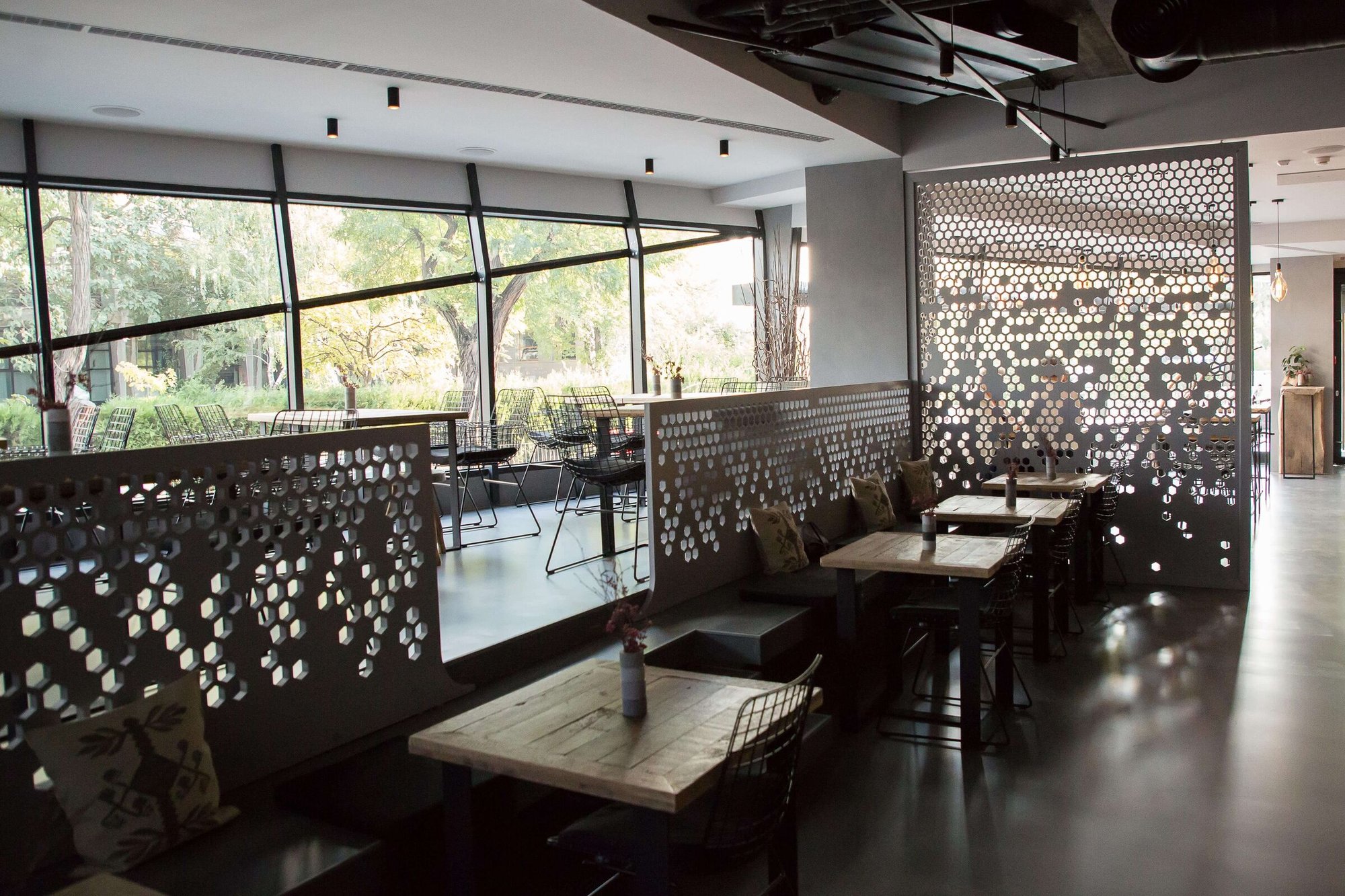
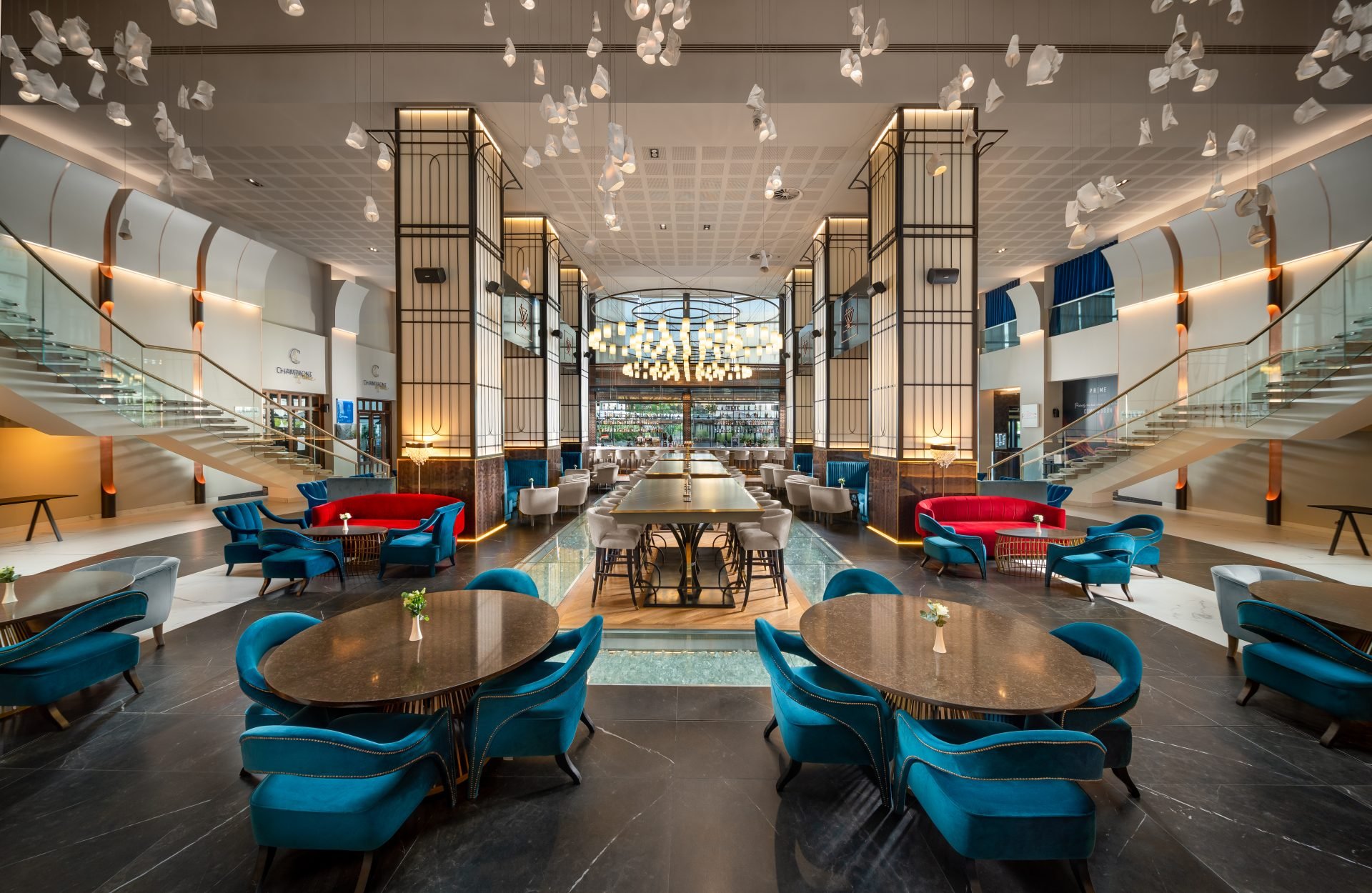
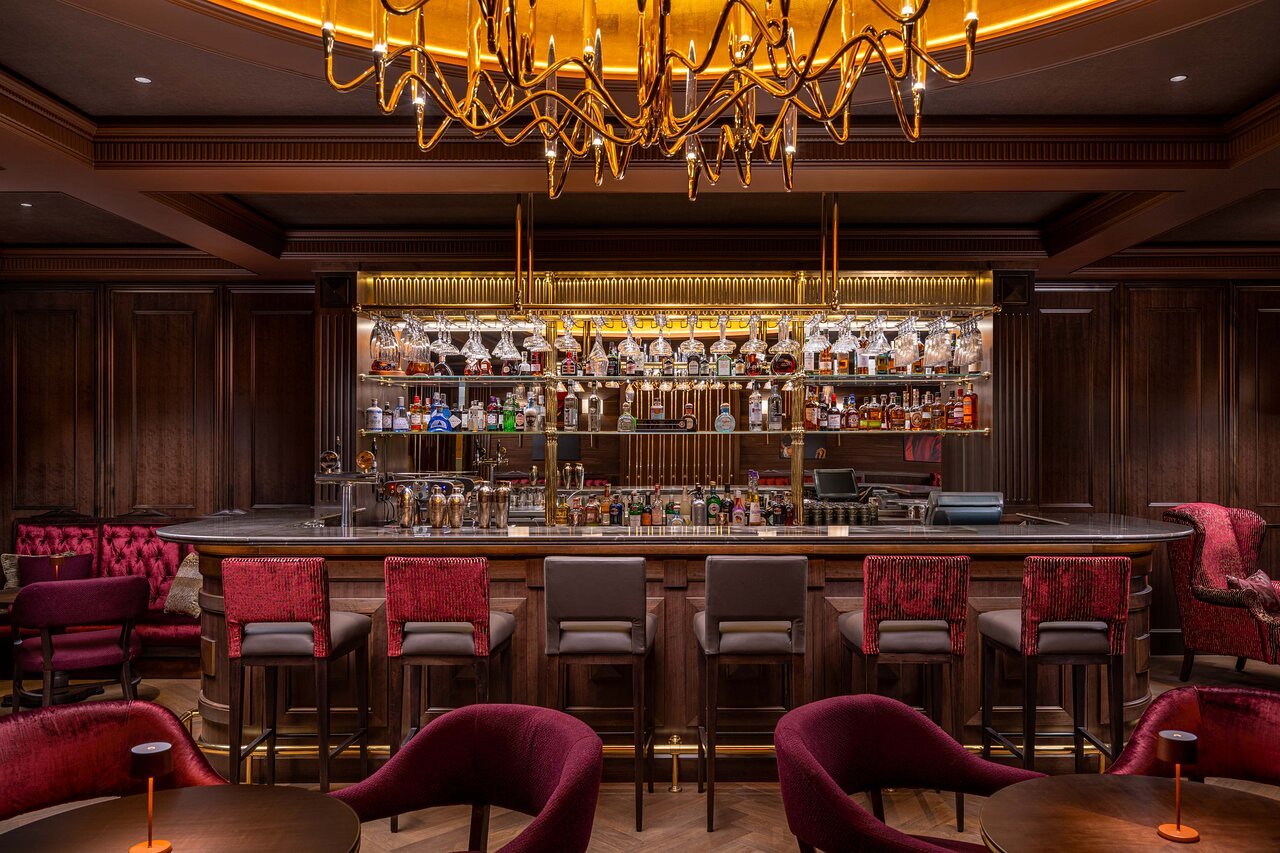
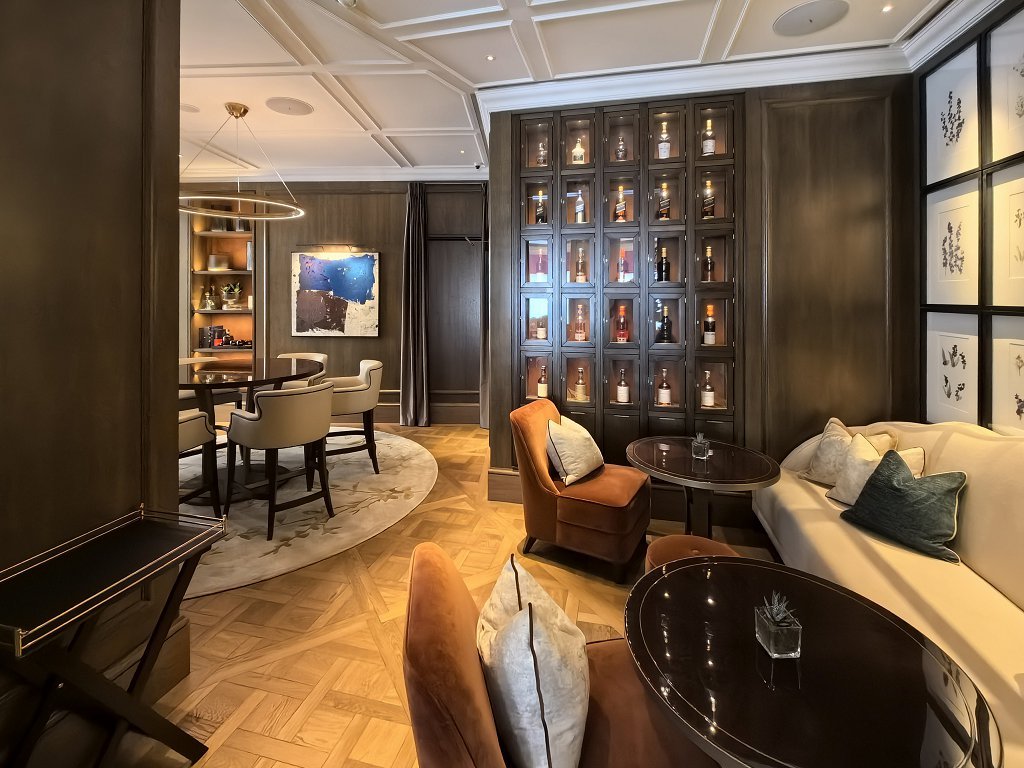
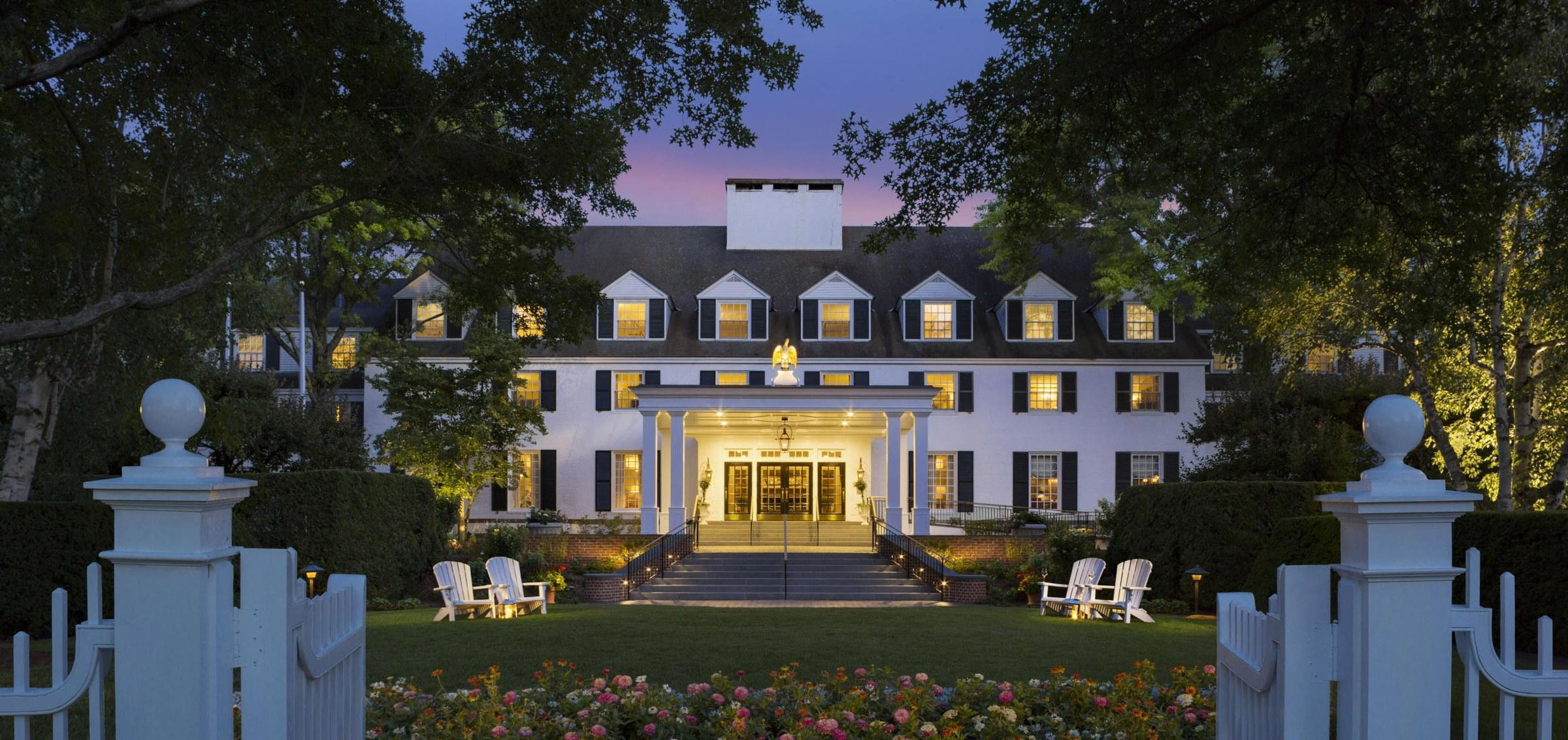
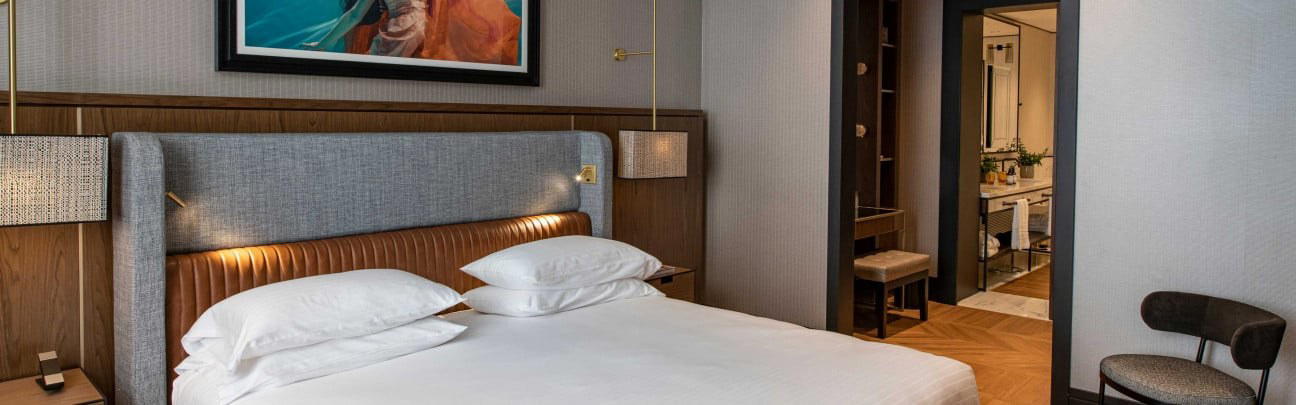
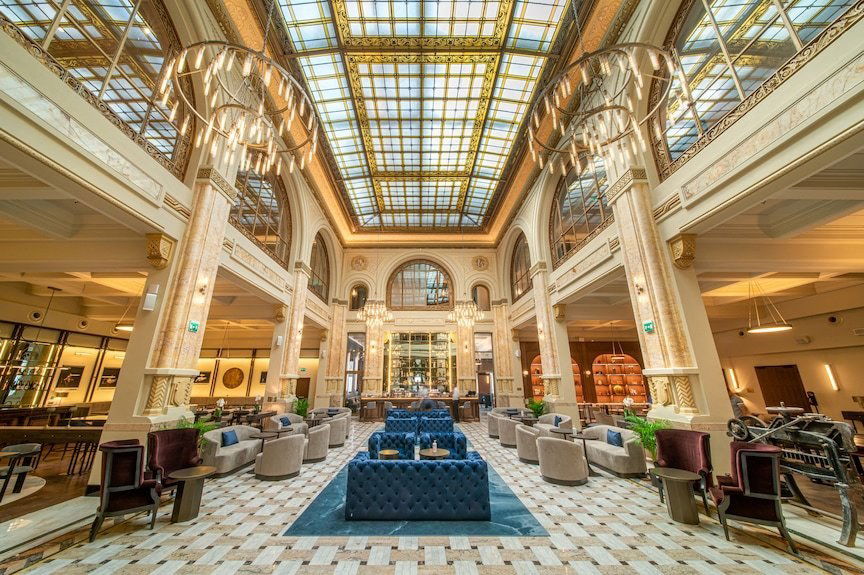
The Marmorosch occupies a restored banking palace and foregrounds its history at every turn. High ceilings, period ornament and a mix of Art Deco and Art Nouveau details give public rooms a theatrical, museum-like quality. Public spaces read less like a busy hotel lobby and more like rooms in a private club, where architectural gesture and material richness take center stage. The Autograph Collection conversion intensifies original character rather than erasing it, producing an experience that feels both monumental and thoughtfully curated—a design-forward destination anchored in the city's heritage.
Best For
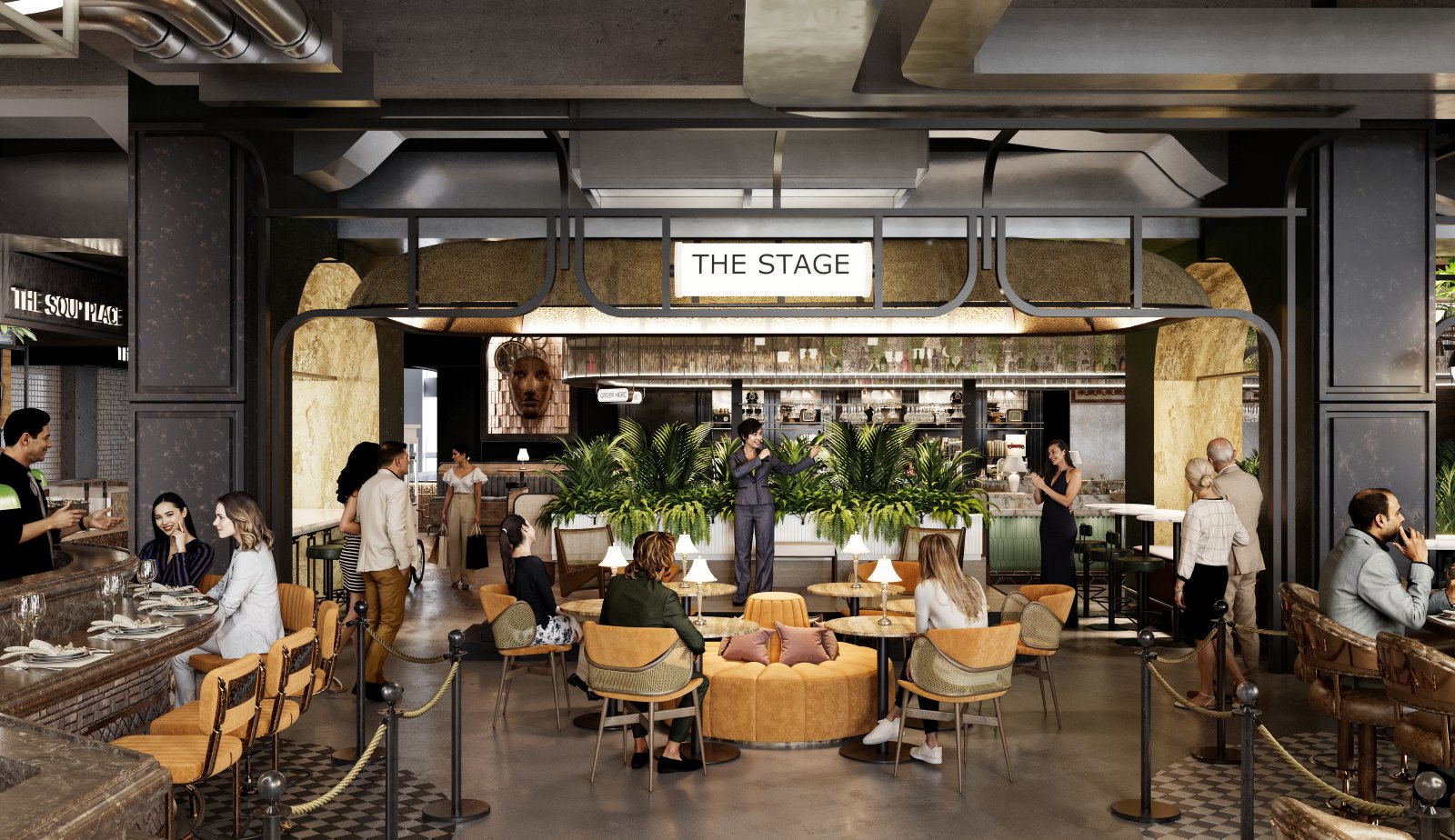
This hotel is best for travelers who prize architecture and atmospheric heritage over anonymous tower lodging. It suits guests on business who want a premium, characterful alternative to conference hotels, and for couples or small groups seeking a memorable, design-led stay in Old Town. With 217 rooms and a sequence of theatrically appointed public spaces, the property also appeals to visitors who value convivial, club-like gathering areas where the building itself is the main attraction.
Venue details
Ambiance
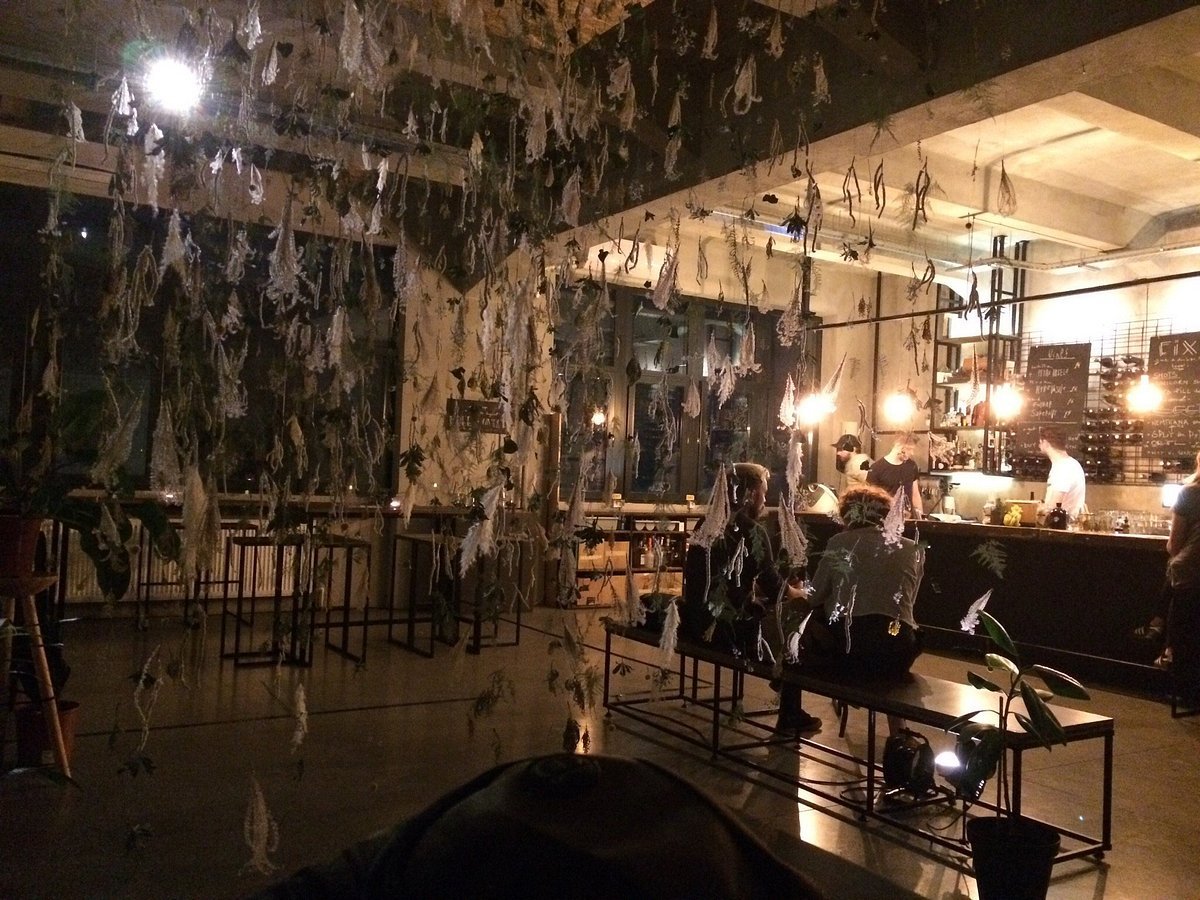
Elegant and enchanting atmosphere with impeccable cleanliness, ballroom-like lobby, and a sense of historical grandeur blended with modern luxury.
Tags
Vibe
Best For
Experience
Amenities
View
Accessibility
About the Stay
- Rooms
- 217
- Check-in
- 15:00
- Check-out
- 12:00
- Property Style
- Historic Art Deco Luxury Hotel Reliving Bucharest's Golden Age
- Design Style
- Art Deco with Sophisticated Modern Touches
Know before you go
Know Before You Go
- Getting there
- Strada Doamnei 2, 030053 București
Planning details
Location
Recognition and awards
Also consider
If you cannot get your dates
Book InterContinental Athenee Palace Bucharest by IHG if you still want a formal central Bucharest hotel. Choose Moxy Bucharest Old Town if price and location matter more than a luxury-room experience.
Hotel context
How it compares in Bucharest
The Marmorosch Bucharest, Autograph Collection is the better choice if you want a central hotel with a more distinctive historic-building feel and enough polish to justify planning around it. Moxy Bucharest Old Town is the value counterpoint: easier to justify for short stays, friend groups, and travelers who will spend little time in the room.
Corinthia Grand Hotel du Boulevard Bucharest and InterContinental Athenee Palace Bucharest by IHG are the more formal cross-shops. Choose them if you want a classic grand-hotel mood and a more traditional luxury frame; choose The Marmorosch if you want something central with a stronger sense of place.
Grand Hotel Bucharest is the safer mainstream alternative when availability or rate is the deciding factor. Ecletico Villa is the small-stay alternative for guests who would rather trade scale for a quieter, more personal setup.
Explore Bucharest
Around this place
Discover more on Pearl
Unlock the full The Marmorosch Bucharest, Autograph Collection guide in Pearl, including awards, comparisons, FAQs, planning details, and nearby places.
Compare The Marmorosch Bucharest, Autograph Collection
| Venue | Location | Awards |
|---|---|---|
| The Marmorosch Bucharest, Autograph Collection | Bucharest | 2026 Michelin 1 KeyMichelin 1 Key 20252025 Michelin 1 Key |
| Corinthia Grand Hotel du Boulevard Bucharest | Bucharest | 2026 Virtuoso Luxury Hotel Collection2026 Travel + Leisure It List HotelsAFAR 40 Best New Hotels 20262026 Michelin 2 Keys2025 Michelin 2 Keys |
| Moxy Bucharest Old Town | Bucharest | No published awards |
| Grand Hotel Bucharest | Bucharest | No published awards |
| Ecletico Villa | Bucharest | No published awards |
| InterContinental Athenee Palace Bucharest by IHG | Bucharest | 2026 Michelin 1 KeyWorld Luxury Hotel Awards 20252025 Michelin 1 Key |






How The Marmorosch Bucharest, Autograph Collection Review: Michelin 1 Key Bucharest Stay compares with similar nearby venues.
FAQ
Frequently Asked Questions
Which room category is best at The Marmorosch Bucharest, Autograph Collection?
No specific room category guidance is included here. Choose based on the current room descriptions, rates, and cancellation terms shown by the hotel for your dates.
Is The Marmorosch Bucharest, Autograph Collection good for business travel?
It may be worth considering for a Bucharest business stay, especially if Michelin 1 Key recognition matters to your hotel choice. Specific business facilities or services are not included here, so confirm meeting, workspace, and transport needs directly with the hotel.
What is check-in like at The Marmorosch Bucharest, Autograph Collection?
No specific check-in experience or arrival process is included here. Check the hotel's official information for current check-in times, policies, and any arrival requirements.
Do loyalty programs work at The Marmorosch Bucharest, Autograph Collection?
No specific loyalty-program benefit is included here. Because the hotel is named as The Marmorosch Bucharest, Autograph Collection, travelers who care about points or status should confirm current eligibility and benefits through the official booking channel.
How is the location of The Marmorosch Bucharest, Autograph Collection?
The location is Bucharest. If location is central to your decision, compare the current official information for The Marmorosch Bucharest, Autograph Collection with Moxy Bucharest Old Town, Grand Hotel Bucharest, InterContinental Athenee Palace Bucharest by IHG, Corinthia Grand Hotel du Boulevard Bucharest, and Ecletico Villa.