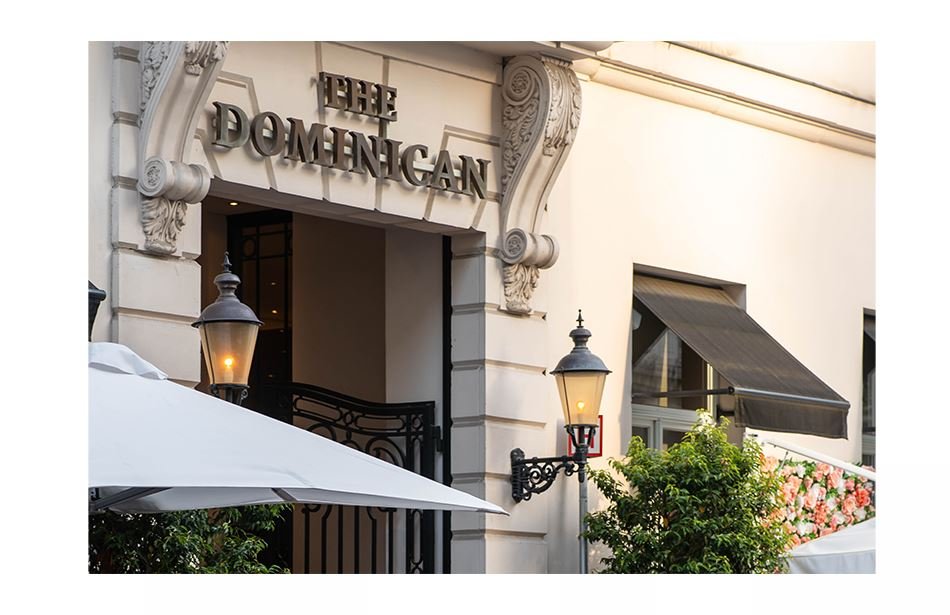


The Dominican
Pl. de Brouckere, Brussels
Hotel in Brussels, Belgium
 Book with Pearl
The Read
Price
$100–200per night
Why go
The Dominican is worth shortlisting if you want a central Brussels hotel with design credibility and a less corporate feel than the obvious business options. It is a better fit for couples, solo travelers, and style-conscious work trips than for guests who want grand-hotel service depth or resort-style facilities.
About The Dominican
For The Dominican in Brussels, the key signals are direct: it is listed as a 2026 Design Hotels member and appears in the MICHELIN Guide hotel selection for 2025. Those recognitions are useful, but they should not be stretched into claims about specific facilities, service style, room categories, pricing, or location details beyond Brussels.
The safest way to evaluate this hotel is to decide whether those hotel-selection and design-hotel signals match the kind of Brussels stay you want. The confirmed dress code is smart casual. Beyond that, travelers should check current booking information directly for room types, amenities, services, and practical details before committing.
A design-recognized Brussels hotel
The Dominican is best described here as a Brussels hotel with recognition from Design Hotels and the MICHELIN Guide hotel selection. That is enough to make it relevant for travelers comparing characterful hotel options in the city, but not enough to support more specific claims about neighborhood, facilities, dining, or guest experience.
If you are comparing hotels in Brussels, consider The Dominican alongside Juliana Hotel Brussels, Radisson Collection Hotel, Grand Place Brussels, Hotel des Galeries, and Craves. Use those comparisons to check current rates, room availability, and the practical details that matter for your trip.
Who should book, and who should cross-shop
Book The Dominican if you are looking for a Brussels hotel with design-hotel recognition and a MICHELIN Guide hotel selection. The confirmed smart-casual dress code also gives a basic sense of the tone to expect, without implying a formal luxury setting.
Cross-shop if your decision depends on specifics such as room size, on-site facilities, dining, family services, accessibility, or business amenities. Juliana Hotel Brussels, Radisson Collection Hotel, Grand Place Brussels, Hotel des Galeries, and Craves are natural names to review when comparing Brussels hotel options.
Quick reference: choose this for The Dominican's Brussels setting, Design Hotels membership, MICHELIN Guide hotel selection, and smart-casual dress code.
Planning details
- Location
- Rue Léopold, 9, Brussels 1000, Belgium
- Website
- marriott.com/hotels/travel/BRUDD
- Phone
- +32 2 2030808
The take
The Take
The Vibe
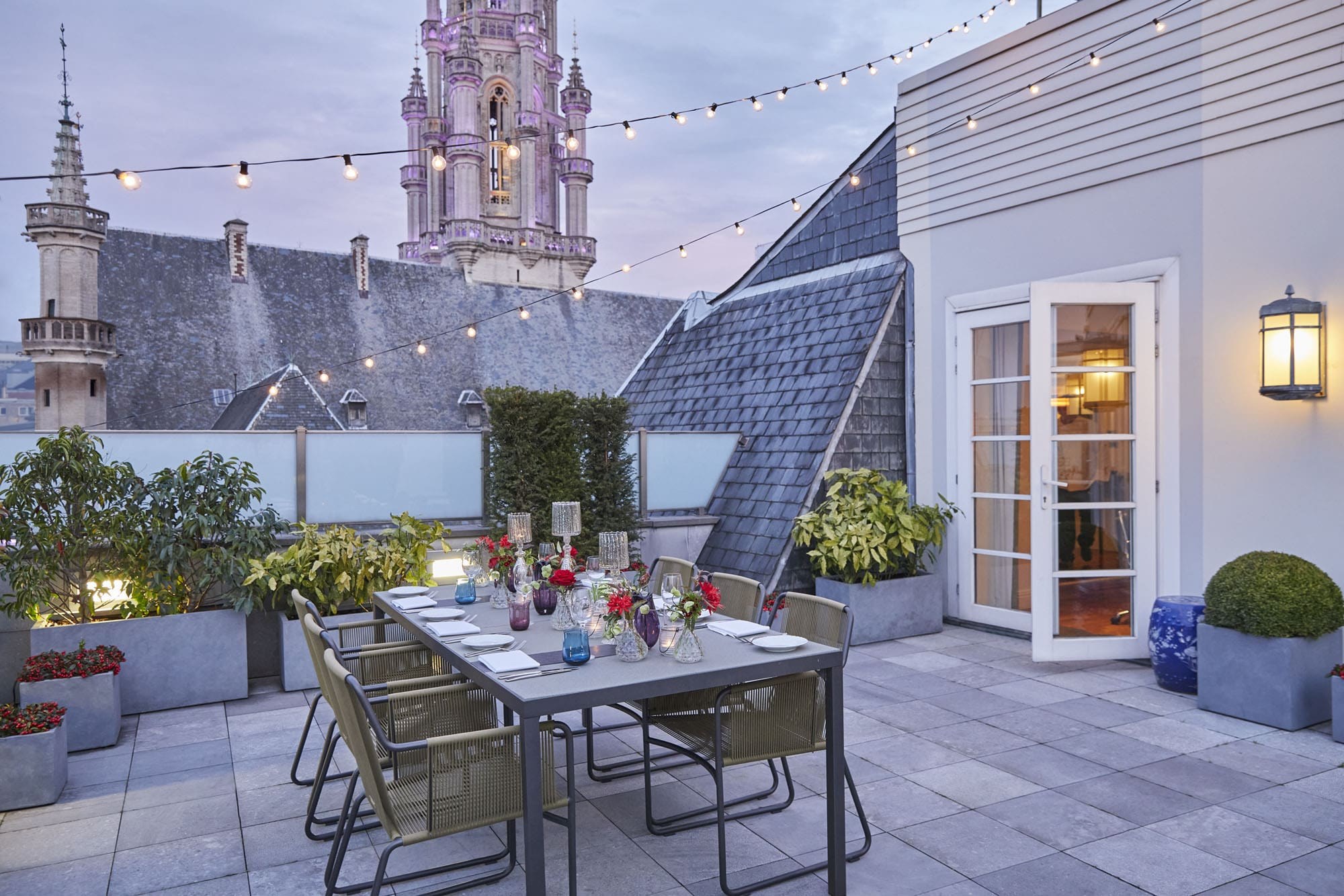
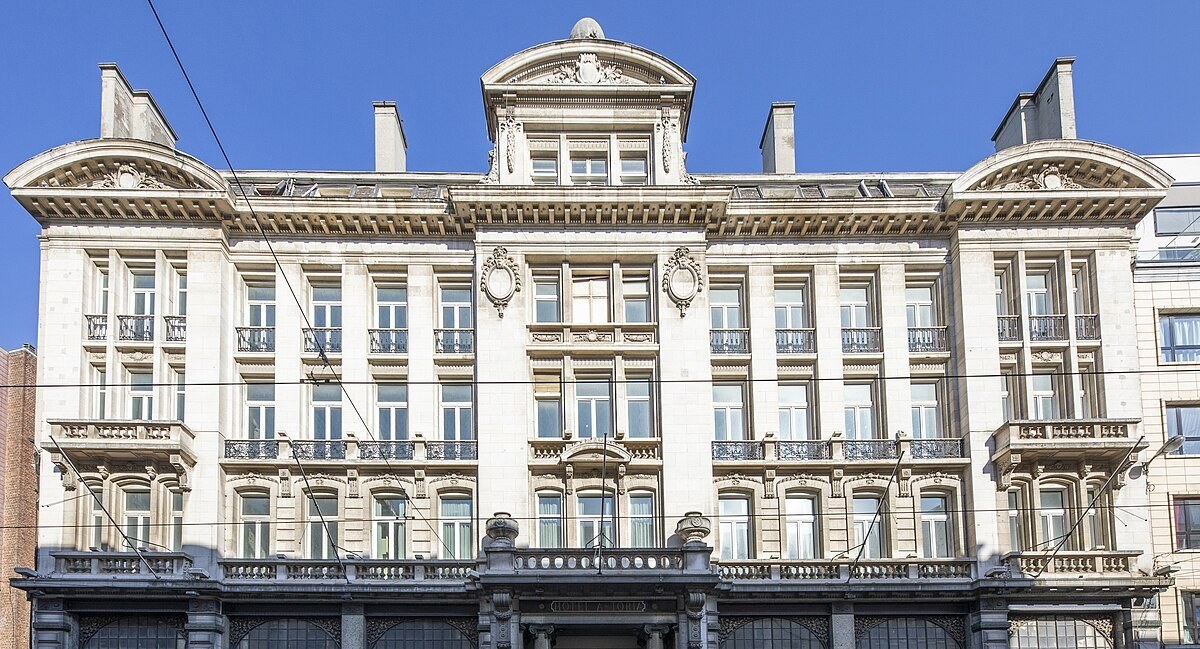
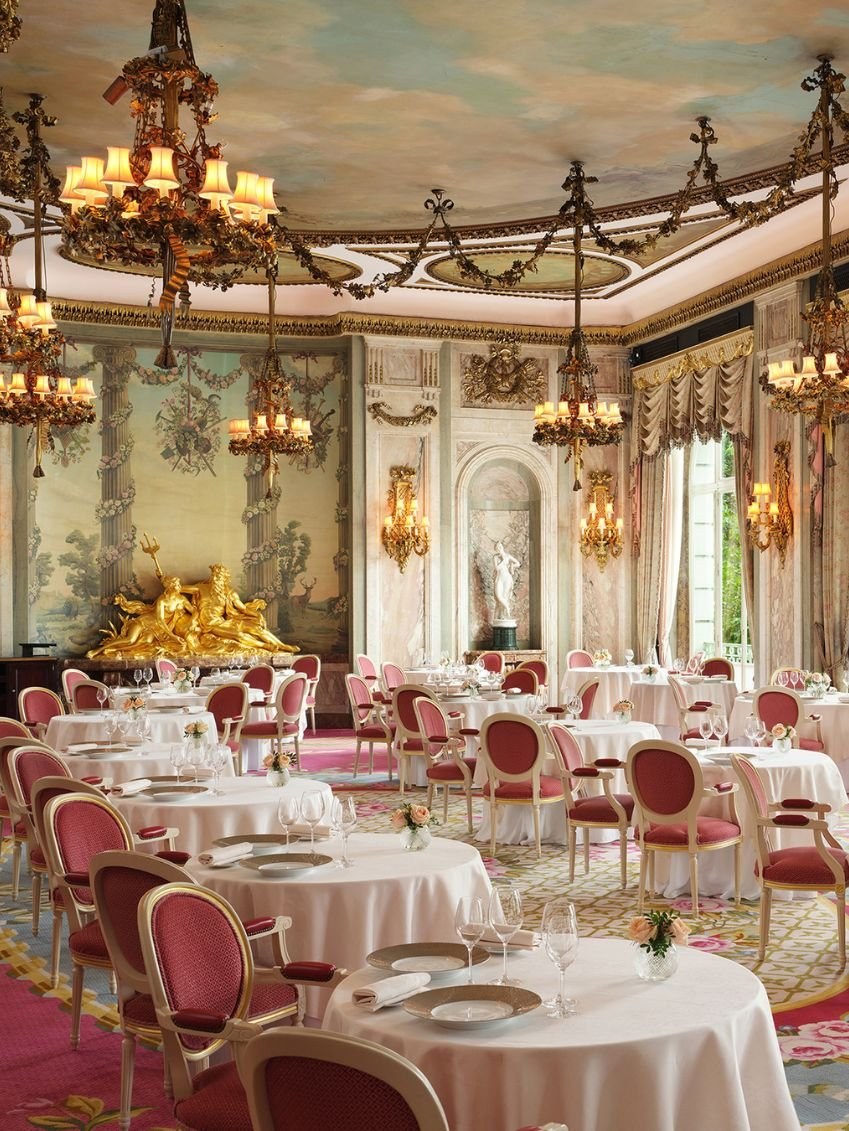
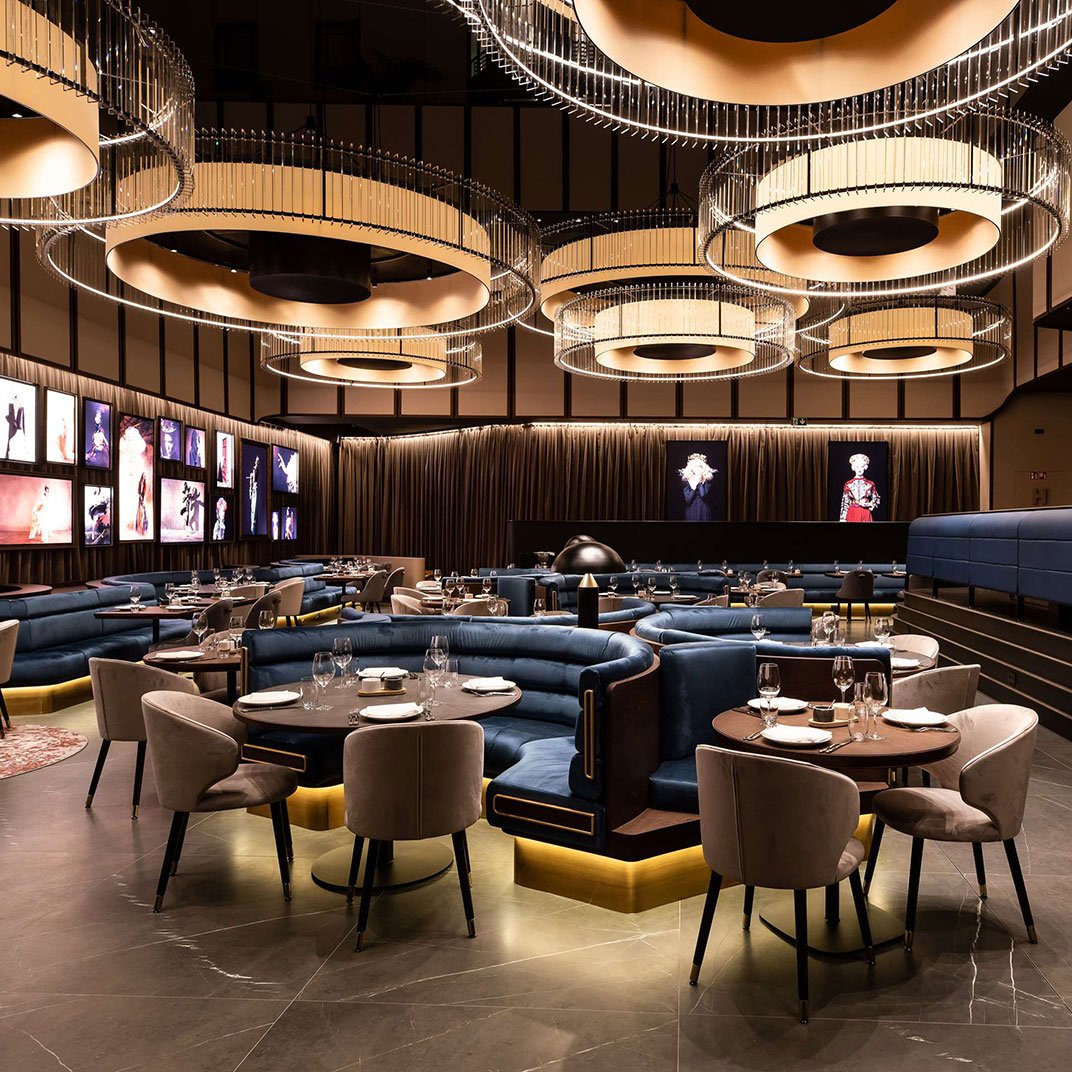
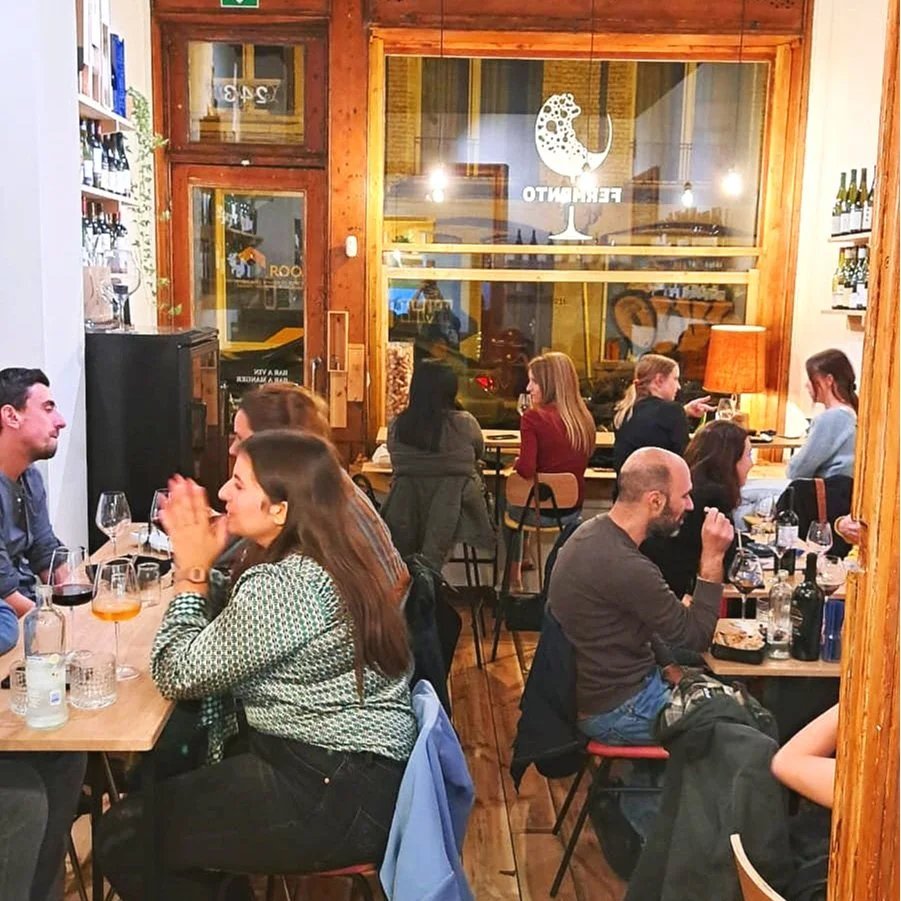
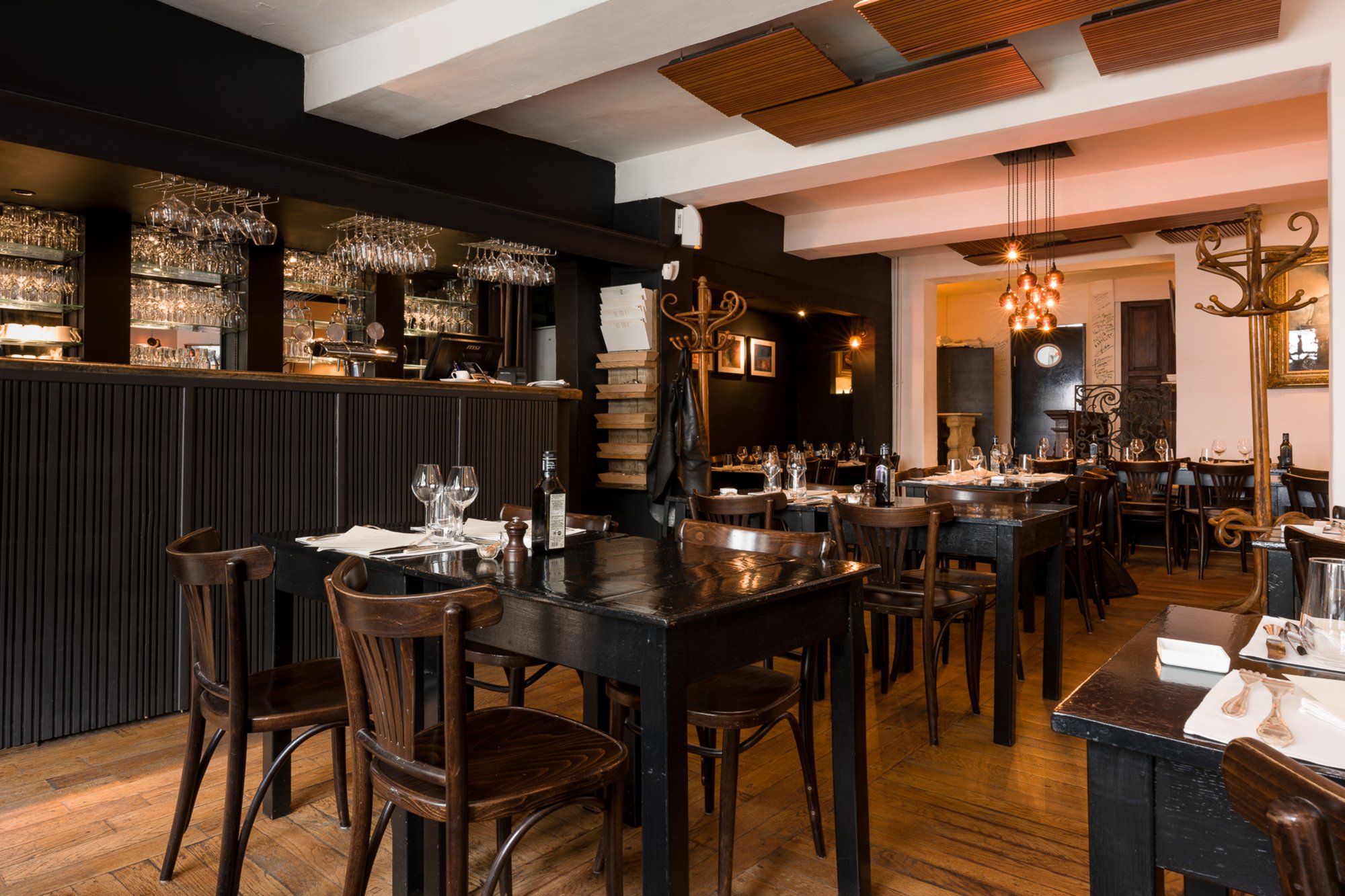
The Dominican occupies a restored abbey in Brussels, and the building’s original fabric dictates the mood. Soaring ceilings, exposed stone floors and a layout meant for contemplation produce a dramatic stillness that feels deliberate rather than staged. Public spaces emphasize vertical scale and quiet presence, so the hotel reads as a restrained, historic refuge within the city rather than a flashy urban resort. Service and operations are pitched to a specialist, upper‑bracket audience, keeping the atmosphere intimate and measured — an experience where architecture, light and silence are the principal design gestures.
Best For
This is a hotel for travelers who prioritize atmosphere and architecture. Its converted‑abbey setting and boutique scale suit couples on romantic getaways, professionals seeking a quietly distinctive business stay, and weekend guests who want a contemplative retreat in City Centre Brussels. The property leans toward the specialist end of the market rather than full‑service luxury, so visitors who value preserved historic character and vertical drama over bells‑and‑whistles programming get the clearest payoff from a stay here.
Venue details
Ambiance
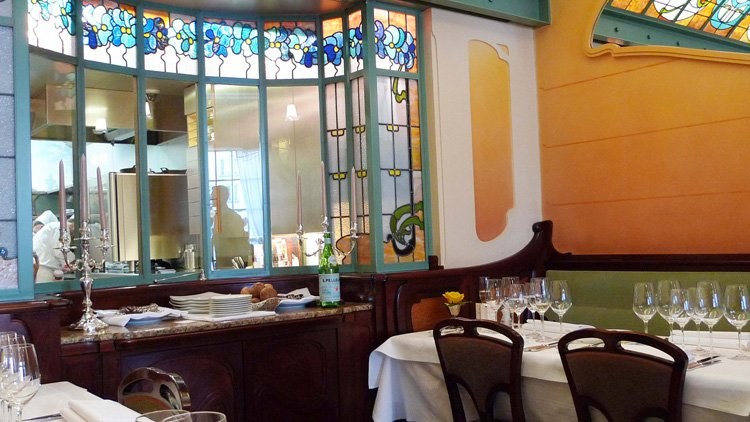
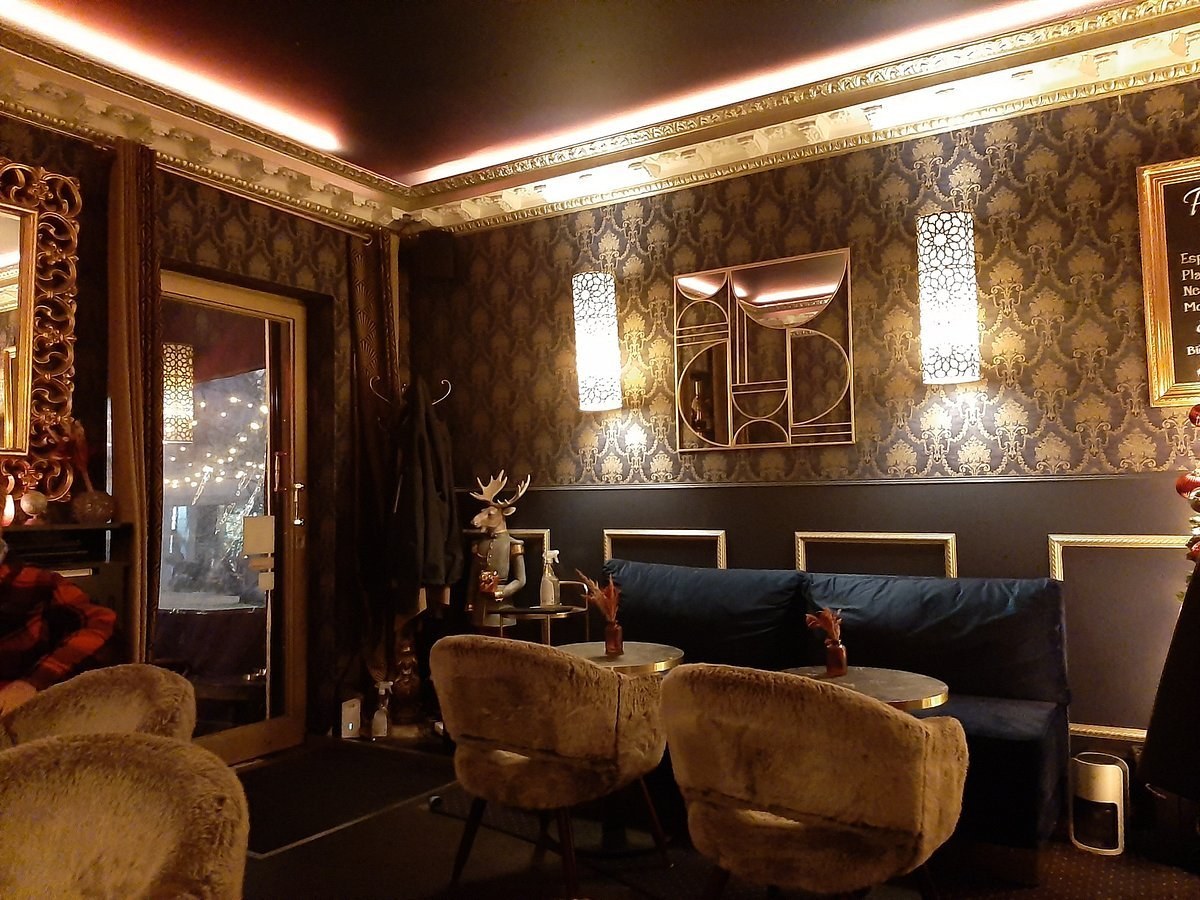
Tranquil and elegant with relaxing Gregorian chant ambiance, comfortable lighting, and a warm, sophisticated atmosphere praised in guest reviews.
Tags
Vibe
Best For
Experience
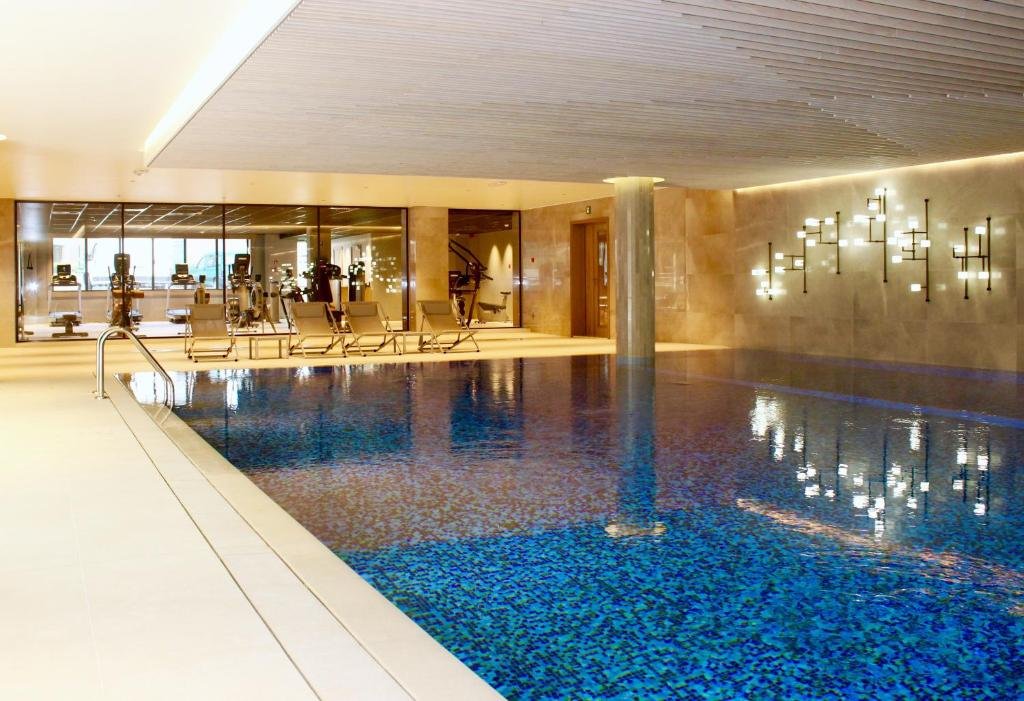
Amenities
View
Accessibility
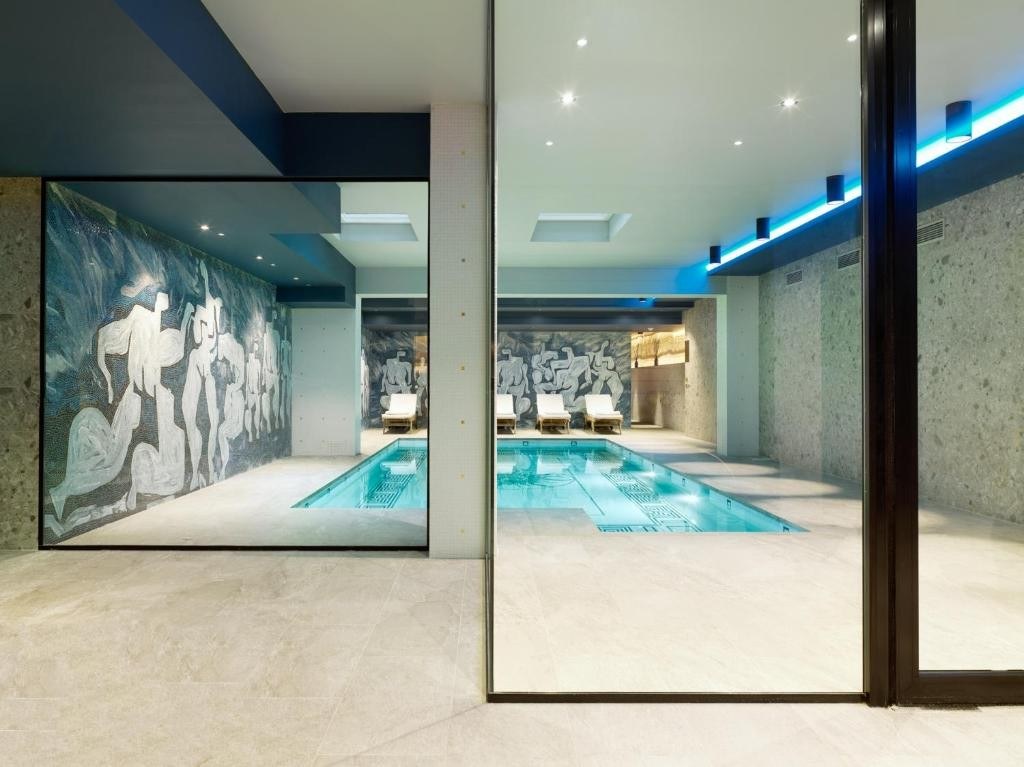
About the Stay
- Rooms
- 150
- Check-in
- 15:00
- Check-out
- 12:00
- Property Type
- Design hotel
- Property Style
- Timeless Deluxe Design Hotel Poised as a Destination for Elegance in Brussels City Centre.
- Design Style
- Masculine Clean Lined Furnishings in Sober Chocolates and Creams with Flashes of Colour.
- Spa
- Yes
Know before you go
Know Before You Go
- Getting there
- Rue Léopold, 9, Brussels 1000, Belgium
Planning details
Location
Recognition and awards
Also consider
Also Consider
- Radisson Collection Hotel, Grand Place Brussels, Notable alternative
- Radisson Collection Hotel, Grand Place Brussels, Notable alternative
- Hotel des Galeries, Notable alternative
- Craves, Notable alternative
- Juliana Hotel Brussels, Notable alternative
Hotel context
How The Dominican compares in Brussels
The Dominican is the design-led middle path: more character-driven than Radisson Collection Hotel, Grand Place Brussels, but less overtly luxury-coded than Juliana Hotel Brussels. Choose it if ambiance and central-city personality matter more than a big-hotel feel. Choose Radisson Collection if the trip is mainly business and predictability matters more than mood.
Hotel des Galeries is the closer cross-shop for travelers who like smaller hotels and want a more intimate Brussels stay. The Dominican is the safer pick if you want a more substantial hotel setup; Hotel des Galeries is the better fit if scale and a tucked-in city feel are the point. Craves is the practical alternative for travelers who want Brussels centrality without paying primarily for design-hotel positioning.
Booking difficulty is likely less of a hurdle here than at a small room-count boutique property, so The Dominican is a sensible first choice when the trip dates are fixed. If the budget allows and the goal is a more polished luxury stay, check Juliana Hotel Brussels; if the goal is business convenience, check Radisson Collection Hotel, Grand Place Brussels.
Explore Brussels
Around this place
Discover more on Pearl
Unlock the full The Dominican guide in Pearl, including awards, comparisons, FAQs, planning details, and nearby places.
Compare The Dominican
| Venue | Location | Awards |
|---|---|---|
| The Dominican | Brussels | 2026 Design Hotels Collection2025 Michelin Selected Hotels |
| Radisson Collection Hotel, Grand Place Brussels | Pl De Brouckere | No published awards |
| Radisson Collection Hotel, Grand Place Brussels | Brussel | No published awards |
| Hotel des Galeries | Pl De Brouckere | No published awards |
| Craves | Brussels | No published awards |
| Juliana Hotel Brussels | Brussels | 2026 Forbes Recommended2026 Michelin 2 Keys2025 Michelin 2 Keys2025 Forbes RecommendedSmall Luxury Hotels Member 2025 |




How The Dominican Brussels Hotel Review compares with similar nearby venues.
FAQ
Frequently Asked Questions
Is The Dominican good for business travel?
It may be worth considering for a Brussels business trip, but specific business facilities are not detailed here. The confirmed facts are its Brussels location, smart-casual dress code, 2026 Design Hotels membership, and 2025 MICHELIN Guide hotel selection. If you need particular work amenities, compare current details with Radisson Collection Hotel, Grand Place Brussels before booking.
How is the location of The Dominican?
The location information here is simply Brussels. Specific street, neighborhood, district, or landmark claims are not included, so travelers should check the current address and transport details directly before booking.
How does The Dominican compare to nearby hotels?
Choose The Dominican if its Design Hotels membership and MICHELIN Guide hotel selection are important to you. For a broader comparison, review current details for Radisson Collection Hotel, Grand Place Brussels, Juliana Hotel Brussels, Hotel des Galeries, and Craves, especially if your choice depends on amenities, room types, or services.
Is The Dominican family-friendly?
Family-specific services are not detailed here. The confirmed information is that The Dominican is in Brussels, has a smart-casual dress code, is a 2026 Design Hotels member, and is selected in the 2025 MICHELIN Guide hotel selection. Families should confirm room layouts and relevant services directly before booking.
Which room category is best at The Dominican?
No specific room inventory or room-category details are provided. Choose based on the current room descriptions, space needs, and booking terms shown by the hotel or your reservation platform.