
Dormy House Hotel
Broadway
Hotel in Broadway, United Kingdom
 Book with Pearl
The Read
North Cotswolds Country House Dining
Why go
Dormy House Hotel is a strong pick for a first Cotswolds stay if countryside quiet matters more than being in the middle of Broadway. Its 2025 Small Luxury Hotels of the World membership gives it a useful quality signal; cross-shop The Lygon Arms for village-centre access or The Fish Hotel for a more relaxed hilltop alternative.
About Dormy House Hotel
Dormy House Hotel is a Broadway hotel to shortlist if you want a stay anchored by a clearly recognised affiliation. The confirmed point here is its Small Luxury Hotels of the World membership in 2025.
It is best considered a Broadway hotel with confirmed Small Luxury Hotels of the World membership. Compare it with other nearby options based on your own priorities and the most current information from each hotel.
Choose it for a Broadway hotel with a recognised affiliation
For first-timers comparing Broadway stays, the clearest trust signal is Dormy House Hotel's Small Luxury Hotels of the World membership in 2025. That makes it a relevant name to include when building a shortlist, especially if you prefer to start with hotels that have a recognised affiliation.
The smarter move is to judge it by confirmed basics and then check current details directly. Travellers comparing hotel styles in and around Broadway may also want to look at Abbots Grange Manor House, Foxhill Manor, The Fish Hotel, The Lygon Arms, and Cotswold House Hotel. For broader planning, use our full Broadway hotels guide alongside our full Broadway restaurants guide.
Inside Dormy House Hotel
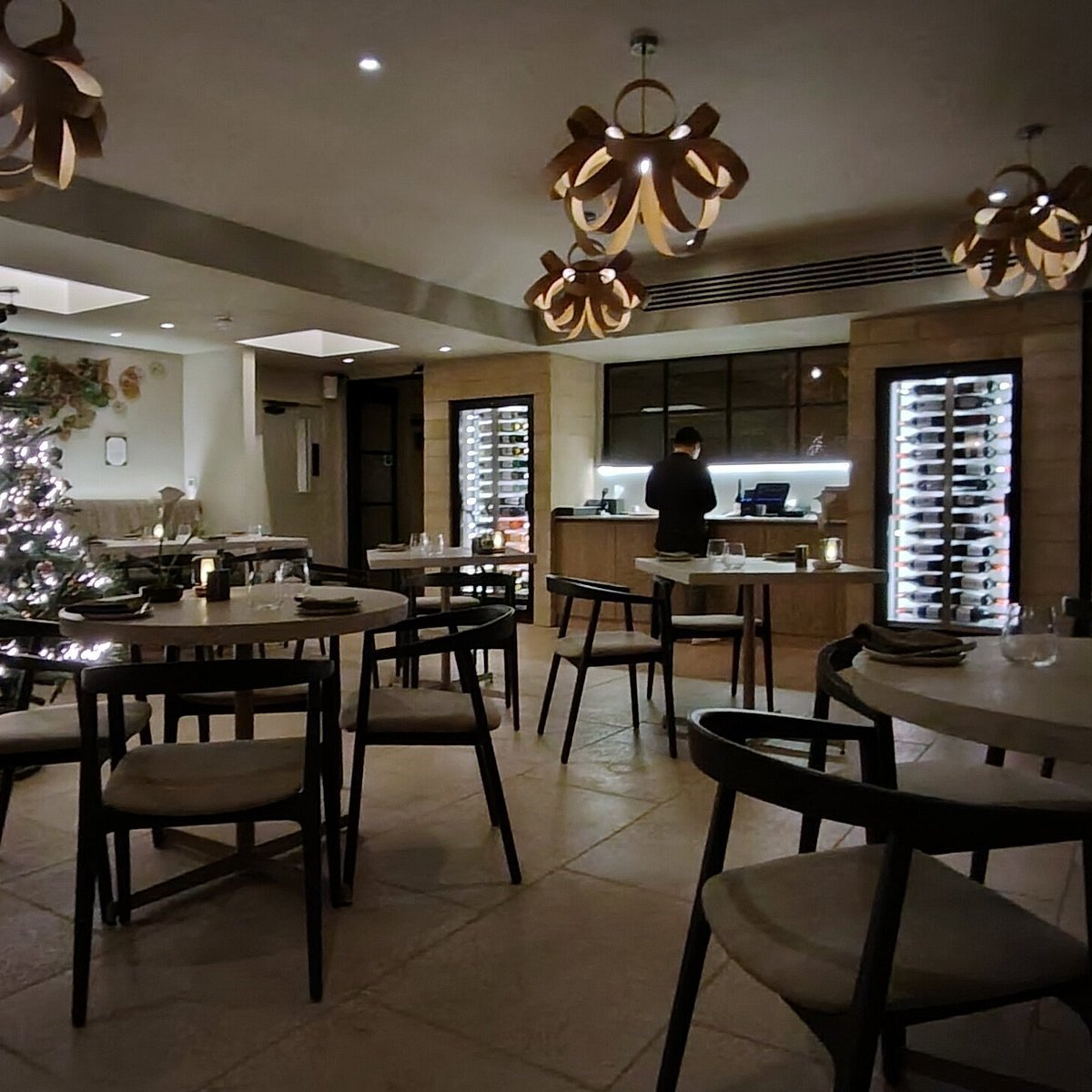
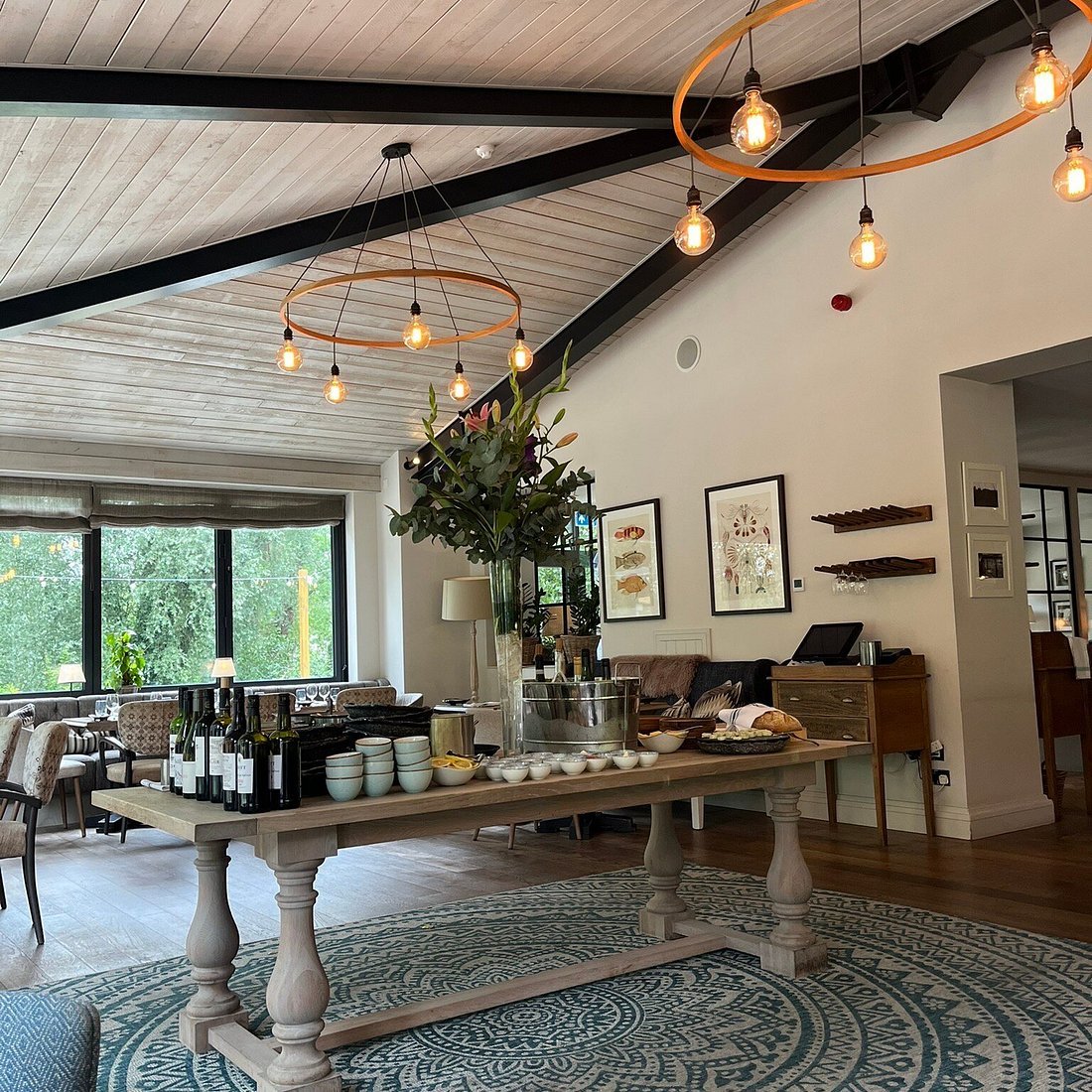
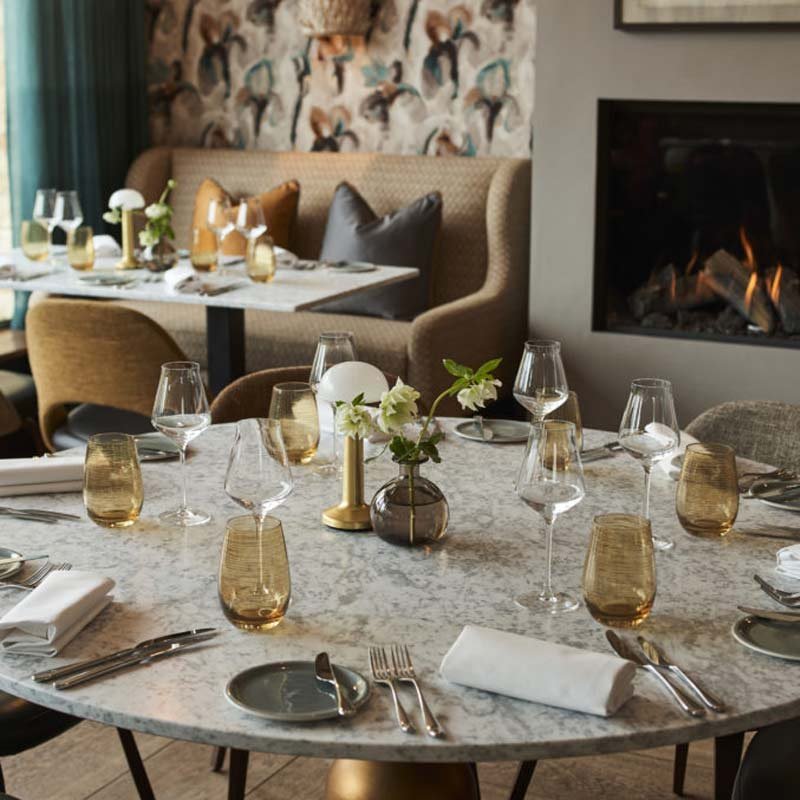
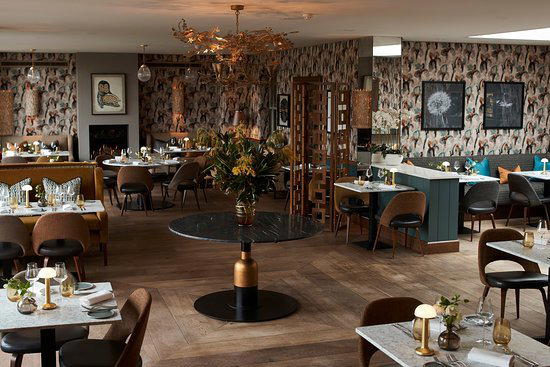 restaurantThe Back GardenThe Back Garden sits within Dormy House hotel on Willersey Hill, bringing a Mediterranean-inflected approach to a Modern British menu grounded in local produce. Floor-to-ceiling windows dissolve the boundary between dining room and grounds, while rare breed meats and garden ingredients anchor a concise, Michelin Plate-recognised menu in the rhythms of the Cotswolds larder.
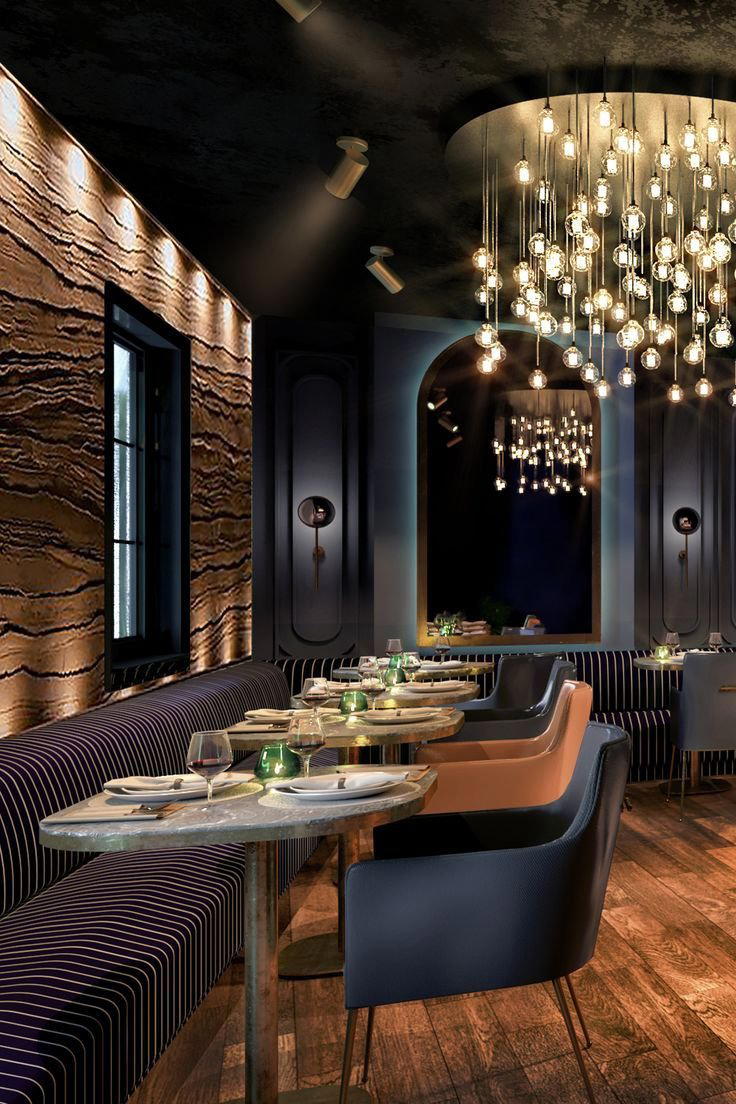 restaurantMOSet on the Cotswolds escarpment above Broadway, MO holds a Michelin Plate for 2024 and 2025, placing it firmly in the serious end of the Worcestershire dining scene. The kitchen works in a modern idiom at the ££££ price point, drawing on the agricultural richness of the Vale of Evesham that surrounds it.
Planning details
- Location
- Willersey Hill, Broadway WR12 7LF
- Website
- dormyhouse.co.uk
- Phone
- +44 1386 852711
The take
The Take
The Vibe
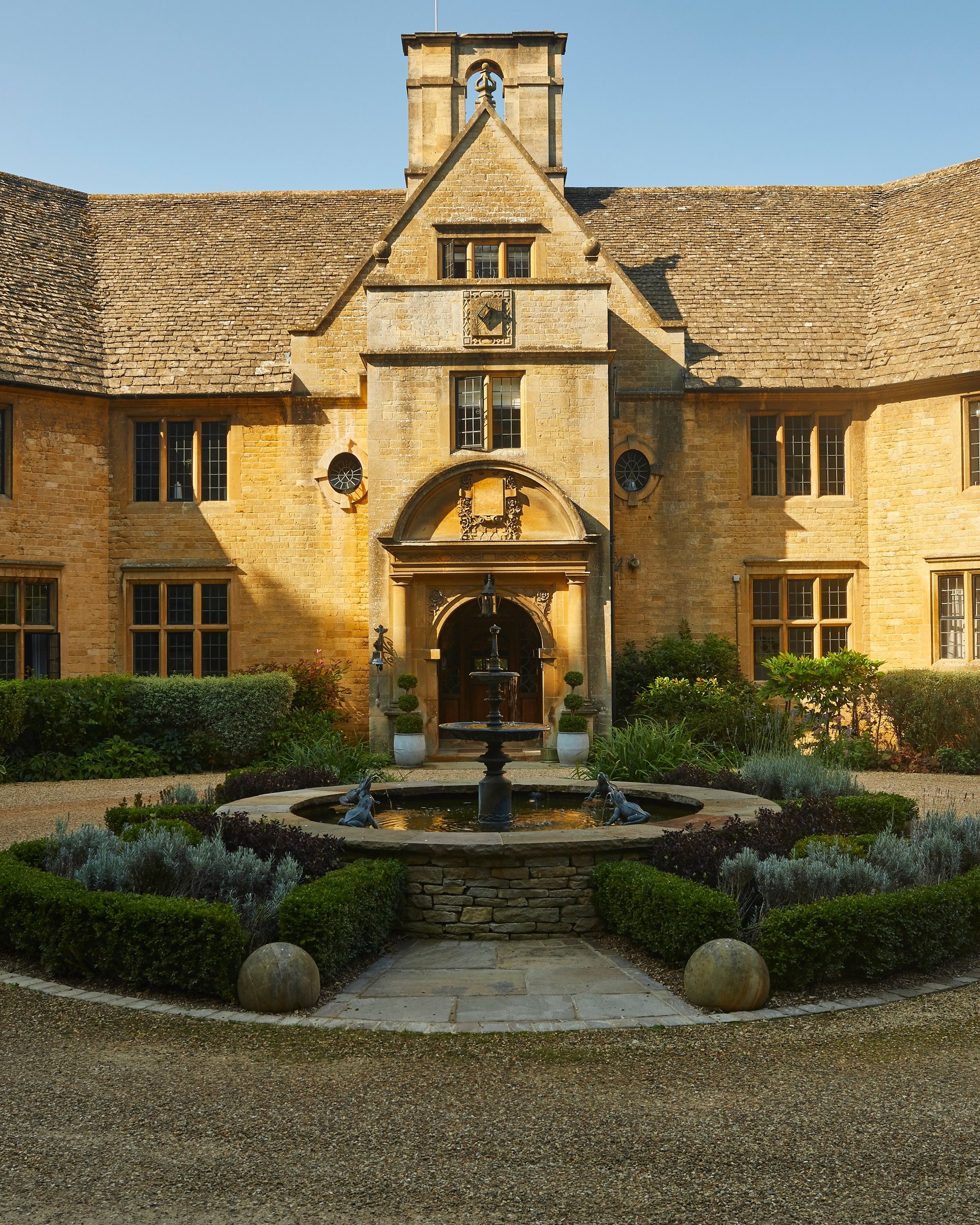
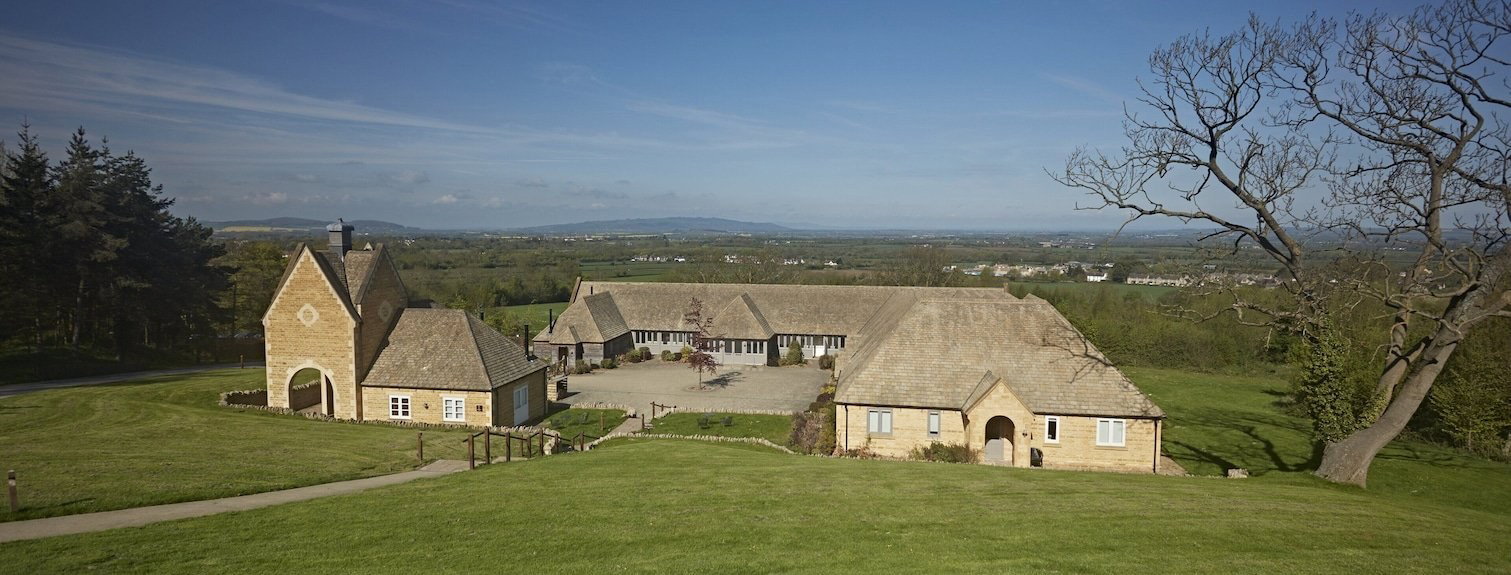
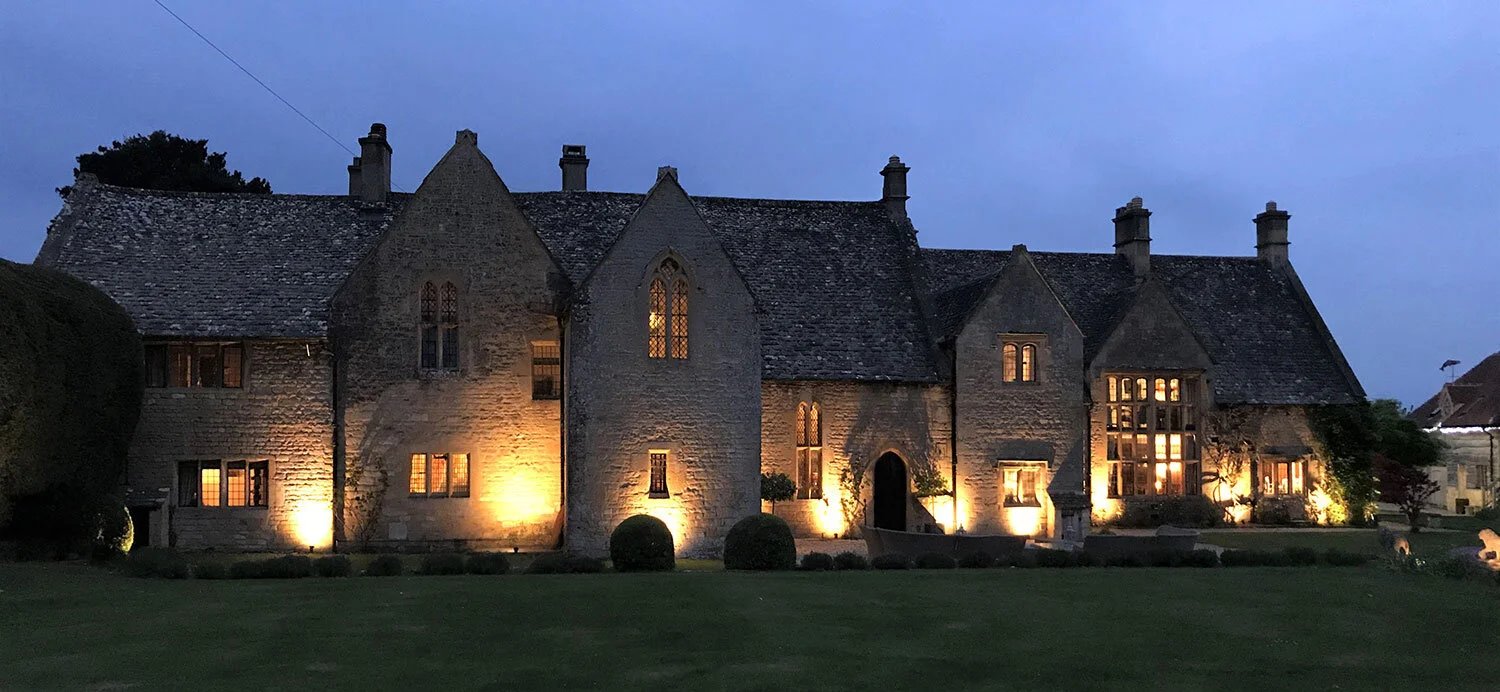
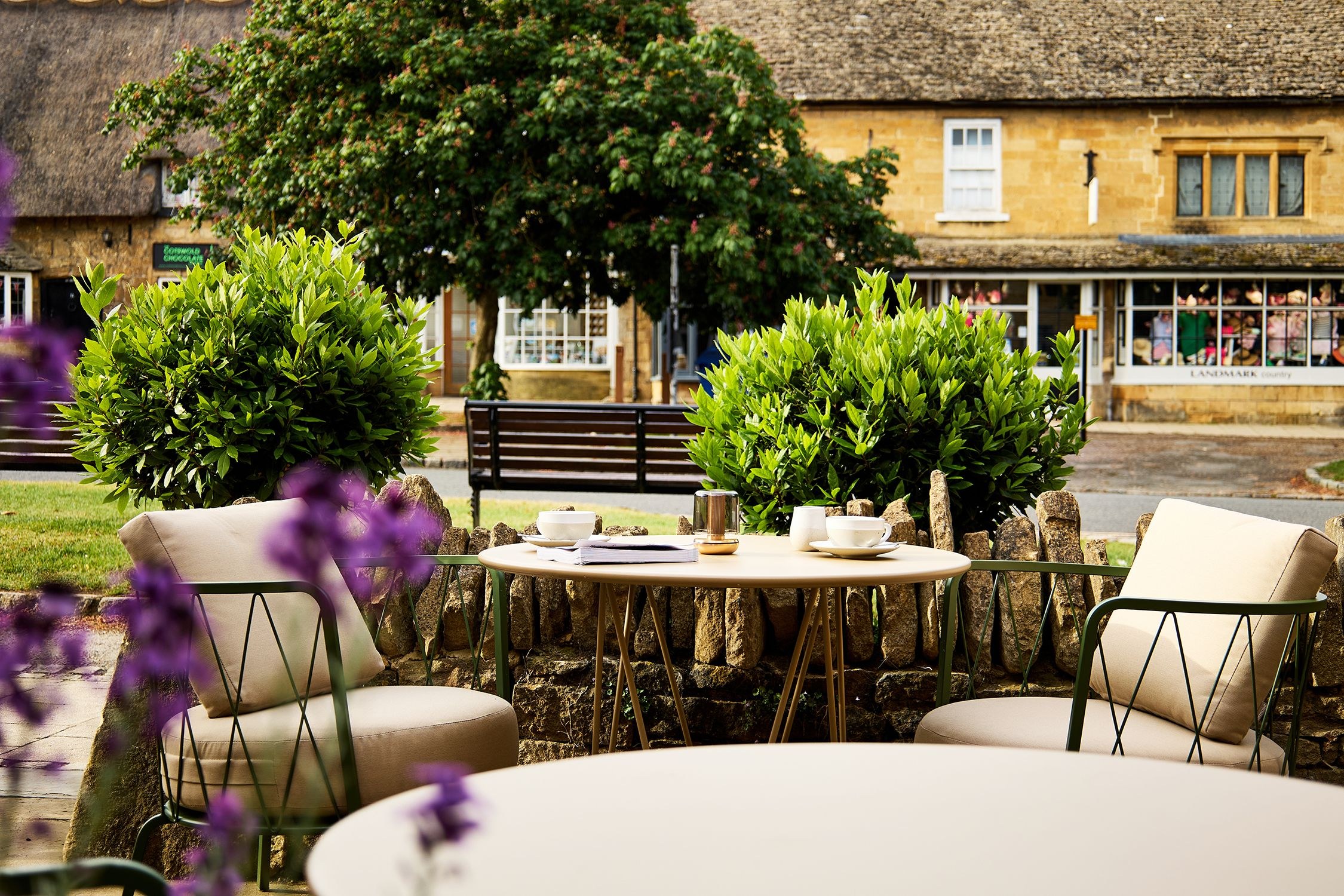
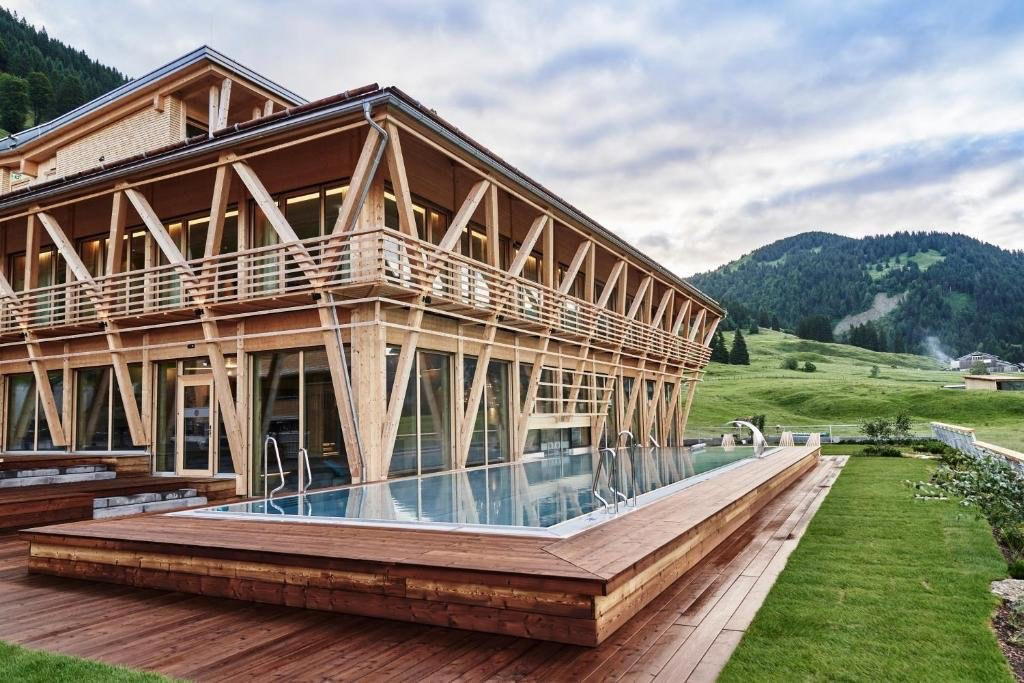
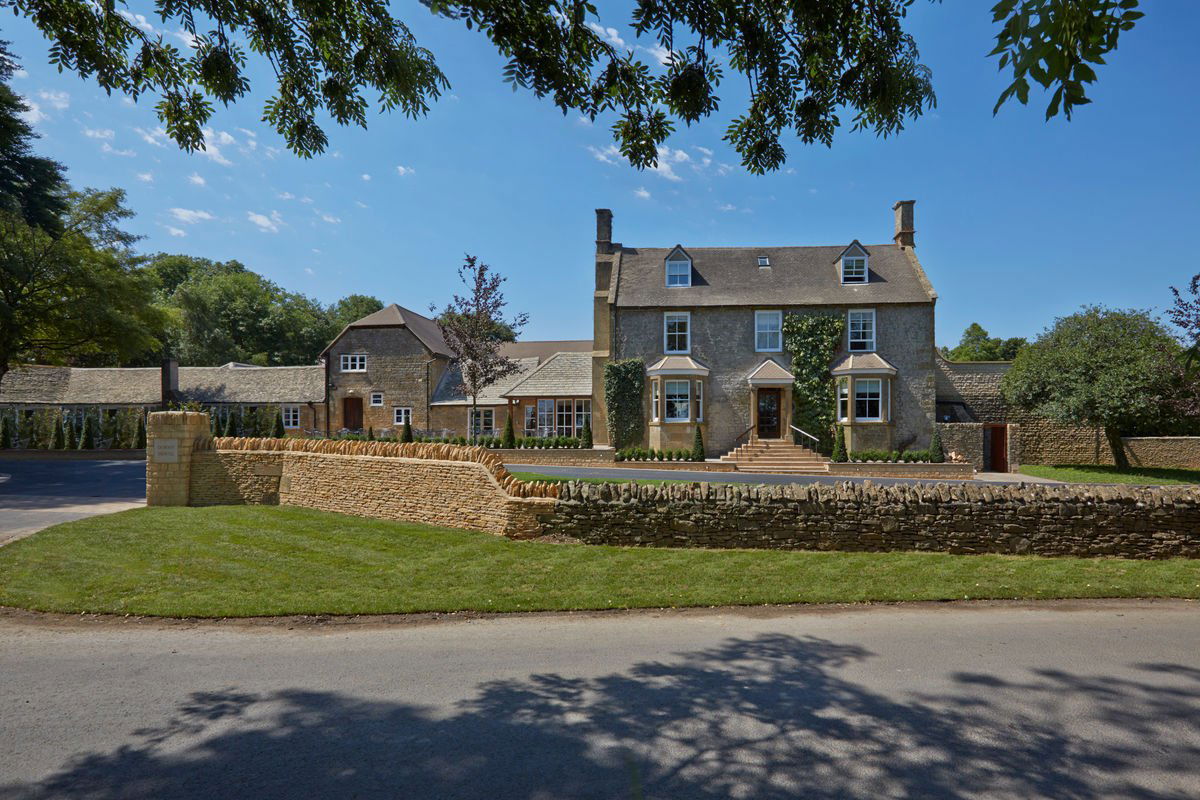
Dormy House reads as a considered, programme-led country house: a honey-hued 17th-century farmhouse perched on Willersey Hill that foregrounds food and wellbeing rather than resting solely on its pastoral setting. The hotel balances rural, rustic charm and historic character with a more structured, sophisticated approach to hospitality — a fine-dining restaurant sits alongside a relaxed dining pub and a new on-site spa. The result is a scenic Cotswold hideaway that still feels rooted in traditional stone-built country-house style, but leans toward an elegant, amenity-rich experience rather than a purely view-driven stay.
Best For
Dormy House is best for travellers who want a weekend escape built around eating well and unwinding. With 38 rooms and both fine-dining and more casual pub formats under one roof, it suits couples and small groups who value a mix of formal and informal meals across a multi-night stay, and guests who prioritise on-site spa time as part of their break. Rather than a simple scenic stop, Dormy House appeals to visitors seeking a country-house stay with deliberate culinary programming and leisure facilities at its core.
Stay Tips
Make the most of the property's dual dining formats by planning ahead: reserve the fine-dining restaurant if you have a specific evening in mind, and use the dining pub or brasserie for more relaxed meals or a low-key night in. Given the hotel's positioning as a weekend-escape destination with a central dining and spa offer, book spa treatments and dinner slots early in peak periods to secure preferred times. Expect variety across multi-night stays and allow yourself to alternate between the formal and informal outlets on-site.
Venue details
Ambiance
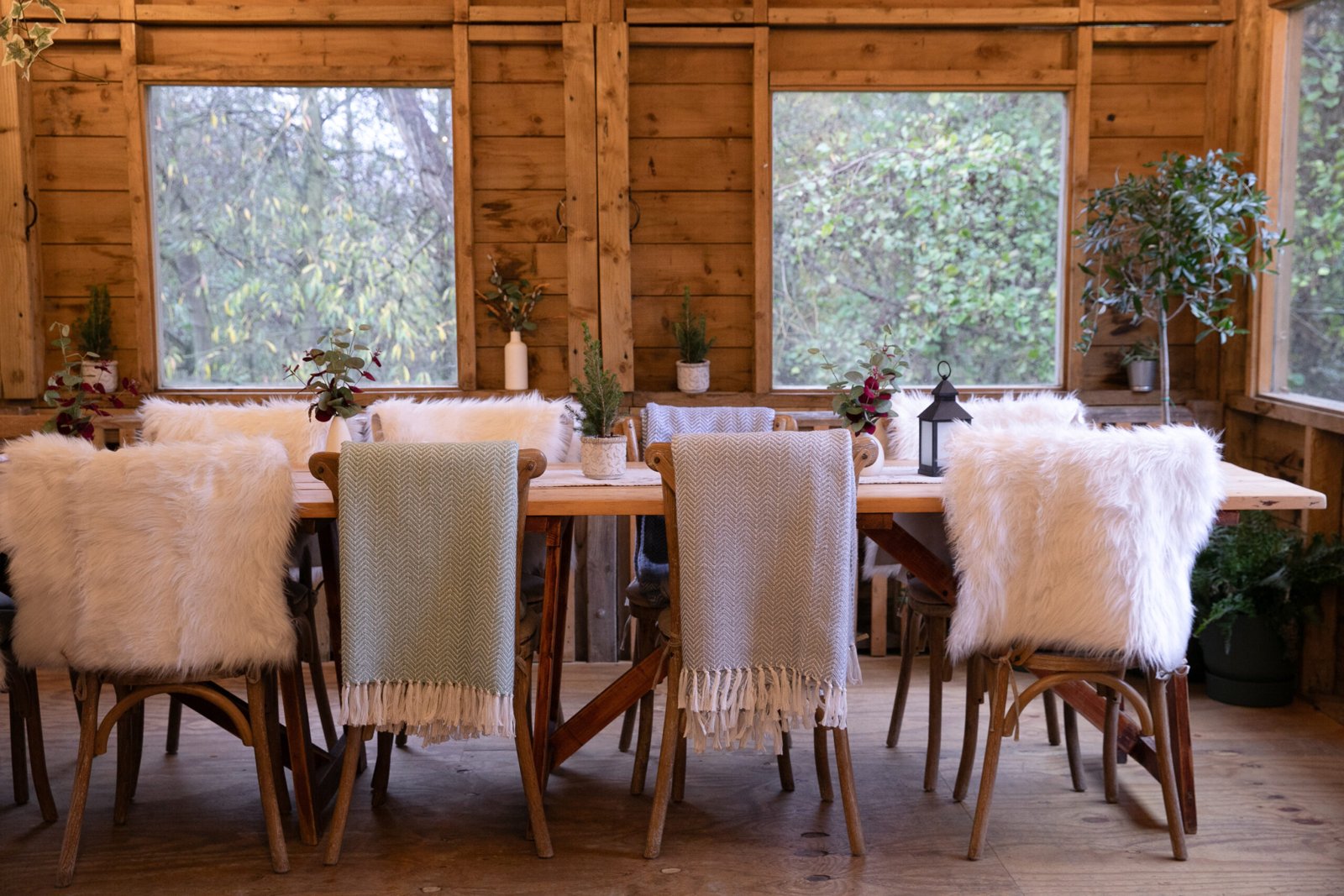
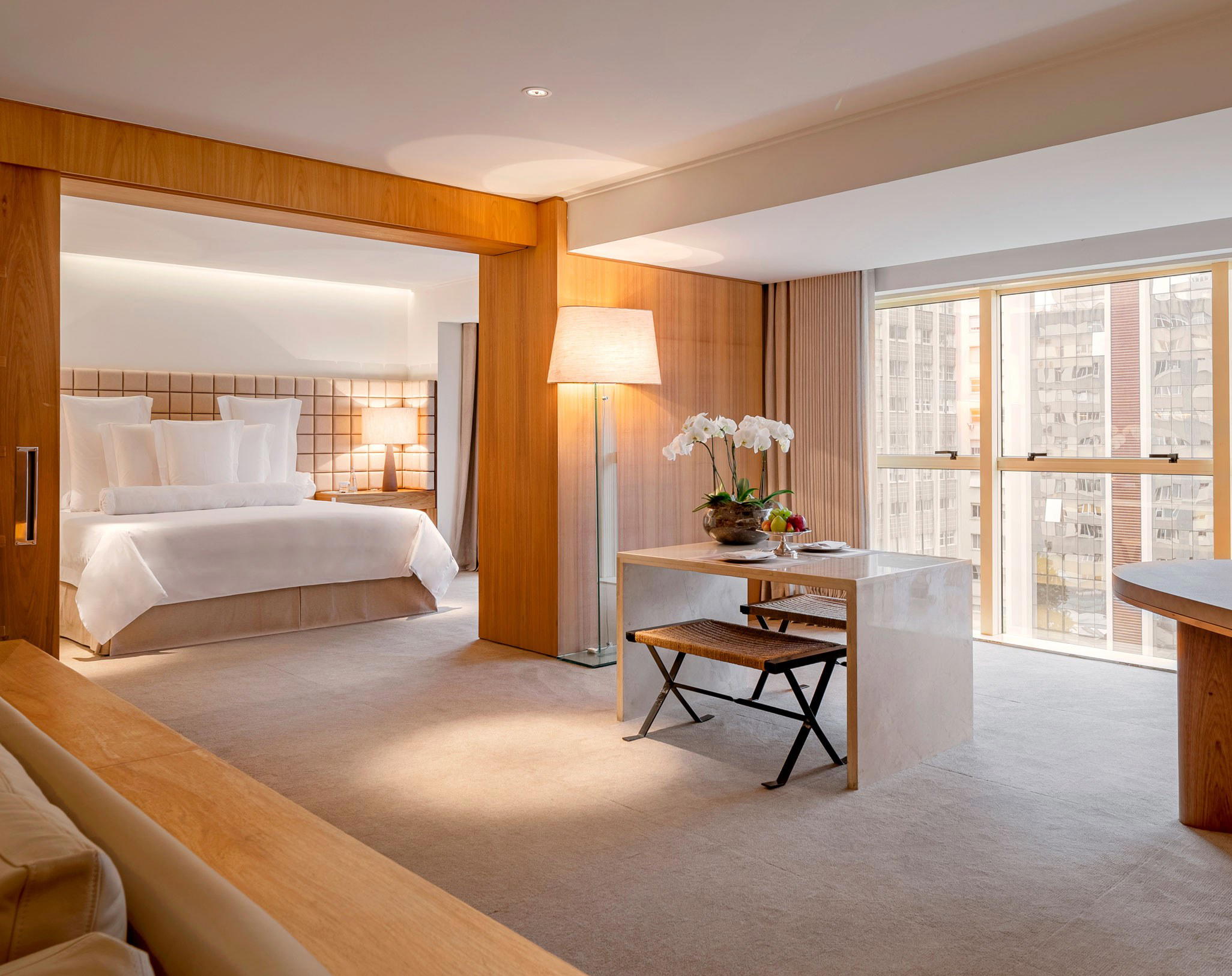
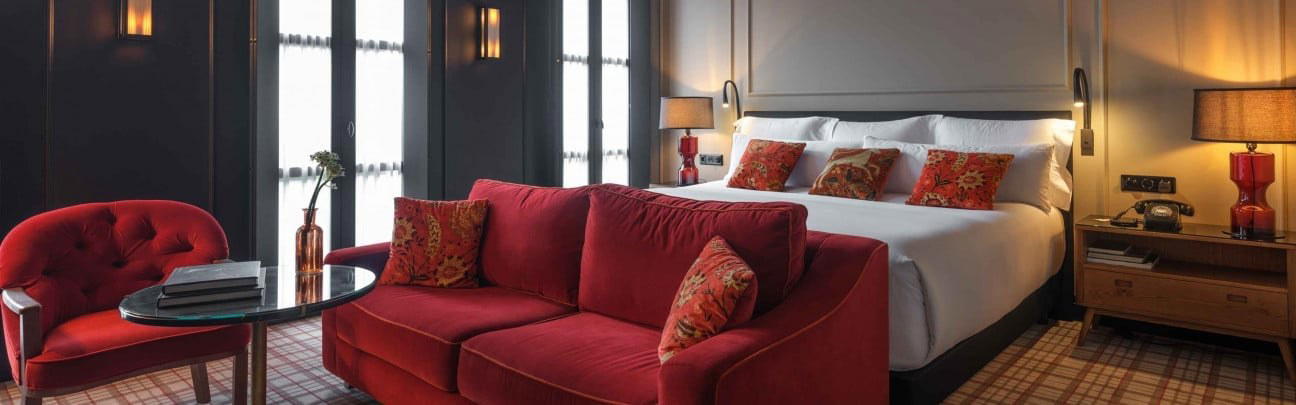
A cosy, upscale country-house atmosphere with Scandi-chic interiors, oak beams, flagstone floors, open fires, and a relaxed home-like feel.
Tags
Vibe
Best For
Experience
Amenities
View
About the Stay
- Rooms
- 38
- Check-in
- 15:00
- Check-out
- 11:00
- Property Type
- Heritage hotel
- Property Style
- Luxury Country House Hotel with Spa and Destination Dining.
- Design Style
- Farmhouse Chic with Scandinavian Influences, Combining 17th Century Country House Character with Modern Luxury.
- Pool
- Yes
- Spa
- Yes
- Pets
- Allowed
- Families
- Welcome
- Opened
- 1970
Know before you go
Know Before You Go
- Getting there
- Willersey Hill, Broadway WR12 7LF
Planning details
Location
Recognition and awards

Also consider
Where to look if Dormy House Hotel is not the right fit
Choose The Lygon Arms if walking out into Broadway matters more than countryside quiet. Choose The Fish Hotel if the trip needs a less formal, outdoorsy base near the same area.
Hotel context
How Dormy House Hotel compares in Broadway
Dormy House Hotel is the choice for travellers who want a country-house base near Broadway rather than a stay directly in the village. The Lygon Arms is the better fit for high-street access and a more central Cotswolds feel, while Dormy House makes more sense when the hotel itself is the destination.
Foxhill Manor and The Fish Hotel are the closest cross-shops for guests weighing countryside setting against ease. Foxhill Manor reads as the more intimate splurge, The Fish Hotel as the more relaxed option, and Dormy House sits between them as the safer polished pick, helped by its Small Luxury Hotels of the World membership.
For a quieter historic stay, compare Abbots Grange Manor House. For a town-adjacent Cotswolds hotel outside the immediate Broadway set, Cotswold House Hotel is worth checking if location flexibility matters more than staying on Willersey Hill.
Explore Broadway
Around this place
Discover more on Pearl
Unlock the full Dormy House Hotel guide in Pearl, including awards, comparisons, FAQs, planning details, and nearby places.
Compare Dormy House Hotel
| Venue | Location | Awards |
|---|---|---|
| Dormy House Hotel | Broadway | Small Luxury Hotels Member 2025 |
| Foxhill Manor | Broadway | 2026 La Liste Top HotelsSmall Luxury Hotels Member 2025 |
| The Fish Hotel | Broadway | 2025 Michelin Selected HotelsSmall Luxury Hotels Member 2025 |
| The Lygon Arms | Broadway | No published awards |
| Abbots Grange Manor House | Broadway | 2026 Good Hotel Guide César Award Winners2026 La Liste Top Hotels |
| Cotswold House Hotel | Chipping Campden | No published awards |



How Dormy House Hotel Broadway compares with similar nearby venues.
FAQ
Frequently Asked Questions
How is the dining at Dormy House Hotel?
Toast Dormy House Hotel as a Broadway hotel with confirmed Small Luxury Hotels of the World membership, and check the hotel directly for current restaurant, bar, or meal-service information.
Which room category is best at Dormy House Hotel?
Choose based on the current descriptions, availability, and policies provided directly by Dormy House Hotel.
What is check-in like at Dormy House Hotel?
Is Dormy House Hotel family-friendly?
Do loyalty programs work at Dormy House Hotel?
Dormy House Hotel is listed as a Small Luxury Hotels of the World member in 2025. Any loyalty benefits, booking perks, or membership terms should be confirmed through the relevant programme or the hotel before booking, and compared with other options such as The Lygon Arms or Cotswold House Hotel.