
Valtur Cervinia Cristallo Ski Resort
Breuil-Cervinia
Hotel in Breuil-Cervinia, Italy
 Book with Pearl
The Read
High-Altitude Full-Service Base
Why go
Valtur Cervinia Cristallo Ski Resort is a practical Breuil-Cervinia pick for ski trips, family celebrations, and groups that want a resort-style base rather than a tiny chalet stay. Preferred Hotels membership adds a useful quality signal, and easy booking makes it a sensible fallback when smaller Alpine properties are tight.
About Valtur Cervinia Cristallo Ski Resort
Preferred Hotels Member (2025) is the clearest signal for Valtur Cervinia Cristallo Ski Resort in Breuil-Cervinia. With limited public detail, the property is best framed as a Breuil-Cervinia resort choice with a smart casual dress code and a recognized hotel-membership marker, rather than to assume specific amenities, services, dining formats, or room features.
Consider it if the trip needs a Breuil-Cervinia base and you want to compare a recognized resort property against other premium Alpine stays. For any stay, confirm the current room options, facilities, and seasonal services directly with the property before booking.
A polished Breuil-Cervinia base for guests comparing resort stays
The strongest case for Valtur Cervinia Cristallo Ski Resort is its positioning in Breuil-Cervinia and its Preferred Hotels Member (2025) recognition. Beyond that, details on specific facilities, dining, room categories, service inclusions, or guest programming are limited, so it should be used as a starting point rather than a substitute for direct confirmation.
For a special occasion or a more considered booking, compare the overall fit carefully rather than relying on assumed resort features. Hermitage Hotel & Spa, VRetreats Cervino, Aethos Monterosa, Boutique Hotel Matthiol, and Riffelalp Resort 2222 m may be relevant for travellers comparing premium Alpine options.
Who should choose it, and who should look elsewhere
Choose this venue if the priority is a Breuil-Cervinia stay with a Preferred Hotels Member (2025) signal and a smart casual dress code. It may suit travellers considering a resort property, but specific expectations around facilities, dining, room layouts, or services should be checked with the venue before committing.
Look elsewhere if the trip depends on specific details, such as a particular restaurant experience, wellness facility, room type, or service format. For restaurants, start with the Breuil-Cervinia restaurants guide. If the search is still open, compare Valtur Cervinia Cristallo Ski Resort with other Breuil-Cervinia and Alpine options before booking.
The practical recommendation is simple: treat this as a Breuil-Cervinia resort choice with a Preferred Hotels Member (2025) marker, not as a property where features should be assumed without direct confirmation. Confirm current details directly, especially for peak dates or a special-occasion stay.
Planning details
- Location
- Via Piolet, 6, 11021 Breuil-Cervinia AO
The take
The Take
The Vibe
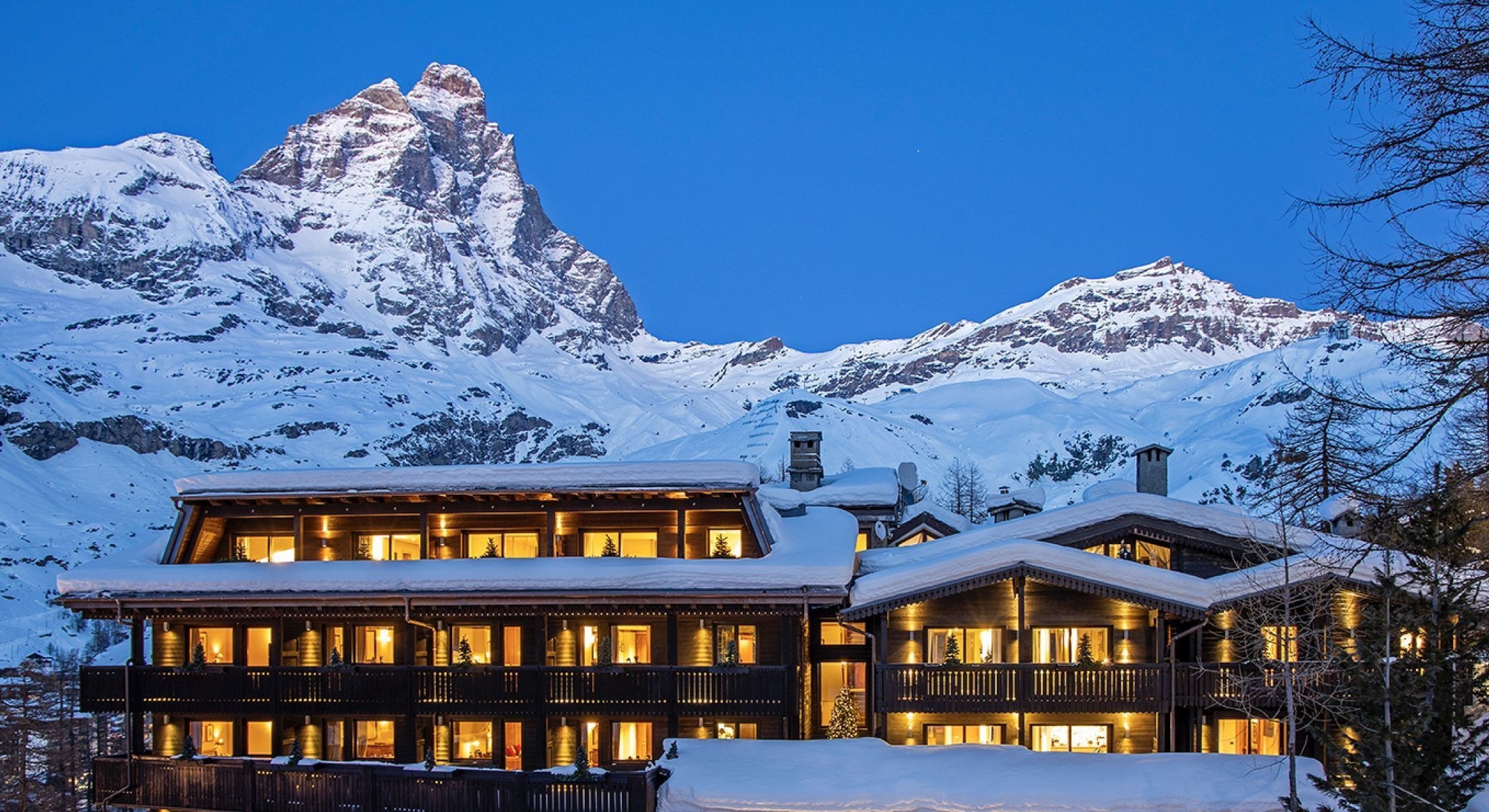
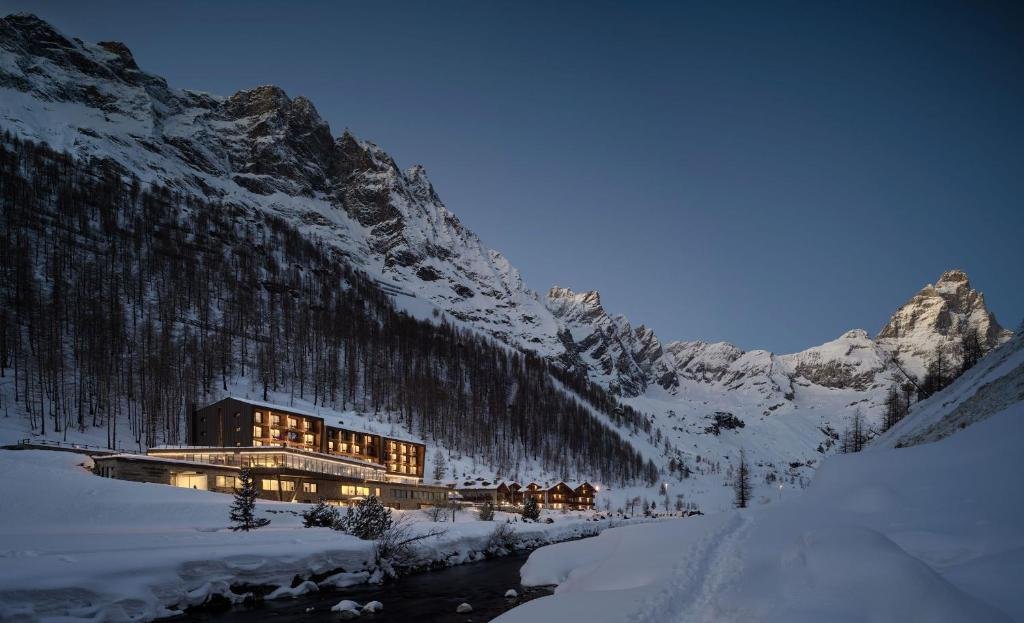
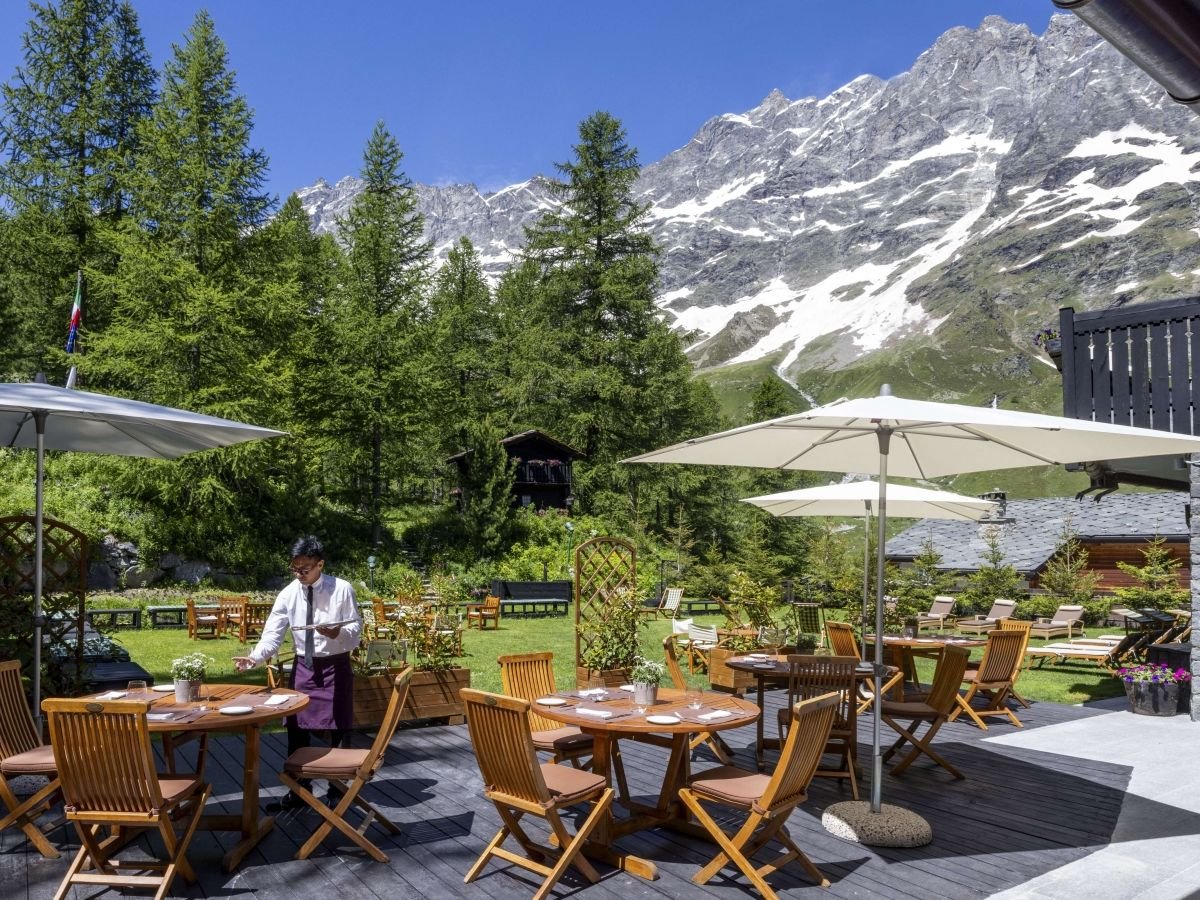
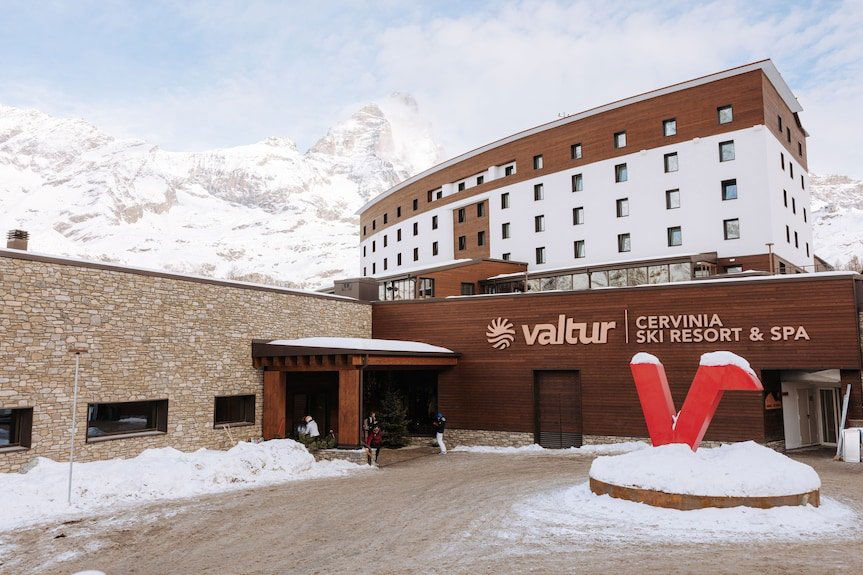
Valtur Cervinia Cristallo Ski Resort reads as a functional, classic mountain hotel that prioritises capacity and practical ski access over boutique theatrics. It sits within a village shaped by decades of alpine tourism, and its scale and service are calibrated for multi-day programmes and package guests. The tone is less about curated design flourishes and more about efficient, dependable alpine hospitality—rooms, dining and common areas are organised to support groups, families and serious skiers who value vertical metres and lift proximity above nightlife or trend-driven luxury.
Best For
This resort is best for groups, families and travellers on multi-day ski programmes who want straightforward access to the lifts without paying for smaller, design-focused properties. With 131 rooms and a clear operational focus, it suits package bookings, ski clubs and anyone who prioritises time on the mountain—guests who are after reliable logistics, good lift proximity and accommodation that functions as a base for extended skiing rather than a boutique destination in its own right.
Venue details
Ambiance
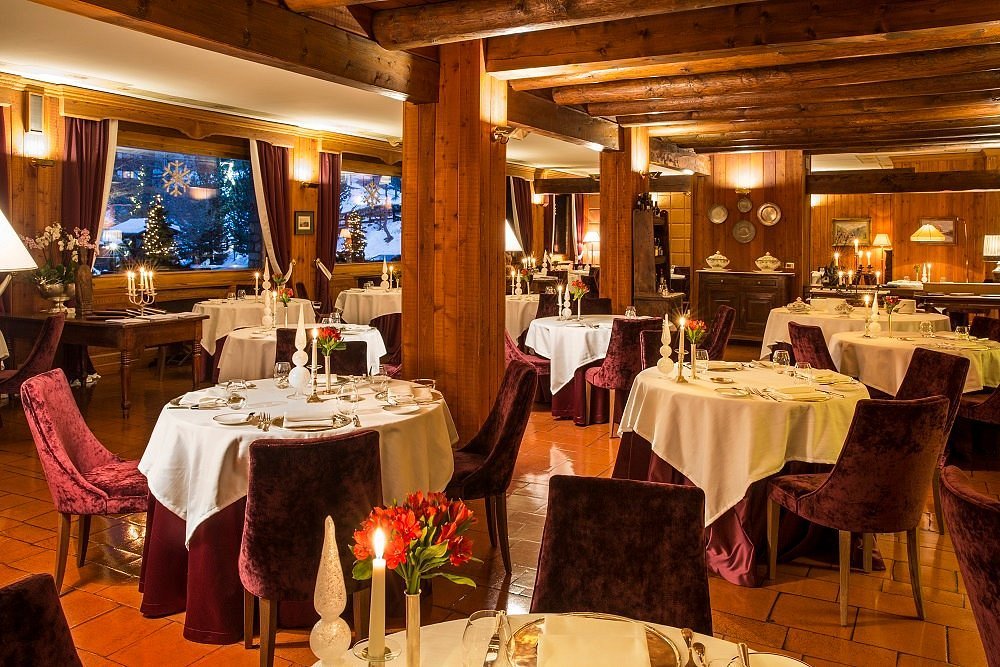
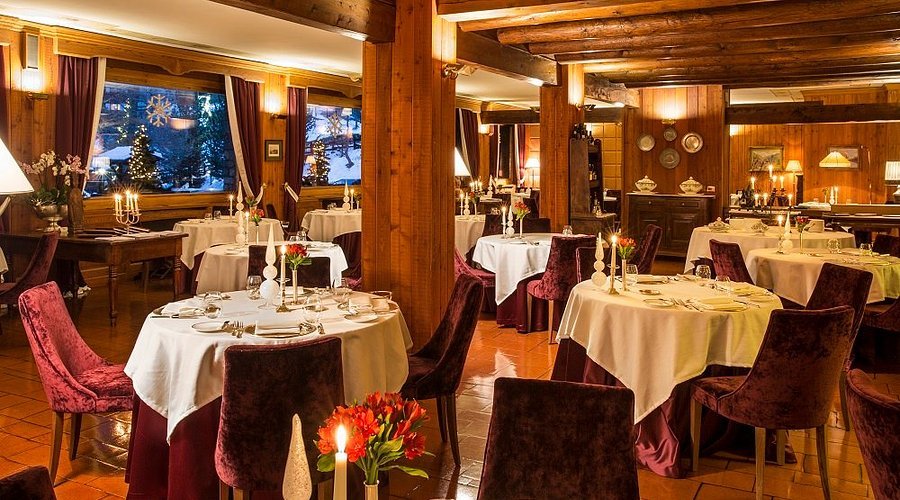
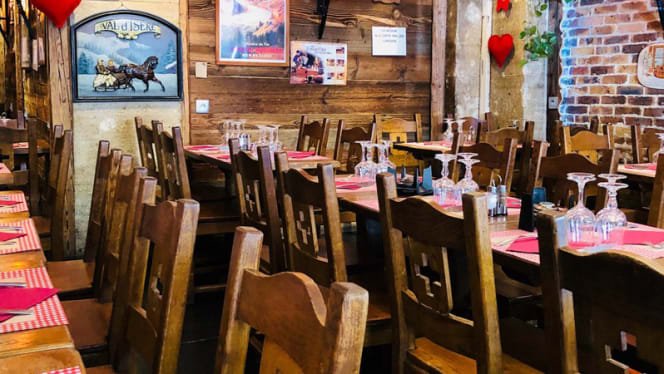
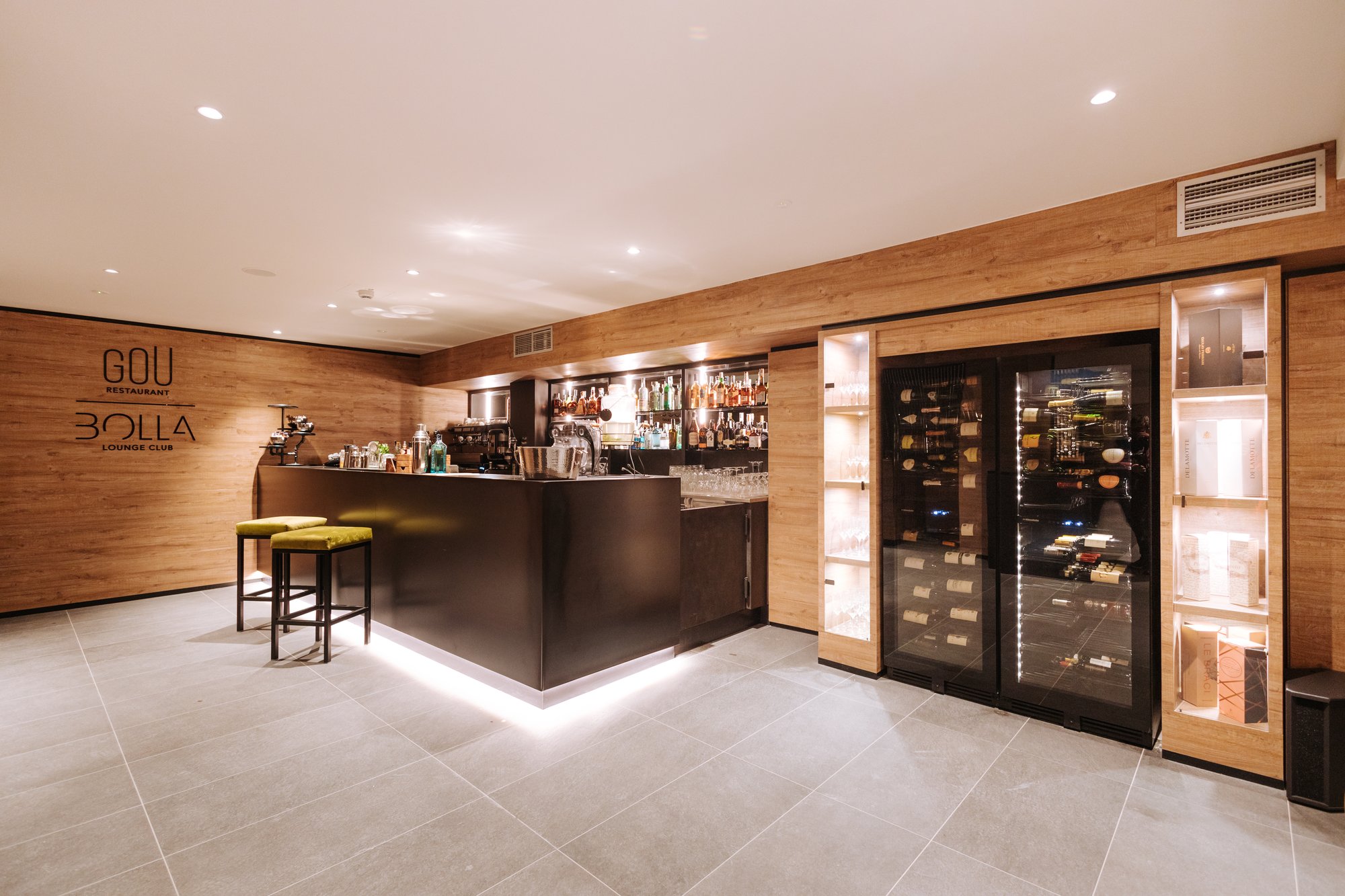
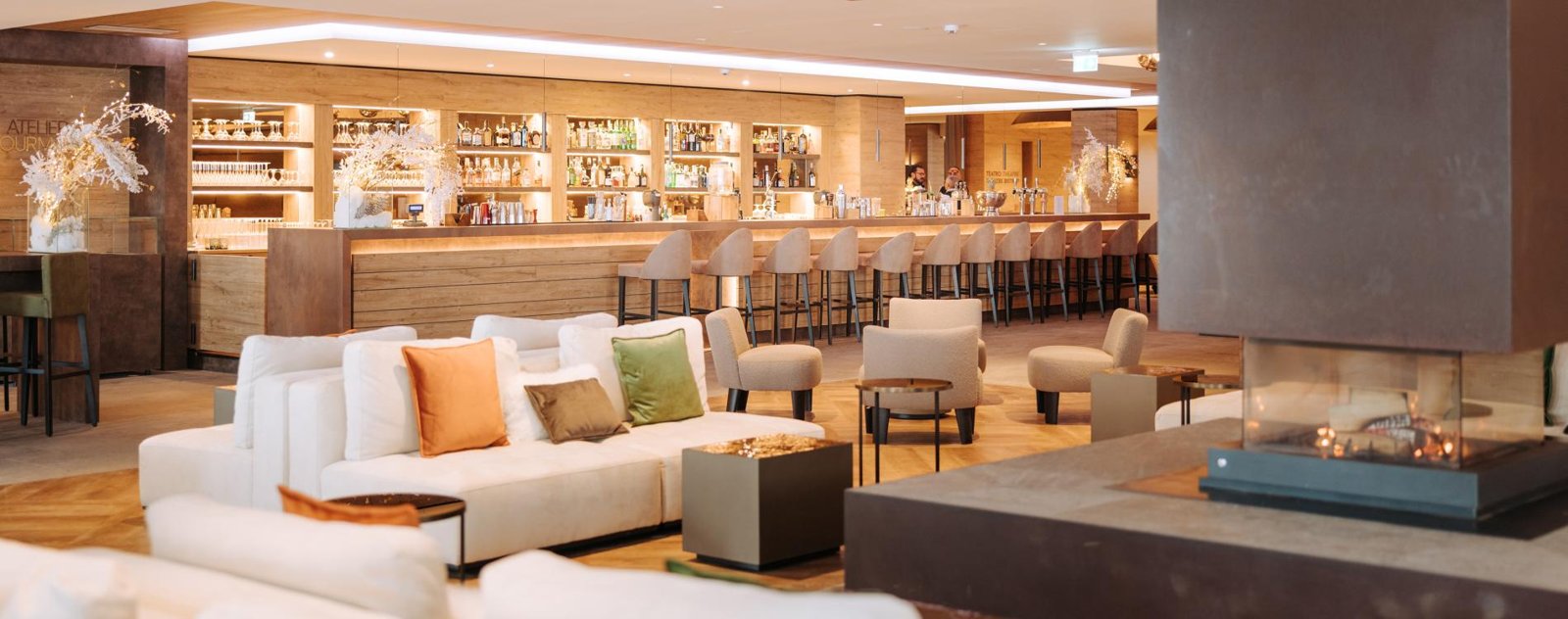
Elegant alpine atmosphere with cozy lighting, lively evening entertainment, and mountain views, though some guests note noise from corridors and lounge music.
Tags
Vibe
Best For
Experience
Amenities
View
Accessibility
About the Stay
- Rooms
- 0
- Check-in
- 15:00
- Check-out
- 10:00
- Property Style
- Modern Lifestyle Ski Resort with Elegant Alpine Design
- Design Style
- Stylish and Refined with Cozy, Comfortable Furnishings
Know before you go
Know Before You Go
- Getting there
- Via Piolet, 6, 11021 Breuil-Cervinia AO
Planning details
Location
Via Piolet, 6, 11021 Breuil-Cervinia AO · Directions
Recognition and awards
Also consider
Also Consider
- Hermitage Hotel & Spa, Notable alternative
- VRetreats Cervino, Notable alternative
- Aethos Monterosa, Notable alternative
- Riffelalp Resort 2222 m, Notable alternative
- Boutique Hotel Matthiol, Notable alternative
Hotel context
How it compares in and around Breuil-Cervinia
Against Hermitage Hotel & Spa and VRetreats Cervino, Valtur Cervinia Cristallo Ski Resort is the more resort-structured choice. Pick it for a group ski trip or celebration where easy booking and an organised hotel feel matter more than a smaller-house atmosphere. Hermitage Hotel & Spa is the better cross-shop for travellers who want a more classic Alpine hotel mood, while VRetreats Cervino makes sense for guests comparing polished Breuil-Cervinia stays.
Aethos Monterosa sits outside Breuil-Cervinia, so it is less direct for travellers committed to staying in town. Consider it only if the trip can shift location and the priority is a broader Alpine retreat rather than Cervinia convenience. Riffelalp Resort 2222 m and Boutique Hotel Matthiol are also out-of-metro comparisons, better for travellers willing to trade local simplicity for a different mountain setting.
For value, the smarter move is to compare total trip friction, not just room rate. If the group wants to stay in Breuil-Cervinia with minimal planning stress, Valtur Cervinia Cristallo Ski Resort is the easiest recommendation of this set. If ambiance and a smaller property feel matter more than booking ease, start with Hermitage Hotel & Spa or VRetreats Cervino first.
Explore Breuil-Cervinia
Around this place
Discover more on Pearl
Unlock the full Valtur Cervinia Cristallo Ski Resort guide in Pearl, including awards, comparisons, FAQs, planning details, and nearby places.
Compare Valtur Cervinia Cristallo Ski Resort
| Venue | Location | Awards |
|---|---|---|
| Valtur Cervinia Cristallo Ski Resort | Breuil-Cervinia | Preferred Hotels Member 2025 |
| Hermitage Hotel & Spa | Breuil-Cervinia | 2026 Virtuoso Luxury Hotel Collection2026 Relais Chateaux Hotels2025 Michelin Selected Hotels2025 Relais Chateaux Award |
| VRetreats Cervino | Breuil-Cervinia | Small Luxury Hotels Member 2025 |
| Aethos Monterosa | Champoluc | 2026 Mr & Mrs Smith Luxury Hotels2025 Michelin 1 Key |
| Riffelalp Resort 2222 m | Zermatt | 2026 La Liste Top Hotels |
| Boutique Hotel Matthiol | Zermatt | 2026 Michelin 1 Key2025 Michelin 1 Key |







How Valtur Cervinia Cristallo Ski Resort compares with similar nearby venues.
FAQ
Frequently Asked Questions
How does Valtur Cervinia Cristallo Ski Resort compare to other hotels?
Choose it if you want a Breuil-Cervinia stay with a Preferred Hotels Member (2025) signal. Hermitage Hotel & Spa, VRetreats Cervino, Aethos Monterosa, Boutique Hotel Matthiol, and Riffelalp Resort 2222 m may be useful comparison points depending on the trip. Confirm current services and facilities directly before deciding.
What is check-in like at Valtur Cervinia Cristallo Ski Resort?
Valtur Cervinia Cristallo Ski Resort is in Breuil-Cervinia. Specific check-in details are not readily available, so guests should use the venue's official channels for arrival times, luggage handling, parking, and any seasonal instructions.
How is the pool and spa at Valtur Cervinia Cristallo Ski Resort?
Details on the pool and spa facilities are not readily available. If wellness facilities are important to the trip, confirm the current setup, access rules, opening times, and any booking requirements directly with Valtur Cervinia Cristallo Ski Resort before reserving.
Do loyalty programs work at Valtur Cervinia Cristallo Ski Resort?
The membership signal is Preferred Hotels Member (2025). If you plan to use any loyalty or partner benefits, confirm eligibility and booking requirements directly with the venue or the relevant program before comparing it with Hermitage Hotel & Spa or Riffelalp Resort 2222 m.
When is the best time to book Valtur Cervinia Cristallo Ski Resort?
Specific booking-demand guidance is not readily available. For peak travel dates, special occasions, or group stays, check availability directly and compare with VRetreats Cervino or other relevant Alpine hotels before committing.
How is the dining at Valtur Cervinia Cristallo Ski Resort?
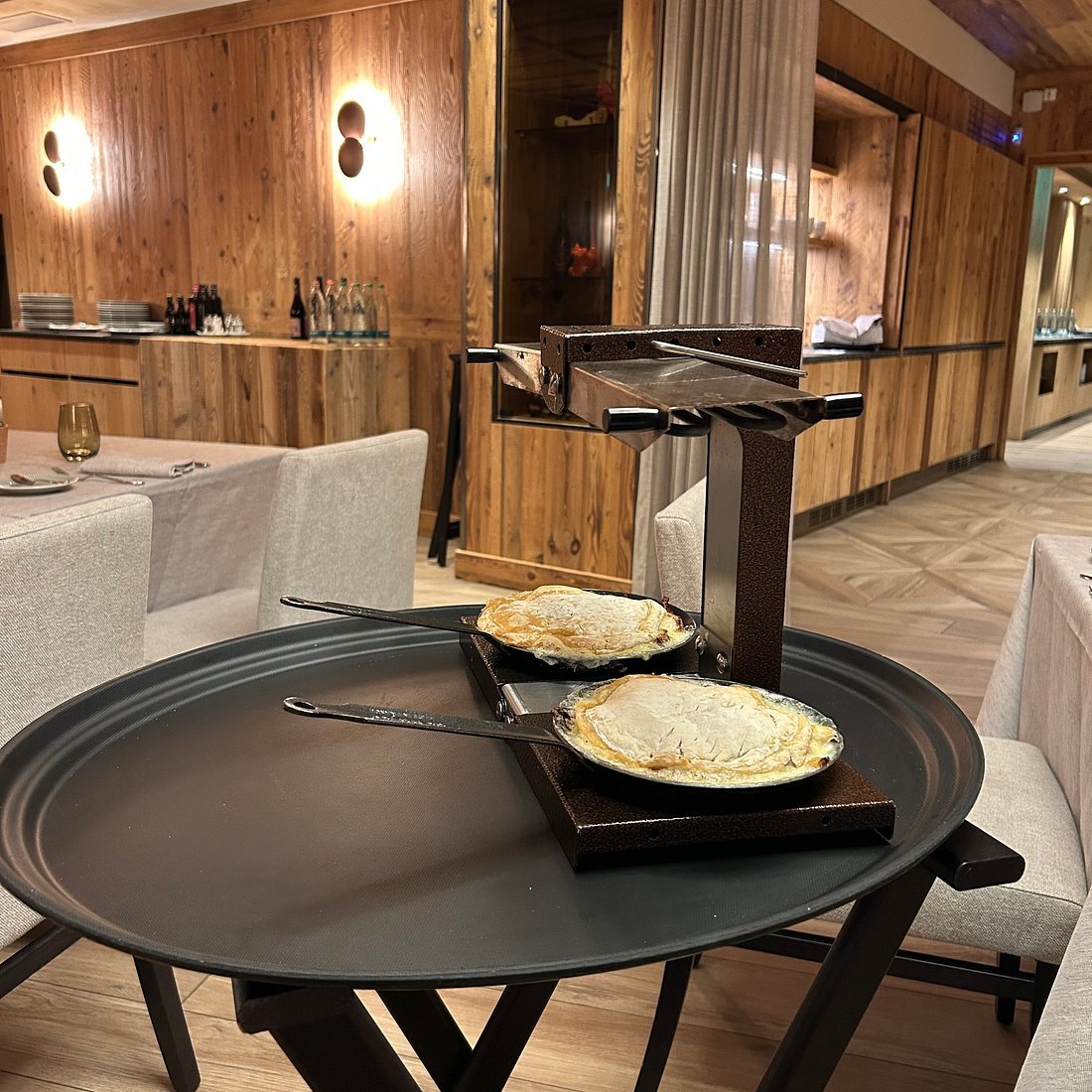
Specific dining details are not readily available. Do not assume a particular cuisine, menu format, or meal service without checking the venue's official channels. If dining is the main priority, compare current restaurant information across Breuil-Cervinia before booking the stay.