



Capelongue, a Beaumier hotel
Bonnieux
Hotel in Bonnieux, France
 Book with Pearl
The Read
Plateau Provençal Retreat
Why go
Capelongue is the Bonnieux pick for travelers who want the hotel to be a central part of the Luberon trip, not just a place to sleep. Its Michelin 1 Key, Gault & Millau recognition, Virtuoso partnership, and Mr & Mrs Smith approval make it a credible splurge, with harder booking than simpler nearby stays.
About Capelongue, a Beaumier hotel
Book Capelongue, a Beaumier hotel if the brief is a recognized hotel stay in Bonnieux. The profile is clear: smart casual dress code and hotel recognitions, including Michelin 1 Key (2024), Gault & Millau Exceptional Hotel (2025): 5pts, Virtuoso Luxury Hotel Partner (2026), and Mr & Mrs Smith Seal of Approval (2026).
For a first stay in Bonnieux, the appeal is the certainty of choosing a property with third-party recognition. Use those facts as the starting point, then compare Capelongue, a Beaumier hotel with other regional options such as Le Mas les Eydins if you are still deciding where to stay.
A recognized Bonnieux hotel for guests who want the stay to matter
The case for Capelongue, a Beaumier hotel is strongest when hotel recognition is important to the trip. Michelin 1 Key recognition, Gault & Millau Exceptional Hotel recognition, Virtuoso Luxury Hotel Partner status, and Mr & Mrs Smith approval place it in a clearly documented hotel-recognition lane. That does not automatically make it the right call for every Bonnieux trip. It does mean the property has enough recognition to justify treating it as a serious stay candidate.
Readers building a wider itinerary can use our full Bonnieux restaurants guide for other dining in Bonnieux, then confirm any hotel-specific details directly before building plans around them.
Where the decision gets clearer
Choose Capelongue, a Beaumier hotel if recognition and a Bonnieux location are important to the trip. If you are comparing more than one property, weigh it alongside Le Mas les Eydins, Domaine de Fontenille, and La Bastide de Marie without assuming they serve the same kind of stay.
The practical move is to decide whether the accolades matter to your stay. Quick reference: choose Capelongue, a Beaumier hotel for a recognized Bonnieux hotel with a smart casual dress code; cross-shop if another location or property profile is the priority.
Planning details
- Location
- Les Claparèdes, 550 Chem. des Cabanes, 84480 Bonnieux
- Website
- beaumier.com/fr/proprietes/hotel-capelongue
- Phone
- +33 4 90 75 89 78
The take
The Take
The Vibe
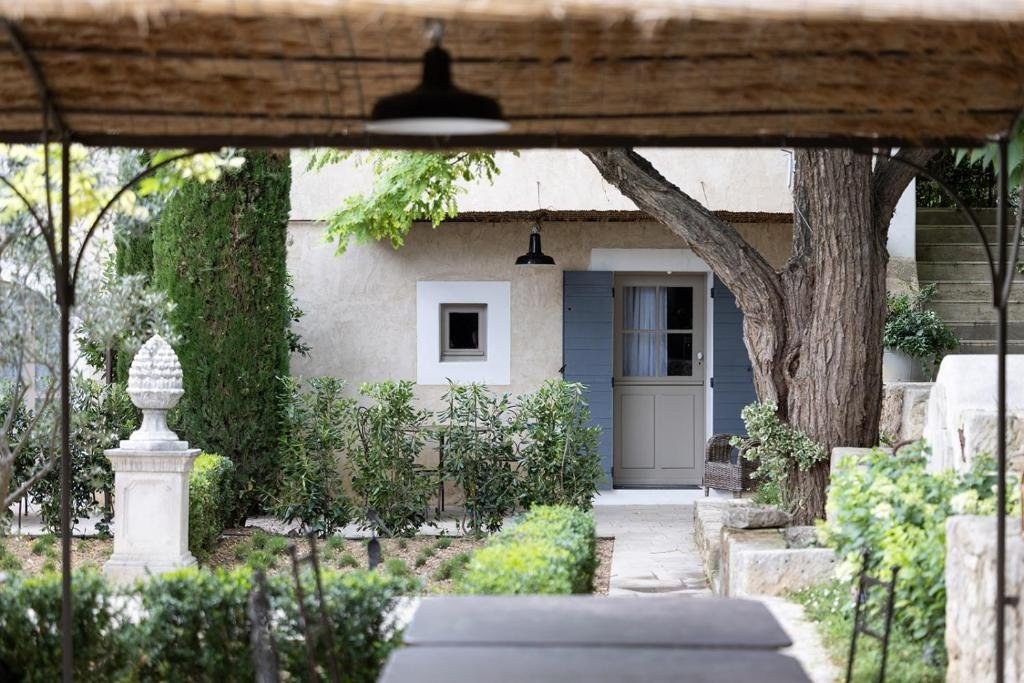
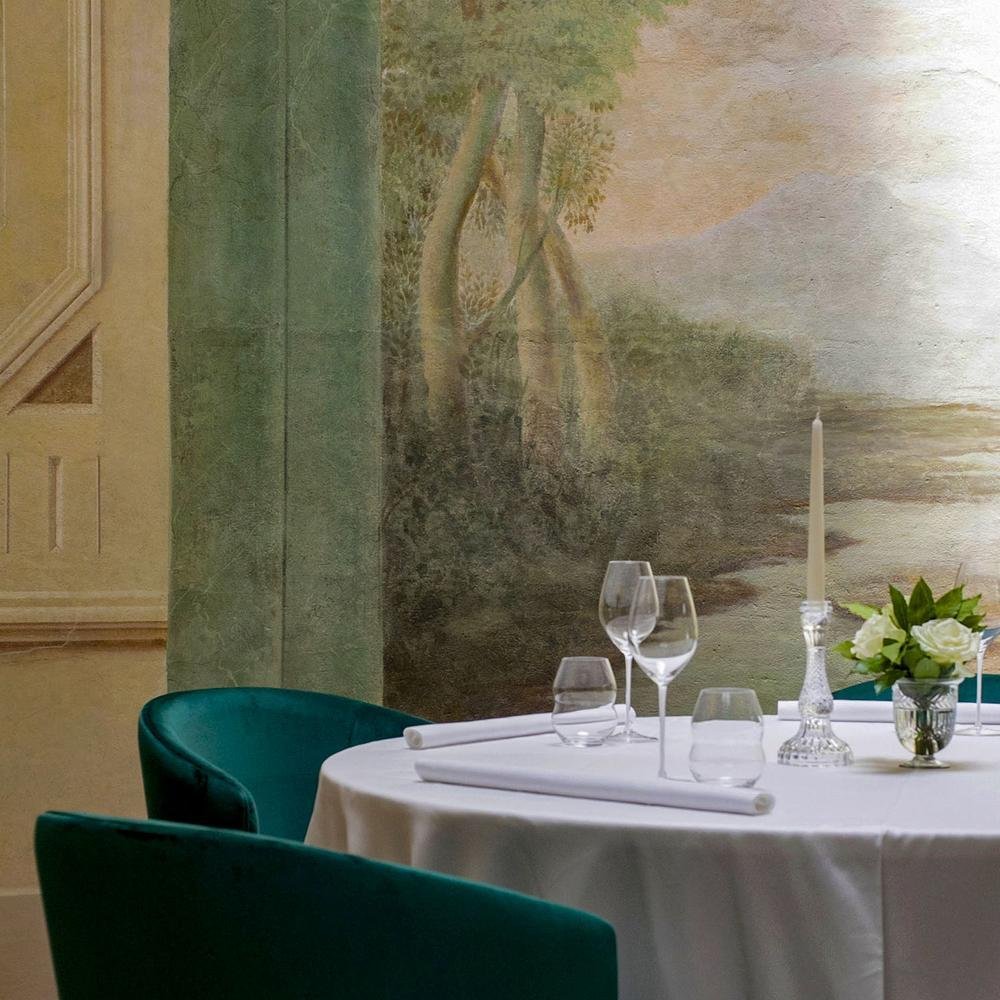
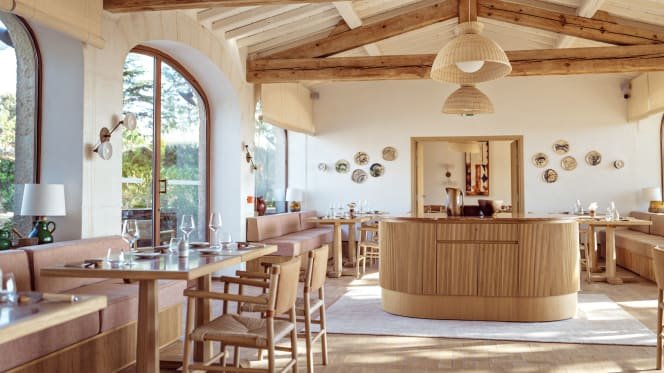
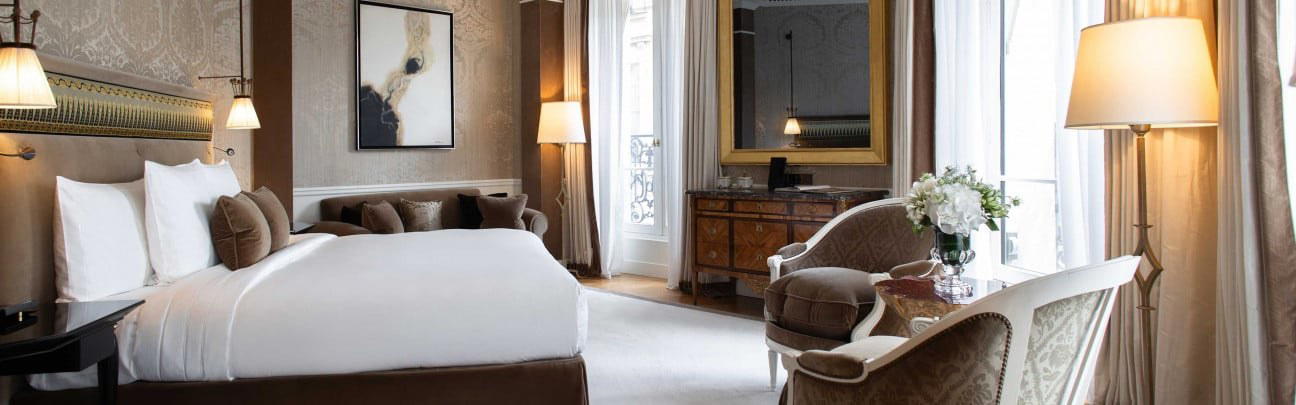
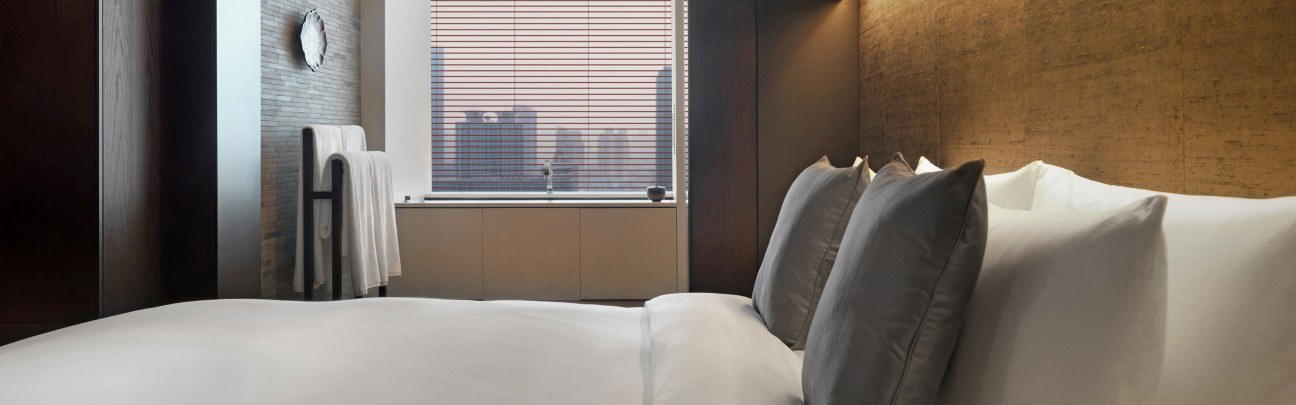
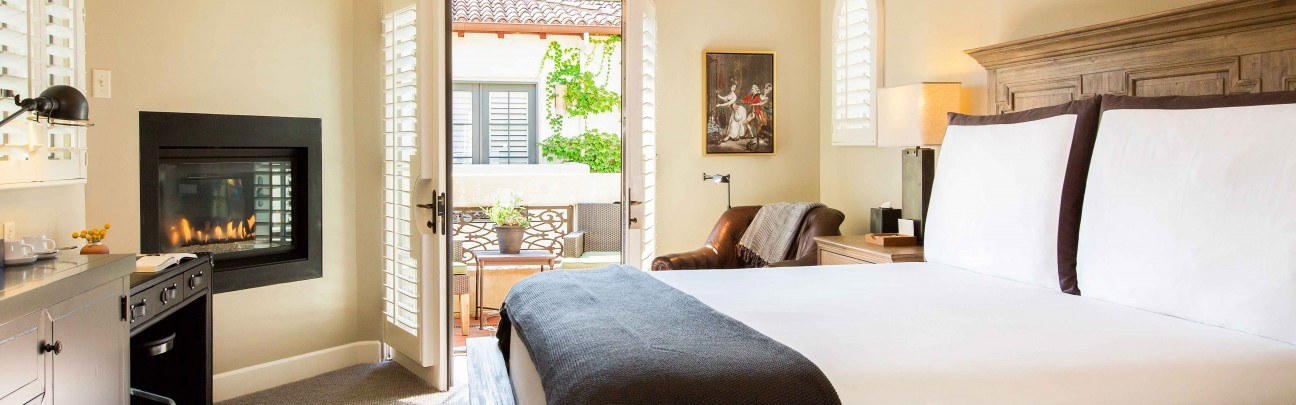
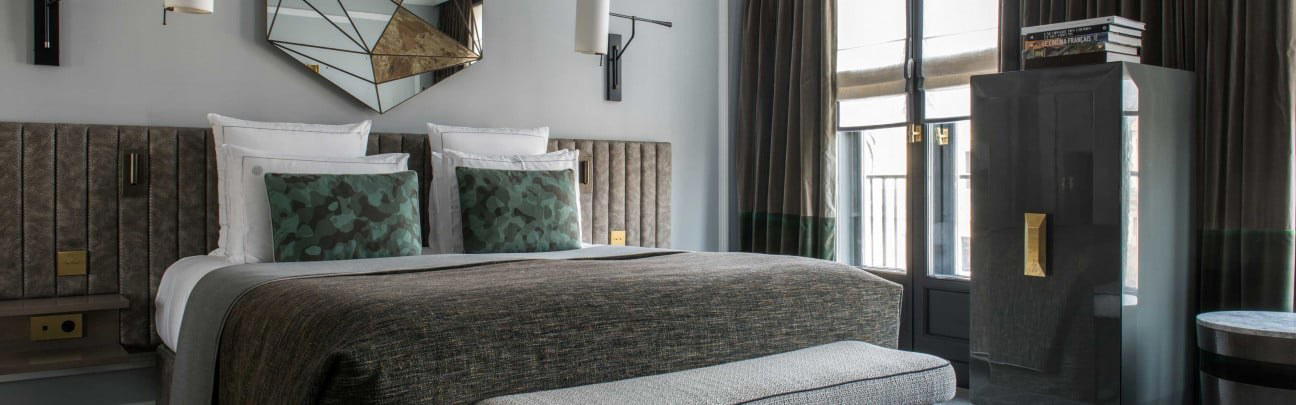
Capelongue reads as a considered, design-led Provençal retreat. The recent JAUNE renovation and interior direction by A.S.L. favor restraint over pastiche, grounding modern interventions in a pared-back palette of ochres, whites and natural materials—glazed earthenware, stone and linen. At 57 rooms the property feels human in scale: broad enough to accommodate pools, gardens, a spa, a bookstore and multiple dining formats, yet compact enough to avoid an institutional atmosphere. The overall effect is contemporary and quietly stylish, a fresh take on regional character that emphasizes craft, materiality and the surrounding Luberon landscape.
Best For
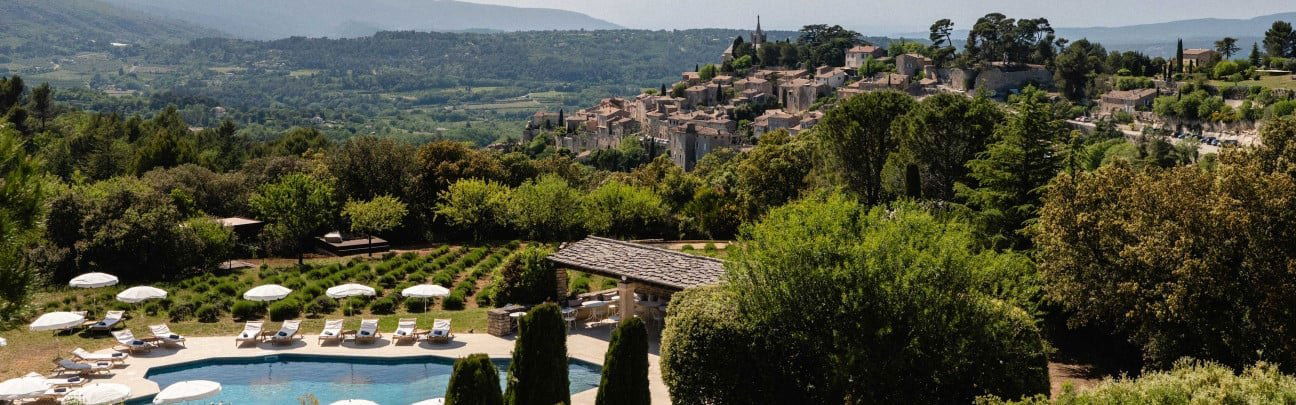
Capelongue suits travelers who prioritize quiet design, landscape and restorative amenities. Its hilltop setting in Bonnieux frames views of the Petit Luberon and, on clear days, Mont Ventoux, making the property appealing for guests who want to be immersed in Provençal countryside. The estate offers pools, gardens and a spa alongside multiple on-site dining options and a café, so it works equally well for guests focused on relaxation, light exploration of the grounds, and a hotel-centered stay where architecture and calm form the core experience.
Stay Tips
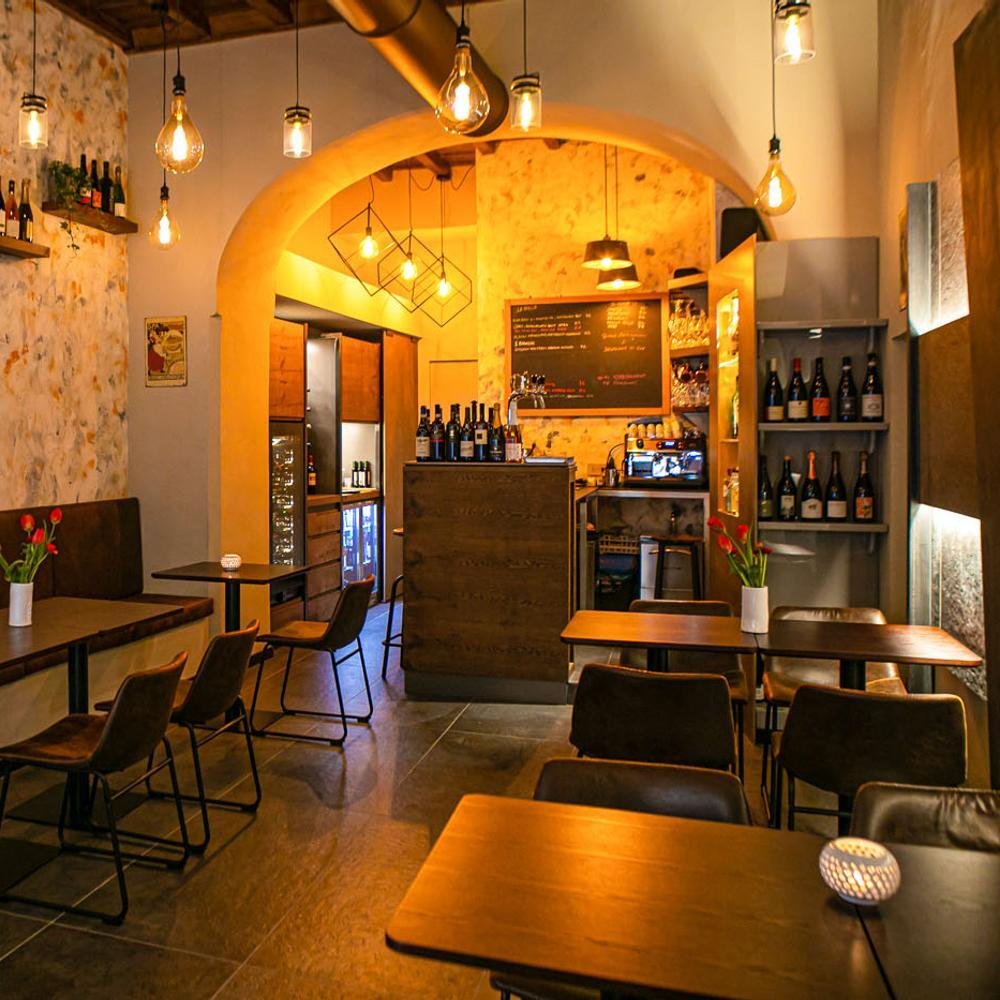
Take advantage of the property's multiple food formats: split time between the café and the principal dining outlets to experience different moods on the same grounds. Allow for slower moments on the estate—wander the gardens after a meal, visit the bookstore and plan a poolside hour when the light over the Petit Luberon is at its best. On days with good visibility, position time outdoors to enjoy views toward Mont Ventoux; the hotel’s scale and variety of on-site outlets make it easy to shape a relaxed, design-focused day without leaving the grounds.
Venue details
Ambiance
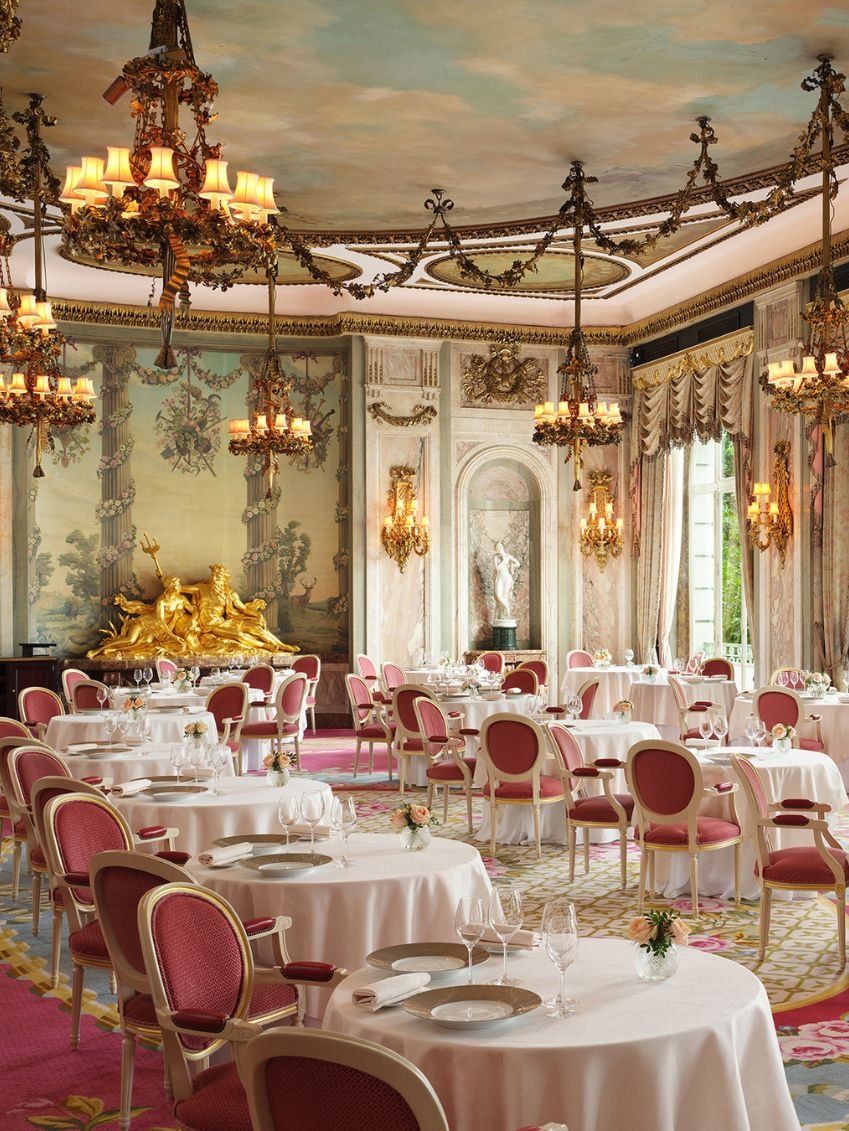
Relaxing and inviting with elegant Provençal charm, warm lighting in convivial spaces like the wood-fired restaurant, and tranquil natural surroundings praised for disconnection and peace.
Tags
Vibe
Best For
Experience
Amenities
View
About the Stay
- Rooms
- 57
- Property Style
- Restored 17th 18th Century Provençal Hamlet with Modern Luxury.
- Design Style
- Refined Provençal Architecture Blending Rustic Stone with Elegant, Subtle Contemporary Interiors.
Know before you go
Know Before You Go
- Getting there
- Les Claparèdes, 550 Chem. des Cabanes, 84480 Bonnieux
Planning details
Location
Les Claparèdes, 550 Chem. des Cabanes, 84480 Bonnieux · Directions
Recognition and awards



Also consider
Where to look if this is booked
Try Le Mas les Eydins first if staying in Bonnieux is non-negotiable. If the village matters less than the broader Luberon base, compare Domaine de Fontenille and La Bastide de Marie.
Hotel context
How it compares in and around Bonnieux
Capelongue is the stronger choice if the hotel itself needs to carry the stay: polished setting, higher recognition, and a more luxury-hotel feel. Le Mas les Eydins is the better fit for travelers who want something smaller and quieter in Bonnieux, especially if the plan is to spend most days out exploring rather than using the property as the main base.
Coquillade Provence and Domaine de Fontenille are the main cross-shops if the brief expands beyond Bonnieux. Coquillade Provence makes more sense for a resort-style countryside stay, while Domaine de Fontenille is the cleaner choice for travelers who want a wine-country mood and do not need to be directly tied to Bonnieux.
La Bastide de Marie is a good alternative for a classic Provence country-house feel, while Le Galinier, Lourmarin, Beaumier Guesthouse suits readers who like the Beaumier orbit but want Lourmarin instead of Bonnieux. If availability is tight at Capelongue, start with Le Mas les Eydins for Bonnieux itself, then widen to Domaine de Fontenille or La Bastide de Marie.
Explore Bonnieux
Around this place
Discover more on Pearl
Unlock the full Capelongue, a Beaumier hotel guide in Pearl, including awards, comparisons, FAQs, planning details, and nearby places.
Compare Capelongue, a Beaumier hotel
| Venue | Location | Awards |
|---|---|---|
| Capelongue, a Beaumier hotel | Bonnieux | 2026 Virtuoso Luxury Hotel Collection2026 Vogue Best Hotels in Provence2026 Mr & Mrs Smith Luxury HotelsMichelin 1 Key 20252025 Michelin 1 Key2025 Gault & Millau Exceptional Hotel2024 Michelin 1 Key |
| Le Mas les Eydins | Bonnieux | 2025 Michelin 1 Key |
| Coquillade Provence | Gargas | 2026 Virtuoso Luxury Hotel Collection2026 Forbes Recommended2026 Relais Chateaux Hotels2026 La Liste Top Hotels2025 Michelin 2 Keys2025 Forbes Recommended2025 Relais Chateaux Award2024 Michelin 2 Keys |
| Domaine de Fontenille | Lauris | 2026 Vogue Best Hotels in Provence2026 Mr & Mrs Smith Luxury Hotels2026 Relais Chateaux Hotels2026 La Liste Top Hotels2025 Relais Chateaux Award2025 Michelin 2 Keys2024 Michelin 2 Keys |
| La Bastide de Marie | Ménerbes | 2026 Vogue Best Hotels in Provence2025 Gault & Millau Exceptional Hotel2025 Michelin 1 Key2024 Michelin 1 Key |
| Le Galinier, Lourmarin, Beaumier Guesthouse | Lourmarin | No published awards |




How Capelongue, a Beaumier hotel compares with similar nearby venues.
FAQ
Frequently Asked Questions
When is the best time to book Capelongue, a Beaumier hotel?
If Capelongue is the hotel you want in Bonnieux, treat its Michelin 1 Key recognition and broader hotel accolades as reasons to plan carefully and confirm availability directly before building the rest of the trip around it.
Are pool and spa details for Capelongue, a Beaumier hotel?
Choose Capelongue for its hotel recognition and Bonnieux setting; if you want to compare a different Beaumier property, Le Galinier, Lourmarin, Beaumier Guesthouse is another option to review.
How is the location of Capelongue, a Beaumier hotel?
Capelongue, a Beaumier hotel is in Bonnieux. If Bonnieux itself is the priority, confirm that location against other regional options such as Domaine de Fontenille before choosing.
How does Capelongue, a Beaumier hotel compare to nearby hotels?
Capelongue is a Bonnieux hotel backed by Michelin 1 Key (2024), Gault & Millau Exceptional Hotel (2025): 5pts, Virtuoso Luxury Hotel Partner (2026), and Mr & Mrs Smith Seal of Approval (2026). Le Mas les Eydins, La Bastide de Marie, and Coquillade Provence are other regional properties to compare when location and recognition matter to the decision.
Do loyalty programs work at Capelongue, a Beaumier hotel?
The venue is a Virtuoso Luxury Hotel Partner (2026), so compare current booking terms directly if partner benefits are important, and review alternatives such as Coquillade Provence and Domaine de Fontenille before choosing.