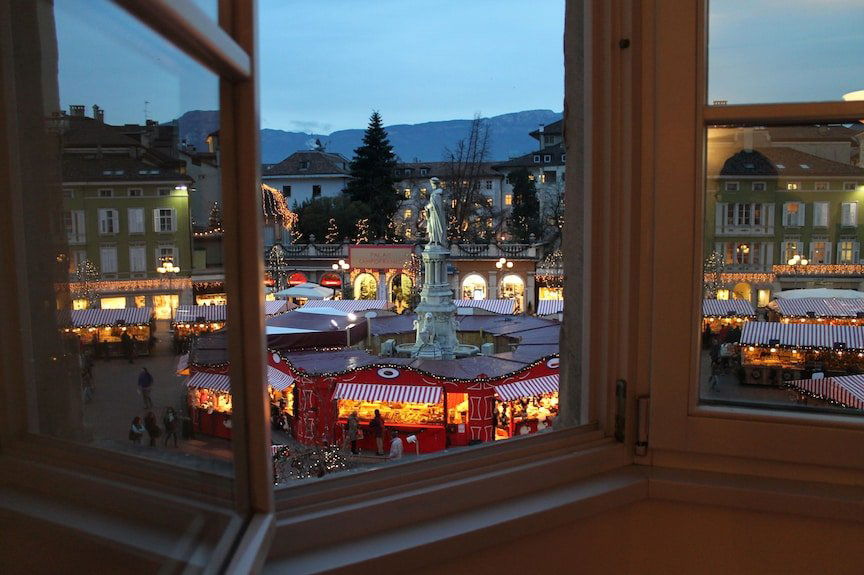


Hotel Greif
Piazza Walther, Bolzano
Hotel in Bolzano, Italy
 Book with Pearl
Why go
Hotel Greif is the right Bolzano choice if location and design matter more than resort facilities. Book it for a central, low-friction stay built around restaurants, wine, and walking the city; compare outside-town properties if spa time or mountain quiet is the main reason for the trip.
About Hotel Greif
In Bolzano, Hotel Greif is best considered for its Design Hotels membership for 2026 and its listing among MICHELIN Guide Hotels Selected for 2025. Beyond that, specific claims about facilities, dining, room layouts, or exact location details should be checked directly with the hotel before booking.
Book this for a Bolzano stay with design recognition
The strongest reason to consider Hotel Greif is its design-oriented positioning. Its 2026 Design Hotels membership gives travelers a clear signal that the property is presented with a design focus, while its MICHELIN Guide Hotels Selected recognition for 2025 adds another confirmed reference point.
Do not choose it based on assumptions about a resort-style setup, spa facilities, dining program, or a particular street-level setting. If the trip is still open-ended, start with Our full Bolzano hotels guide, then cross-check dining plans in Our full Bolzano restaurants guide.
The stay makes sense for design-focused travelers
For travelers comparing hotels, Hotel Greif is most clearly supported by its design-hotel affiliation and MICHELIN hotel selection. That makes it a sensible name to shortlist if the stay should feel considered rather than purely functional.
Keep the rest of the plan flexible and verify practical details directly before committing. Use Our full Bolzano bars guide, Our full Bolzano wineries guide, and Our full Bolzano experiences guide to build around the stay. For comparison options, check Parkhotel Mondschein, Castel Hörtenberg, Gloriette Guesthouse Boutiquehotel, Hotel Saltus, and Parkhotel Holzner.
Who should choose it, and who should not
Choose Hotel Greif if you want a Bolzano hotel with confirmed design recognition and MICHELIN hotel-selection visibility. It is a reasonable fit for travelers who value those signals and are comfortable confirming specific room, service, and facility details directly with the property.
Skip it if the whole point of the trip depends on a specific amenity, dining format, room configuration, or retreat-style setting. In that case, compare Hotel Greif with Castel Hörtenberg, Gloriette Guesthouse Boutiquehotel, Hotel Saltus, Parkhotel Holzner, and Parkhotel Mondschein before deciding.
Quick reference: choose this for a Bolzano stay with Design Hotels membership and MICHELIN Guide Hotels Selected recognition; verify all practical details directly before booking.
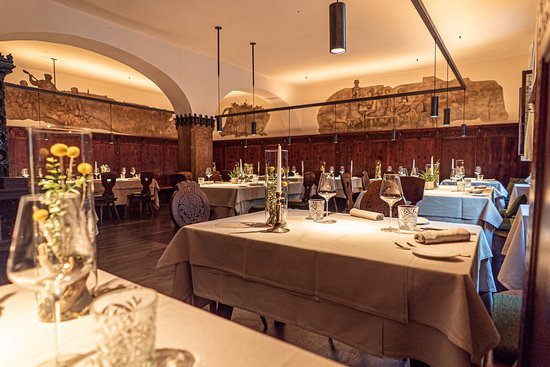
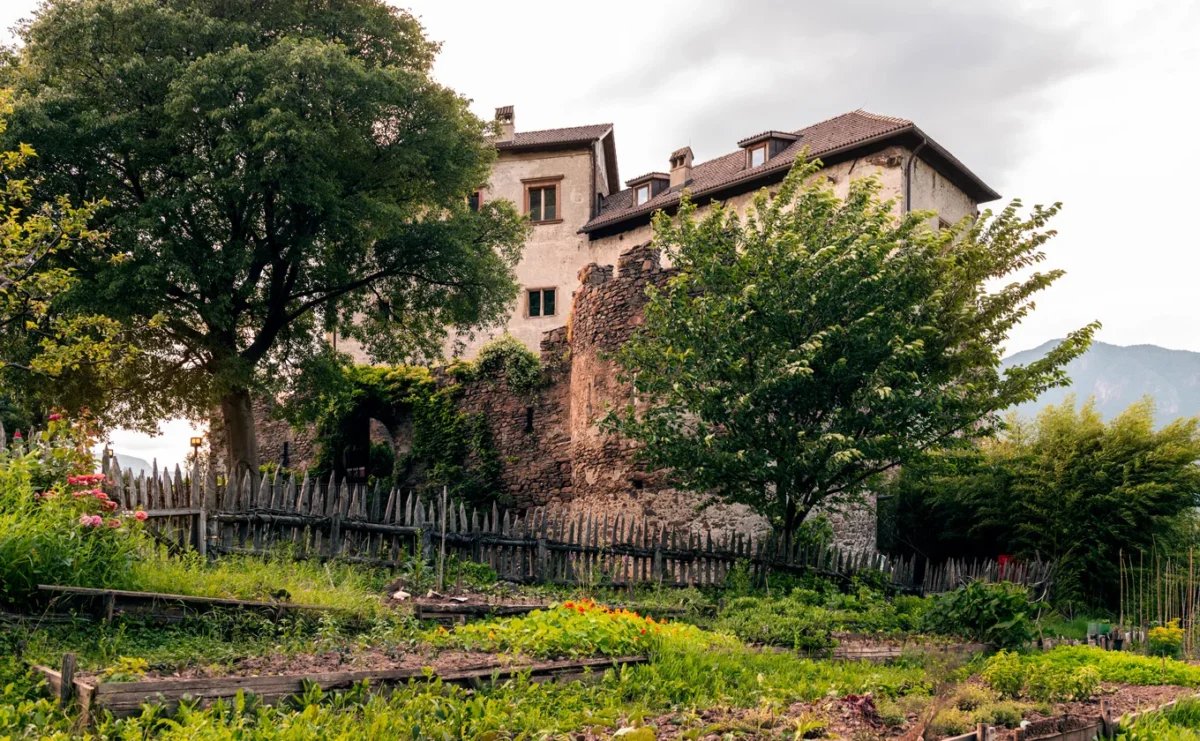
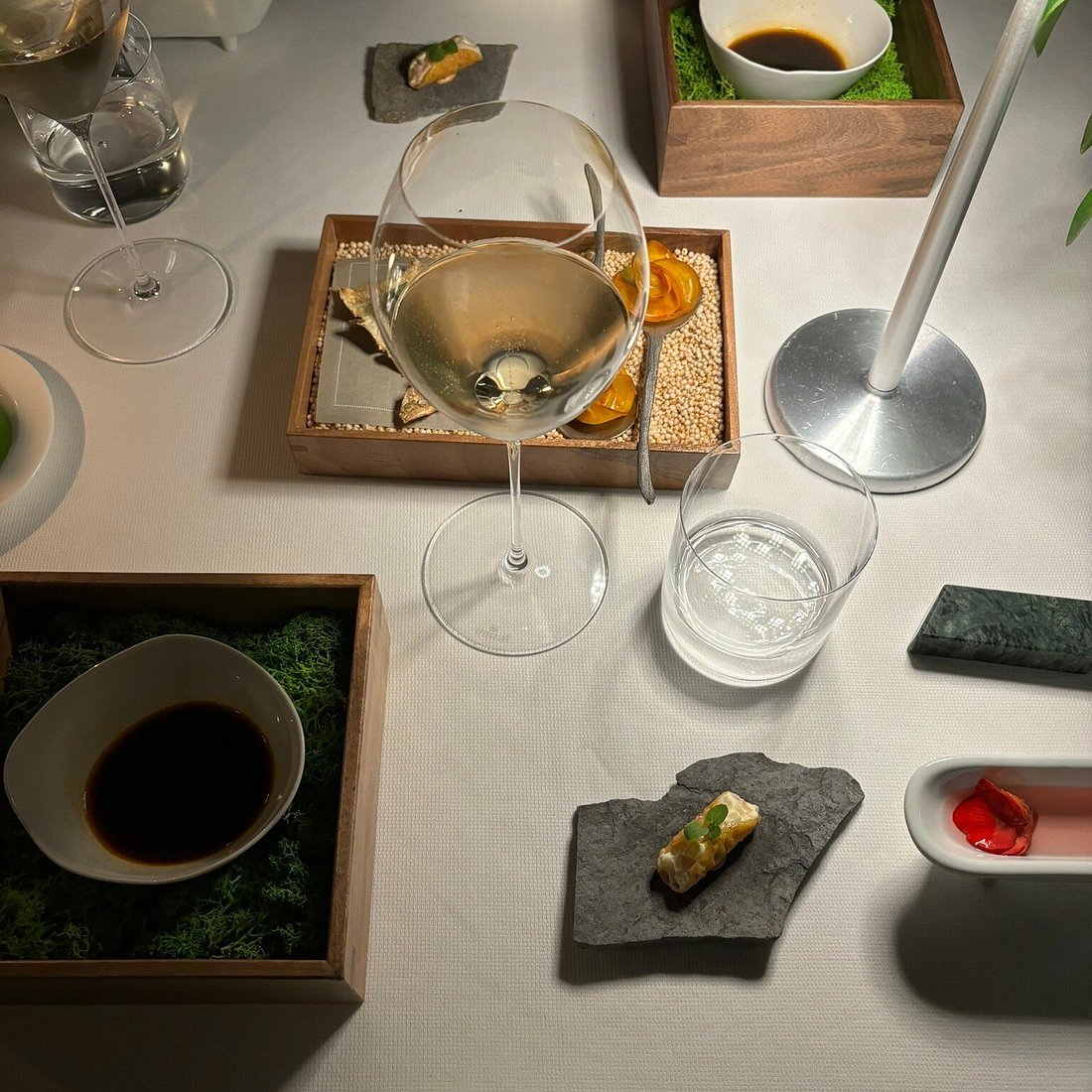
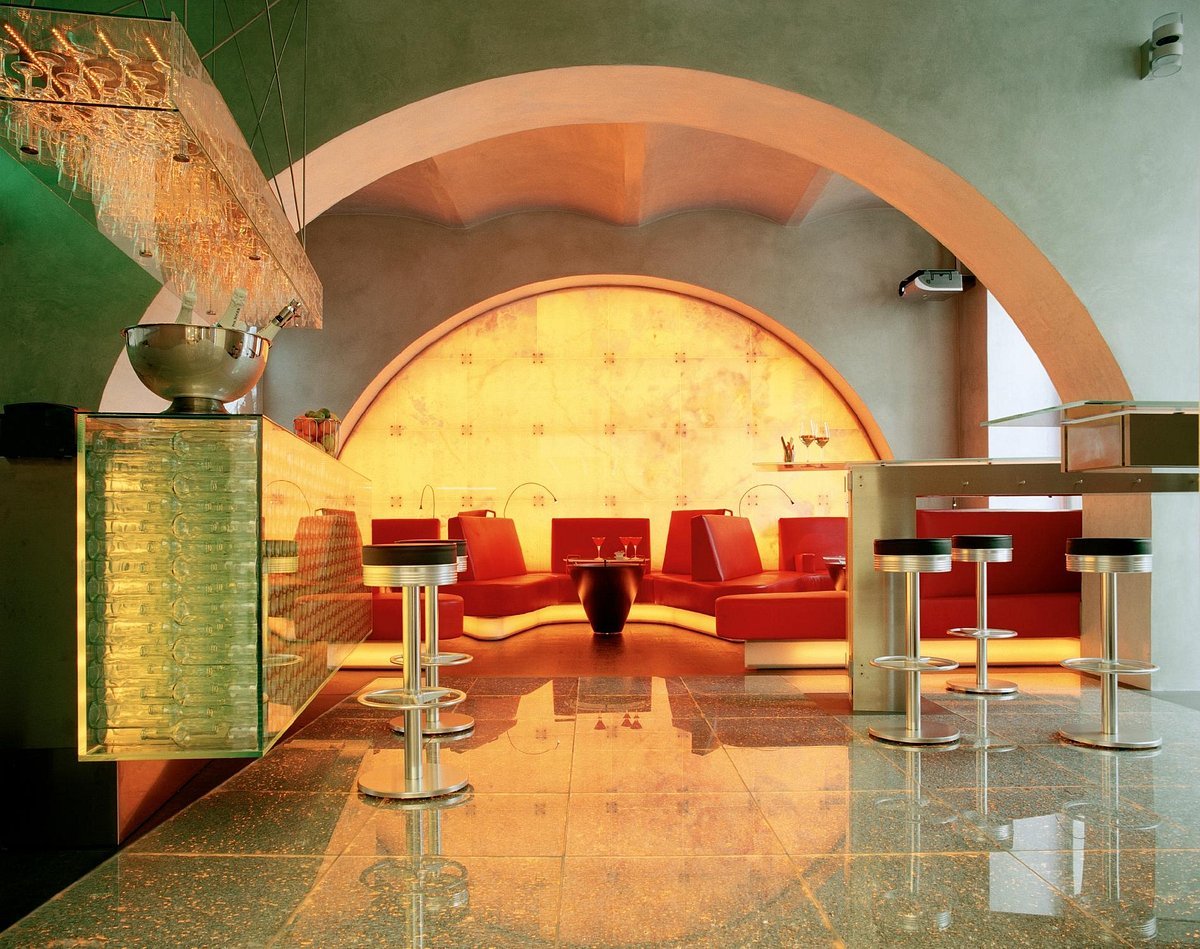
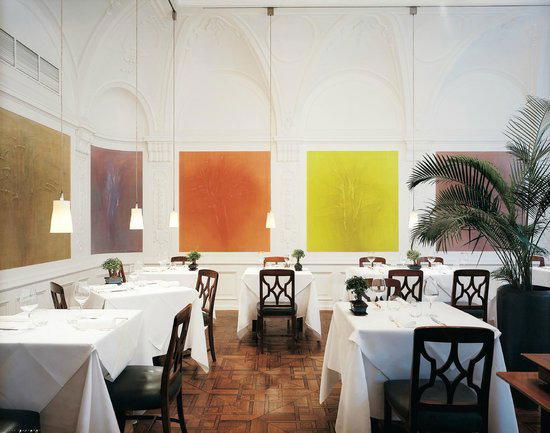
Inside Hotel Greif
Planning details
- Location
- Piazza Walther, Bolzano 39100, Italy
- Website
- marriott.com/en-us/hotels/bzohg-hotel-greif-a-member-of-design-hotels/overview
- Phone
- 39471318000
The take
The Take
The Vibe
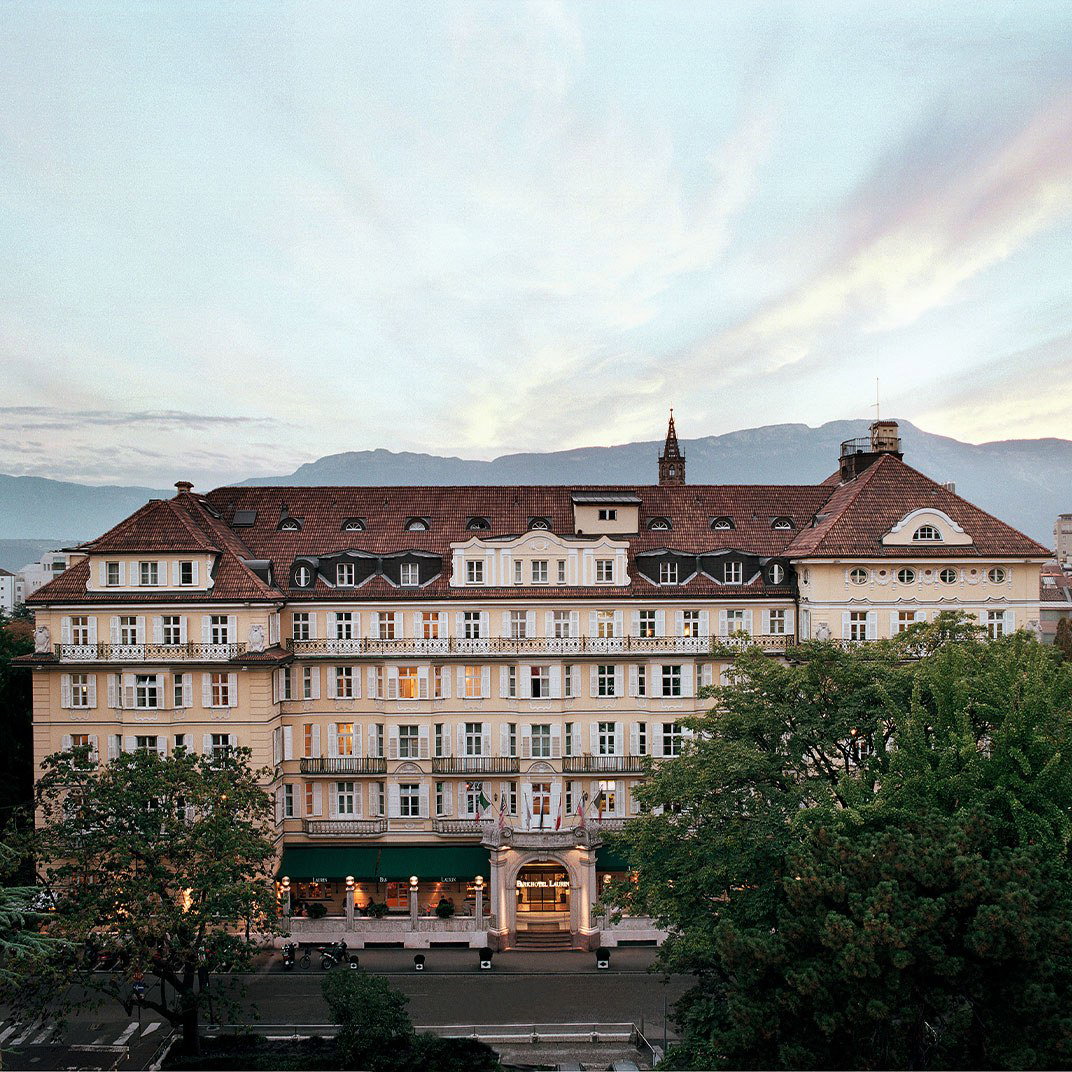
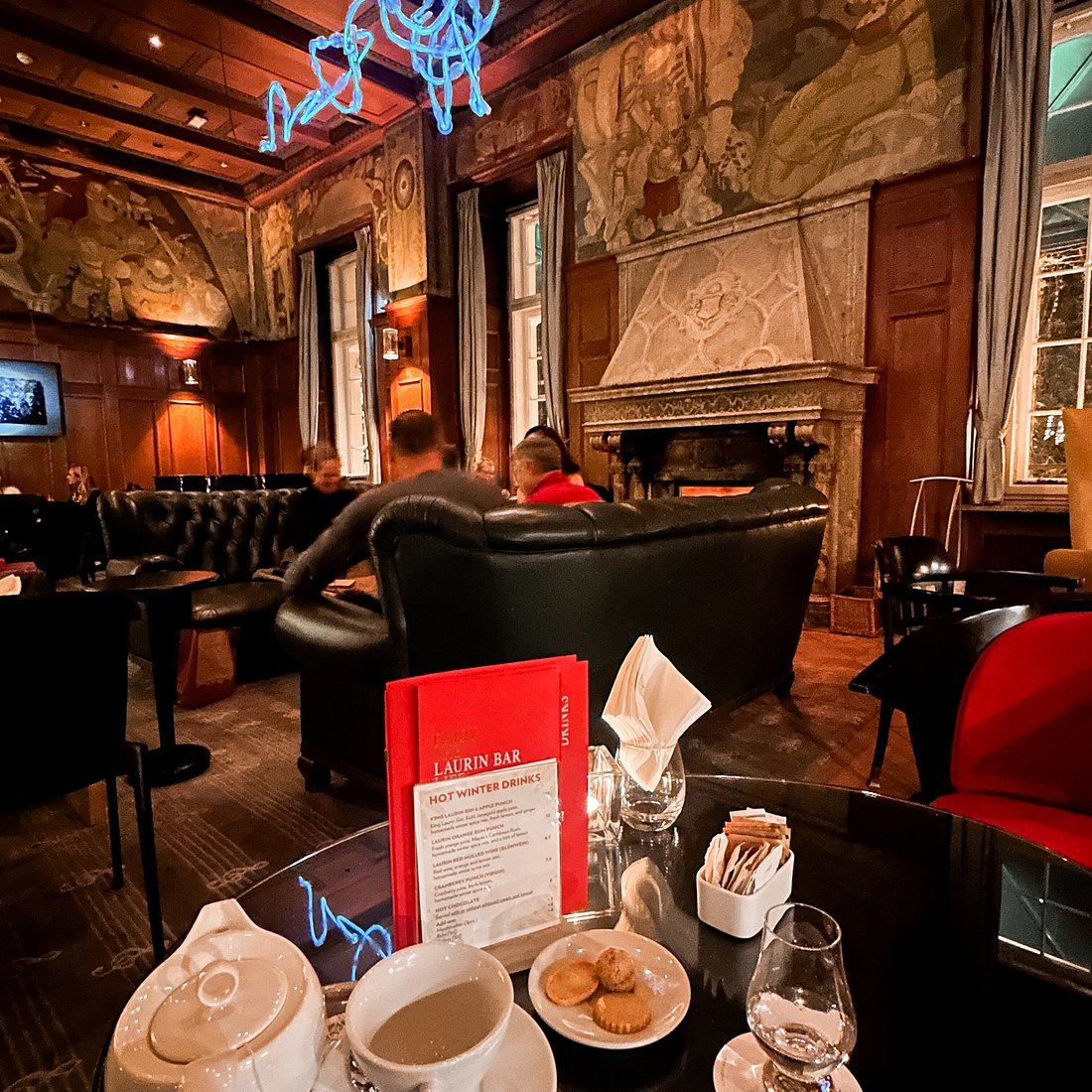
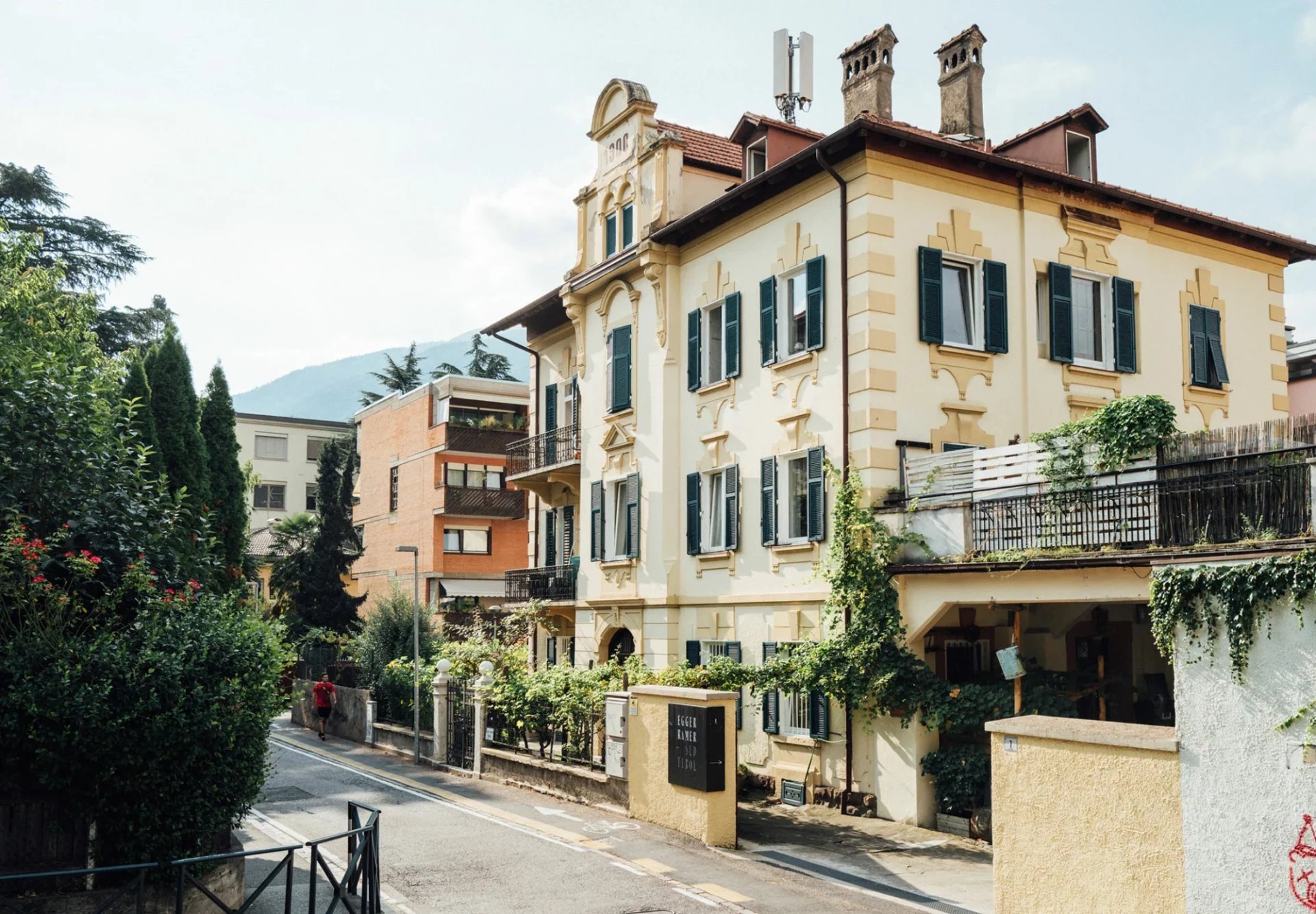
Hotel Greif situates itself as a restrained but deliberate presence on Piazza Walther, trading Alpine-lodge tropes for a contemporary, curatorial approach. The property occupies a historic corner and treats its interiors as a continuing artistic project: original commissions by contemporary artists appear in public spaces and guest rooms, giving the hotel a museum-like layering rather than decorative pastiche. The result is a considered, city-forward personality that converses visually with the surrounding Gothic cathedral and historical facades, appealing to travelers who value design, cultural context and a mindful balance between old fabric and modern intervention.
Best For
Greif is best for travelers drawn to city stays that emphasize design and cultural context over rustic mountain aesthetics. The hotel sits at the civic heart of Bolzano, adjacent to Piazza Walther and the Gothic cathedral, so it suits guests interested in architecture, museums and walking the historic center. Its contemporary art program and ongoing interventions make it a strong match for art-minded visitors and those who prefer a curated, urban boutique experience rather than a traditional Alpine lodge. The location’s proximity to the train station also makes it convenient for short stays and weekend explorations.
Stay Tips
Plan to arrive on foot when possible: the hotel sits roughly a ten-minute walk from Bolzano’s train station, making it an easy base for arrivals and short urban stays. Allow time to explore the piazza and the surrounding historic facades—the property is described as an active visual participant in that setting. Inside, budget a moment to see the hotel’s commissioned contemporary works in public areas and guest rooms, since the art program is central to the Greif’s character. Choose this property if you prioritize a design-forward, centrally located hotel over a rustic mountain retreat.
Venue details
Ambiance
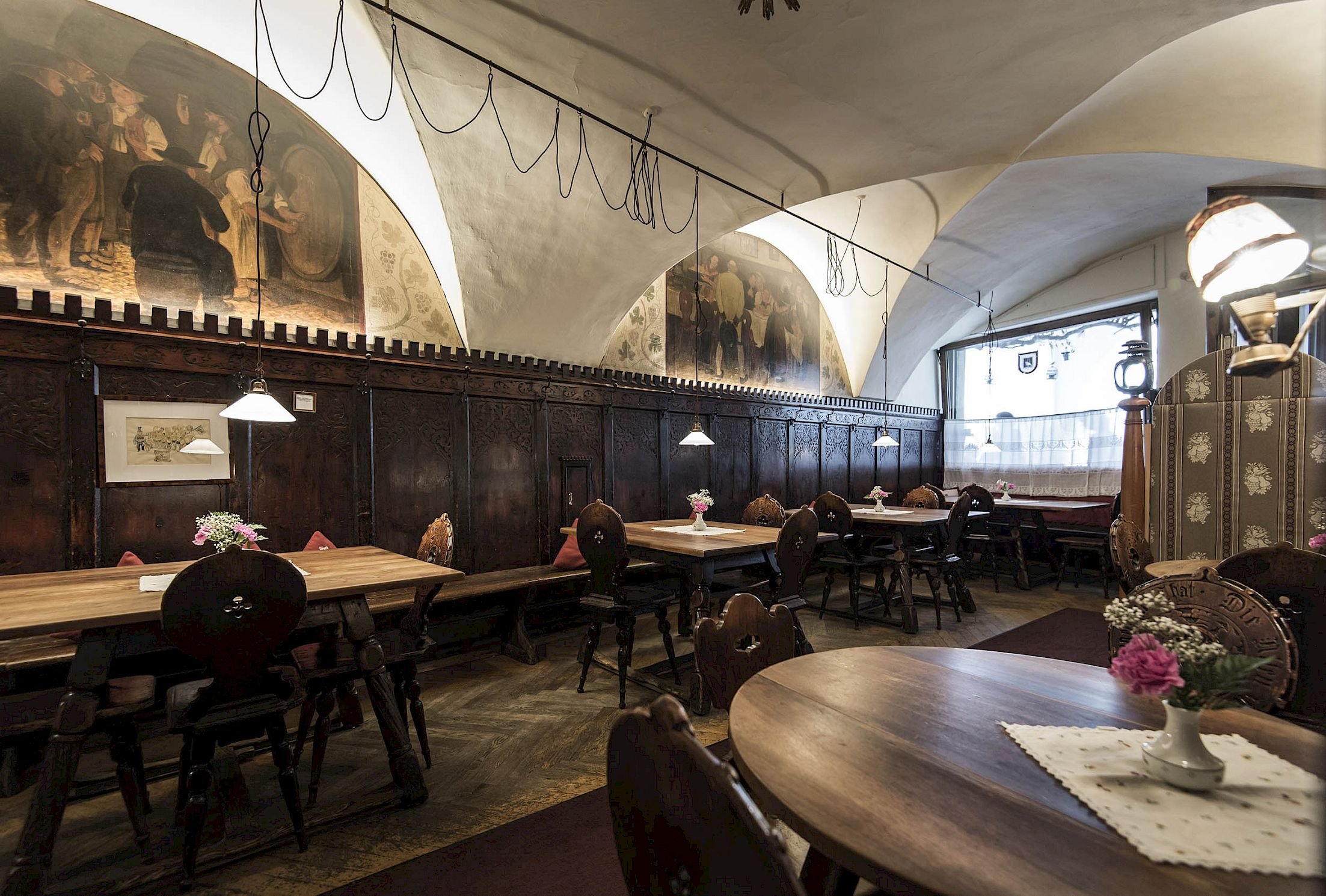
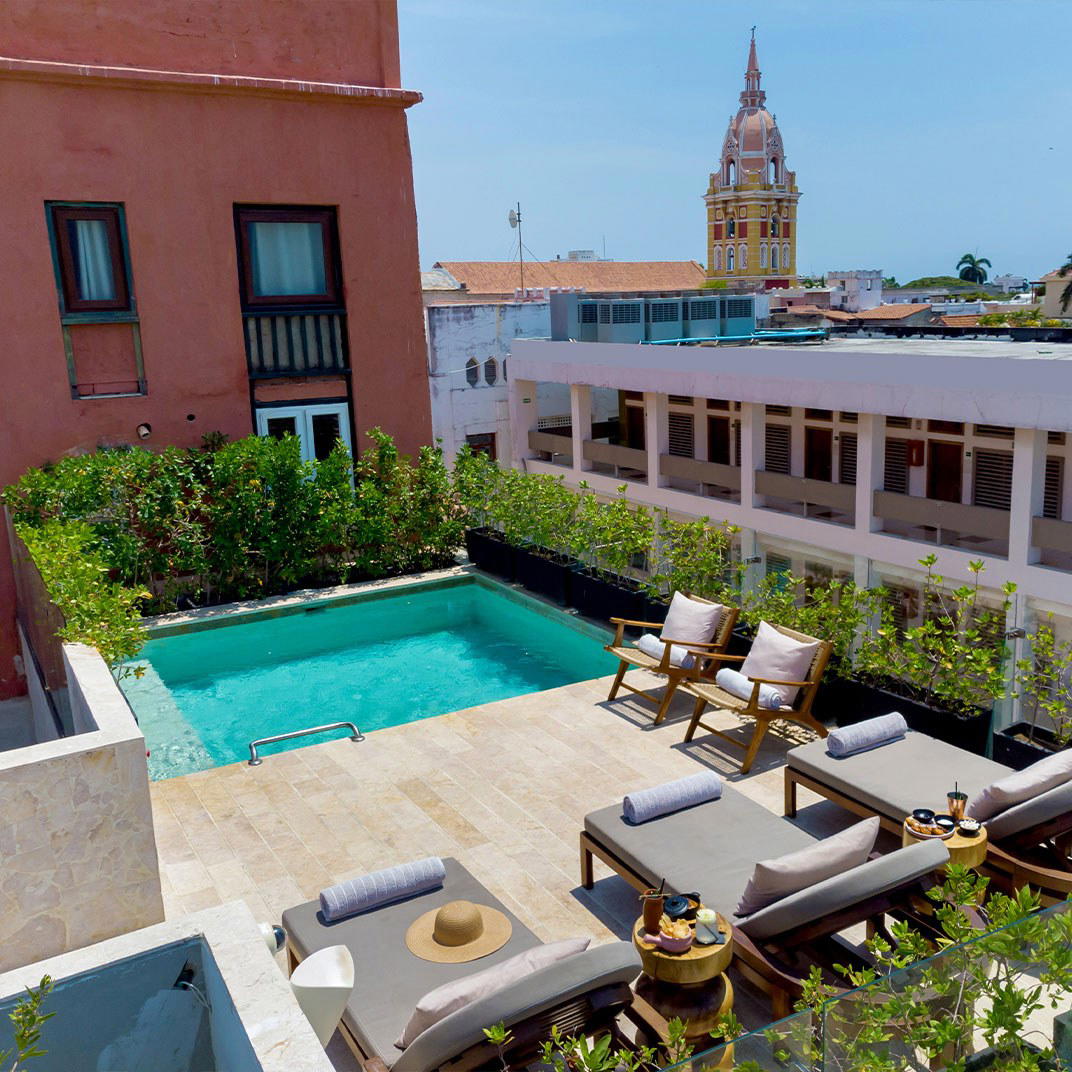
Sophisticated blend of preserved historic charm and bold modern design, with warm lighting, soundproofed rooms, and panoramic terrace views praised for elegance and comfort.
Tags
Vibe
Best For
Experience
Amenities
View
Accessibility
About the Stay
- Rooms
- 33
- Check-in
- 15:00
- Check-out
- 12:00
- Property Type
- Design hotel
- Property Style
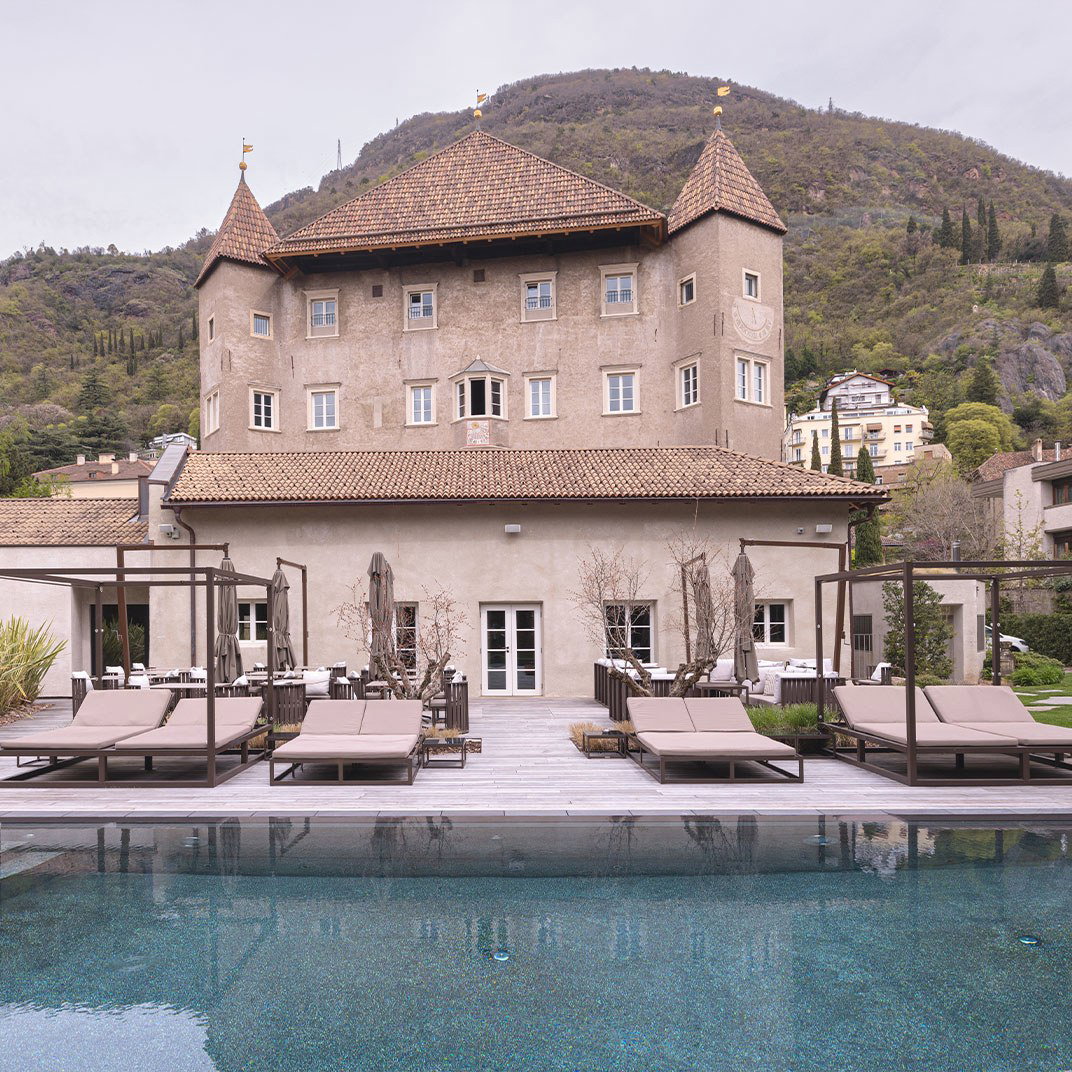
- Bold Modernity in a Centuries Old Historical Building
- Design Style
- Unique Individually Artist Designed Rooms with Biedermeier Antiques, Custom Textiles, and Contemporary Artwork
- Breakfast
- Included
- Pool
- Yes
- Spa
- Yes
- Pets
- Allowed
- Families
- Welcome
- Cancellation
- Moderate
Know before you go
Know Before You Go
- Getting there
- Piazza Walther, Bolzano 39100, Italy
Planning details
Location
Piazza Walther, Bolzano 39100, Italy · Directions
marriott.com/en-us/hotels/bzohg-hotel-greif-a-member-of-design-hotels/overview
Recognition and awards
Also consider
Also Consider
- Parkhotel Mondschein, Notable alternative
- Castel Hörtenberg, Notable alternative
- Hotel Saltus, Notable alternative
- Gloriette Guesthouse Boutiquehotel, Notable alternative
- Parkhotel Holzner, Notable alternative
Hotel context
How It Compares
Parkhotel Mondschein is the closest cross-shop for a central Bolzano stay with a softer, lifestyle-hotel mood. Choose Hotel Greif if the priority is being right in the city center with a more design-forward feel; choose Mondschein if the stay should feel more relaxed and social. Booking should be easier here than at small destination-style properties outside town, though weekends and peak travel dates still reward early planning.
Castel Hörtenberg is the better fit for travelers who want a more retreat-like Bolzano base and are willing to trade some central immediacy for a grander hotel atmosphere. Hotel Greif is the more practical pick for short stays, restaurant-led itineraries, and travelers arriving with a tight schedule. For value, it makes sense when location saves transfers and lets the city do more of the work.
Outside Bolzano, Hotel Saltus, Gloriette Guesthouse Boutiquehotel, and Parkhotel Holzner suit guests chasing mountain air, wellness time, or a slower South Tyrol rhythm. Pick those for a stay where the property is the main event. Pick Hotel Greif when Bolzano itself is the point.
Around this place
Discover more on Pearl
Unlock the full Hotel Greif guide in Pearl, including awards, comparisons, FAQs, planning details, and nearby places.
Compare Hotel Greif
| Venue | Location | Awards |
|---|---|---|
| Hotel Greif | Bolzano | 2026 Design Hotels Collection2025 Michelin Selected Hotels |
| Parkhotel Mondschein | Bolzano | No published awards |
| Castel Hörtenberg | Bolzano | No published awards |
| Hotel Saltus | Jenesien San Genesio | 2025 Michelin Selected HotelsSmall Luxury Hotels Member 2025 |
| Gloriette Guesthouse Boutiquehotel | Soprabolzano | No published awards |
| Parkhotel Holzner | Soprabolzano | No published awards |

How Hotel Greif Bolzano compares with similar nearby venues.
FAQ
Frequently Asked Questions
When is the best time to book Hotel Greif?
If Hotel Greif is the Bolzano property you want, confirm availability through current booking channels before making plans. The hotel's confirmed trust signals are its 2026 Design Hotels membership and MICHELIN Guide Hotels Selected recognition for 2025.
Which room category is best at Hotel Greif?
Room-category details should be confirmed based on the hotel's current descriptions before booking. If room size, layout, or quietness is important, ask the property before committing.
How is the location of Hotel Greif?
Hotel Greif is in Bolzano. Specific street, neighborhood, or landmark details should be confirmed through the hotel's official channels if that affects your plans.
How is the pool and spa at Hotel Greif?
If pool and spa amenities are important, check Hotel Greif's official channels before booking and compare with options such as Parkhotel Holzner or Hotel Saltus.
Do loyalty programs work at Hotel Greif?
The clearest recognition is Hotel Greif's 2026 Design Hotels membership and MICHELIN Guide Hotels Selected status for 2025. For specific loyalty benefits, booking channels, or status treatment, confirm directly before reserving.
How is the dining at Hotel Greif?
Check the property's current information if on-site dining is important to the stay.