

Grand Hotel Majestic Gia’ Baglioni
Historic Center, Bologna
Hotel in Bologna, Italy
 Book with Pearl
Why go
Grand Hotel Majestic Gia' Baglioni is the safe splurge in central Bologna for anniversaries, senior business travel, and trips where the hotel needs to feel formal. Suite-level is worth considering when the stay itself is part of the occasion; for a quick food-focused visit, compare rates against Hotel Metropolitan, I Portici Hotel Bologna, and The Met's Apartments.
About Grand Hotel Majestic Gia’ Baglioni
Grand Hotel Majestic Gia' Baglioni is a premium Bologna hotel with two luxury-hotel signals: Virtuoso Luxury Hotel Partner recognition for 2026 and selection in the MICHELIN Guide hotel list for 2025. For readers, that makes it a credible splurge when the priority is a recognized hotel stay in Bologna.
To evaluate the hotel, compare it against the kind of stay you want in Bologna rather than assuming specific room layouts, dining formats, wellness facilities, prices, or service extras.
Best for travelers prioritizing a recognized hotel stay
Choose Grand Hotel Majestic Gia' Baglioni if the hotel itself is meant to be part of the trip: an occasion stay, a more formal business base, or a visit where hotel atmosphere matters. The recognition by Virtuoso and MICHELIN's hotel selection supports that polished-hotel positioning.
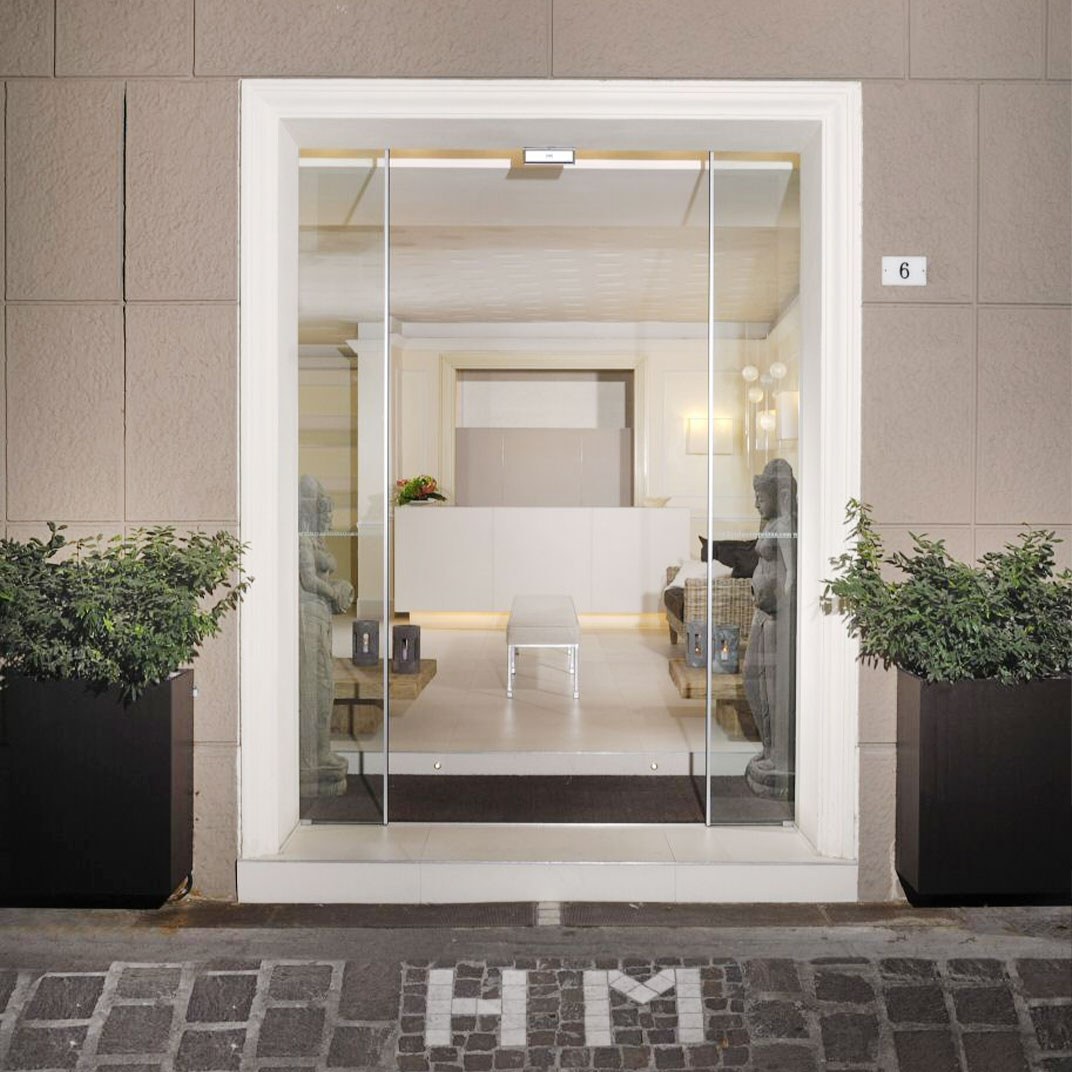
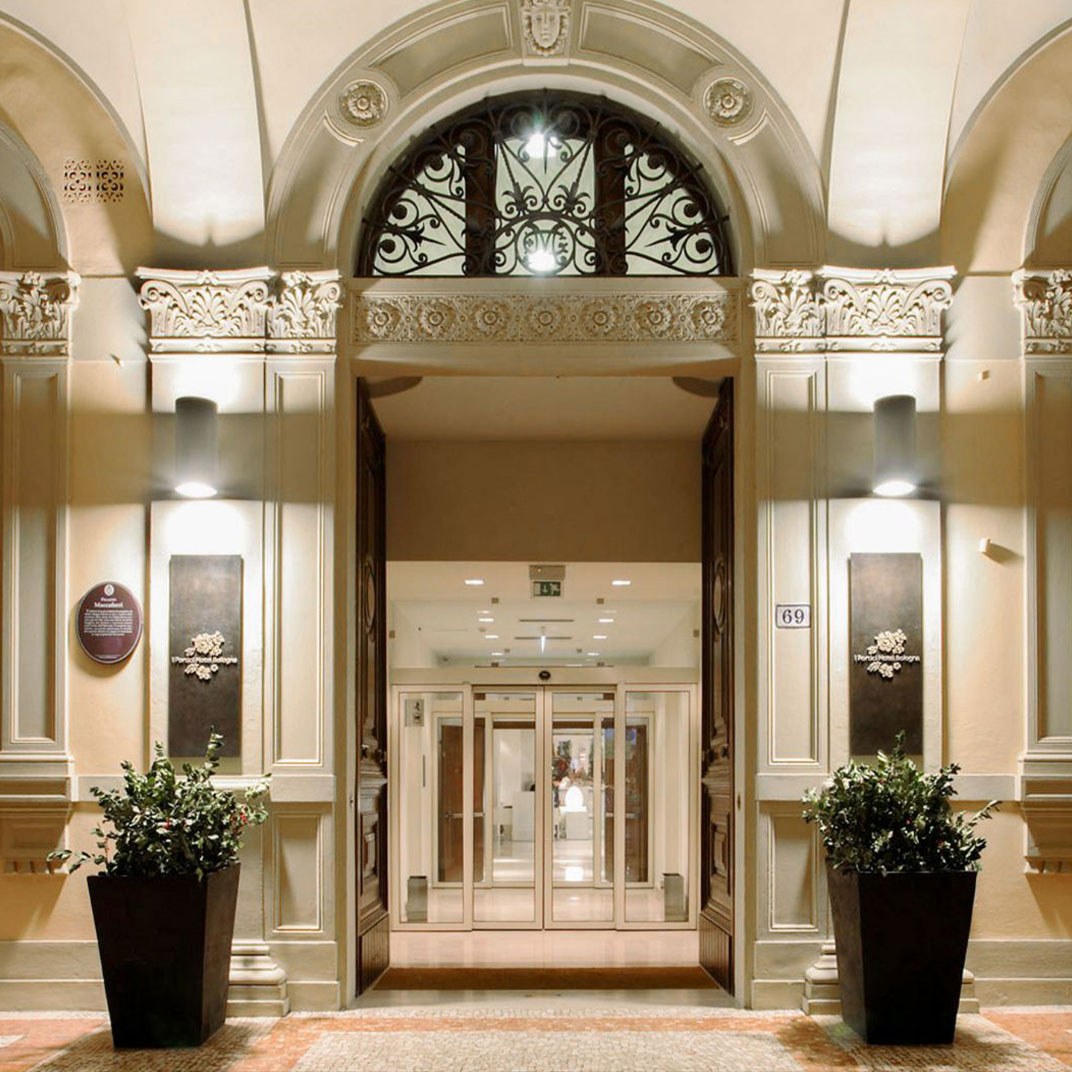
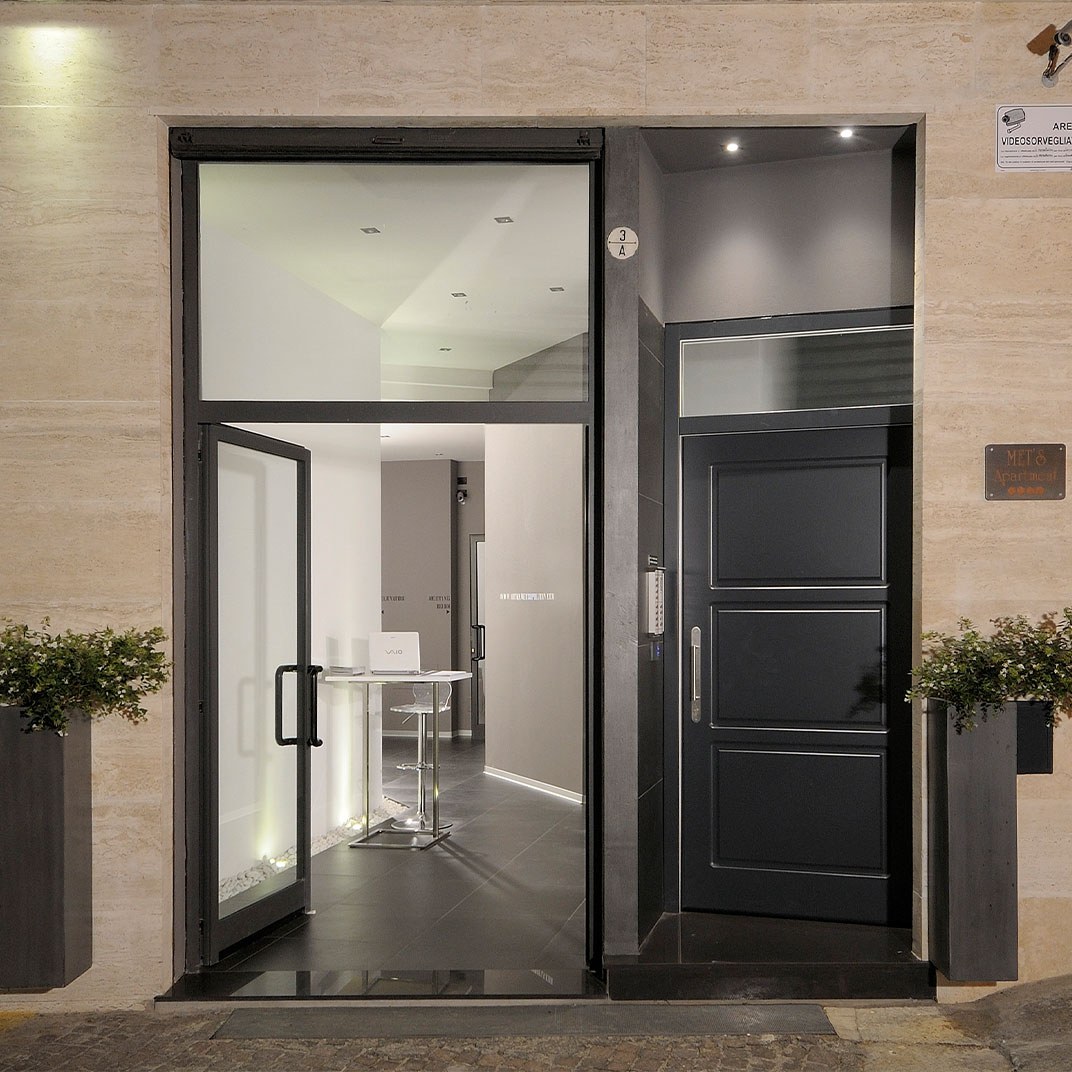
That is where comparison matters. The Met's Apartments, Hotel Metropolitan, and I Portici Hotel Bologna are natural names to cross-shop if you are comparing different types of stays. Casa Bertagni and Elizabeth Country House may also be useful reference points, depending on the style of trip you are planning.
Bologna works well for dining-led stays
For a trip built around meals, treat Grand Hotel Majestic Gia' Baglioni as a Bologna base rather than judging it by a specific hotel dining concept. Dining plans should be built around the wider city.
For the strongest trip, pair the stay with reservations from our full Bologna restaurants guide, then use our full Bologna bars guide for after-dinner options. If the itinerary extends beyond meals, other Bologna planning guides can help round out the trip.
When comparing options, focus on the type of stay rather than unsupported specifics. Grand Hotel Majestic Gia' Baglioni is the recognized hotel choice in this set, while Casa Bertagni, Hotel Metropolitan, I Portici Hotel Bologna, The Met's Apartments, and Elizabeth Country House are useful names to compare according to your own booking priorities.
Inside Grand Hotel Majestic Gia’ Baglioni
Planning details
- Location
- Via dell'Indipendenza 8
- Phone
- +39 51 225445
The take
The Take
The Vibe
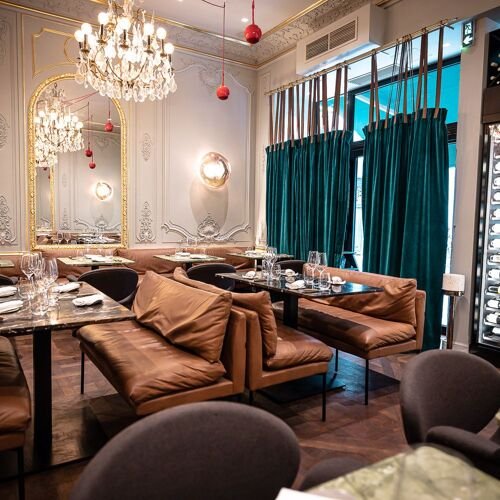
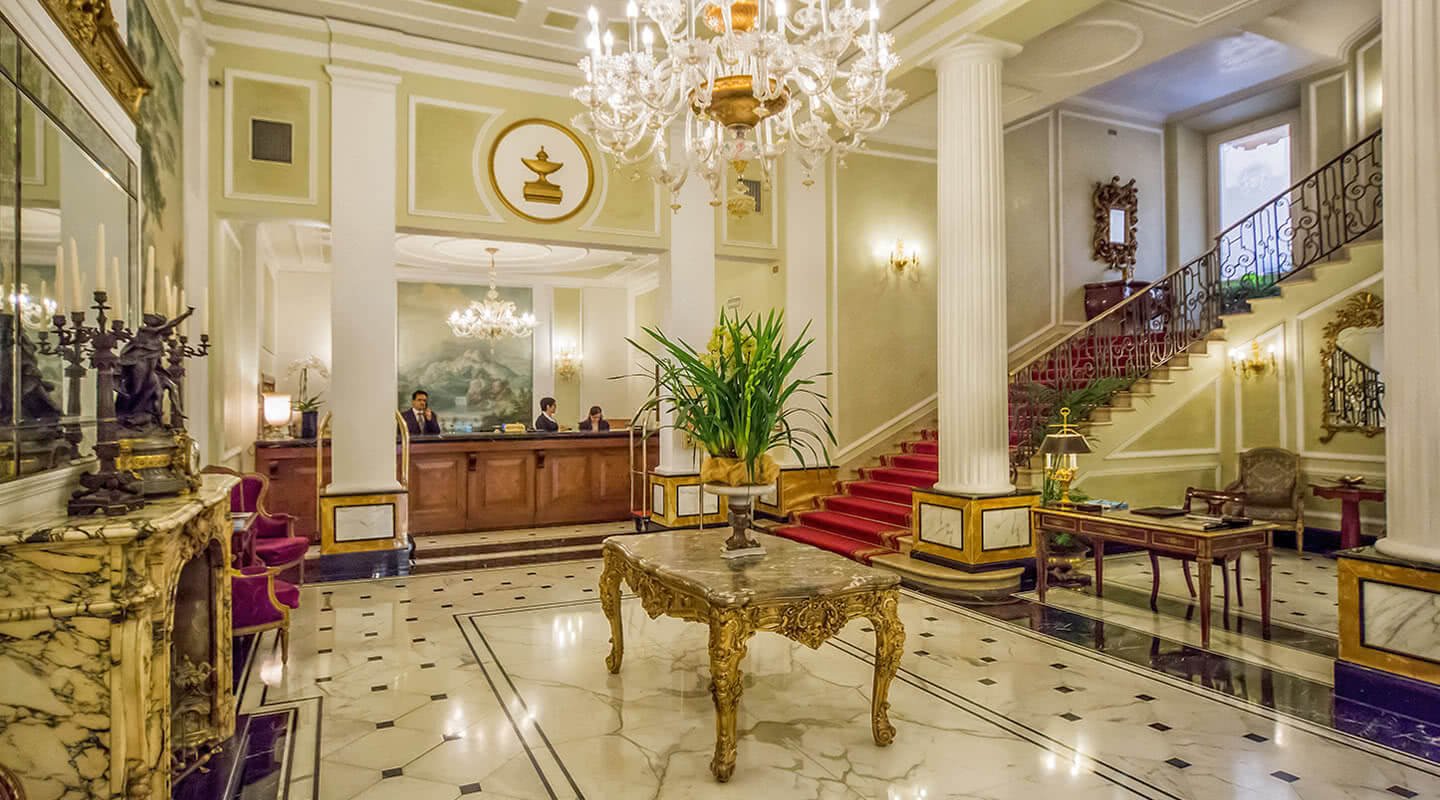
The Majestic reads as a deeply historic palazzo that translates civic gravitas into refined, intimate interiors. Designed in the first half of the 18th century by Alfonso Torregiani for Cardinal Prospero Lambertini, the building keeps classical proportions, coffered ceilings and antique furnishings that emphasize architectural permanence. Arriving from the Due Torri, the façade appears measured and symmetrical; inside, corridors reveal a literal fragment of the city's past — a segment of an ancient Roman road visible in the lobby levels. The overall impression is of a grand, quietly authoritative hotel that privileges layered history over contemporary spectacle.
Best For
This hotel is best for travelers who want to be immersed in Bologna's layered history while staying steps from the city’s main sights. Its position on Via dell'Indipendenza places guests within easy walking distance of the Due Torri and Piazza Maggiore, and the building's classical interiors and intimate scale suit couples or solo travelers who appreciate a restrained, historically rich atmosphere. The visible Roman road in the public areas makes the property especially appealing to guests interested in architecture and archaeology as part of their stay.
Venue details
Ambiance
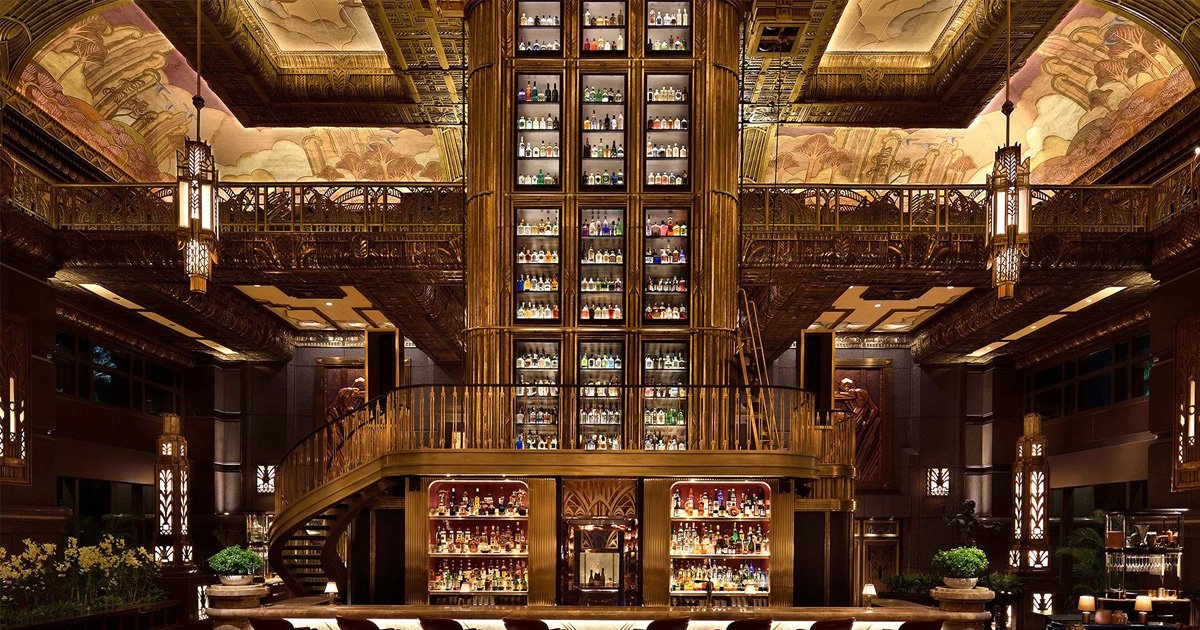
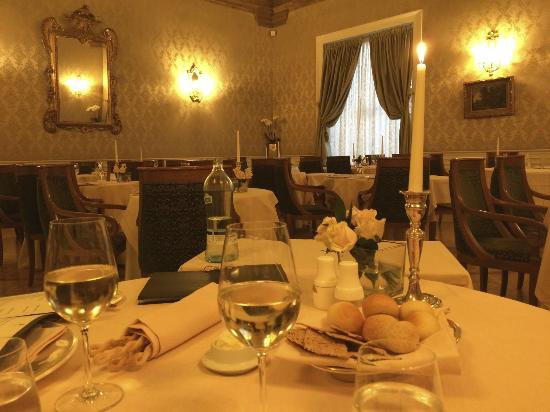
Opulent and elegant with rich brocade drapery, Murano glass chandeliers, antique furniture, and soundproofed rooms creating a refined, tranquil atmosphere.
Tags
Vibe
Best For
Experience
Amenities
View
Accessibility
About the Stay
- Rooms
- 106
- Property Style
- Historic Luxury Palazzo with Classic Italian Elegance.
- Design Style
- Venetian Style Antique Furnishings, Murano Chandeliers, and 18th Century French Influences.
Know before you go
Know Before You Go
- Getting there
- Via dell'Indipendenza 8
Planning details
Location
Via dell'Indipendenza 8 · Directions
Recognition and awards

Also consider
Also Consider
- The Met's Apartments, Notable alternative
- Hotel Metropolitan, Notable alternative
- I Portici Hotel Bologna, Notable alternative
- Casa Bertagni, Notable alternative
- Elizabeth Country House, Notable alternative
Hotel context
How it compares with Bologna alternatives
Grand Hotel Majestic Gia' Baglioni is the splurge pick in this set: choose it when the stay needs formality, central convenience, and a more polished hotel experience. The Met's Apartments is the better value call for longer stays or travelers who want apartment flexibility, while Hotel Metropolitan is easier to justify for a lighter city break where the hotel is not the main event.
I Portici Hotel Bologna is the practical cross-shop for visitors who want a central Bologna hotel experience without leaning into grand-hotel ceremony. Casa Bertagni is better for travelers who prefer a smaller, more personal stay, especially if they do not need the full-service feel. Elizabeth Country House makes more sense when the trip is built around quiet and space outside the core city rhythm.
For booking difficulty, the edge goes to the alternatives if guests are flexible on ambiance, since apartment and smaller-hotel formats can be easier to match to specific needs. For a celebration, though, the Majestic is the safer recommendation: suite-level spend has clearer purpose here than at the more casual peers.
Around this place
Discover more on Pearl
Unlock the full Grand Hotel Majestic Gia’ Baglioni guide in Pearl, including awards, comparisons, FAQs, planning details, and nearby places.
Compare Grand Hotel Majestic Gia’ Baglioni
| Venue | Location | Awards |
|---|---|---|
| Grand Hotel Majestic Gia’ Baglioni | Bologna | 2026 Virtuoso Luxury Hotel Collection2025 Michelin Selected Hotels |
| The Met's Apartments | Bologna | No published awards |
| Hotel Metropolitan | Bologna | No published awards |
| I Portici Hotel Bologna | Bologna | No published awards |
| Casa Bertagni | Bologna | No published awards |
| Elizabeth Country House | Minerbio | No published awards |
How Grand Hotel Majestic Gia' Baglioni Bologna compares with similar nearby venues.
FAQ
Frequently Asked Questions
How is the dining at Grand Hotel Majestic Gia' Baglioni?
Treat it as a place to base a dining-led stay in Bologna, not as a hotel chosen on the basis of a named restaurant concept. For a trip built around meals, plan around Bologna dining more broadly.
How is the pool and spa at Grand Hotel Majestic Gia' Baglioni?
If wellness facilities are important, confirm them directly before booking. The grounded trust signals are its MICHELIN Guide Hotels selection for 2025 and Virtuoso Luxury Hotel Partner recognition for 2026.
When is the best time to book Grand Hotel Majestic Gia' Baglioni?
If your dates are fixed, book when you are comfortable with the available room category and rate. The recognized hotel status supports it as a luxury option in Bologna.
How is the location of Grand Hotel Majestic Gia' Baglioni?
Which room category is best at Grand Hotel Majestic Gia' Baglioni?
If the hotel experience itself is important to the trip, compare available categories directly; for a short stay where the room is mostly a place to sleep, compare the available rates before deciding.
How does Grand Hotel Majestic Gia' Baglioni compare to other options?
It makes the most sense for travelers who want a Bologna hotel with luxury-hotel recognition. Hotel Metropolitan, I Portici Hotel Bologna, Casa Bertagni, Elizabeth Country House, and The Met's Apartments are other names to compare.
Is Grand Hotel Majestic Gia' Baglioni family-friendly?
Families should compare available room categories directly and consider whether a recognized hotel stay in Bologna fits the trip. If extra space or particular services are important, confirm those details directly before booking.