

Amanruya
Golturkbuku, Bodrum
Hotel in Bodrum, Turkey
 Book with Pearl
The Read
Ottoman Clifftop Seclusion
Why go
Amanruya is the right Bodrum choice for travelers who value privacy, calm, and the Aman Resorts service style over a busy resort scene. It works especially well for a luxury reset around business travel, but compare it with larger Bodrum peers if restaurant variety, social energy, or easier logistics matter more.
About Amanruya
Amanruya is a Bodrum venue with a smart casual dress code and recognition that includes Michelin 1 Key (2025) and Virtuoso Luxury Hotel Partner (2026). Before booking, ask the property for current pricing, room count, dining format, facilities, service style, and programming.
The value case should be judged on fit rather than assumed extras. If Michelin Key recognition and a Bodrum setting are the draw, Amanruya belongs on the shortlist. If the decision depends on a particular restaurant setup, activity program, family offering, or business-travel workflow, compare current details carefully with Mandarin Oriental, Bodrum, Maxx Royal Bodrum, Bodrum Loft, Bobo by The Stay, or Susona Bodrum, LXR Hotels & Resorts before committing.
Use confirmed recognition as the anchor
The strongest hook is recognition: Amanruya holds Michelin 1 Key (2025) and is listed as a Virtuoso Luxury Hotel Partner (2026). Those signals support its position in Bodrum's premium hotel set, while practical questions about pricing, dining, amenities, and guest mix should be part of the booking check.
Travelers should judge the stay against what they actually need. If the priority is a recognized luxury hotel in Bodrum with a smart casual dress code, Amanruya is a relevant option. If the budget is being stretched for a specific feature, check that feature directly and compare the same dates with Bodrum Loft, Bobo by The Stay, Mandarin Oriental, Bodrum, Maxx Royal Bodrum, and Susona Bodrum, LXR Hotels & Resorts.
Book only after checking the details that matter
Amanruya is best evaluated as a premium Bodrum stay with Michelin and Virtuoso recognition, rather than on assumptions about restaurants, bars, activities, room types, or resort layout. For some travelers, that recognition may be enough to justify deeper consideration. For others, the practical details will matter more than the accolade.
For planning, use Our full Bodrum hotels guide to cross-check Bodrum alternatives, then branch into Our full Bodrum restaurants guide, Our full Bodrum bars guide, and Our full Bodrum experiences guide if the stay needs more outside-the-resort structure. The clean recommendation: shortlist Amanruya for a recognized luxury stay in Bodrum, then check current rates, dining, amenities, and policies directly before booking.
Part of
Aman46 locations on PearlPlanning details
- Location
- Demir Mevkii, Gölköy, Bülent Ecevit Cd., 48483 Bodrum/Muğla
- Website
- aman.com/resorts/amanruya?y_source=1_MTU3MDc1NTktNzE1LWxvY2F0aW9uLndlYnNpdGU%3D
- Phone
- +90 252 311 12 12
The take
The Take
The Vibe
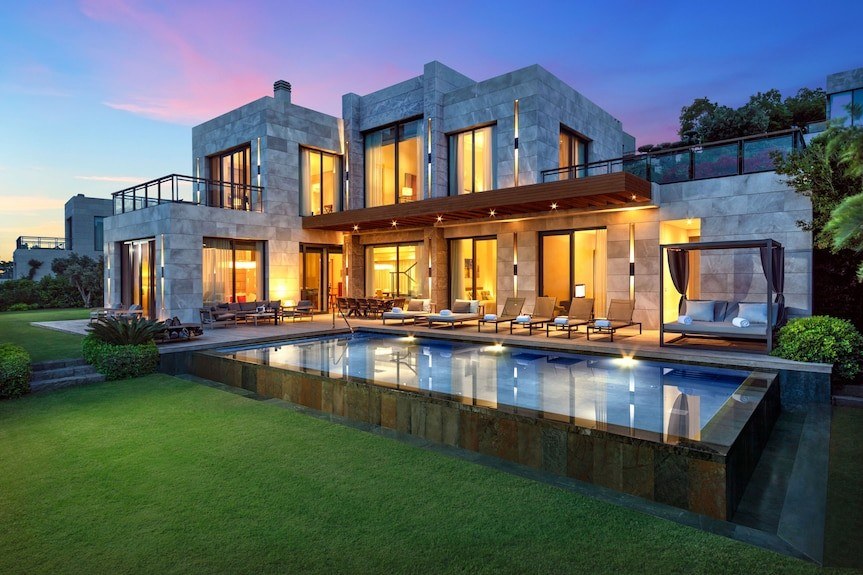
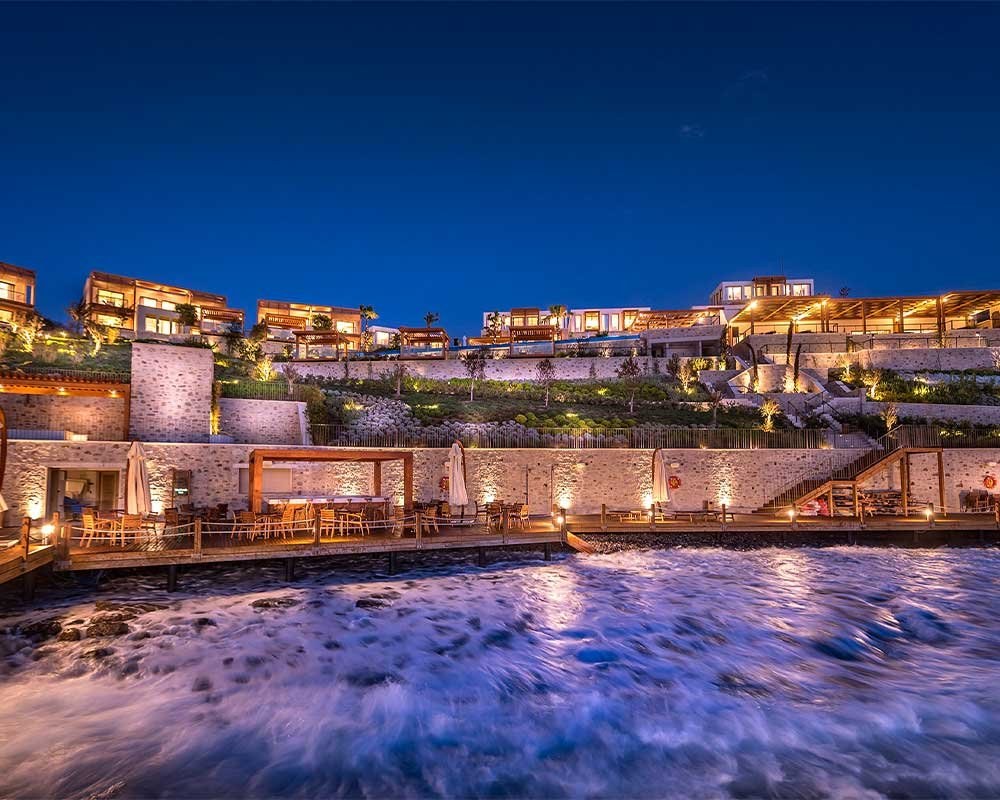
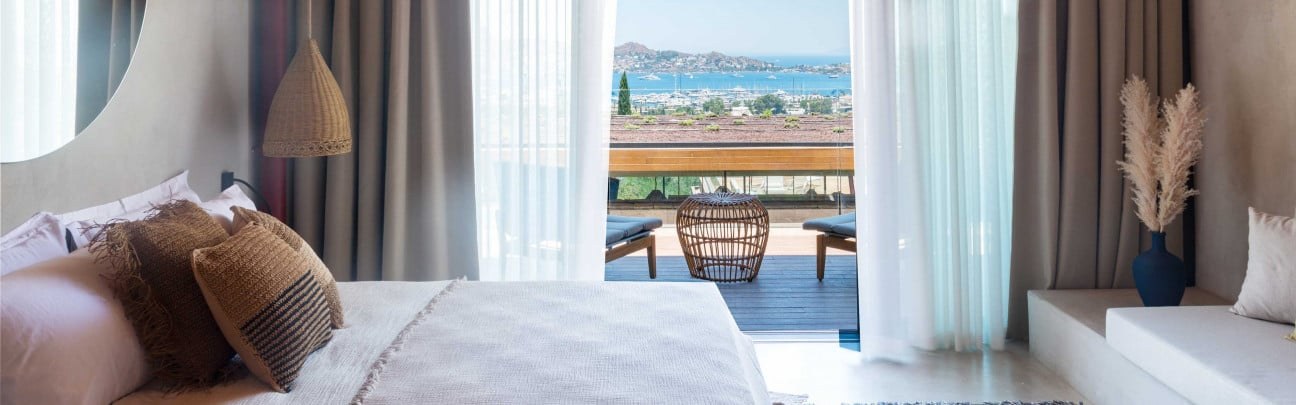
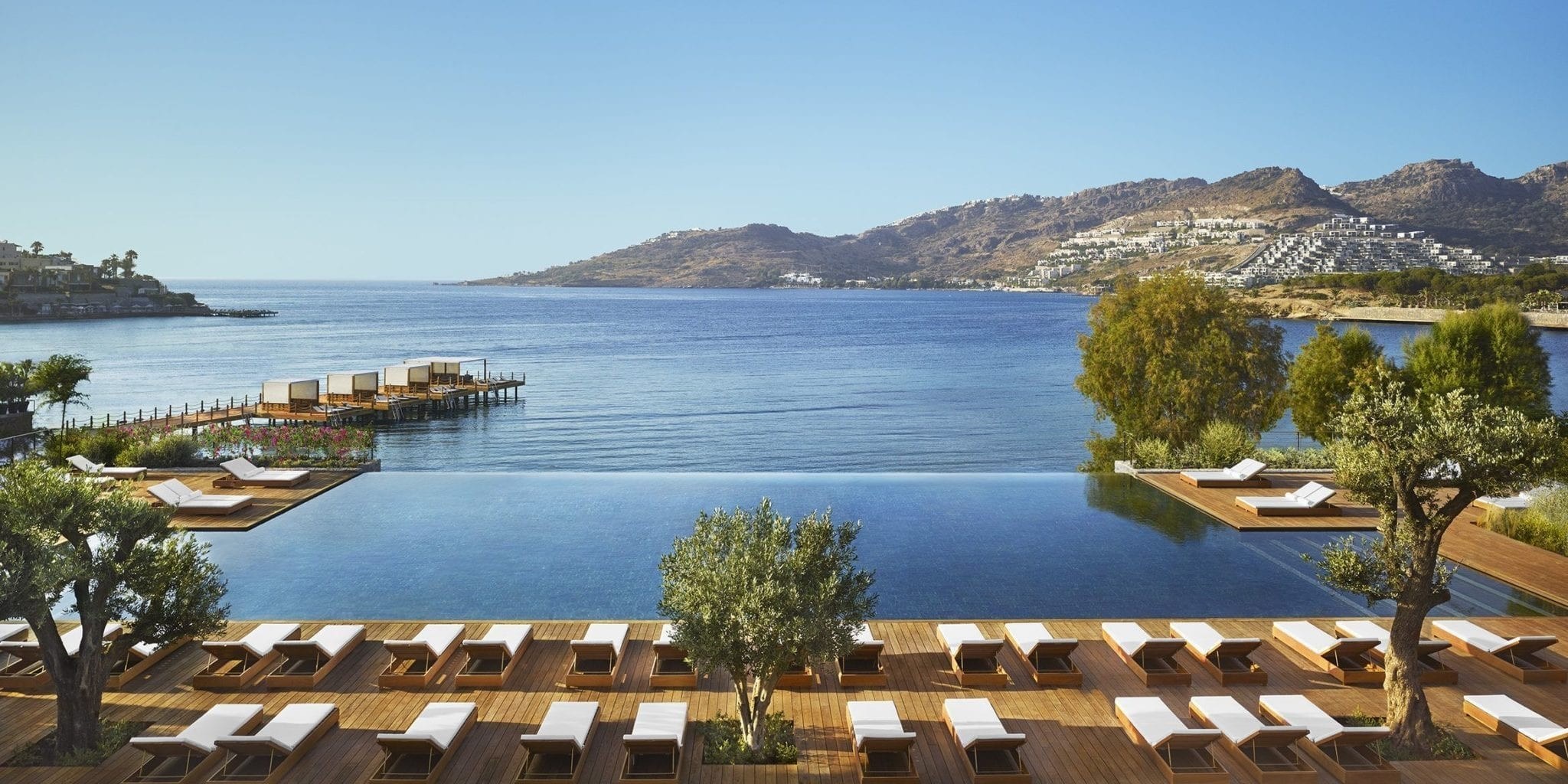
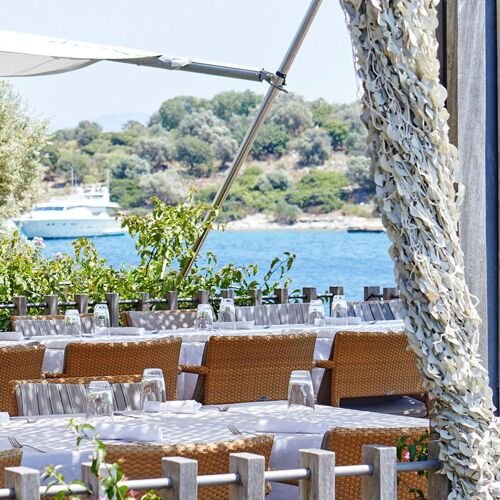
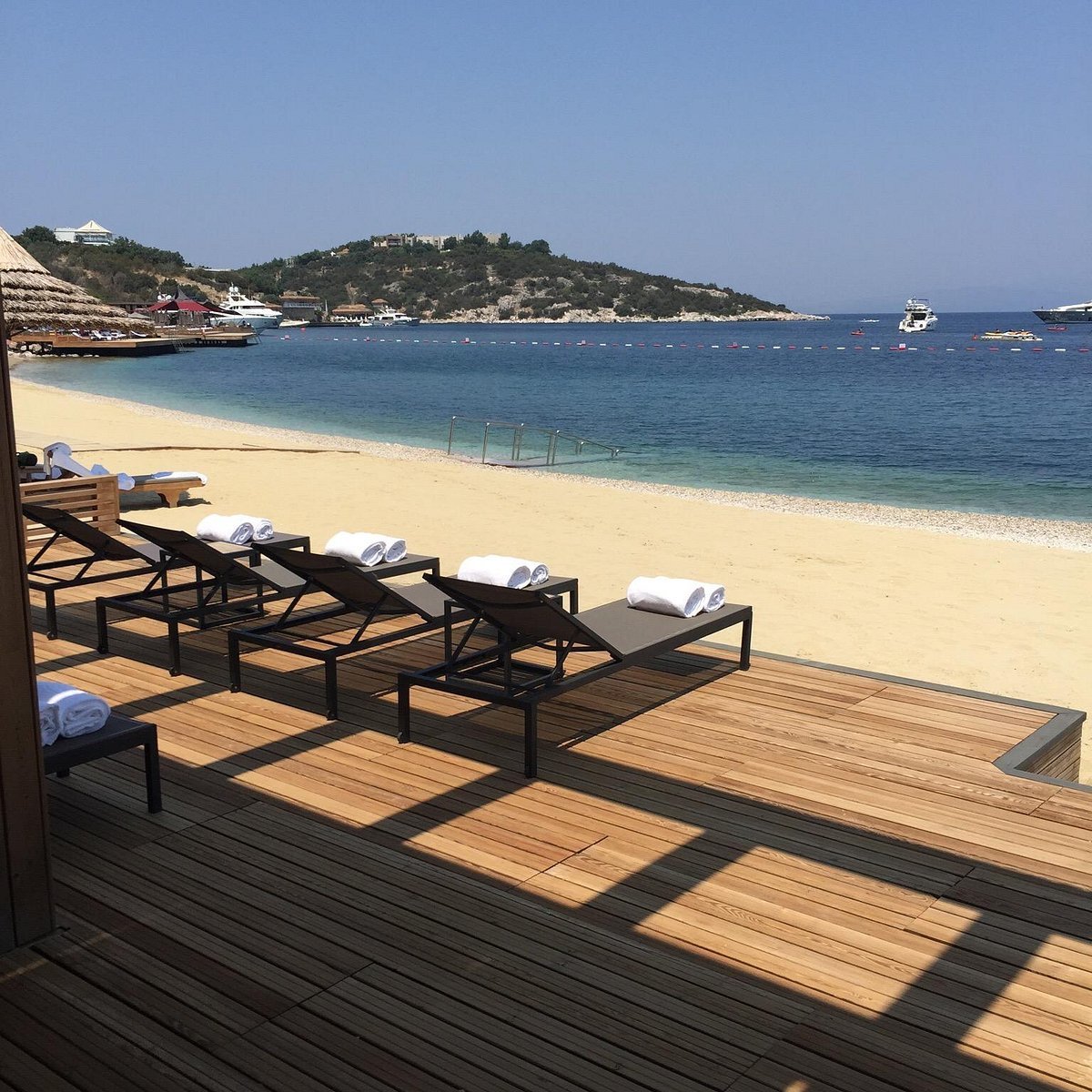
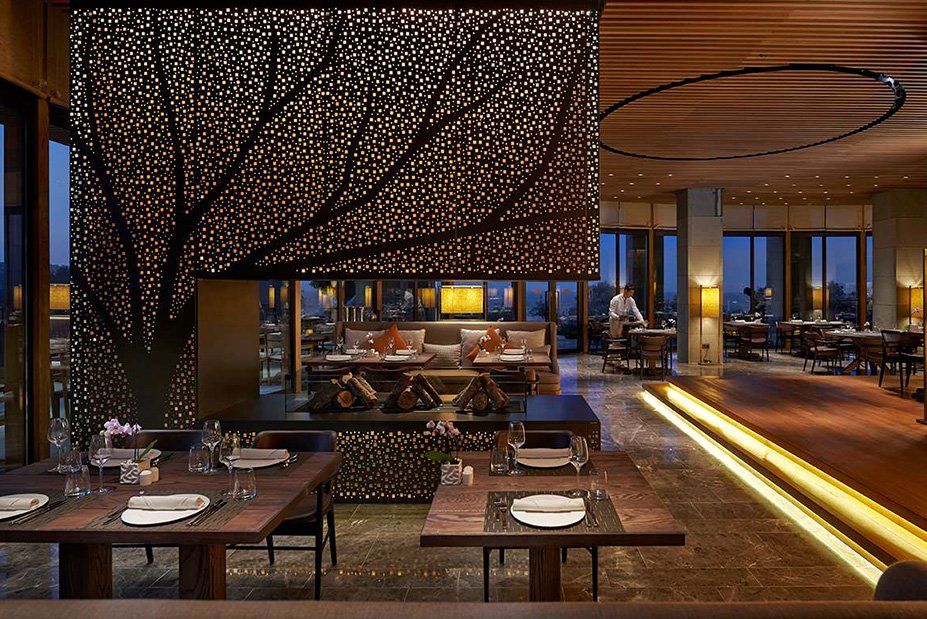
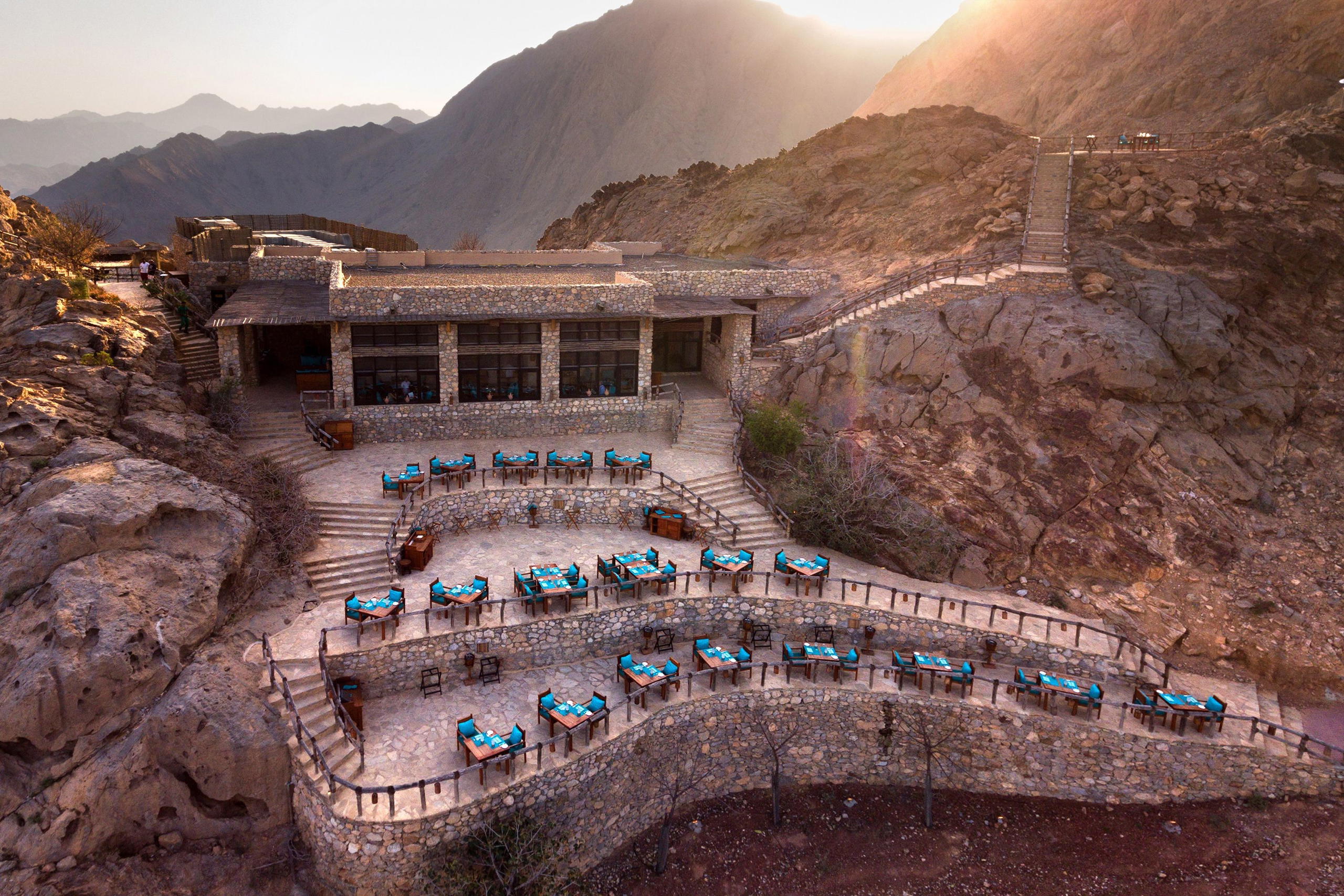
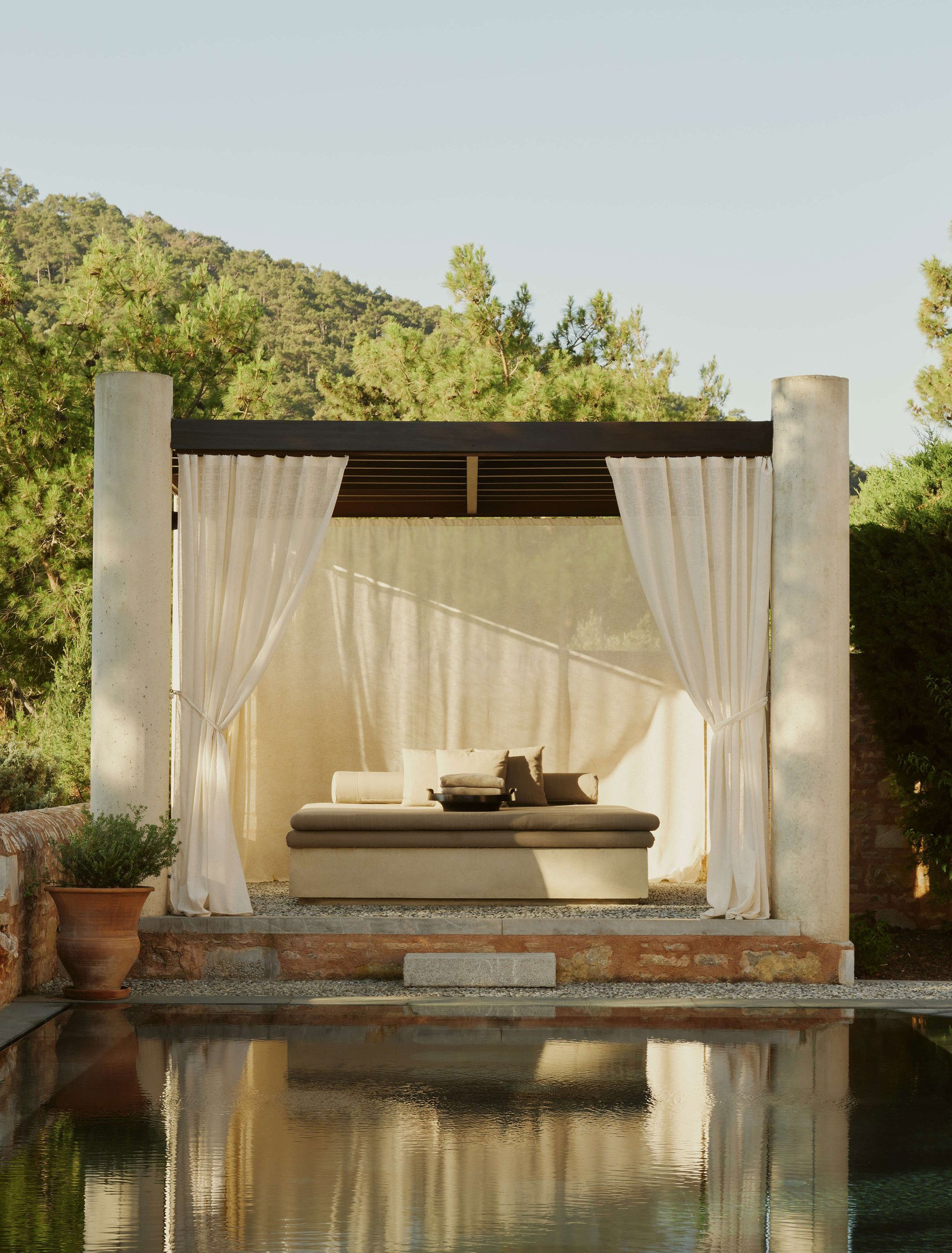
Amanruya feels like a private Aegean hamlet rather than a conventional hotel. Thirty-five freestanding stone pavilions are stitched together by quiet footpaths up the hillside, and finishes—white marble floors, hand-carved stone details and native acajau wood furniture—lean on local craft traditions. Contemporary comforts such as underfloor heating and rain showers sit discreetly inside these traditional shells, reinforcing a calm, classic serenity. The result is a refined, intimate retreat that emphasizes place and materiality: understated luxury that invites slow, contemplative stays with persistent sea views as a constant backdrop.
Best For
The property is best suited to travelers seeking privacy and low-key luxury: couples on honeymoon or a romantic getaway, guests marking anniversaries, and anyone after a quiet weekend escape or wellness-focused retreat. The freestanding pavilions and scattered dining rooms foster solitude and discretion, while the clifftop setting and sea views make it easy to unwind. Visitors who prioritize seclusion, authentic architecture and service that favors comfort over spectacle will find Amanruya particularly rewarding.
Stay Tips
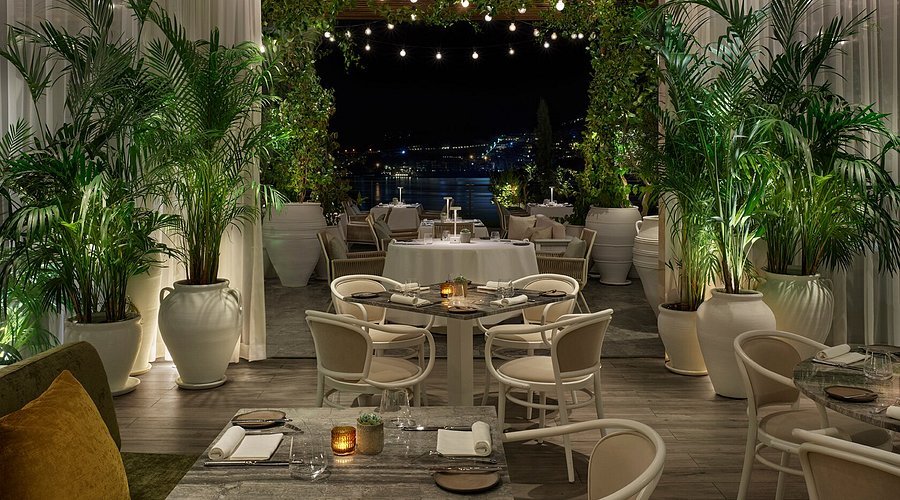
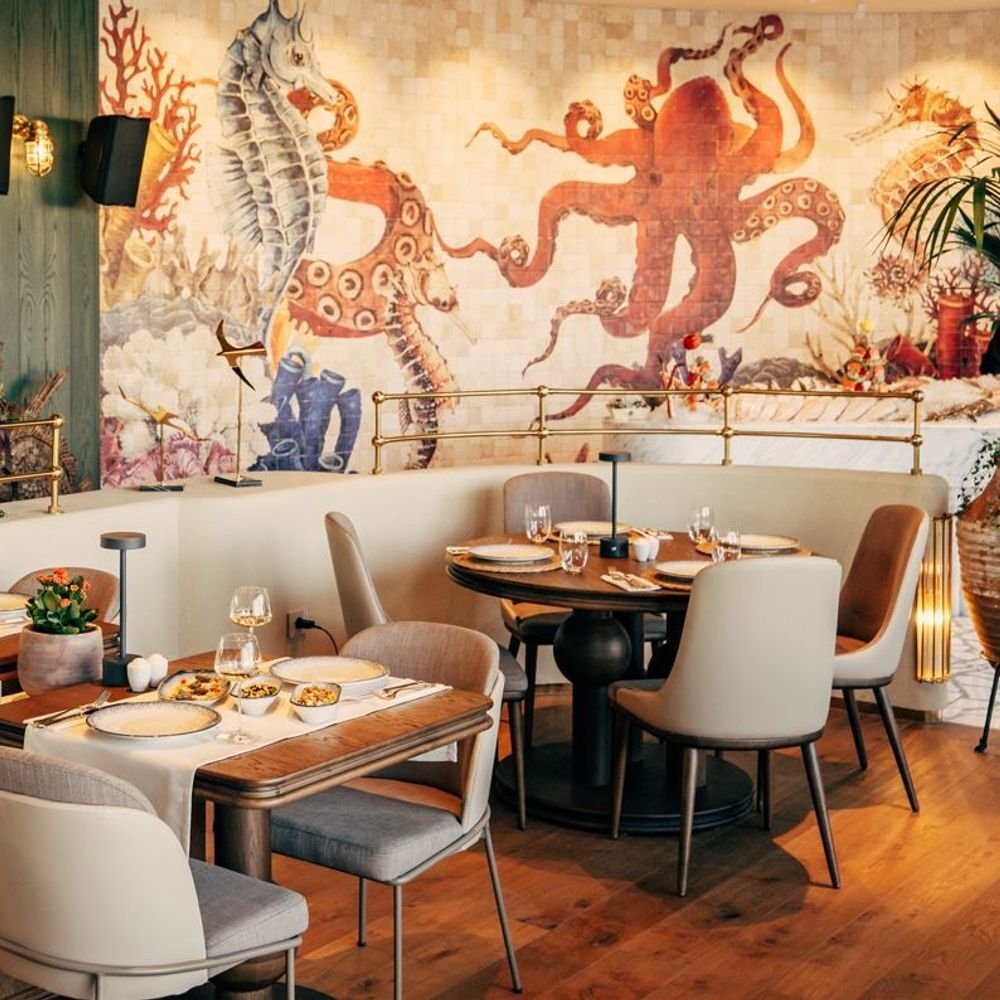
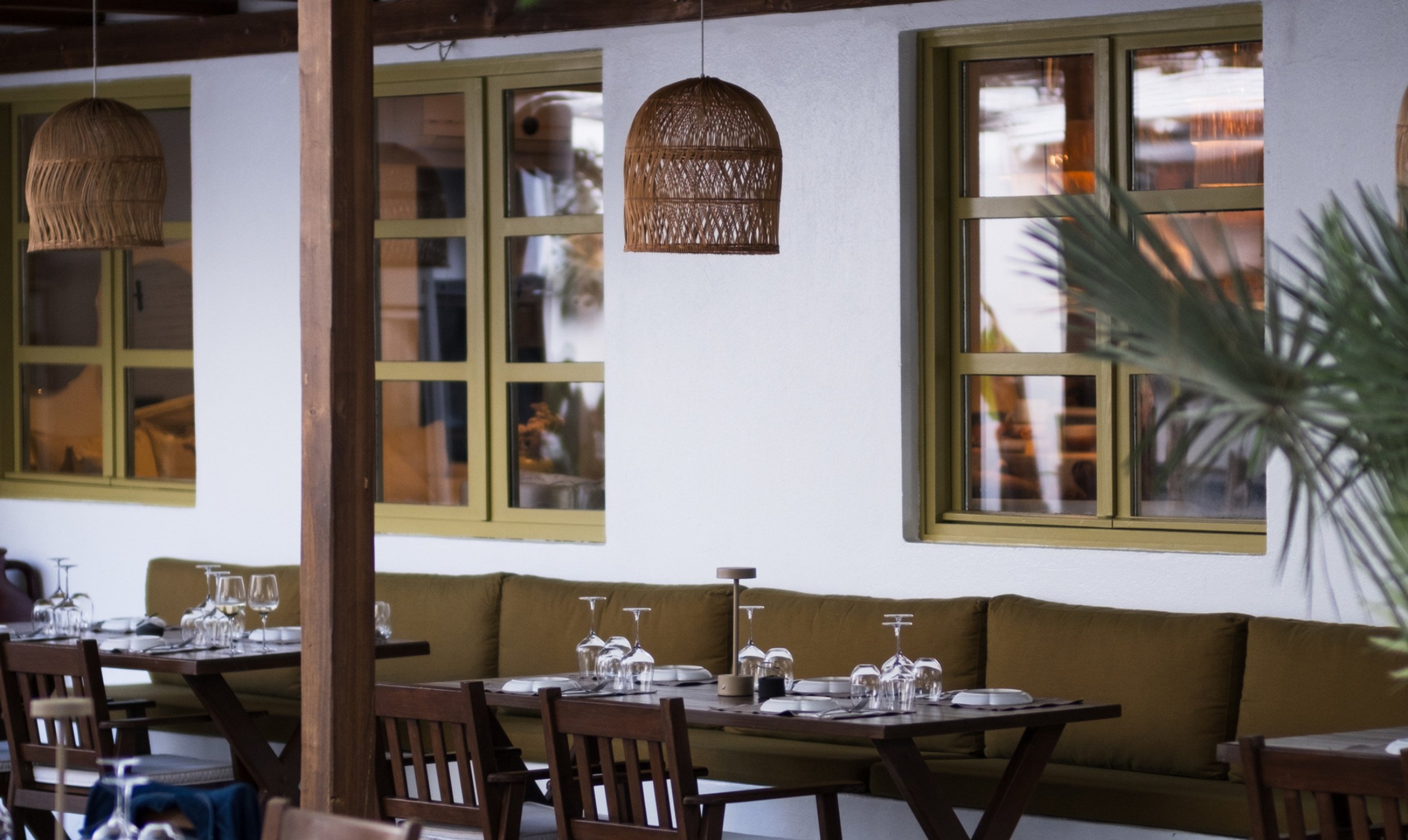
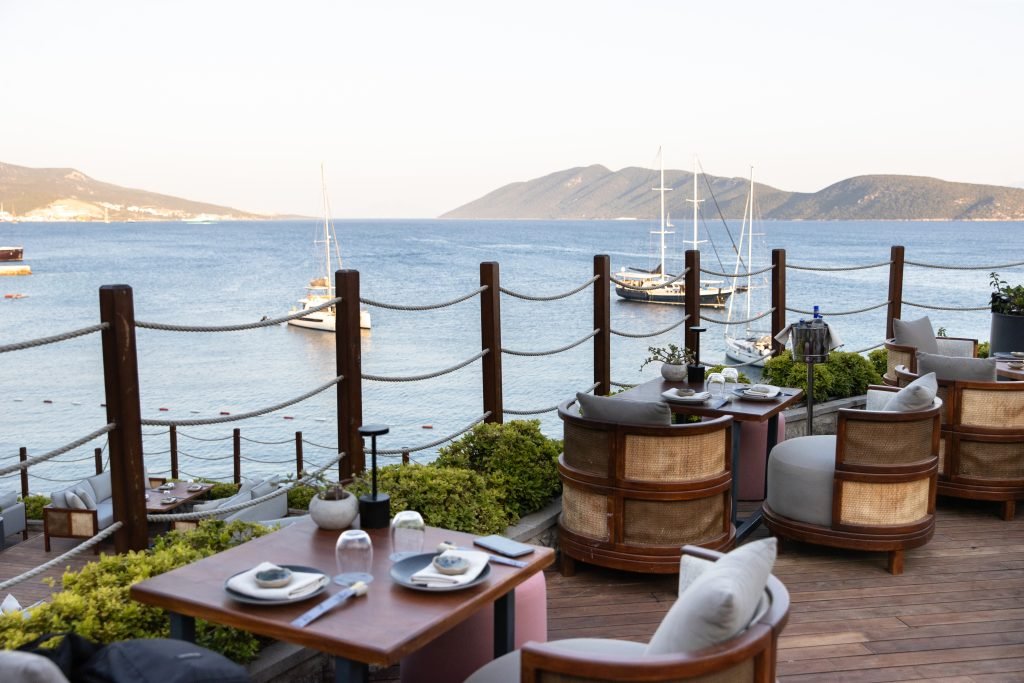
Dining at Amanruya favors simplicity and local ingredients over celebrity-driven theatrics. The resort spreads several dining rooms and lounges across the property, many positioned to take advantage of sea views—ask for a sea-view table when you reserve. Expect seasonal, regionally informed preparations rather than elaborate tasting-menu showmanship; lean into dishes that highlight fresh, local produce and seafood. Given the property's intimate scale, book dinner reservations in advance and plan to explore multiple dining pavilions to sample different atmospheres and views.
Venue details
Ambiance
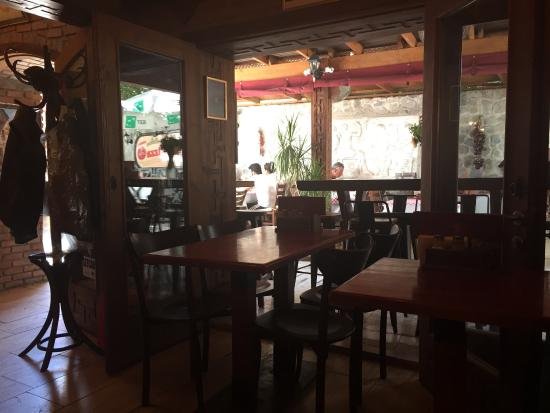
Serene and tranquil with natural light filtering through pine forests, creating a peaceful Ottoman village atmosphere.
Tags
Vibe
Best For
Experience
Amenities
View
About the Stay
- Rooms
- 36
- Check-in
- 14:00
- Check-out
- 12:00
- Property Style
- Traditional Ottoman Village Style Resort Blending Into Pine Forest Hillside.
- Design Style
- Mediterranean and Ottoman with Local Stone, Handmade Rugs, and Wooden Accents.
Know before you go
Know Before You Go
- Getting there
- Demir Mevkii, Gölköy, Bülent Ecevit Cd., 48483 Bodrum/Muğla
Planning details
Location
Demir Mevkii, Gölköy, Bülent Ecevit Cd., 48483 Bodrum/Muğla · Directions
aman.com/resorts/amanruya?y_source=1_MTU3MDc1NTktNzE1LWxvY2F0aW9uLndlYnNpdGU%3D
Recognition and awards

Also consider
Good alternatives if dates are tight
If Amanruya is unavailable, check Mandarin Oriental, Bodrum for a larger luxury-resort setup or Susona Bodrum, LXR Hotels & Resorts for a polished Bodrum stay with a different scale and rhythm. For a more relaxed design-led option, compare Bodrum Loft.
Hotel context
How Amanruya compares in Bodrum
Amanruya is the privacy-first pick in this set. Compared with Bodrum Loft and Bobo by The Stay, it is the better call when calm, service consistency, and separation from the busier Bodrum rhythm matter more than scene or design-led value. Bodrum Loft and Bobo by The Stay are stronger cross-shops for travelers who want a more relaxed local-feeling stay and less of a formal luxury-resort frame.
Against Susona Bodrum, LXR Hotels & Resorts, Mandarin Oriental, Bodrum, and Maxx Royal Bodrum, the decision is about scale. Choose Amanruya for a quieter, lower-density stay. Choose Mandarin Oriental or Maxx Royal if the trip needs a larger resort setup, more visible activity, and a broader on-property rhythm. Susona is the sensible comparison for travelers who want luxury polish but do not need the same degree of retreat.
Booking difficulty is part of the value calculation: if dates are tight, look at the larger resorts first because they may offer more inventory. If the dates work, Amanruya is the splurge for travelers who would rather pay for discretion than for a busier resort circuit.
Explore Bodrum
Around this place
Discover more on Pearl
Unlock the full Amanruya guide in Pearl, including awards, comparisons, FAQs, planning details, and nearby places.
Compare Amanruya
| Venue | Location | Awards |
|---|---|---|
| Amanruya | Bodrum | 2026 Virtuoso Luxury Hotel CollectionMichelin 1 Key 20252025 Michelin 1 Key |
| Bodrum Loft | Bodrum | 2026 Mr & Mrs Smith Luxury HotelsLeading Hotels of the World 20262025 Michelin Selected Hotels |
| Bobo by The Stay | Bodrum | No published awards |
| Susona Bodrum, LXR Hotels & Resorts | Bodrum | 2026 Virtuoso Luxury Hotel Collection2026 La Liste Top Hotels2025 Michelin Selected Hotels2025 Forbes 4-Star |
| Mandarin Oriental, Bodrum | Bodrum | 2026 Virtuoso Luxury Hotel Collection2026 Forbes 5-Star2026 La Liste Top Hotels2025 Michelin 1 Key2025 Forbes 5-Star |
| Maxx Royal Bodrum | Bodrum | 2026 Michelin Guide New Hotels2026 Mr & Mrs Smith Luxury HotelsLeading Hotels of the World 20262025 Michelin Selected Hotels |





How Amanruya Bodrum compares with similar nearby venues.
FAQ
Frequently Asked Questions
Is Amanruya good for business travel?
Amanruya can work for some Bodrum travelers, but business-travel fit depends on current services and logistics. It is in Bodrum, has a smart casual dress code, holds Michelin 1 Key (2025), and is listed as a Virtuoso Luxury Hotel Partner (2026). If business logistics matter, check current services and compare with options such as Susona Bodrum, LXR Hotels & Resorts.
How is the location of Amanruya?
Amanruya is in Bodrum. Ask the property for current address, neighborhood, landmark, and access details before booking.
How is the dining at Amanruya?
For dining, ask Amanruya directly about current menus, cuisine, bars, pricing, and service format. If dining is a major factor, compare current information with other Bodrum options such as Bodrum Loft.
Do loyalty programs work at Amanruya?
Amanruya is listed as a Virtuoso Luxury Hotel Partner (2026). Ask about any points, benefits, or booking-channel details before reserving.
Is Amanruya family-friendly?
Amanruya is a Bodrum venue with Michelin 1 Key (2025), Virtuoso Luxury Hotel Partner (2026) recognition, and a smart casual dress code. Families should confirm current policies and amenities directly, and compare alternatives such as Maxx Royal Bodrum, Mandarin Oriental, Bodrum, or Bobo by The Stay if those details are important.