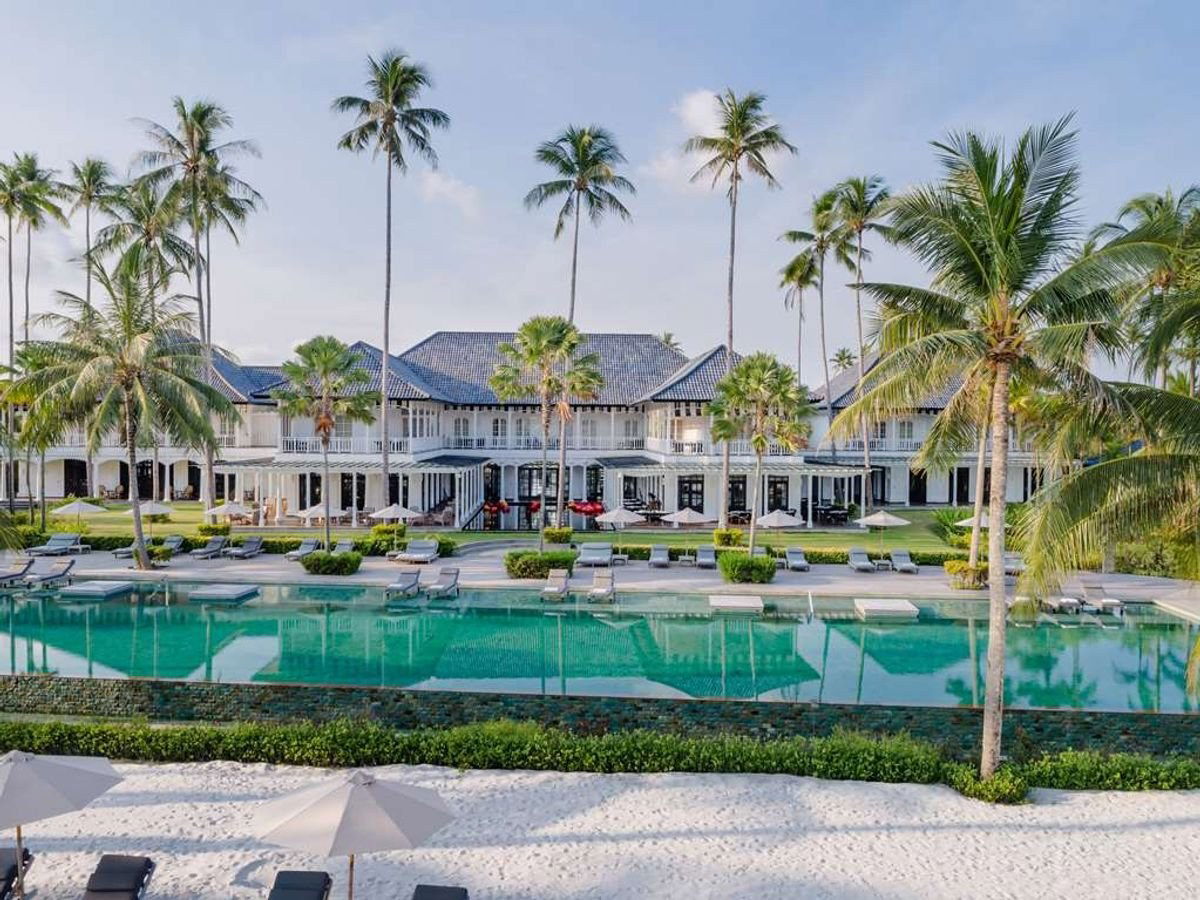


The Sanchaya
Lagoi Bay, Bintan
Hotel in Bintan, Indonesia
 Book with Pearl
The Read
Colonial Seclusion, South China Sea
Why go
The Sanchaya is worth shortlisting for a polished Bintan celebration stay, especially if Lagoi Bay location matters more than brand-program perks or a large resort circuit. Michelin 2 Keys in 2025 and Forbes Recommended recognition in 2026 give it a credible quality signal, but compare it with Banyan Tree Bintan if you want another island option before committing.
About The Sanchaya
For a stay in Bintan, start by deciding whether the location itself is the priority before comparing a broader resort shortlist. The Sanchaya makes the clearest case for travelers who specifically want to stay in Bintan and value a property with confirmed outside recognition, rather than choosing only by brand familiarity or a wider regional resort circuit.
Worth booking when the address is the point
The practical appeal is Bintan. The Sanchaya should be in the first round of consideration if the trip is built around Bintan itself or a stay where the destination matters. If the goal is a larger destination-resort comparison across the region, Mandarin Oriental, Desaru Coast, Anantara Desaru Coast Resort & Villas, and One&Only; Desaru Coast belong in the same decision set, but they are not Bintan substitutes.
The recommendation is simple: consider this when staying in Bintan is central to the trip. Do not judge it on assumed value, inclusions, or rate patterns. Judge it against the importance of staying in Bintan and choosing a property with Michelin 2 Keys in 2025 plus Forbes Recommended recognition in 2026.
Choose it over broader resort options if you want Bintan, not just beach time
Banyan Tree Bintan is the natural local cross-shop because it keeps the decision within Bintan. The Sanchaya is the sharper pick if confirmed recognition is central to the decision; Banyan Tree Bintan is the relevant comparison if the priority is also staying on the island. For a wider shortlist, compare against other destinations only if the destination itself is flexible.
Dining, spa, room, and facility expectations should be set through current hotel information. The award profile supports confidence in overall hospitality recognition, but detailed information to recommend a specific restaurant order, treatment, room category, or arrival ritual is not available. That matters: if the trip hinges on a named chef, a published tasting menu, or a particular wellness program, enough detail is not available to choose it on that basis alone.
For most readers, the yes/no call is this: choose The Sanchaya when Bintan location and recognized hotel quality are the deciding factors. Cross-shop Desaru Coast if a larger regional resort comparison is acceptable. Cross-shop Banyan Tree Bintan if staying in Bintan matters and you want another local option in the decision set. The dress code is smart casual, which is useful context when packing for the stay.
Planning details
- Location
- Lagoi Bay, Jl. Gurindam Duabelas No.Plot 5, Sebong Lagoi, Kec. Tlk. Sebong, Kabupaten Bintan, Kepulauan Riau 29155
- Website
- thesanchaya.com
- Phone
- +62 770 692200
The take
The Take
The Vibe
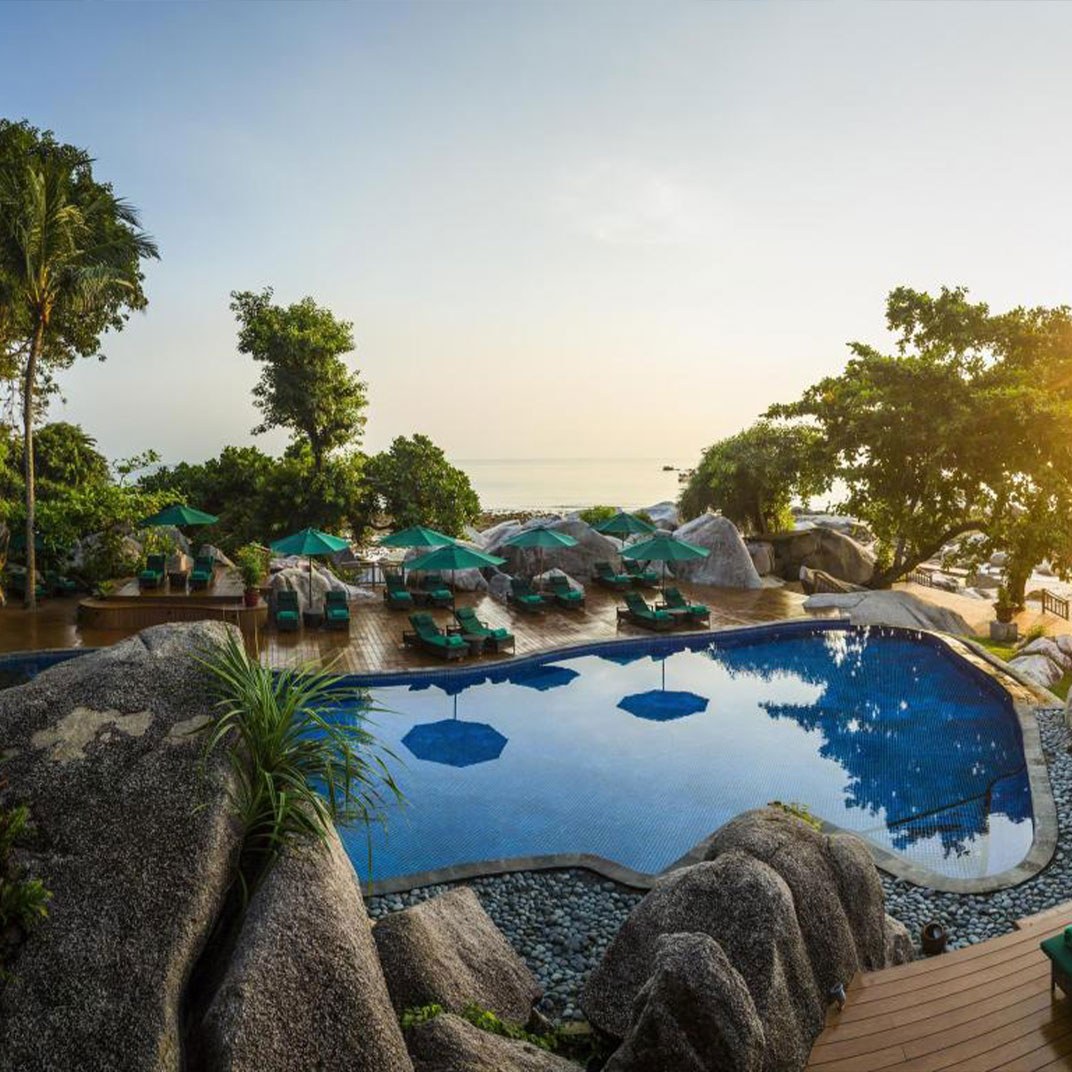
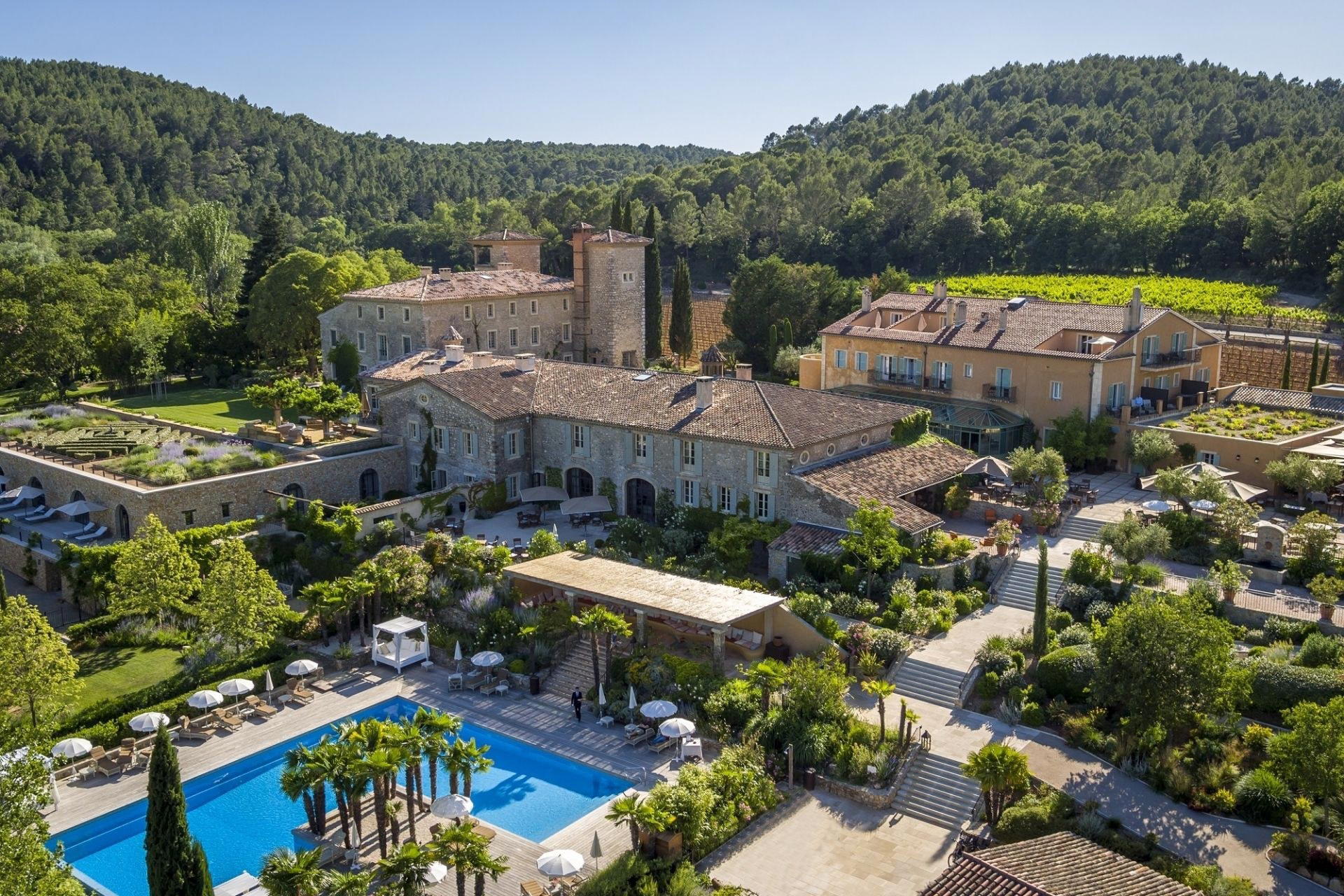
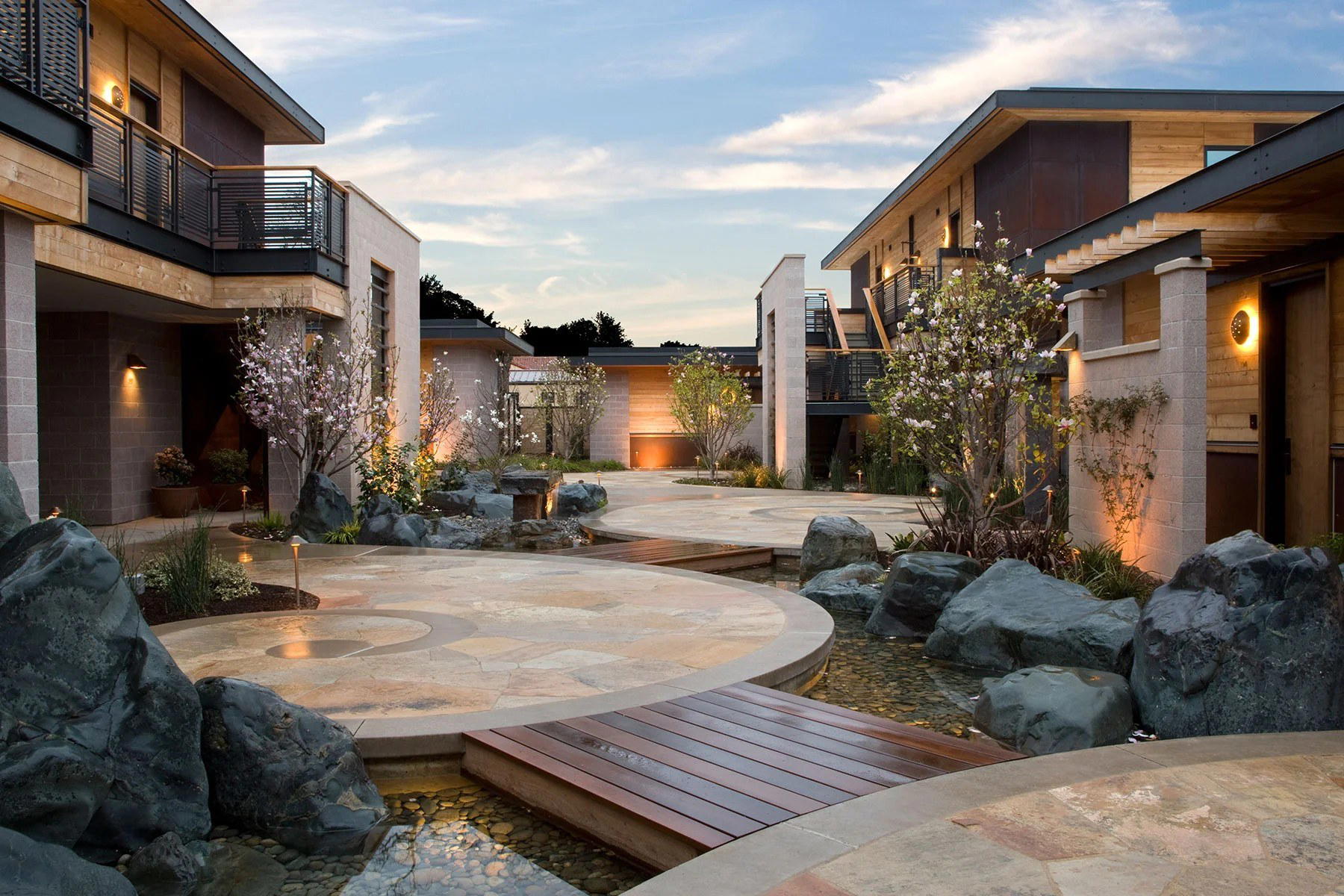
The Sanchaya presents a quietly authoritative form of tropical luxury rooted in colonial architecture and a curated interior palette. The property reads like a restored plantation house—parquet floors, Chinese-style cabinetry and antique writing desks sit alongside modern conveniences such as Bang & Olufsen audio and in-room wine fridges. With only 30 rooms spread across 24 beachfront acres, the atmosphere is intimate and deliberately paced: arrival itself becomes part of the experience, a transitional ritual that sets a tone of calm exclusivity. The overall effect is historic and serene, a place that privileges composed refinement over flash.
Best For
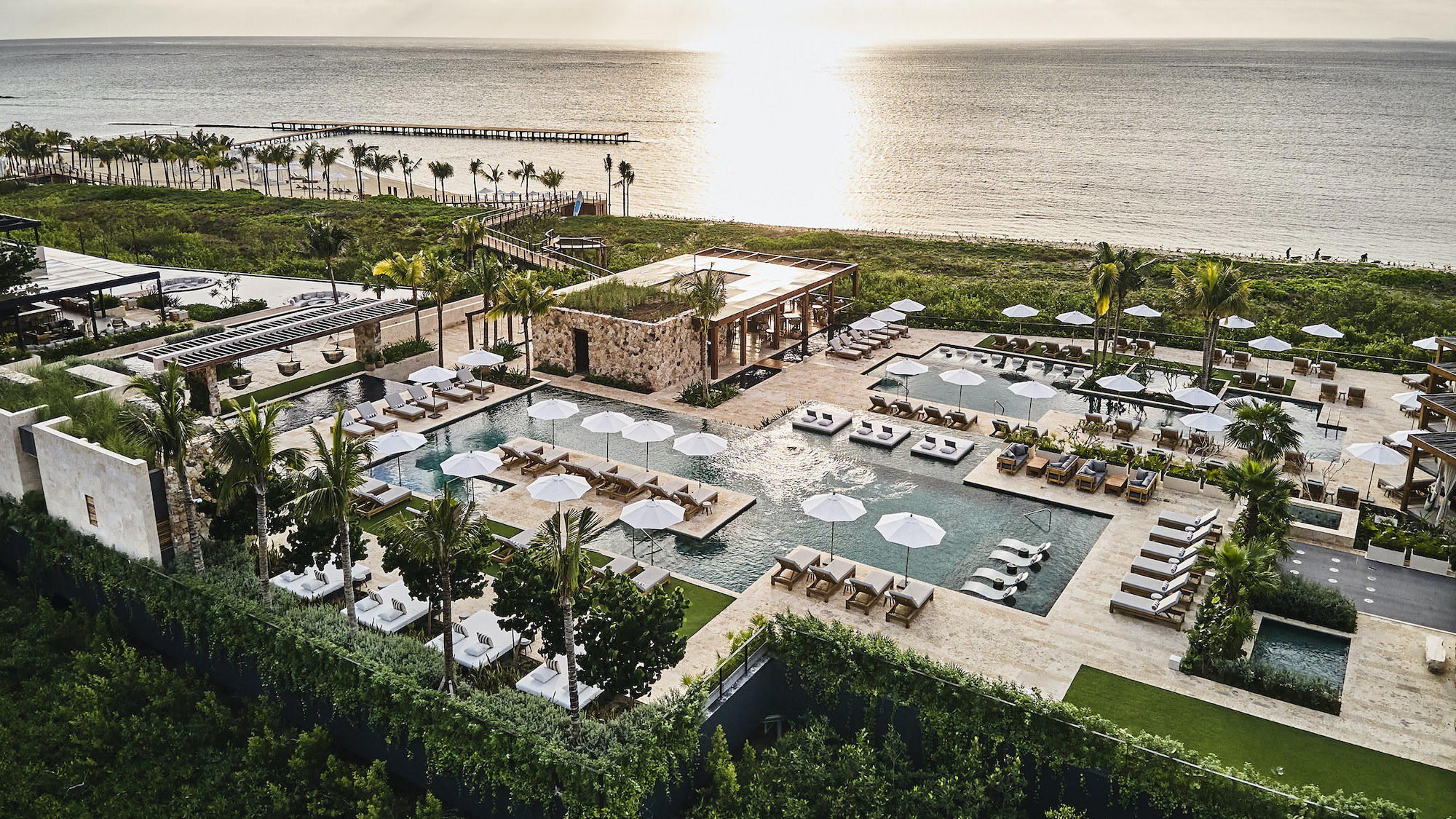
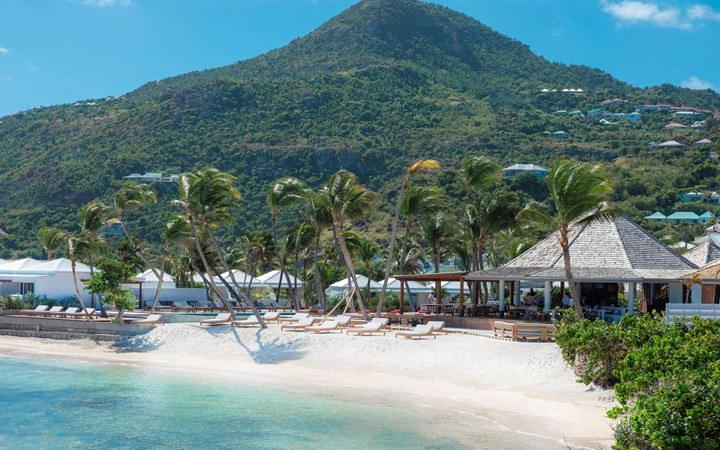
The Sanchaya is geared toward couples and travelers seeking privacy, slow pace and understated luxury—hence its frequent appeal for honeymooners, romantic getaways, anniversaries and wellness-focused breaks. Its small key count and beachfront setting make it well suited to guests who value seclusion and thoughtful design over busy resort programming. Proximity to Singapore, combined with a deliberately staged arrival, also appeals to visitors who want an island escape that feels both reachable and removed, where the journey contributes to the restorative quality of the stay.
Stay Tips
Plan logistics carefully: arrivals from Singapore include a short drive to the ferry terminal, a roughly 45-minute crossing and a final road transfer—so factor transit time into your schedule. The property operates a private VIP lounge inside the ferry terminal that handles express immigration and customs while guests take tea or champagne; arrange access through the hotel in advance for a smoother arrival. Inventory is small (30 rooms), so book early for peak dates or special occasions. Treat the transfer as part of the experience rather than a chore to maximize the sense of decompression on arrival.
Venue details
Ambiance
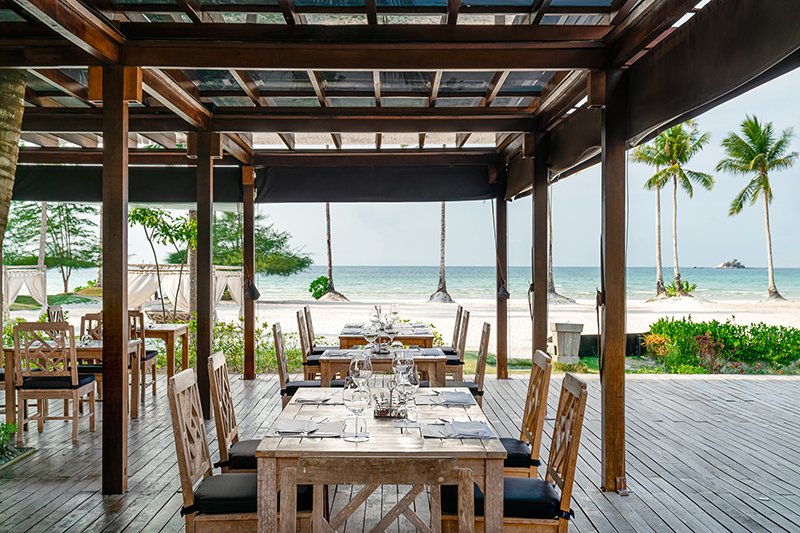
Refined and intimate with late-1800s explorers' club aesthetics, featuring antique furnishings, fine bone china service, and candlelit dining overlooking the South China Sea.
Tags
Vibe
Best For
Experience
Amenities
View
Accessibility
About the Stay
- Rooms
- 30
- Check-in
- 15:00
- Check-out
- 11:00
- Property Style
- Colonial Inspired Luxury Estate Blending Southeast Asian Heritage with European Refinement Across a Private Beachfront Setting.
- Design Style
- Colonial Charm with Clean Modern Lines, Featuring Parquet Floors, Dark Wood Panelling, Chinese Style Cabinetry, Antique Furnishings, and Contemporary Technology.
Know before you go
Know Before You Go
- Getting there
- Lagoi Bay, Jl. Gurindam Duabelas No.Plot 5, Sebong Lagoi, Kec. Tlk. Sebong, Kabupaten Bintan, Kepulauan Riau 29155
Planning details
Location
Lagoi Bay, Jl. Gurindam Duabelas No.Plot 5, Sebong Lagoi, Kec. Tlk. Sebong, Kabupaten Bintan, Kepulauan Riau 29155 · Directions
Recognition and awards

Also consider
Where to look if this is full
Start with Banyan Tree Bintan if the trip must stay on Bintan. If the destination is flexible, compare One&Only; Desaru Coast and Mandarin Oriental, Desaru Coast for a broader luxury-resort alternative outside the island.
Hotel context
How it compares in Bintan and nearby resort territory
The Sanchaya is the stronger pick if the trip needs to stay in Bintan and feel occasion-worthy. Banyan Tree Bintan is the natural local alternative for travelers who want a more familiar resort frame on the same island, while The Sanchaya is better suited to guests prioritizing a quieter, more polished address in Lagoi Bay.
Mandarin Oriental, Desaru Coast, Anantara Desaru Coast Resort & Villas, and One&Only; Desaru Coast make sense only if the destination can shift beyond Bintan. They belong in the same regional luxury-resort conversation, but choosing them changes the trip geography, not just the hotel style.
For value, compare total trip cost rather than room rate alone. The Sanchaya makes sense when being in Bintan reduces friction or anchors the occasion. If broader resort facilities, brand familiarity, or Desaru Coast access matter more, the Desaru options are worth checking before committing.
Explore Bintan
Around this place
Discover more on Pearl
Unlock the full The Sanchaya guide in Pearl, including awards, comparisons, FAQs, planning details, and nearby places.
Compare The Sanchaya
| Venue | Location | Awards |
|---|---|---|
| The Sanchaya | Bintan | 2026 Forbes RecommendedMichelin 2 Keys 20252025 Michelin 2 Keys |
| Banyan Tree Bintan | Bintan | No published awards |
| Mandarin Oriental, Desaru Coast | Desaru | No published awards |
| Anantara Desaru Coast Resort & Villas | Desaru | No published awards |
| Anantara Desaru Coast Resort & Villas | Johor | No published awards |
| One&Only Desaru Coast | Desaru | No published awards |
How The Sanchaya Bintan compares with similar nearby venues.
FAQ
Frequently Asked Questions
Which room category is best at The Sanchaya?
Detailed room-category information is not available to name a best option. Choose based on your dates, budget, and the latest room descriptions from The Sanchaya, especially if the stay itself is the main event.
Is The Sanchaya good for business travel?
Business-facility details for The Sanchaya are not available. It is best assessed as a Bintan hotel with Michelin 2 Keys and Forbes Recommended recognition, rather than as a business-travel specialist.
When is the best time to book The Sanchaya?
If your dates are fixed, confirm current availability directly. Information on seasonal pricing, holiday rules, or specific booking windows for The Sanchaya is not provided.
What is check-in like at The Sanchaya?
Check-in details for The Sanchaya are not available. Confirm the latest arrival instructions with the hotel before travel.
Do loyalty programs work at The Sanchaya?
Loyalty-program participation or elite-benefit details for The Sanchaya are not provided. If points or status benefits are central to the trip, confirm those terms before booking.
How does The Sanchaya compare to other hotels?
The cleanest Bintan comparison is Banyan Tree Bintan. For a broader regional resort-market choice, Mandarin Oriental, Desaru Coast, Anantara Desaru Coast Resort & Villas, and One&Only; Desaru Coast are better for comparing beyond Bintan rather than replacing a Bintan stay directly.
How is the dining at The Sanchaya?
Restaurant, cuisine, menu, or dish details for The Sanchaya are not available. The dress code is smart casual, and dining expectations should be confirmed with the hotel before arrival.