

The Merchant Hotel
Cathedral Quarter, Belfast
Hotel in Belfast, United Kingdom
 Book with Pearl
The Read
Victorian Banking Hall Hospitality
Why go
The Merchant Hotel is the Belfast splurge to choose when a central address and formal occasion feel matter more than pure value. Its La Liste Top Hotels 2026 score and MICHELIN Guide hotel selection give it stronger external validation than most local peers, but travellers wanting a quieter estate stay or a more intimate city base should compare Culloden Estate and Spa or Regency House Belfast.
About The Merchant Hotel
For a Belfast stay, The Merchant Hotel is a notable choice when external recognition matters. Its profile includes La Liste Top Hotels 2026 at 94.5 points and a MICHELIN Guide hotel selection in 2025, so the case for considering it rests on documented recognition rather than specific facilities, room types, or services.
The decision is fairly simple: choose it if you want a Belfast hotel with a clearly recognised profile and a smart-casual standard. If you are comparing different stays, Culloden Estate and Spa, Regency House Belfast, The Fitzwilliam Hotel Belfast, The Old Inn, and The Rabbit are natural names to cross-shop alongside The Merchant Hotel.
Pay for the recognition, not just the room
The value argument here is not that The Merchant Hotel is defined by price. It is that the hotel has recognition from La Liste and the MICHELIN Guide, which gives it a profile beyond general preference or marketing language.
Trade-off is that different travellers may prefer different hotel settings. Regency House Belfast and The Fitzwilliam Hotel Belfast are useful Belfast comparisons to review. The Merchant Hotel is easiest to justify when recognition and a smart-casual setting are part of what you are weighing.
Who should choose it in 2026
In 2026, The Merchant Hotel is a strong Belfast candidate for travellers who want a hotel with recognition: La Liste Top Hotels 2026 at 94.5 points and MICHELIN Guide hotel selection in 2025. Specific claims about services, facilities, room categories, dining, or booking difficulty should be checked directly before reserving.
If the hotel is simply where luggage sleeps, compare the wider field before committing. For a broader plan around the stay, pair the hotel search with our full Belfast restaurants guide; The Merchant Hotel makes most sense when its recognised profile is part of the reason for the trip.
Planning details
- Location
- 16 Skipper St, Belfast BT1 2DZ, UK
- Website
- themerchanthotel.com
- Phone
- +44 28 9023 4888
The take
The Take
The Vibe
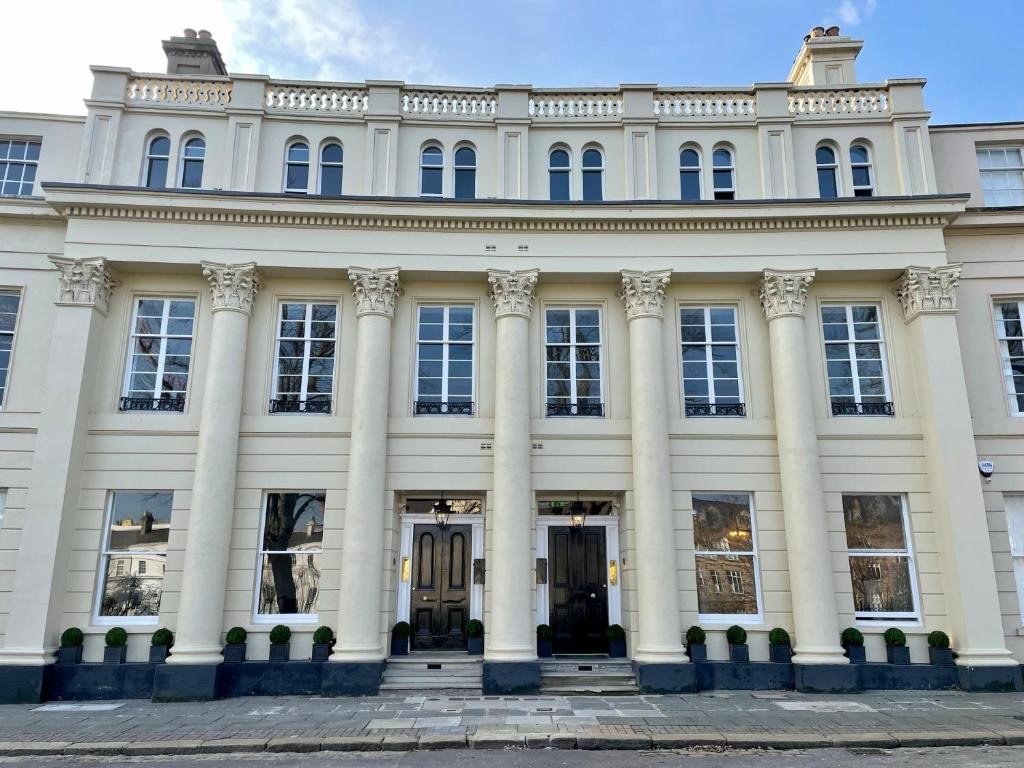
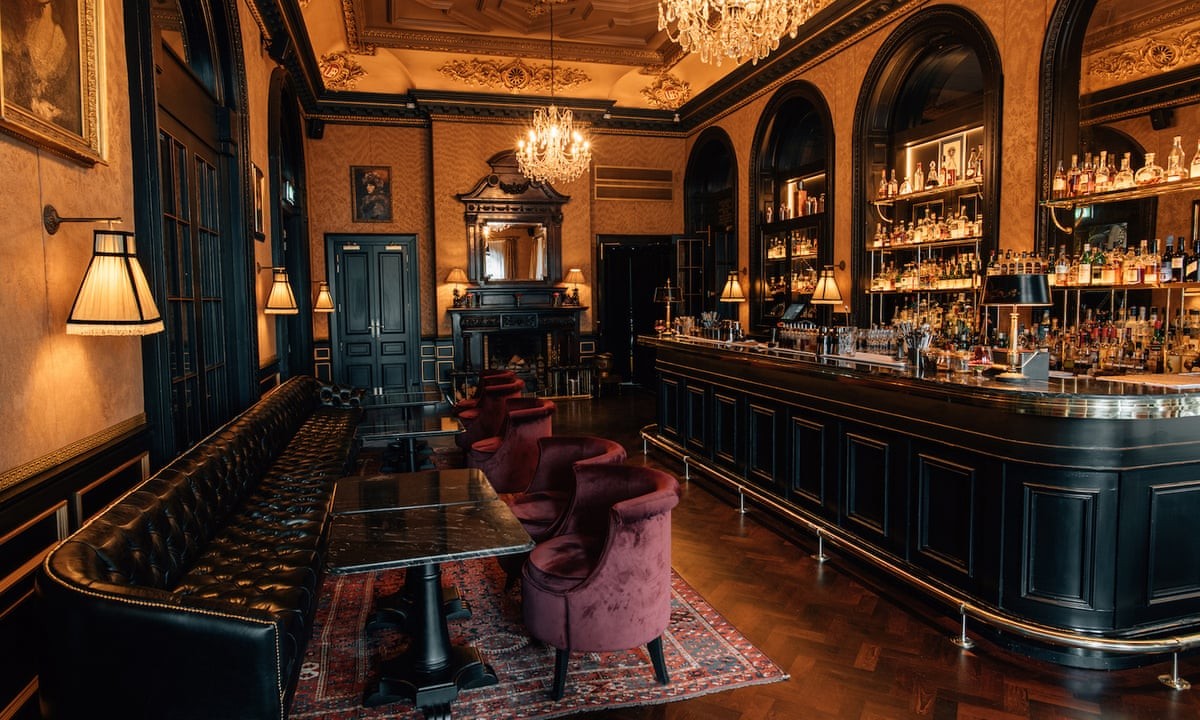
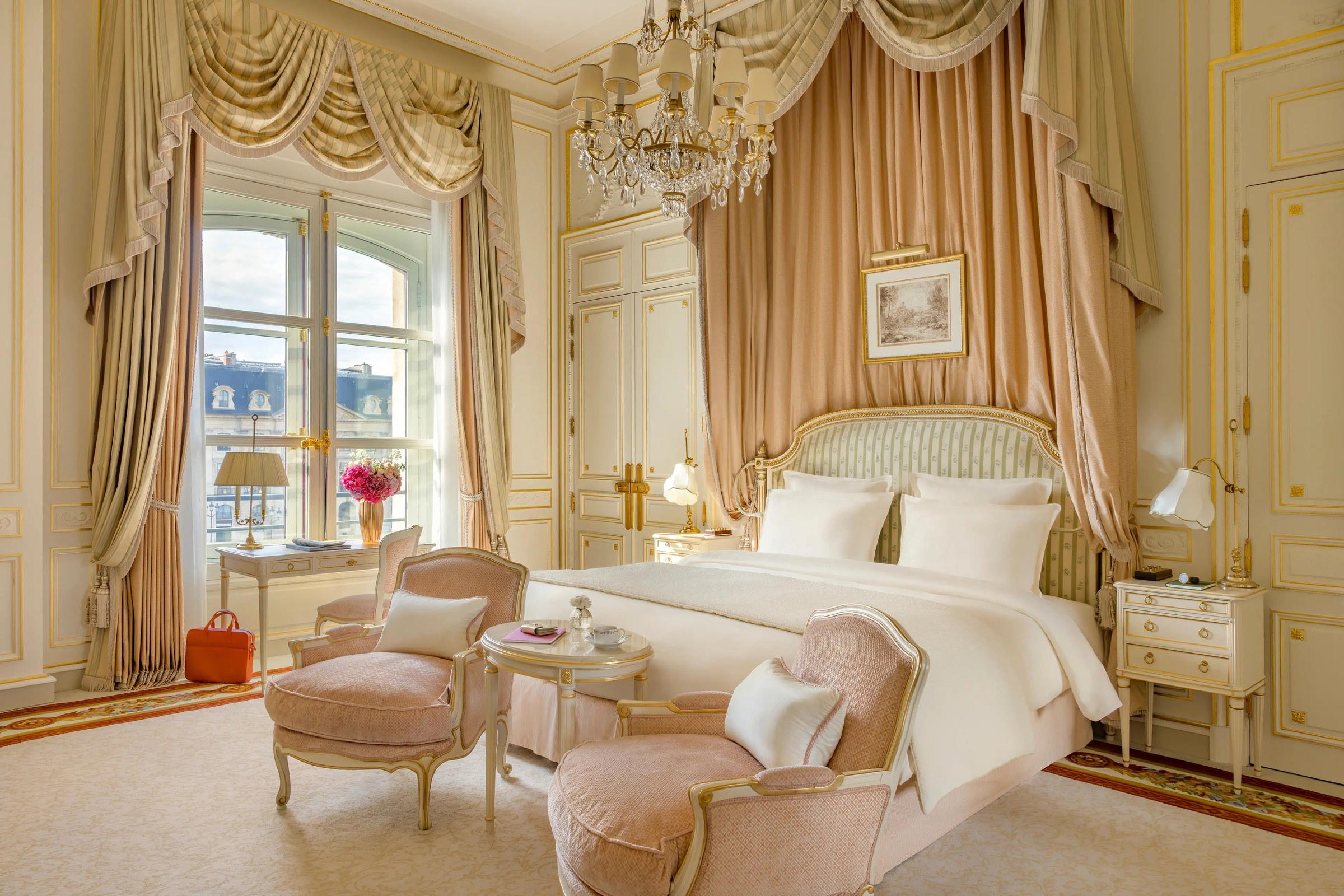
The Merchant Hotel occupies a restored Victorian banking hall whose preserved ornament and civic scale define the guest experience. The property leans on specificity of place rather than brand scale: an independently managed, heritage conversion that foregrounds the original Ulster Bank architecture. That sense of history and measured grandeur gives the hotel a quietly authoritative character — elegant and refined without feeling like a contemporary conference block. It reads as a city-centre institution that respects its past, with public spaces and rooms shaped by the building’s decorative weight and a placement that makes the Cathedral Quarter itself part of the hotel’s personality.
Best For
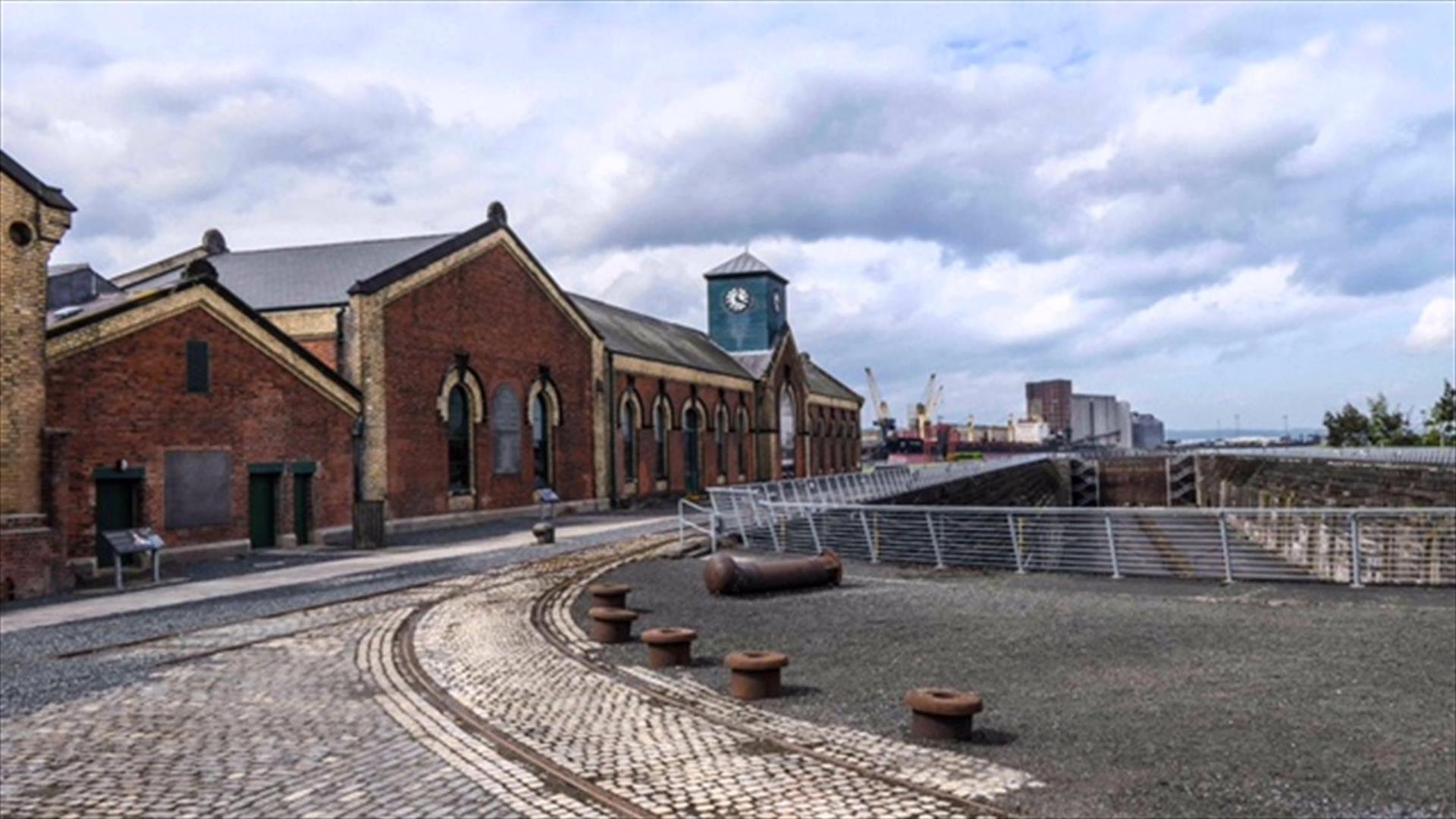
The Merchant is best for travellers who want to be immersed in Belfast’s cultural heart. Situated on Skipper Street in the Cathedral Quarter, it puts guests within short walking distance of the Black Box, the Oh Yeah Music Centre, St Anne’s Cathedral and a cluster of considered restaurants and bars. The location also provides easy pedestrian access to the waterfront and the Titanic Quarter, making it a practical base for sightseeing, museum visits and evenings out in a walkable neighbourhood. The hotel’s heritage conversion suits guests who value architecture and sense of place.
Venue details
Ambiance
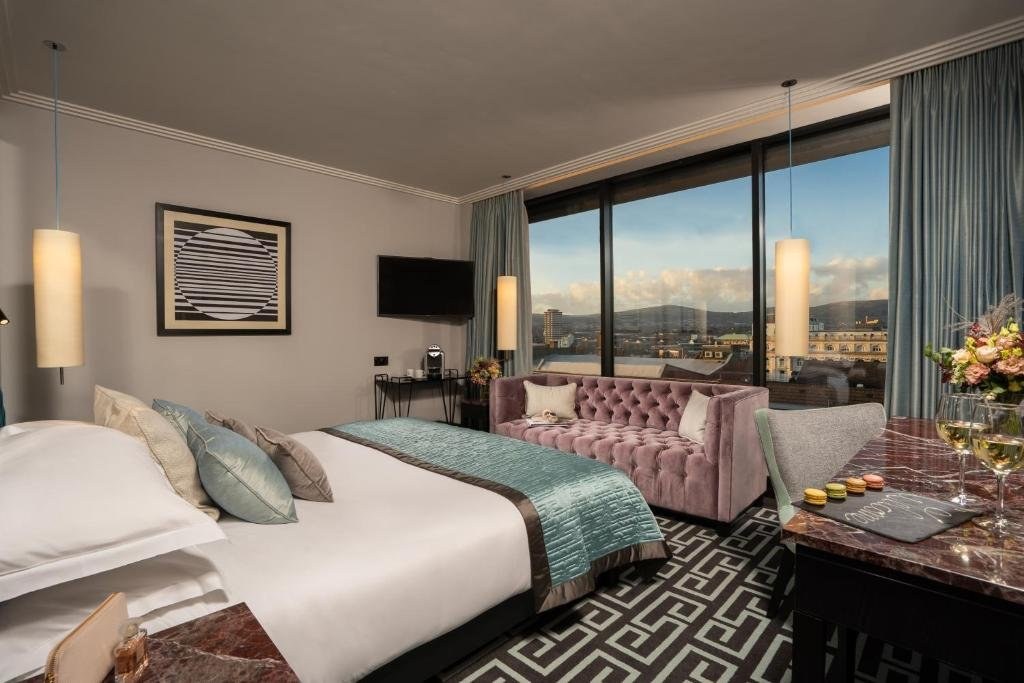
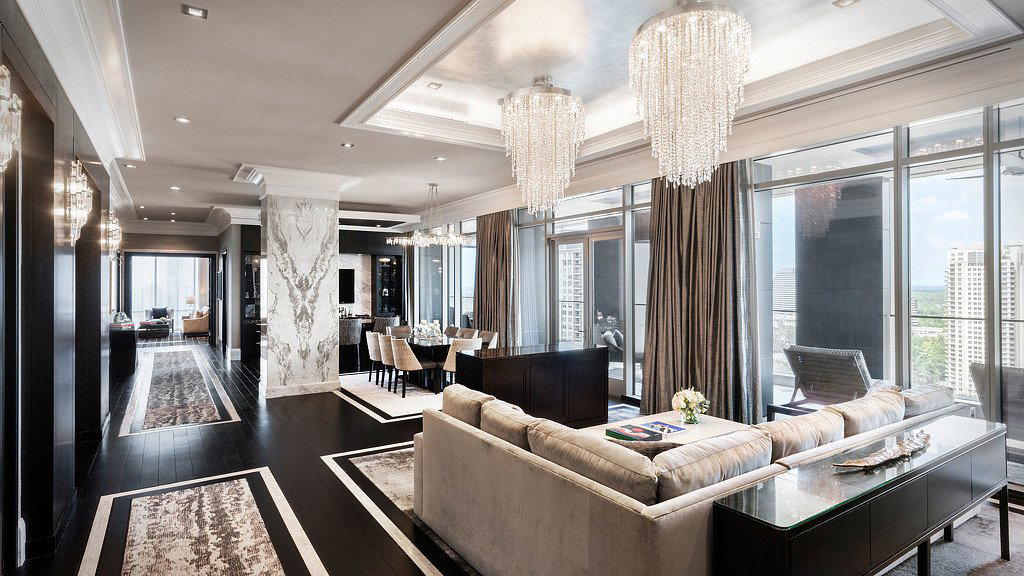
Opulent and grand with ornate Victorian interiors, gilded moldings, sparkling chandeliers, rich fabrics, mood lighting, and a sophisticated, romantic atmosphere praised for its luxurious and stylish design.
Tags
Vibe
Best For
Experience
Amenities
Accessibility
About the Stay
- Rooms
- 63
- Check-in
- 15:00
- Check-out
- 12:00
- Property Style
- Victorian and Art Deco Luxury Boutique in Historic Bank Building
- Design Style
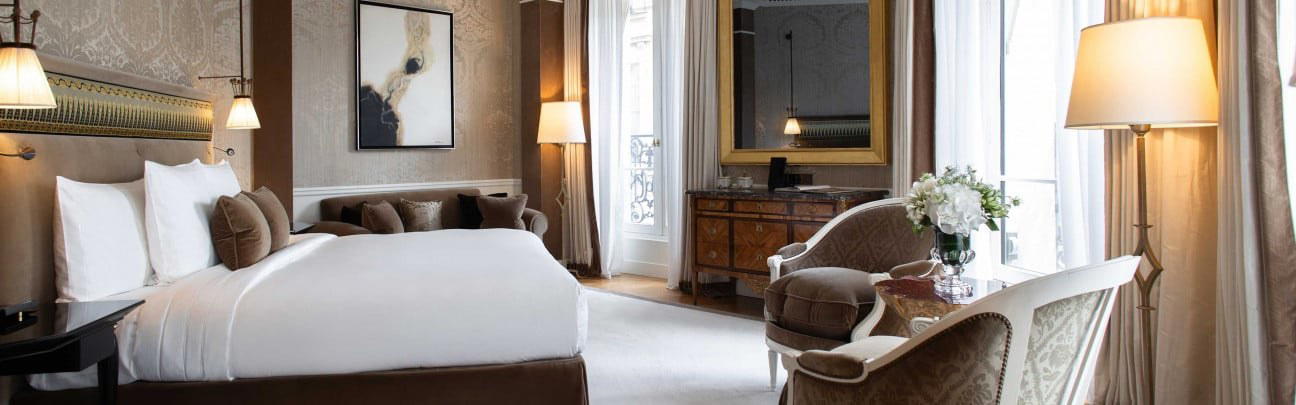
- Opulent Victorian with Antique Furniture and Lavish Art Deco Decadence
Know before you go
Know Before You Go
- Getting there
- 16 Skipper St, Belfast BT1 2DZ, UK
Planning details
Location
Recognition and awards

Also consider
Also Consider
- The Fitzwilliam Hotel Belfast, Notable alternative
- Regency House Belfast, Notable alternative
- Culloden Estate and Spa, Notable alternative
- The Old Inn, Notable alternative
- The Rabbit, Notable alternative
Hotel context
How it compares in Belfast
The Fitzwilliam Hotel Belfast is the cleaner cross-shop if you want a central Belfast hotel with a more contemporary feel and less ceremony. The Merchant Hotel is the stronger pick for a celebration or client-facing stay, especially given its La Liste Top Hotels 2026 score and MICHELIN Guide hotel selection, while The Fitzwilliam is easier to justify when the room is mainly a polished base.
Regency House Belfast is the better call for a quieter, more intimate city stay. Choose The Merchant Hotel when you want the hotel to deliver a formal sense of occasion; choose Regency House Belfast when privacy and a softer residential mood matter more than hotel-scale recognition.
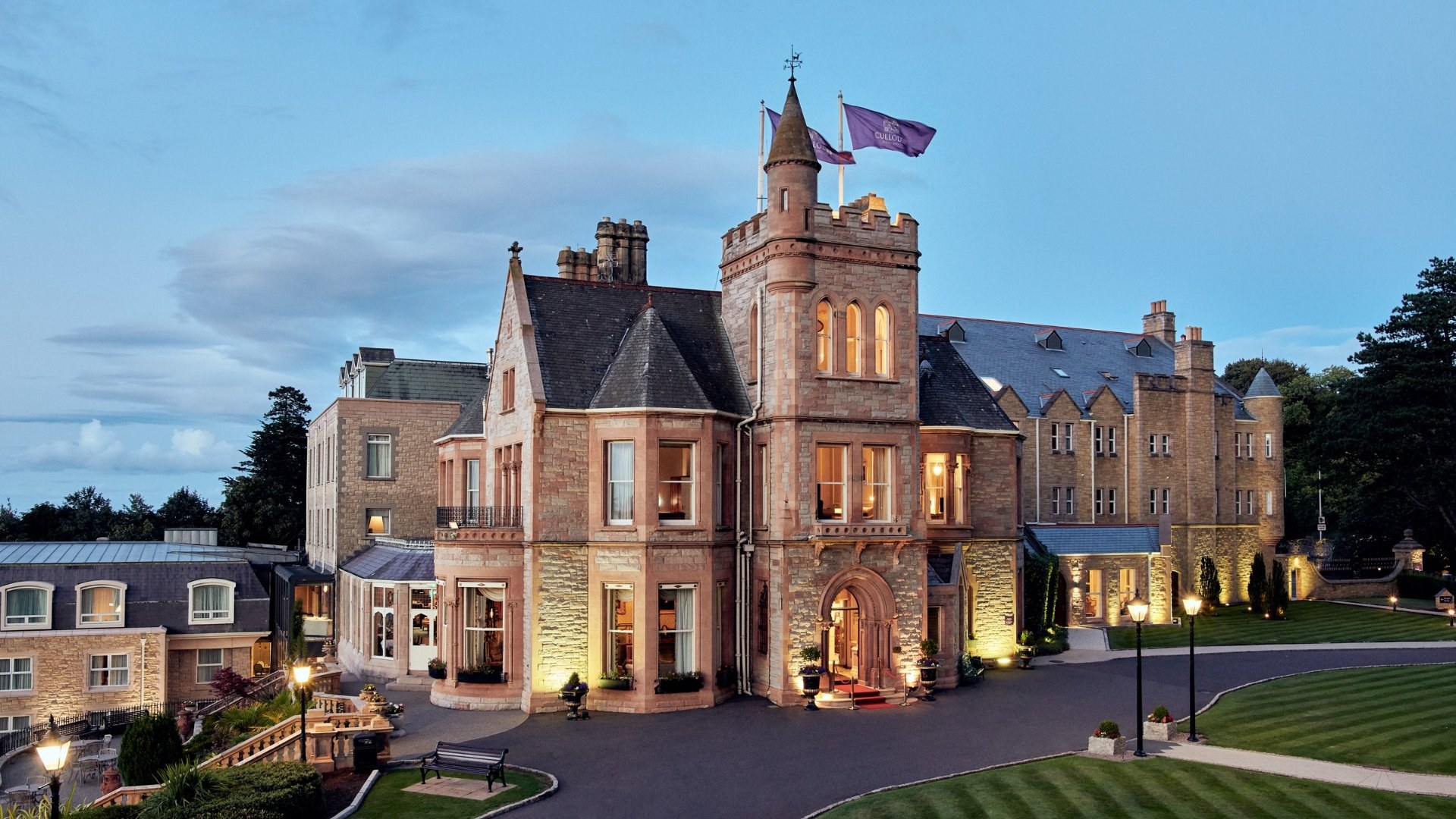
For space, grounds, and a more retreat-led stay, compare Culloden Estate and Spa, The Old Inn, and The Rabbit. Those make more sense when the trip is built around slowing down outside the city-centre rhythm. The Merchant Hotel wins for convenience and occasion in Belfast; the out-of-centre options are better when ambiance and downtime matter more than immediate access to the city.
Around this place
Discover more on Pearl
Unlock the full The Merchant Hotel guide in Pearl, including awards, comparisons, FAQs, planning details, and nearby places.
Compare The Merchant Hotel
| Venue | Location | Awards |
|---|---|---|
| The Merchant Hotel | Belfast | 2026 La Liste Top Hotels2025 Michelin Selected Hotels |
| The Fitzwilliam Hotel Belfast | Belfast | 2025 Michelin Selected HotelsPreferred Hotels L.V.X. Collection 2025 |
| Regency House Belfast | Belfast | 2025 Michelin 1 Key |
| Culloden Estate and Spa | Belfast | 2026 Virtuoso Luxury Hotel Collection2025 Michelin Selected HotelsSmall Luxury Hotels Member 2025 |
| The Old Inn | Bangor | No published awards |
| The Rabbit | Templepatrick | No published awards |




How The Merchant Hotel Belfast compares with similar nearby venues.
FAQ
Frequently Asked Questions
How is the pool and spa at The Merchant Hotel?
Pool and spa details should be checked directly with The Merchant Hotel before booking if those facilities matter to your stay in Belfast. What is confirmed is the hotel's La Liste Top Hotels score of 94.5 points and MICHELIN Guide hotel selection. If you are comparing alternatives, Culloden Estate and Spa is another name to review.
What is check-in like at The Merchant Hotel?
Specific check-in details or arrival procedures should be confirmed directly. The Merchant Hotel does, however, have recognition from La Liste Top Hotels and the MICHELIN Guide, and the stated dress code is smart casual. For a different Belfast hotel comparison, The Fitzwilliam Hotel Belfast is another option to review.
When is the best time to book The Merchant Hotel?
Booking difficulty, availability patterns, and peak-demand dates should be confirmed directly before committing. If your Belfast trip is tied to fixed dates, confirm availability and terms directly before committing. The Old Inn and The Rabbit are also worth comparing if you are considering a different hotel stay.
Do loyalty programs work at The Merchant Hotel?
Loyalty-program participation or benefits at The Merchant Hotel should be checked directly before reserving. If points, upgrades, or member rates matter, check the booking terms directly before reserving. The decision should rest on confirmed facts such as Belfast location, smart-casual dress code, La Liste Top Hotels 2026 recognition at 94.5 points, and MICHELIN Guide hotel selection in 2025.
How does The Merchant Hotel compare to other hotels?
Choose The Merchant Hotel if external recognition is important: La Liste Top Hotels (2026): 94.5pts and MICHELIN Guide hotel selection in 2025. The Fitzwilliam Hotel Belfast and Regency House Belfast are useful Belfast comparisons, while Culloden Estate and Spa, The Old Inn, and The Rabbit are other hotel names to consider.