

The Fitzwilliam Hotel Belfast
Belfast City Centre, Belfast
Hotel in Belfast, United Kingdom
 Book with Pearl
The Read
Golden Mile City Address
Why go
A polished central Belfast hotel for special-occasion stays, work trips, and theatre-led weekends where location matters. The Fitzwilliam Hotel Belfast is easier to justify than a generic city hotel because it carries Preferred Hotels L.V.X. Collection and MICHELIN Guide hotel selection recognition, but travelers wanting spa grounds should compare Culloden Estate and Spa instead.
About The Fitzwilliam Hotel Belfast
For a Belfast stay, The Fitzwilliam Hotel Belfast is best considered based on its characteristics: it is in Belfast, has a smart casual dress code, and carries 2025 recognition from Preferred Hotels L.V.X. Collection and MICHELIN Guide Hotels Selected. If you are comparing it with Culloden Estate and Spa, the choice should come down to the kind of stay you want rather than assumptions about amenities or setting.
Assess this hotel through its official booking channels before committing. Confirm the room type, any on-site services, arrival details, and package terms directly with the hotel, especially if the stay is tied to an anniversary, business trip, or other occasion where the specifics matter.
Book it for a polished Belfast stay, not on unsupported extras
The grounded case for The Fitzwilliam Hotel Belfast is direct: it is a Belfast hotel with a smart casual dress code and two 2025 recognition markers. That makes it a credible option to shortlist when you want a more considered hotel stay in the city.
Do not rely on claims about booking difficulty, room categories, dining formats, check-in rituals, or specific amenities when deciding. Use the hotel's current booking information to confirm what is available for your dates, then choose the room or package that fits the purpose of the trip.
Recognition helps justify choosing it over a generic hotel search
The hotel has two useful trust signals for 2025: Preferred Hotels L.V.X. Collection and MICHELIN Guide Hotels Selected. Those do not describe every part of the stay, but they do help distinguish it from an unfiltered hotel search.
Room choice should follow the occasion, but the specific room tiers and inclusions should be checked directly with the hotel. For a simple overnight, avoid assuming that a higher category changes the experience unless the hotel's own materials make the difference clear. For a celebration or client-facing stay, confirm the details that matter before booking.
Where it sits among Belfast hotels
If the brief is grand-hotel drama, compare it with The Merchant Hotel. If the brief is residential character, compare it with Regency House Belfast. The Fitzwilliam Hotel Belfast makes sense to consider when you want a Belfast hotel with 2025 recognition and a smart casual standard.
For travelers building a wider Belfast plan, pair the hotel search with Our full Belfast hotels guide, then use Our full Belfast restaurants guide, Our full Belfast bars guide, Our full Belfast experiences guide, and Our full Belfast wineries guide to build the rest of the stay.
Quick reference: choose it for a Belfast stay where recognition matters; cross-shop other Belfast and nearby hotel options if the setting, style, or specific amenities are the deciding factor.
Planning details
- Location
- 1-3 Great Victoria St, Belfast BT2 7BQ
- Website
- fitzwilliamhotelbelfast.com
- Phone
- +44 28 9044 2080
The take
The Take
The Vibe
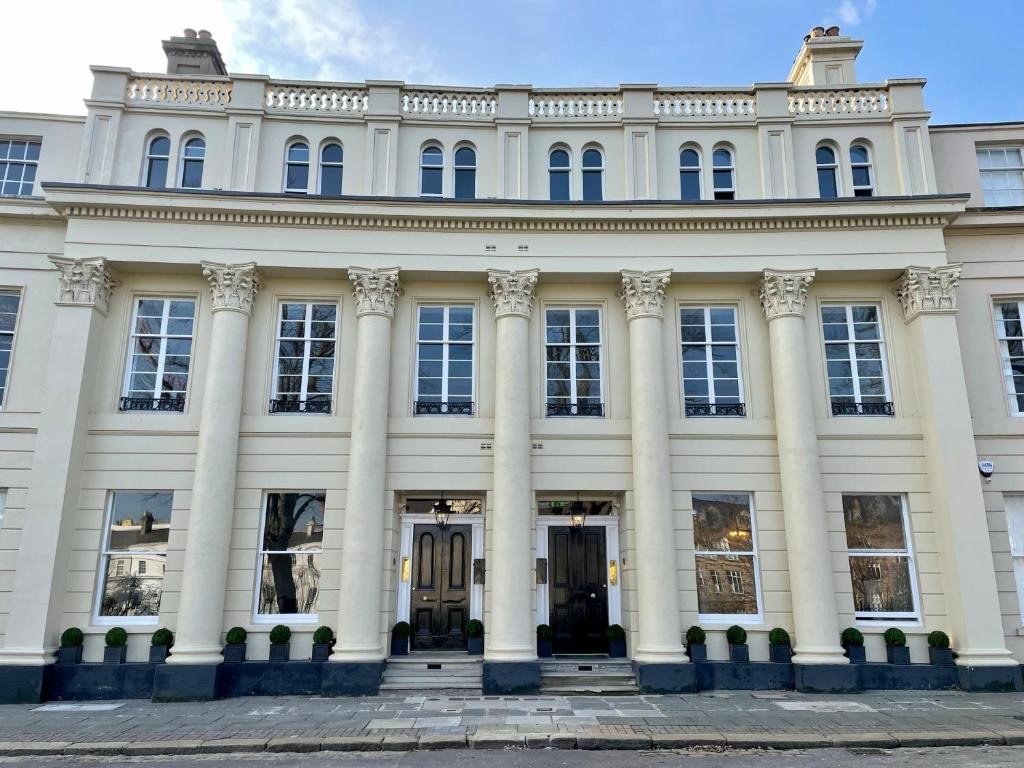
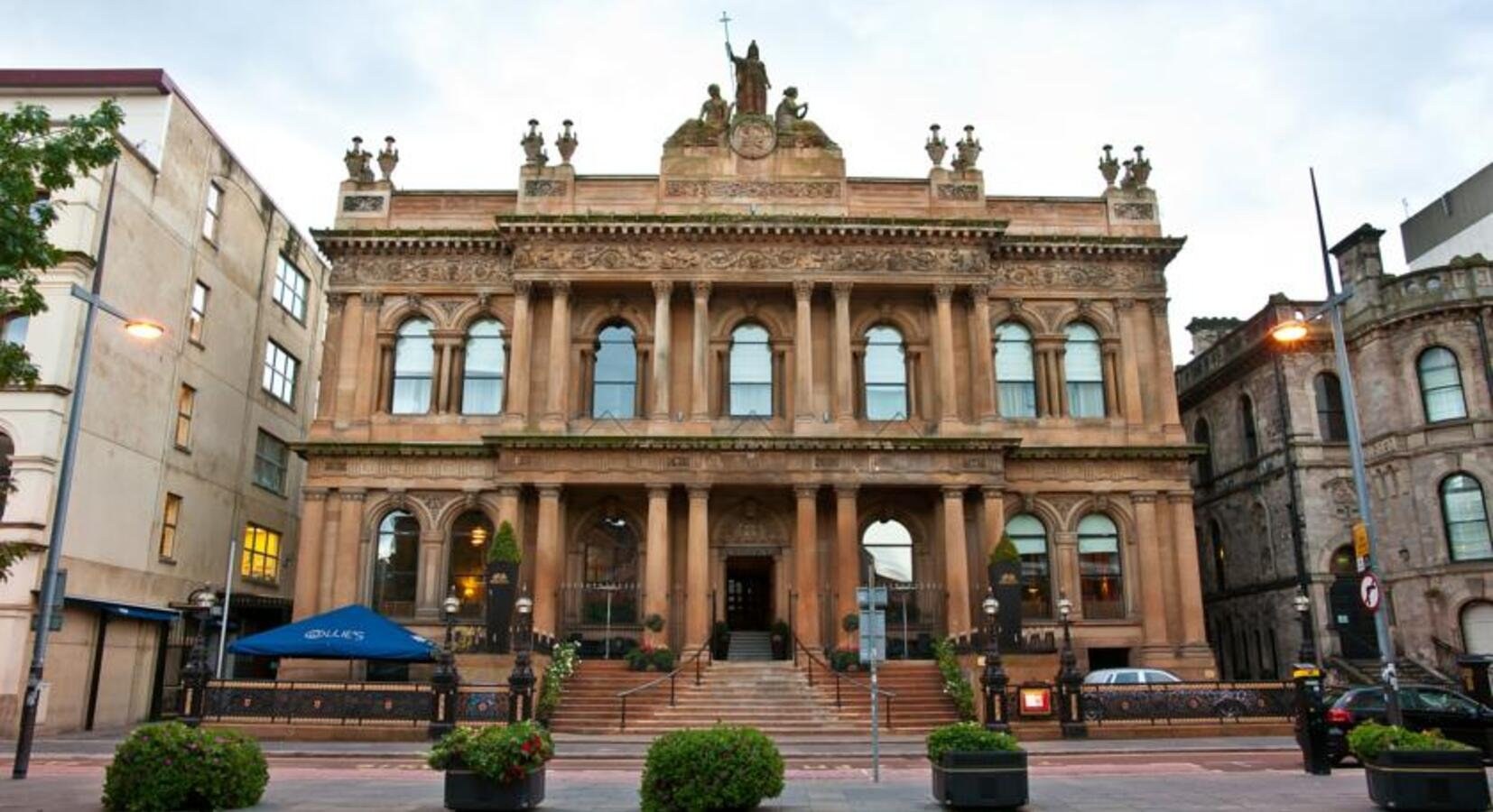
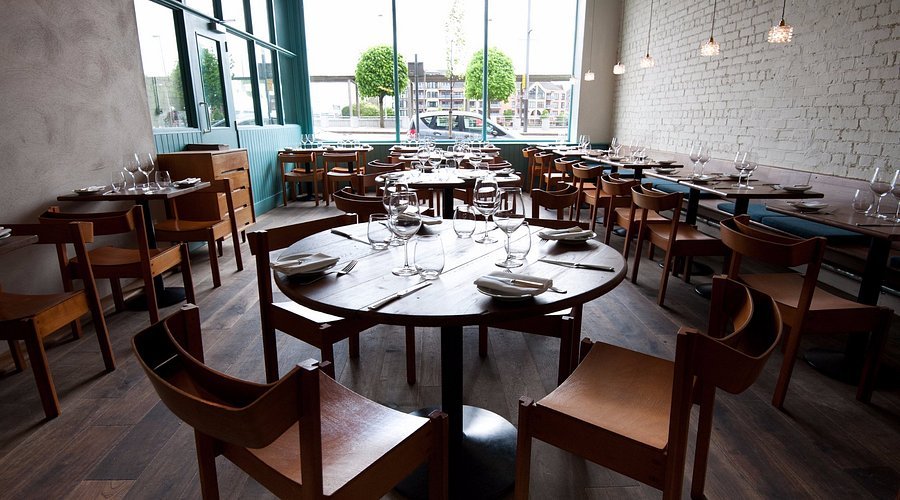
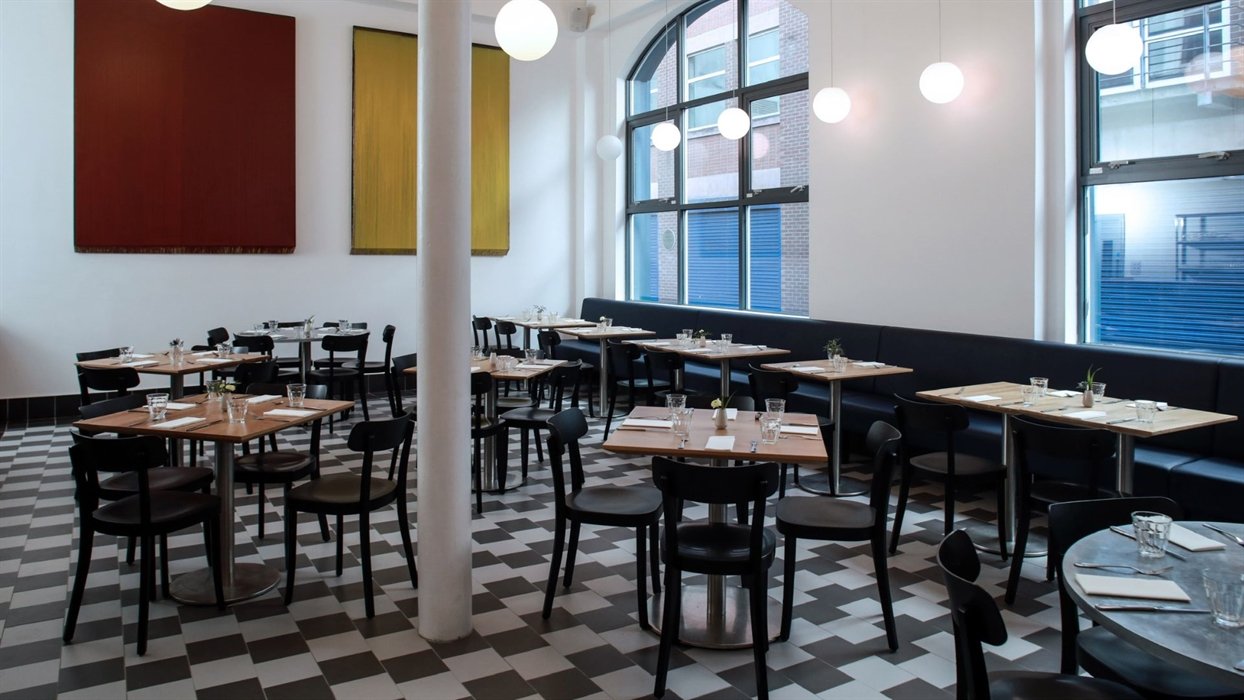
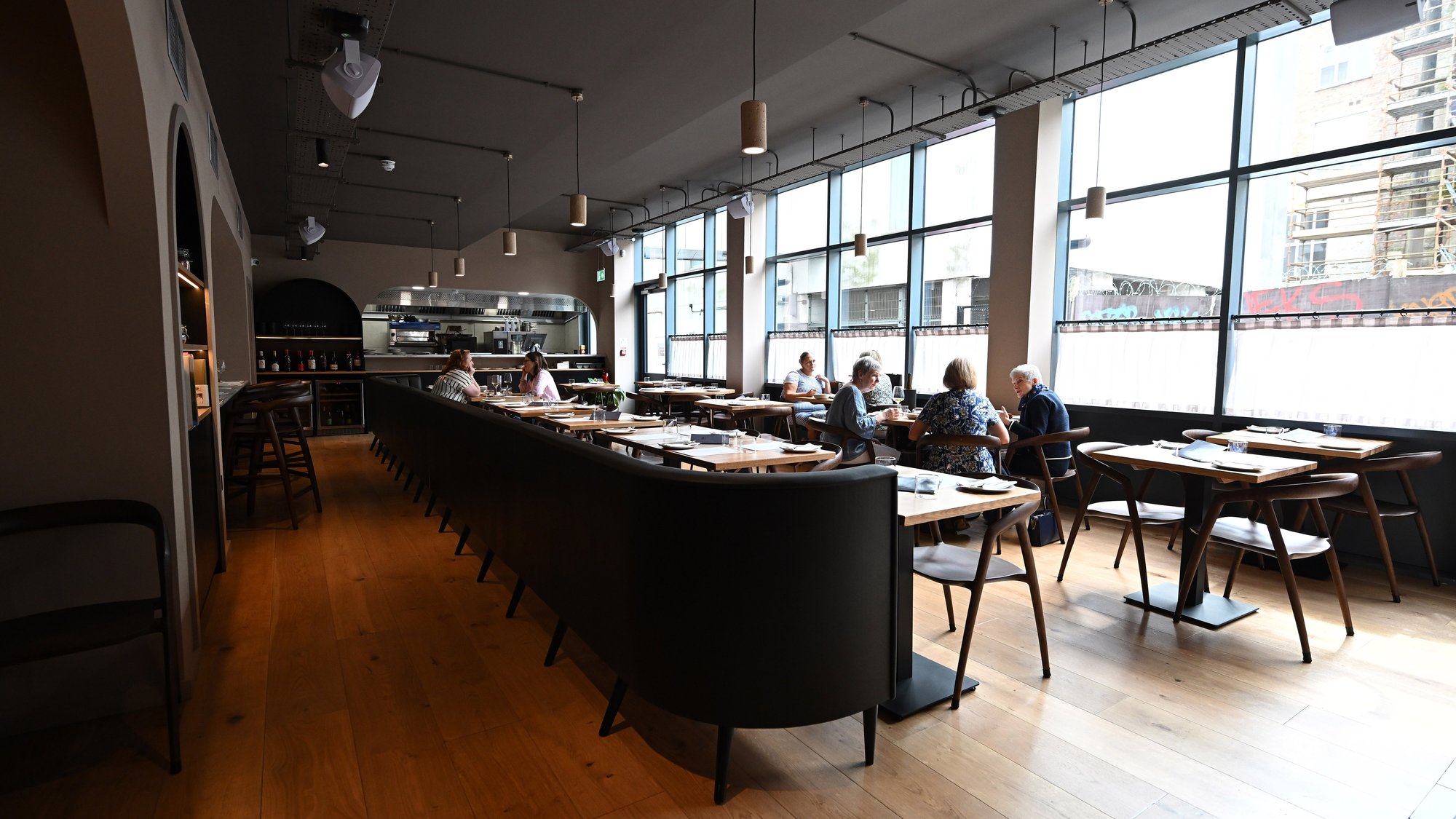
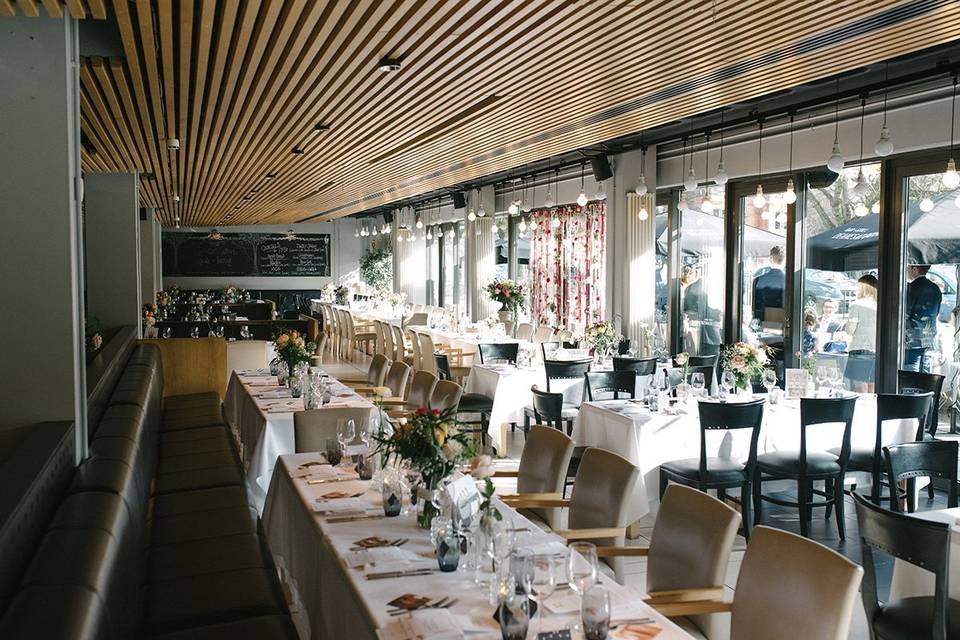
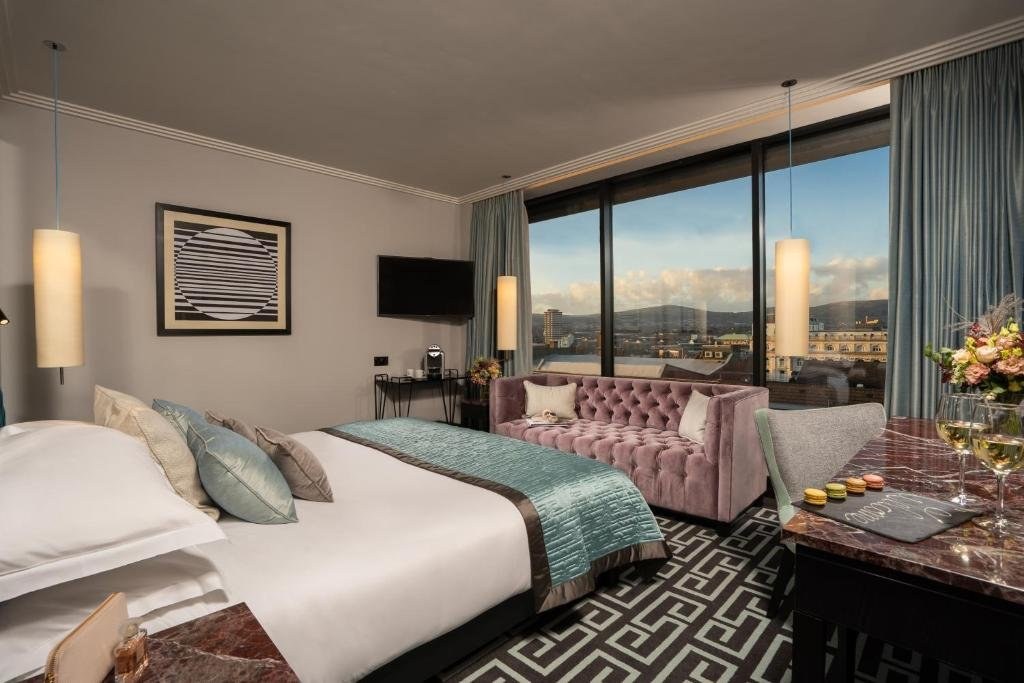
The Fitzwilliam Hotel sits on Great Victoria Street at the edge of Belfast’s Golden Mile, folding into a dense Victorian streetscape that reads as both photogenic and quietly urbane. It positions itself between boutique and full-service scale, which allows the front desk and dining staff to deliver a personalized, attentive experience; guests feel known rather than anonymous. Design ambition and a focused food-and-drink program give the hotel a purposeful, contemporary identity while the surrounding theatres and period architecture lend a charming, intimate city-centre character.
Best For
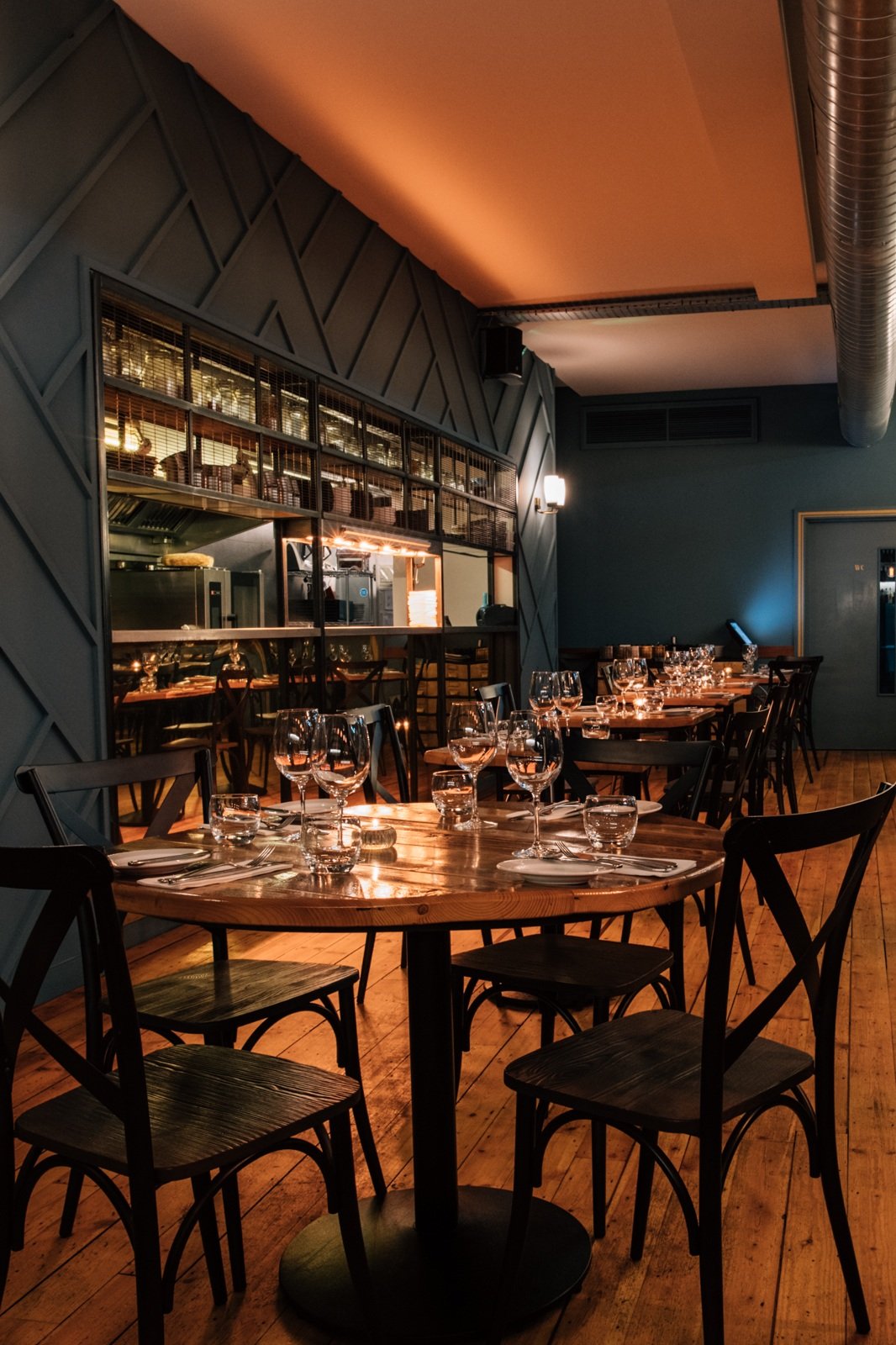
This hotel is a natural choice for guests who want central convenience with a polished, locally minded service culture. It works well for pre-theatre evenings thanks to its adjacency to the Grand Opera House, and its robust food-and-drink offering makes it a sensible pick for business dinners or a relaxed city-centre dinner after daytime meetings. The boutique scale and attentive staff also suit couples and weekend visitors seeking a city escape where style, service, and location are all within easy reach.
Stay Tips
If you’re planning to catch a show at the nearby Grand Opera House, reserve dinner early to secure a timely table; the hotel’s food-and-drink programming is highlighted as a core amenity. Rely on the front desk and restaurant staff for local recommendations and timing guidance — the description notes a guest-recognition service culture, so specific requests and timing needs are likely to be accommodated. For business dinners or pre-theatre plans, confirm dinner service hours when booking and mention any timing constraints to ensure a seamless experience.
Venue details
Ambiance
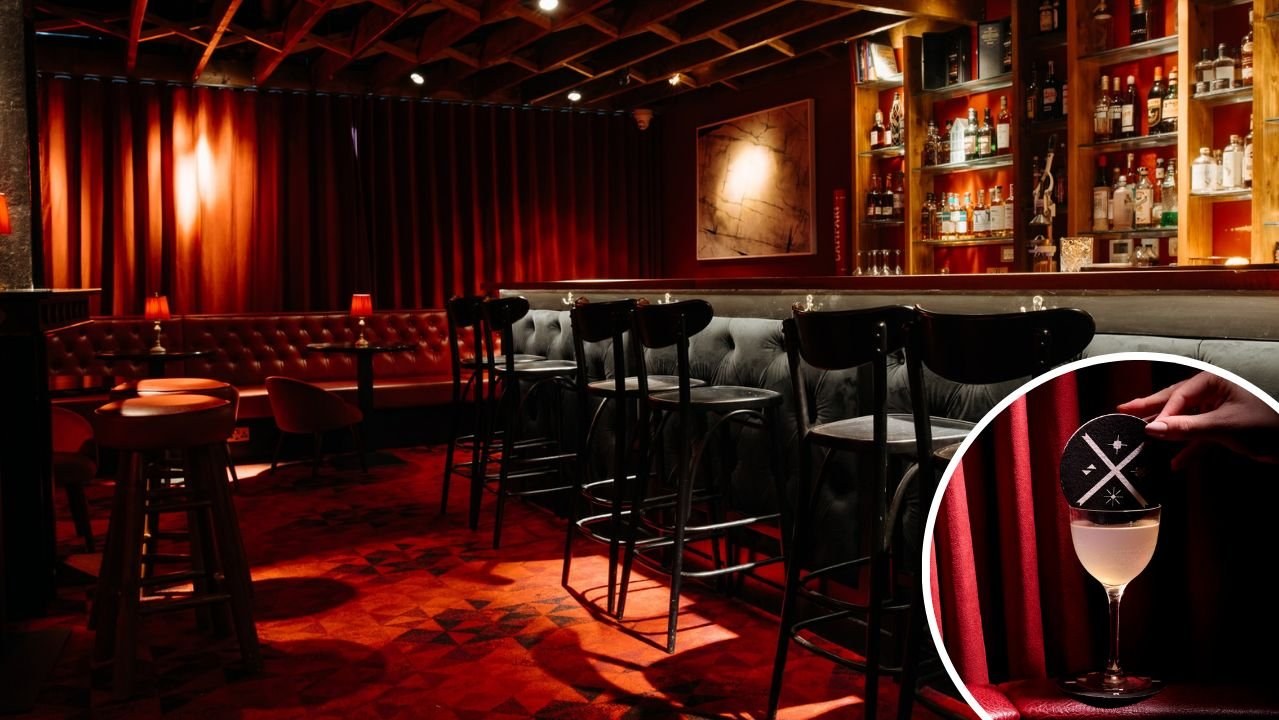
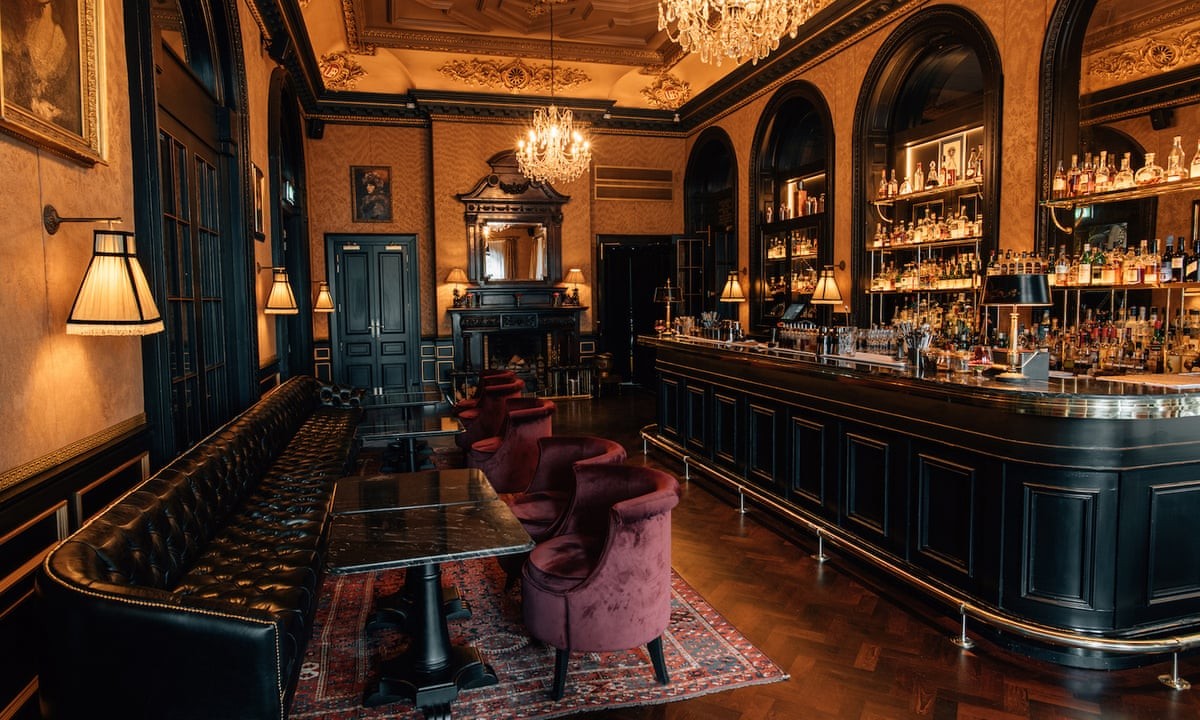
Elegant and sophisticated with relaxing vibe, beautiful decor, dark masculine rooms accented by bright colors, and indulgent bathrooms.
Tags
Vibe
Best For
Experience
Amenities
View
Accessibility
About the Stay
- Rooms
- 146
- Check-in
- 15:00
- Check-out
- 11:00
- Property Style
- Luxurious Boutique Hotel
- Design Style
- Contemporary Designer with Masculine Tones and Bright Accents
Know before you go
Know Before You Go
- Getting there
- 1-3 Great Victoria St, Belfast BT2 7BQ
Planning details
Location
Recognition and awards
Also consider
Where to look if it is not the right fit
If the goal is a more dramatic celebration hotel, cross-shop The Merchant Hotel. If the trip needs spa time and a quieter setting, look at Culloden Estate and Spa instead.
Hotel context
How it compares in Belfast
The Merchant Hotel is the stronger cross-shop if the stay needs more grand-hotel theatre and a heavier sense of occasion. The Fitzwilliam Hotel Belfast is the cleaner pick for a central, contemporary stay where the evening plan matters as much as the room. Booking difficulty is easier here, so it is the lower-stress choice for a polished Belfast weekend.
Regency House Belfast is the better fit for travelers who want residential character and a quieter townhouse feel. The Fitzwilliam Hotel Belfast suits guests who want city-centre momentum: arrive, go out, return without making transport the point of the night. For value, that central convenience is the main reason to choose it.
Culloden Estate and Spa, The Old Inn, and The Rabbit make more sense when the hotel stay is meant to feel like an escape from Belfast rather than a base inside it. Choose those for atmosphere and downtime; choose The Fitzwilliam Hotel Belfast for a city stay that keeps the logistics simple.
Around this place
Discover more on Pearl
Unlock the full The Fitzwilliam Hotel Belfast guide in Pearl, including awards, comparisons, FAQs, planning details, and nearby places.
Compare The Fitzwilliam Hotel Belfast
| Venue | Location | Awards |
|---|---|---|
| The Fitzwilliam Hotel Belfast | Belfast | 2025 Michelin Selected HotelsPreferred Hotels L.V.X. Collection 2025 |
| The Merchant Hotel | Belfast | 2026 La Liste Top Hotels2025 Michelin Selected Hotels |
| Regency House Belfast | Belfast | 2025 Michelin 1 Key |
| Culloden Estate and Spa | Belfast | 2026 Virtuoso Luxury Hotel Collection2025 Michelin Selected HotelsSmall Luxury Hotels Member 2025 |
| The Old Inn | Bangor | No published awards |
| The Rabbit | Templepatrick | No published awards |




How The Fitzwilliam Hotel Belfast compares with similar nearby venues.
FAQ
Frequently Asked Questions
Do loyalty programs work at The Fitzwilliam Hotel Belfast?
A key recognition for the hotel is its 2025 Preferred Hotels L.V.X. Collection status. If you are booking with any membership, partner rate, or benefit in mind, confirm the current terms directly before you commit.
What is check-in like at The Fitzwilliam Hotel Belfast?
When is the best time to book The Fitzwilliam Hotel Belfast?
Book once your Belfast dates are firm, especially if your plans are tied to a specific event or occasion. Key factors to consider are its 2025 MICHELIN Guide Hotels Selected recognition and Preferred Hotels L.V.X. Collection status.