


Culloden Estate and Spa
Holywood (Cultra), Belfast
Hotel in Belfast, United Kingdom
 Book with Pearl
The Read
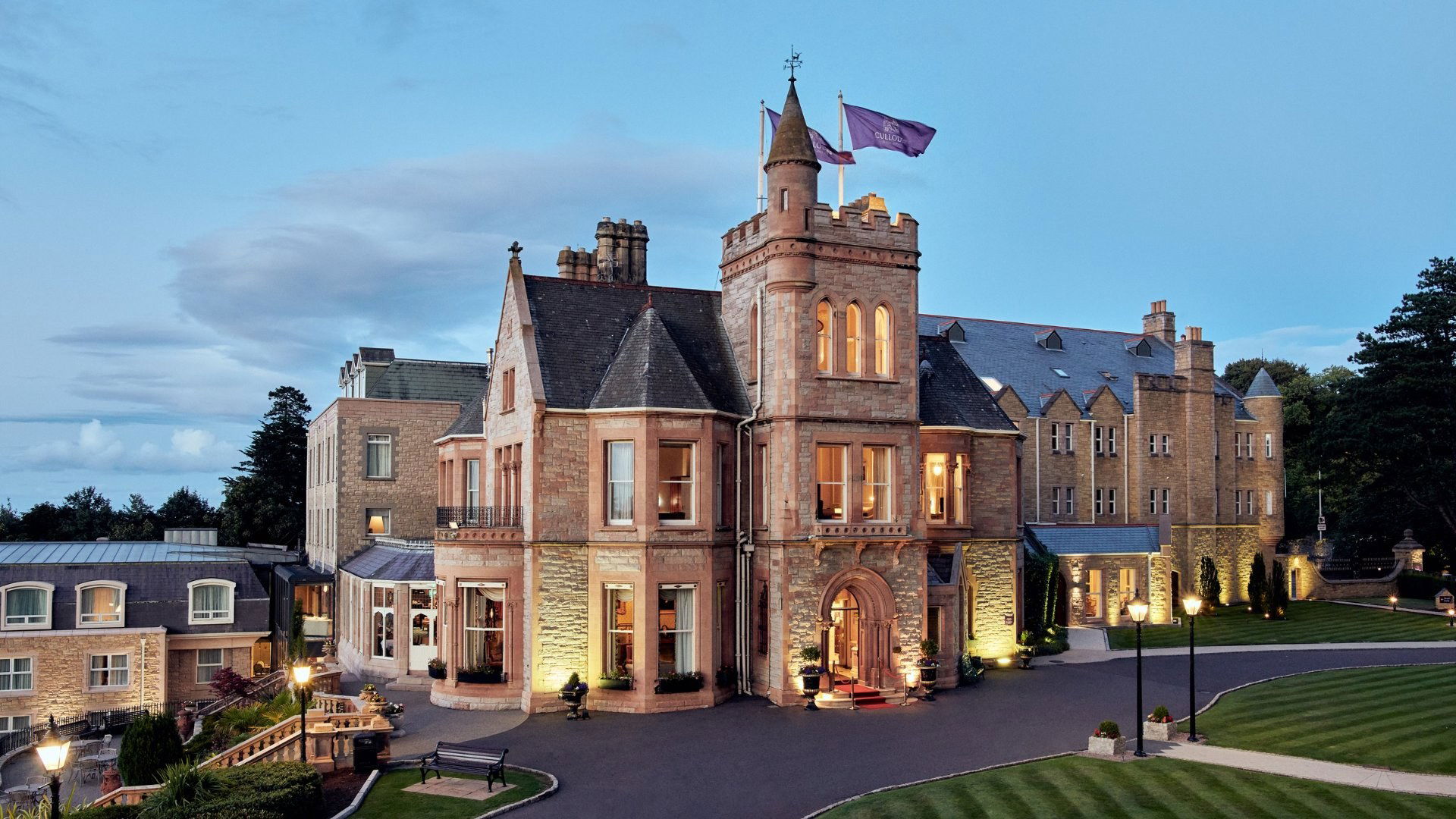
Victorian Gothic Country House
Why go
Culloden Estate and Spa is the Belfast-area choice for travellers who want a quieter, spa-led hotel rather than a city-centre base. Book it for downtime, couples' stays, or a softer luxury setting; choose The Fitzwilliam Hotel Belfast or The Merchant Hotel if walkable access to central Belfast matters more.
About Culloden Estate and Spa
Should you stay at Culloden Estate and Spa? It is a Belfast hotel with smart-casual dress guidance and confirmed luxury-hotel recognition, including Small Luxury Hotels of the World Member status for 2025, Virtuoso Luxury Hotel Partner status for 2026, and selection in the MICHELIN Guide Hotels list for 2025. These details support considering it for a premium Belfast stay, while any decision about room category, dining plans, spa use, or transport should be checked directly with the hotel before booking.
When booking, focus on the basics you need: dates, bed setup, cancellation terms, and any hotel details that matter for your trip. Do not assume that a higher category is better value without comparing the live rate and inclusions at the time of booking.
Book this as a premium Belfast hotel with confirmed luxury credentials
Culloden Estate and Spa sits in Belfast's premium hotel conversation because its confirmed recognition includes Small Luxury Hotels of the World Member status, Virtuoso Luxury Hotel Partner status, and MICHELIN Guide Hotels selection. Those credentials are the strongest reason to keep it on a shortlist, especially if you want a hotel with established luxury-hotel affiliations rather than a boutique claim without established affiliations.
For comparison shopping, consider Culloden Estate and Spa alongside The Fitzwilliam Hotel Belfast, The Merchant Hotel, Regency House Belfast, The Old Inn, and The Rabbit. The right choice will depend on the current rate, room availability, location preference within Belfast or the wider area, and which details matter most for the trip.
Room value depends on the live booking details
Room value should be judged at the point of booking. Start with the least expensive category that satisfies the practical requirements of the stay, then upgrade only if the live description, cancellation terms, and price difference justify it.
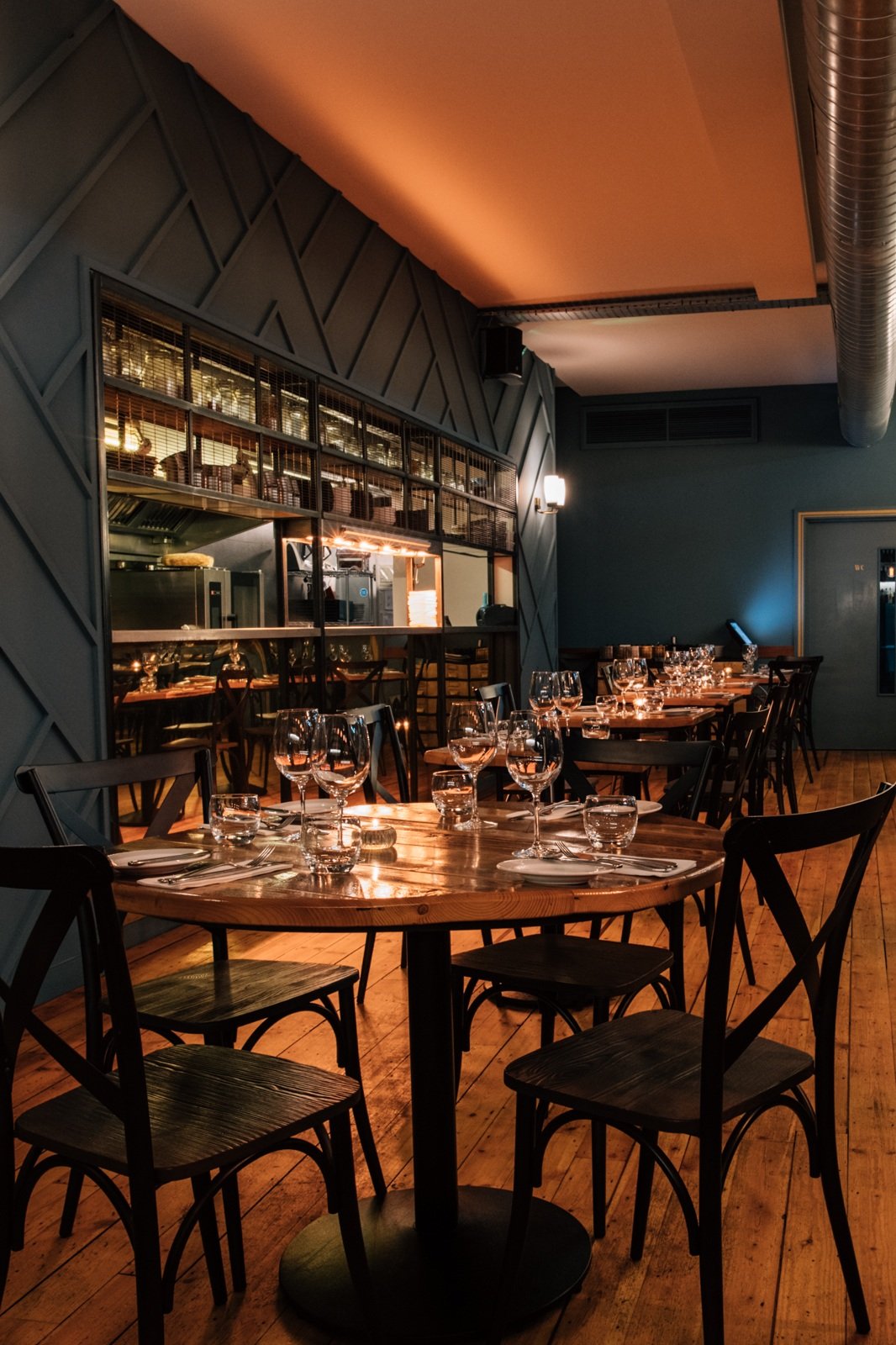
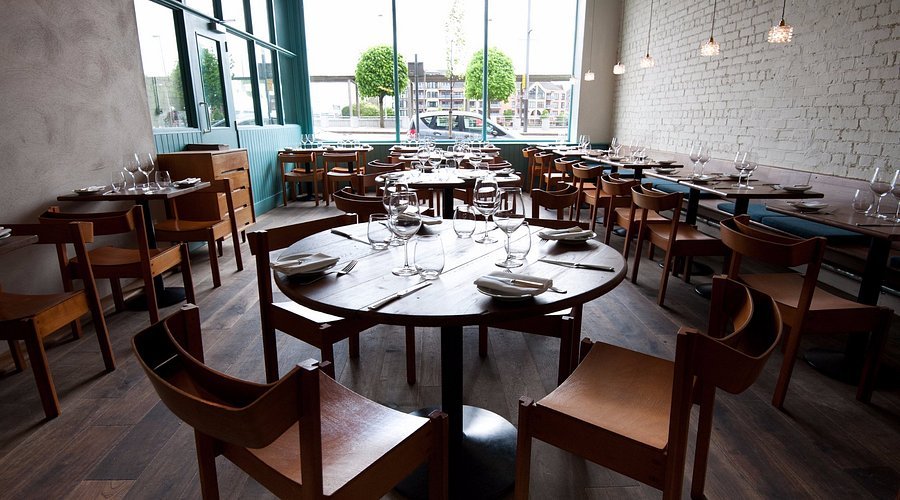
For planning around meals and evenings, use current hotel information and local listings rather than assuming a specific dining format, cuisine, bar program, or service schedule. If the trip is built around eating out, pair the hotel search with our full Belfast restaurants guide and compare other Belfast dining options generically before committing to a location.
Quick reference: consider Culloden Estate and Spa for a Belfast stay with confirmed luxury-hotel recognition; verify room details, amenities, and logistics directly before booking.
Planning details
- Location
- 142 Bangor Rd, Holywood BT18 0EX
- Website
- cullodenestateandspa.com
- Phone
- +44 28 9042 1066
The take
The Take
The Vibe
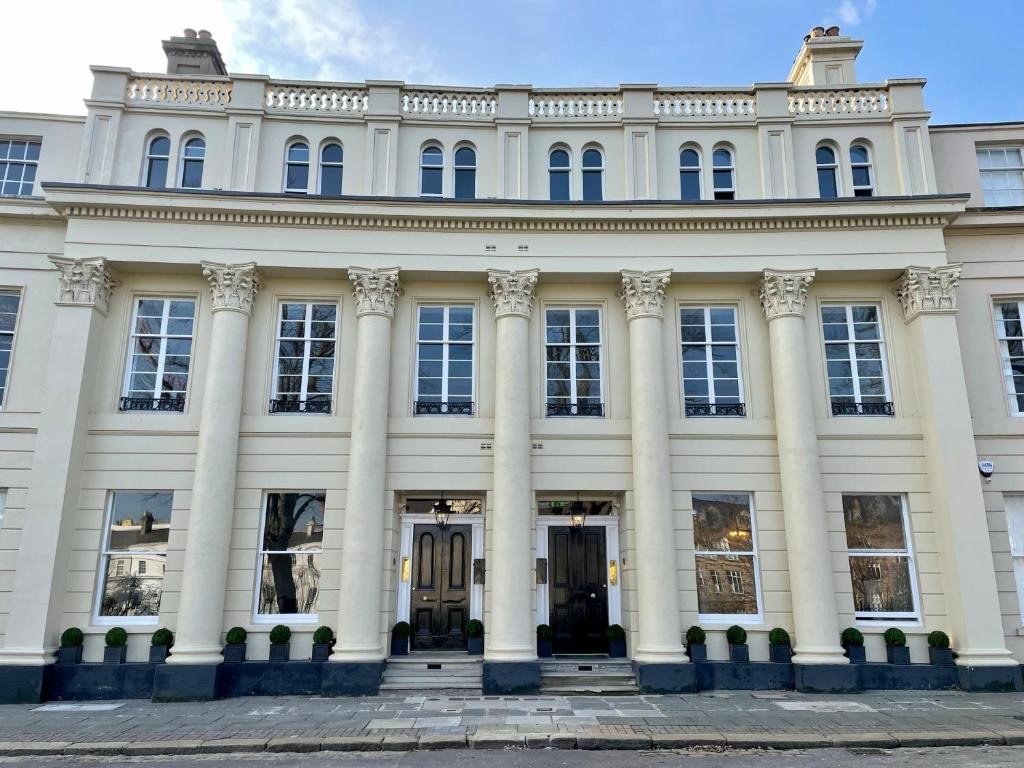
Culloden Estate and Spa presents as a grand Victorian country house where Gothic details meet contemporary hospitality. The 1876 mansion — originally built as the bishop’s residence — keeps its stained-glass windows, castellated entrance tower and carved Glasslough sandstone, so the architecture feels authentic rather than applied. Set on 12 acres on the Holywood Hills, the property’s remove from the city gives arrival a deliberate, ceremonial quality. The overall tone reads historic and serene: guests encounter formal, weighty rooms and sweeping grounds rather than sleek urban minimalism, making the Culloden feel like a preserved piece of architectural theatre with modern comforts tucked inside.
Best For
The Culloden is best for genteel escapes and milestone stays that lean into atmosphere. Its country-house scale and listed architecture make it a natural pick for romantic getaways, anniversaries and honeymoons, while the presence of a spa in the property name signals suitability for wellness retreats. The estate grounds and distant lough views also lend themselves to small celebration stays or a quiet weekend away from the city. This is not a city-business hotel; it favours leisure stays that prioritise setting, privacy and the slow rhythms of a country-house visit.
Stay Tips
When booking, prioritize rooms that reference views across Belfast Lough if a water-facing outlook matters to you; the description highlights those vistas specifically. Allow extra time in your reservation to explore the 12 acres of grounds — arrival is described as a deliberate act, and lingering on the estate is part of the experience. Given the property’s spa identity, plan spa time into your stay early, as treatments and appointments are a central part of the hotel’s offer. Finally, expect a formal, composed atmosphere rather than a bustling city-hotel energy.
Venue details
Ambiance
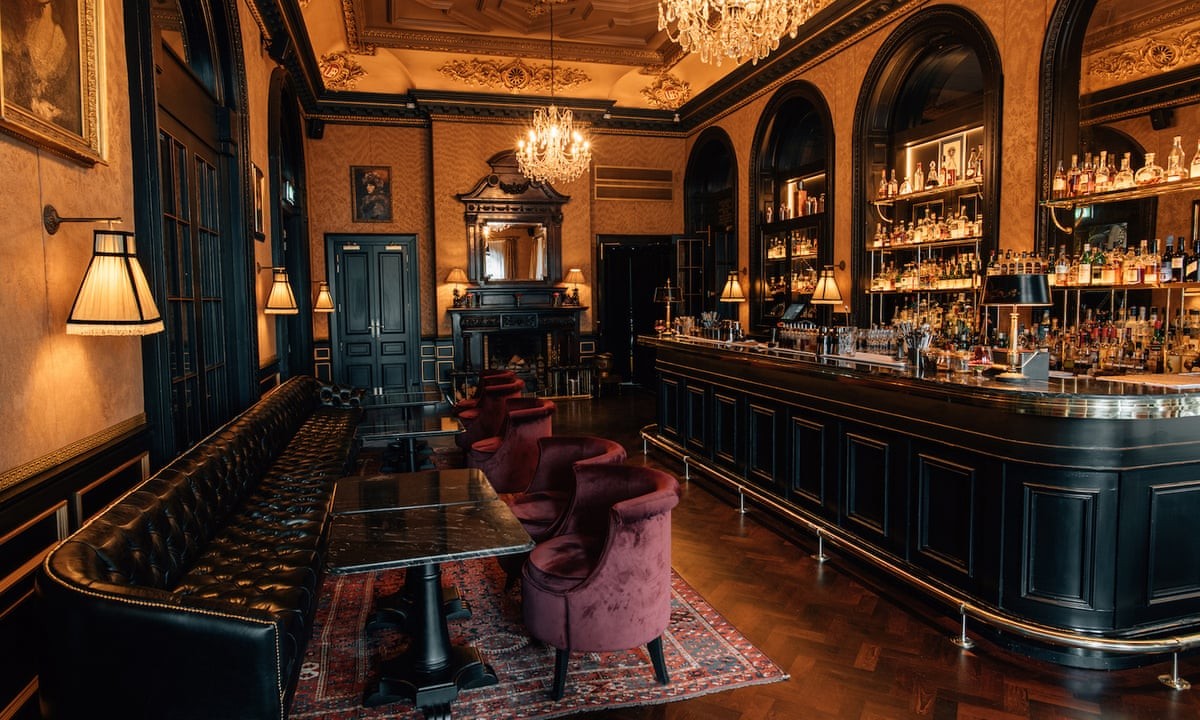
Palatial elegance with bright, spacious interiors featuring fine antiques and premium furnishings; serene spa atmosphere with aromatic essential oils and tranquil relaxation areas; sophisticated dining venues with views over manicured grounds and lough.
Tags
Vibe
Best For
Experience
Amenities
View
Accessibility
About the Stay
- Rooms
- 100
- Check-in
- 15:00
- Check-out
- 11:00
- Property Style
- Luxury Heritage Property Housed in a Restored Gothic Mansion with Palatial Surroundings, Fine Antiques, and Contemporary Amenities Blending Historic Elegance with Modern Comfort.
- Design Style
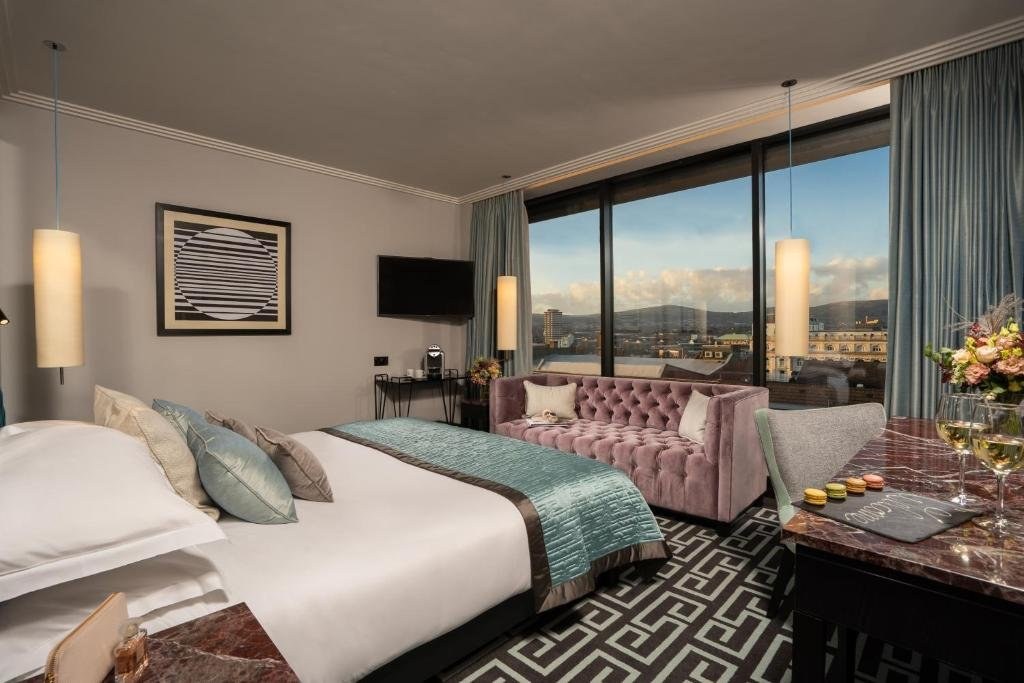
- Classic Palatial with Bright, Individually Decorated Rooms Featuring Premium Bedding, Separate Bathtubs and Showers, and Views Over Gardens and Belfast Lough; Spa Areas Emphasize Tranquility with Aromatic Botanicals and Serene Design.
Know before you go
Know Before You Go
- Getting there
- 142 Bangor Rd, Holywood BT18 0EX
Planning details
Location
Recognition and awards


Also consider
Where to book if this does not fit
Book The Fitzwilliam Hotel Belfast if walkable access to central Belfast is the priority. Choose The Merchant Hotel if the stay needs a more formal city-hotel feel.
Hotel context
How it compares with Belfast-area hotels
Choose Culloden Estate and Spa when the trip is built around quiet, spa time, and a retreat feel outside the centre. The Fitzwilliam Hotel Belfast is better for easy city access and a tighter business or theatre schedule, while The Merchant Hotel is the stronger central splurge if atmosphere and location matter more than space away from Belfast.
Regency House Belfast is the better cross-shop for a more residential, character-led stay in the city. The Old Inn and The Rabbit sit outside the metro choice set, so they make more sense for guests actively avoiding a Belfast base rather than travellers planning multiple city meals or meetings.
For value, Culloden works when spa and quiet are part of the booking logic. If the room will be used mainly for sleeping after time in Belfast, the central peers are easier to justify because they reduce transport friction.
Around this place
Discover more on Pearl
Unlock the full Culloden Estate and Spa guide in Pearl, including awards, comparisons, FAQs, planning details, and nearby places.
Compare Culloden Estate and Spa
| Venue | Location | Awards |
|---|---|---|
| Culloden Estate and Spa | Belfast | 2026 Virtuoso Luxury Hotel Collection2025 Michelin Selected HotelsSmall Luxury Hotels Member 2025 |
| The Old Inn | Bangor | No published awards |
| The Merchant Hotel | Belfast | 2026 La Liste Top Hotels2025 Michelin Selected Hotels |
| The Fitzwilliam Hotel Belfast | Belfast | 2025 Michelin Selected HotelsPreferred Hotels L.V.X. Collection 2025 |
| Regency House Belfast | Belfast | 2025 Michelin 1 Key |
| The Rabbit | Templepatrick | No published awards |



How Culloden Estate and Spa Belfast compares with similar nearby venues.
FAQ
Frequently Asked Questions
What should I verify about spa facilities at Culloden Estate and Spa?
The venue name includes Culloden Estate and Spa. Check directly with the hotel before booking if spa access or particular facilities are important to the stay.
How is the location of Culloden Estate and Spa?
Culloden Estate and Spa is in Belfast. Confirm the exact location and transport plans directly before booking. If location is the deciding factor, compare it with The Merchant Hotel and The Fitzwilliam Hotel Belfast based on your own itinerary.
Which room category is best at Culloden Estate and Spa?
The safest approach is to choose the category that meets your bed setup, dates, and cancellation needs, then upgrade only if the live booking information makes the added cost worthwhile.
How does Culloden Estate and Spa compare to other hotels?
Culloden Estate and Spa can be compared with other premium options such as The Merchant Hotel, The Fitzwilliam Hotel Belfast, Regency House Belfast, The Old Inn, and The Rabbit. The main distinction is Culloden Estate and Spa's confirmed recognition, including Small Luxury Hotels of the World Member status, Virtuoso Luxury Hotel Partner status, and MICHELIN Guide Hotels selection.
When is the best time to book Culloden Estate and Spa?
Do loyalty programs work at Culloden Estate and Spa?
Culloden Estate and Spa is a Small Luxury Hotels of the World Member for 2025 and a Virtuoso Luxury Hotel Partner for 2026. If you are booking through a preferred-travel channel, confirm the current benefits, eligibility, and terms before reserving.