
O Monot Boutique Hotel
Sodeco, Beirut
Hotel in Beirut, Lebanon
 Book with Pearl
The Read
Saifi Boutique Precision
Price
$200–300per night
Why go
O Monot Boutique Hotel is a practical Beirut pick for travelers who want a calm boutique base rather than a large-hotel production. Book it for easy planning, central city use, and a quieter stay; compare Le Royal Hotel Beirut if pool and resort-style amenities matter more.
About O Monot Boutique Hotel
O Monot Boutique Hotel is a Beirut hotel with two confirmed planning details: it is listed as a Small Luxury Hotels of the World Member (2025), and the dress code is smart casual. Beyond those points, travelers should avoid assuming specifics about amenities, dining, room categories, pricing, or service format unless confirmed directly with the hotel.
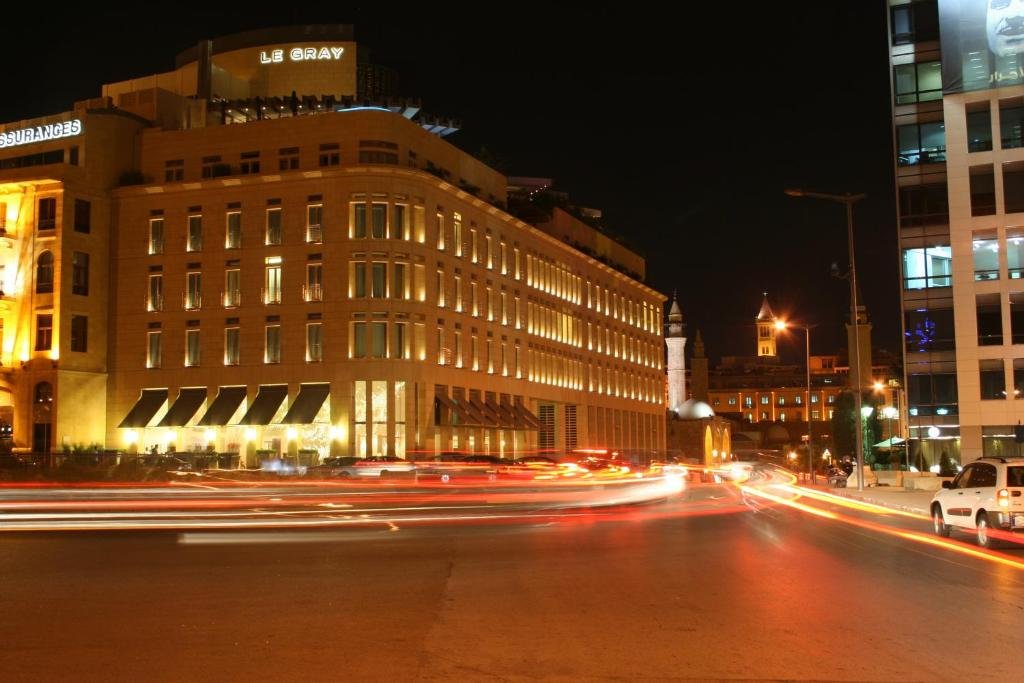
Use this page as a conservative planning note rather than a full service review. If you are comparing hotels, O Monot Boutique Hotel can be considered alongside Arthaus Beirut, Hotel Albergo, Le Gray, and Le Royal Hotel Beirut, with final choice depending on the current details each property confirms for your dates.
A Beirut hotel with limited confirmed public details
The strongest hook here is the Small Luxury Hotels of the World Member (2025) recognition. That is a useful signal for travelers building a shortlist, but it should not be stretched into claims about specific facilities, dining, check-in style, room count, or service level.
The confirmed dress code is smart casual. For anything beyond that, including dining availability, amenities, accessibility, family arrangements, business services, and arrival logistics, check directly with O Monot Boutique Hotel before booking.
Book with confirmed details in hand
Because this guide has only a narrow set of facts, the safest approach is to confirm the practical details that matter for your stay before committing. Ask the hotel directly about current services, room options, cancellation terms, and any on-property facilities you plan to use.
Travelers comparing other hotels can also look at Arthaus Beirut, Hotel Albergo, Le Gray, and Le Royal Hotel Beirut. For broader planning, use Beirut hotel resources as a starting point, then pair the stay with Beirut restaurants, Beirut bars, and Beirut experiences.
Planning details
- Location
- Beirut
- Website
- omonot.com
- Phone
- +961 1 338 777
The take
The Take
The Vibe
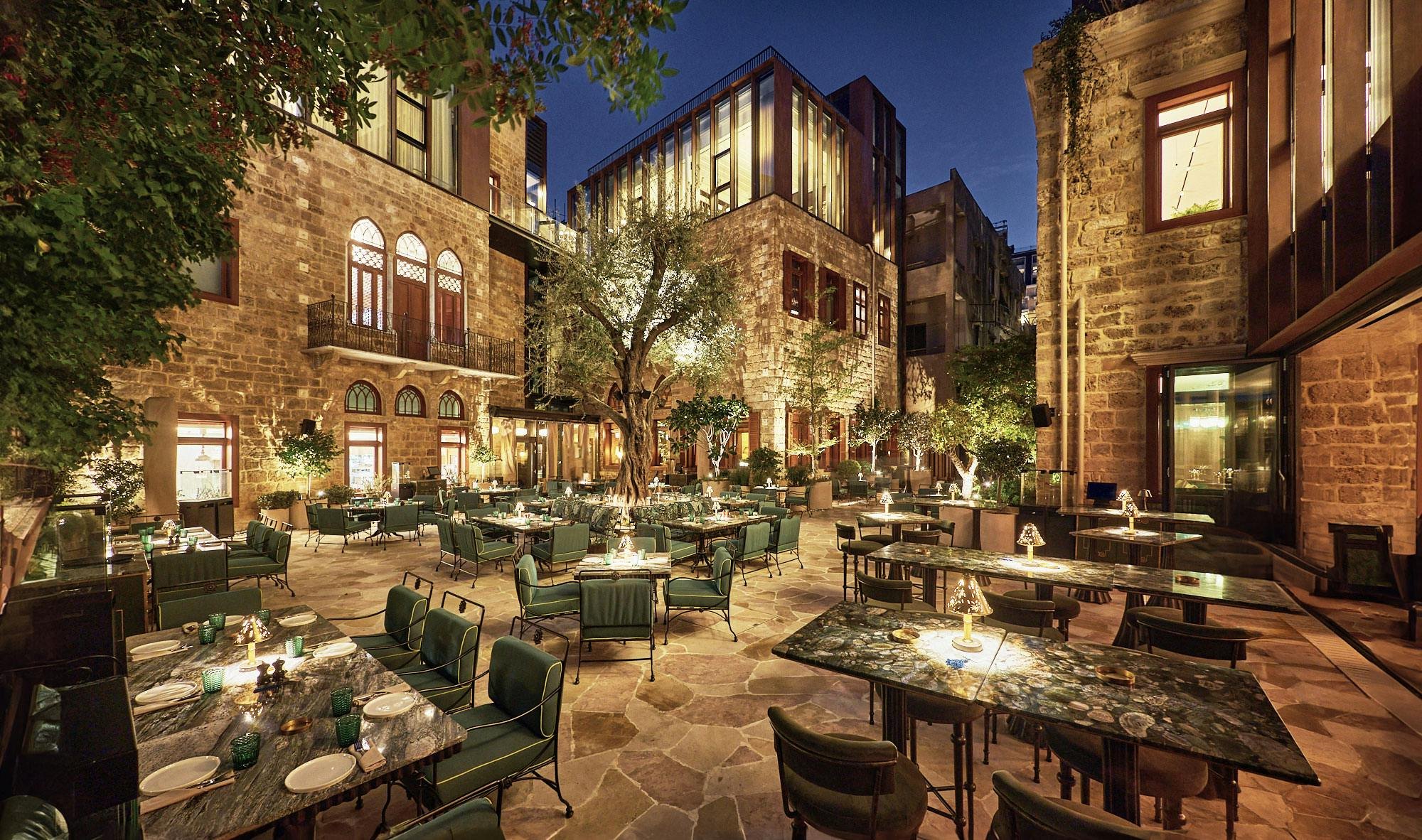
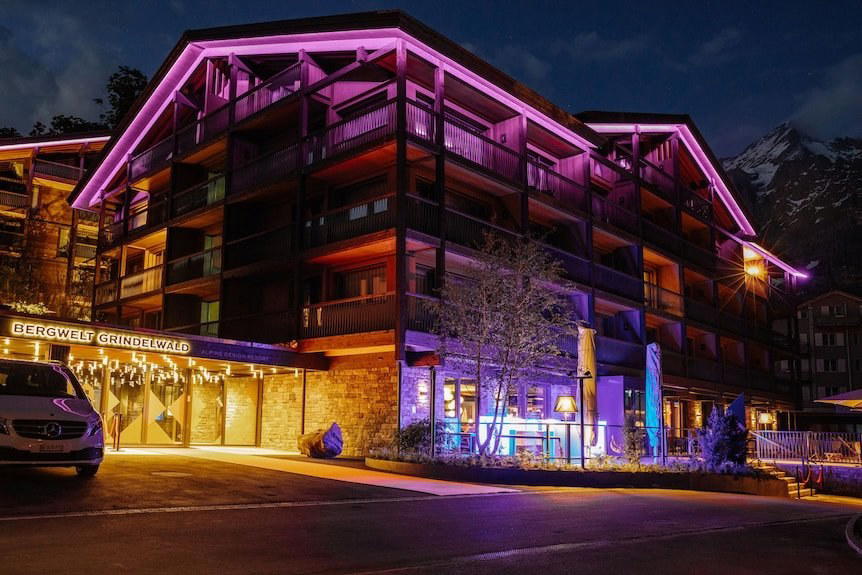
O Monot reads like a small-scale, neighbourhood-minded boutique rather than a generic urban flag. Housed in the city’s fabric — converted townhouses on the edge of Downtown — the hotel leans into the specific character of Saifi: a residential, gallery-led quarter that feels distinct from Beirut’s more transactional core. With just 41 rooms, the property favors design coherence and operational specificity over brand-standard uniformity, which yields an intimate, quietly curated stay. The result is a hotel that foregrounds its streetscape and local context, appealing to travellers who prioritise neighbourhood character and an understated, site-specific hotel experience.
Best For
O Monot is best for travellers who want direct access to a particular slice of Beirut rather than the neutralised experience of larger international hotels. It suits visitors planning short urban breaks and weekend escapes, couples seeking a boutique romantic stay, and solo explorers who value walking access to galleries and residential streets. Its small scale and attention to design make it a practical choice for guests who prize neighbourhood immersion and a quieter base from which to experience the reconstructed edge of Downtown, where local character is built block by block.
Stay Tips
Because O Monot is intentionally small — the description notes a 41-room count — availability can be tighter than at larger city hotels; book early for weekend and peak-season stays. Choose this property deliberately when your priority is neighbourhood access: the hotel’s principal asset is its Saifi address and proximity to the quarter’s residential and gallery activity. Treat the stay as a neighbourhood experience rather than a full-service urban resort: the editorial case for O Monot is its location and boutique scale, so plan around walking the nearby streets and galleries.
Venue details
Ambiance
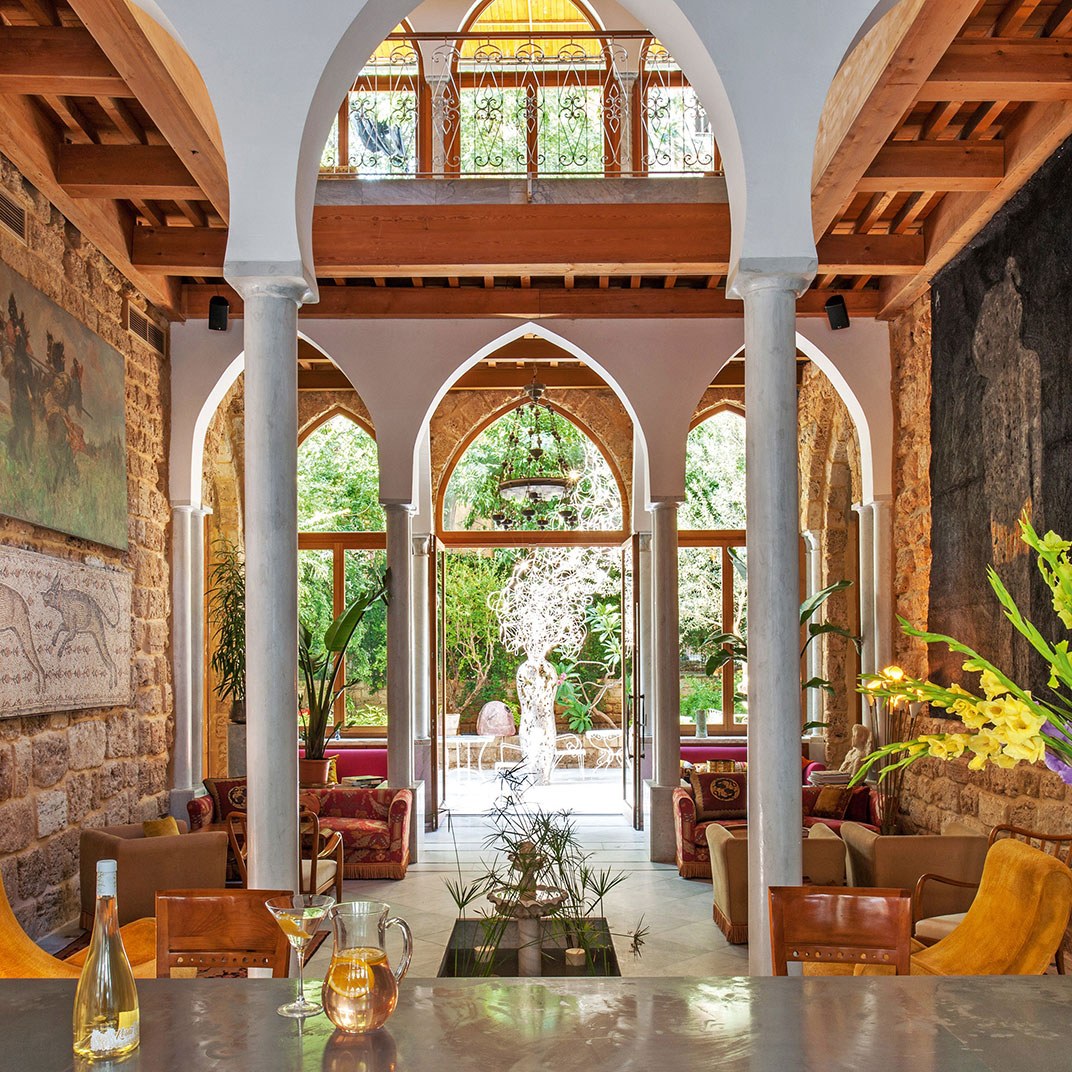
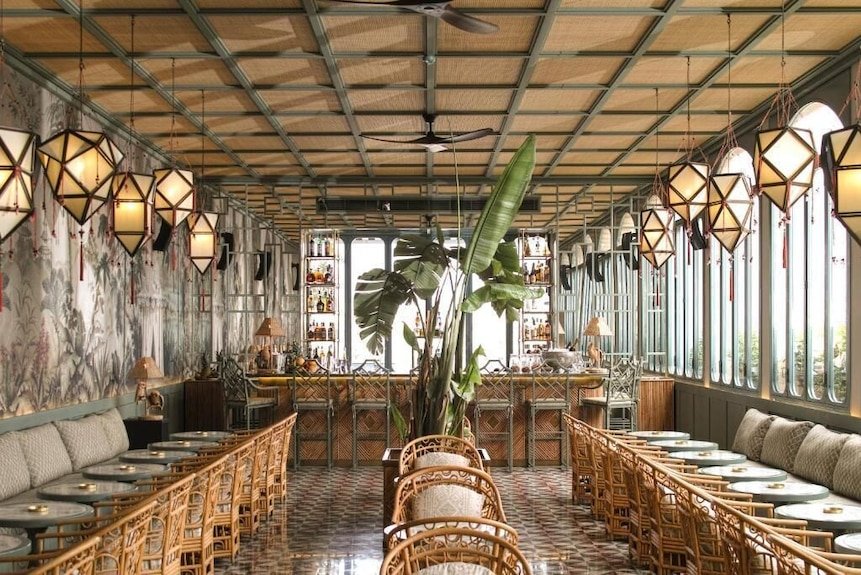
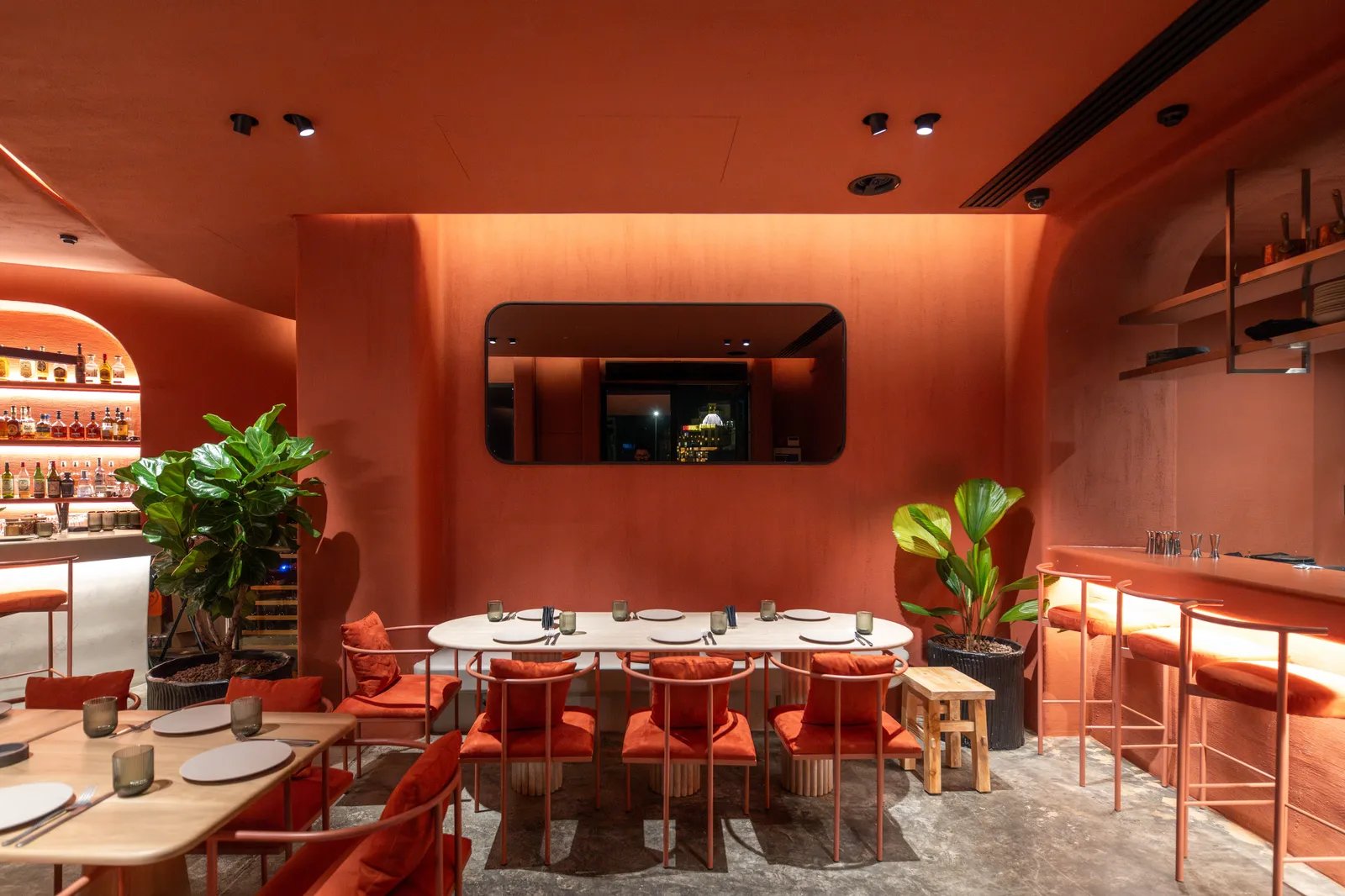
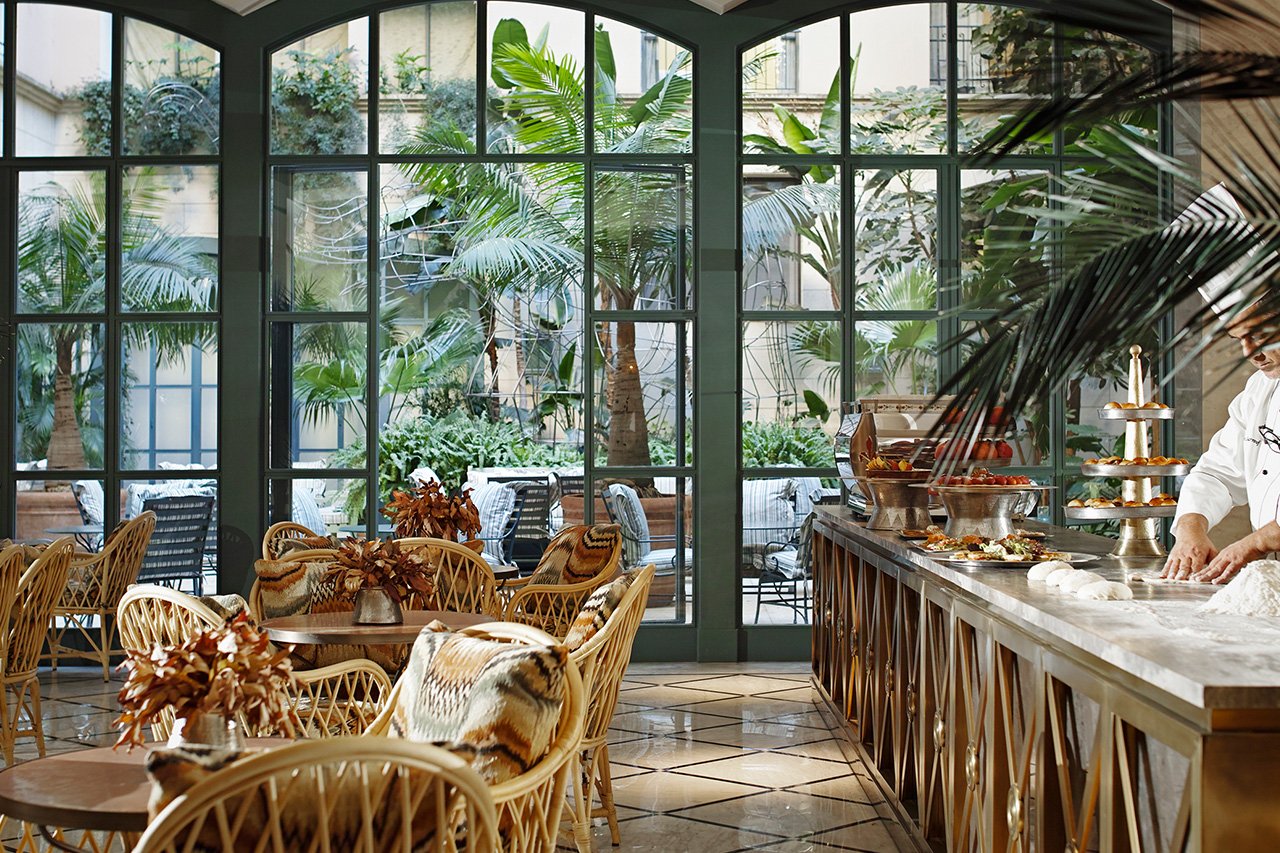
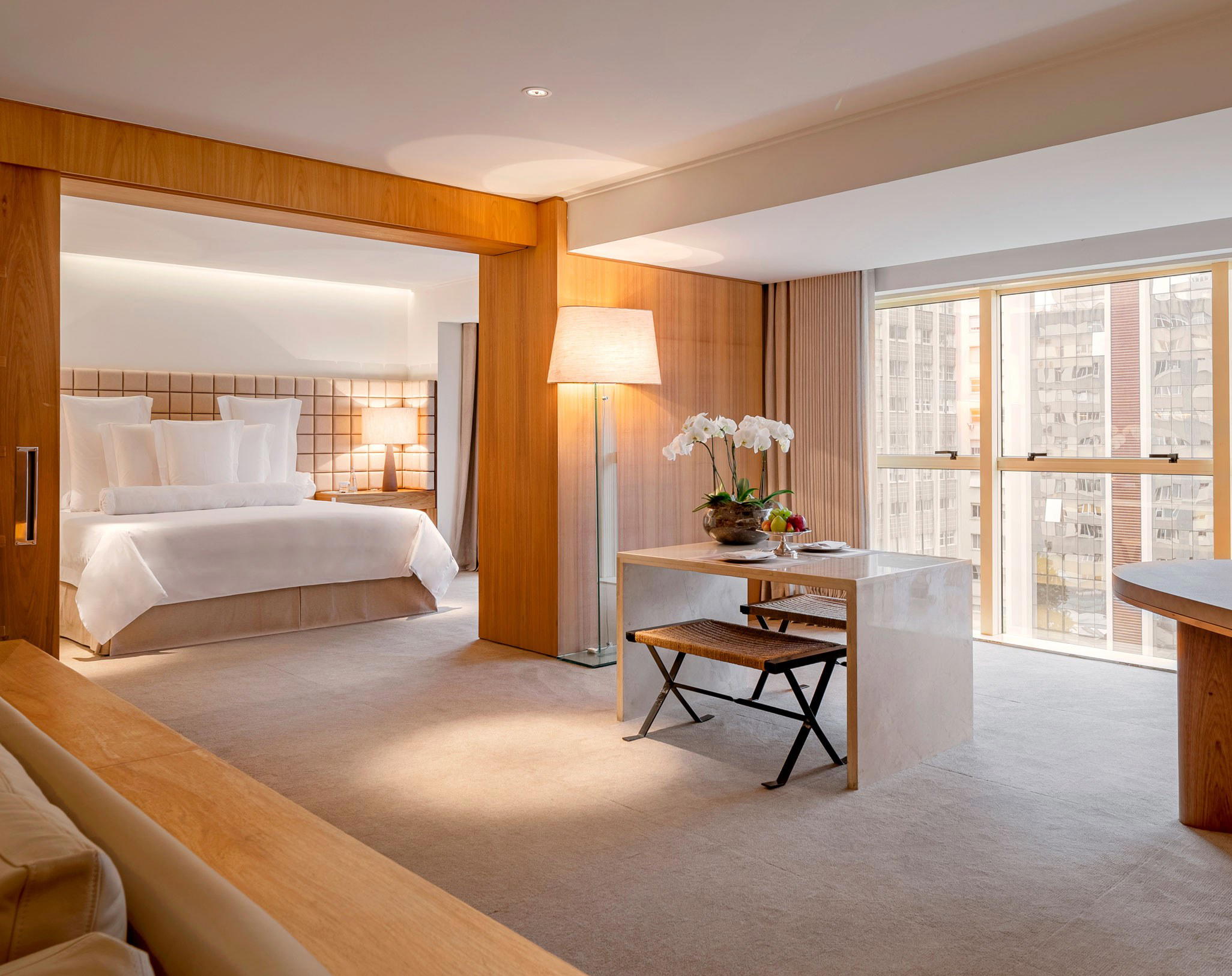
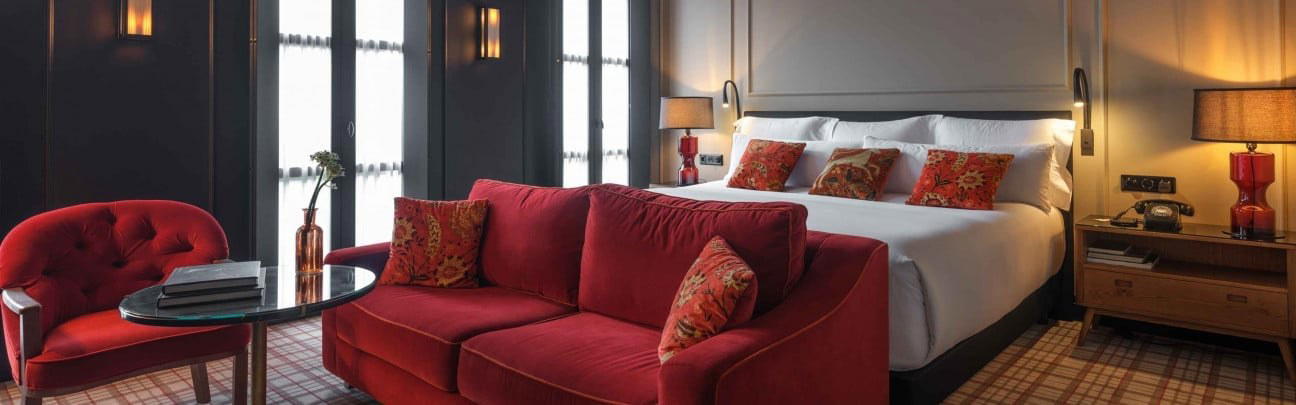
Refined and contemporary with soothing off-white palettes complemented by modern artwork, creating an elegant yet welcoming atmosphere.
Tags
Vibe
Best For
Experience
Amenities
Accessibility
About the Stay
- Rooms
- 50
- Check-in
- 15:00
- Check-out
- 11:00
- Property Type
- Boutique hotel
- Property Style
- Luxury Boutique Hotel Blending Contemporary Design with Refined Elegance in an Urban Setting.
- Design Style
- Contemporary Minimalist with Soothing Off White Interiors Accented by Modern Artwork and Natural Materials.
- Breakfast
- Included
- Airport Transfer
- Available
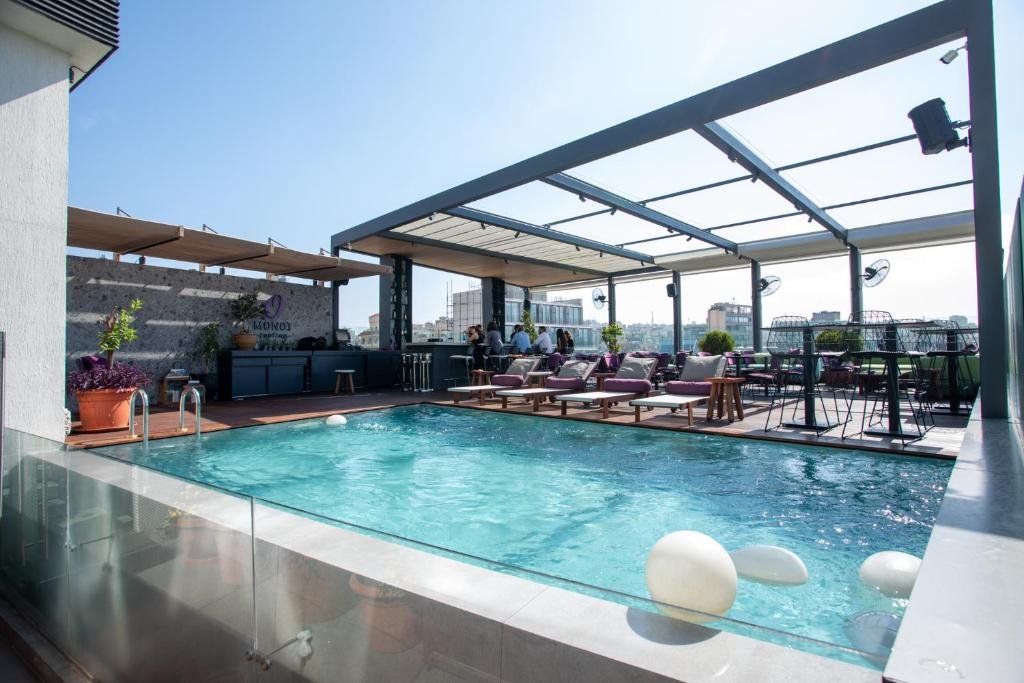
- Pool
- Yes
- Families
- Welcome
- Cancellation
- Moderate
Know before you go
Know Before You Go
- Getting there
- Beirut
Planning details
Location
Recognition and awards

Also consider
Also Consider
- Hotel Albergo, Notable alternative
- Arthaus Beirut, Notable alternative
- Le Gray, Notable alternative
- Le Royal Hotel Beirut, Notable alternative
- The Efendi Hotel, Notable alternative
Hotel context
How It Compares
Against Hotel Albergo, O Monot Boutique Hotel is the easier, lower-friction choice for travelers who want a boutique Beirut base without making heritage atmosphere the point of the stay. Hotel Albergo is the stronger pick if character and a more established local hotel identity matter more than simplicity.
Arthaus Beirut is the sharper cross-shop for design-led travelers. Choose Arthaus Beirut when the hotel's atmosphere is a major part of the trip; choose O Monot Boutique Hotel when the room is mainly a calm launchpad for meetings, dinners, and city time. Le Gray sits in the bigger city-hotel lane, so it is the better comparison for guests who want a more prominent full-service feel.
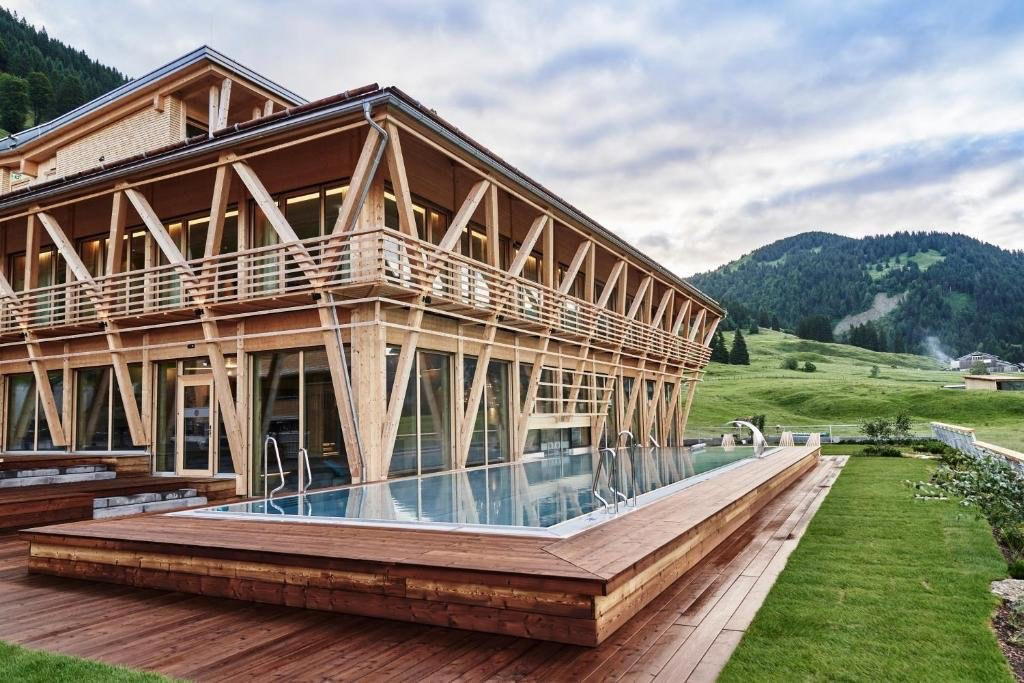
For amenity-driven stays, Le Royal Hotel Beirut is the safer direction, especially if pool time and resort-style facilities are central to the booking decision. The Efendi Hotel is a different kind of cross-shop, better for travelers willing to look beyond Beirut for a more destination-led stay. In this group, O Monot Boutique Hotel wins on ease and boutique practicality, not spectacle.
Around this place
Discover more on Pearl
Unlock the full O Monot Boutique Hotel guide in Pearl, including awards, comparisons, FAQs, planning details, and nearby places.
Compare O Monot Boutique Hotel
| Venue | Location | Awards |
|---|---|---|
| O Monot Boutique Hotel | Beirut | Small Luxury Hotels Member 2025 |
| Hotel Albergo | Achrafieh | 2026 Relais Chateaux HotelsWorld Travel Awards 20252025 Michelin Selected Hotels2025 Relais Chateaux Award |
| Arthaus Beirut | Beirut | No published awards |
| Le Gray | Beirut | Leading Hotels of the World 2026 |
| Le Royal Hotel Beirut | Matn | No published awards |
| The Efendi Hotel | Acre | No published awards |




How O Monot Boutique Hotel Beirut compares with similar nearby venues.
FAQ
Frequently Asked Questions
How does O Monot Boutique Hotel compare to other hotels?
O Monot Boutique Hotel is a Beirut option to compare with Arthaus Beirut, Hotel Albergo, Le Gray, and Le Royal Hotel Beirut. The distinction is that O Monot Boutique Hotel is a Small Luxury Hotels of the World Member (2025). Confirm current services and amenities directly before choosing between properties.
Is O Monot Boutique Hotel family-friendly?
If you are planning a family stay in Beirut, contact O Monot Boutique Hotel directly to confirm room setup, child policies, and any services you need.
Is O Monot Boutique Hotel good for business travel?
O Monot Boutique Hotel is in Beirut and is a Small Luxury Hotels of the World Member (2025), but travelers should confirm Wi-Fi, workspace, meeting support, check-in timing, and other work-related needs directly with the hotel.
Do loyalty programs work at O Monot Boutique Hotel?
O Monot Boutique Hotel is identified here as a Small Luxury Hotels of the World Member (2025).
What is check-in like at O Monot Boutique Hotel?
Contact O Monot Boutique Hotel directly for current arrival times, early check-in options, luggage storage, and any arrival requirements. The confirmed dress code is smart casual.