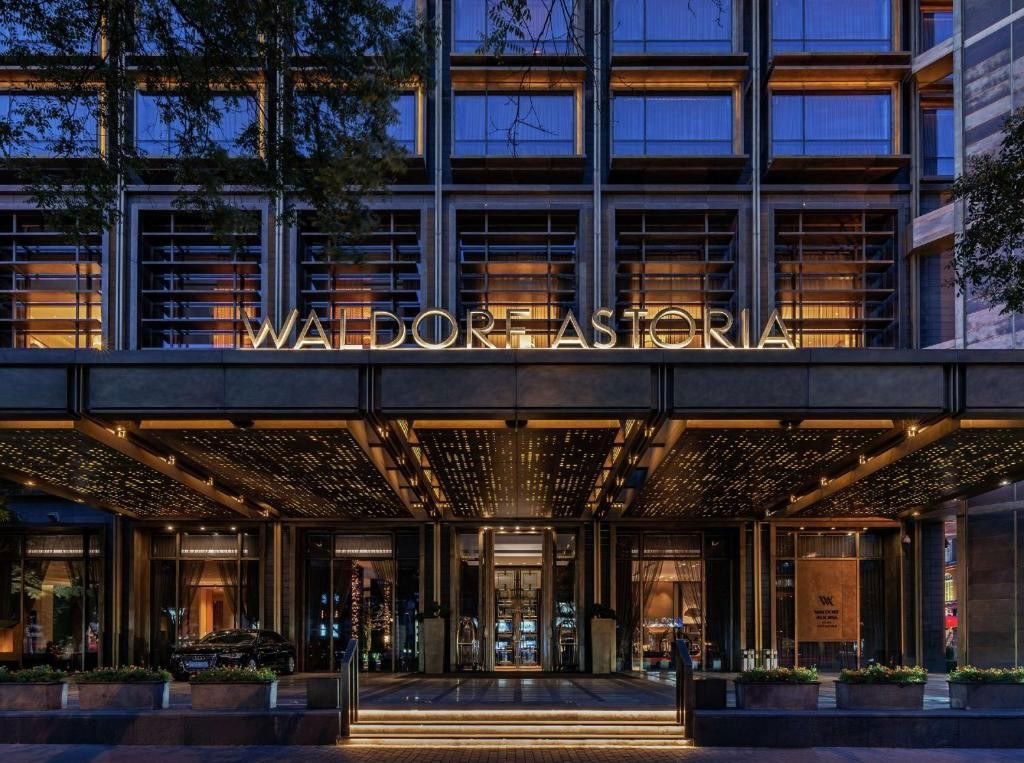




Waldorf Astoria Beijing
Chaoyangmen, Beijing
Hotel in Beijing, China
 Book with Pearl
The Read
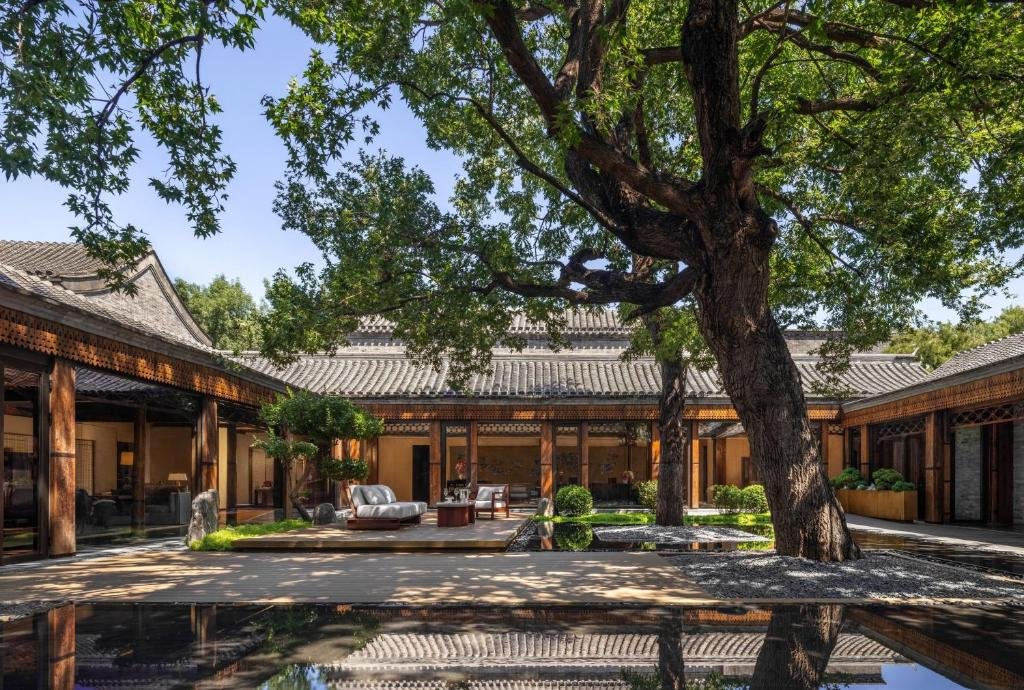
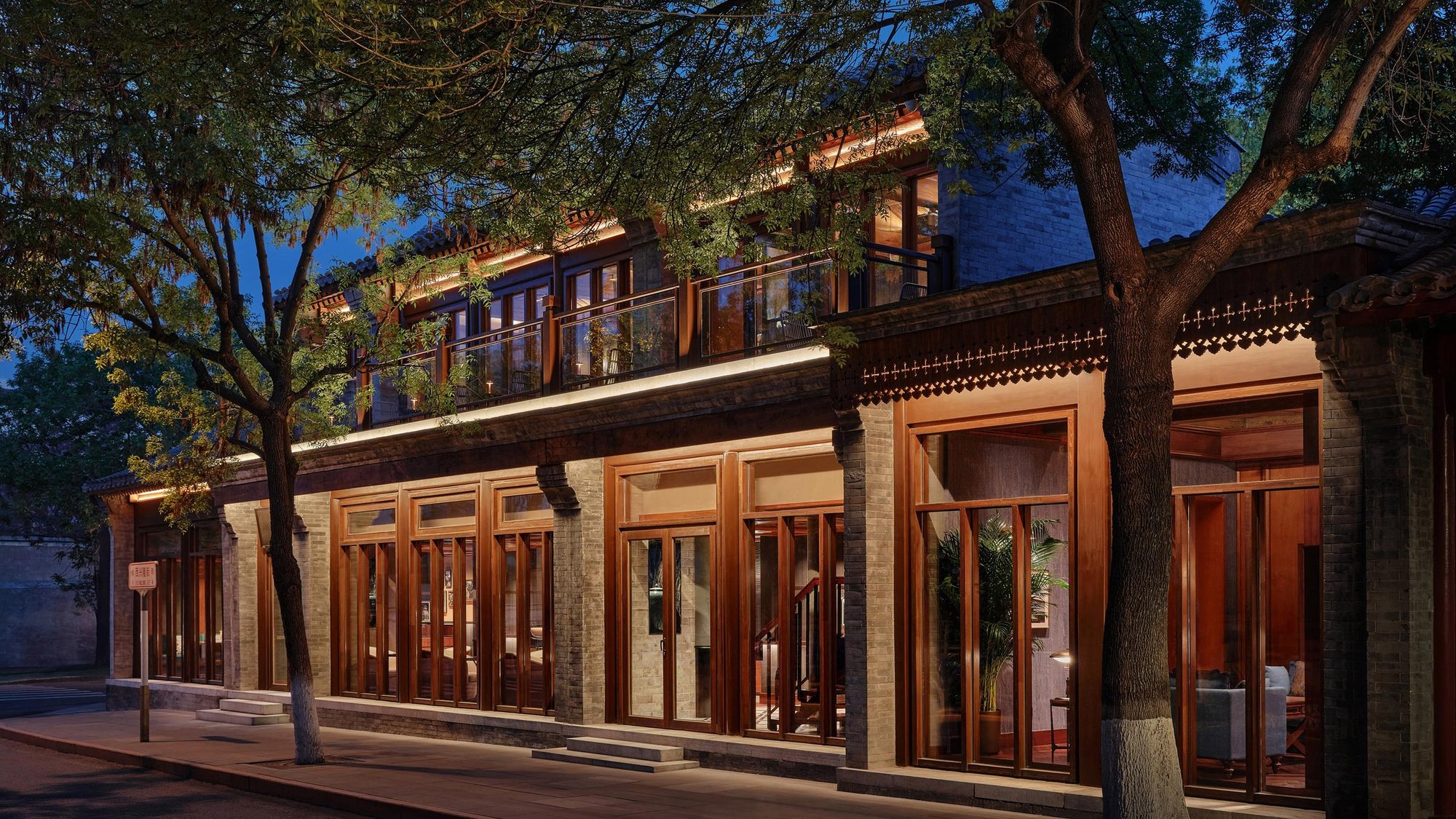
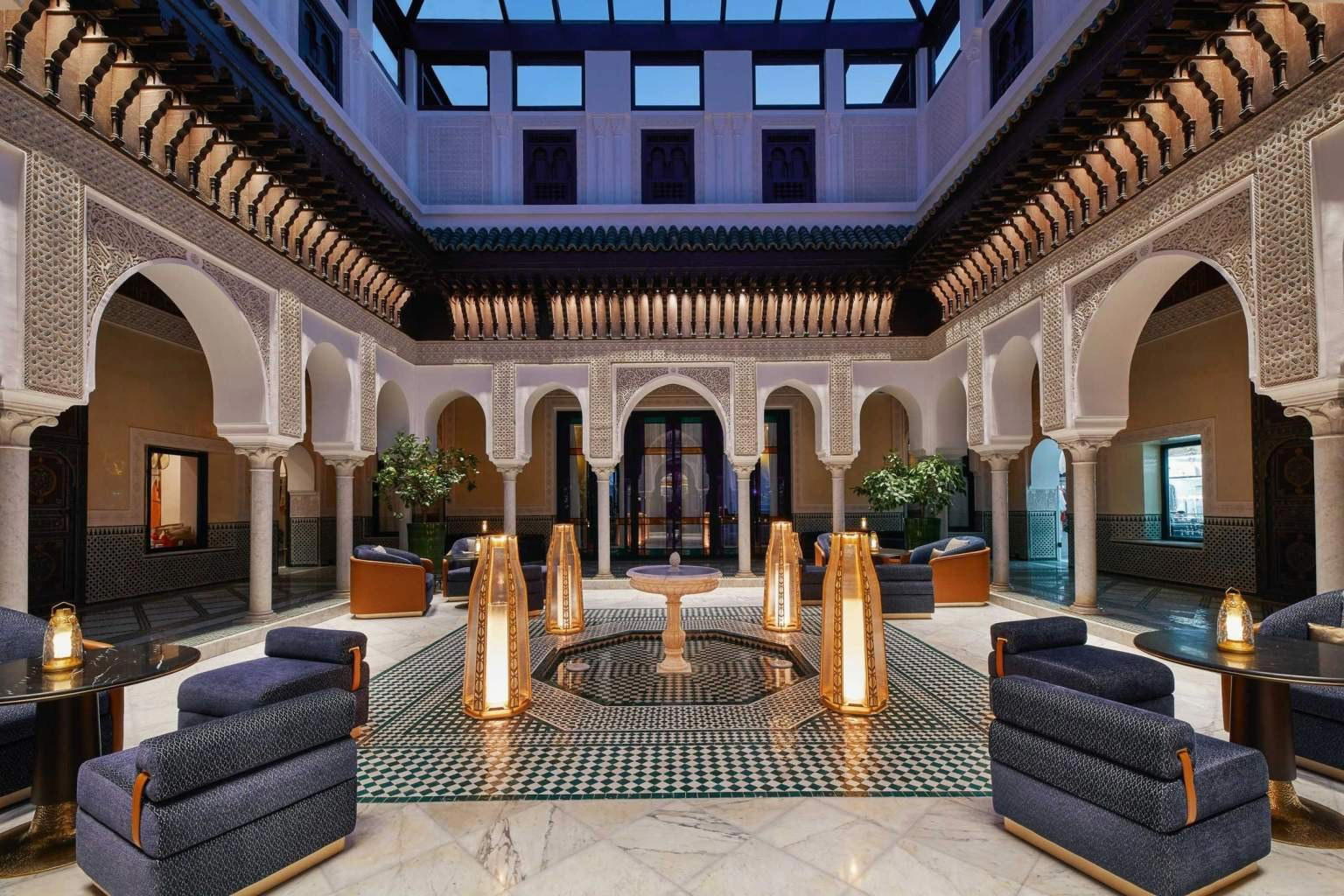
Hutong Courtyard Grandeur
Why go
A strong choice for a polished central Beijing stay, especially for celebrations or business trips where Dongcheng access matters. Waldorf Astoria Beijing is not the pick for a resort-style escape, but its address, formal tone, and major hotel recognition make it easy to justify when convenience and occasion value come first.
About Waldorf Astoria Beijing
Waldorf Astoria Beijing is a luxury hotel in Beijing with a smart-casual dress code and several recognitions: Michelin 1 Key in 2025, La Liste Top Hotels 2026 with 90.5 points, Forbes 4-Star in 2026, and World Travel Awards 2025 recognition as a Leading Luxury Hotel.
The strongest case for choosing Waldorf Astoria Beijing is direct: it is a recognized premium hotel in Beijing with a luxury positioning. For a celebration, business trip, or higher-end city stay, that combination may be enough to make it worth comparing against other top Beijing hotels.
This is the right fit if the trip calls for a smart, upscale Beijing base and confirmed third-party recognition matters in the decision. The hotel stands on its confirmed accolades, dress code, and overall luxury-hotel category.
For other Beijing options, compare Waldorf Astoria Beijing with Mandarin Oriental Qianmen, Mandarin Oriental Wangfujing, Beijing, Regent Beijing, The Peninsula Beijing, and The PuXuan Hotel and Spa. Those comparisons are useful if you are deciding between recognized luxury hotels in the city rather than choosing around a cuisine, wellness program, or resort-style brief.
The price case depends on how much you value confirmed recognition
Waldorf Astoria Beijing is easiest to justify when the stay benefits from a clearly premium signal: Michelin 1 Key status, La Liste Top Hotels recognition, Forbes 4-Star recognition, and World Travel Awards recognition. It is less useful to choose it based on assumptions about a particular room category, dining format, neighborhood advantage, or facilities program.
For planning beyond the hotel, use Our full Beijing hotels guide, then pair the stay with Our full Beijing restaurants guide, Our full Beijing bars guide, Our full Beijing wineries guide, and Our full Beijing experiences guide.
Quick reference: choose this for a recognized luxury hotel stay in Beijing where confirmed accolades and a smart-casual standard matter more than claims about location, dining, or facilities.
Part of
Waldorf Astoria67 locations on PearlInside Waldorf Astoria Beijing
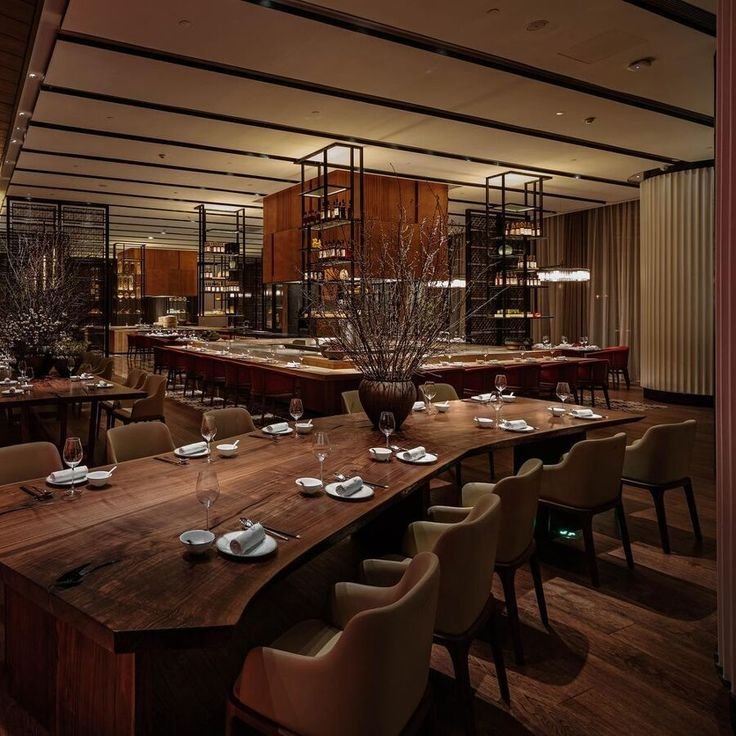
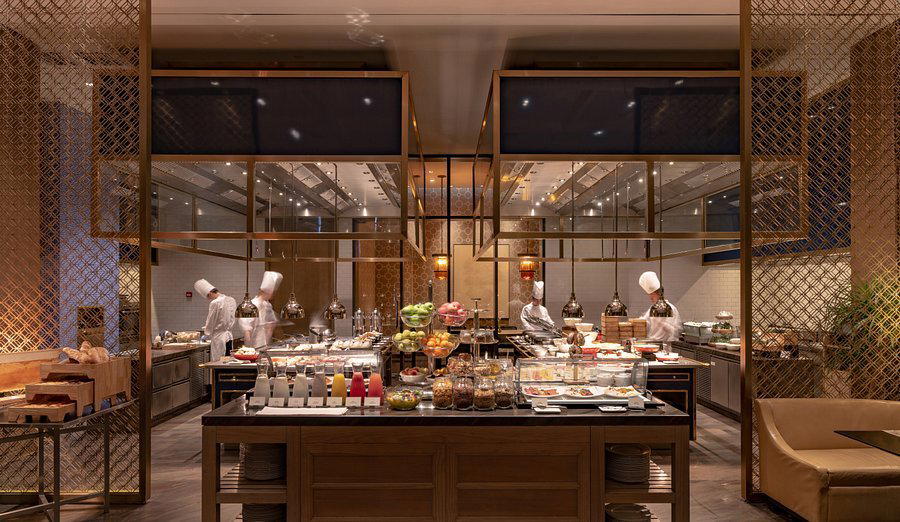 restaurantBrasserie 1893Brasserie 1893 brings French contemporary cooking to Beijing's Dongcheng district, holding a Michelin Plate in both 2024 and 2025. Set along Jinyu Hutong, it occupies a tier where European technique meets the particular rhythms of dining in the Chinese capital, a reference point for French-leaning meals in a city whose fine dining map has grown considerably more complex.
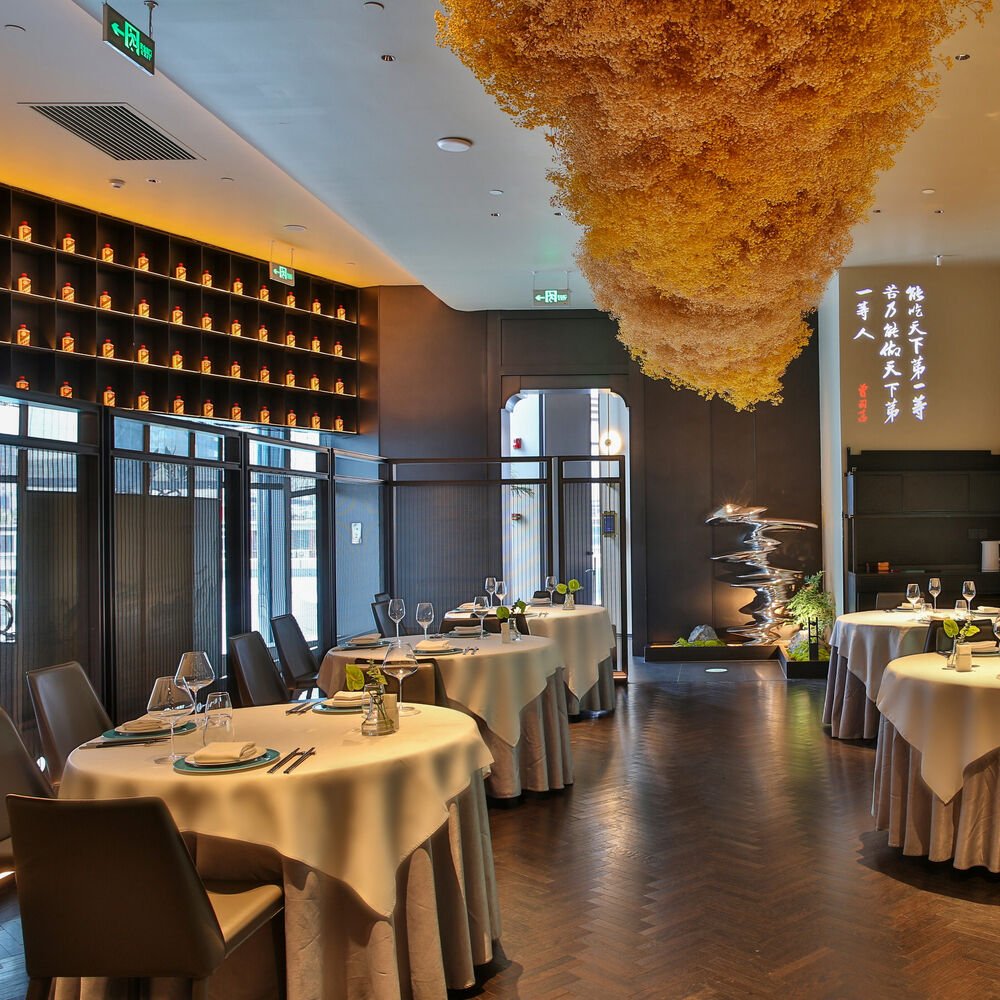
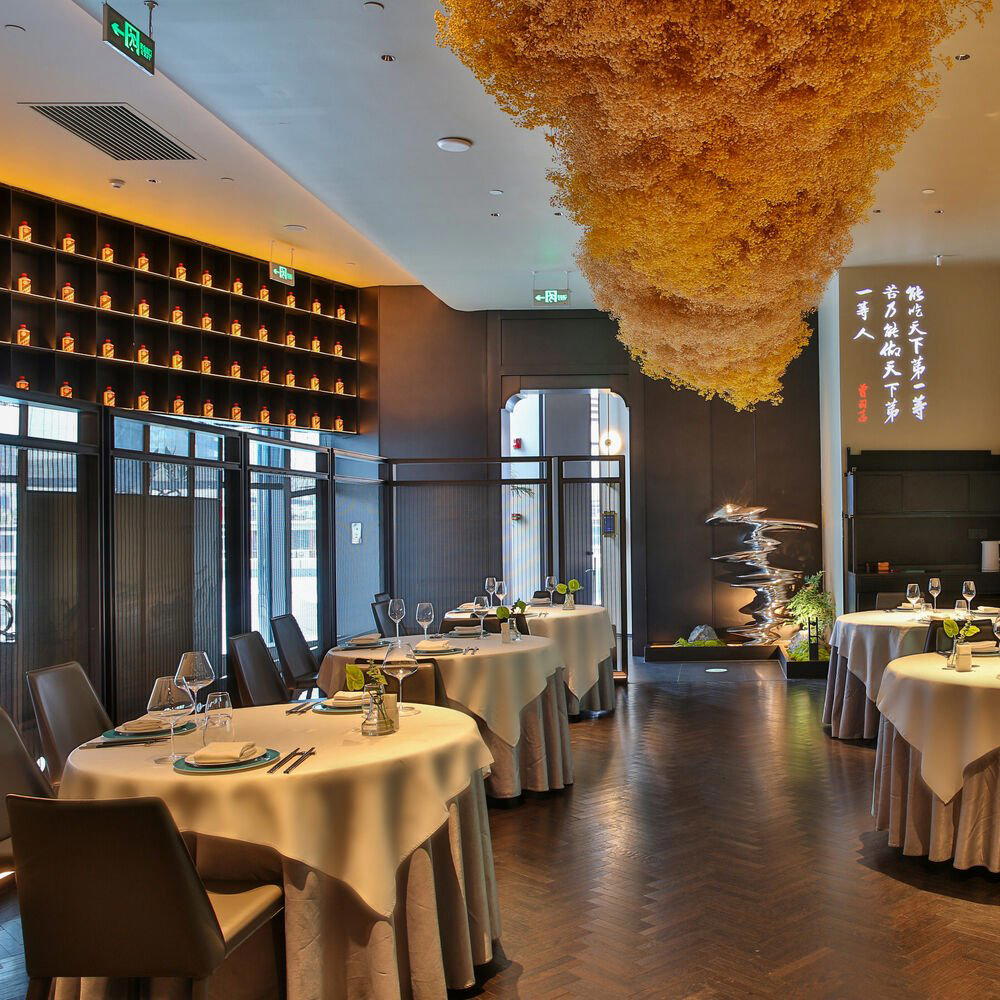 restaurantZijin MansionA Michelin-starred Cantonese address in Chaoyang, Zijin Mansion is dressed in hand-embroidered orange fabric rather than the expected lacquer-and-gilt formula. The Hakkanese chef works within Cantonese tradition while folding in regional touches, most notably a braised pork belly rib dish built around rose myrtle fruit wine from his home county. At ¥¥¥ pricing, it sits at a more approachable tier than Beijing's top Cantonese competitors.
Planning details
- Location
- 5-15 Jin Yu Hu Tong, Dong Cheng Qu, Bei Jing Shi, 100006
- Website
- waldorfastoriahotels.com.cn/zh-CN/hotel/Beijing/waldorf-astoria-beijing-BJSWAWA/?_gl=1%2A15zq36x%2A_gcl_aw%2AR0NMLjE3MjE5ODY1MTkuQ2p3S0NBandrbzIxQmhBUEVpd0F3ZmFRQ0FtMVd2dDBtUkNDS2JYeGNIZ0pjZzJPY0hNdFdITzAtOWVidTNsQ21vSjdOdDZvcnJjTFdob0NiOG9RQXZEX0J3RQ..%2A_gcl_dc%2AR0NMLjE3MjE5ODY1MTkuQ2p3S0NBandrbzIxQmhBUEVpd0F3ZmFRQ0FtMVd2dDBtUkNDS2JYeGNIZ0pjZzJPY0hNdFdITzAtOWVidTNsQ21vSjdOdDZvcnJjTFdob0NiOG9RQXZEX0J3RQ..%2A_gcl_au%2AMjAxMzYwMjcyOC4xNzIxOTgxOTY4
- Phone
- +86 10 8520 8989
The take
The Take
The Vibe
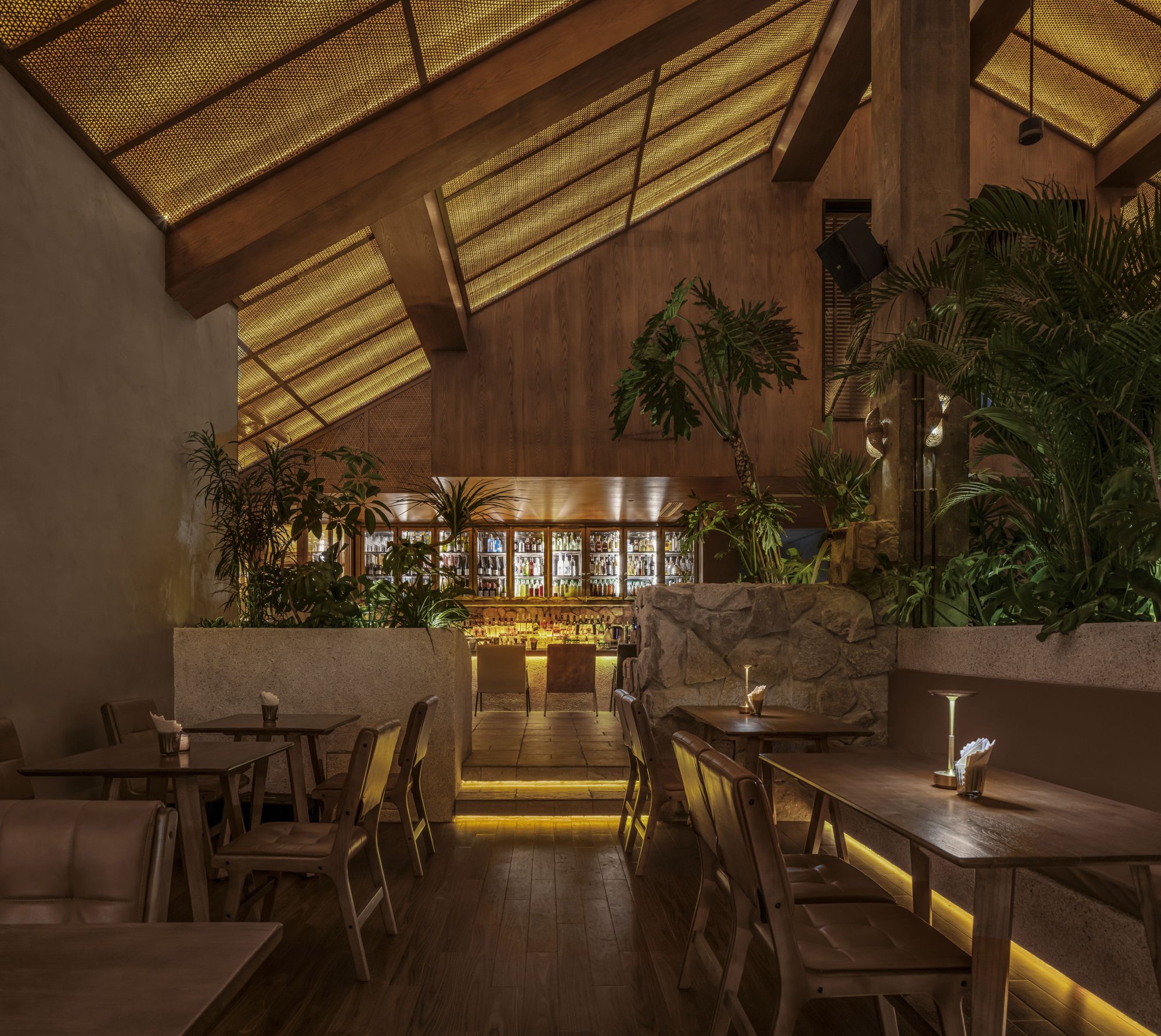
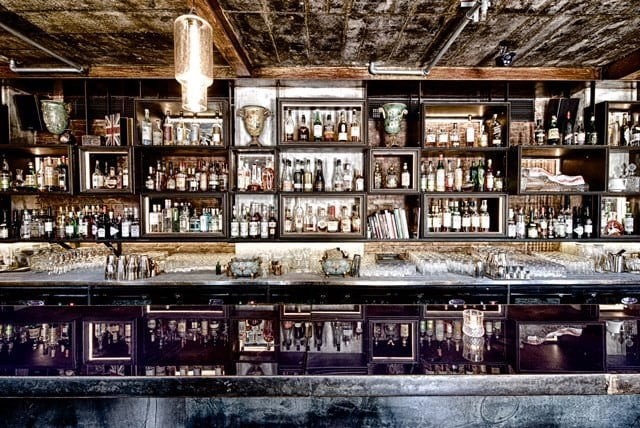
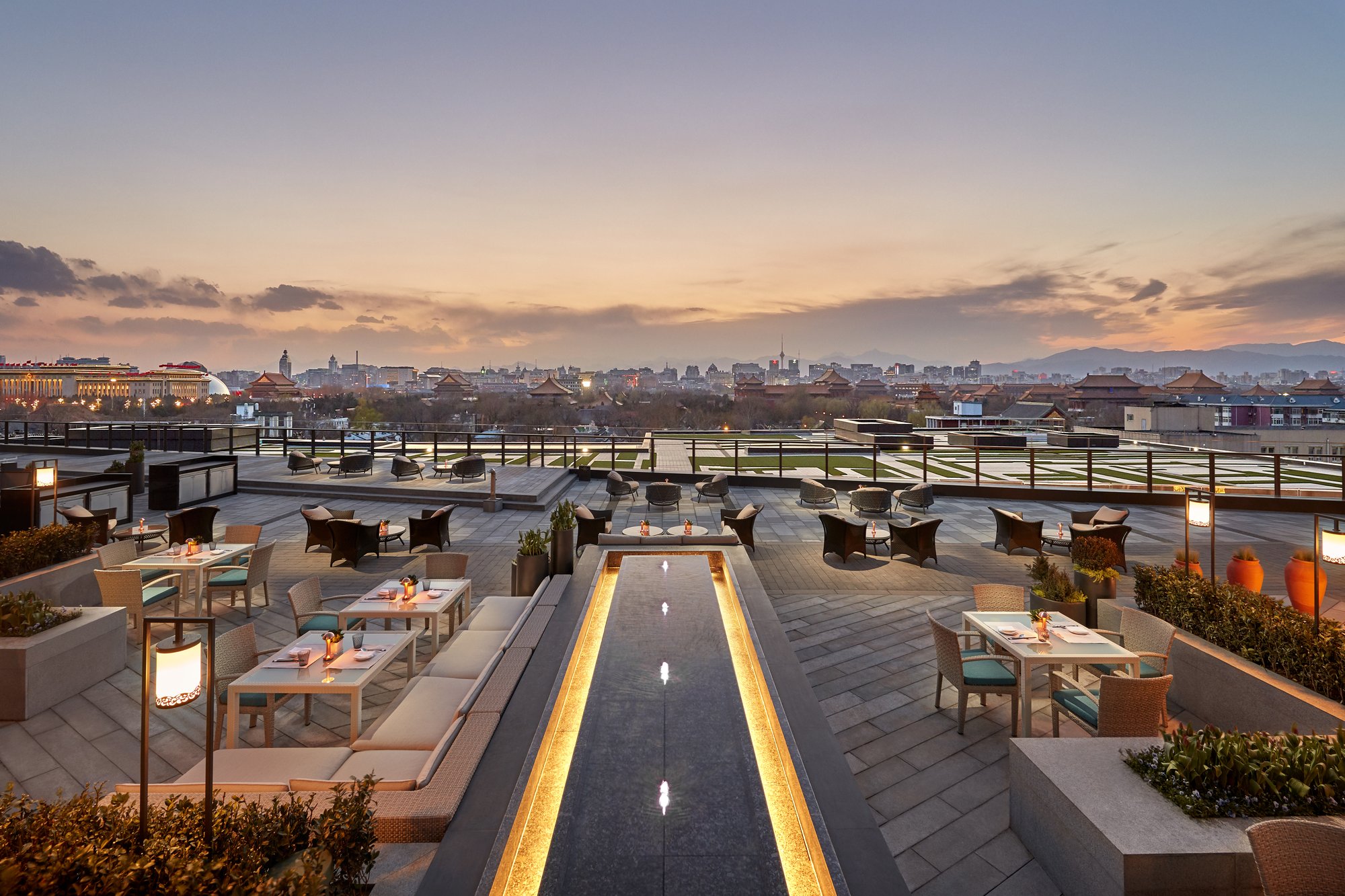
Waldorf Astoria Beijing positions contemporary architectural rigor against the backdrop of Beijing's Old City. The copper-and-bronze lattice facade by Adrian Smith + Gordon Gill reads as a modern gesture that intentionally converses with the nearby Forbidden City rather than imitate it. Inside, references to the brand’s New York lineage are translated—rather than copied—into an art-deco Peacock Alley bar lounge that functions as the ground-floor social hinge. The result feels simultaneously rooted and forward-looking: a hotel that foregrounds design and historical awareness while retaining the polished restraint of a top-tier international address.
Best For
This hotel suits travelers who want landmark architecture and steady, refined service at the heart of Beijing. It is well placed for business travelers and guests on romantic getaways or anniversaries, given its proximity to the Forbidden City and the hotel’s grand-hotel lineage. Regulars are drawn to the Peacock Alley lounge as a reliable social stop—ideal for visitors who appreciate unhurried afternoons, signature cocktails and a central base from which to explore Wangfujing and the surrounding historic district.
Stay Tips
Focus your time in the hotel’s Peacock Alley, where the property’s social life concentrates. The lounge explicitly serves signature cocktails and an afternoon-tea service with tiered trays; these offerings are highlighted in the description and are presented as the steady draw for repeat visitors. Treat the lounge as a destination within the hotel—order a cocktail to enjoy the art-deco setting or settle in for the afternoon tea that guests return for, given the lounge’s relaxed, unhurried tempo.
Venue details
Ambiance
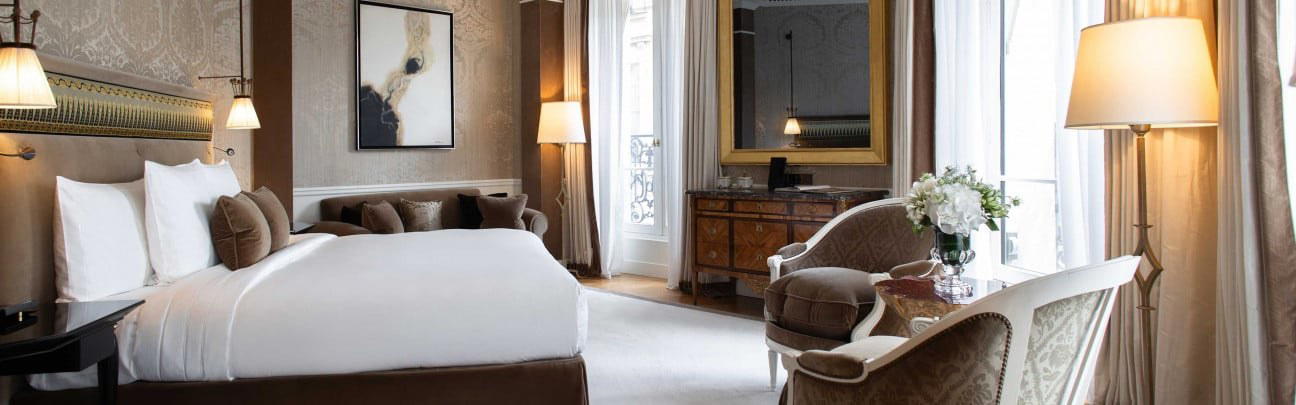
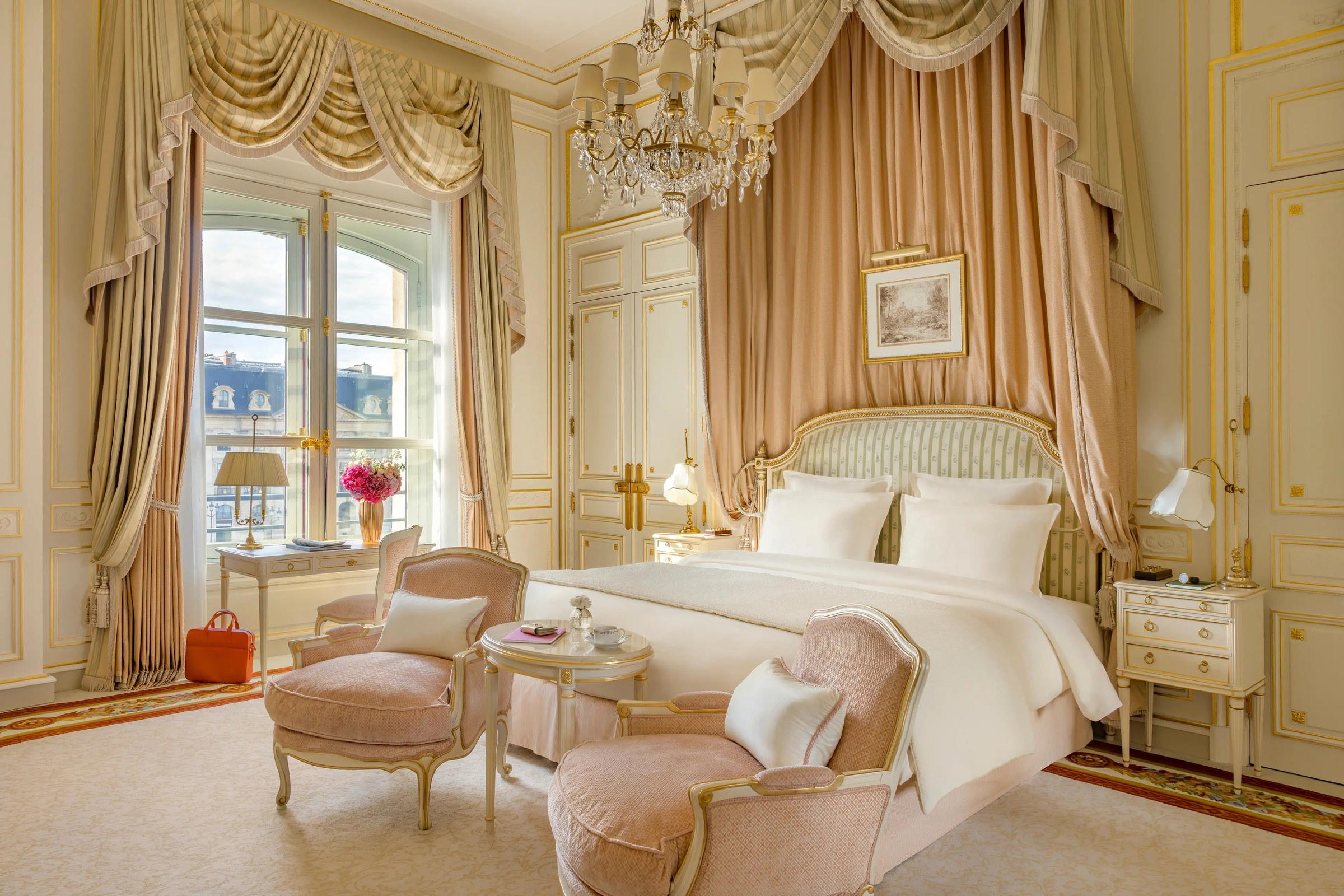
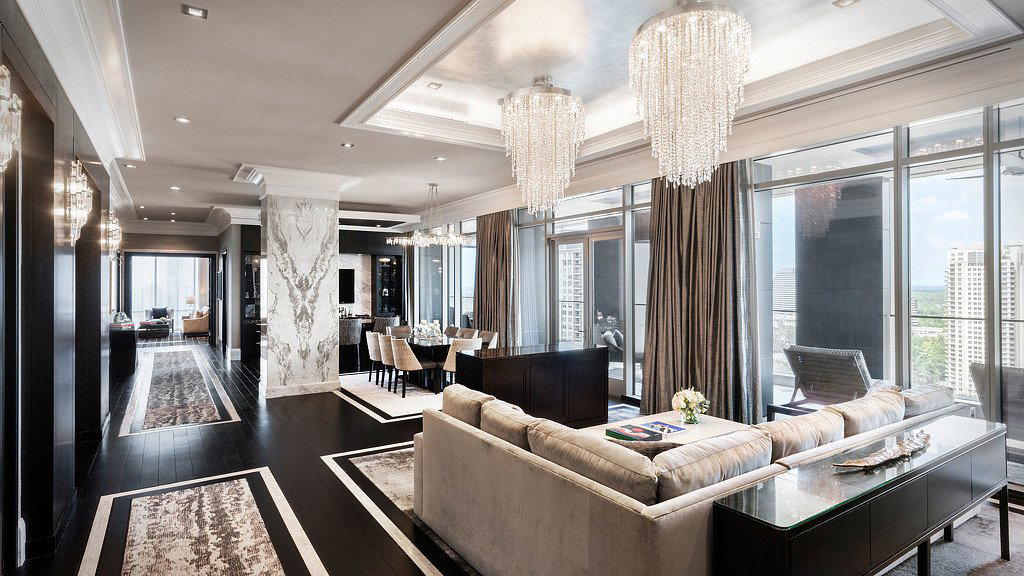
Elegant and tranquil with sophisticated lighting, high-end finishes, and a serene atmosphere praised in guest reviews.
Tags
Vibe
Best For
Experience
Amenities
View
Accessibility
About the Stay
- Rooms
- 175
- Check-in
- 15:00
- Check-out
- 12:00
- Property Style
- Luxury Heritage Hotel Inspired by Traditional Hutong Courtyards in a Modern Setting.
- Design Style
- Opulent Classic with High Tech Features and Chinese Influences.
Know before you go
Know Before You Go
- Getting there
- 5-15 Jin Yu Hu Tong, Dong Cheng Qu, Bei Jing Shi, 100006
Planning details
Location
5-15 Jin Yu Hu Tong, Dong Cheng Qu, Bei Jing Shi, 100006 · Directions
Recognition and awards



Also consider
Smart cross-shops
For a comparable central luxury stay, cross-shop The Peninsula Beijing. For a more contemporary Wangfujing option, check Mandarin Oriental Wangfujing, Beijing.
Hotel context
How it compares with Beijing's luxury hotels
Choose Waldorf Astoria Beijing if the priority is a formal Dongcheng base with a familiar luxury flag and a quieter special-occasion feel. The Peninsula Beijing is the sharper comparison for guests who want a grander classic-hotel statement nearby, while Regent Beijing is the more practical cross-shop when value and central access matter more than brand prestige.
Mandarin Oriental Wangfujing, Beijing is the stronger pick for travelers who want a more contemporary, shopping-adjacent stay with a higher design charge. The PuXuan Hotel and Spa should be on the list for guests who prefer a calmer, design-led mood over a large international luxury-hotel feel.
For a stay with more neighborhood character, compare with Mandarin Oriental Qianmen. For a safer formal choice that works for business, anniversaries, and family milestones, Waldorf Astoria Beijing is easier to recommend than the more personality-led options, especially when booking difficulty is high and the trip needs fewer variables.
Explore Beijing
Around this place
Discover more on Pearl
Unlock the full Waldorf Astoria Beijing guide in Pearl, including awards, comparisons, FAQs, planning details, and nearby places.
Compare Waldorf Astoria Beijing
| Venue | Location | Awards |
|---|---|---|
| Waldorf Astoria Beijing | Beijing | 2026 Forbes 4-Star2026 La Liste Top HotelsWorld Travel Awards 2025Michelin 1 Key 20252025 Michelin 1 Key2025 Forbes 4-Star |
| The Peninsula Beijing | Beijing | 2026 Forbes 5-Star2026 Virtuoso Luxury Hotel Collection2026 La Liste Top HotelsWorld Travel Awards 20252025 Michelin 1 Key2025 Forbes 5-Star |
| Regent Beijing | Beijing | 2026 Travel + Leisure 100 Favorite Hotels in the World · #502026 Forbes 4-Star2026 La Liste Top Hotels2025 Travel + Leisure 100 Favorite Hotels in the World · #35Tatler Best Hotels Asia-Pacific 20252025 Michelin Selected Hotels2025 Forbes 4-Star |
| Mandarin Oriental Wangfujing, Beijing | Beijing | 2026 Forbes 5-Star2026 Virtuoso Luxury Hotel Collection2026 La Liste Top Hotels2025 Forbes 5-Star2025 Michelin 1 Key |
| The PuXuan Hotel and Spa | Beijing | 2026 Virtuoso Luxury Hotel Collection2026 Forbes Recommended2026 La Liste Top HotelsLeading Hotels of the World 20262025 Forbes Recommended2025 Michelin 1 Key |
| Mandarin Oriental Qianmen | Beijing | No published awards |






How Waldorf Astoria Beijing compares with similar nearby venues.
FAQ
Frequently Asked Questions
What is check-in like at Waldorf Astoria Beijing?
Waldorf Astoria Beijing is a recognized luxury hotel in Beijing with Michelin 1 Key, La Liste Top Hotels, Forbes 4-Star, and World Travel Awards recognition.
Which room category is best at Waldorf Astoria Beijing?
Choose based on your budget, trip purpose, and the room details available directly from the hotel at the time of booking.
When is the best time to book Waldorf Astoria Beijing?
If the stay is important, especially for a celebration or business trip, it is sensible to check availability directly and book once your dates are firm.
How does Waldorf Astoria Beijing compare to other Beijing hotels?
Compare it with other Beijing luxury hotels such as Mandarin Oriental Qianmen, Mandarin Oriental Wangfujing, Beijing, Regent Beijing, The Peninsula Beijing, and The PuXuan Hotel and Spa. Waldorf Astoria Beijing stands out for Michelin 1 Key, La Liste Top Hotels, Forbes 4-Star, and World Travel Awards recognition.
Is Waldorf Astoria Beijing family-friendly?
How is the dining at Waldorf Astoria Beijing?
The hotel does not specify cuisine type, restaurant names, chefs, menus, prices, or dining formats here. Treat dining details as something to confirm through the hotel's official channels before you plan around them.