

Hyatt Regency Beijing Wangjing
Dashanzi, Beijing
Hotel in Beijing, China
 Book with Pearl
The Read
Professional-Tier Wangjing Positioning
Price
$200–300per night
Why go
Hyatt Regency Beijing Wangjing is the practical upscale pick for travelers who need Beijing's northeast side and want a recognized hotel with easier booking dynamics. It is less of a statement than Bvlgari Hotel Beijing or Four Seasons Hotel Beijing, but stronger for value-minded business stays and Hyatt loyalty strategy.
About Hyatt Regency Beijing Wangjing
Hyatt Regency Beijing Wangjing is a Beijing hotel recognized by Condé Nast Best Hotels #18 in 2025 and MICHELIN Guide, Hotels Selected in 2025. The dress code is smart casual.
Consider Hyatt Regency Beijing Wangjing if you want a recognized Beijing hotel, then compare it directly with other named options such as EAST Beijing, Four Seasons Hotel Beijing, Bvlgari Hotel Beijing, and InterContinental Beijing Sanlitun based on your own itinerary and preferred style of stay.
Choose this for a recognized Beijing hotel stay
The strongest grounded case for Hyatt Regency Beijing Wangjing is its 2025 recognition. Condé Nast lists it at #18 on its Best Hotels list, and the MICHELIN Guide includes it among selected hotels for 2025. Those signals make it a Beijing hotel with recent third-party recognition rather than relying only on brand familiarity.
Specific details about room categories, facilities, booking difficulty, service style, rates, dining, or amenities are not available. Treat the hotel as a recognized Beijing option with a smart casual dress code, then confirm the operational details that matter for your stay before booking.
Where it fits among Beijing hotel choices
Use Hyatt Regency Beijing Wangjing as one of several Beijing hotel options to compare. EAST Beijing, Four Seasons Hotel Beijing, Bvlgari Hotel Beijing, and InterContinental Beijing Sanlitun may all suit different travelers depending on the purpose of the trip, preferred atmosphere, and specific plans in the city. Its key distinctions include the Hyatt Regency Beijing Wangjing name, Beijing location, smart casual dress code, and 2025 recognition from Condé Nast and the MICHELIN Guide.
For travelers comparing Beijing broadly, pair this decision with Pearl's Beijing hotels guide. If the trip is food-led rather than hotel-led, use Pearl's Beijing restaurants guide before choosing where to stay. Quick reference: consider Hyatt Regency Beijing Wangjing for a recognized Beijing hotel stay, and compare it with other options when location or personal preference matter most.
Planning details
- Location
- 8 Guangshun South Street, Beijing, 北京市100102
- Website
- hyatt.com/en-US/hotel/china/hyatt-regency-beijing-wangjing/nayrw
- Phone
- +86 10 8630 1234
The take
The Take
The Vibe
Hyatt Regency Beijing Wangjing leans into the contemporary pulse of its neighborhood rather than Beijing’s historical tableau. The property sits in a post-millennial hub of tech firms, international corporations and a large Korean expatriate community, so the overall feel is metropolitan and forward-facing. Guests encounter a hotel that is oriented toward efficiency and modern urban life — quiet in its rooms but set within a district that moves quickly. Expect a polished, up-to-date atmosphere that reflects Wangjing’s fast development and international character rather than the city’s imperial-era aesthetics.
Best For
This Hyatt Regency is particularly well suited to business travelers and short urban getaways. The description stresses logistical convenience: manageable access to Capital International Airport and immediate reach to the Wangjing tech corridor make it a practical choice for work trips. At the same time, its location provides reasonable access to cultural draws such as the 798 Art District and the broader Chaoyang business zone, making it a viable base for a weekend escape focused on contemporary Beijing rather than historic sightseeing. The Condé Nast ranking underscores consistent guest satisfaction.
Stay Tips
Plan stays here with transportation and neighborhood priorities in mind. The hotel’s strength is access: travelers who need proximity to the Wangjing technology and corporate hubs or an expedient route to Capital International Airport will benefit most. If your itinerary centers on classical Beijing sights, note that the property is not adjacent to imperial landmarks; allocate extra time for transit. For short leisure visits, pair a stay with explorations of nearby contemporary destinations such as the 798 Art District and the local Koreatown to get the most out of the Wangjing setting.
Venue details
Ambiance
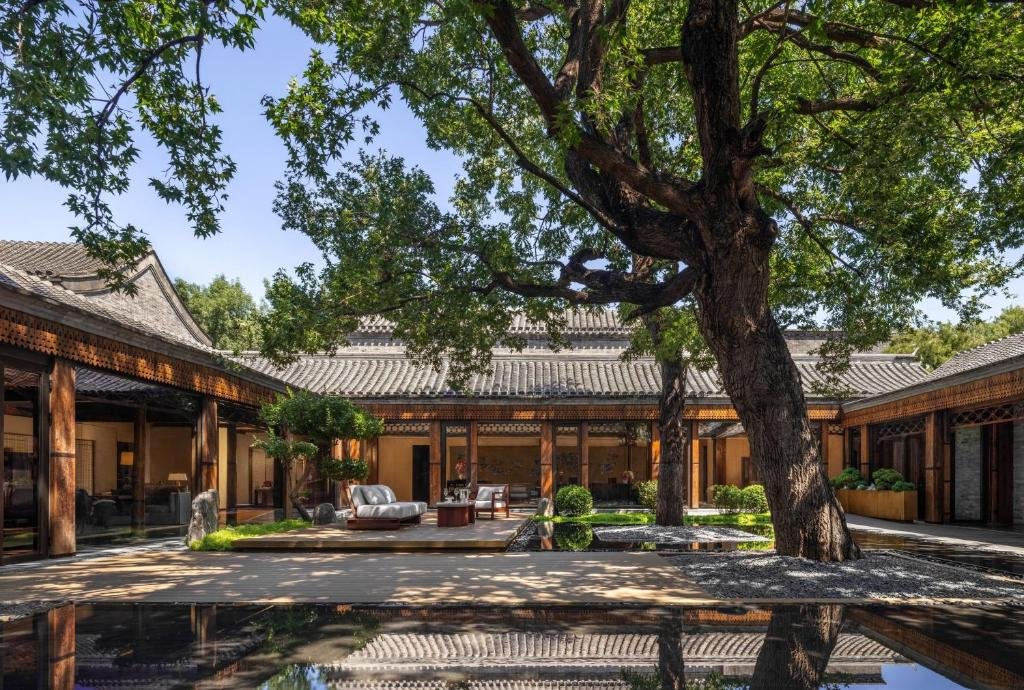
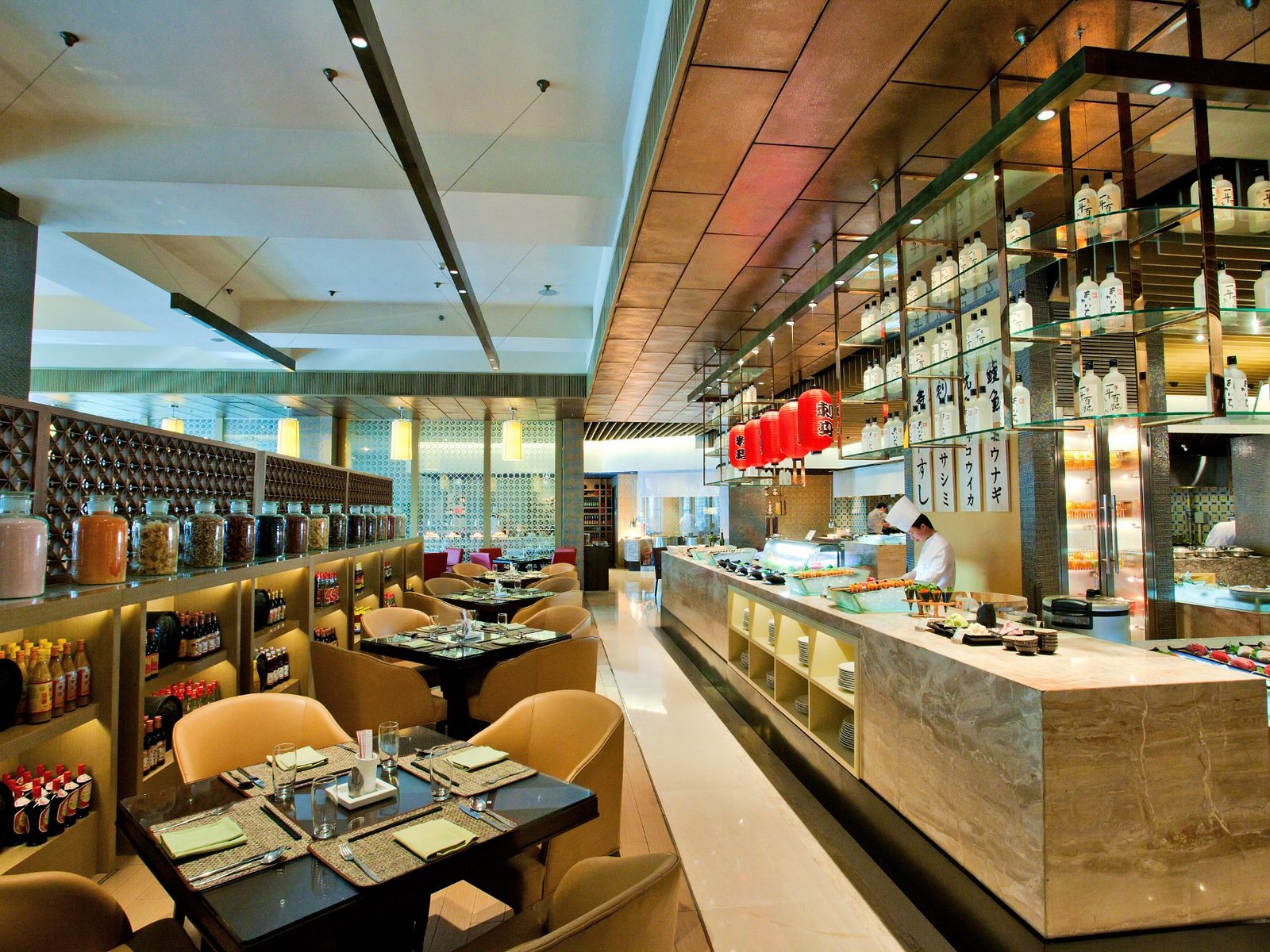
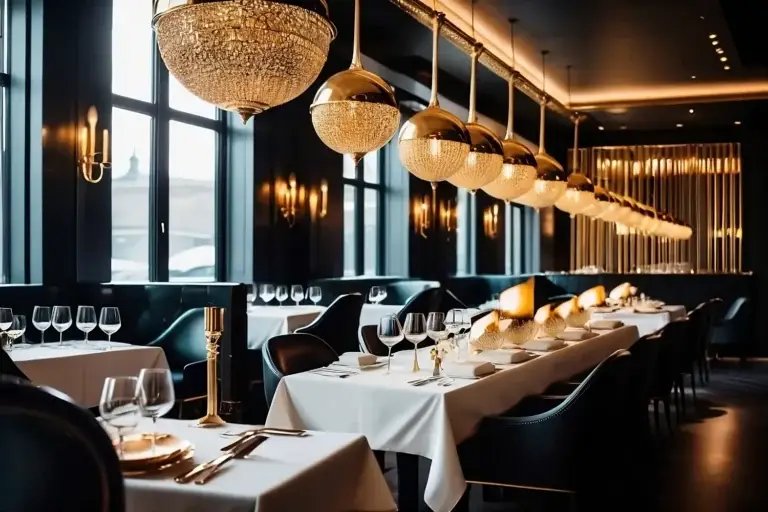
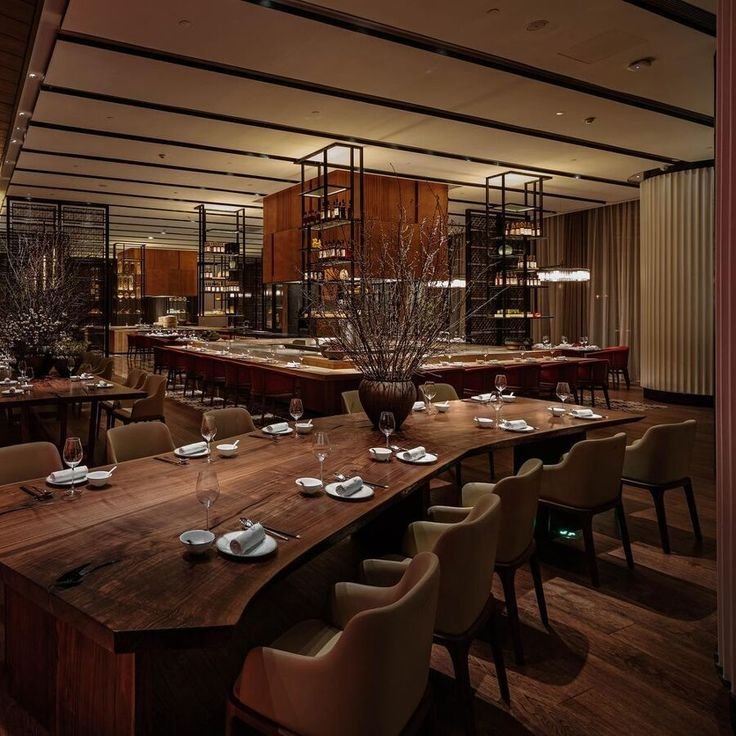
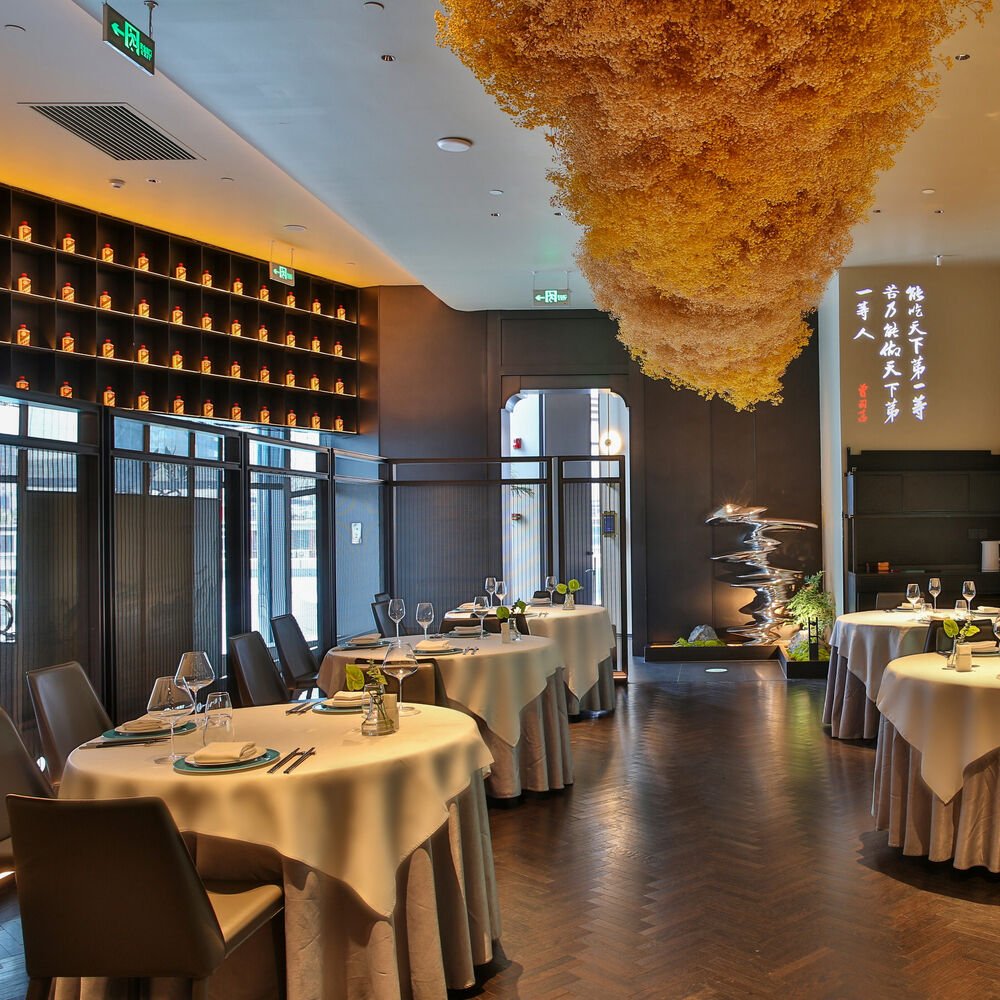
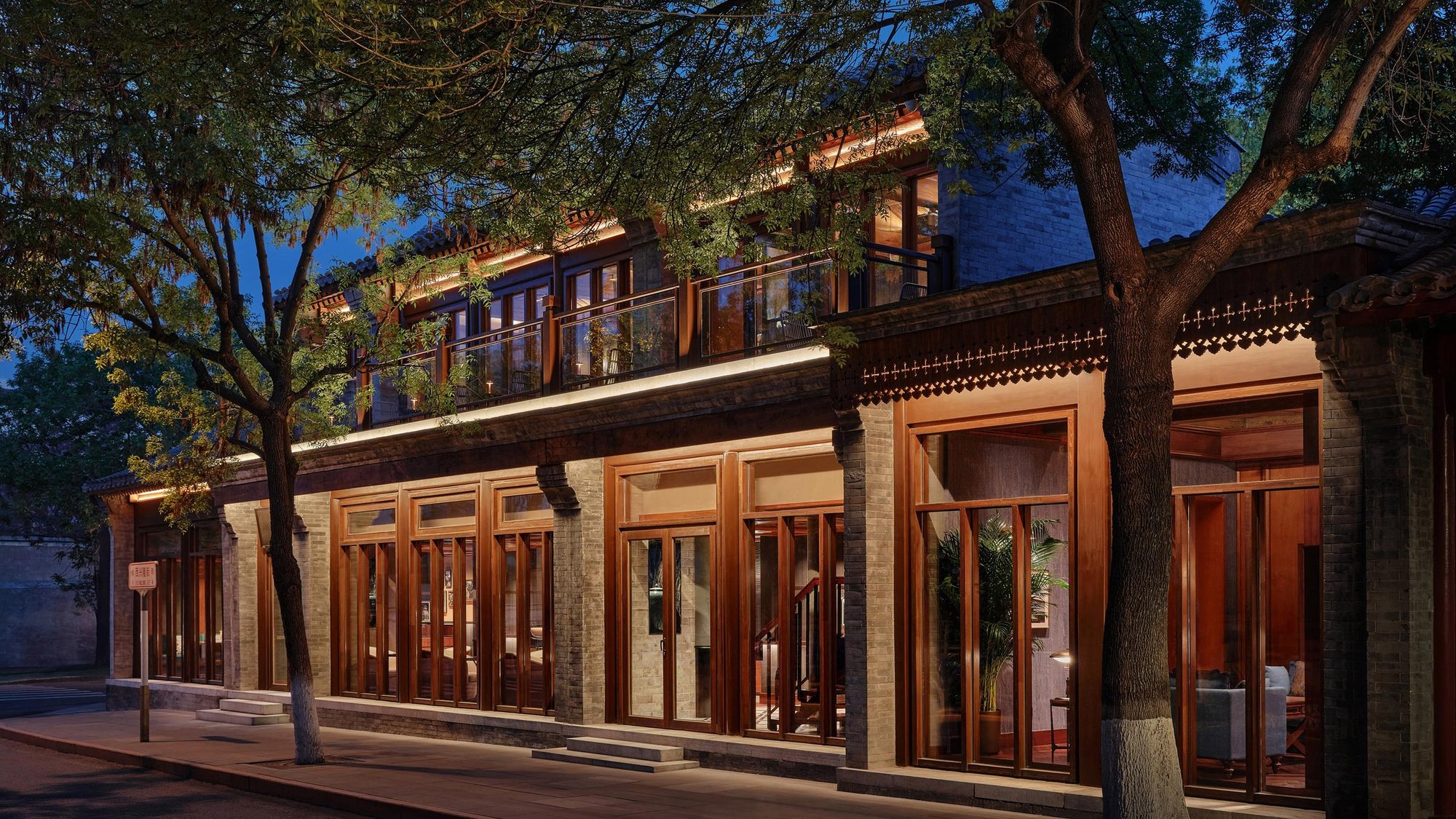
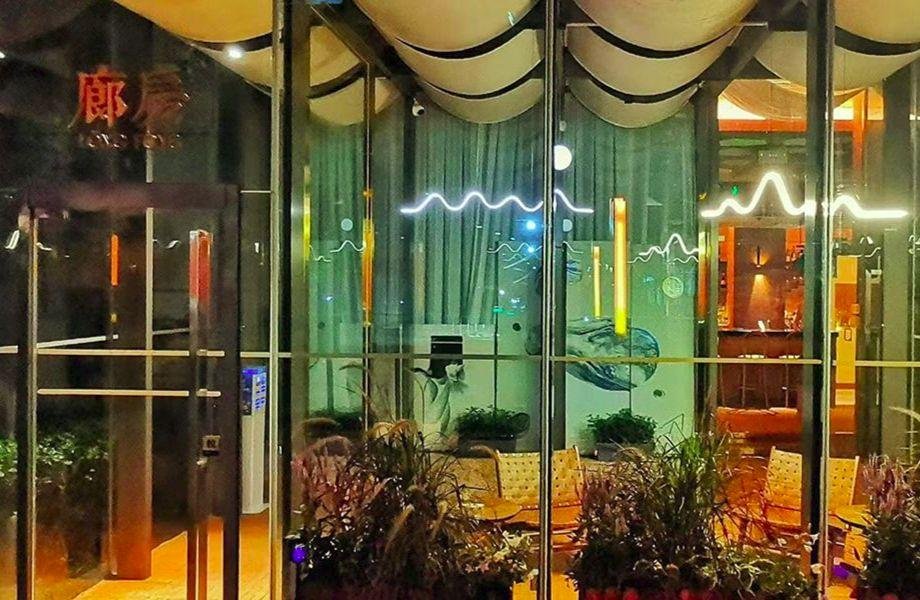
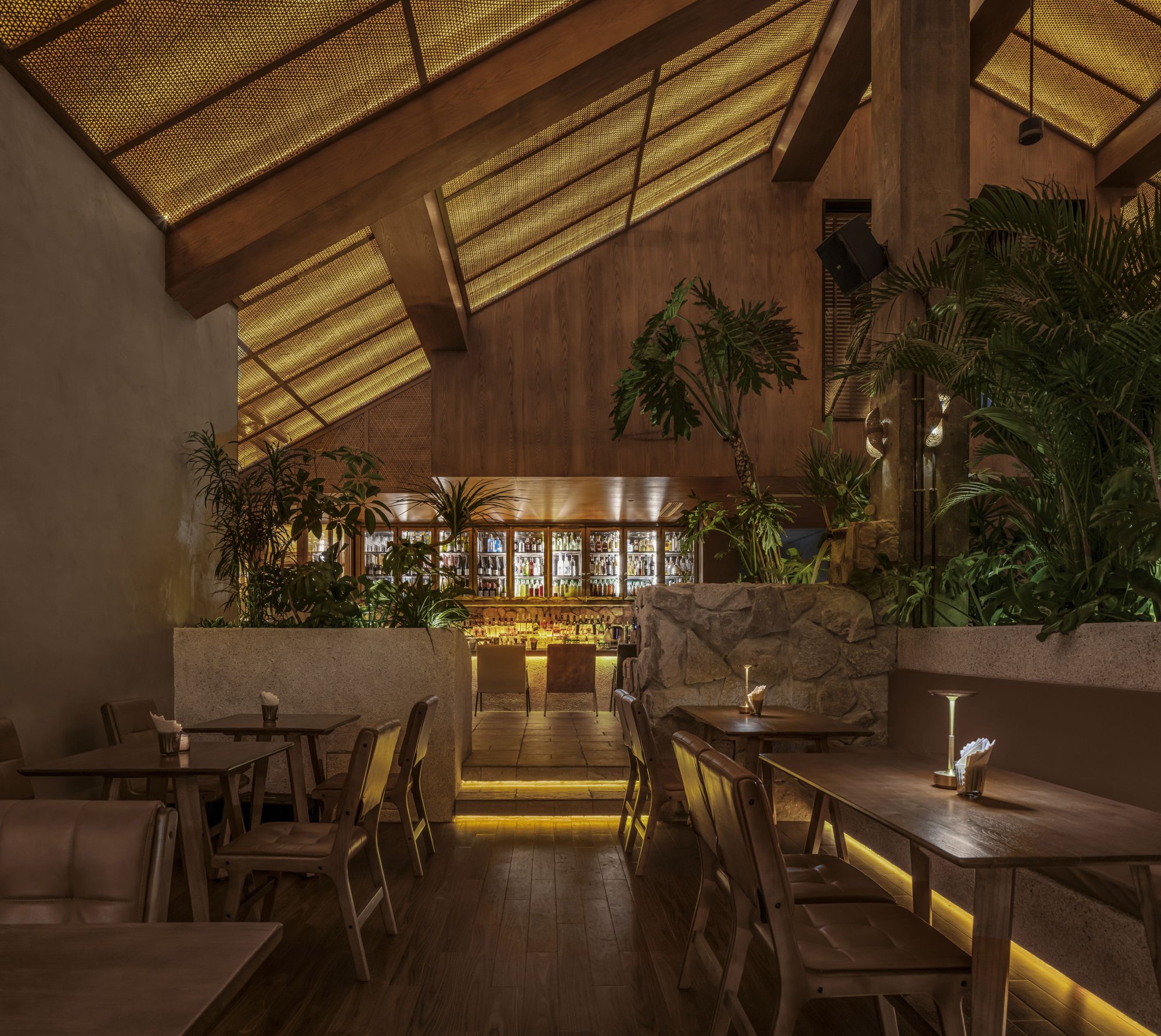
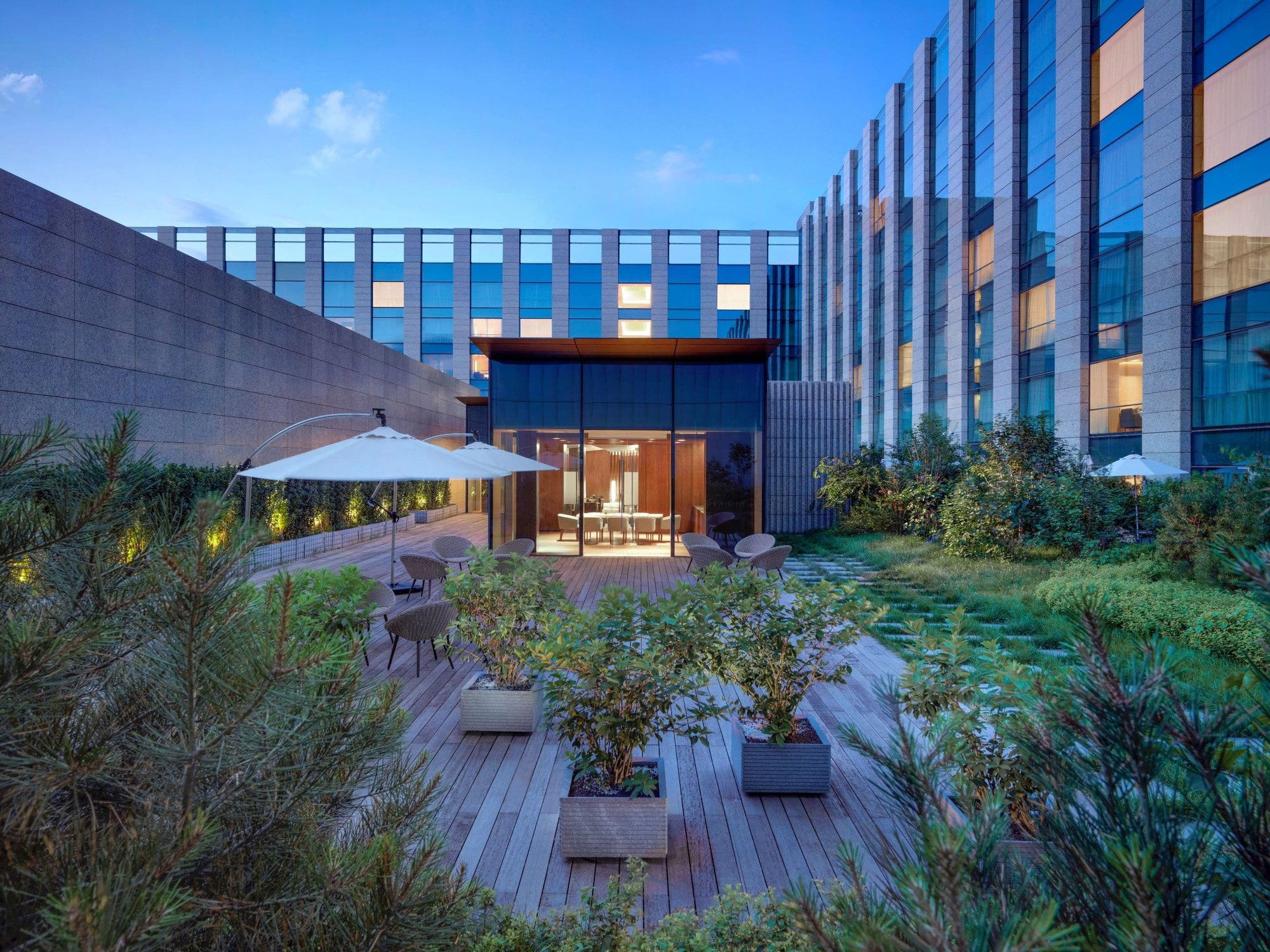
Bright, modern spaces with natural light, greenery, warm lighting, and a tranquil, nature-inspired atmosphere.
Tags
Vibe
Best For
Experience
Amenities
View
Accessibility
About the Stay
- Rooms
- 348
- Check-in
- 15:00
- Check-out
- 12:00
- Property Type
- Design hotel
- Property Style
- Modern Urban Oasis Blending Minimalist Design with Natural Elements.
- Design Style
- Minimalist Modern with Oriental Zen Aesthetics and Lush Greenery Integration.
- Pool
- Yes
- Spa
- Yes
- Pets
- Allowed
- Families
- Welcome
- Cancellation
- Moderate
Know before you go
Know Before You Go
- Getting there
- 8 Guangshun South Street, Beijing, 北京市100102
Planning details
Location
8 Guangshun South Street, Beijing, 北京市100102 · Directions
hyatt.com/en-US/hotel/china/hyatt-regency-beijing-wangjing/nayrw
Recognition and awards

Also consider
Also Consider
- Jiu Xian Qiao Lu, Notable alternative
- EAST Beijing, Notable alternative
- Four Seasons Hotel Beijing, Notable alternative
- Bvlgari Hotel Beijing, Notable alternative
- InterContinental Beijing Sanlitun, Notable alternative
Hotel context
How it compares in Beijing
Hyatt Regency Beijing Wangjing is the practical middle option in this set: easier to secure than the higher-profile luxury addresses, more formal than EAST Beijing, and better suited to travelers who need Wangjing rather than Sanlitun or central Beijing. If the rate is favorable, it is the value play for business travel and low-friction weekend stays.
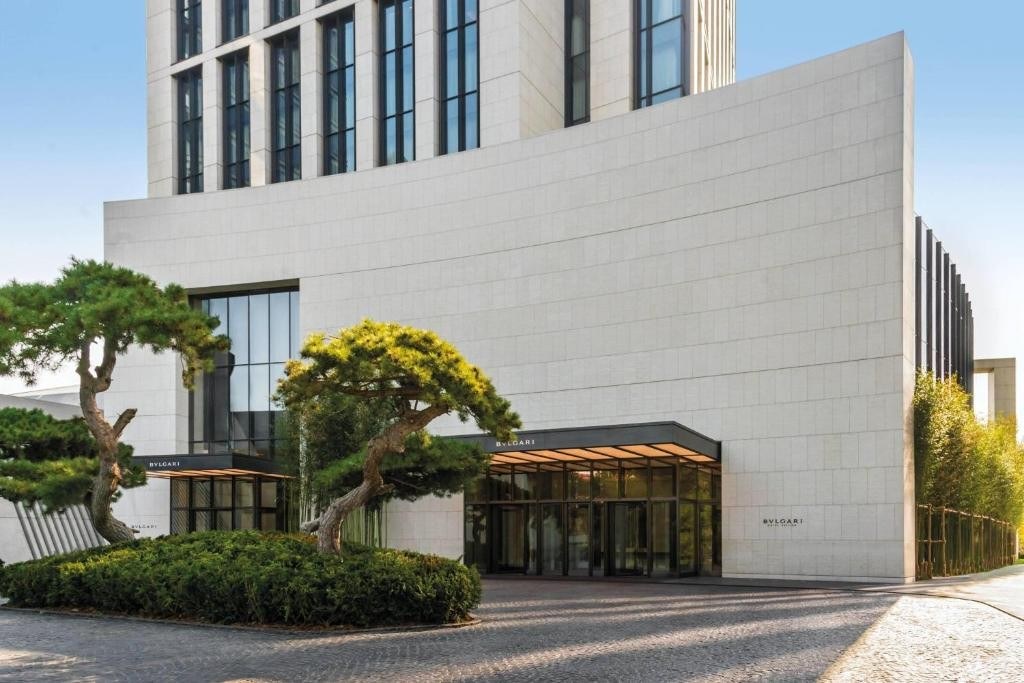
Four Seasons Hotel Beijing is the stronger choice for service-led luxury, while Bvlgari Hotel Beijing is the splurge pick for ambiance and occasion energy. Choose those when the hotel needs to impress on arrival; choose Hyatt Regency Beijing Wangjing when the stay needs to be polished, predictable, and easier to arrange.
InterContinental Beijing Sanlitun is better for nightlife access and a more social location. Jiu Xian Qiao Lu and EAST Beijing make sense for readers focused on the broader northeast corridor, but EAST Beijing is the cleaner cross-shop if design and a less corporate feel matter.
Explore Beijing
Around this place
Discover more on Pearl
Unlock the full Hyatt Regency Beijing Wangjing guide in Pearl, including awards, comparisons, FAQs, planning details, and nearby places.
Compare Hyatt Regency Beijing Wangjing
| Venue | Location | Awards |
|---|---|---|
| Hyatt Regency Beijing Wangjing | Beijing | 2025 Conde Nast Best Hotels · #182025 Michelin Selected Hotels |
| Jiu Xian Qiao Lu | Beijing | No published awards |
| EAST Beijing | Beijing | No published awards |
| Four Seasons Hotel Beijing | Beijing | 2026 Forbes 4-Star2026 Virtuoso Luxury Hotel Collection2026 La Liste Top Hotels2025 Forbes 4-Star2025 Michelin Selected HotelsFour Seasons Hotels |
| Bvlgari Hotel Beijing | Beijing | 2026 Virtuoso Luxury Hotel Collection2026 Forbes 5-Star2026 La Liste Top Hotels2026 Michelin 2 KeysWorld Travel Awards 20252025 Michelin 2 Keys2025 Forbes 5-Star |
| InterContinental Beijing Sanlitun | Beijing | 2026 Forbes 4-Star2026 La Liste Top Hotels2025 Michelin Selected Hotels2025 Forbes 4-Star |








How Hyatt Regency Beijing Wangjing compares with similar nearby venues.
FAQ
Frequently Asked Questions
How is the pool and spa at Hyatt Regency Beijing Wangjing?
Specific pool or spa information is not available. Hyatt Regency Beijing Wangjing is in Beijing, has a smart casual dress code, and has 2025 recognition from Condé Nast and the MICHELIN Guide.
How is the location of Hyatt Regency Beijing Wangjing?
Hyatt Regency Beijing Wangjing is in Beijing. Specific street-address or neighborhood details are not available, so confirm the exact location against your itinerary before booking.
How does Hyatt Regency Beijing Wangjing compare to other hotels?
Compare Hyatt Regency Beijing Wangjing with options such as InterContinental Beijing Sanlitun, Four Seasons Hotel Beijing, Bvlgari Hotel Beijing, and EAST Beijing based on your own plans and preferred hotel style. Hyatt Regency Beijing Wangjing's distinction is its 2025 Condé Nast Best Hotels #18 recognition and MICHELIN Guide, Hotels Selected status.
When is the best time to book Hyatt Regency Beijing Wangjing?
Booking-difficulty or availability guidance is not available. If Hyatt Regency Beijing Wangjing fits your Beijing plans, use its 2025 Condé Nast and MICHELIN Guide recognition as one factor, then check current availability for your dates.
Which room category is best at Hyatt Regency Beijing Wangjing?
A best room category is not identified. Choose based on your own needs for space and stay purpose, and confirm room details directly before booking.
Do loyalty programs work at Hyatt Regency Beijing Wangjing?
Loyalty-program terms or benefits are not available. If loyalty benefits matter to your stay, check the current booking channel and program rules before reserving Hyatt Regency Beijing Wangjing.
Is Hyatt Regency Beijing Wangjing good for business travel?
Hyatt Regency Beijing Wangjing may be worth considering for a Beijing stay, especially if you value its 2025 recognition from Condé Nast and the MICHELIN Guide. Specific business-travel amenities are not available, so confirm the services you need before booking.