


Aman Summer Palace
Jiaodaokou, Beijing
Hotel in Beijing, China
 Book with Pearl
The Read
Dynastic Compound Seclusion
Price
$1,000–1,500per night
Why go
Aman Summer Palace is the right Beijing booking when the hotel itself is part of the trip, not just a place to sleep. Its Forbes 4-Star recognition supports the luxury case, but the decision comes down to pace: choose it for a quieter, retreat-led stay and look central if meetings, restaurants, and short transfers matter more.
About Aman Summer Palace
Aman Summer Palace is a venue in Beijing with Forbes 4-Star recognition for 2025. It has a smart-casual dress code and is worth considering for travelers seeking a premium Beijing option.
Consider Aman Summer Palace if those details fit the tone of your Beijing plans. If your decision depends on current availability, formats, pricing, timing, access, or special requirements, confirm those details directly with Aman Summer Palace before committing.
Book it for a Beijing visit
The strongest reason to consider Aman Summer Palace is its Forbes 4-Star recognition in Beijing for 2025. That recognition supports considering it among Beijing's notable premium options.
Because specific details such as formats, prices, hours, amenities, and transport convenience may affect your plans, ask the venue about the current experience, smart-casual dress expectations, availability, arrival timing, and any special requirements before building the rest of the trip around it.
The choice makes sense when the profile fits your trip
The value case depends on whether Aman Summer Palace's profile fits what you want from a Beijing visit. A Forbes 4-Star recognition can make it a serious candidate for travelers seeking a premium Beijing venue.
For planning around the visit, use our full Beijing restaurants guide and our full Beijing bars guide rather than assuming Aman Summer Palace should cover every part of the itinerary. For broader trip planning, our full Beijing hotels guide, our full Beijing experiences guide, and our full Beijing wineries guide can help you compare Aman Summer Palace with other Beijing options.
Part of
Aman46 locations on PearlPlanning details
- Location
- 1 Gongmenqian Street, 东城区100091
- Website
- aman.com
- Phone
- +86 10 5987 9999
The take
The Take
The Vibe
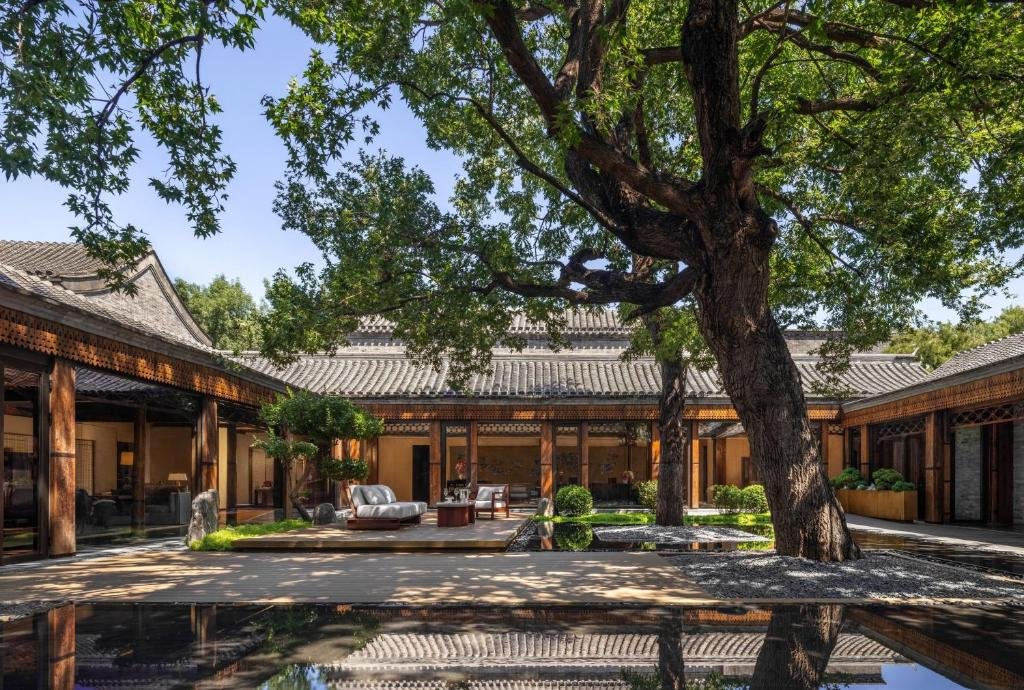
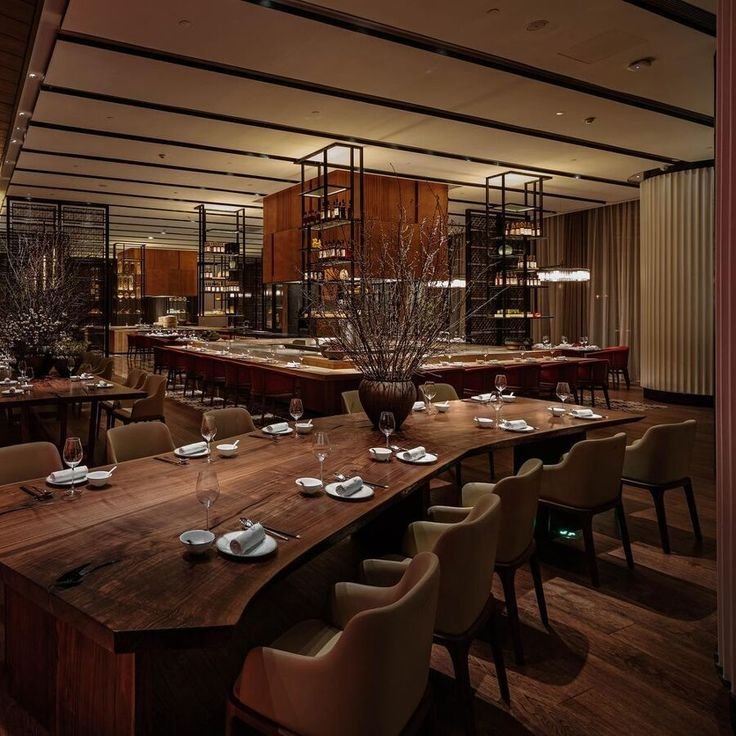
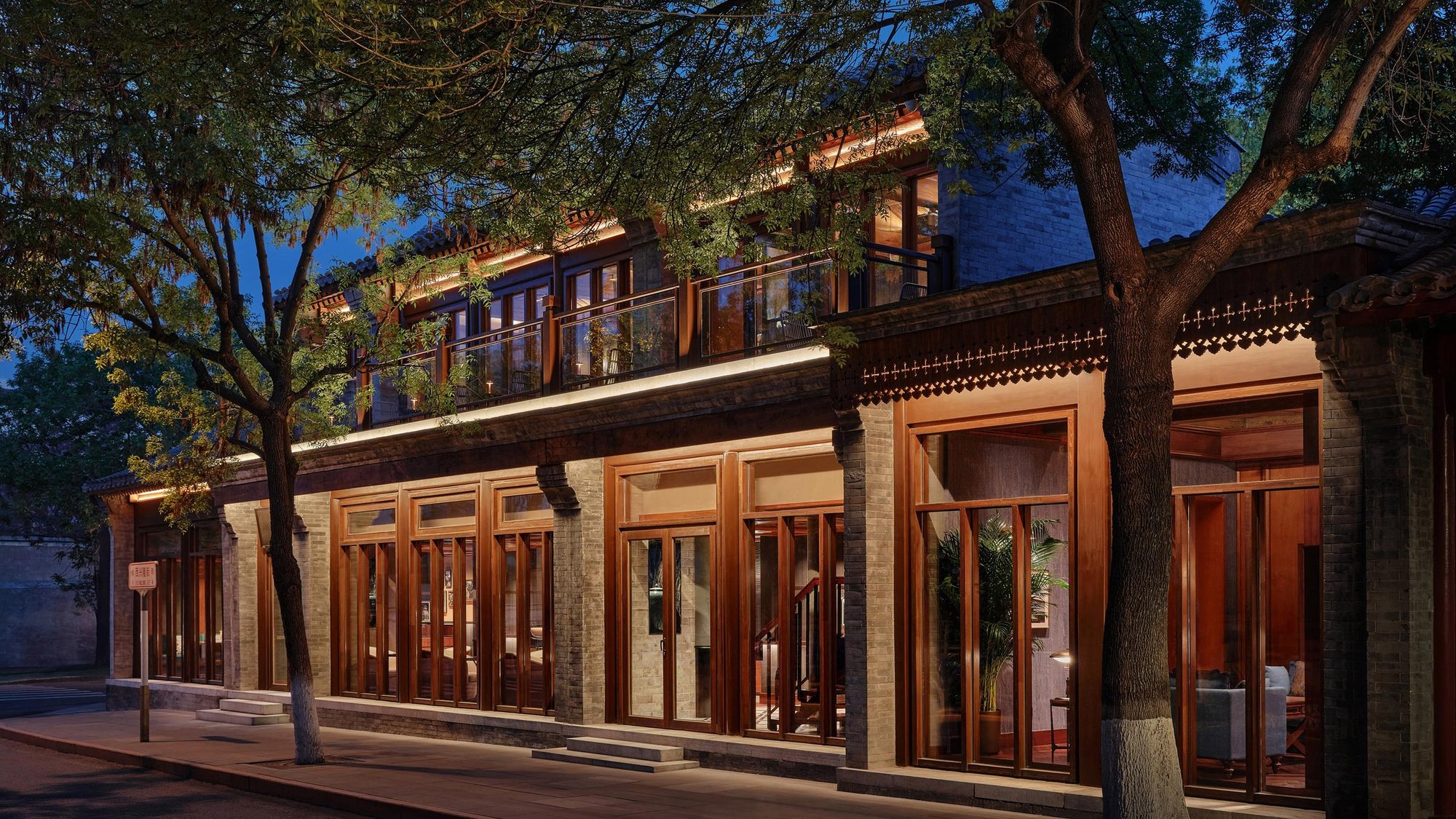
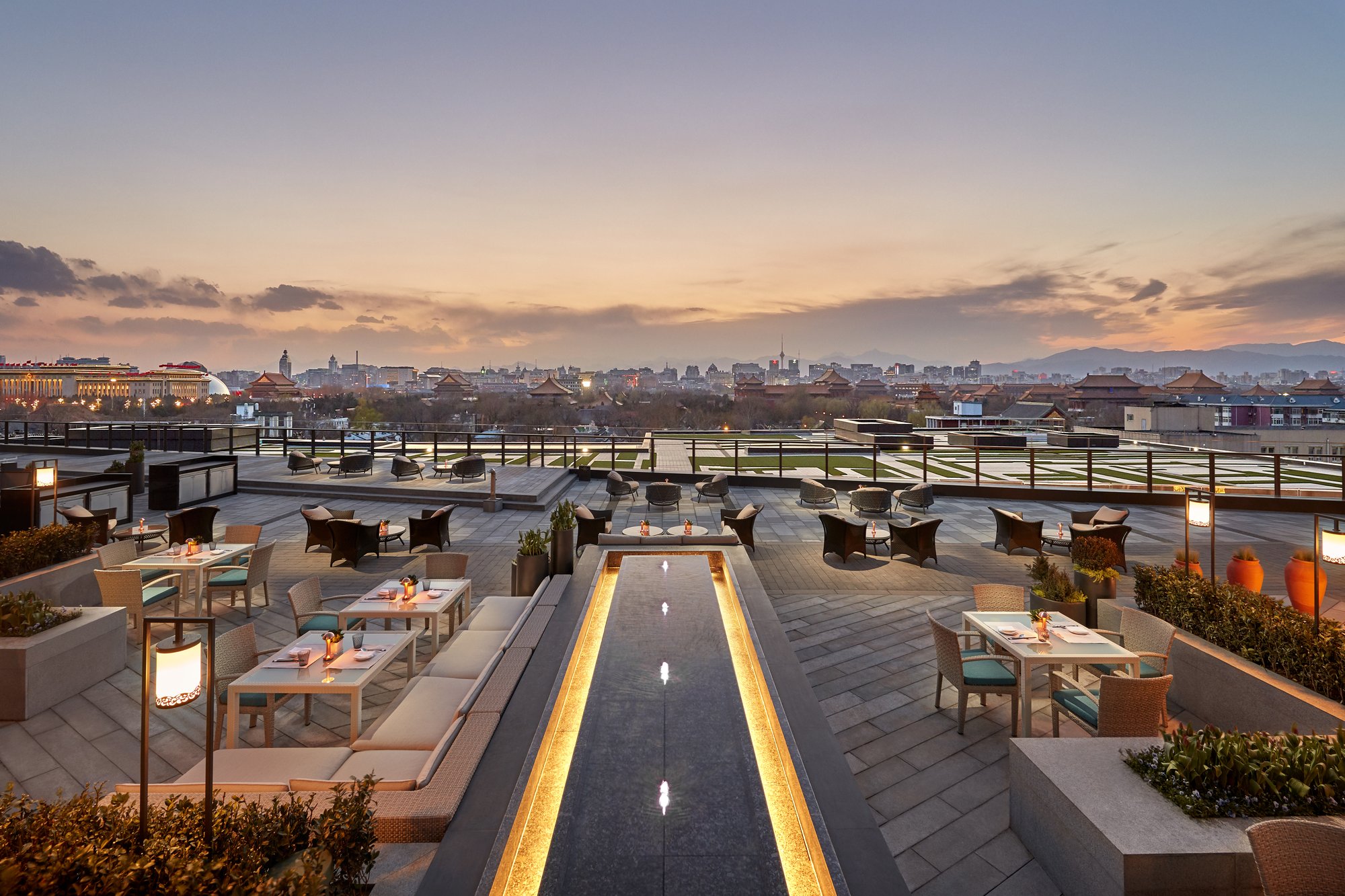
Aman Summer Palace operates as a deliberately hushed enclave pressed against the northern gates of Beijing’s historic Summer Palace. Restored, low-slung pavilions and century-old guesthouses — complete with bamboo blinds and hand-carved screens — give the compound a quietly refined, heritage-forward character. Gardens and ornamental ponds thread the property, and the result is a serene, intimate refuge that feels removed from the scale and bustle of the city despite its central location. The experience emphasizes privacy, architectural authenticity and measured calm rather than flash or spectacle.
Best For
This is a property for travelers seeking privacy and a refined sense of place: couples celebrating an anniversary or a honeymoon, guests wanting a romantic or wellness-focused getaway, and anyone after a restorative pause from urban life. Its proximity to the Summer Palace makes it appealing for culturally minded visitors who want easy access to the site while returning each day to an exclusive, quiet compound. The short drive from central Beijing also suits those looking for a compact weekend escape centered on calm and heritage rather than nightlife.
Venue details
Ambiance
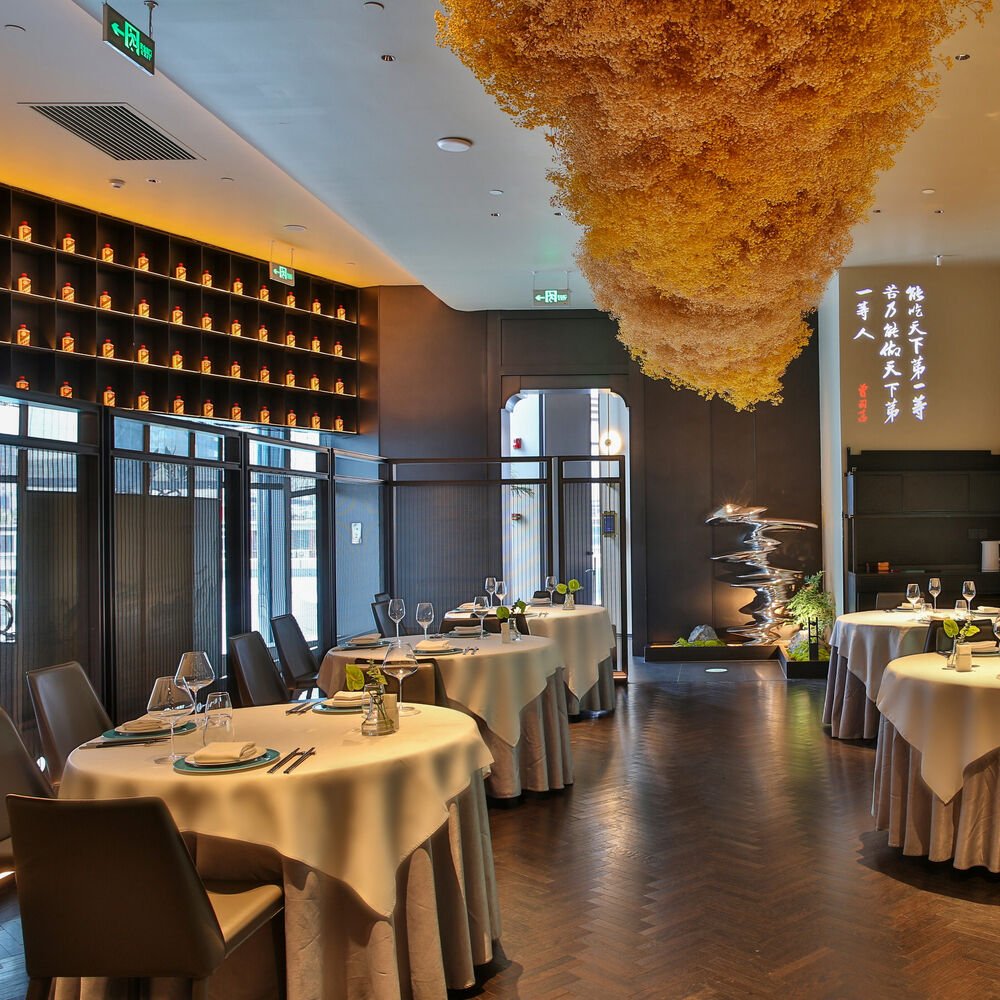
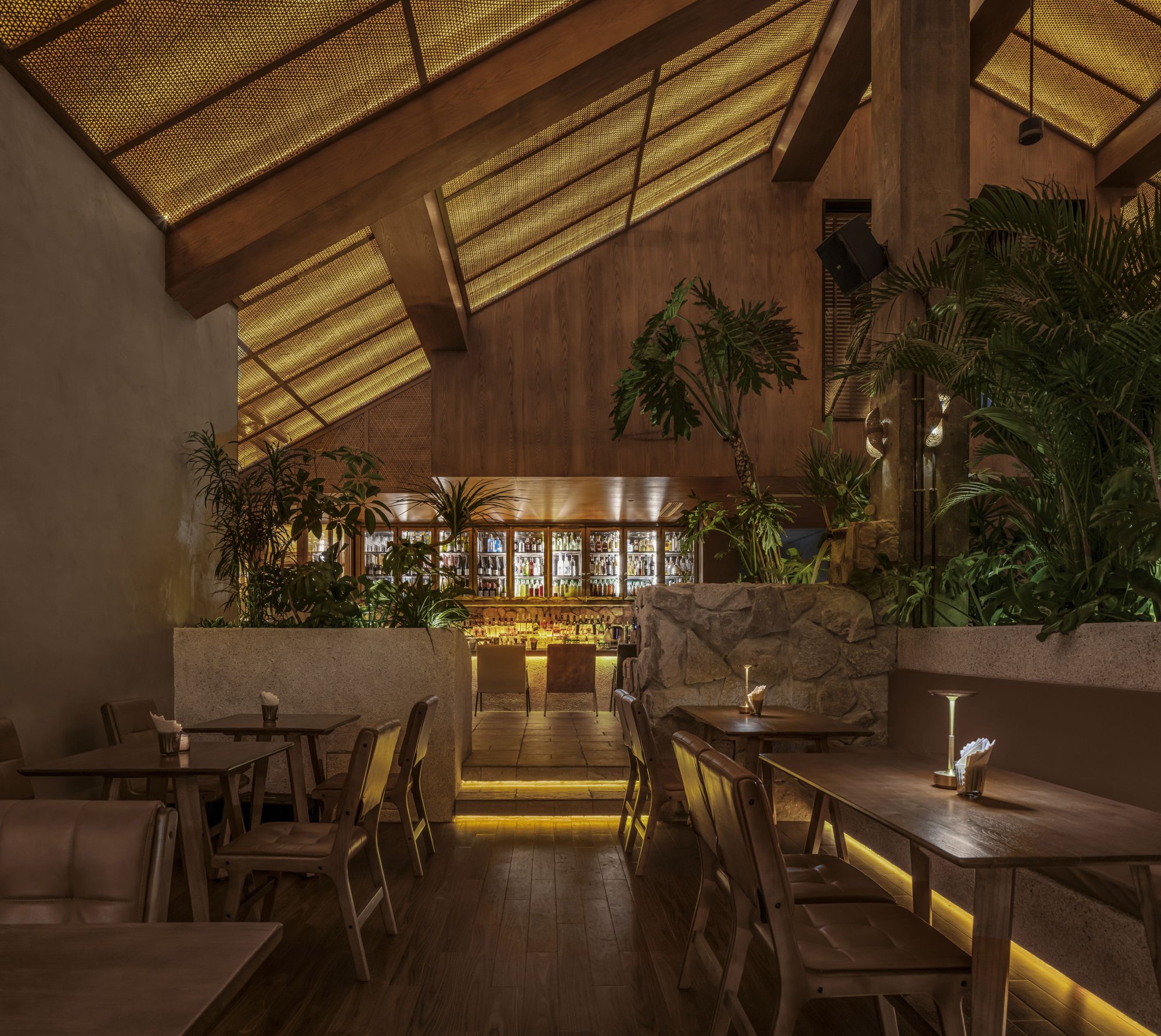
Serene and regal with dimly lit, calming spaces; minimalist yet opulent design blending traditional Imperial Chinese aesthetics with modern luxury; peaceful courtyard settings with bamboo and gardens.
Tags
Vibe
Best For
Experience
Amenities
View
Accessibility
About the Stay
- Rooms
- 51
- Check-in
- 15:00
- Check-out
- 11:00
- Property Type
- Palace hotel
- Property Style
- Heritage Luxury Resort Housed in Restored Imperial Era Dwellings with Contemporary Underground Facilities; Blends 200 Year Old Architecture with Modern Five Star Amenities.
- Design Style
- Imperial Chinese Aesthetic with Ming Dynasty Inspired Furnishings, Traditional Wooden Screens, Bamboo Blinds, and Latticed Panelling; Modern Minimalist Basement Facilities with Clean Lines and Calming Water Features.
- Breakfast
- Included
- Airport Transfer
- Available
- Pool
- Yes
- Spa
- Yes
- Pets
- Allowed
- Families
- Welcome
- Cancellation
- Moderate
Know before you go
Know Before You Go
- Getting there
- 1 Gongmenqian Street, 东城区100091
Planning details
Location
Recognition and awards


Also consider
Where to look if this is booked
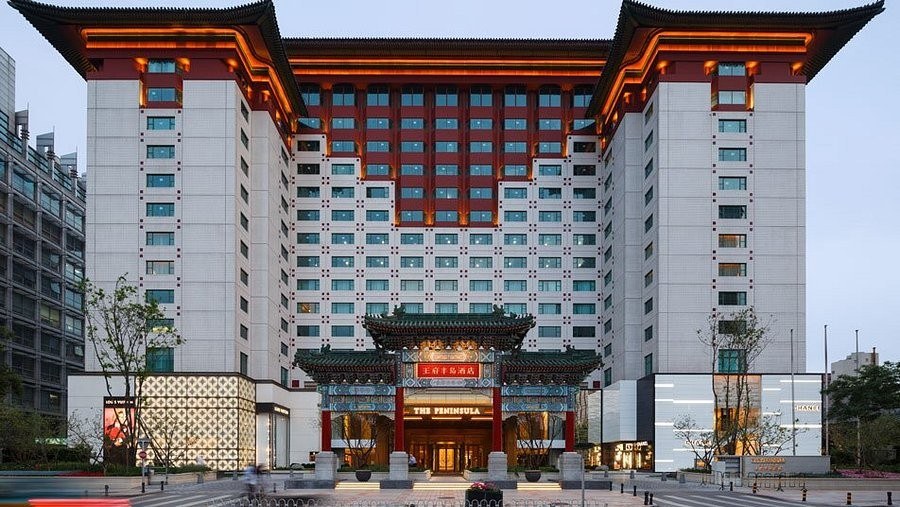
For a central luxury stay, start with Mandarin Oriental Wangfujing, Beijing; it is the better fallback when short transfers and city access matter. For a more traditional luxury base, compare The Peninsula Beijing before committing to a retreat-style stay.
Hotel context
How it compares in Beijing
The Orchid is the easier call for travelers who want a smaller, neighborhood-led stay and a more casual sense of Beijing. Aman Summer Palace is the stronger choice when the hotel needs to feel like a retreat, but it asks for more planning and a less packed schedule.
Waldorf Astoria Beijing, The Peninsula Beijing, and Regent Beijing are better fits for guests who want central convenience and a more conventional luxury-hotel base. Pick them for business access, shopping, and easier city movement; pick Aman Summer Palace when quiet matters more than transfer time.
Mandarin Oriental Wangfujing, Beijing is the sharper cross-shop for travelers deciding between polished central luxury and a calmer stay outside the densest hotel zone. If the trip is short, Mandarin Oriental Wangfujing is easier to use. If the stay has room to breathe, Aman Summer Palace is the more distinctive booking.
Explore Beijing
Around this place
Discover more on Pearl
Unlock the full Aman Summer Palace guide in Pearl, including awards, comparisons, FAQs, planning details, and nearby places.
Compare Aman Summer Palace
| Venue | Location | Awards |
|---|---|---|
| Aman Summer Palace | Beijing | 2025 Forbes 4-Star2025 Michelin 1 KeyAman Hotels |
| The Orchid | Beijing | No published awards |
| Waldorf Astoria Beijing | Beijing | 2026 Forbes 4-Star2026 La Liste Top Hotels2026 Michelin 1 KeyWorld Travel Awards 20252025 Michelin 1 Key2025 Forbes 4-Star |
| The Peninsula Beijing | Beijing | 2026 Forbes 5-Star2026 Virtuoso Luxury Hotel Collection2026 La Liste Top Hotels2026 Michelin 1 KeyWorld Travel Awards 20252025 Michelin 1 Key2025 Forbes 5-Star |
| Regent Beijing | Beijing | 2026 Travel + Leisure 100 Favorite Hotels in the World · #502026 Forbes 4-Star2026 La Liste Top Hotels2025 Travel + Leisure 100 Favorite Hotels in the World · #35Tatler Best Hotels Asia-Pacific 20252025 Michelin Selected Hotels2025 Forbes 4-Star |
| Mandarin Oriental Wangfujing, Beijing | Beijing | 2026 Forbes 5-Star2026 Virtuoso Luxury Hotel Collection2026 La Liste Top Hotels2026 Michelin 1 Key2025 Forbes 5-Star2025 Michelin 1 Key |








How Aman Summer Palace Beijing compares with similar nearby venues.
FAQ
Frequently Asked Questions
When is the best time to book Aman Summer Palace?
Book when you have confirmed the current availability and planning details directly with Aman Summer Palace. The venue is in Beijing and has Forbes 4-Star recognition for 2025.
Is Aman Summer Palace family-friendly?
Family-specific services and facilities may vary. If you are planning with children, confirm the current policies and practical details directly with Aman Summer Palace before booking.
How does Aman Summer Palace compare to other Beijing venues?
Aman Summer Palace has Forbes 4-Star recognition in Beijing for 2025. For other premium Beijing options, travelers may also compare Mandarin Oriental Wangfujing, Beijing, The Peninsula Beijing, Waldorf Astoria Beijing, Regent Beijing, or The Orchid, while checking each venue's current details directly.
Is Aman Summer Palace good for business travel?
Business-travel suitability depends on current facilities, location needs, meeting schedule, and transport plans. Confirm practical requirements directly with Aman Summer Palace before choosing it for a work trip.
What should I confirm before choosing Aman Summer Palace?
Check Aman Summer Palace's official channels for the latest planning details before making a decision. Its Beijing location, smart-casual dress code, and Forbes 4-Star recognition for 2025 are the key published details.