
Villa Beluno Hotel & Spa
Bariloche
Hotel in Bariloche, Argentina
 Book with Pearl
The Read
Andean Lakefront Retreat
Why go
Villa Beluno Hotel & Spa is a better fit for travelers who want a calm, service-led Bariloche stay than a large resort scene. Its 2025 Small Luxury Hotels of the World membership gives it a useful quality signal; cross-shop Llao Llao for scale, Charming Luxury Lodge for privacy, and Design Suites for design value.
About Villa Beluno Hotel & Spa
Villa Beluno Hotel & Spa is a Bariloche hotel with one clearly recognition point: it is listed as a Small Luxury Hotels of the World member in 2025. Beyond that, the record here is limited, so travelers should avoid assuming specific details about facilities, dining, room count, service style, pricing, or check-in arrangements unless they confirm them directly with the hotel.
The confirmed dress code is smart casual. That is useful practical context for guests planning what to pack, but it should not be read as evidence of a particular restaurant format, event program, or broader hospitality style. For decisions that depend on amenities, meals, loyalty benefits, or accessibility needs, check the venue's official channels before booking.
A Bariloche hotel with confirmed SLH recognition
The strongest positioning for Villa Beluno Hotel & Spa is its Small Luxury Hotels of the World membership in 2025. That gives travelers a clear, confirmed brand signal, but it does not by itself verify specific services, room features, spa treatments, dining options, or on-property experiences.
If you are comparing hotels in Bariloche, use the confirmed facts rather than assumptions. Llao Llao Hotel & Resort and Llao Llao Resort, Golf & Spa are names travelers may also consider, while Villa Beluno Hotel & Spa should be judged on the details you can confirm for your own dates.
Where the value case is strongest
The value case depends on what Villa Beluno Hotel & Spa can confirm for your specific stay. If SLH membership and a smart-casual dress code are important signals for you, it may belong on the shortlist; if your decision depends on particular facilities, dining, views, transport logistics, or room categories, verify those points directly before treating them as part of the value.
For comparison planning, Design Suites Bariloche, Charming Luxury Lodge & Private Spa, and Aldebaran Hotel & Spa are other names travelers may weigh against Villa Beluno Hotel & Spa. The right choice will depend less on claims and more on confirmed availability, current rates, location within Bariloche, and the specific services each property confirms for your dates.
Planning details
- Location
- Av. del Campanario 1144, R8400 San Pedro, Río Negro
- Website
- villabeluno.com
- Phone
- +54 9 294 450-6897
The take
The Take
The Vibe
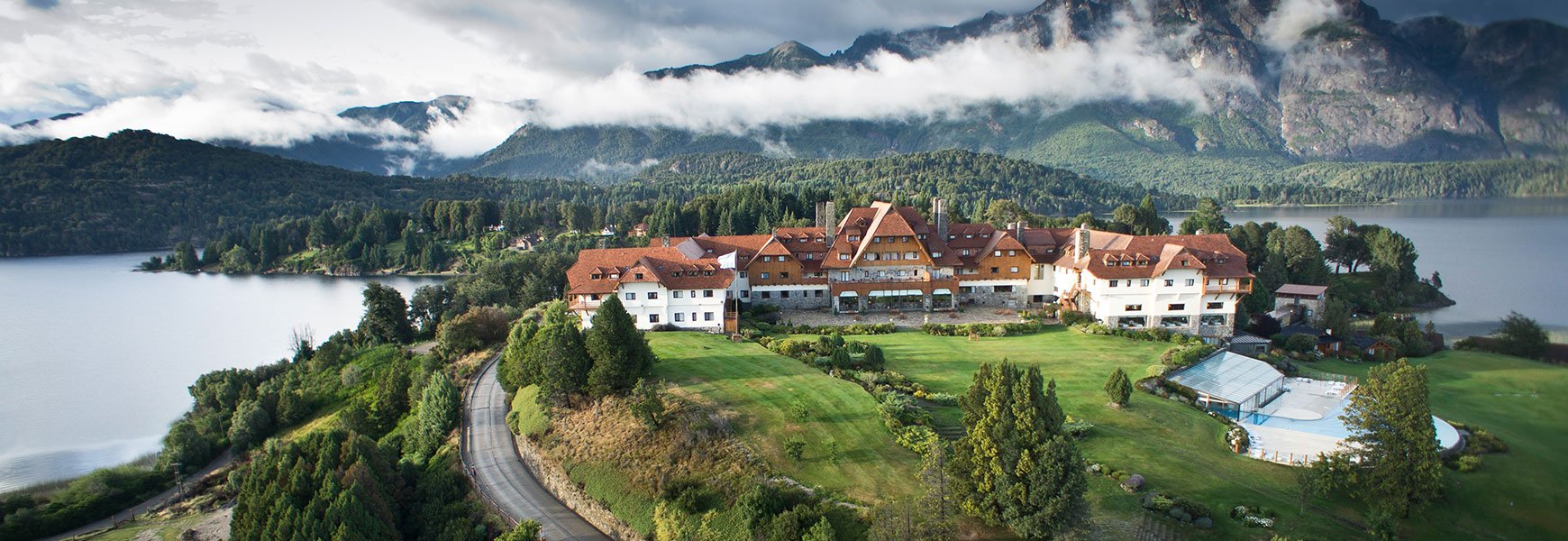
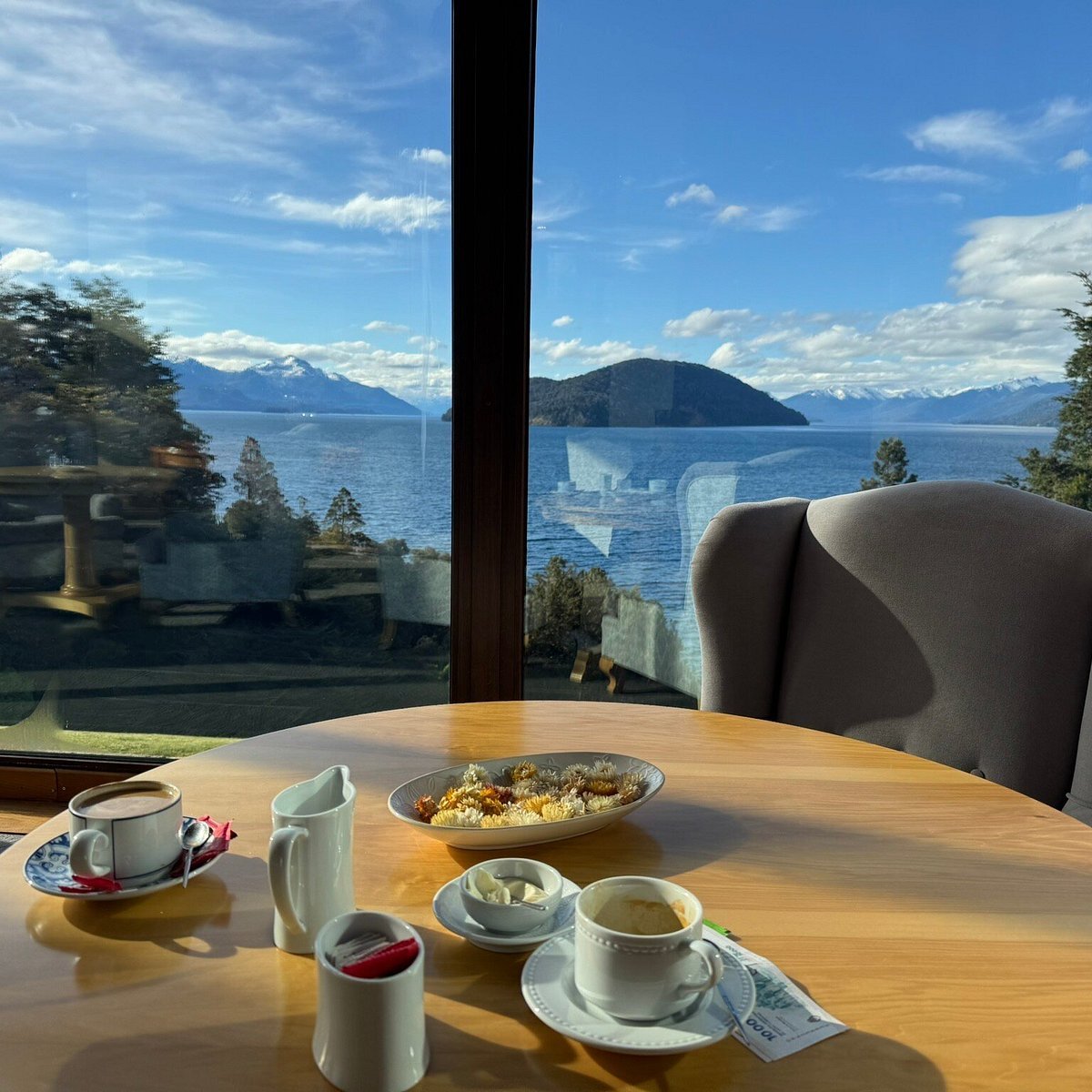
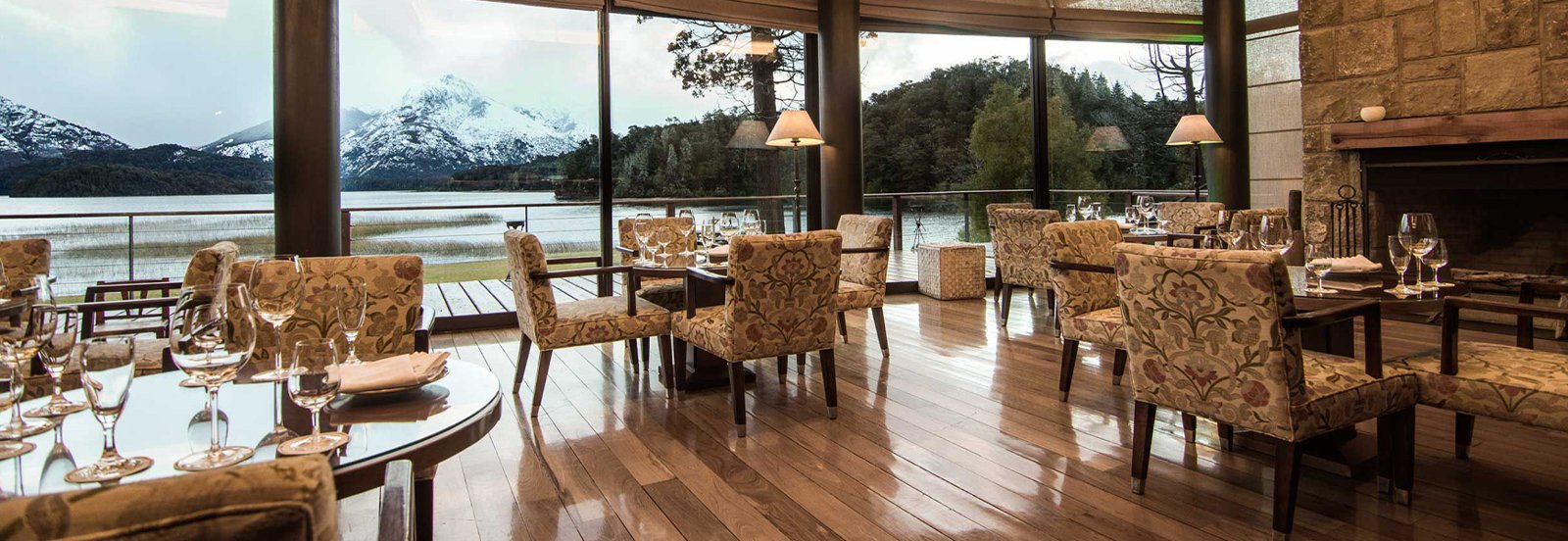
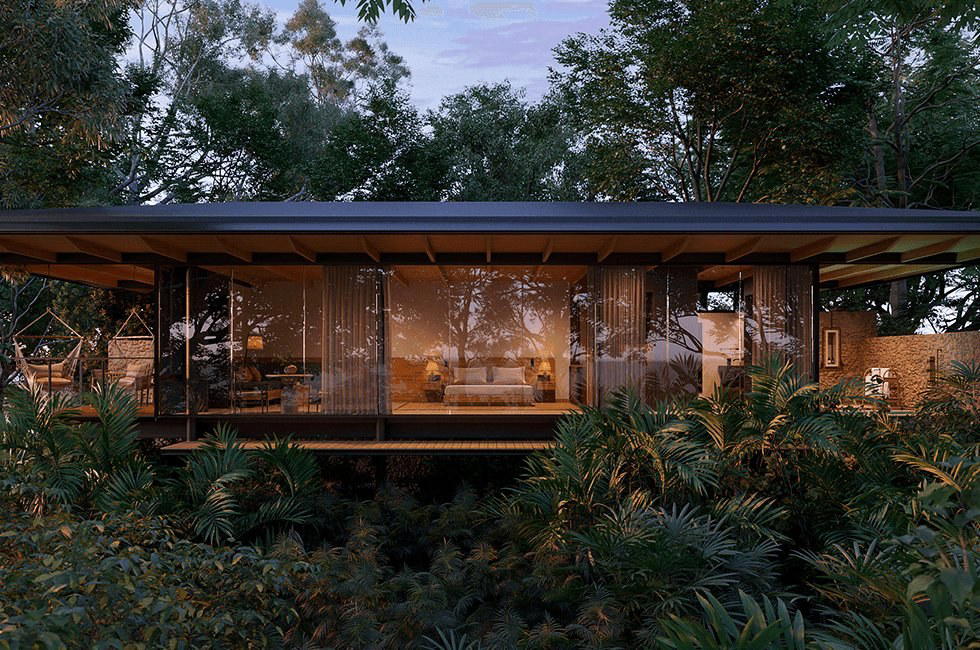
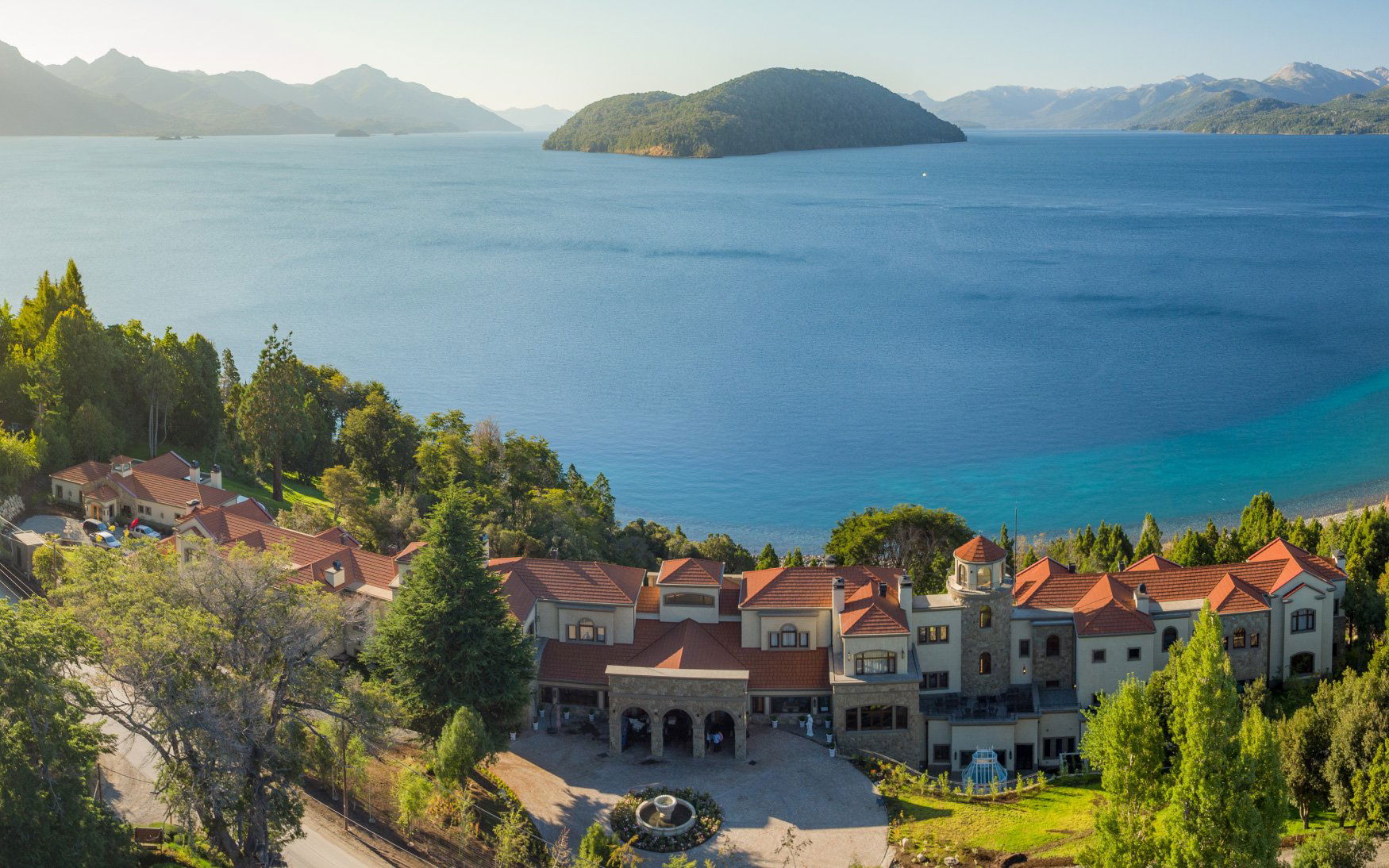
Villa Beluno presents a quietly intimate lakeside personality: rooms, dining rooms and the arrival sequence are deliberately oriented toward Nahuel Huapi so the water becomes the organizing element of the property. Perched on a light-catching peninsula, the hotel reads as residential rather than institutional, trading scale for careful siting and subtle daylight shifts. The result is a calm, landscape-led retreat where the lake and surrounding mountains set the mood more than any overbearing design flourish. Guests encounter a restrained, warm atmosphere that feels private and composed, ideal for lingering and taking the views as the primary draw.
Best For
This is a strong pick for couples and anyone seeking a restorative, landscape-forward escape. The hotel's lakeside siting and residential scale make it especially fitting for honeymoons, romantic getaways and anniversaries where privacy and a steady visual connection to Nahuel Huapi matter. The 'Hotel & Spa' identity and the emphasis on the water and mountains also make it suitable for wellness-focused stays: the setting supports relaxation and rhythm tied to the lake rather than high-energy resort programming. It suits travelers who value calm, scenic immersion over crowded amenities.
Stay Tips
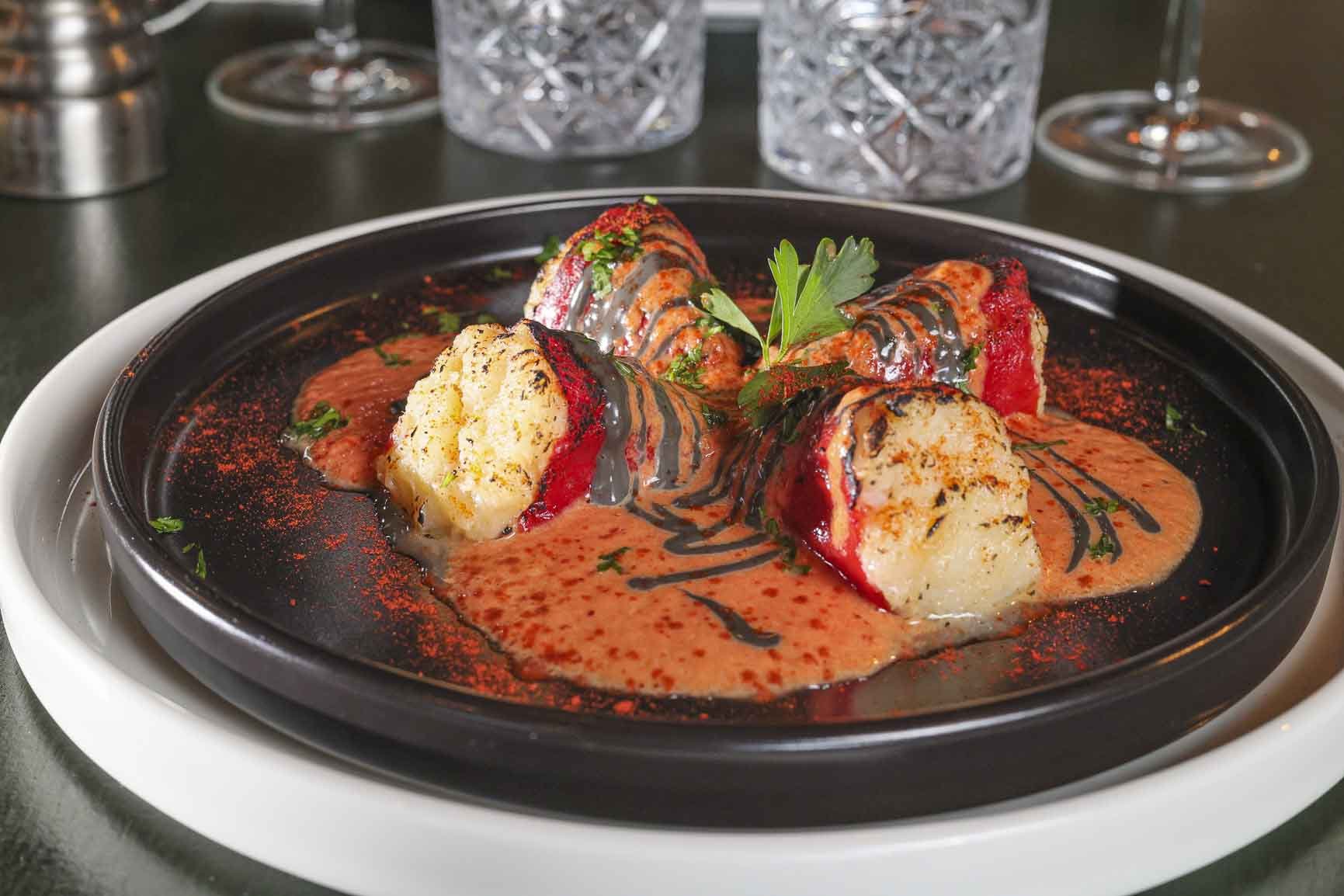
Dining at Villa Beluno leans into lake-district culinary identity: the region centers on open‑steppe lamb, cold‑water trout and salmon from the lake system, and foraged or wild game like boar. When eating at the hotel's restaurant, favor preparations that highlight those local proteins and seasonal, honest flavors rather than overly globalized dishes. Ask servers about the day's catch or the source of the lamb, and choose simpler, terroir-driven preparations to get the clearest sense of Patagonian ingredients and the lake’s culinary logic.
Venue details
Ambiance
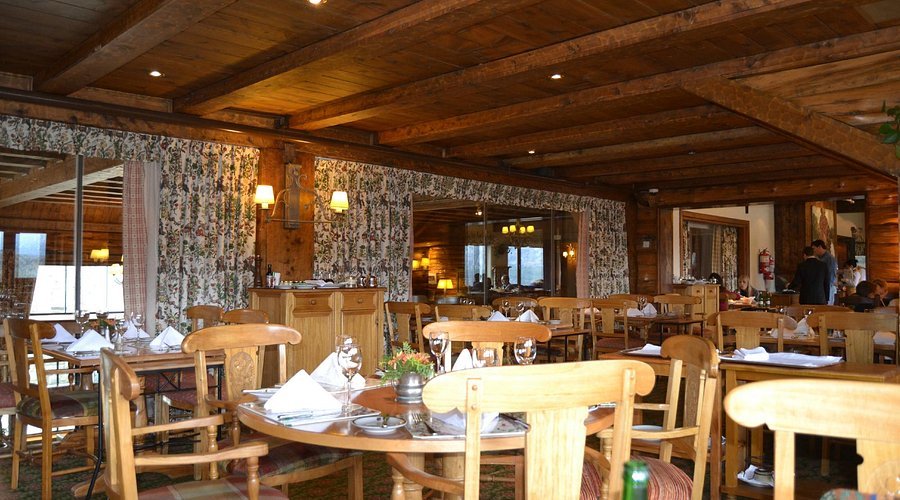
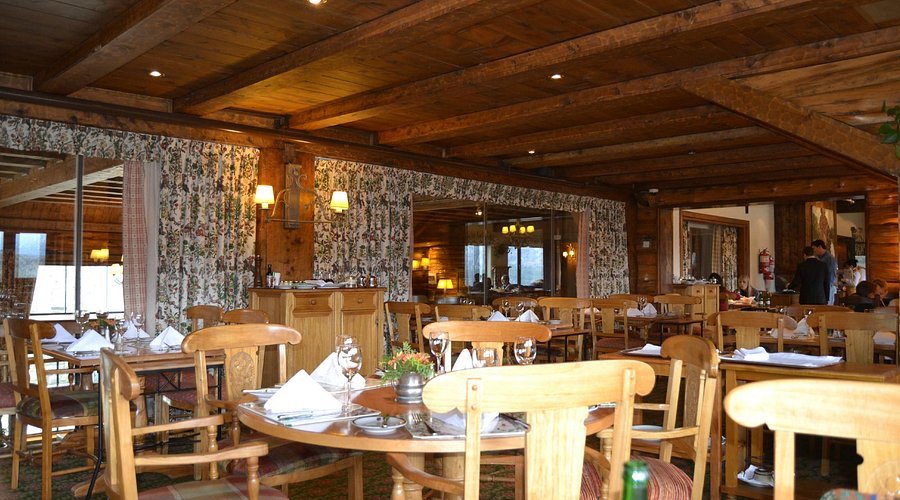
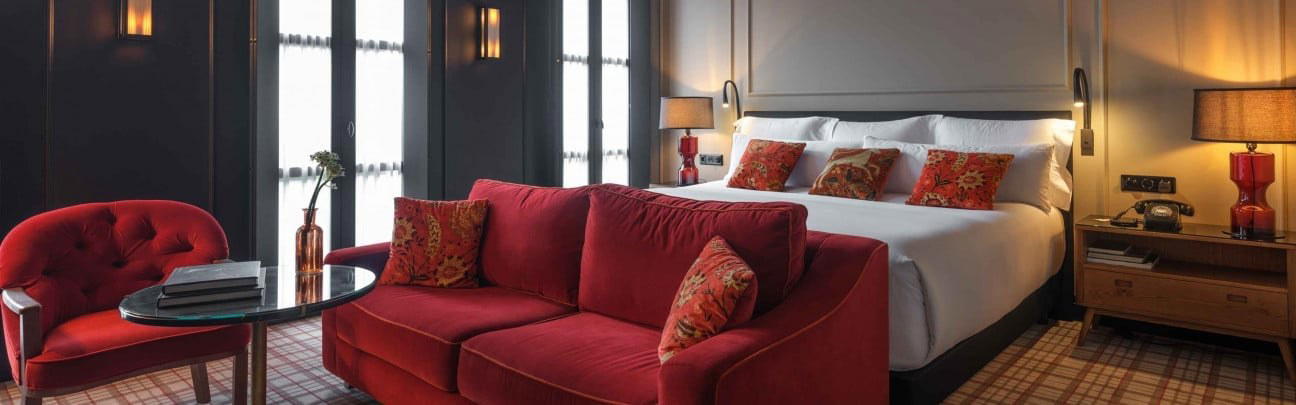
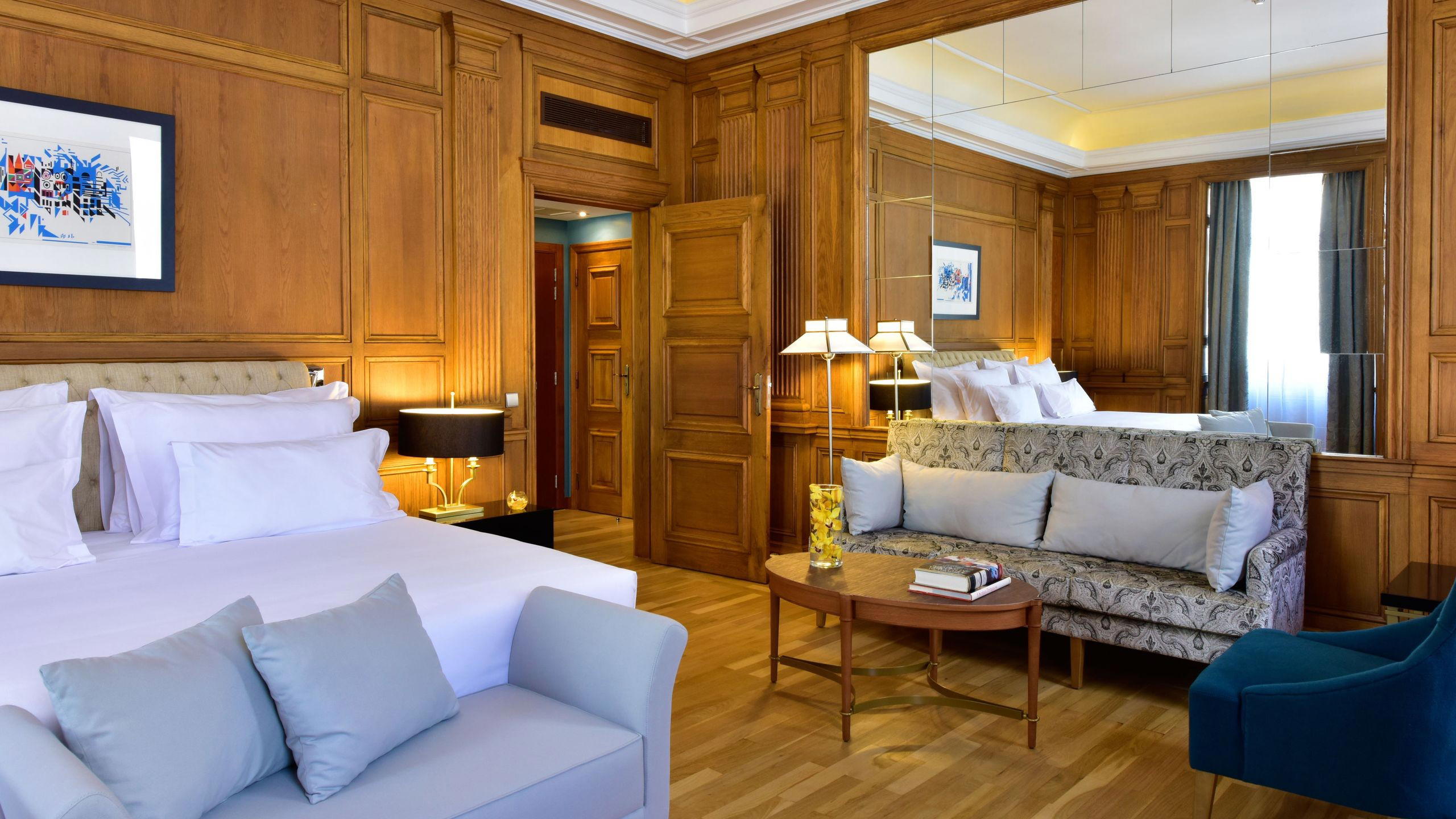
Warm, luxurious common areas with natural light, cozy fireplaces, and panoramic views creating a peaceful, romantic atmosphere.
Tags
Vibe
Best For
Experience
Amenities
View
Accessibility
About the Stay
- Rooms
- 14
- Check-in
- 15:00
- Check-out
- 11:00
- Property Style
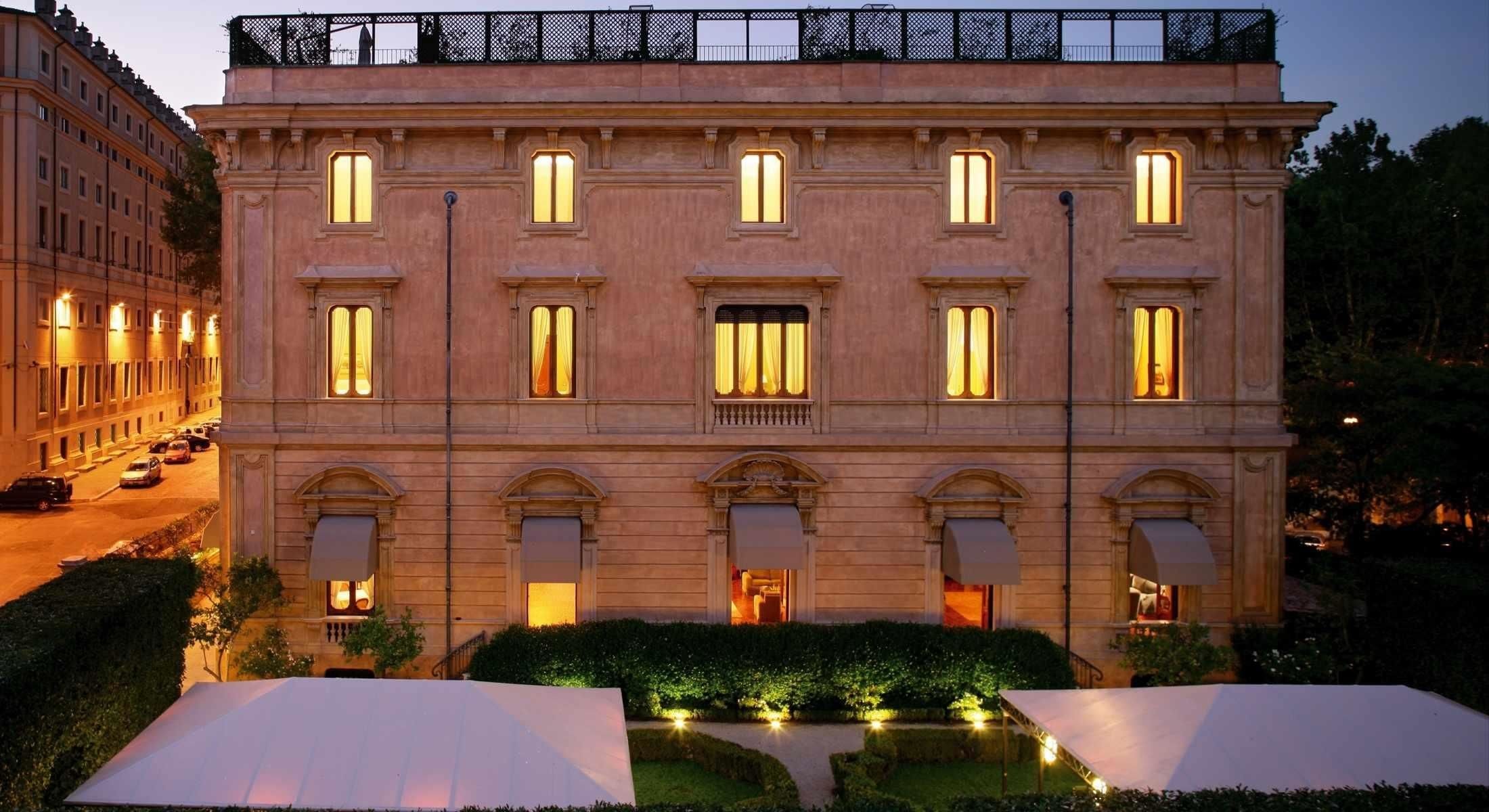
- Italianate Luxury Villa Blending Classic European Elegance with Patagonian Nature
- Design Style
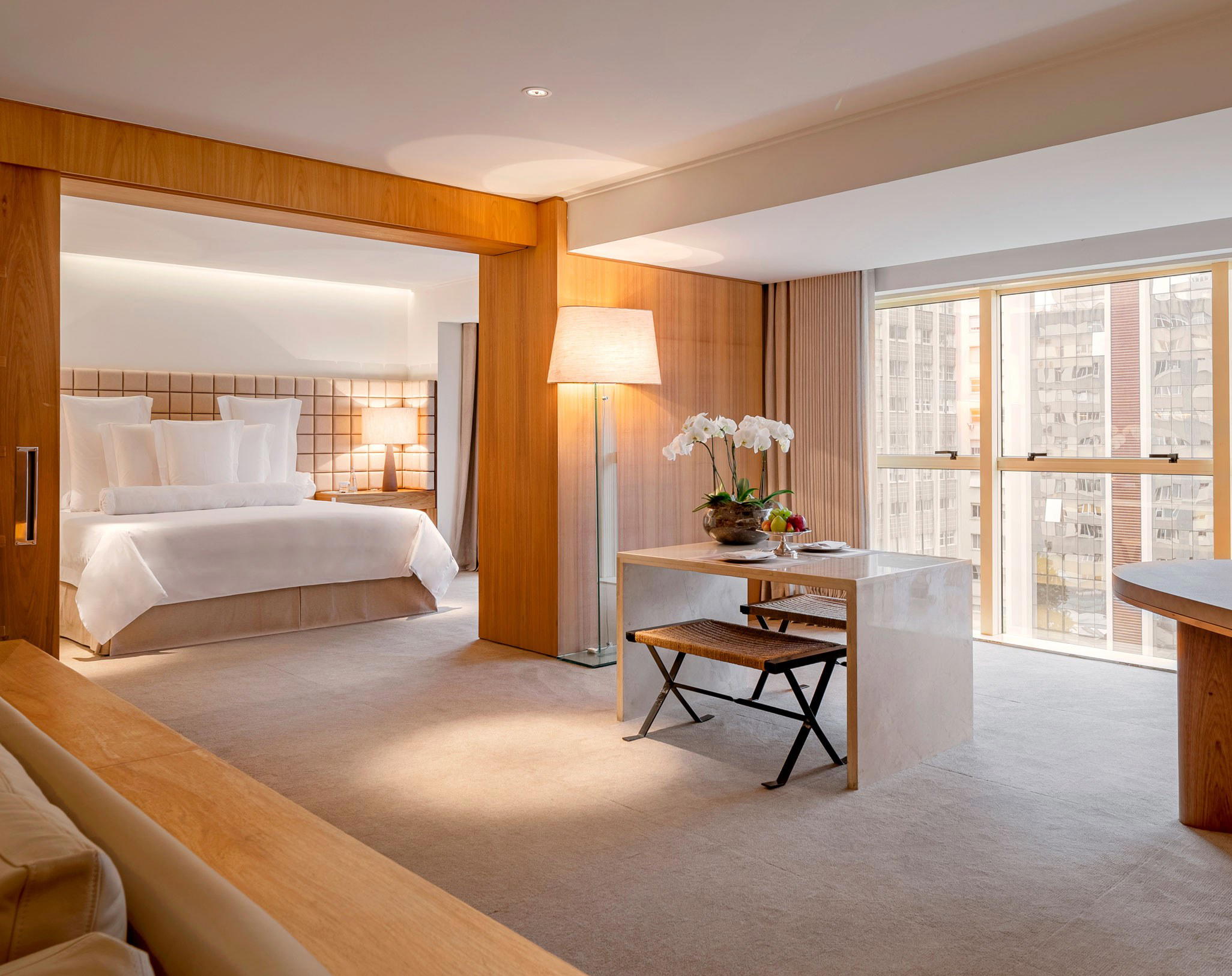
- Charming Italian Architecture with Natural Local Materials, Cozy Furnishings, and Sophisticated Details
Know before you go
Know Before You Go
- Getting there
- Av. del Campanario 1144, R8400 San Pedro, Río Negro
Planning details
Location
Recognition and awards

Also consider
Also Consider
- Aldebaran Hotel & Spa, Notable alternative
- Llao Llao Hotel & Resort, Notable alternative
- Llao Llao Resort, Golf & Spa, Notable alternative
- Charming Luxury Lodge & Private Spa, Notable alternative
- Design Suites Bariloche, Notable alternative
Hotel context
How It Compares
Choose Villa Beluno Hotel & Spa if the priority is a quieter, service-led stay with spa time built into the rhythm. Llao Llao Hotel & Resort and Llao Llao Resort, Golf & Spa are better for travelers who want a larger resort feel, more name recognition, and a broader campus-style experience; they are less ideal if the goal is a calm base where staff attention feels more personal.
Aldebaran Hotel & Spa is the more direct spa comparison, but Villa Beluno has the stronger luxury-hotel signal through its Small Luxury Hotels of the World membership. Charming Luxury Lodge & Private Spa is the better cross-shop for guests who want more privacy and lodge-style separation, while Villa Beluno is the cleaner recommendation for travelers who want a hotel rather than a private-spa lodge setup.
Design Suites Bariloche is the value-minded alternative if design matters more than spa focus or small-hotel service. Booking difficulty is easier at Villa Beluno than the Bariloche properties that tend to anchor entire itineraries, so it works well as a lower-friction luxury choice when the trip dates are already fixed.
Explore Bariloche
Around this place
Discover more on Pearl
Unlock the full Villa Beluno Hotel & Spa guide in Pearl, including awards, comparisons, FAQs, planning details, and nearby places.
Compare Villa Beluno Hotel & Spa
| Venue | Location | Awards |
|---|---|---|
| Villa Beluno Hotel & Spa | Bariloche | Small Luxury Hotels Member 2025 |
| Aldebaran Hotel & Spa | San Carlos de Bariloche | No published awards |
| Llao Llao Hotel & Resort | San Carlos de Bariloche | No published awards |
| Llao Llao Resort, Golf & Spa | Bariloche | No published awards |
| Charming Luxury Lodge & Private Spa | San Carlos de Bariloche | No published awards |
| Design Suites Bariloche | San Carlos de Bariloche | No published awards |
How Villa Beluno Hotel & Spa Bariloche compares with similar nearby venues.
FAQ
Frequently Asked Questions
How does Villa Beluno Hotel & Spa compare to other hotels?
Villa Beluno Hotel & Spa is a Bariloche hotel with Small Luxury Hotels of the World membership in 2025. Travelers comparing it with Llao Llao Hotel & Resort, Llao Llao Resort, Golf & Spa, Charming Luxury Lodge & Private Spa, or Aldebaran Hotel & Spa should confirm current facilities, rates, and booking terms directly before deciding.
Is Villa Beluno Hotel & Spa good for business travel?
If you need a business-ready stay in Bariloche, confirm those details directly with Villa Beluno Hotel & Spa and compare with other options such as Design Suites Bariloche.
Do loyalty programs work at Villa Beluno Hotel & Spa?
The brand credential here is Small Luxury Hotels of the World Member (2025). Any points, benefits, or booking-channel perks should be confirmed directly with the hotel or the channel you use to reserve.