

W Barcelona
Port Vell, Barcelona
Hotel in Barcelona, Spain
 Book with Pearl
The Read
Sail-Tower Waterfront
Why go
Book W Barcelona if the trip calls for a social waterfront hotel rather than a quiet old-city base. Its MICHELIN Guide hotel selection and Virtuoso Luxury Hotel Partner status give it credible luxury signals, but the real decision is about mood: beach-facing, high-energy, and better for celebrations than low-key neighborhood stays.
About W Barcelona
W Barcelona has two hotel-program signals worth noting: selection by the MICHELIN Guide for hotels in 2025 and Virtuoso Luxury Hotel Partner status for 2026. For travelers considering a stay in Barcelona, those recognitions are the clearest confirmed reasons to keep it on the shortlist.
Beyond those confirmed signals, specific claims about location style, facilities, room categories, dining, service format, pricing, and booking difficulty should be checked directly with the hotel before planning around them. The dress code is smart casual.
Book it for a confirmed luxury-hotel signal in Barcelona
The strongest grounded case for W Barcelona is direct: it is a Barcelona hotel with MICHELIN Guide hotel selection in 2025 and Virtuoso Luxury Hotel Partner recognition for 2026. Those signals do not, by themselves, verify a particular room type, amenity, restaurant format, or service style, but they do make the hotel relevant for travelers using recognized hotel programs as part of their selection process.
Fit should be judged against the kind of stay you want and the details the hotel confirms for your dates. If a specific amenity, view, room category, dining option, or event requirement matters, verify it with W Barcelona directly rather than relying on assumptions.
The trade-off is limited detail
The record supports W Barcelona as a recognized hotel in Barcelona, but it does not confirm specific claims about neighborhood, facilities, price, room count, restaurants, bars, spa access, pool details, or business services. Treat those as questions to confirm before booking.
That makes W Barcelona a sensible option to research further if third-party hotel recognition is important to your decision. It is less useful as a fully specified recommendation without checking the current hotel details.
Use this page as a grounded starting point: W Barcelona is in Barcelona, has a smart-casual dress code, is MICHELIN Guide hotel-selected for 2025, and is a Virtuoso Luxury Hotel Partner for 2026. For broader planning, compare it with Pearl's Barcelona hotels guide and confirm current details directly with the hotel.
Inside W Barcelona
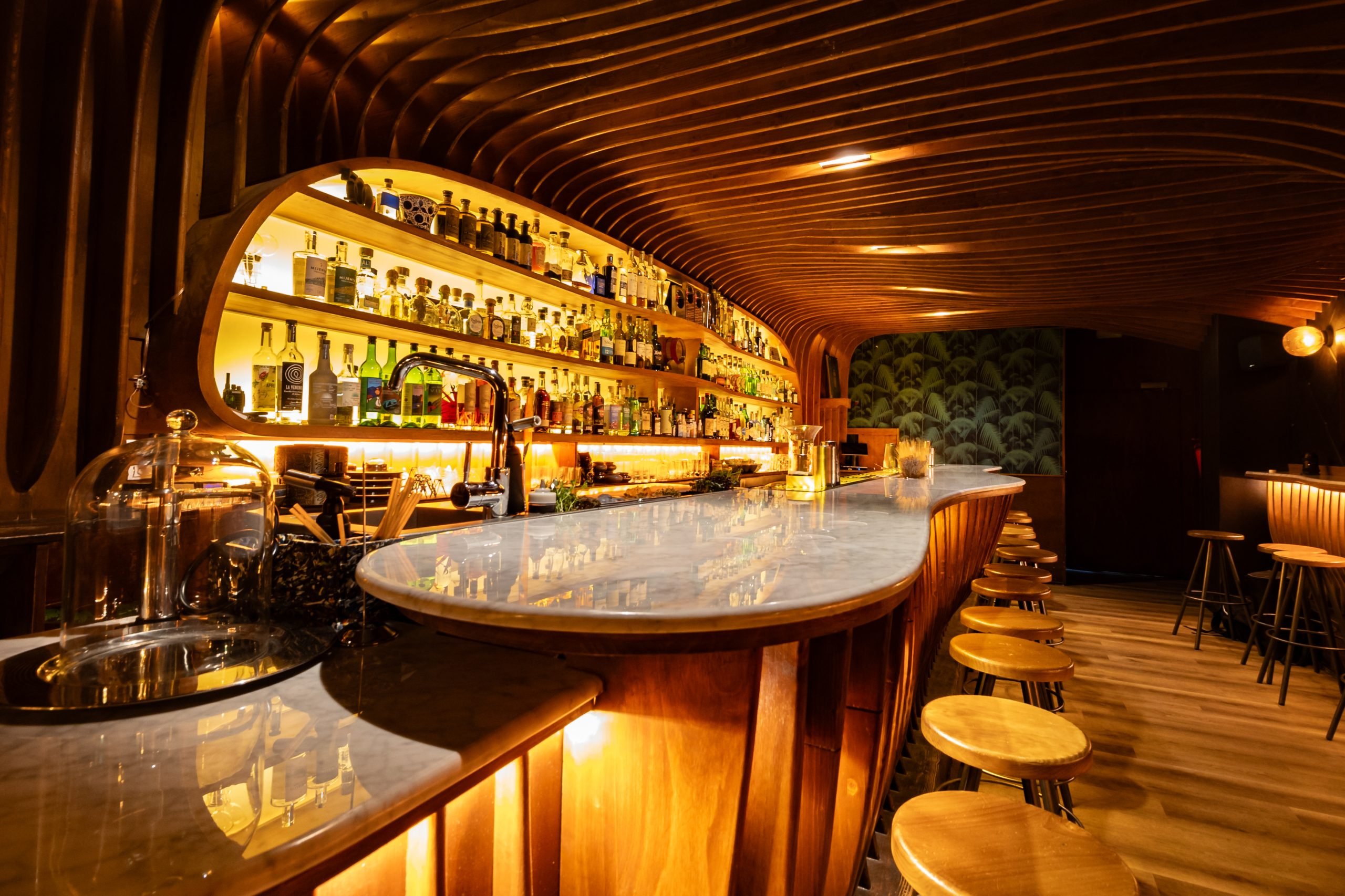
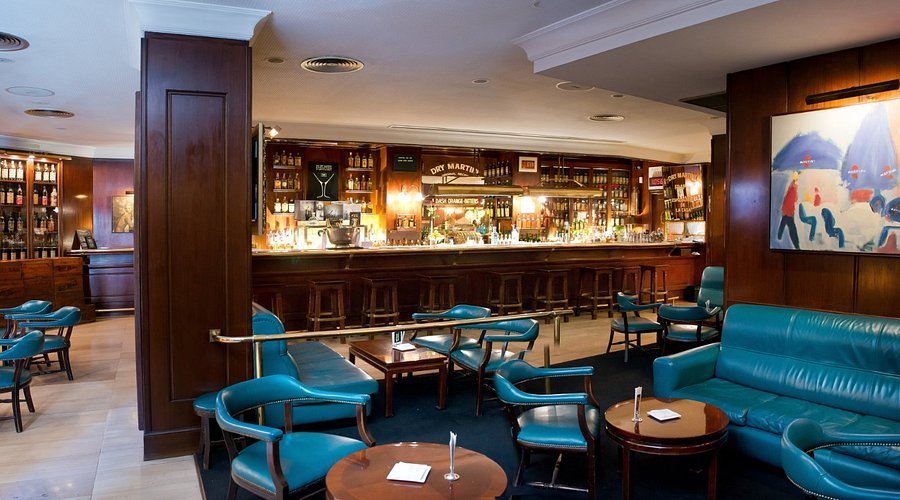
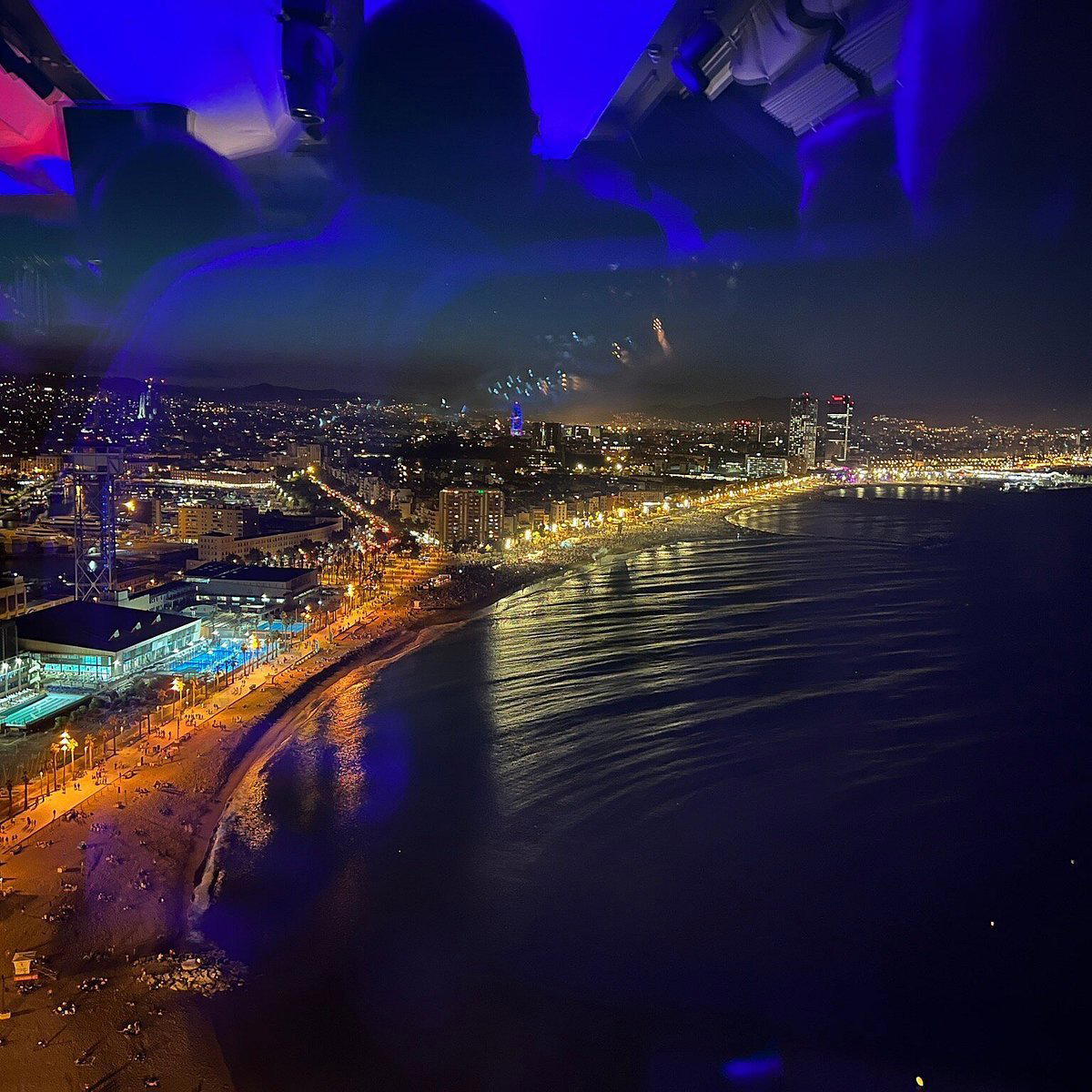 rooftop_barEclipsePositioned on Barcelona's Moll Oriental waterfront in Ciutat Vella, Eclipse operates at the upper end of the city's rooftop bar circuit, drawing a crowd that comes as much for the harbour panorama as for what's in the glass. The programme leans on technical precision over theatrical gimmick, placing it alongside Barcelona's more considered cocktail destinations rather than its tourist-facing terrace circuit.
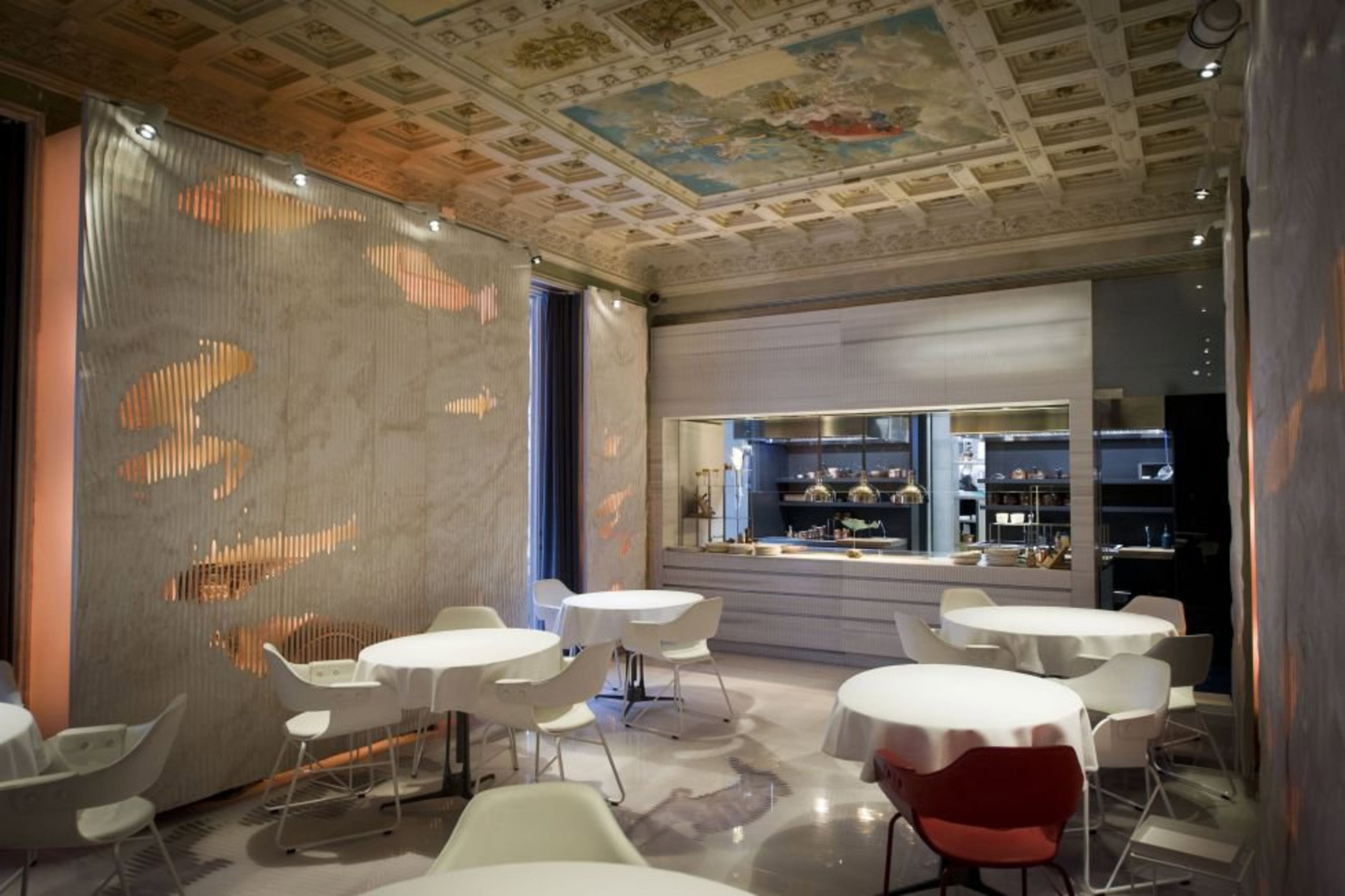
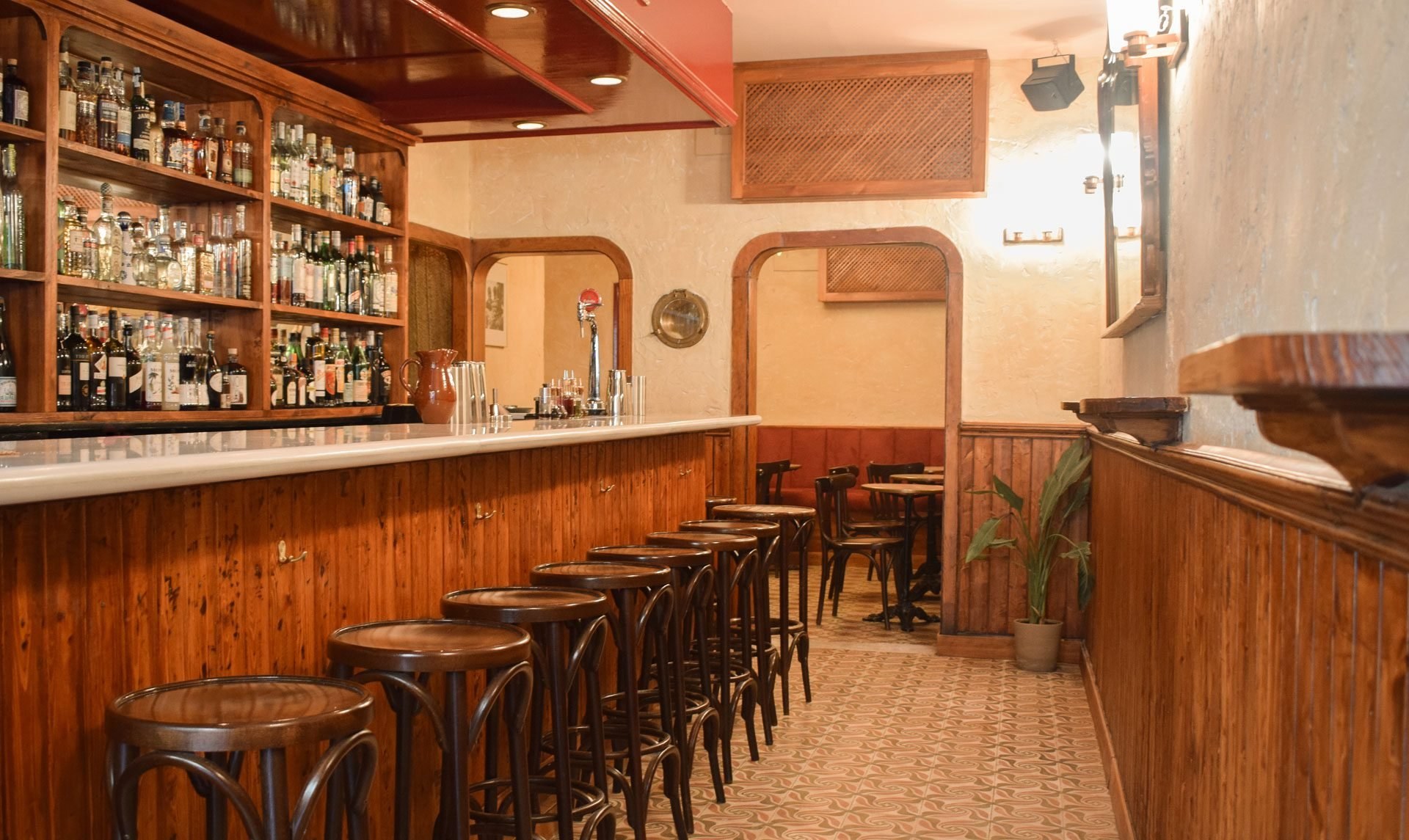
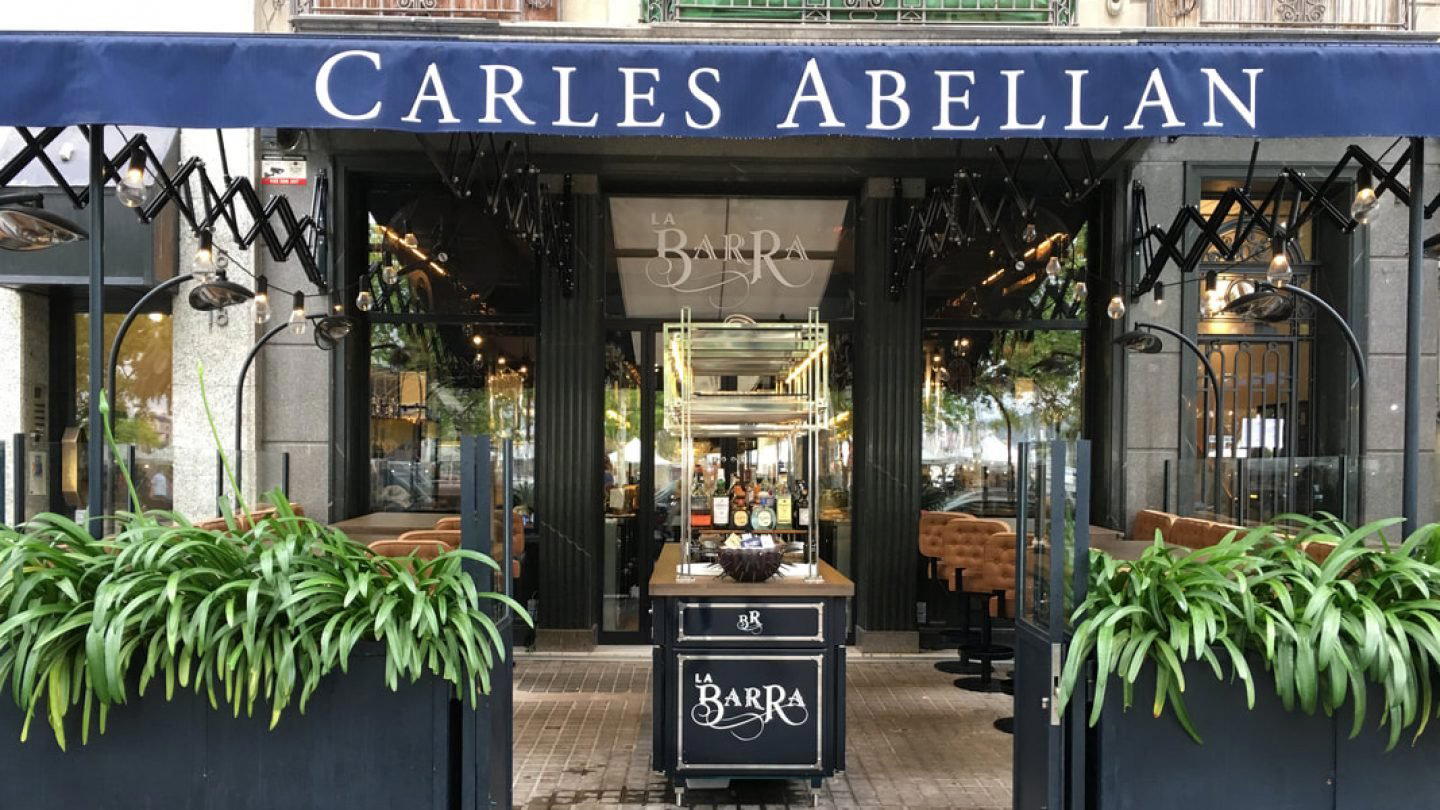 restaurantLABARRA ®On Carrer del Comte d'Urgell in the Eixample, LABARRA ® occupies a stretch of Barcelona's dining scene where the bar format has been refined into something more deliberate than a casual stop. The venue sits within a neighbourhood dense with creative dining, and its registered name signals an operation with a considered identity. Plan ahead: booking intelligence matters here more than spontaneity.
Planning details
- Location
- Plaça Rosa Del Vents 1, Final, Pg. de Joan de Borbó, Ciutat Vella, 08039 Barcelona
- Website
- marriott.com/en-us/hotels/bcnwh-w-barcelona/overview/?scid=f2ae0541-1279-4f24-b197-a979c79310b0
- Phone
- +34 932 95 28 00
The take
The Take
The Vibe
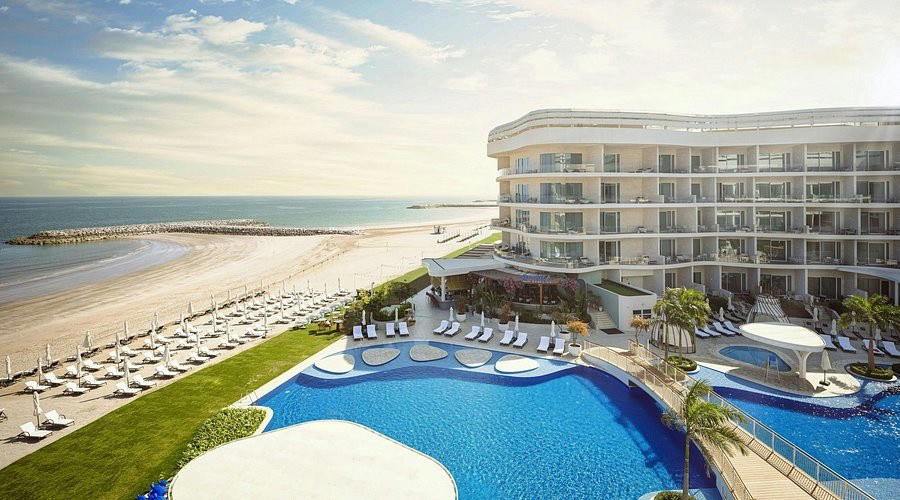
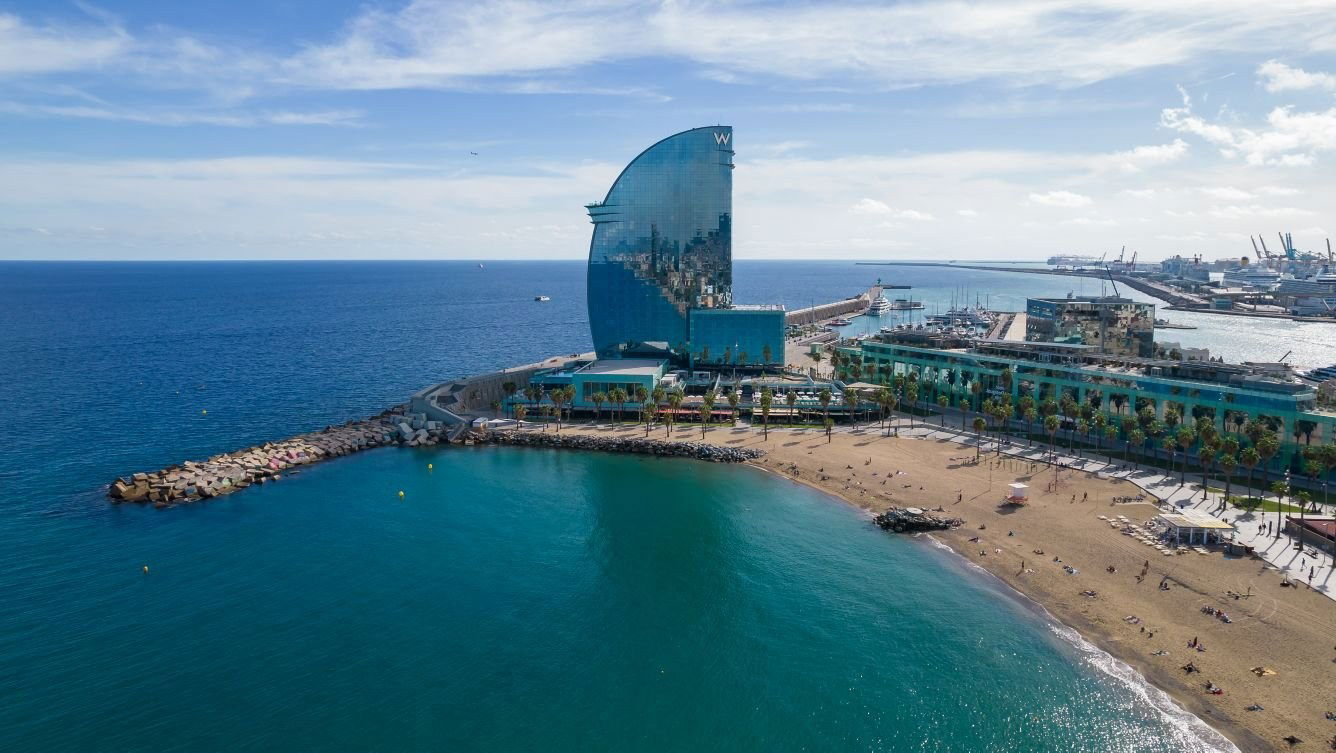
W Barcelona presents as architecture first and hotel second: a sail-shaped tower sited at the tip of Barceloneta that reads as a coastal landmark. The building’s design by Ricardo Bofill and its five-star positioning make the property feel like a design destination with sweeping water views. Public life at the hotel moves outward toward the sea—poolside terraces and bars frame the Mediterranean, and the structure’s scale and placement make the water an inseparable part of the experience. It’s a scenic, design-forward stay that marries bold urban architecture with beachfront drama.
Best For
This hotel works best for travelers who want a waterfront, design-forward base in Barcelona—particularly romantic getaways, honeymoons and weekend escapes that prioritize views and lively hotel life. Guests follow a clear daily sequence here, beginning with afternoon poolside cocktails on the WET DECK terrace and carrying through to late-night dining and bars across the tower’s F&B venues. It’s also a strong pick for visitors who value dramatic architecture and a prominent, seaside address in Barceloneta.
Stay Tips
Plan time on the WET DECK terrace: the description highlights it as the natural starting point for afternoons, where poolside cocktails and light bites come with direct sightlines over the Mediterranean. Think of the hotel’s food-and-beverage program as the day’s arc—arrive for afternoon drinks at the terrace and expect the scene to evolve into evening and late-night outlets across the tower. Approaching along the boardwalk also makes the building’s silhouette and seaside setting part of the arrival experience.
Venue details
Ambiance
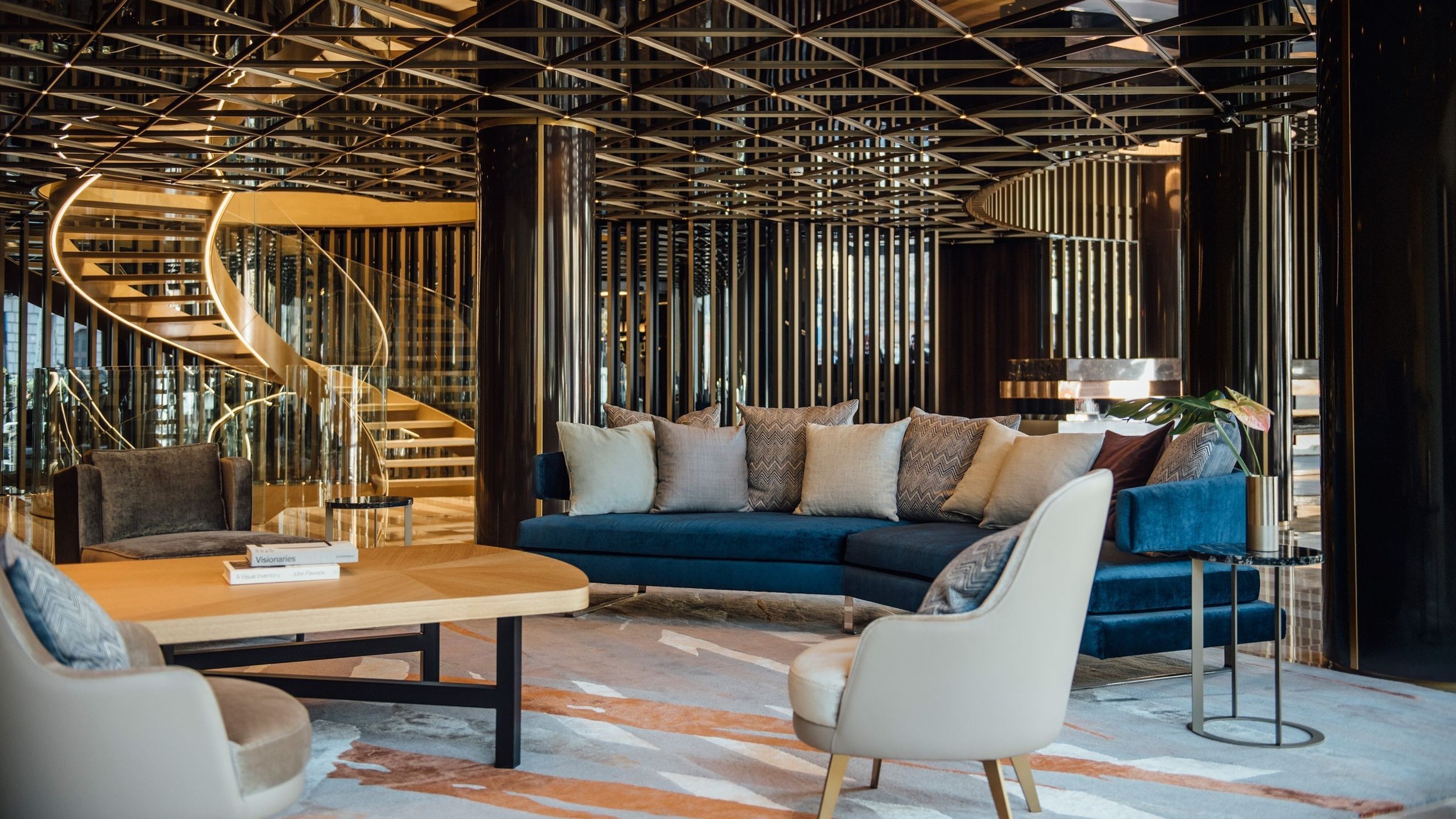
Vibrant and stylish with ocean-themed modern decor, spacious lobby, and lively poolside atmosphere.
Tags
Vibe
Best For
Experience
Amenities
View
Accessibility
About the Stay
- Rooms
- 473
- Property Style
- Sailboat Shaped Iconic Beachfront Landmark with Upscale Contemporary Luxury.
- Design Style
- Modern Sail Inspired Architecture with Ocean Themed Vibrant Interiors.
Know before you go
Know Before You Go
- Getting there
- Plaça Rosa Del Vents 1, Final, Pg. de Joan de Borbó, Ciutat Vella, 08039 Barcelona
Planning details
Location
Plaça Rosa Del Vents 1, Final, Pg. de Joan de Borbó, Ciutat Vella, 08039 Barcelona · Directions
marriott.com/en-us/hotels/bcnwh-w-barcelona/overview/?scid=f2ae0541-1279-4f24-b197-a979c79310b0
Recognition and awards

Also consider
Where to look if this is not the right fit
If W Barcelona feels too large or too social, cross-shop Wittmore Hotel Barcelona for a quieter stay or Serras Barcelona for a more central urban base. If the trip needs more space and flexibility, Arai Aparthotel Barcelona is the practical backup.
Hotel context
How W Barcelona compares in Barcelona
Choose W Barcelona over Soho House Barcelona if the priority is a larger waterfront hotel with a more open, resort-like feel. Soho House Barcelona is the better fit for travelers who want a clubby, city-center mood, while W Barcelona is stronger for beach time, celebratory weekends, and stays where the hotel setting matters as much as the room.
Serras Barcelona and Wittmore Hotel Barcelona are the smarter cross-shops for a quieter, more intimate city stay. Serras Barcelona gives you a more central urban base, while Wittmore Hotel Barcelona is better for adults seeking a lower-key atmosphere. W Barcelona wins on scale and seaside energy, not discretion.
Hotel Miramar Barcelona is the closest comparison for guests who want views and space without being deep in the old city. Arai Aparthotel Barcelona is the practical alternative for longer stays or travelers who want apartment-style flexibility. If booking ease matters, W Barcelona is the lower-friction choice in this set.
Around this place
Discover more on Pearl
Unlock the full W Barcelona guide in Pearl, including awards, comparisons, FAQs, planning details, and nearby places.
Compare W Barcelona
| Venue | Location | Awards |
|---|---|---|
| W Barcelona | Barcelona | 2026 Virtuoso Luxury Hotel Collection2025 Michelin Selected Hotels |
| Soho House Barcelona | Barcelona | 2026 Mr & Mrs Smith Luxury Hotels2026 La Liste Top Hotels2025 Michelin 1 Key2024 Michelin 1 Key |
| Serras Barcelona | Barcelona | 2026 Forbes Recommended2026 Virtuoso Luxury Hotel Collection2026 Mr & Mrs Smith Luxury Hotels2026 La Liste Top HotelsWorld Luxury Hotel Awards 20252025 Michelin 1 Key2025 Forbes RecommendedPreferred Hotels Member 20252024 Michelin 1 Key |
| Hotel Miramar Barcelona | Barcelona | 2026 Robb Report The 50 Greatest Luxury Hotels on Earth2025 Michelin Selected HotelsPreferred Hotels L.V.X. Collection 2025 |
| Wittmore Hotel Barcelona | Barcelona | 2026 Mr & Mrs Smith Luxury Hotels2026 La Liste Top HotelsSmall Luxury Hotels Member 20252025 Michelin 1 Key2024 Michelin 1 Key |
| Arai Aparthotel Barcelona | Barcelona | No published awards |







How W Barcelona compares with similar nearby venues.
FAQ
Frequently Asked Questions
Is W Barcelona family-friendly?
If traveling with children, contact W Barcelona directly to confirm room setup, services, and any age-related details. For other Barcelona hotel options to research, consider Serras Barcelona or Wittmore Hotel Barcelona.
How is the pool and spa at W Barcelona?
The MICHELIN Guide selected W Barcelona for hotels in 2025, which is a useful recognition signal, but guests should check the hotel directly for current facilities and access. Hotel Miramar Barcelona is another Barcelona hotel to compare when researching stay style.
How does W Barcelona compare to other hotels?
W Barcelona is a recognized Barcelona hotel with MICHELIN Guide hotel selection in 2025 and Virtuoso Luxury Hotel Partner status for 2026. Soho House Barcelona, Wittmore Hotel Barcelona, Serras Barcelona, Hotel Miramar Barcelona, and Arai Aparthotel Barcelona are other Barcelona hotels to research depending on the type of stay you want.
Is W Barcelona good for business travel?
W Barcelona's Virtuoso Luxury Hotel Partner 2026 status may be relevant for travelers booking through luxury travel advisors, but business-specific needs should be confirmed directly with the hotel. Wittmore Hotel Barcelona is another Barcelona option to compare.
How is the dining at W Barcelona?
Treat dining as a detail to verify directly with W Barcelona before making plans around it. If food is a major part of the trip, compare current hotel and restaurant information across Barcelona, including Serras Barcelona, and check official channels for the latest details.
Which room category is best at W Barcelona?
The best choice will depend on current availability and the details W Barcelona confirms for your dates. If you want to compare a different Barcelona hotel format, Arai Aparthotel Barcelona is another option to research.