
Hotel in Bangkok, Thailand
AMAN Nai Lert
150Pearl PointsHeritage Garden Sanctuary

About AMAN Nai Lert
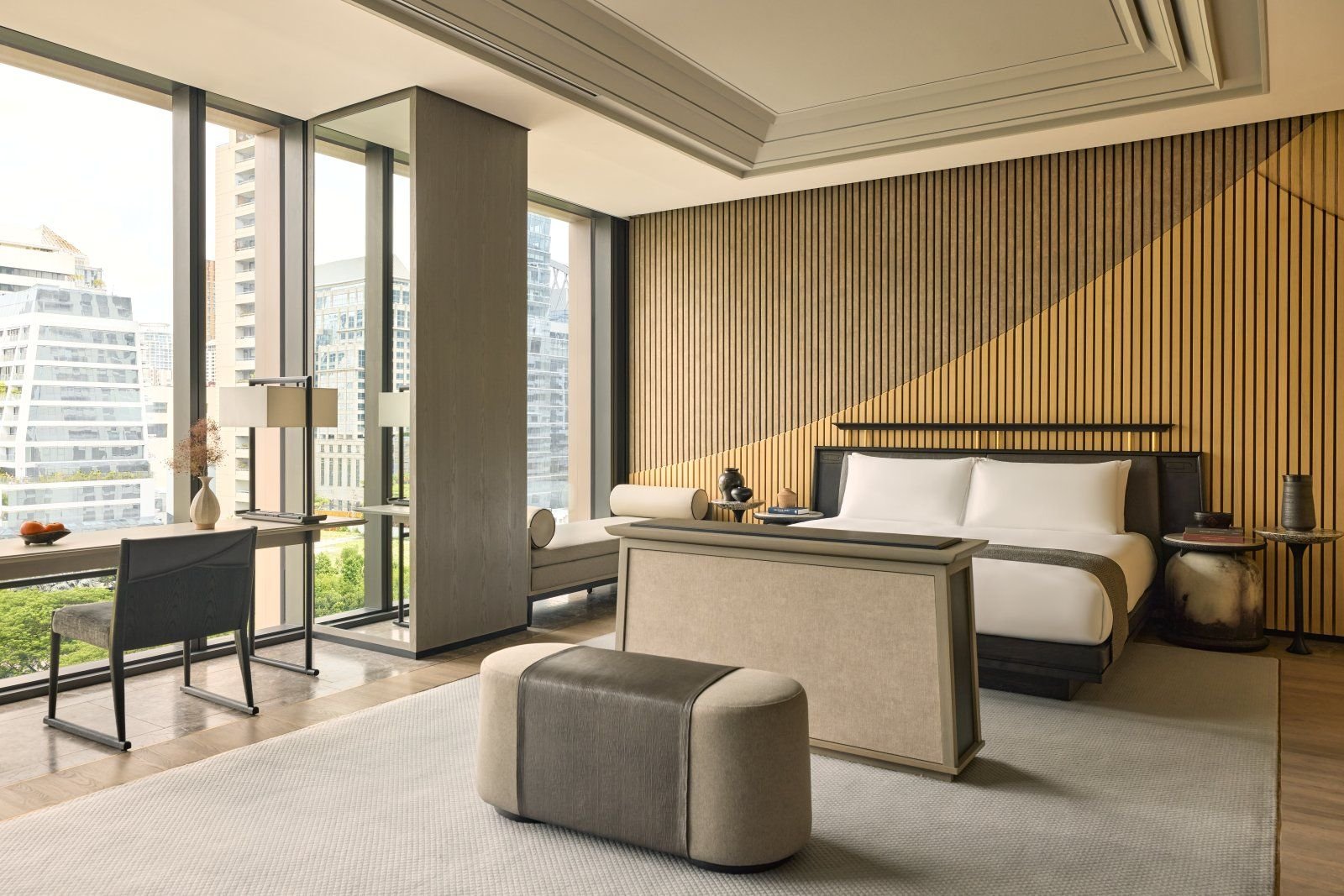
AMAN Nai Lert occupies a historic Bangkok estate that long predates the city's current luxury hotel glut, placing it in a different category from the tower-based properties that define the Sukhumvit and riverside scenes. The property brings the Aman Group's low-key, architecture-forward approach to a garden setting that is rare at this density in central Bangkok. For travellers already familiar with <a href="https://joinpearl.co/hotels/amanpuri-phuket-hotel">Amanpuri in Phuket</a>, the Bangkok outpost delivers a coherent brand logic in a very different urban context.
A Garden Estate in a City Built for Towers
Bangkok's premium hotel market has split, over the past decade, into two broadly legible camps. The first is the riverside or high-rise urban hotel: grand lobbies, panoramic floors, and a design language that borrows from the city's skyline ambitions. The Mandarin Oriental Bangkok, the Capella Bangkok, and the Four Seasons Bangkok at Chao Phraya River all operate within that logic, placing the spectacle of the river or the city at the centre of the guest experience. The second camp is smaller, quieter, and far harder to pull off convincingly in a capital that moves at Bangkok's pace: the garden estate hotel, where the point is not the view outward but the world created within.
AMAN Nai Lert belongs firmly to the second camp. The property occupies the grounds of the Nai Lert estate in the Wireless Road corridor, a stretch of central Bangkok that has housed embassies, consulates, and old-money family compounds long enough to retain a tree canopy and a sense of scale that newer developments cannot replicate. That physical inheritance is the starting point for everything the property does architecturally and experientially.
Design as Inheritance
The Aman Group has built its international reputation on a specific architectural discipline: work with the site's existing character rather than overwrite it, keep the key count low enough that the property never feels populated, and let material quality carry more weight than surface decoration. That approach, visible at Amanpuri in Phuket since 1988, translates at AMAN Nai Lert into an engagement with the estate's mature gardens and heritage structures rather than a ground-up build with imported references.
In a Bangkok context, this matters for a specific reason. The city's luxury hotel architecture has become increasingly vertical and increasingly international in its references. Properties like the Park Hyatt Bangkok and the Rosewood Bangkok deliver polished, cosmopolitan environments that could, with small adjustments, sit in Dubai or Singapore. AMAN Nai Lert's design argument is different: the Bangkok-ness of the property is the product, not the backdrop. The mature trees, the humidity-softened light through garden foliage, the horizontal scale of the estate, these are the things you are paying for, and none of them can be reproduced in a tower.
The Wireless Road Context
Wireless Road and the surrounding Ploenchit corridor occupy a specific position in Bangkok's spatial hierarchy. This is not the chaotic, vendor-dense Bangkok of tourist imagination, nor is it the anonymous glass-and-steel district of newer Sukhumvit. It is a part of the city defined by diplomatic compound walls, older trees, and a pace that has historically resisted the density that defines areas further north or south. Hotels in this corridor, including the The Okura Prestige Bangkok, benefit from that relative calm, but none occupy grounds with the pre-existing heritage character of the Nai Lert estate.
For travellers arriving from the airport via expressway, the Wireless Road area offers a relatively direct approach, and the BTS Skytrain connection at Ploenchit puts the Silom district and the riverside within twenty minutes without a taxi. That practical positioning means the property is neither isolated in its calm nor remote from the city's more active dining and cultural circuits.
Where AMAN Nai Lert Sits in Its Competitive Set
Among Bangkok's top-tier hotels, AMAN Nai Lert prices and positions against a specific peer set. The The Peninsula Bangkok and the Mandarin Oriental Bangkok compete on heritage credibility and riverfront location. The Capella Bangkok and Rosewood Bangkok compete on contemporary design and food and beverage programming. AMAN Nai Lert's competitive argument is different from all of them: it is selling a specific kind of Bangkok that the others, by geography and format, cannot offer.
Within the Aman portfolio across Thailand, the property also sits differently from Amanpuri in Phuket. Amanpuri is a resort built around a coastal hillside, with pavilion architecture that is explicitly about the sea. AMAN Nai Lert is an urban property built around a garden estate, with architecture that is explicitly about the city it inhabits. Guests who have stayed at one should not arrive at the other expecting a direct translation; the brand logic is consistent but the physical experience is deliberately distinct.
For travellers considering wider Thailand itineraries, properties like Six Senses Yao Noi in Phang Nga, Phulay Bay, A Ritz-Carlton Reserve in Krabi, or Rachamankha in Chiang Mai each operate within a similar design-led, lower-key framework, though in very different regional contexts. AMAN Nai Lert makes the most sense as a Bangkok anchor within a broader Thailand trip, rather than as a standalone destination.
Planning a Stay
The property's Wireless Road address places it in one of the more accessible parts of central Bangkok for both business and leisure travellers. The Aman brand's general booking approach applies here: direct reservations through the Aman website typically provide the most complete access to room categories and any current offers, and given the low key count that characterises Aman properties globally, lead time matters more here than at larger-inventory competitors. The Hansar Bangkok in Pathum Wan represents the closest alternative in the immediate neighbourhood for travellers who find availability constrained.
For broader Bangkok hotel context and how the property fits into the city's wider dining and hospitality scene, the EP Club Bangkok guide covers the full range of options across neighbourhoods and price tiers.
Frequently Asked Questions
- What kind of setting is AMAN Nai Lert?
- AMAN Nai Lert occupies the grounds of the historic Nai Lert estate on Wireless Road in central Bangkok. Unlike the riverside and high-rise hotels that define much of the city's luxury hotel market, it operates as a low-density, garden-focused property with mature trees and horizontal scale that is rare at this address. Travellers looking for a quieter, more architecturally grounded Bangkok base should note that the Wireless Road corridor also connects conveniently to the BTS Skytrain network.
- Which room offers the leading experience at AMAN Nai Lert?
- Without specific room-category data from the venue, a general principle holds across Aman properties: garden-facing or estate-facing accommodations typically deliver the most distinctive experience, since the landscape is the core design argument of the property. Rooms that maximize the sense of enclosure within the grounds are likely to differentiate most clearly from what comparable Bangkok hotels offer. Confirming specific categories directly with the property at booking is advisable.
- What is AMAN Nai Lert known for?
- The property is known for bringing the Aman Group's architecture-forward, low-key-count approach to a historic Bangkok estate, a combination that has no direct equivalent among the city's other top-tier hotels. The Nai Lert estate's garden setting and heritage character position it outside the riverfront and tower-hotel categories that otherwise dominate Bangkok's luxury accommodation market.
- What's the leading way to book AMAN Nai Lert?
- The most reliable approach is to book directly through the Aman website, which typically provides access to the full room inventory and current package options. Given the low key count that is standard across Aman properties globally, booking well in advance is advisable, particularly during Bangkok's dry season from November through February, when demand for the city's premium hotels is at its highest.
- What should I know before visiting AMAN Nai Lert?
- The property sits in the Wireless Road and Ploenchit area, a part of central Bangkok that is calmer and more tree-lined than the denser Sukhumvit corridor to the north. The BTS Ploenchit station provides access to the wider city without relying on taxis in traffic. Travellers who have stayed at other Aman resorts in Thailand, such as Amanpuri in Phuket, should expect a deliberately different environment: urban, garden-centred, and calibrated to the specific character of Bangkok rather than to a coastal or resort setting.
- How does AMAN Nai Lert compare to other design-led Bangkok hotels for guests who prioritize outdoor space?
- Among central Bangkok's top-tier properties, the Nai Lert estate's mature garden grounds give AMAN Nai Lert a physical advantage that is difficult for competitors to replicate. Properties like the The Siam also occupy older, more characterful Bangkok sites, but the Aman property's specific combination of estate heritage, low key count, and the brand's consistent spatial discipline places it in a distinct position for guests whose primary preference is for outdoor volume and architectural restraint over lobby spectacle or river views.
Location
1 Soi Somkid, Lumphini, Pathum Wan, Bangkok 10330, Thailand
Bangkok, Thailand
Recognized By

Explore Bangkok
Save or rate AMAN Nai Lert on Pearl
Keep this venue in your Pearl passport, rate it after you visit, and track it alongside every other place you collect.