
Agroturismo Llucasaldent Gran
Alaior, Balearic Islands
Hotel in Balearic Islands, Spain
 Book with Pearl
Why go
Book Agroturismo Llucasaldent Gran if you want a quieter Minorca base and the seasonal rate feels fair for a rural hotel stay. The MICHELIN Guide hotel selection is a useful quality signal, but the strongest fit is couples or repeat Balearic travelers with a car, not guests who need city-style convenience or heavy business facilities.
About Agroturismo Llucasaldent Gran
Agroturismo Llucasaldent Gran is a property in the Balearic Islands with MICHELIN Guide, Hotels Selected recognition for 2025. For planning, start with the basics: confirm current rates, room details, amenities, and access directly with the property before booking.
A Balearic Islands stay with MICHELIN Guide recognition
Agroturismo Llucasaldent Gran’s inclusion in the MICHELIN Guide hotel selection can be useful for travelers comparing stays in the Balearic Islands, but it should be treated as a quality indicator rather than a substitute for checking the practical details that matter for a specific trip.
Before assuming a particular format or level of service, contact the venue or check its official booking channels for the latest information on services, amenities, room categories, dining, transportation, and on-property facilities.
When the rate makes sense
Agroturismo Llucasaldent Gran may be worth considering if its current price, location in the Balearic Islands, and MICHELIN Guide hotel-selection status fit your trip. The key comparison is not a claimed amenity list, but whether the property's current offering matches the stay you want.
For broader trip planning, use our full Balearic Islands hotels guide, then pair the stay with our full Balearic Islands restaurants guide, our full Balearic Islands bars guide, our full Balearic Islands wineries guide, and our full Balearic Islands experiences guide.
Planning details
- Location
- Carretera de Son Bou Km. 2.4, Minorca, Spain
- Website
- llucasaldentgranmenorca.com/en
- Phone
- +34636974048; +34650505450
The take
The Take
The Vibe
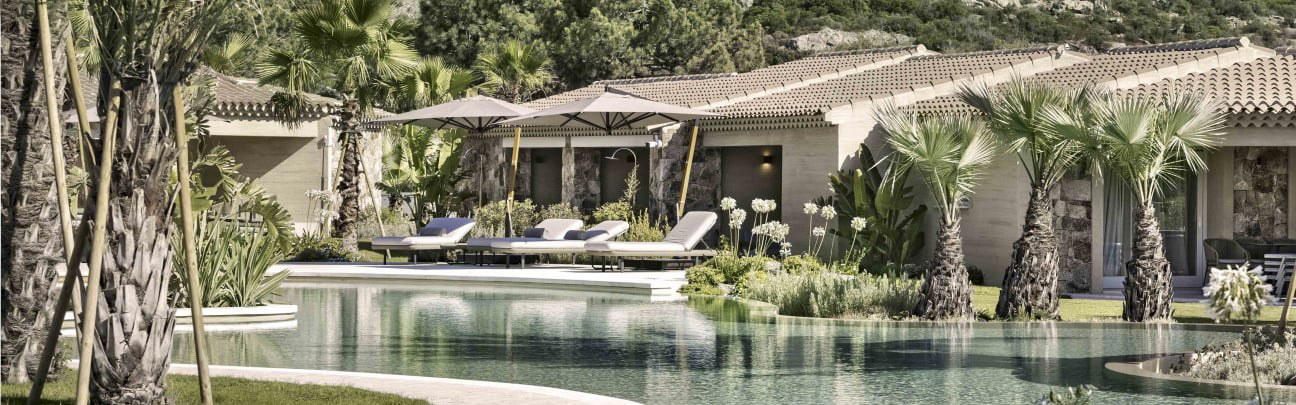
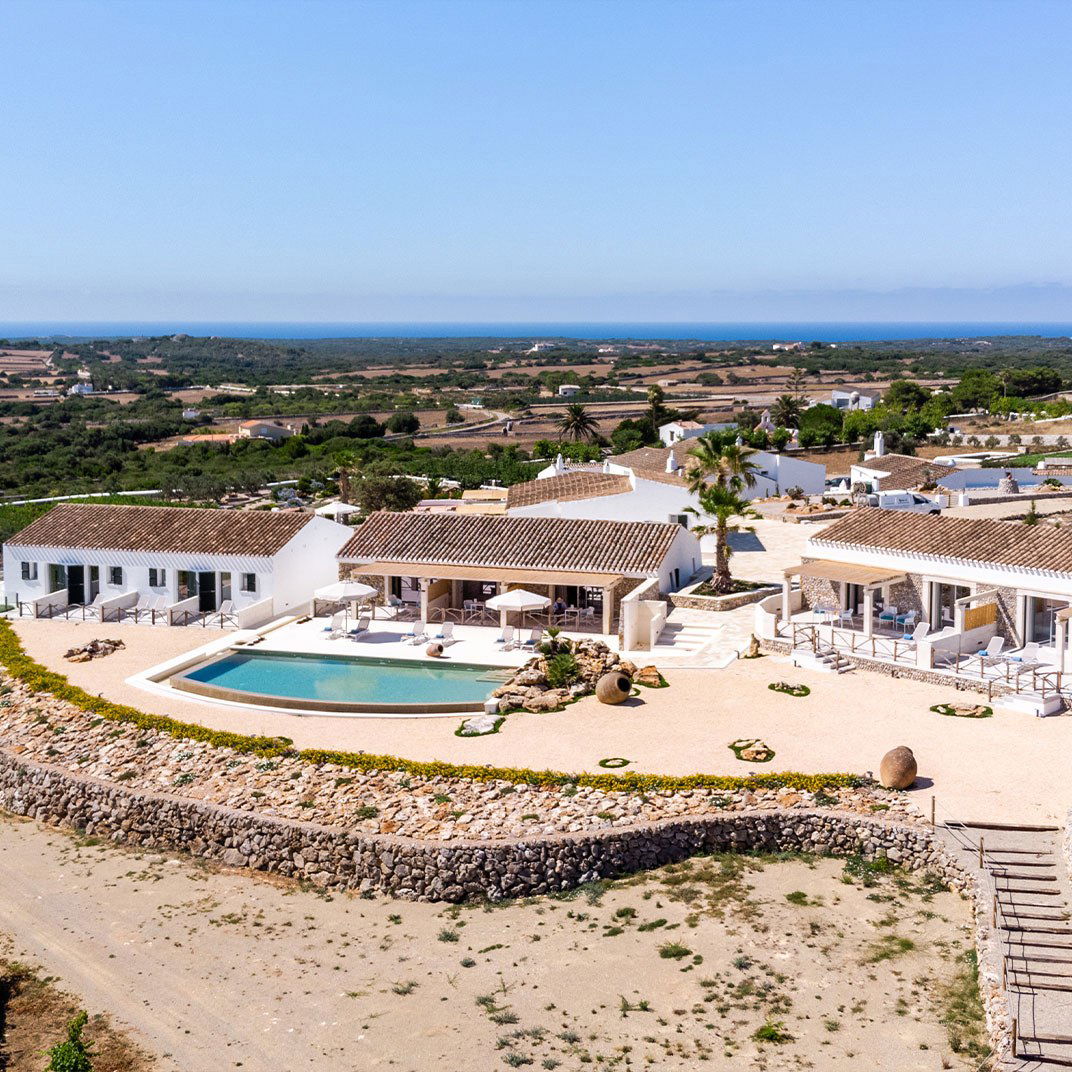
Agroturismo Llucasaldent Gran reads as a quietly rural retreat rooted in Minorca's agricultural traditions. The property sits off the main coastal corridor on the road between Alaior and Son Bou, and the surrounding working countryside gives the place an authentic, unpolished character. Rather than leaning into the slick resort look common on nearby islands, it embraces the finca-style agroturismo model: architecture and setting that foreground farming heritage and the rhythms of rural life. The overall impression is calm and understated — an island stay that favors the interior landscape and a sense of place over beachfront spectacle.
Best For
This is a choice for travelers who prefer the island's interior over its busiest beaches. Guests seeking a quieter, more agricultural experience on Minorca—people who value authenticity and countryside rhythms—find this agroturismo appealing. Its location away from the resort cluster around Son Bou means fewer crowds and a base that reads like working land rather than a coastal vacation hub. Inclusion in the Michelin Selected Hotels list signals reliable standards of accommodation, so visitors looking for a modestly elevated rural stay with genuine local character are well served here.
Venue details
Ambiance
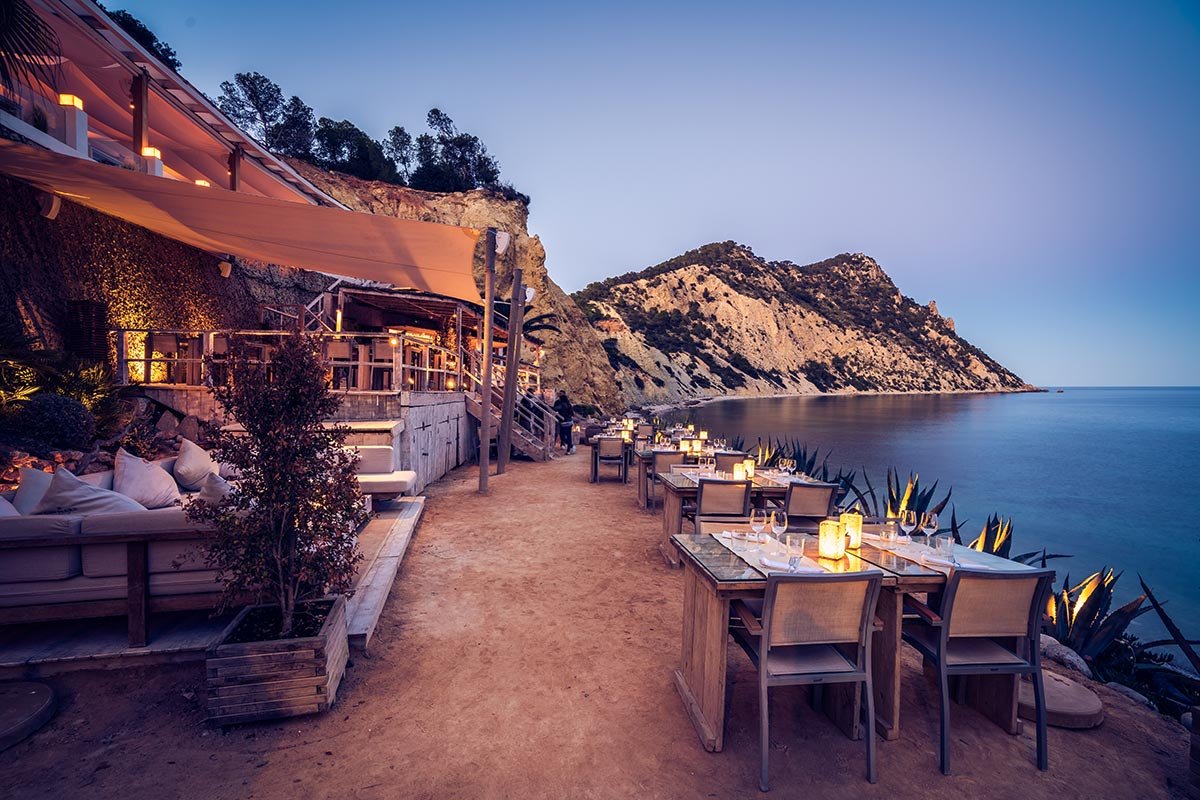
Serene and tranquil rural retreat with natural lighting, panoramic countryside and sea views from terraces, and a peaceful atmosphere emphasizing relaxation and wellness amid olive trees and vineyards.
Tags
Vibe
Best For
Experience
Amenities
View
About the Stay
- Rooms
- 12
- Property Style
- Rustic Chic Agritourism Finca Blending Menorcan Tradition with Modern Luxury
- Design Style
- Elegant Natural Decor with Artisanal Olive Wood Furnishings and Serene Terraces
Know before you go
Know Before You Go
- Getting there
- Carretera de Son Bou Km. 2.4, Minorca, Spain
Planning details
Location
Carretera de Son Bou Km. 2.4, Minorca, Spain · Directions
Recognition and awards
Explore Balearic Islands
Around this place
Discover more on Pearl
Unlock the full Agroturismo Llucasaldent Gran guide in Pearl, including awards, comparisons, FAQs, planning details, and nearby places.
FAQ
Frequently Asked Questions
Do loyalty programs work at Agroturismo Llucasaldent Gran?
Agroturismo Llucasaldent Gran is in the Balearic Islands and is listed by the MICHELIN Guide as Hotels Selected for 2025. Check the property's official channels for current booking and benefits information.
Which room category is best at Agroturismo Llucasaldent Gran?
Choose based on the current descriptions, availability, and policies shown by the property or booking channel, and confirm any specific needs before reserving.
How is the pool and spa at Agroturismo Llucasaldent Gran?
How does Agroturismo Llucasaldent Gran compare to nearby hotels?
A point of distinction is its MICHELIN Guide, Hotels Selected recognition for 2025 in the Balearic Islands. For any comparison beyond that, check current rates, amenities, policies, and location details directly against other Balearic Islands hotels.