

The Ritz-Carlton, Baku
Baku City Center, Baku
Hotel in Baku, Azerbaijan
 Book with Pearl
The Read
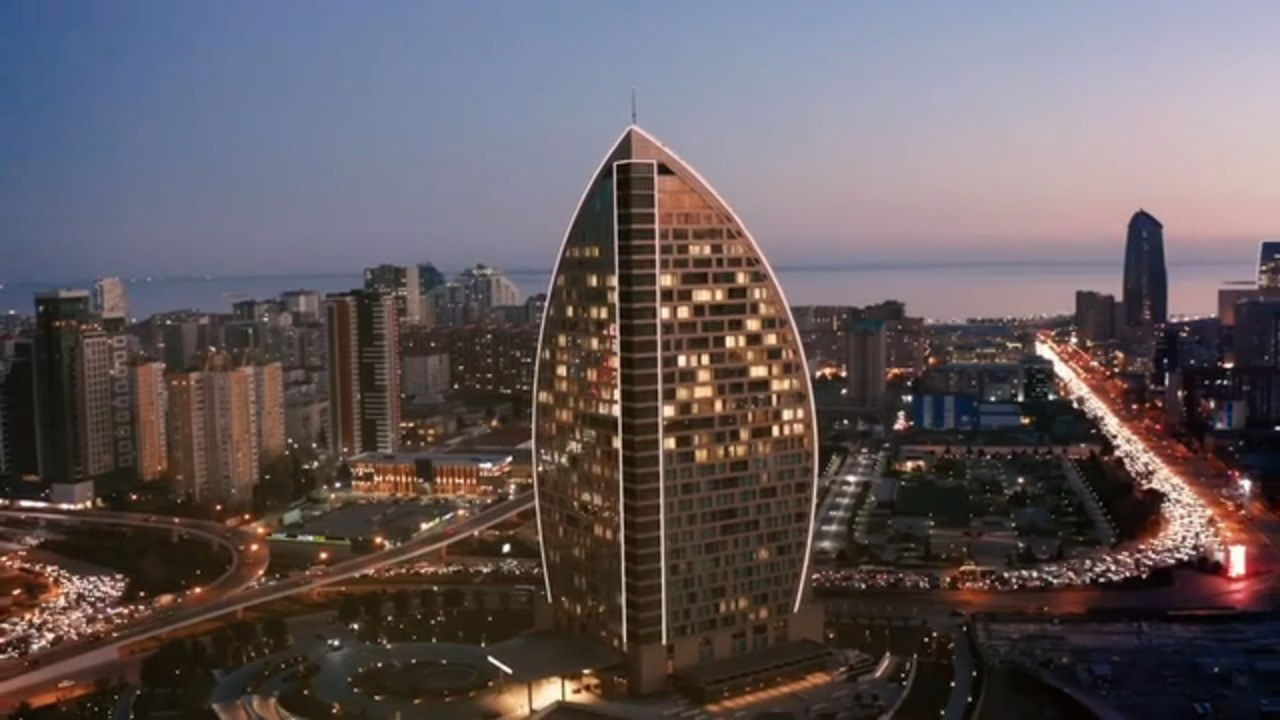
Old City, New Tower
Why go
Book The Ritz-Carlton, Baku if you want a high-assurance luxury base in the Nasimi District with Marriott International backing, Michelin 1 Key recognition, and a Forbes 4-Star rating. It is a stronger fit for business travel and polished city stays than for guests chasing boutique character or a clearly spa-first hotel.
About The Ritz-Carlton, Baku
Baku has several hotel options to compare, and The Ritz-Carlton, Baku is worth prioritizing if the decision is about a hotel stay with a formal dress code and clear third-party recognition. If the goal is a different style of hotel, the smarter move may be another option in the city.
The strongest reason to choose it is confidence. In a market where multiple hotels compete for attention, this one has Michelin 1 Key recognition and a Forbes 4-Star rating. That combination makes it easier to justify for travelers who want a Baku stay supported by external recognition.
Choose it for a recognized Baku base, not a bargain play
This is the right booking when recognition matters more than guesswork. The hotel is in Baku, which suits guests planning a stay in the city. For a broader scan of Baku hotel options, compare your shortlist before locking in dates.
Approach planning with discipline: book this for its recognition and formal dress code, not on an assumed checklist. If specific facilities or services are central to the trip, confirm those details before committing to a non-refundable rate. Travelers comparing other Baku stays may also want to look at Excelsior Hotel & Spa Baku.
Where it fits against Baku hotel options
Against JW Marriott Absheron Baku, this is the more recognition-led choice. Choose The Ritz-Carlton, Baku if the trip calls for Michelin 1 Key and Forbes 4-Star credentials; cross-shop JW Marriott Absheron Baku if availability, rate, or your own booking preferences are driving the decision.
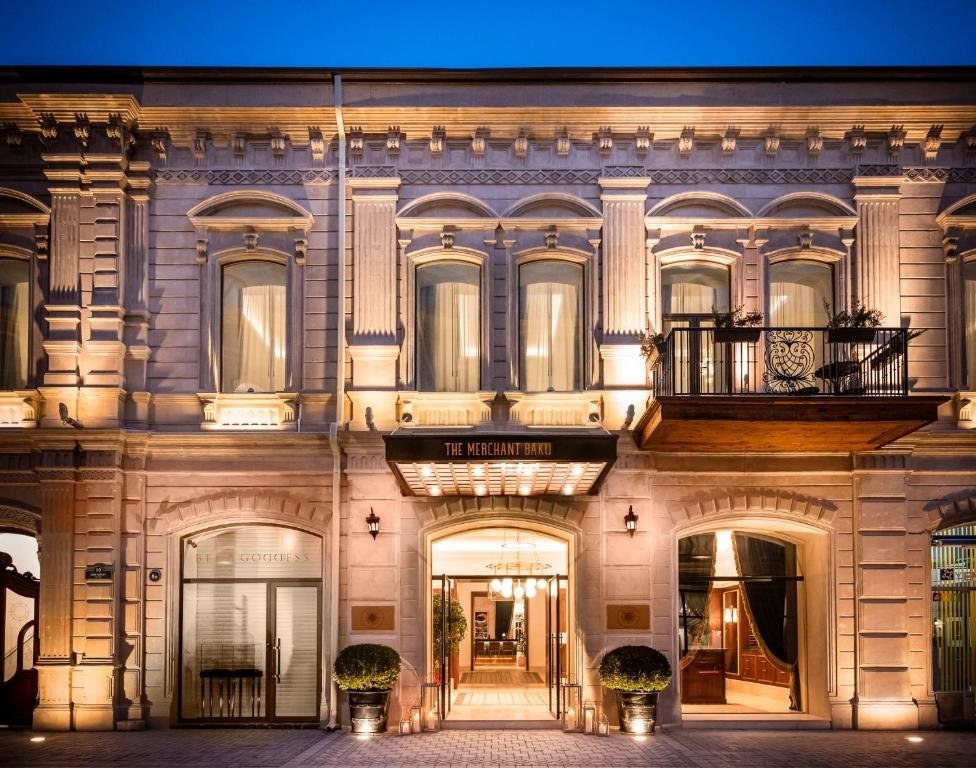
InterContinental Baku by IHG is another Baku hotel to compare. Dinamo Hotel Baku and The Merchant Baku may also belong on the shortlist for travelers weighing different hotel styles in the city.
Bottom line: book this when the trip calls for a formal Baku hotel with recognized credentials and less tolerance for guesswork. Skip it if the priority is a different hotel style or the easiest room to secure on short notice.
Part of
The Ritz-Carlton187 locations on PearlPlanning details
- Location
- Nasimi District, 3 Babek Ave, Baku 1025
- Website
- ritzcarlton.com/en/hotels/gydrz-the-ritz-carlton-baku/overview/?scid=f2ae0541-1279-4f24-b197-a979c79310b0
- Phone
- +994 12 460 77 77
The take
The Take
The Vibe
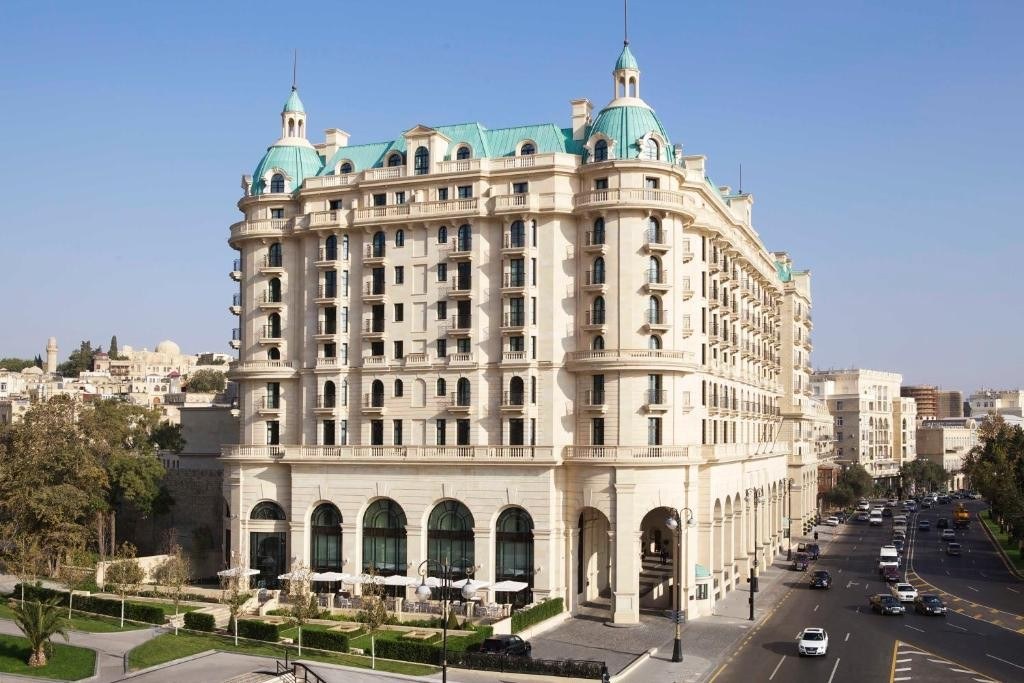
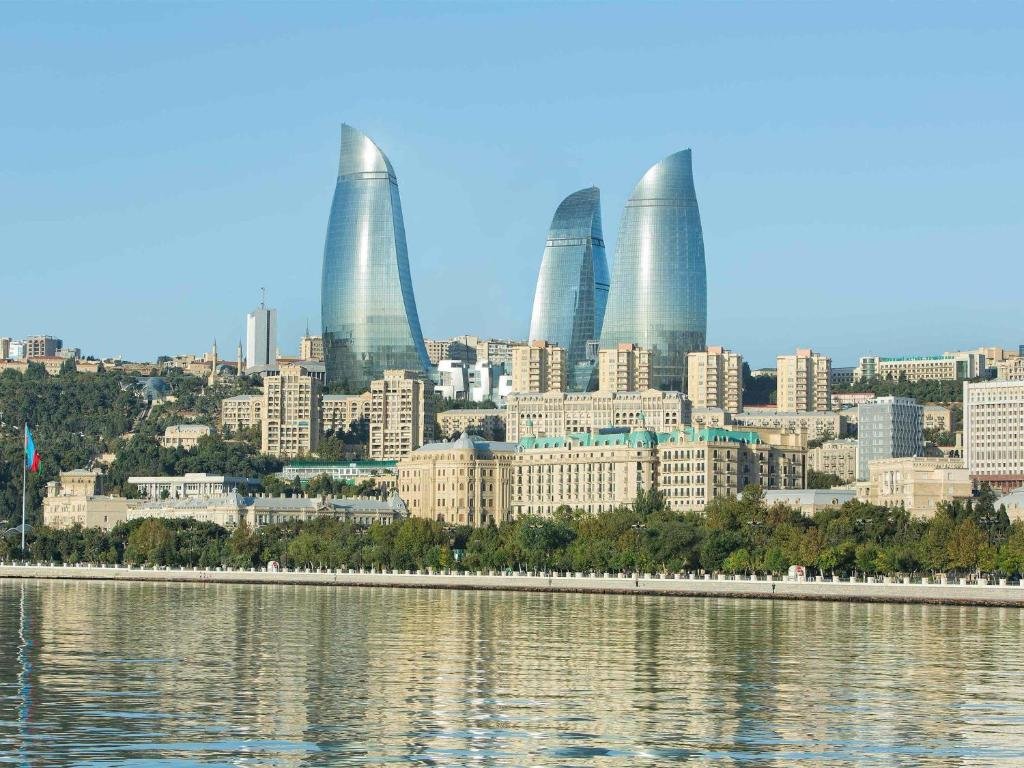
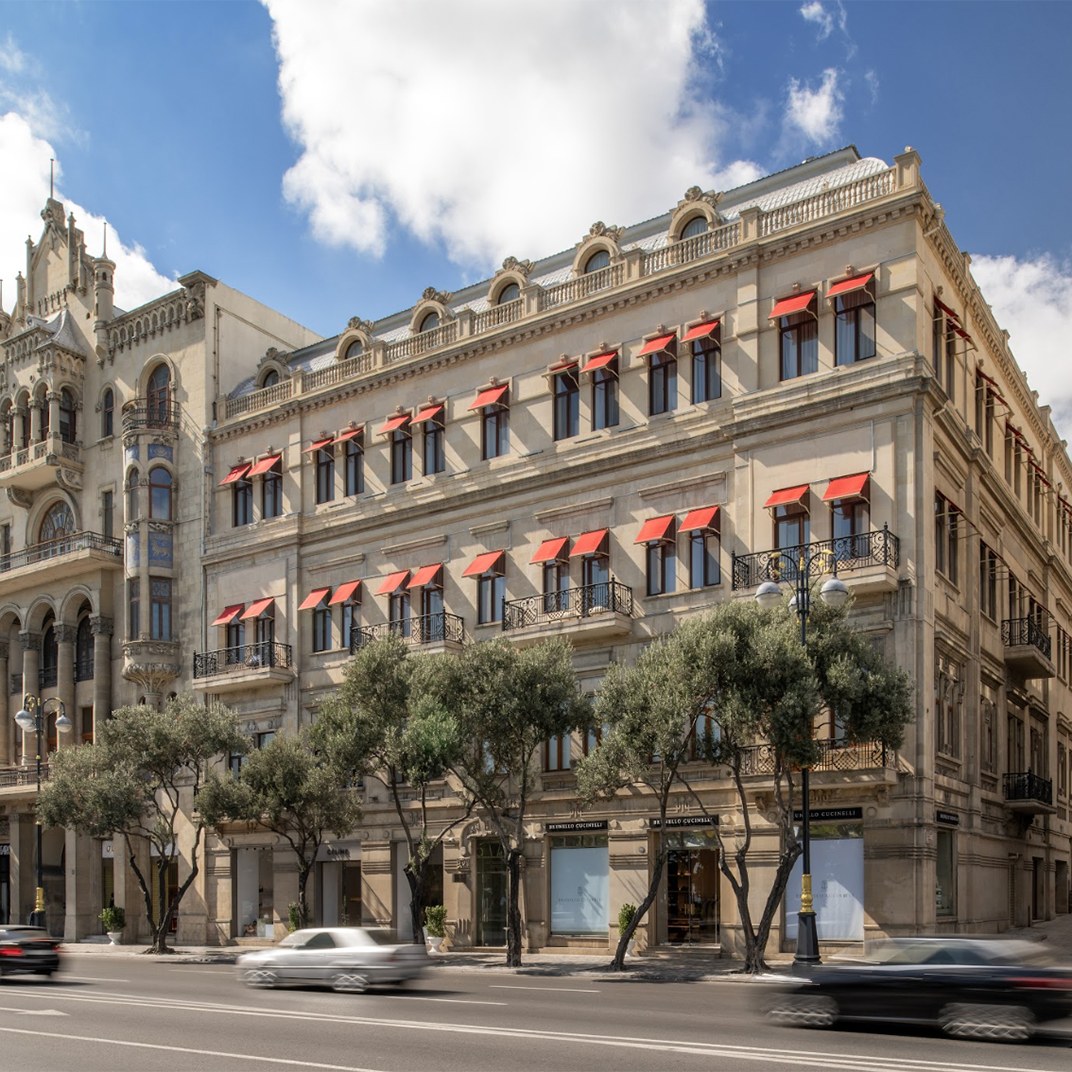
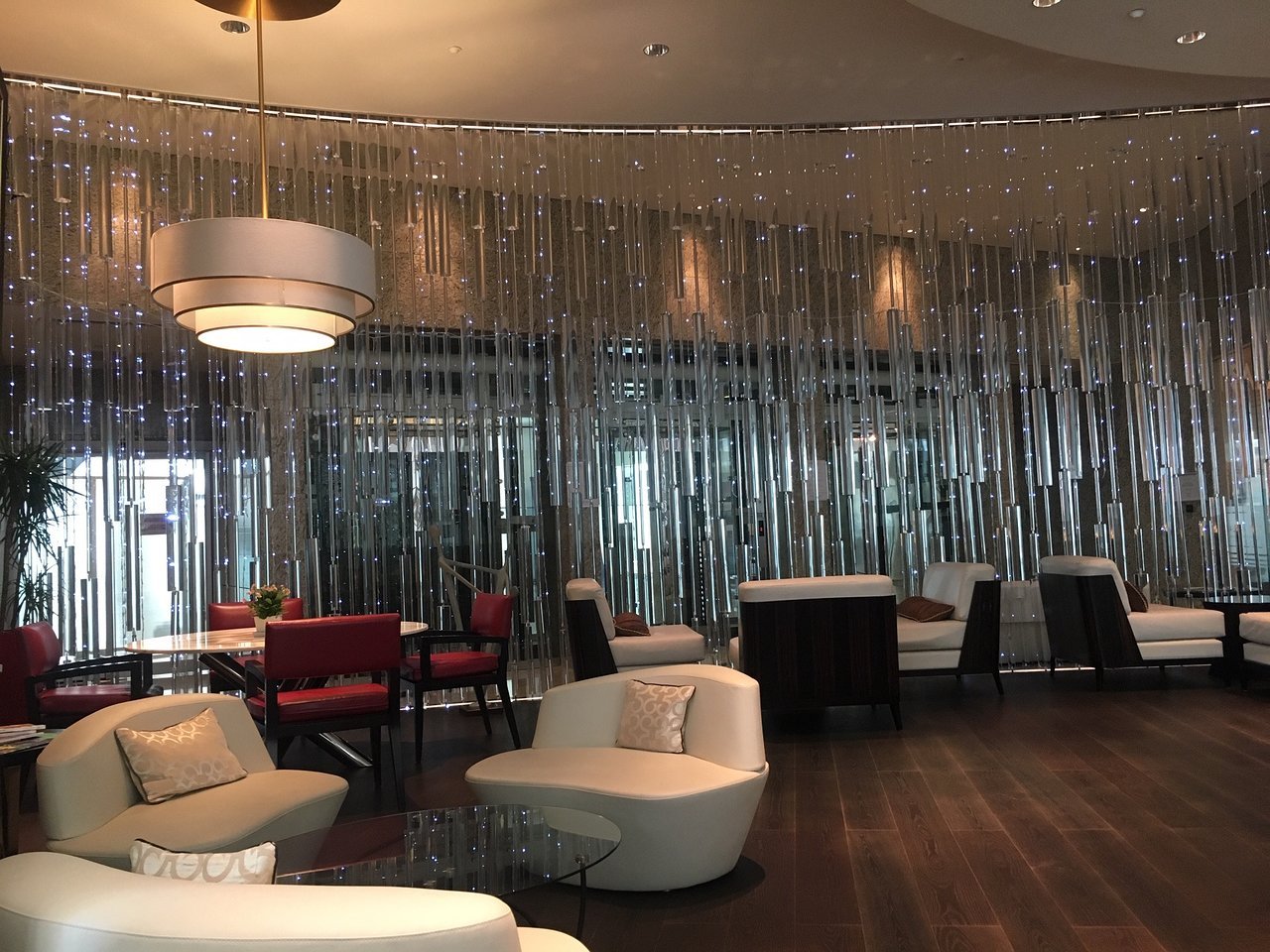
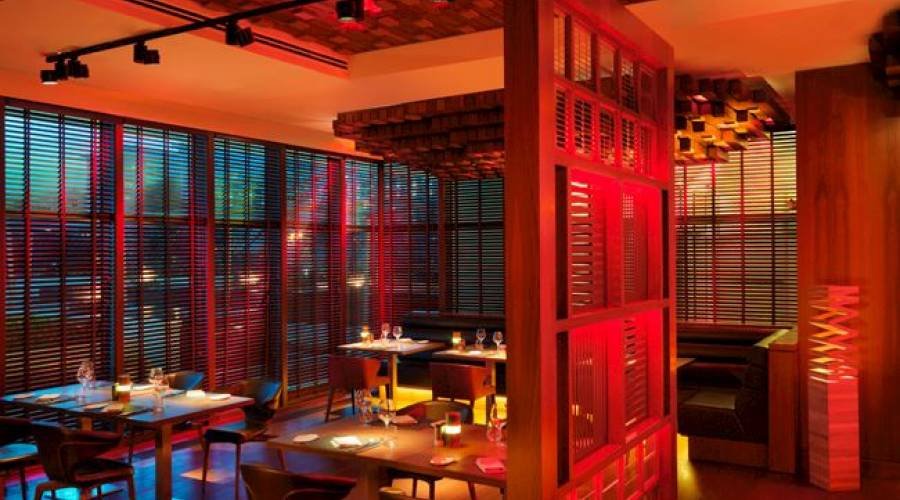
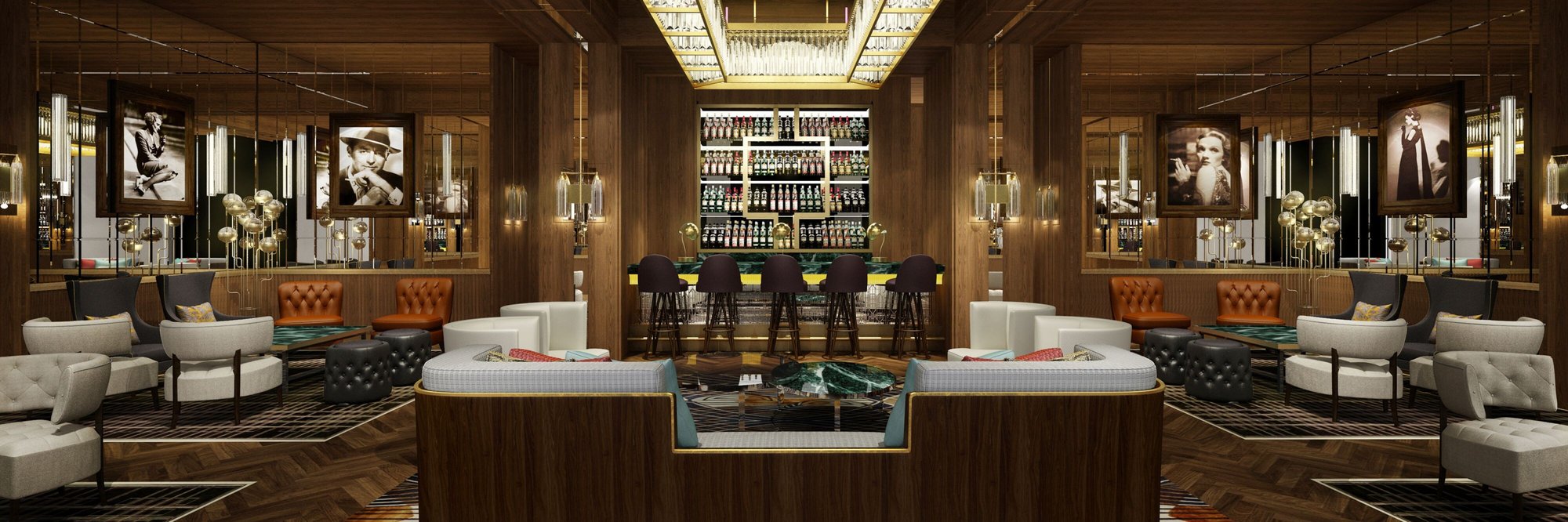
The Ritz‑Carlton, Baku presents itself as an architectural argument: a sail‑shaped tower that stakes a modern presence on Babek Avenue while speaking directly to nearby historical and contemporary anchors. Inside, the marble lobby and dark wooden spiral staircase soften the corporate exterior, and a restrained use of Azerbaijani color—turquoise, red, orange and pink—threads local reference through an otherwise neutral palette. The overall effect is controlled and intentional: a high‑end city hotel that balances international polish with discreet cultural cues, making its style feel curated rather than ostentatious.
Best For
This property suits travelers who prize architecture and urban context: business travelers seeking a polished, corporate base; couples marking anniversaries or special celebrations in an elegant setting; and visitors who want to be physically and symbolically positioned between Baku’s historic market life and its contemporary cultural landmark, the Heydar Aliyev Center. Rooms and public spaces read as design statements, so guests who appreciate considered materials and a restrained visual program will find the hotel especially rewarding as a place to stay and to orient city exploration.
Venue details
Ambiance
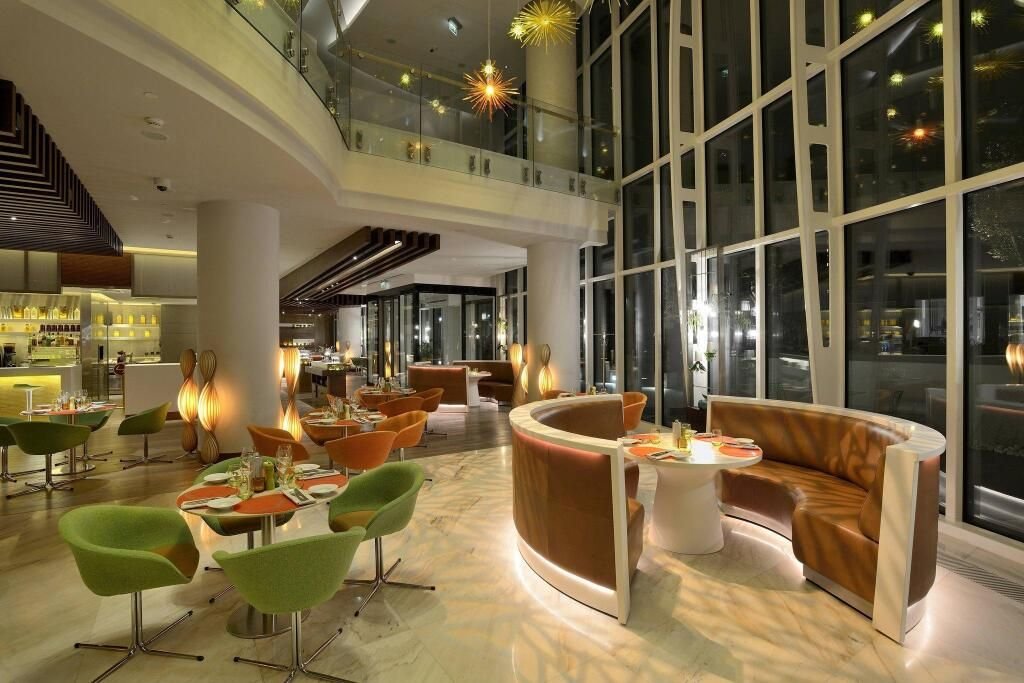
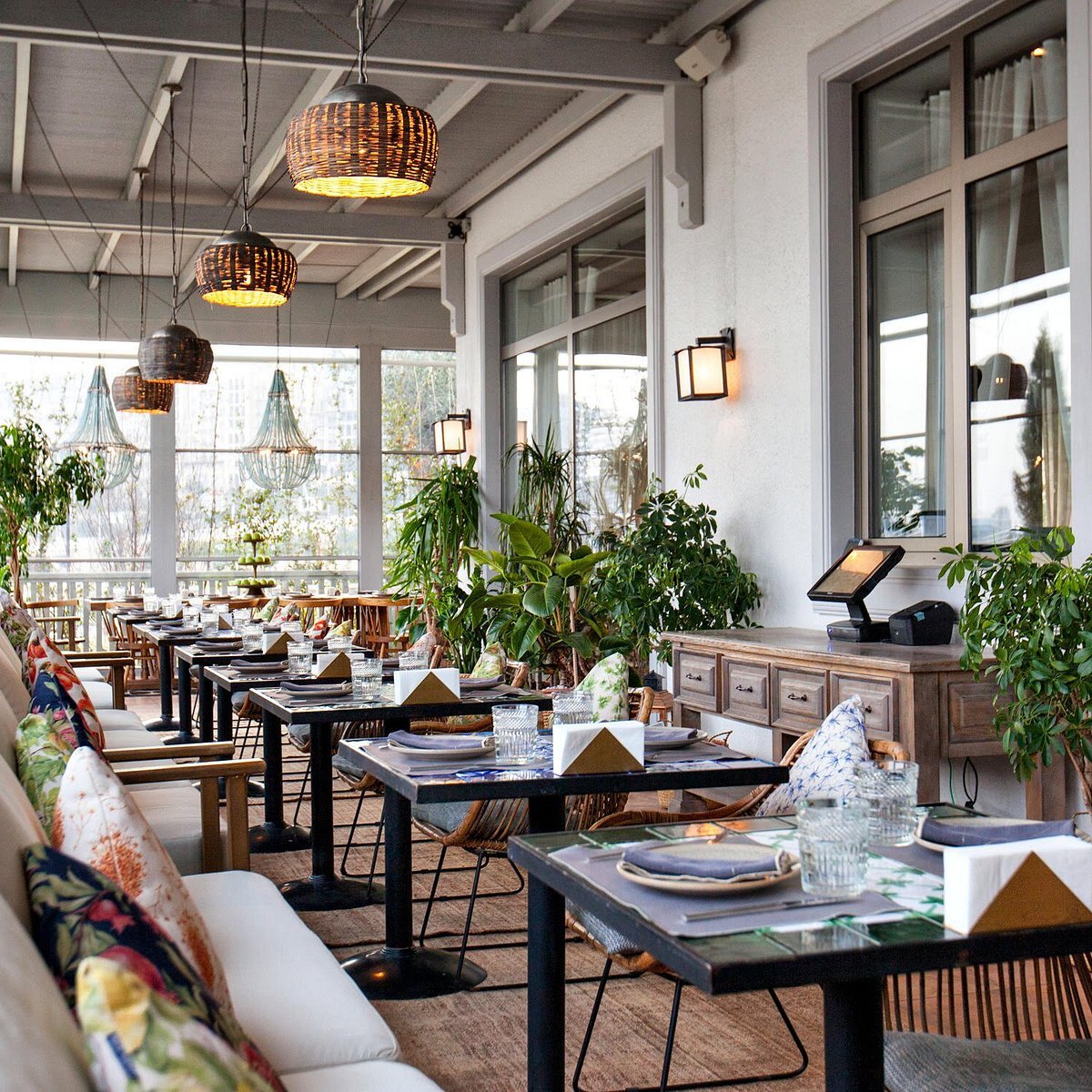
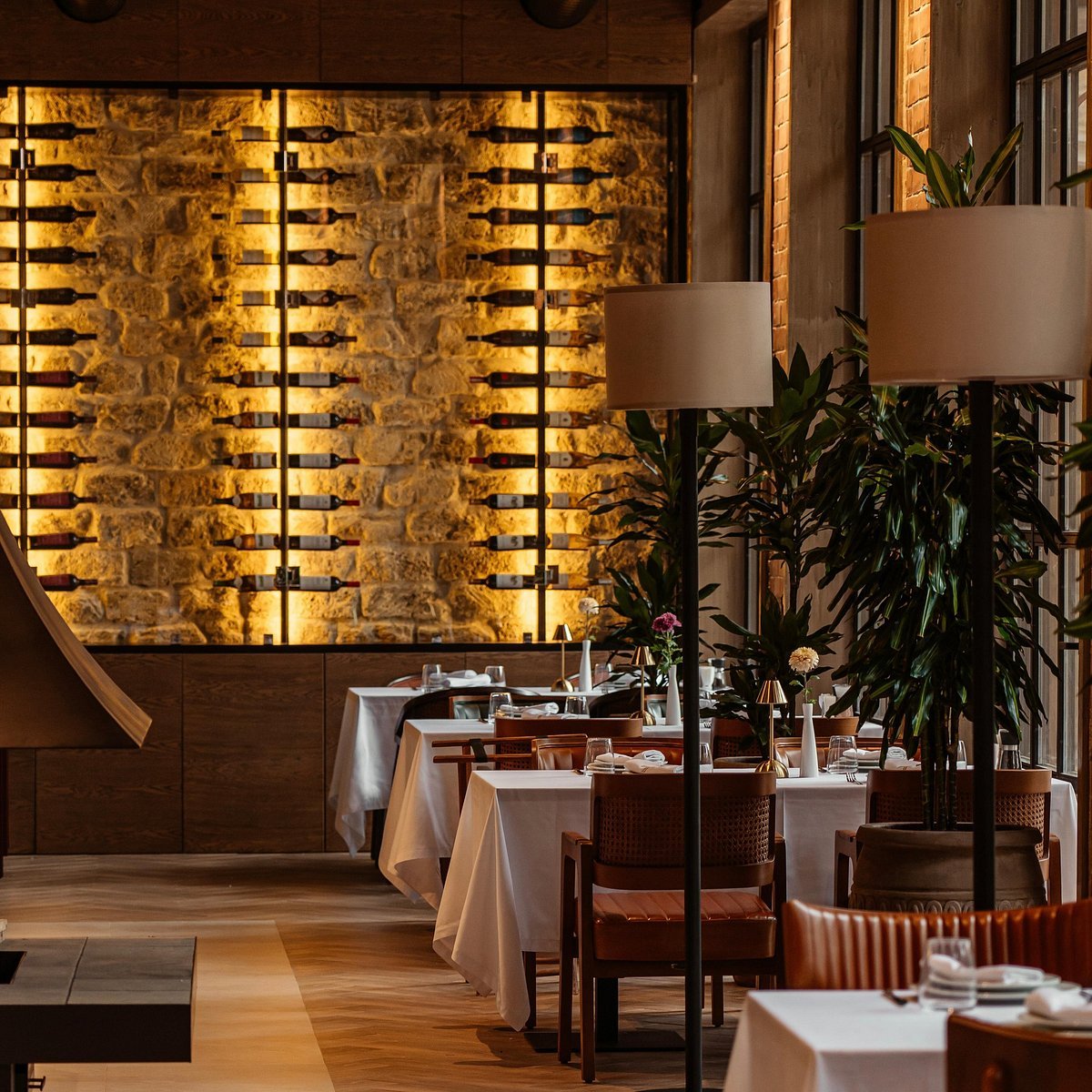
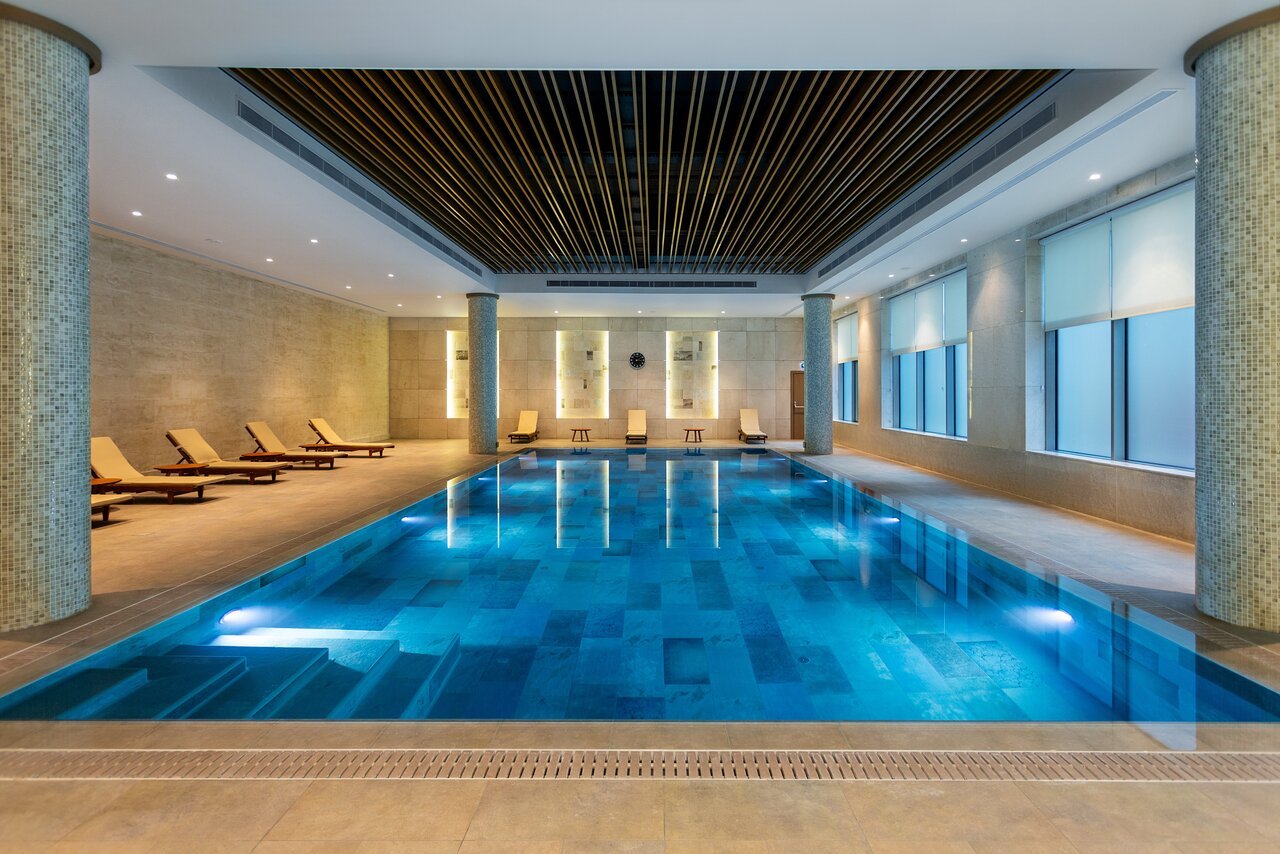
Luxurious and refined with elegant decor, sophisticated lighting, and a serene wellness-focused atmosphere enhanced by panoramic city and Caspian Sea views.
Tags
Vibe
Best For
Experience
Amenities
View
Accessibility
About the Stay
- Rooms
- 190
- Check-in
- 15:00
- Check-out
- 11:00
- Property Style
- Contemporary Luxury Palace Hotel with Azerbaijani Inspired Elegance and Modern Sophistication, Featuring World Class Wellness and Dining Facilities.
- Design Style
- Modern Elegance with Marble Bathrooms, Smart Glass Technology, Diptyque Amenities, and Exquisite Decor by Kristina Zanic Consultancy Blending Cultural Richness with Contemporary Design.
Know before you go
Know Before You Go
- Getting there
- Nasimi District, 3 Babek Ave, Baku 1025
Planning details
Location
Nasimi District, 3 Babek Ave, Baku 1025 · Directions
Recognition and awards

Also consider
If you cannot book it
Try JW Marriott Absheron Baku first if Marriott loyalty, business travel, or a similar full-service setup is the reason this hotel was on the list.
Choose Excelsior Hotel & Spa Baku if the trip is more wellness-led, or The Merchant Baku if a smaller, more character-focused Baku stay sounds more useful than big-brand polish.
Hotel context
How it compares in Baku
The Ritz-Carlton, Baku is the recognition-led pick in this set: Michelin 1 Key and Forbes 4-Star status give it a stronger luxury signal than peers with less visible third-party validation. Choose it when the stay needs to feel low-risk and polished, especially for business travel or a first Baku trip.
JW Marriott Absheron Baku is the closest cross-shop for Marriott loyalists. The Ritz-Carlton is the more luxury-coded choice; JW Marriott is the one to check if rate, availability, or a more conventional business-hotel setup matters more. InterContinental Baku by IHG is the practical alternative for IHG loyalists and travelers who want a comparable international chain without committing to Marriott.
For a different mood, Dinamo Hotel Baku and The Merchant Baku are better fits for guests who care more about boutique atmosphere than big-brand consistency. Excelsior Hotel & Spa Baku is the more obvious wellness cross-shop if spa positioning is the deciding factor.
Explore Baku
Around this place
Discover more on Pearl
Unlock the full The Ritz-Carlton, Baku guide in Pearl, including awards, comparisons, FAQs, planning details, and nearby places.
Compare The Ritz-Carlton, Baku
| Venue | Location | Awards |
|---|---|---|
| The Ritz-Carlton, Baku | Baku | 2026 Forbes 4-StarMichelin 1 Key 20252025 Michelin 1 Key2025 Forbes 4-Star |
| Excelsior Hotel & Spa Baku | Baku | No published awards |
| JW Marriott Absheron Baku | Baku | 2026 Forbes 4-Star2026 La Liste Top Hotels2025 Michelin Selected Hotels2025 Forbes 4-Star |
| Dinamo Hotel Baku | Baku | No published awards |
| InterContinental Baku by IHG | Baku | No published awards |
| The Merchant Baku | Baku | 2025 Michelin 1 Key |


How The Ritz-Carlton, Baku compares with similar nearby venues.
FAQ
Frequently Asked Questions
Do loyalty programs work at The Ritz-Carlton, Baku?
Loyalty-program details are not listed. If points, elite benefits, or corporate booking channels matter for your stay in Baku, confirm eligibility directly before booking. For another Baku hotel comparison, consider The Merchant Baku or JW Marriott Absheron Baku.
How does The Ritz-Carlton, Baku compare to Baku hotels?
Pick this if you want a recognition-led option, helped by Michelin 1 Key and Forbes 4-Star recognition. JW Marriott Absheron Baku is a comparison if you are weighing another Baku hotel, while The Merchant Baku is also worth checking if you are comparing different hotel styles. InterContinental Baku by IHG and Excelsior Hotel & Spa Baku are additional Baku hotel alternatives to compare.
How is the location of The Ritz-Carlton, Baku?
The location is Baku. Specific street, district, and landmark details are not included, so confirm the exact address through the venue's official channels before travel. If you want other Baku comparisons, consider The Merchant Baku or JW Marriott Absheron Baku.
Is The Ritz-Carlton, Baku good for business travel?
It can be a sensible business-travel pick if you want a Baku hotel with recognition. Michelin 1 Key and Forbes 4-Star status are useful trust signals if you need a recognized hotel stay. If you are comparing other Baku options, look at Dinamo Hotel Baku or The Merchant Baku as well.