
KroneLamm
Zavelstein, Bad Teinach-Zavelstein
Hotel in Bad Teinach-Zavelstein, Germany
 Book with Pearl
The Read
Dual-Register Dining Retreat
Price
$300–500per night
Why go
KroneLamm is a sensible pick for a quiet Bad Teinach-Zavelstein stay when the goal is Black Forest calm rather than a grand resort statement. Book it for couples, low-key celebrations, and town-based weekends; compare carefully if dining credentials, spa scale, or formal luxury service are the main reasons for the trip.
About KroneLamm
KroneLamm is a venue in Bad Teinach-Zavelstein. It is best approached as a local option, with the confirmed practical note that the dress code is smart casual.
Choose it for Bad Teinach-Zavelstein
Consider KroneLamm if being in Bad Teinach-Zavelstein is the priority. Confirm the specifics that matter before booking or planning a visit, including restaurant, room, pricing, hours, and service details. If you are comparing it with regional names such as Brenners Park-Hotel & Spa, Hotel Bareiss, Hotel Traube Tonbach, Schloss Eberstein, or Steigenberger Icon Europäischer Hof Baden Baden, keep the comparison focused on your own trip needs.
If the meal is central to the plan, cross-check other local options in our full Bad Teinach-Zavelstein restaurants guide and confirm current details directly with KroneLamm.
Who should book it
Good fit: guests who specifically want KroneLamm in Bad Teinach-Zavelstein and are comfortable confirming details directly. Less good fit: travelers who need details on dining format, rooms, amenities, pricing, awards, or service style before deciding. Plan for a smart casual dress code, and verify any other practical details through the venue's official channels.
Inside KroneLamm
Planning details
- Location
- Marktpl. 1, 75385 Bad Teinach-Zavelstein
- Website
- kronelamm-schwarzwald.de
- Phone
- +49 7053 92940
The take
The Take
The Vibe
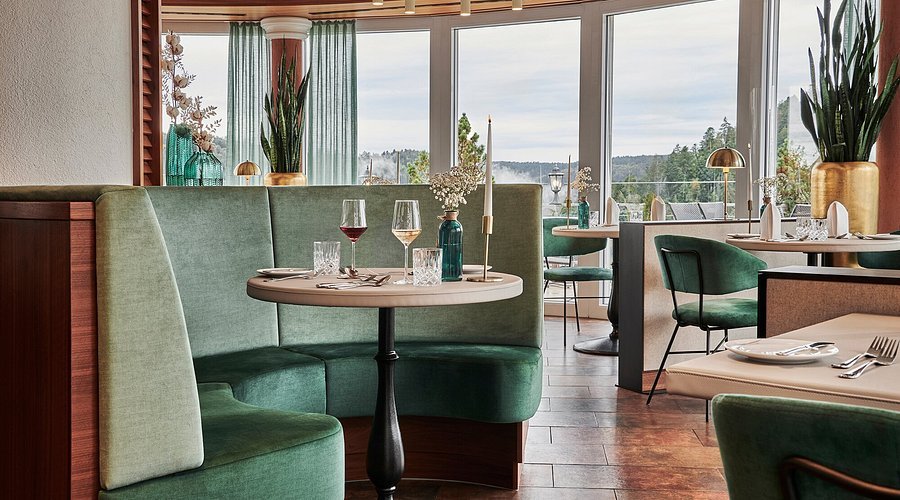
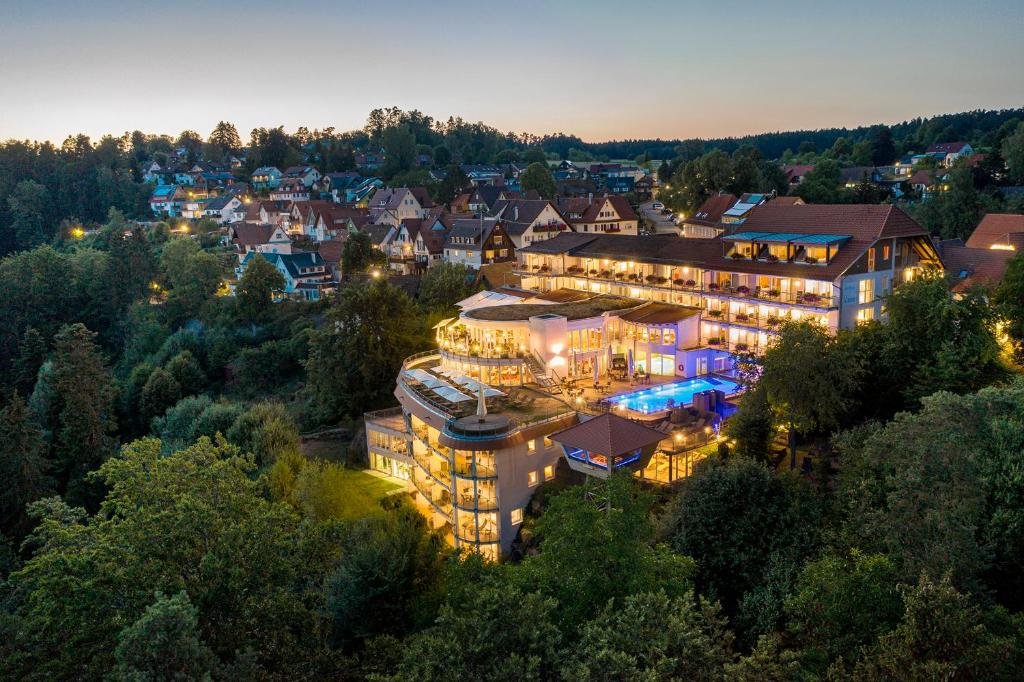
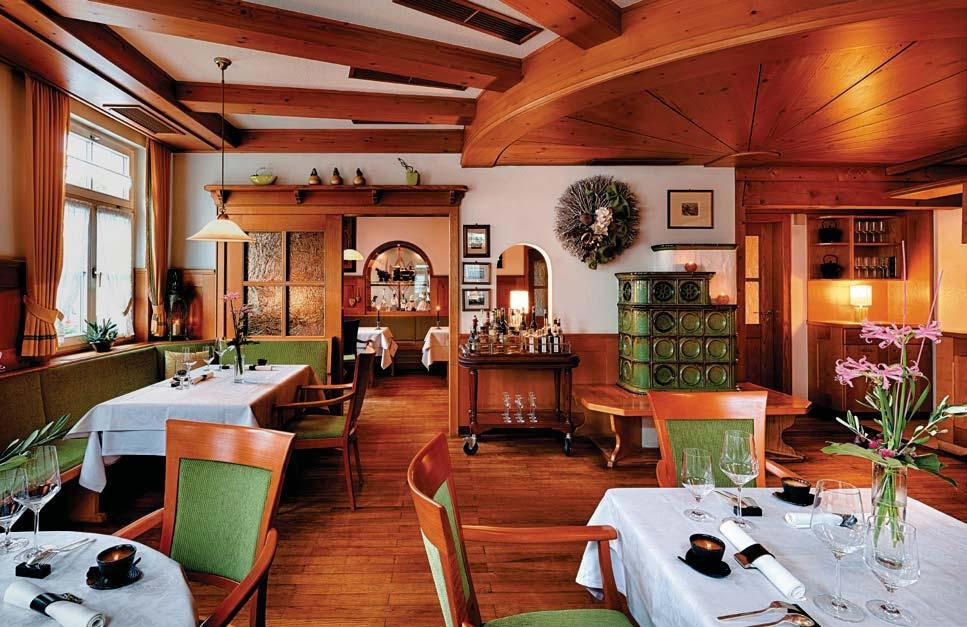
KroneLamm presents as a traditional Germanic hotel on a compact Black Forest market square while operating with a range of interior registers that surprise many visitors. Its half-timbered exterior and central town address root the property in a historic, classic aesthetic, but inside it balances serious gastronomy — including a Michelin-starred offering — with a substantial 1,600-square-meter wellness facility and a 63-room scale that feels intimate rather than anonymous. The result is a sophisticated, quietly confident hotel that pairs refined dining with spa-led relaxation in a small-town, architecturally resonant setting.
Best For
This is a destination for travellers who want both wellness and high-calibre dining. KroneLamm suits guests seeking spa time and gastronomic focus — couples and small groups who plan weekend escapes, romantic getaways and wellness breaks find it especially fitting. At the same time, the hotel maintains a dual identity that also serves local, regional Swabian food to hikers and day visitors, so it accommodates both fine-dining occasions and more casual post-hike meals without losing its composure.
Stay Tips
Plan ahead for the Michelin-starred restaurant portion of the hotel: reservations for dinner are advisable given the property's culinary reputation. Keep in mind KroneLamm operates multiple dining registers under one roof, so if you want the casual regional fare after a hike, inquire about that option separately from the fine-dining room. If your visit combines spa time and dinner, check availability so you can sequence treatments and service without rush; the property’s scale and dual offerings mean timing reservations pays off.
Venue details
Ambiance
Charming and relaxing atmosphere with tasteful wellness areas, friendly service, and forest views from rooms, pools, and saunas.
Tags
Vibe
Best For
Experience
Amenities
View
About the Stay
- Rooms
- 49
- Check-in
- 15:00
- Check-out
- 11:00
- Property Type
- Boutique hotel
- Property Style
- Contemporary Wellness Retreat in Historic Black Forest Village
- Design Style
- Modern Comfort with Timeless Elements and Scenic Views
- Pool
- Yes
- Spa
- Yes
- Pets
- Allowed
- Cancellation
- Moderate
Know before you go
Know Before You Go
- Getting there
- Marktpl. 1, 75385 Bad Teinach-Zavelstein
Planning details
Location
Also consider
Also Consider
- Schloss Eberstein, Notable alternative
- Hotel Traube Tonbach, Notable alternative
- Hotel Bareiss, Notable alternative
- Brenners Park-Hotel & Spa, Notable alternative
- Steigenberger Icon Europäischer Hof Baden Baden, Notable alternative
Hotel context
KroneLamm makes the clearest sense for travelers who specifically want Bad Teinach-Zavelstein and a quieter Black Forest base. Schloss Eberstein is the more obvious choice if the setting itself needs to carry the occasion, while KroneLamm is the more local-feeling option for guests who want less ceremony.
For a bigger destination-hotel decision, compare against Hotel Traube Tonbach and Hotel Bareiss. Those are stronger candidates when the trip revolves around a polished hotel ecosystem and dining-led travel. KroneLamm is better suited to a simpler weekend where the town location and quieter mood matter more than broad resort depth.
If the choice is between Black Forest calm and Baden-Baden polish, Brenners Park-Hotel & Spa and Steigenberger Icon Europäischer Hof Baden Baden are the safer cross-shops for formal service, city access, and a higher-profile atmosphere. Pick KroneLamm when ease, quiet, and staying close to Bad Teinach-Zavelstein outweigh the need for a landmark hotel address.
Explore Bad Teinach-Zavelstein
Around this place
Discover more on Pearl
Unlock the full KroneLamm guide in Pearl, including awards, comparisons, FAQs, planning details, and nearby places.
Compare KroneLamm
| Venue | Location | Awards |
|---|---|---|
| KroneLamm | Bad Teinach-Zavelstein | 2025 Michelin 1 Key |
| Schloss Eberstein | Gernsbach | 2025 Michelin 1 Key |
| Hotel Traube Tonbach | Baiersbronn | 2026 La Liste Top Hotels2026 Michelin 3 Keys2025 Michelin 3 Keys2024 Michelin 3 Keys |
| Hotel Bareiss | Baiersbronn | 2026 Relais Chateaux Hotels2026 La Liste Top Hotels2026 Michelin 3 Keys2025 Relais Chateaux Award2025 Michelin 3 Keys2024 Michelin 3 Keys |
| Brenners Park-Hotel & Spa | Baden-Baden | 2026 Virtuoso Luxury Hotel CollectionTown & Country Hotel Awards 20262026 Robb Report The 50 Greatest Luxury Hotels on Earth2026 La Liste Top Hotels2026 Michelin 2 Keys2025 Michelin Selected Hotels |
| Steigenberger Icon Europäischer Hof Baden Baden | Baden-Baden | 2026 Michelin 2 Keys2025 Michelin 1 Key |








How KroneLamm Bad Teinach-Zavelstein Guide compares with similar nearby venues.
FAQ
Frequently Asked Questions
Do loyalty programs work at KroneLamm?
What is check-in like at KroneLamm?
How is the dining at KroneLamm?
Dining details such as cuisine, menu format, chef, pricing, hours, and awards should be confirmed directly with KroneLamm. The practical dress code is smart casual. If dining is central to your visit, confirm current details directly with KroneLamm.
How does KroneLamm compare to other regional venues?
KroneLamm can be compared with regional names such as Brenners Park-Hotel & Spa, Hotel Bareiss, Hotel Traube Tonbach, Schloss Eberstein, and Steigenberger Icon Europäischer Hof Baden Baden. Choose based on confirmed details from each venue.