

Hotel Jagdhof Glashütte
Bad Laasphe
Hotel in Bad Laasphe, Germany
 Book with Pearl
The Read
Hunting-Country Manor Retreat
Why go
Hotel Jagdhof Glashütte is worth booking if the stay itself is the point: quiet rural setting, serious hospitality recognition, and a more polished feel than a generic countryside stop. It is less compelling as a cheap overnight base. Value is strongest for couples or slower weekends where the hotel does most of the work.
About Hotel Jagdhof Glashütte
Hotel Jagdhof Glashütte is a hotel in Bad Laasphe with a smart-casual dress code and recognition from the Relais Chateaux Award (2026) and MICHELIN Guide, Hotels Selected (2025).
Plan the stay around the basics: a Bad Laasphe setting, smart-casual expectations, and notable hospitality recognition. For cuisine, facilities, pricing, room types, or service format, check current details directly with the hotel before booking.
Book it for a confirmed Bad Laasphe hotel stay
The practical decision is simple: choose Hotel Jagdhof Glashütte if you want a Bad Laasphe hotel with smart-casual expectations and recognized hospitality credentials. If your trip depends on specific amenities, dining formats, room features, or schedules, check those details directly before booking.
For value-seekers, the key question is whether the recognition matters for the kind of trip you are planning. Prices, categories, menus, facilities, and booking difficulty should not be assumed. If the stay itself matters, the Relais Chateaux Award (2026) and MICHELIN Guide hotel selection are the clearest signals.
Who should choose it over another hotel
Choose Hotel Jagdhof Glashütte if you specifically want a Bad Laasphe hotel with recognized hospitality credentials and a smart-casual standard. Travelers comparing it with Althoff Grandhotel Schloss Bensberg, Hotel Deimann, Hotel Die Sonne Frankenberg, Hotel Rosenpark, or Romantik Hotel Landhaus Bärenmühle should treat those as separate hotel choices and compare the latest official details directly.
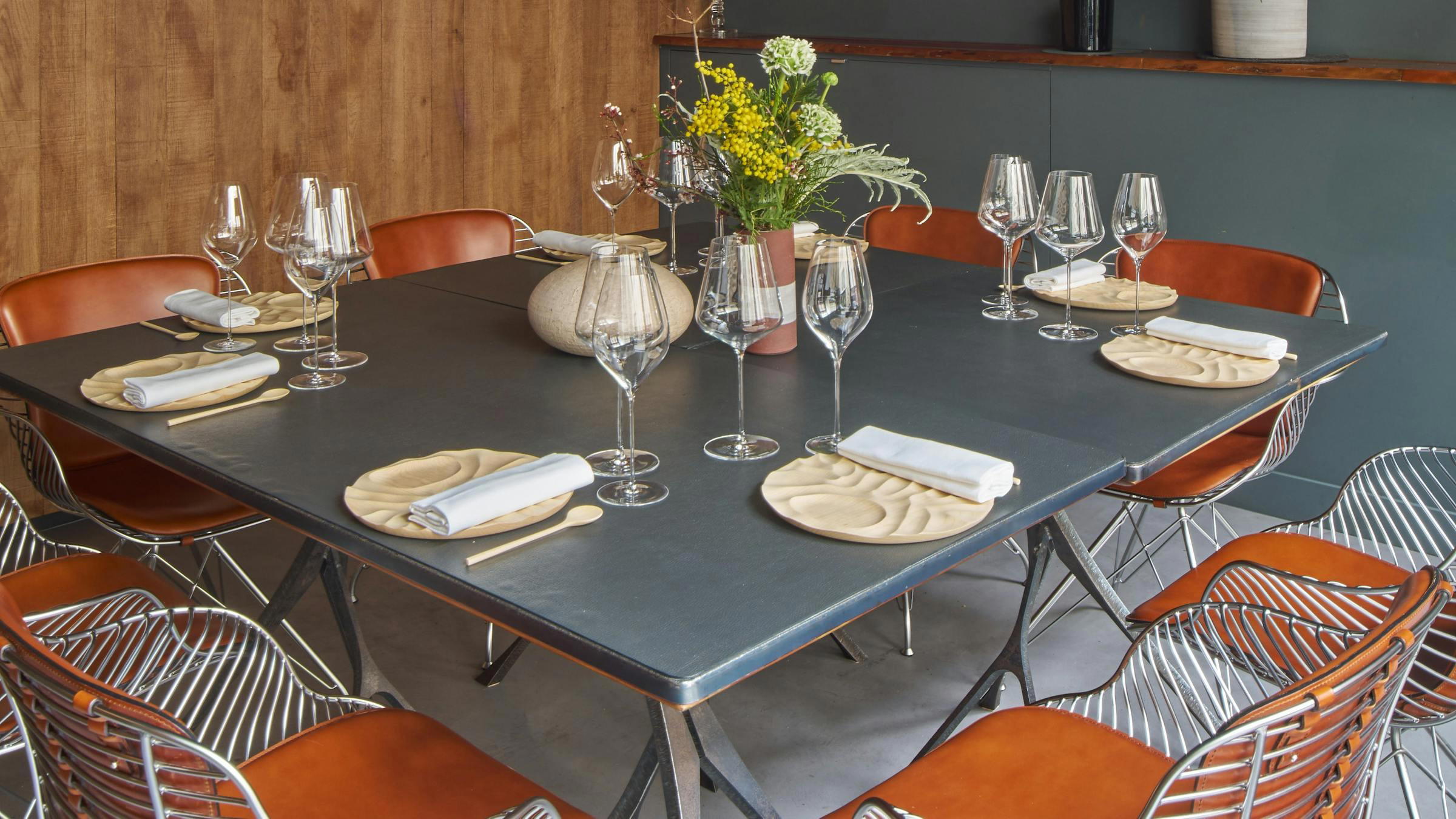
For food-led trips, check the hotel's current dining details, including cuisine, menu format, chef, price, lunch service, drinks program, and dietary policies. Readers building a food-led trip should also scan Bad Laasphe restaurants guide and confirm current details with the hotel before committing the itinerary.
Booking difficulty, room categories, facility details, and seasonal patterns can affect the trip. Book based on your dates, compare current terms with the hotel directly, and use the Bad Laasphe location, smart-casual dress code, Relais Chateaux Award (2026), and MICHELIN Guide, Hotels Selected (2025), as the grounded basis for the decision.
Inside Hotel Jagdhof Glashütte
Planning details
- Location
- Glashütter Str. 20, 57334 Bad Laasphe
- Website
- jagdhof-glashuette.de
- Phone
- +49 2754 3990
The take
The Take
The Vibe
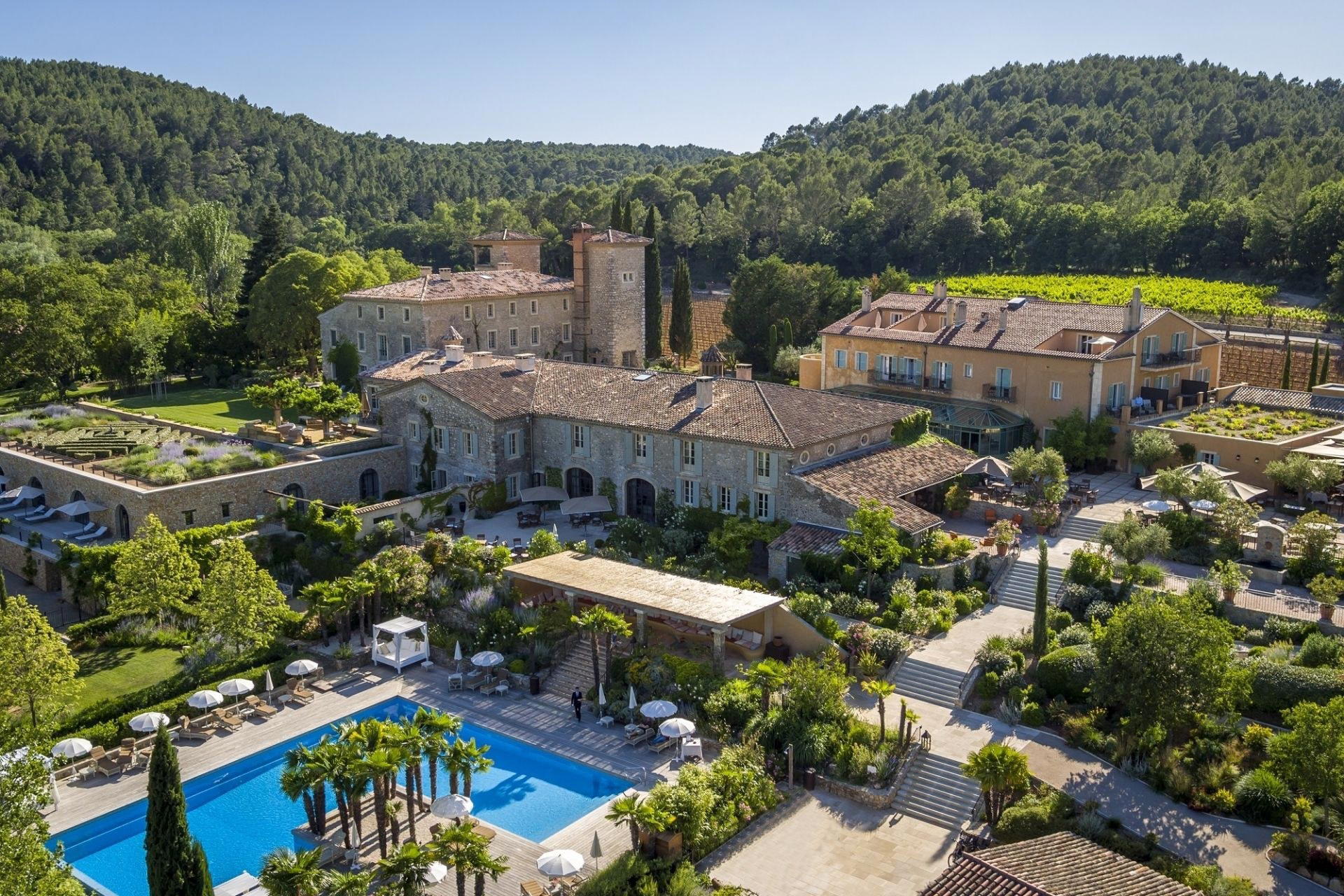
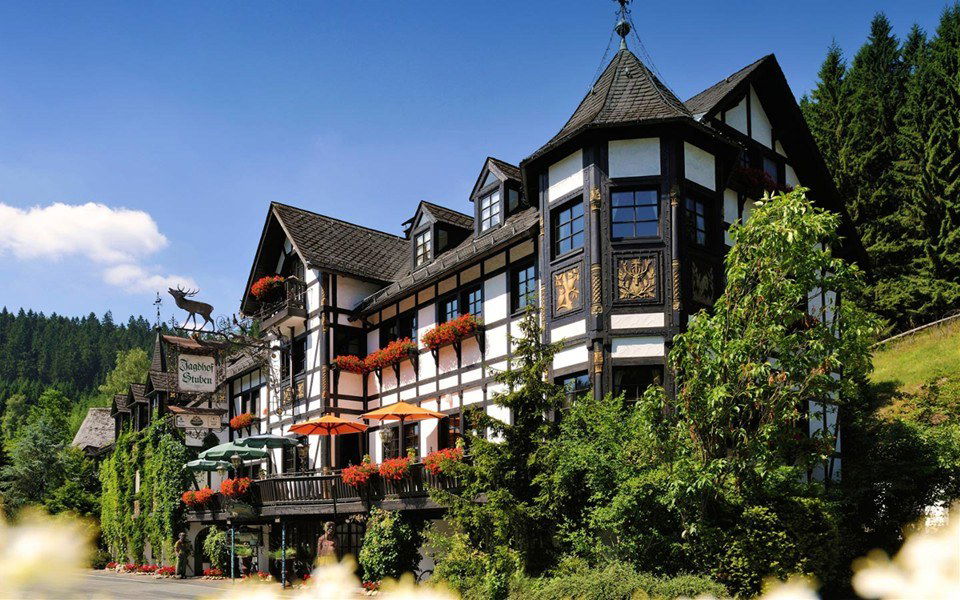
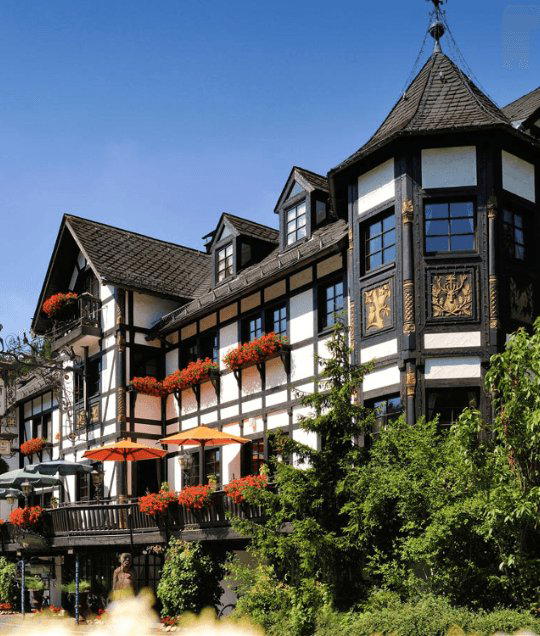
Hotel Jagdhof Glashütte reads like a studied example of the German country-house tradition. The property's half-timbered construction, pitched roofs and stone foundations are foregrounded in the writing, presenting architecture as program rather than decoration. Positioned between the Lahn and the surrounding forested hills, the hotel feels rooted to its site: compact, vernacular and honest in materiality. The tone is quietly romantic and regionally specific, oriented toward guests who appreciate historic building fabric, forested landscapes and a restrained, countryside aesthetic rather than glossy, resort-style theatrics.
Best For
This Jagdhotel suits travelers seeking a compact, countryside escape anchored in regional tradition. It is ideal for couples and small parties who want a quiet, scenic retreat that foregrounds architecture and landscape over large-scale amenities. The setting between river and forest makes the property a good base for nature walks, scenic drives and low-key exploration of the Wittgenstein district. Guests who expect a smaller, intentionally local country-house experience—rather than a sprawling spa resort—will find the Jagdhof especially fitting for short breaks and intimate celebrations.
Stay Tips
Access and approach are part of the experience: the description directs arrivals via the B 54 through Netphen and Feudingen, noting a narrow stretch through Volkholz before the route opens toward Glashütte. Expect a rural approach and a property that is integrated into the hillside rather than set apart as a large resort. Book with an awareness that the Jagdhotel model is deliberately compact and tied to hunting and forestry traditions; travelers seeking an intimate, architecture-forward country stay will find this the right fit.
Venue details
Ambiance
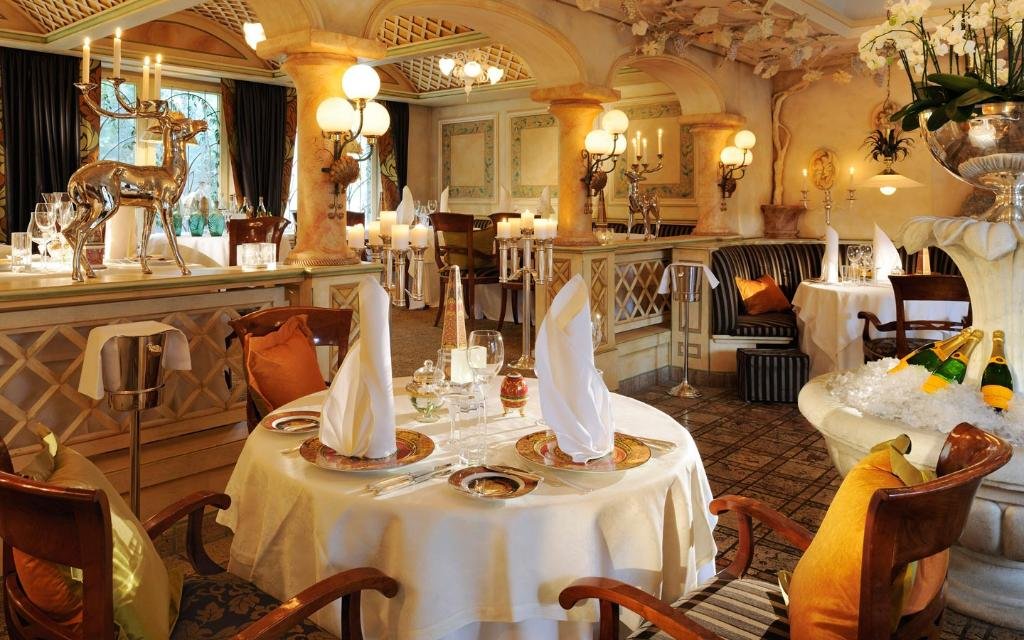
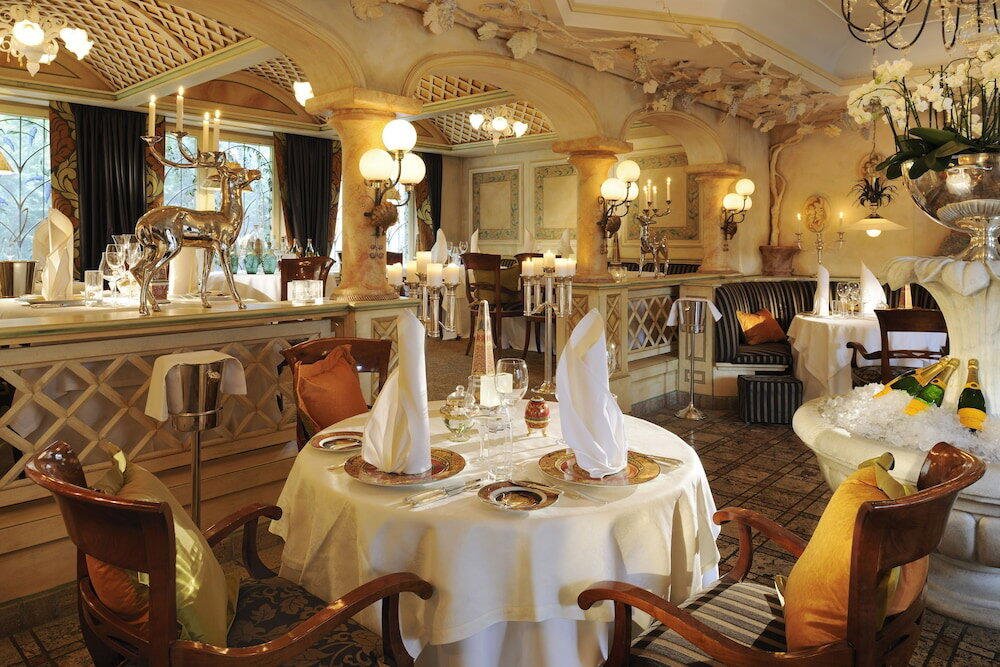
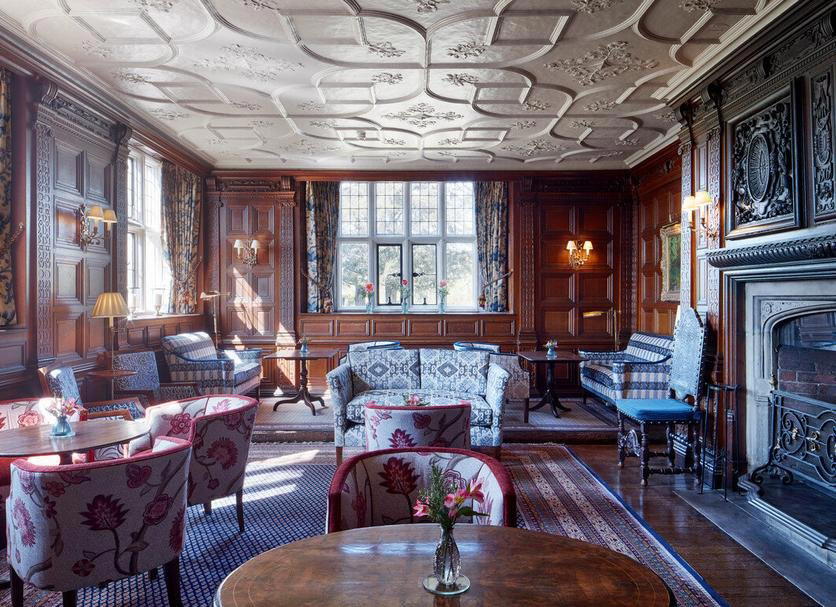
Cozy and rustic with warm fireplaces, hunting decor, and a tranquil, welcoming atmosphere praised in guest reviews.
Tags
Vibe
Best For
Experience
Amenities
View
Accessibility
About the Stay
- Rooms
- 29
- Check-in
- 15:00
- Check-out
- 12:00
- Property Type
- Heritage hotel
- Property Style
- Charming 1905 Farmhouse with Luxurious Country Style Interiors
- Design Style
- Rustic Elegance Featuring Hunting Decor and Warm, Detailed Furnishings
- Breakfast
- Included
- Pool
- Yes
- Spa
- Yes
- Pets
- Allowed
- Cancellation
- Moderate
Know before you go
Know Before You Go
- Getting there
- Glashütter Str. 20, 57334 Bad Laasphe
Planning details
Location
Recognition and awards

Also consider
Also Consider
- Hotel Deimann, Notable alternative
- Hotel Rosenpark, Notable alternative
- Hotel Die Sonne Frankenberg, Notable alternative
- Romantik Hotel Landhaus Bärenmühle, Notable alternative
- Althoff Grandhotel Schloss Bensberg, Notable alternative
Hotel context
How it compares with nearby country hotels
Hotel Jagdhof Glashütte is the stronger choice for a quieter, more intimate rural stay, especially if recognition from Relais & Châteaux and MICHELIN's hotel selection matters in the decision. Hotel Deimann and Hotel Rosenpark are better cross-shops if the trip needs a broader resort feel or a more classic wellness-hotel setup.
For a small-town heritage mood, compare it with Hotel Die Sonne Frankenberg. For a more rustic countryside alternative, Romantik Hotel Landhaus Bärenmühle is the one to check if ambiance matters more than formal polish. Hotel Jagdhof Glashütte sits between those instincts: rural and calm, but with a more curated hospitality signal.
Althoff Grandhotel Schloss Bensberg is the better fit for travelers who want grand-hotel scale and a more formal luxury frame. Choose Hotel Jagdhof Glashütte instead when the goal is lower-key countryside comfort and easier booking pressure rather than a statement hotel stay.
Explore Bad Laasphe
Around this place
Discover more on Pearl
Unlock the full Hotel Jagdhof Glashütte guide in Pearl, including awards, comparisons, FAQs, planning details, and nearby places.
Compare Hotel Jagdhof Glashütte
| Venue | Location | Awards |
|---|---|---|
| Hotel Jagdhof Glashütte | Bad Laasphe | 2026 Relais Chateaux Hotels2025 Michelin Selected Hotels2025 Relais Chateaux Award |
| Hotel Deimann | Schmallenberg | 2026 Michelin 1 Key2025 Michelin 1 Key |
| Hotel Rosenpark | Marburg | No published awards |
| Hotel Die Sonne Frankenberg | Frankenberg | 2026 Michelin 1 Key2025 Michelin 1 Key |
| Romantik Hotel Landhaus Bärenmühle | Frankenau | No published awards |
| Althoff Grandhotel Schloss Bensberg | Bensberg | 100 Most Incredible Hotels in the World · 20262026 La Liste Top Hotels2026 Michelin 1 Key2025 Michelin 1 Key |




How Hotel Jagdhof Glashütte Bad Laasphe compares with similar nearby venues.
FAQ
Frequently Asked Questions
When is the best time to book Hotel Jagdhof Glashütte?
Seasonal demand and booking difficulty can vary. If your dates in Bad Laasphe are fixed, check availability directly with the hotel; the Relais Chateaux Award (2026) and MICHELIN Guide, Hotels Selected (2025) recognition make it a property worth considering ahead of time.
Which room category is best at Hotel Jagdhof Glashütte?
For a stay in Bad Laasphe, choose only after checking the hotel's official channels for current room categories, room sizes, views, and included amenities.
How does Hotel Jagdhof Glashütte compare to other hotels?
Pick Hotel Jagdhof Glashütte if you want a Bad Laasphe hotel with Relais Chateaux Award (2026) and MICHELIN Guide, Hotels Selected (2025) recognition. If you are also considering Hotel Rosenpark, Althoff Grandhotel Schloss Bensberg, Hotel Deimann, Hotel Die Sonne Frankenberg, or Romantik Hotel Landhaus Bärenmühle, compare each hotel's current official details directly.
What is check-in like at Hotel Jagdhof Glashütte?
How is the pool and spa at Hotel Jagdhof Glashütte?
Do not plan around pool, spa, or wellness features without checking the hotel's official channels for the latest information.
How is the dining at Hotel Jagdhof Glashütte?
Check cuisine, menu format, chef, price, lunch service, drinks program, and dietary policy directly with the hotel. The smart-casual dress code and hospitality recognition are the key planning signals.