
Mas de Capelou
Barthelasse, Avignon
Hotel in Avignon, France
 Book with Pearl
Why go
Mas de Capelou is a better fit for travelers using Avignon as a calm Provence base than for visitors who want to walk everywhere from the historic core. The MICHELIN Guide hotel selection gives it a useful quality signal, but value depends on live rates and whether the quieter edge-of-town setting fits the trip.
About Mas de Capelou
Mas de Capelou is a hotel in Avignon with a casual dress code and a place in the MICHELIN Guide hotel selection for 2025. For travelers comparing stays, start with the basics: it is in Avignon, it is listed by the MICHELIN Guide for hotels, and it does not require formal dress. Use live rates, cancellation terms, room details, and transport plans to decide whether it fits your trip.
Avignon hotel profile
The main trust signal is MICHELIN Guide Hotels Selected recognition in 2025. That can be useful for travelers who want an outside quality filter, but it should not be treated as a substitute for checking current booking conditions, room categories, or on-site services.
Compare Mas de Capelou on the practical points that matter for your itinerary: price, availability, cancellation policy, access, and the exact room being booked.
Who should shortlist it, and who should compare further
Shortlist Mas de Capelou if you want an Avignon hotel with MICHELIN Guide hotel-selection recognition and a casual dress code. It may also be worth comparing with other options if you are deciding between a more vetted hotel choice and a different style of stay.
The recognition from the MICHELIN Guide hotel selection is the clearest reason to keep it on a shortlist. It does not, by itself, settle whether the property is the best value for a specific trip. Check live pricing against alternatives, confirm the details that matter to you, and book only once the practical fit is clear.
Planning details
- Location
- 1336 Chem. des Poiriers, 84000 Avignon, France
- Website
- masdecapelou.com
- Phone
- +33 7 66 76 21 58
The take
The Take
The Vibe
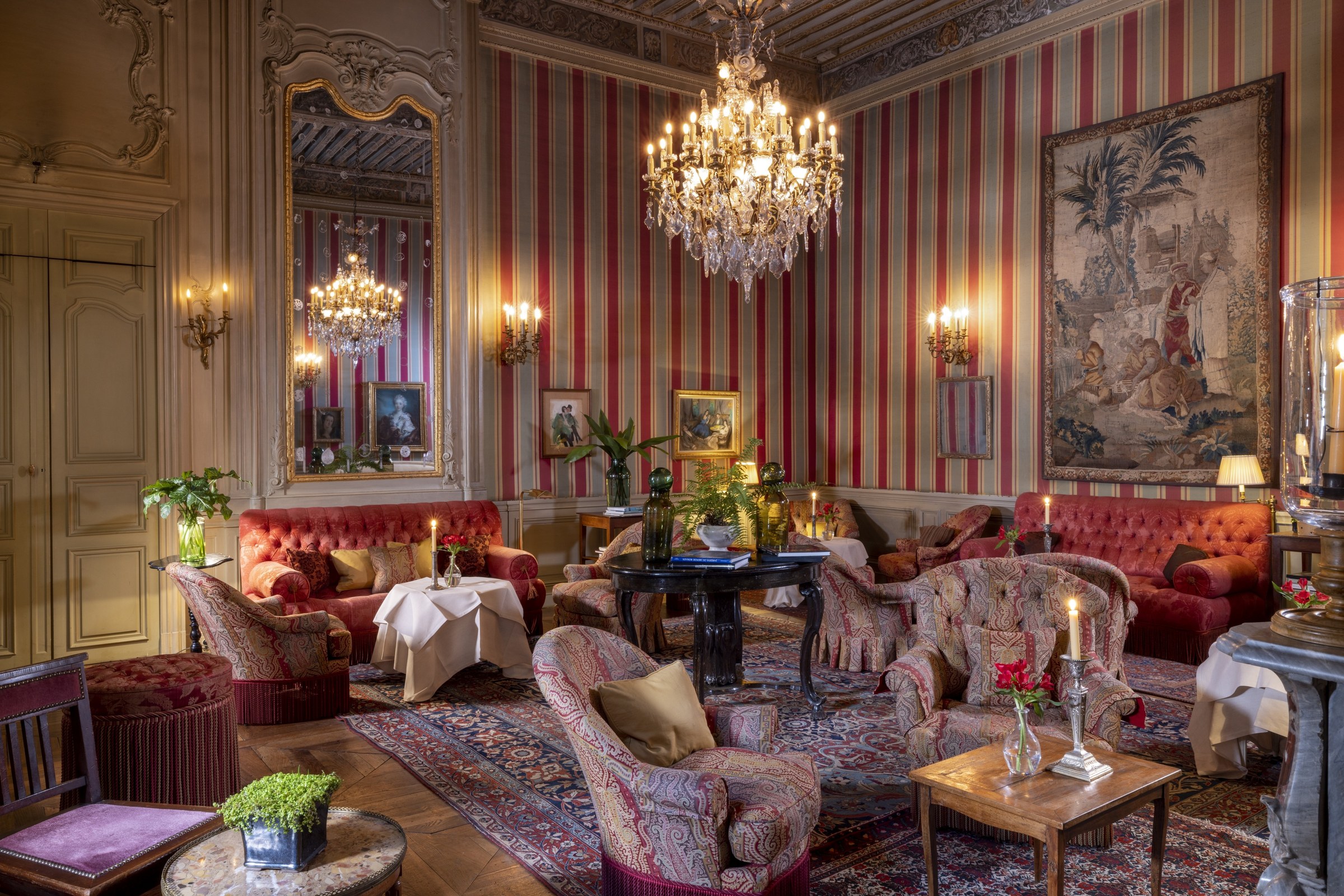
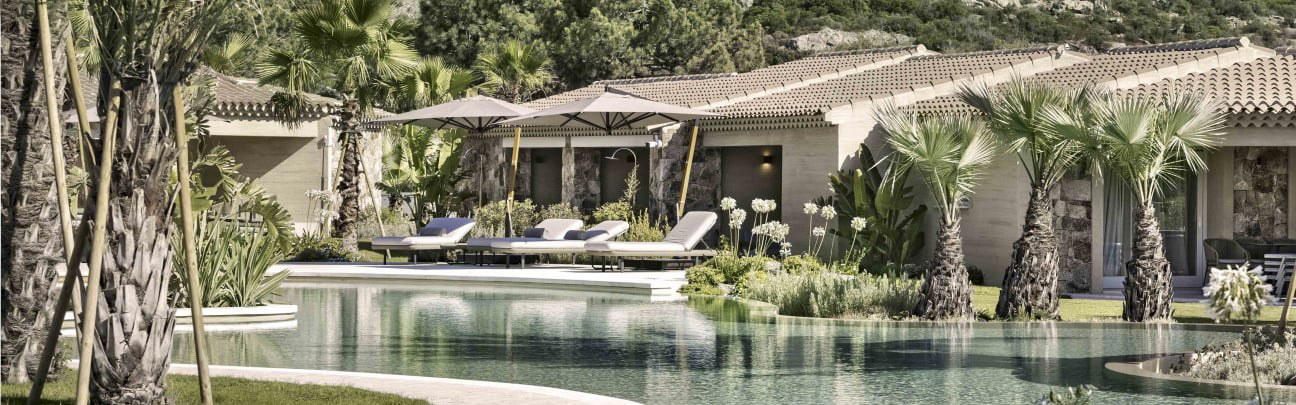
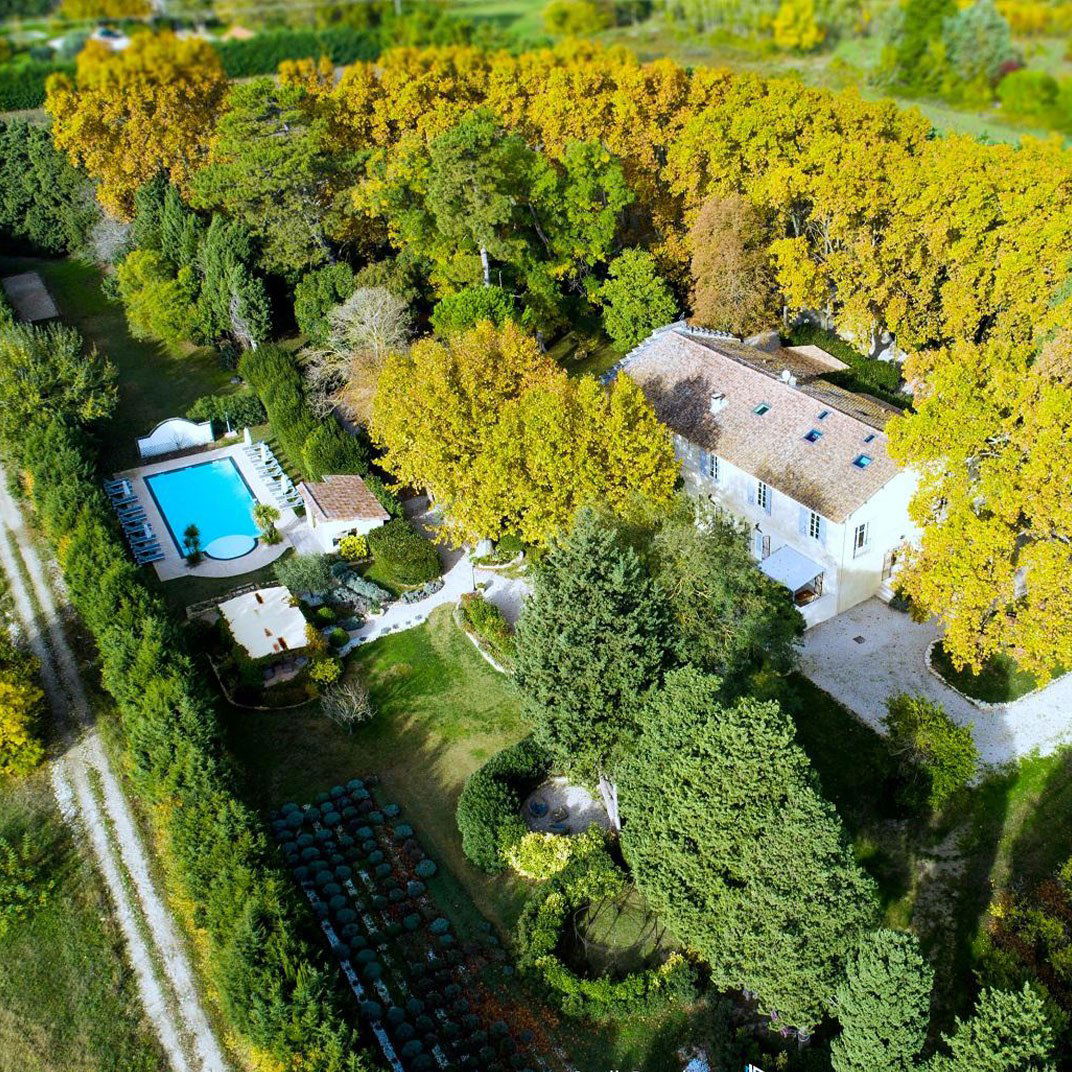
Mas de Capelou reads like a traditional Provençal mas translated into a comfortable hotel: low stone buildings, working-farm idioms and orchard-lined approaches set a quietly historic and charming tone. The property deliberately situates itself outside Avignon’s medieval ring, trading immediate proximity to the Palais des Papes for expanses of cultivated land and seasonal quiet. Its inclusion in the Michelin Selected 2025 list underscores reliability and character rather than haute cuisine, so guests find a place that feels reassuringly authentic—stone walls, rural views and a relaxed pace that suits travelers looking to escape the festival bustle.
Best For
This is a good fit for travelers who prefer a vetted, characterful base outside the city: couples seeking a quiet Provençal retreat, families wanting space and countryside access, and visitors attending the Festival d’Avignon who want distance from the crowds. The Michelin Selected designation makes it especially useful for guests who value an editor-vetted threshold of comfort and consistency beyond anonymous review scores. Because the property emphasizes its agricultural setting and traditional mas format, it appeals to those prioritizing atmosphere and provenance over urban convenience.
Venue details
Ambiance
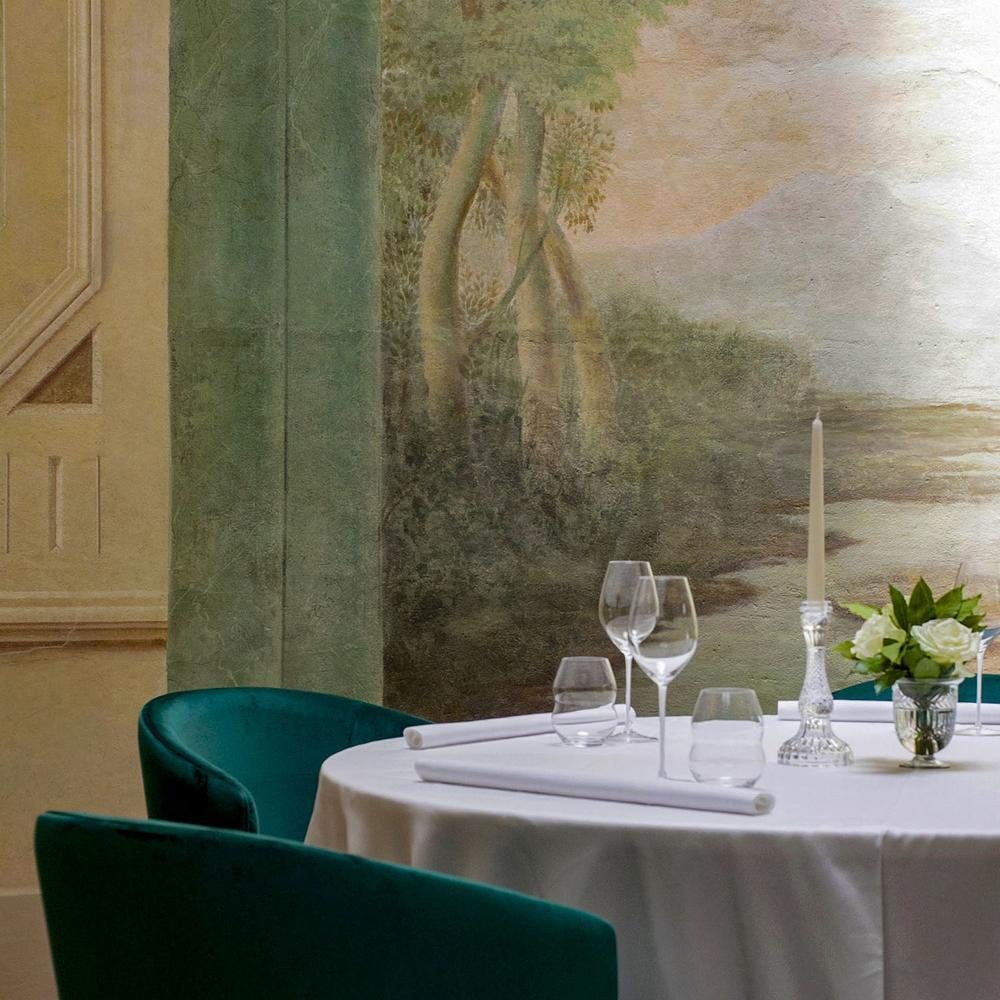
Calm and peaceful with immaculate gardens, natural light throughout the property, and a tranquil atmosphere that permeates the building according to guest reviews.
Tags
Vibe
Best For
Experience
Amenities
View
About the Stay
- Rooms
- 9
- Check-in
- 17:00
- Check-out
- 11:00
- Property Style
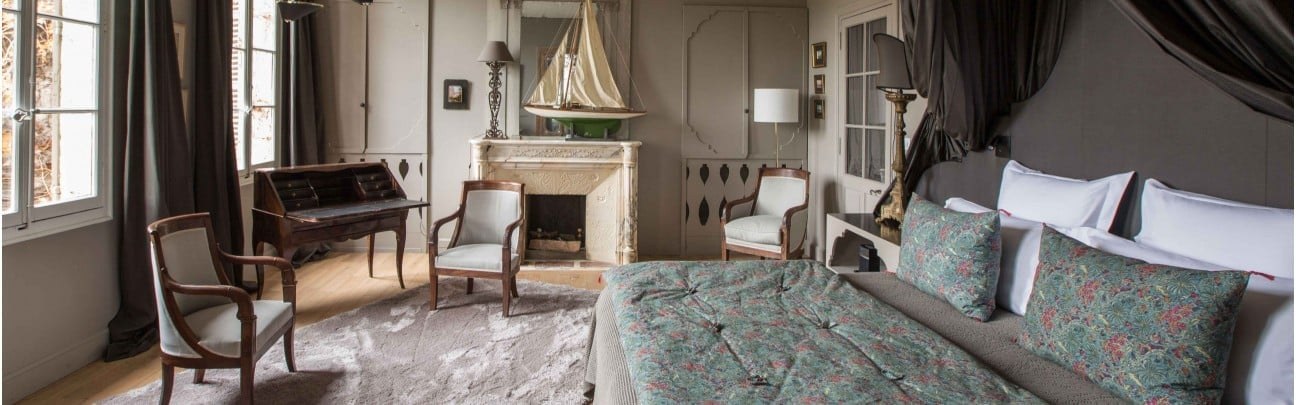
- Historic Provençal Farmhouse Converted Into a Contemporary Boutique Accommodation While Retaining Period Architecture and Aesthetics.
- Design Style
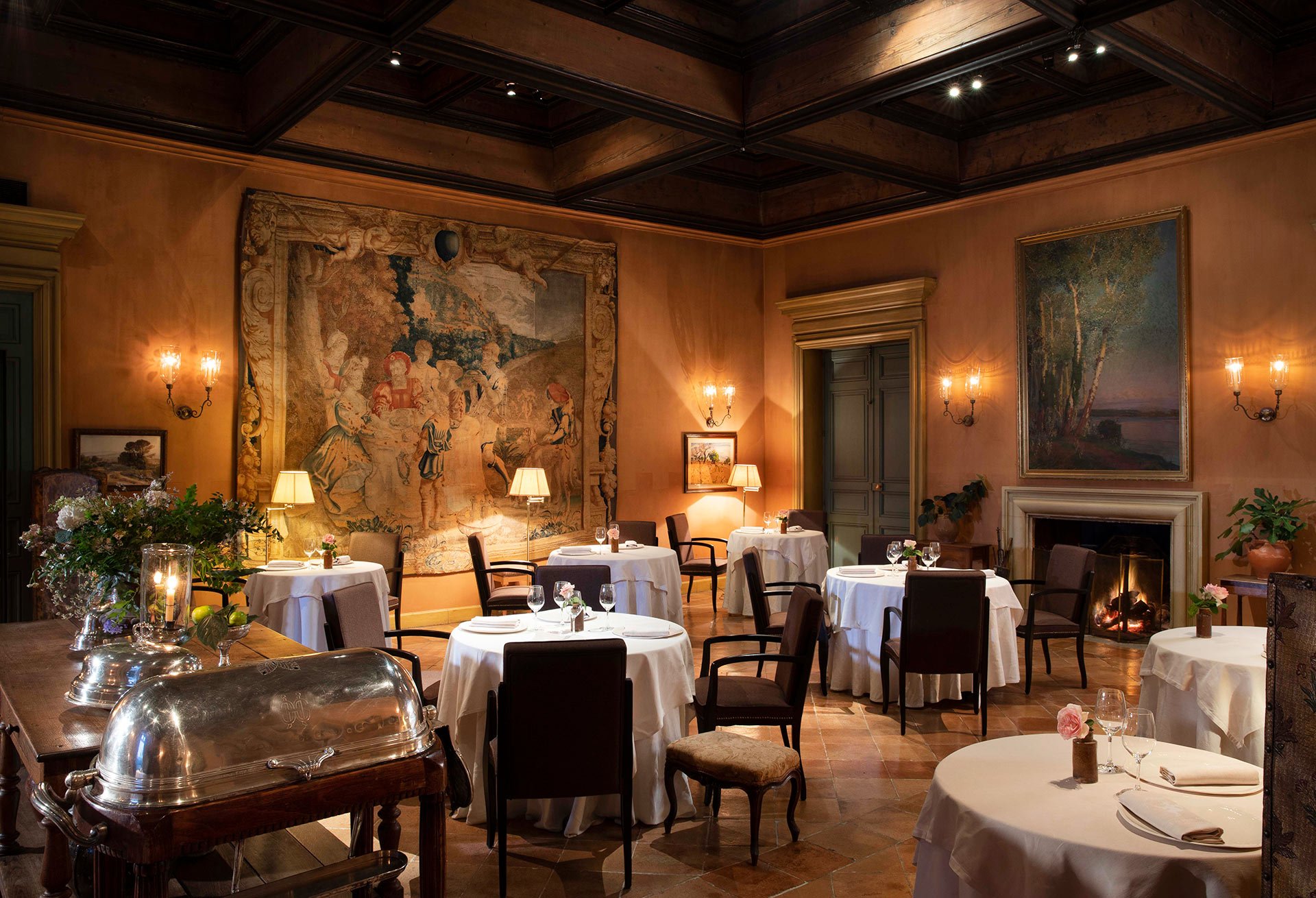
- Rustic Elegance with Individually Decorated Rooms Featuring Period Details, Modern Amenities, and Natural Materials Throughout the 1,000 M² Property.
Know before you go
Know Before You Go
- Getting there
- 1336 Chem. des Poiriers, 84000 Avignon, France
Planning details
Location
Recognition and awards
Also consider
Also Consider
- Auberge de Cassagne, Notable alternative
- La Suite, Notable alternative
- Le Prieuré Baumanière, Notable alternative
- La Divine Comédie, Notable alternative
- Le Prieuré, Notable alternative
Hotel context
How it compares with Avignon-area hotels
Choose Mas de Capelou over La Divine Comédie if a quieter Avignon base matters more than being in the middle of the city. La Divine Comédie is the more natural pick for guests who want an in-town boutique stay and frequent walks back to the room; Mas de Capelou makes more sense for car-led Provence days and a slower rhythm.
Auberge de Cassagne, La Suite, Le Prieuré Baumanière, and Le Prieuré are the sensible cross-shops if the brief is Avignon-area calm rather than city-center convenience. With limited comparable public detail across this group, the practical filter is location first, then rate, then cancellation terms.
For value, compare the total stay cost rather than the room rate alone. Mas de Capelou is easier to justify when parking, quieter nights, and countryside access are part of the plan. If the trip is mostly restaurants, museums, and short city walks, La Divine Comédie is the cleaner Avignon choice.
Explore Avignon
Around this place
Discover more on Pearl
Unlock the full Mas de Capelou guide in Pearl, including awards, comparisons, FAQs, planning details, and nearby places.
Compare Mas de Capelou
| Venue | Location | Awards |
|---|---|---|
| Mas de Capelou | Avignon | 2025 Michelin Selected Hotels |
| Auberge de Cassagne | Le Pontet | 2025 Gault & Millau Exceptional HotelSmall Luxury Hotels Member 2025 |
| La Suite | Villeneuve Les Avignons | No published awards |
| Le Prieuré Baumanière | Villeneuve lez Avignon | No published awards |
| La Divine Comédie | Avignon | No published awards |
| Le Prieuré | Villeneuve-lès-Avignon | 2026 Michelin 1 Key2025 Relais Chateaux Award2025 Michelin 1 Key2024 Michelin 1 Key |





How Mas de Capelou Avignon compares with similar nearby venues.
FAQ
Frequently Asked Questions
What is check-in like at Mas de Capelou?
When is the best time to book Mas de Capelou?
If Mas de Capelou fits your Avignon plans, compare live rates and cancellation terms, and book when the price and conditions work for your trip.
Do loyalty programs work at Mas de Capelou?
If points or benefits matter, confirm directly with the booking channel and compare Mas de Capelou with Auberge de Cassagne or La Suite on the terms available for your dates.
Is Mas de Capelou family-friendly?
How does Mas de Capelou compare to other hotels?
Mas de Capelou has MICHELIN Guide Hotels Selected 2025 recognition. For comparison, look at current rates, room details, and booking terms at La Suite, La Divine Comédie, Auberge de Cassagne, Le Prieuré Baumanière, and Le Prieuré, then choose the option that best fits your itinerary.