    Hotel in Austin, United States

    1 Hotel Austin

    150Pearl Points

    Nature-Coded Hospitality

    1 Hotel Austin, Hotel in Austin

    About 1 Hotel Austin

    1 Hotel Austin enters a city hotel scene already split between estate-style retreat, downtown scale, members-club social energy, and small-key neighborhood lodging. With limited verified property data available in the EP Club record, the sharper read is contextual: judge it through Austin’s current appetite for design-led hospitality, where architecture, materials, and access to the city’s dining and bar circuits matter as much as room count or formal rating.

    Design-first hospitality in a city that resists formality

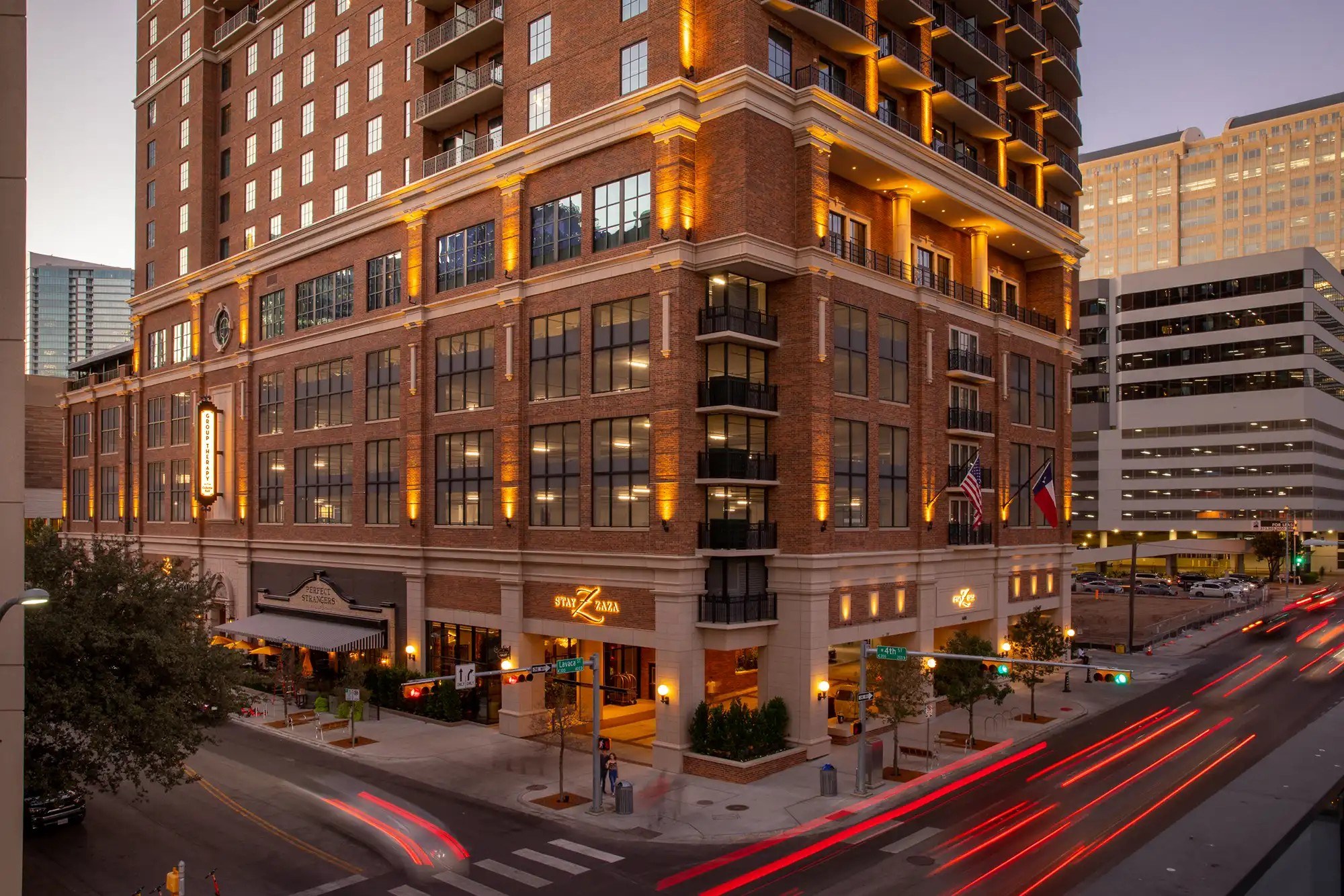
    Austin hotel arrivals are rarely about hushed marble lobbies and old-guard ceremony. The city reads differently at street level: limestone glare, live music spillover, lake air, construction cranes, patios that blur into sidewalks, and a hotel culture that has learned to borrow from residential design, members clubs, and resort language without becoming stiff. In that setting, 1 Hotel Austin is better understood as part of a broader shift than as an isolated address. The relevant question is not simply what the property contains, because the EP Club record does not list room count, rating, price range, awards, address, restaurant, chef, or booking method. The question is how a nature-coded, design-led hotel concept lands in a city where hospitality already has strong local personalities.

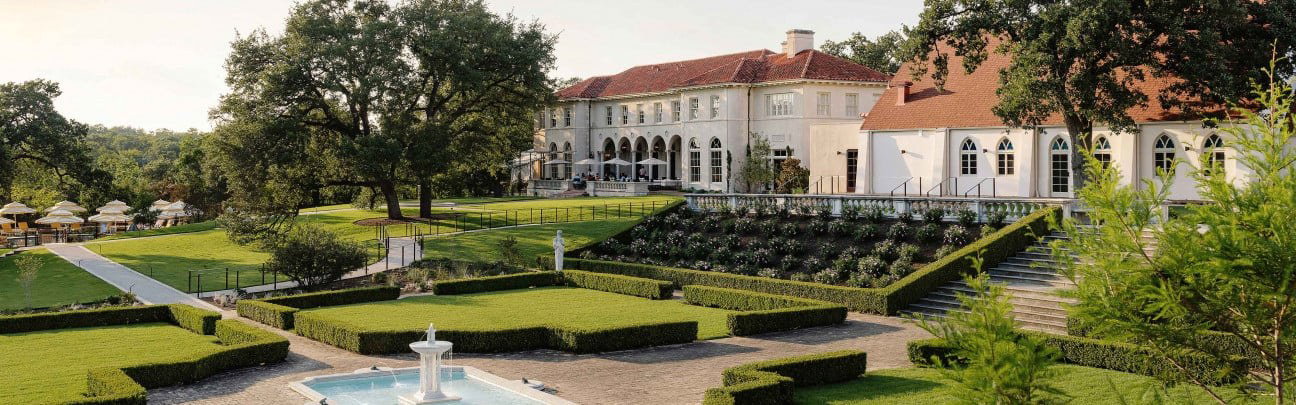
    Austin’s hotel field has become unusually layered for a city of its size. Estate-style seclusion is represented by Commodore Perry Estate, Auberge Resorts Collection, where the appeal comes from distance from downtown tempo and a more residential sense of arrival. Creative-neighborhood lodging sits closer to ARRIVE Austin and The Heywood Hotel, which belong to the smaller-format side of the city. Downtown polish has a different grammar at Austin Proper Hotel, while social-club energy shapes the way travelers read Soho House Austin. Against that comparable set, 1 Hotel Austin points toward a design vocabulary that is less about Texas nostalgia and more about biophilic, materials-forward urban lodging.

    The Austin hotel room is now a design argument

    In older luxury markets, hierarchy often announces itself through scale: grand staircases, formal service lines, and public rooms built to impress before they function. Austin has not built its premium identity that way. Its more persuasive hotels tend to work through mood, neighborhood fit, and the ability to move between daytime work, late meals, music, and a pool or terrace culture without making the guest feel overdressed for the city. That is why architecture and interior language matter here. A hotel that misreads Austin can feel imported; a hotel that gets the city right understands that casual does not mean careless.

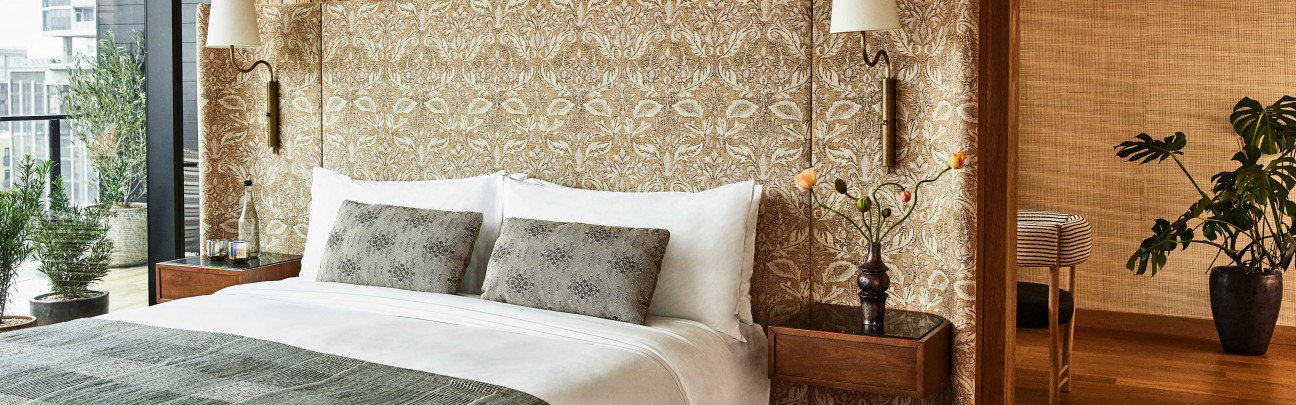
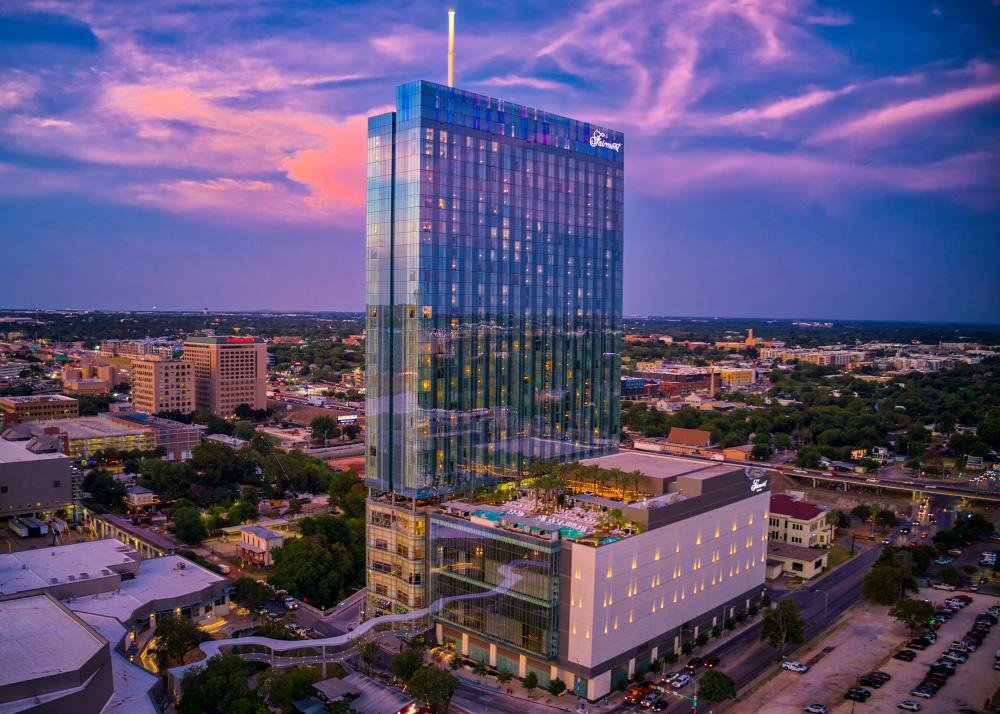
    The 1 Hotel name carries a clear design expectation: natural textures, environmental cues, greenery, and a softer alternative to glossy urban luxury. The editorial task here is to keep the focus on what can be verified. The safer and more useful editorial point is comparative. Austin’s premium hotels now compete less on a single marker such as star rating, which is not supplied here, and more on how convincingly they create a whole environment. Hotel Saint Cecilia draws power from South Austin’s music-and-bungalow mythology. Hotel ZaZa Austin speaks in a more theatrical register. Fairmont Austin Gold Experience belongs to the larger downtown convention-and-suite ecosystem. 1 Hotel Austin, by contrast, should be assessed through restraint, materiality, and whether the public spaces give the city a calmer counterweight.

    What the property signals, and what remains unverified

    The record lists only a few core facts, so the page should stay focused on those. That absence matters. It means the page should not pretend to know the exact arrival sequence, the texture of the rooms, the bar program, the restaurant menu, or the signature suite. This one should not. The useful reading is the hotel's place in Austin's market.

    Austin has become a serious hotel market because demand comes from several directions at once: state government and university traffic, festivals, technology conferences, music weekends, destination dining, and leisure travel built around Hill Country access. That mixed demand changes hotel design. A property has to work on a Tuesday business stay, a festival weekend, a wedding-party spillover, and a restaurant-led city break. The hotels that age well in Austin are the ones that avoid a single-use identity. They need enough design intention to feel placed, enough operational polish to handle compression dates, and enough neighborhood intelligence to keep guests from treating the property as a sealed resort.

    That is where 1 Hotel Austin’s likely competitive set becomes clearer even without full property data. It is not competing only against rooms with similar nightly rates, because the record does not provide a nightly price. It competes against the traveler’s idea of Austin: should a stay feel residential, downtown, wellness-coded, nightlife-adjacent, estate-like, or small and local? The answer depends on itinerary. A guest planning dinners through Our full Austin restaurants guide, late drinks from Our full Austin bars guide, and daytime cultural planning through Our full Austin experiences guide will read hotel location and lobby energy differently from a traveler using the city as a base for regional drives.

    How Austin compares with design-led hotel markets elsewhere

    Austin’s design-hotel conversation also sits inside a larger American pattern. In New York, The Fifth Avenue Hotel in New York City shows how maximal interior character can create a self-contained urban world. In Los Angeles, The Beverly Hills Hotel in Los Angeles trades on a long-established social mythology rather than the newer language of eco-material design. Desert minimalism takes another route at Amangiri in Canyon Point, where architecture is read through landscape in the literal geographic sense, not as a metaphor. Rural American hospitality changes again at Troutbeck in Amenia, where country-house rhythm governs the stay.

    Those comparisons matter because Austin can be misread as a casual market with lower design stakes. The opposite is increasingly true. A hotel in Austin has to absorb heat, music, tech wealth, college-town informality, and a dining culture that has moved well beyond barbecue shorthand. The city’s premium properties are asked to be relaxed without looking under-designed. That balance is difficult. A nature-facing hotel concept can make sense here if it handles the city’s informality with discipline rather than generic reclaimed-wood styling.

    Coastal and resort references add another layer. Four Seasons at The Surf Club in Surfside carries private-club glamour through a restored social address. Raffles Boston in Boston belongs to a newer urban luxury tier built on brand ceremony and vertical city views. Wine-country stays such as Meadowood Napa Valley in Napa and SingleThread Farm Inn in Healdsburg tie hospitality tightly to regional food and agriculture. Kona Village, A Rosewood Resort in Kailua Kona works from a resort-island frame. Austin is not any of these, but it borrows fragments: urban demand, resort appetite, food-led travel, and a strong sense of place.

    Dining, drinking, and the reason location matters

    No cuisine type, restaurant name, chef, bar program, or hours are listed for 1 Hotel Austin in the supplied record. That limits venue-specific dining claims, but it does not make food irrelevant. In Austin, hotel choice is increasingly tied to the city’s restaurant and bar map. Travelers do not come only to sleep near a meeting room; they build weekends around reservation windows, live music timing, patio weather, and late-night movement between neighborhoods. A hotel that understands this rhythm becomes part of the itinerary even when its own restaurant is not the main event.

    The practical reading is simple: use the hotel as an anchor, then shape the stay around the city. The Austin dining scene now includes serious tasting-menu ambition, regional Mexican cooking, new-school barbecue, natural-wine rooms, Japanese counters, and hotel restaurants trying to keep pace with independent operators. The bar scene has a separate logic, with cocktail rooms, music-adjacent drinking, hotel rooftops, and neighborhood bars all serving different nights. For broader planning, the useful starting points are the Austin hotels guide, the Austin restaurants guide, the Austin bars guide, the Austin wineries guide, and the Austin experiences guide. The hotel decision should follow the evening plan as much as the other way around.

    Planning notes for 1 Hotel Austin

    Because the database record does not include address, phone, website, price range, booking method, hours, or room categories, planning should start with direct verification through official hotel channels before locking flights or restaurant reservations around the stay. Austin compresses hard around major events, especially festival periods, university weekends, conference weeks, and peak spring travel. Rate behavior can change quickly across those dates, and a hotel with a strong design identity may attract both leisure and business demand. The absence of a listed price range in the EP Club data also means this page should not position 1 Hotel Austin in a specific nightly-rate band.

    The useful practical approach is to decide first what Austin trip is being built. For a quieter, estate-style version of the city, compare against Commodore Perry Estate, Auberge Resorts Collection. For a downtown design stay, compare with Austin Proper Hotel and Hotel ZaZa Austin. For smaller neighborhood texture, look at ARRIVE Austin and The Heywood Hotel. For a social-membership context, Soho House Austin gives a different read on the city’s hospitality culture. That comparative work matters more than chasing a generic luxury label.

    How it fits the wider luxury hotel conversation

    European grand hotels still offer a useful counterpoint. Hôtel de Paris Monte-Carlo in Monte Carlo and Badrutt's Palace Hotel in St. Moritz operate through heritage, ceremony, and long social memory. Aman Venice in Venice places contemporary luxury inside historic architecture. Austin’s newer hotel culture does not have that inherited European script. Its credibility has to be earned through urban fit, design intelligence, and a sense that the property understands how the city is actually used.

    That is the editorial lens for 1 Hotel Austin. Without verified awards, rating, price, or room data, the property should not be inflated with unsupported claims. Its significance lies in the category it enters: Austin hotels where design is not decoration but positioning. If the execution matches the promise implied by the name, the property belongs in the conversation about how Austin is moving from casual boomtown lodging toward a more developed, design-aware hospitality scene. If it does not, the city has enough strong alternatives to expose the gap quickly.

    Location

    Austin, United States

    Keep this place

    Save or rate 1 Hotel Austin on Pearl

    Keep this venue in your Pearl passport, rate it after you visit, and track it alongside every other place you collect.