
Blind Tiger Asheville
near downtown, Asheville
Hotel in Asheville, United States
 Book with Pearl
The Read
Victorian Community Immersion
Why go
Blind Tiger Asheville is worth booking for a quieter special-occasion stay in Asheville, especially if atmosphere matters more than big-hotel services. Its Michelin 1 Key and Mr & Mrs Smith recognition make it a stronger pick for couples than for business travelers who need a larger downtown base.
About Blind Tiger Asheville
Blind Tiger Asheville is an Asheville hotel with two recognition signals: a Michelin 1 Key in 2024 and a Mr & Mrs Smith Seal of Approval for 2026. Beyond those accolades, the venue data here is limited, so the safest booking case is direct: consider it when you specifically want Blind Tiger Asheville and want a stay supported by those confirmed hotel-recognition markers.
What is about Blind Tiger Asheville
For travelers comparing Asheville hotels, the most concrete point in Blind Tiger Asheville's favor is its confirmed 2024 Michelin 1 Key. That recognition provides a useful quality signal without needing to rely on claims about room types, facilities, dining, service style, or exact location within the city.
It also has the Mr & Mrs Smith Seal of Approval for 2026. Taken together, those recognitions position Blind Tiger Asheville as a hotel to consider in Asheville, especially if you are choosing among hotels by confirmed third-party hotel accolades rather than by amenities or neighborhood details.
Who should choose it, and who should cross-shop
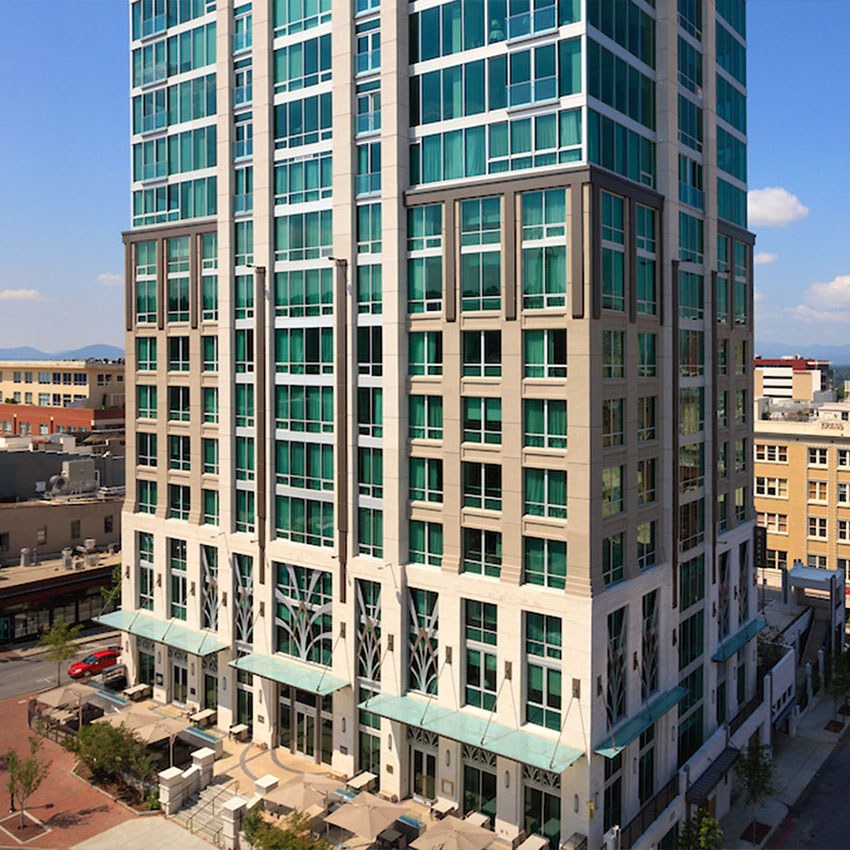
Choose Blind Tiger Asheville if the name, Asheville setting, and confirmed recognition are enough to put it high on your list. If you are still comparing, cross-shop Kimpton Hotel Arras, The Restoration Asheville, and The Radical as other Asheville hotel options before deciding.
Planning details
- Location
- 173 E Chestnut St, Asheville, NC 28801
- Website
- blindtigerasheville.com
- Phone
- +1 828-253-2553
The take
The Take
The Vibe
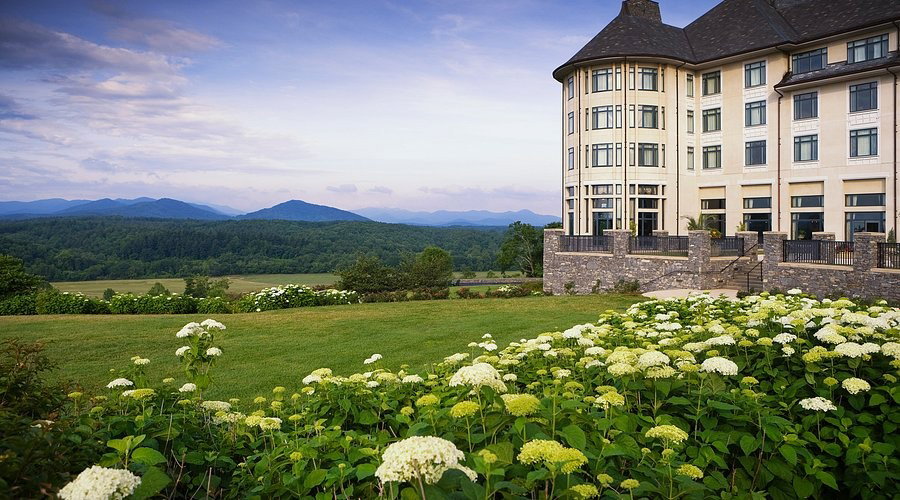
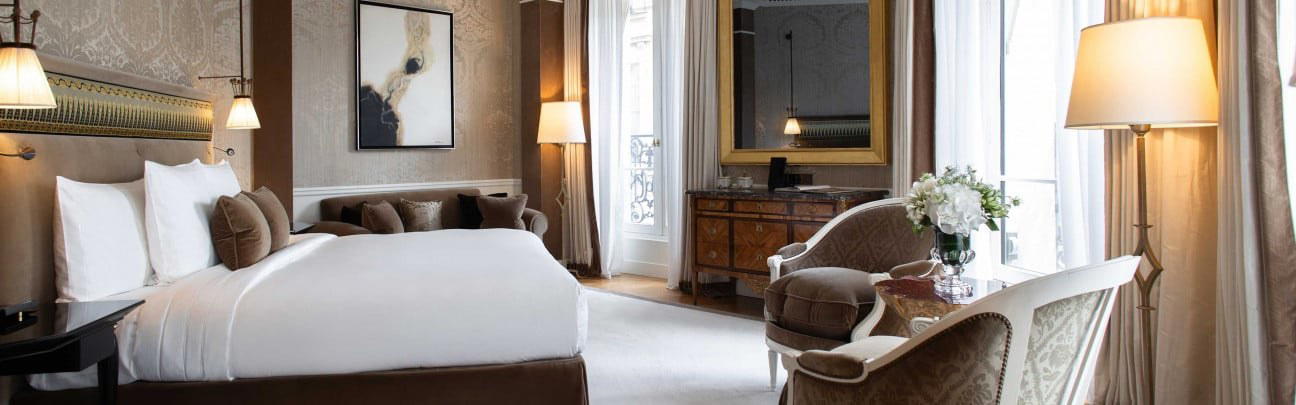
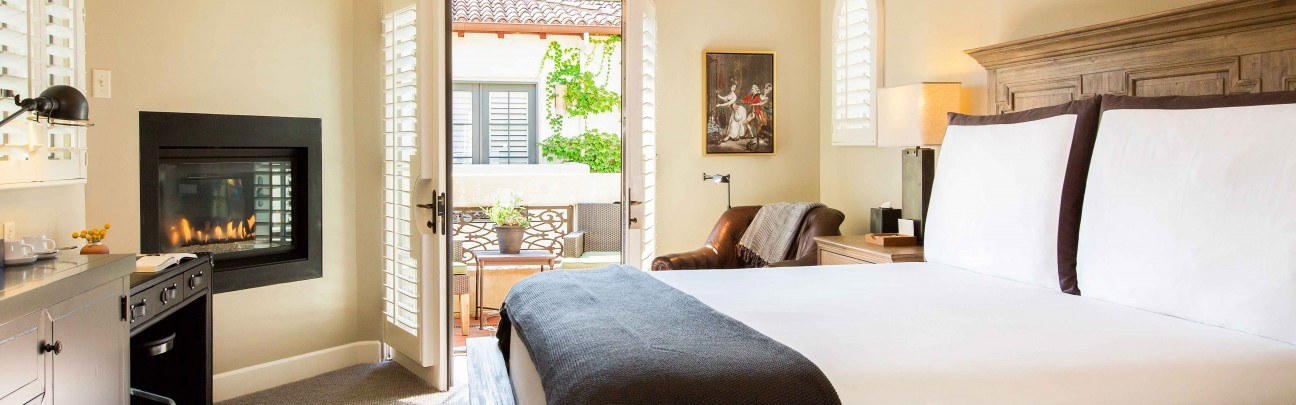
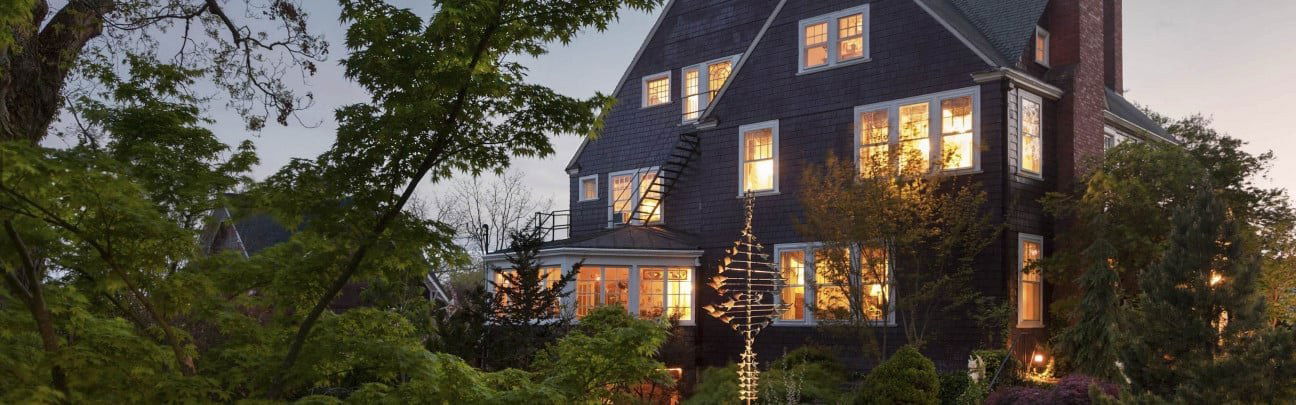
Blind Tiger Asheville occupies a restored 19th-century Queen Anne house and leans into its residential setting with quiet confidence. The 14-room guest house is deliberately restrained — there’s no on-site restaurant, bar or spa — so the property reads more like a lived-in neighborhood residence than a conventional boutique hotel. That restraint, paired with local touches like handwritten letters in each room, gives the place a classic, charming feel: historic architecture and low-key service that blend into Chestnut Hill’s walkable streets rather than announcing themselves loudly.
Best For
This is a place for travelers who want to live in the city rather than observe it from a lobby. It suits solo explorers and people seeking a short weekend escape or a quietly romantic stay who value neighborhood authenticity over in-house programming. With only 14 rooms and one stand-alone cottage, Blind Tiger attracts guests who prioritize a residential scale, local recommendations and a light-touch service ethos — those who plan to eat and explore off-property and appreciate a calm, domestically scaled base near downtown Asheville.
Stay Tips
Plan on dining and entertainment off-site: Blind Tiger does not offer a restaurant, bar or spa, so make reservations around town in advance. Each room includes a letter from a different Asheville resident with personalized suggestions — read those early; they’re the property’s central concierge. If you want extra privacy, book the stand-alone cottage when available. Expect mid-premium nightly rates (the property lists around $262) and a low-key check-in experience geared toward independent exploration rather than on-site amenities.
Venue details
Ambiance
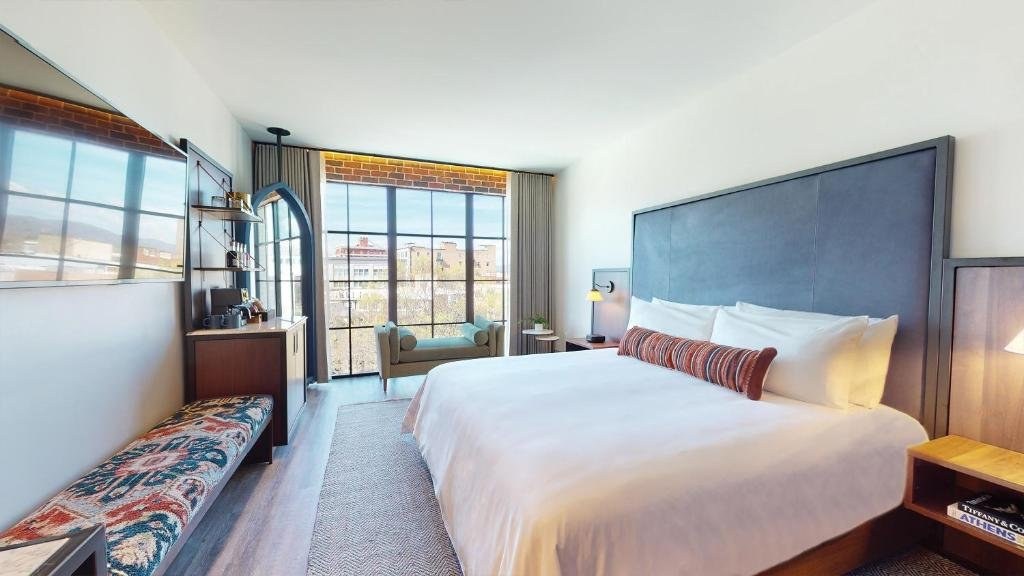
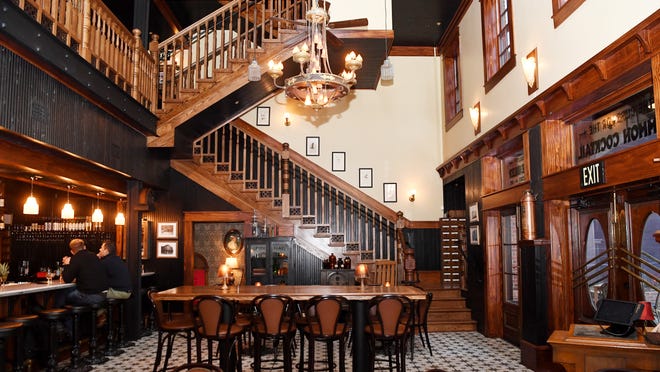
Cozy and welcoming with fireplaces, stylish eclectic decor, and a homelike atmosphere featuring curated music and common spaces.
Tags
Vibe
Best For
Experience
Amenities
About the Stay
- Rooms
- 14
- Check-in
- 16:00
- Check-out
- 11:00
- Property Style
- Renovated Historic Queen Anne House Turned Boutique B&b
- Design Style
- Eclectic Mix of Vintage, Antique, and Modern Elements
Know before you go
Know Before You Go
- Getting there
- 173 E Chestnut St, Asheville, NC 28801
Planning details
Location
Recognition and awards
Also consider
Also Consider
- Kimpton Hotel Arras, Notable alternative
- The Flat Iron Hotel, Notable alternative
- The Restoration Asheville, Notable alternative
- Foundry Hotel Asheville, Notable alternative
- The Radical, Notable alternative
Hotel context
How It Compares
Kimpton Hotel Arras is the safer choice for travelers who want a central, full-service hotel feel; Blind Tiger Asheville is the better call for a quieter celebration stay. If booking is tight and convenience matters more than atmosphere, start with Kimpton.
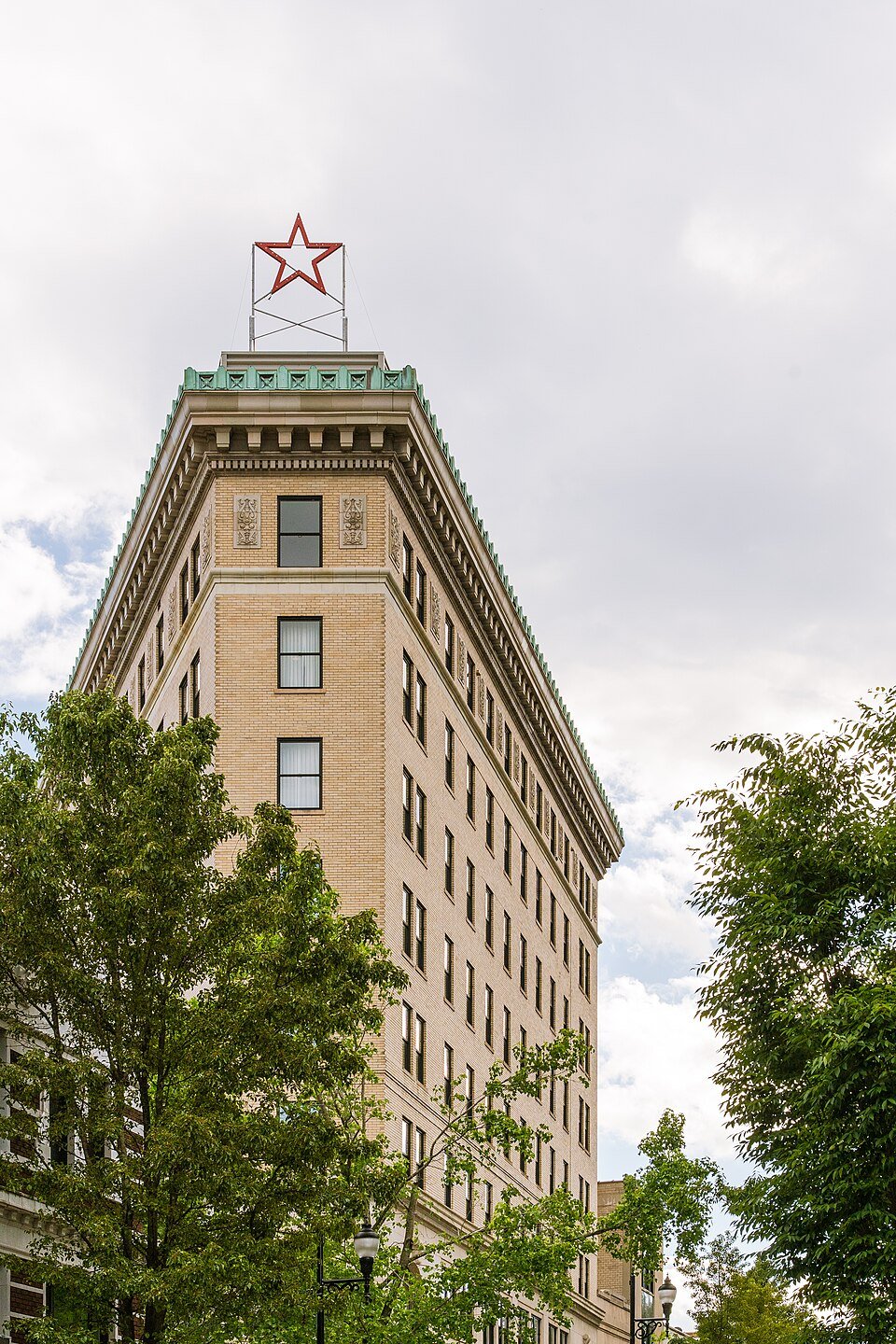
The Restoration Asheville and The Flat Iron Hotel are stronger cross-shops for guests who want a more downtown-forward Asheville base. Blind Tiger Asheville works better when the hotel's mood is part of the weekend, not just a place to sleep.
For a more design-led stay, compare it with The Radical. For a heritage-leaning Asheville option, Foundry Hotel Asheville is the more practical alternative. The decision is simple: choose Blind Tiger Asheville for intimacy, The Radical for edge, and Foundry for a more conventional boutique-hotel setup.
Around this place
Discover more on Pearl
Unlock the full Blind Tiger Asheville guide in Pearl, including awards, comparisons, FAQs, planning details, and nearby places.
Compare Blind Tiger Asheville
| Venue | Location | Awards |
|---|---|---|
| Blind Tiger Asheville | Asheville | 2026 Mr & Mrs Smith Luxury HotelsMichelin 1 Key 20252025 Michelin 1 Key2024 Michelin 1 Key |
| Kimpton Hotel Arras | Asheville | No published awards |
| The Flat Iron Hotel | Asheville | 2026 Design Hotels Collection2026 Michelin Guide New Hotels2025 Michelin Selected Hotels |
| The Restoration Asheville | Asheville | Tablet Hotels Top 40 New Hotels 2025 · #82025 Michelin Selected Hotels |
| Foundry Hotel Asheville | Asheville | No published awards |
| The Radical | Asheville | No published awards |



How Blind Tiger Asheville compares with similar nearby venues.
FAQ
Frequently Asked Questions
How is the location of Blind Tiger Asheville?
Blind Tiger Asheville is in Asheville. The data here does not support a more specific address, neighborhood, or landmark-based location description, so plan around the city rather than an exact location claim.
How is the dining at Blind Tiger Asheville?
The data here does not establish a specific dining program at Blind Tiger Asheville. If meals are a major part of your trip, compare the hotel stay separately from your Asheville dining plans.
Which room category is best at Blind Tiger Asheville?
The data here does not identify a best room category at Blind Tiger Asheville. Choose based on the current room descriptions, availability, and cancellation terms shown at booking.
How does Blind Tiger Asheville compare to other hotels?
Blind Tiger Asheville has a confirmed Michelin 1 Key from 2024 and a Mr & Mrs Smith Seal of Approval for 2026. If you are comparing other hotel options, consider Kimpton Hotel Arras, The Flat Iron Hotel, The Restoration Asheville, Foundry Hotel Asheville, and The Radical as part of the same search.
Is Blind Tiger Asheville good for business travel?
The data here does not establish specific business-travel facilities or services at Blind Tiger Asheville. It may still be worth considering if you want an Asheville hotel with confirmed recognition, but check current amenities and logistics before booking for work.