

Cascioni Eco Retreat
Gallura, Arzachena
Hotel in Arzachena, Italy
 Book with Pearl
The Read
Farmstead Slow Luxury
Why go
Cascioni Eco Retreat is worth shortlisting for a quieter Arzachena stay with credible luxury signals, including a Michelin 1 Key in 2024 and Small Luxury Hotels of the World membership in 2025. It is less compelling for travelers who want a full coastal resort setup, but strong for couples using Gallura as a calm base.
About Cascioni Eco Retreat
Michelin 1 Key recognition in 2024 is the clearest signal. Cascioni Eco Retreat in Arzachena is a recognized retreat, with hotel accolades and a smart casual dress code. Do not assume specific facilities, dining, beach access, or service format unless confirmed directly before booking.
The value case should be judged with restraint. Cascioni Eco Retreat's high-end positioning is supported by its credentials: it holds a Michelin 1 Key, is a Small Luxury Hotels of the World member, and has the Mr & Mrs Smith Seal of Approval. Travelers should confirm practical details directly before booking rather than assuming a particular dining setup, wellness program, room configuration, or activity schedule.
Better for an Arzachena retreat than an assumptions-led resort stay
The decision is simple: the property is an Arzachena retreat with recognition. Confirm any trip-critical details before committing. It is a sensible fit for travelers who value lodging accolades and clear style guidance. It is less direct for guests whose plans depend on specific on-property services that are not specified.
The smart move is to decide early whether this retreat is the goal, then compare it with other Sardinian luxury options based on their offerings rather than assumptions. Hotel Cala di Volpe, a Luxury Collection Hotel, Costa Smeralda; 7Pines Resort Sardinia; Aethos Sardinia; Hotel Li Finistreddi; and Petra Segreta Resort & Spa are natural reference points for travelers weighing different styles of high-end Sardinian stays.
How to decide before committing
For value-seekers, the key question is not whether Cascioni Eco Retreat has meaningful recognition; it does. The question is whether the property's profile matches the trip. Michelin 1 Key recognition, Small Luxury Hotels of the World membership, and the Mr & Mrs Smith Seal of Approval all support confidence in the property, but they do not specify every detail a guest may care about.
Before booking, confirm the specifics that matter for your stay, especially if dining, wellness, room type, transport, or daily activities are central to the plan. The dress code is smart casual, which fits the property's recognized retreat positioning without implying a particular service format.
Planning details
- Location
- SP 59 bis, 07021 Arzachena Provincia della Gallura Nord-Est Sardegna
- Website
- cascioni.com
- Phone
- +39 0789 387537
The take
The Take
The Vibe
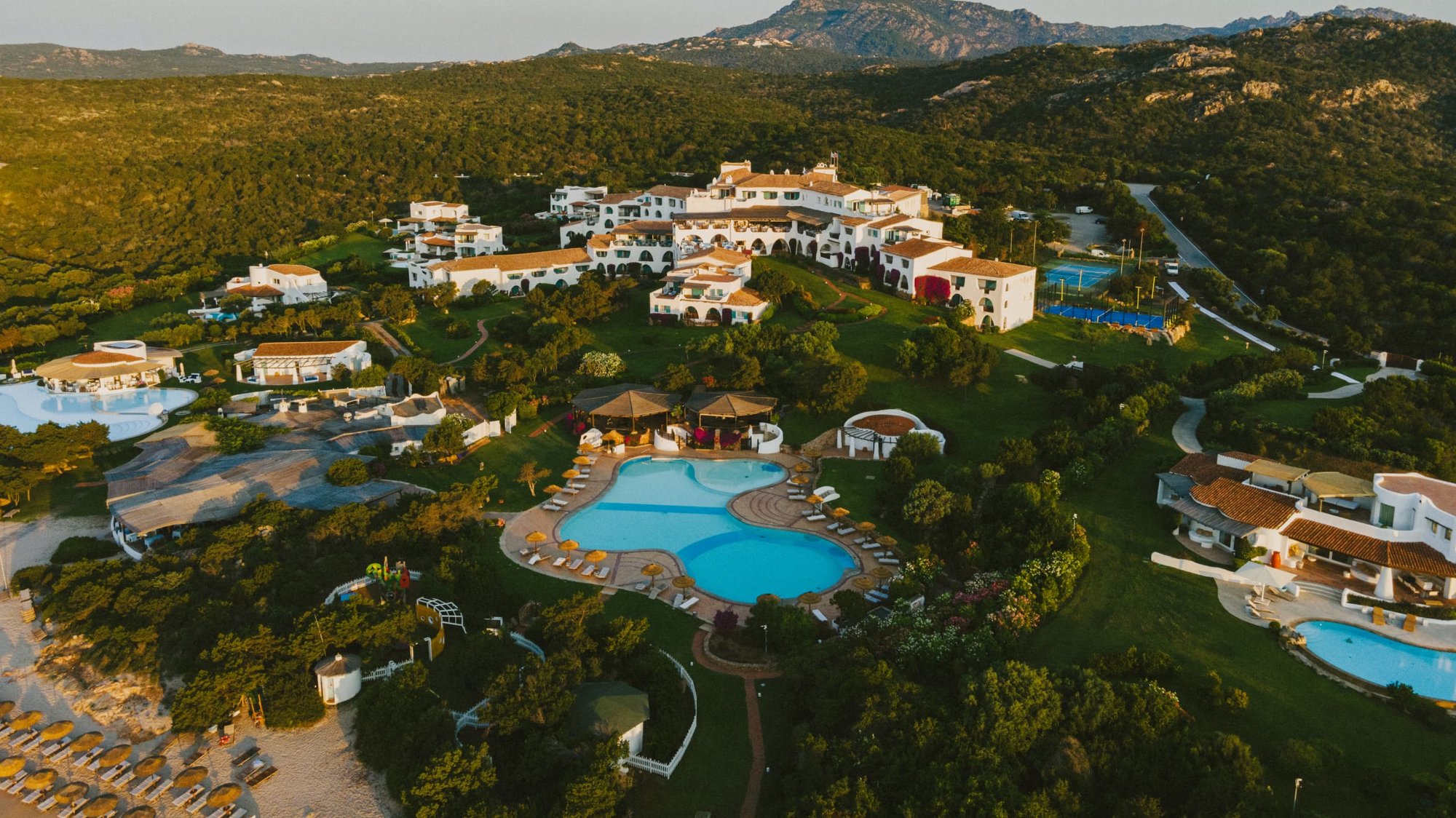
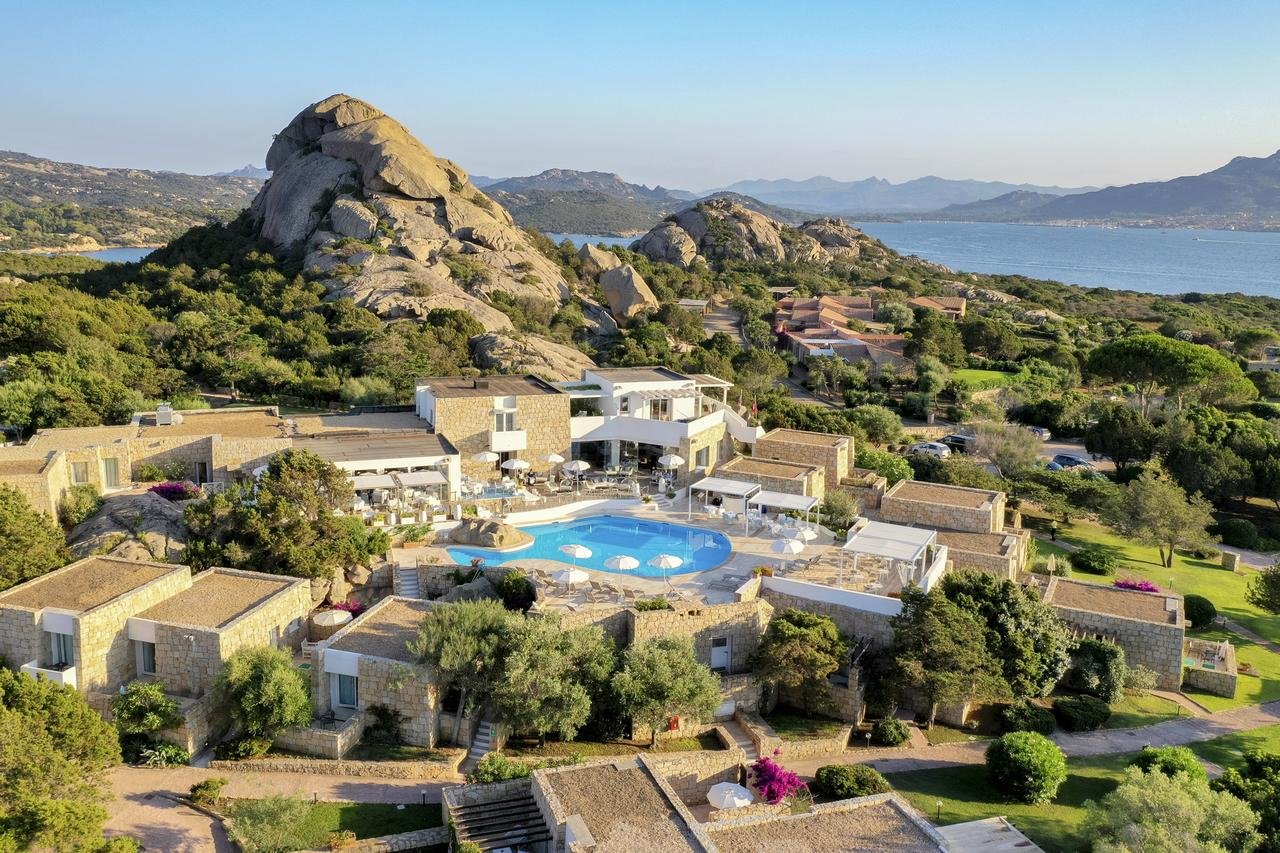
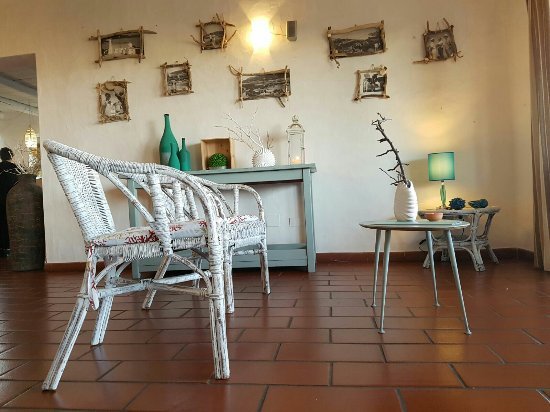
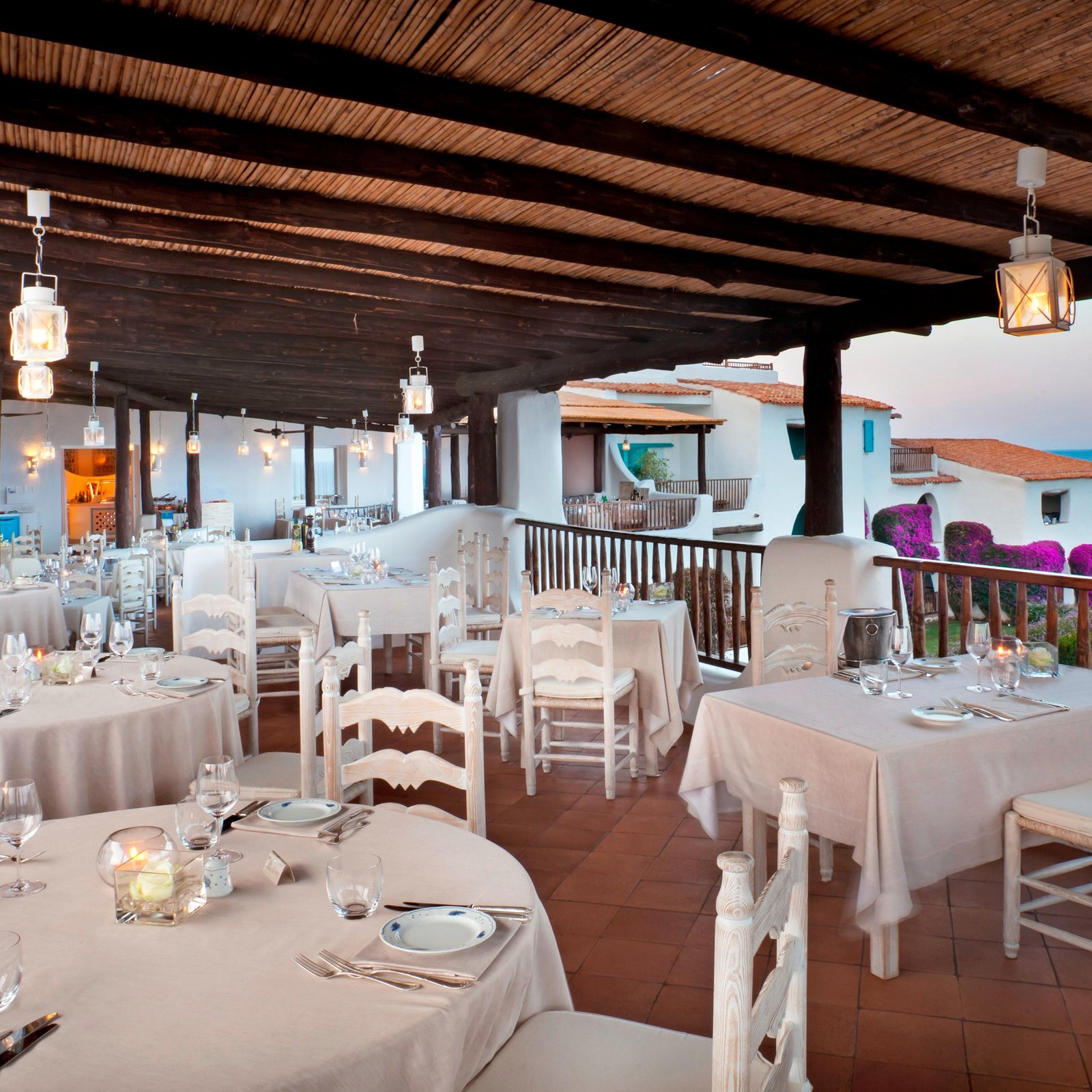
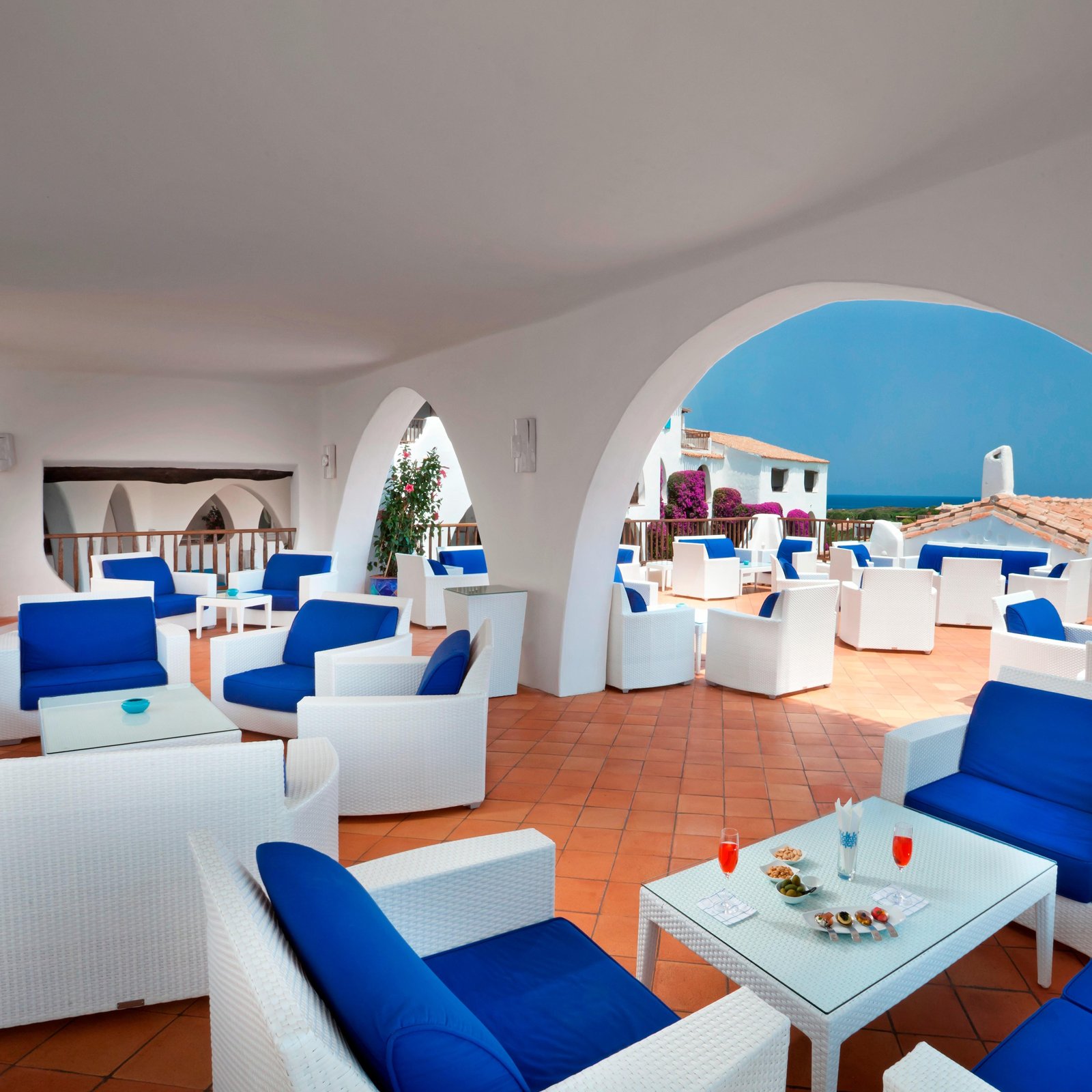
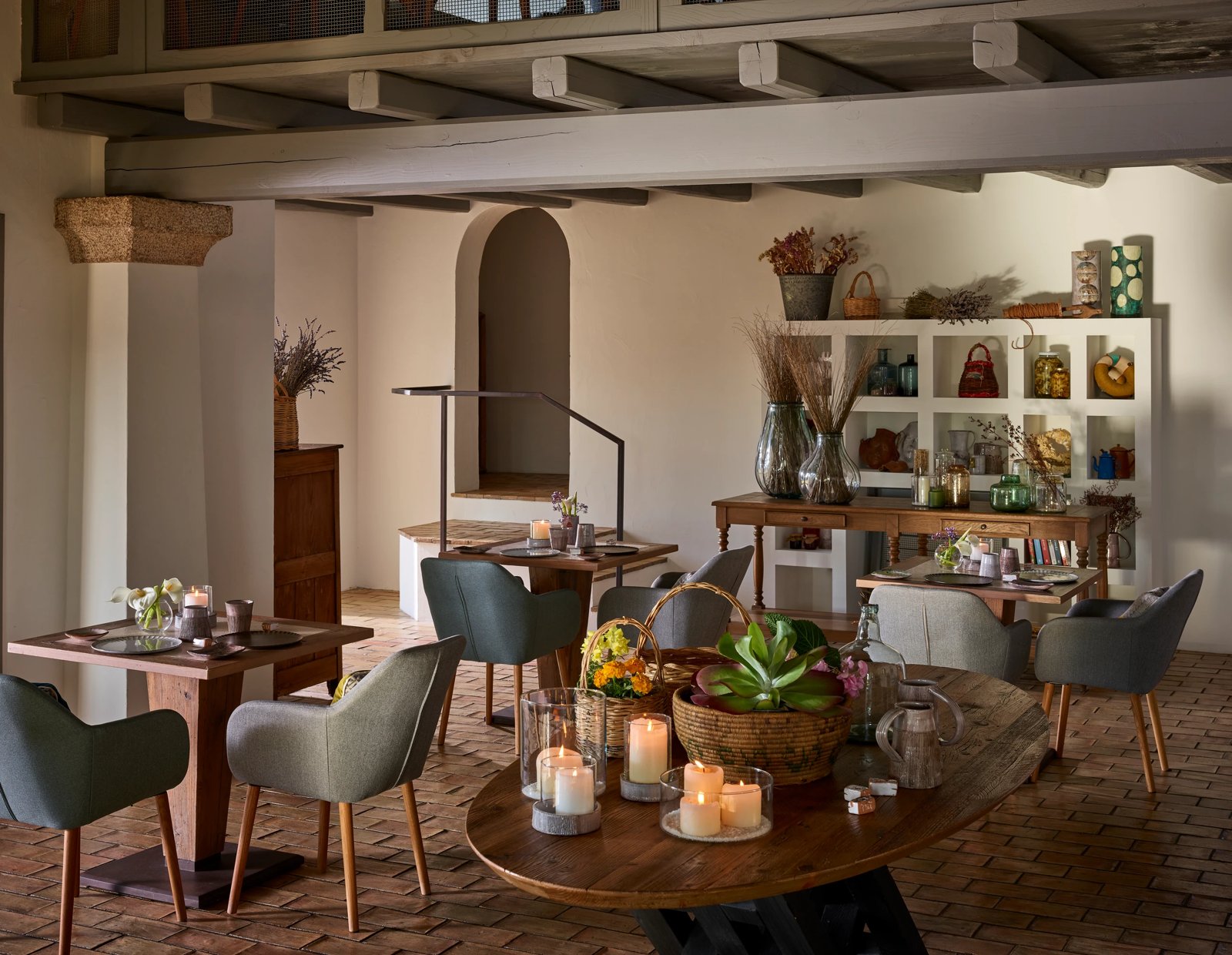
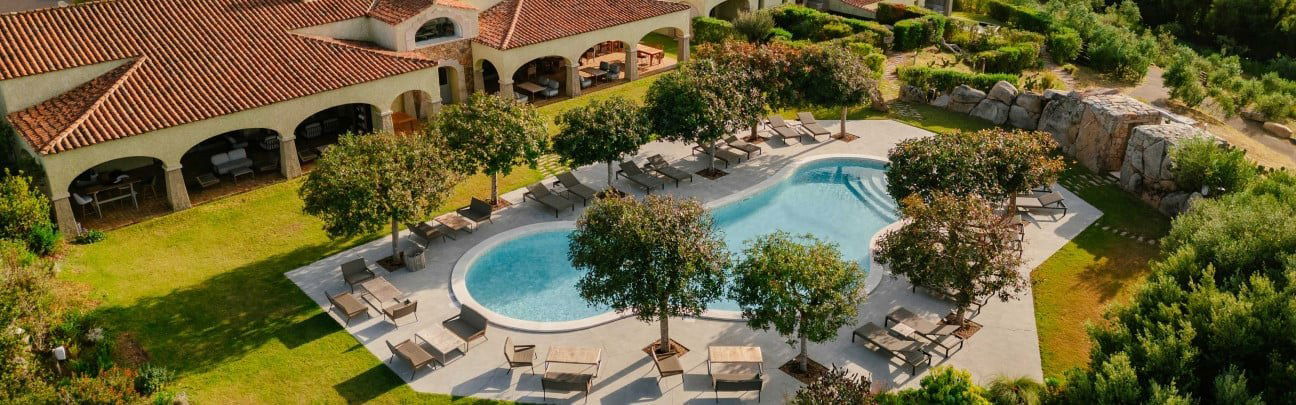
Cascioni Eco Retreat reads as a quietly refined countryside estate. The property occupies a private natural park and is organized around converted farmhouses, so architecture and landscape speak in an unshowy, restrained register. Jagged granite peaks rise behind the compound while the Sardinian coast sits in the middle distance, giving the site a layered, land-focused sense of place. The ecological logic of the estate is preserved rather than erased, which keeps the atmosphere rooted, polished and intimate rather than ostentatious. It’s a place that favors thoughtful restraint over coastal spectacle.
Best For
This is best for travelers who want a low-key, land-centered escape rather than a beach-focused resort experience. The estate’s private-park setting and converted farmhouse layout lend themselves to quiet retreats, nature-minded stays and intimate getaways for couples or solo travelers seeking solitude. Guests who prefer exploring interior Gallura — cork oaks, scrubland and granite formations — and who value thoughtful, restrained design over bright coastal social scenes will find the property especially well suited to their plans.
Venue details
Ambiance
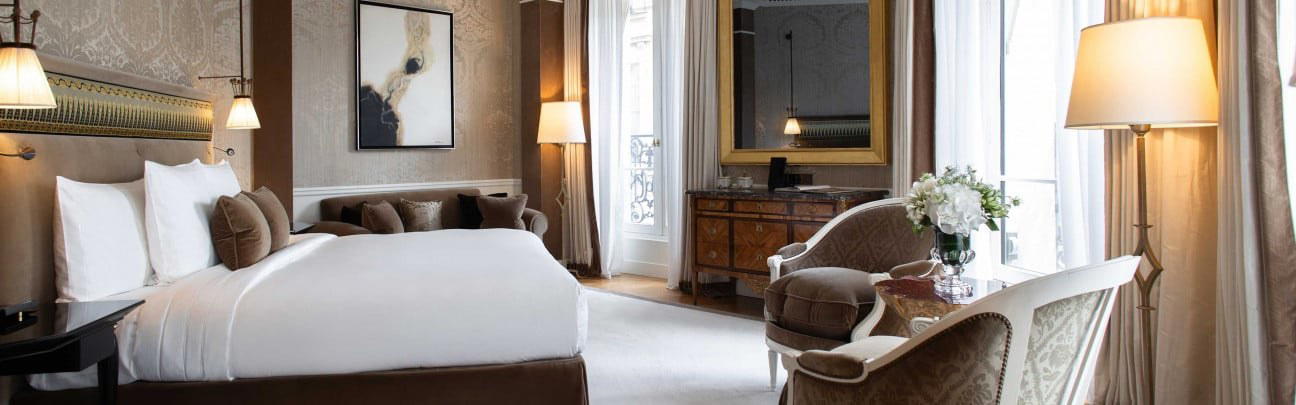
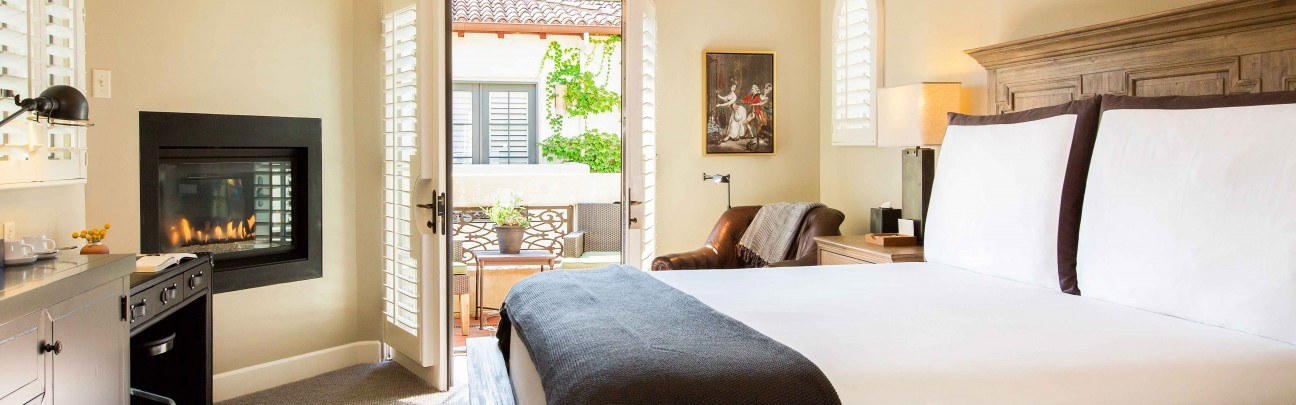
Elegant and calm atmosphere blending Sardinian authenticity with refined luxury, featuring peaceful natural surroundings, soundproofed rooms, and relaxing spa spaces.
Tags
Vibe
Best For
Experience
Amenities
View
About the Stay
- Rooms
- 0
- Property Style
- Refurbished Ancient Gallura Stazzo with Mediterranean Architecture in a Private Eco Oasis.
- Design Style
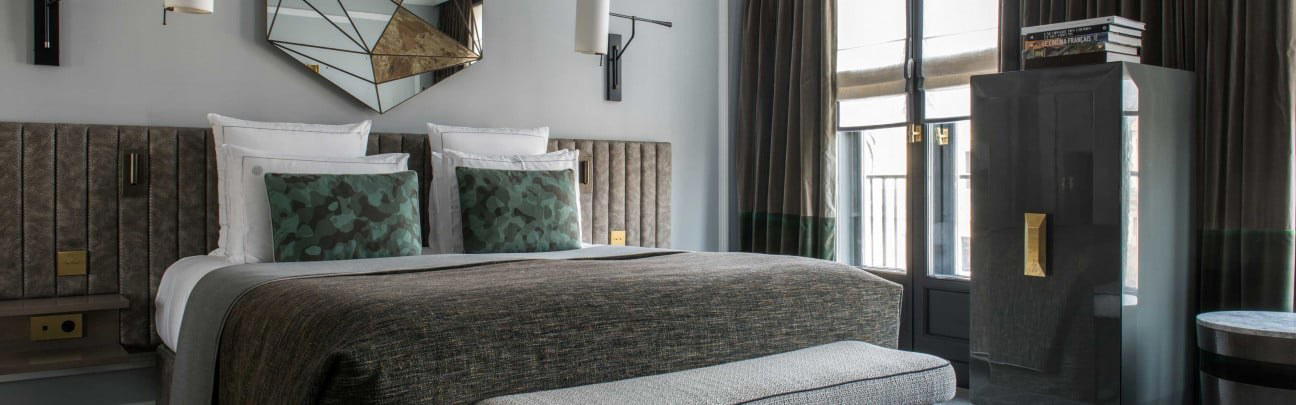
- Rustic Elegance with Individual Furnishings, Natural Materials, and Serene Aesthetic.
Know before you go
Know Before You Go
- Getting there
- SP 59 bis, 07021 Arzachena Provincia della Gallura Nord-Est Sardegna
Planning details
Location
SP 59 bis, 07021 Arzachena Provincia della Gallura Nord-Est Sardegna · Directions
Recognition and awards

Also consider
Also Consider
- Petra Segreta Resort & Spa, Notable alternative
- Hotel Li Finistreddi, Notable alternative
- Aethos Sardinia, Notable alternative
- 7Pines Resort Sardinia, Notable alternative
- Hotel Cala di Volpe, a Luxury Collection Hotel, Costa Smeralda, Notable alternative
Hotel context
How it compares in and around Arzachena
Choose Cascioni Eco Retreat if the brief is quiet, inland Gallura luxury with a retreat feel. Hotel Cala di Volpe, a Luxury Collection Hotel, Costa Smeralda is the bigger statement choice for travelers who want the classic Costa Smeralda resort experience, but it is also the more scene-driven option. Cascioni is the calmer bet for guests who want recognition without committing to a landmark resort mood.
Petra Segreta Resort & Spa and Hotel Li Finistreddi are the closest cross-shops for a softer, retreat-style stay. Compare them if value for money matters more than brand theater: Cascioni has the clearer recent credential stack, while the others may appeal if their setting or room mix better matches the trip.
For a broader resort setup, compare Aethos Sardinia and 7Pines Resort Sardinia. They make more sense for guests who want more on-property momentum and a less secluded rhythm. If Cascioni is unavailable, start with Petra Segreta Resort & Spa for a similar quiet-luxury lane, then look at 7Pines Resort Sardinia if facilities matter more than retreat atmosphere.
Explore Arzachena
Around this place
Discover more on Pearl
Unlock the full Cascioni Eco Retreat guide in Pearl, including awards, comparisons, FAQs, planning details, and nearby places.
Compare Cascioni Eco Retreat
| Venue | Location | Awards |
|---|---|---|
| Cascioni Eco Retreat | Arzachena | 2026 Mr & Mrs Smith Luxury HotelsMichelin 1 Key 20252025 Michelin 1 KeySmall Luxury Hotels Member 20252024 Michelin 1 Key |
| Petra Segreta Resort & Spa | Zona Stazzo Cappeddu | 2026 Virtuoso Luxury Hotel Collection2026 La Liste Top Hotels2025 Michelin Selected Hotels2025 Relais Chateaux Award |
| Hotel Li Finistreddi | Cannigione | No published awards |
| Aethos Sardinia | Costa Smeralda | No published awards |
| 7Pines Resort Sardinia | Baja Sardinia | 2026 Forbes 4-Star2026 Virtuoso Luxury Hotel Collection2026 Mr & Mrs Smith Luxury Hotels2025 Michelin Selected Hotels2025 Forbes Recommended |
| Hotel Cala di Volpe, a Luxury Collection Hotel, Costa Smeralda | Porto Cervo | 2026 Forbes Recommended2026 Virtuoso Luxury Hotel Collection2026 La Liste Top Hotels2025 Michelin Selected Hotels2025 Forbes Recommended |





How Cascioni Eco Retreat Arzachena compares with similar nearby venues.
FAQ
Frequently Asked Questions
When is the best time to book Cascioni Eco Retreat?
Book early if Cascioni Eco Retreat is a priority for your Arzachena stay. For any seasonal plans, confirm availability and stay details directly before committing.
Where is Cascioni Eco Retreat?
Cascioni Eco Retreat is in Arzachena. Specific street-address details are not specified, so use the hotel's official booking or confirmation materials for arrival planning.
Is Cascioni Eco Retreat good for business travel?
Which room category is best at Cascioni Eco Retreat?
Room categories or layouts are not specified. Choose based on the room details provided at the time of booking, and confirm anything essential directly with the property.
How is the dining at Cascioni Eco Retreat?
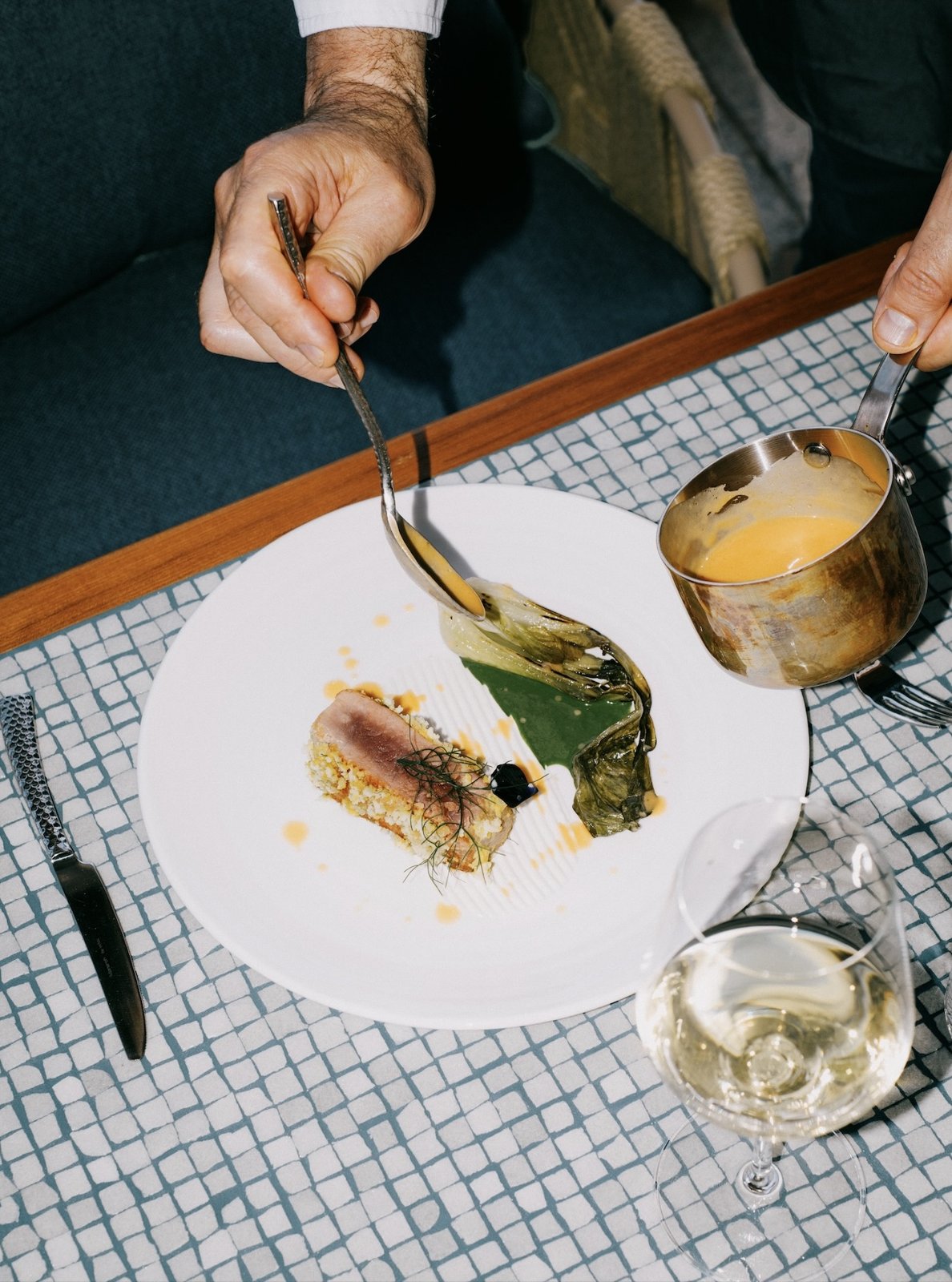
A specific restaurant, cuisine, menu format, or dining schedule is not specified. If dining is a major part of the trip, confirm current options directly with Cascioni Eco Retreat and compare the overall hotel fit with other Sardinian stays such as Hotel Cala di Volpe, a Luxury Collection Hotel, Costa Smeralda.
Do loyalty programs work at Cascioni Eco Retreat?
Cascioni Eco Retreat is a Small Luxury Hotels of the World member. Travelers who value that booking channel should check current participation details directly, as specific benefits, points, or status treatment are not specified.
What is the dress code at Cascioni Eco Retreat?
The dress code is smart casual. That is the clearest practical style guidance.