


Cirqa
Historic Center, Arequipa
Hotel in Arequipa, Peru
 Book with Pearl
Why go
Book Cirqa if the priority is a polished, historic-center Arequipa stay with serious hotel recognition, not a resort-style setup. It is better suited to design-minded travelers and city explorers than guests seeking a standalone dining destination or a countryside retreat.
About Cirqa
Should you book Cirqa in Arequipa? Yes, if you want a recognized Arequipa hotel. Cirqa has MICHELIN Guide Hotels 2 Keys for 2025, a Relais Chateaux Award for 2026, and a smart casual dress code.
Keep the verdict narrow: the reliable case for Cirqa is its Arequipa setting and its hotel recognition, rather than a specific dining concept, amenity list, or claim about a particular location within the city. Confirm location details, dining, hours, pricing, room options, spa details, and other amenities directly before booking if they matter to your stay.
Book for the recognized Arequipa hotel stay, not a standalone dining trip
The on-site dining question needs a careful answer: book this primarily as a hotel, not as a restaurant destination on its own. Before building plans around the property’s dining, check cuisine type, chef, menu format, hours, and pricing directly with the hotel. Travelers building a food-focused Arequipa itinerary should use broader Arequipa dining research alongside the hotel choice instead of assuming the property will cover every meal.
That said, the hotel's recognition is the grounded reason to keep Cirqa on the shortlist. For travelers who care about choosing a credentialed hotel in Arequipa, the MICHELIN Guide Hotels 2 Keys for 2025 and Relais Chateaux Award for 2026 are the key proof points.
Who should choose it over other hotel options
Choose Cirqa over Casa Andina Premium Arequipa if the trip calls for the Cirqa profile: an Arequipa hotel with MICHELIN Guide Hotels 2 Keys for 2025 and a Relais Chateaux Award for 2026. Choose Casa Andina Premium Arequipa if its own style, availability, or booking terms suit the trip better. For travelers considering a different itinerary, Las Casitas, A Belmond Hotel and Las Casitas, A Belmond Hotel, Colca Canyon may fit a different trip plan.
The practical recommendation is simple: consider Cirqa for a recognized Arequipa hotel stay, then compare other options only if the trip is not anchored in Arequipa. For a broader hotel search, use a full Arequipa hotels guide; for other itinerary pieces, check broader Arequipa guides to dining and experiences.
Inside Cirqa
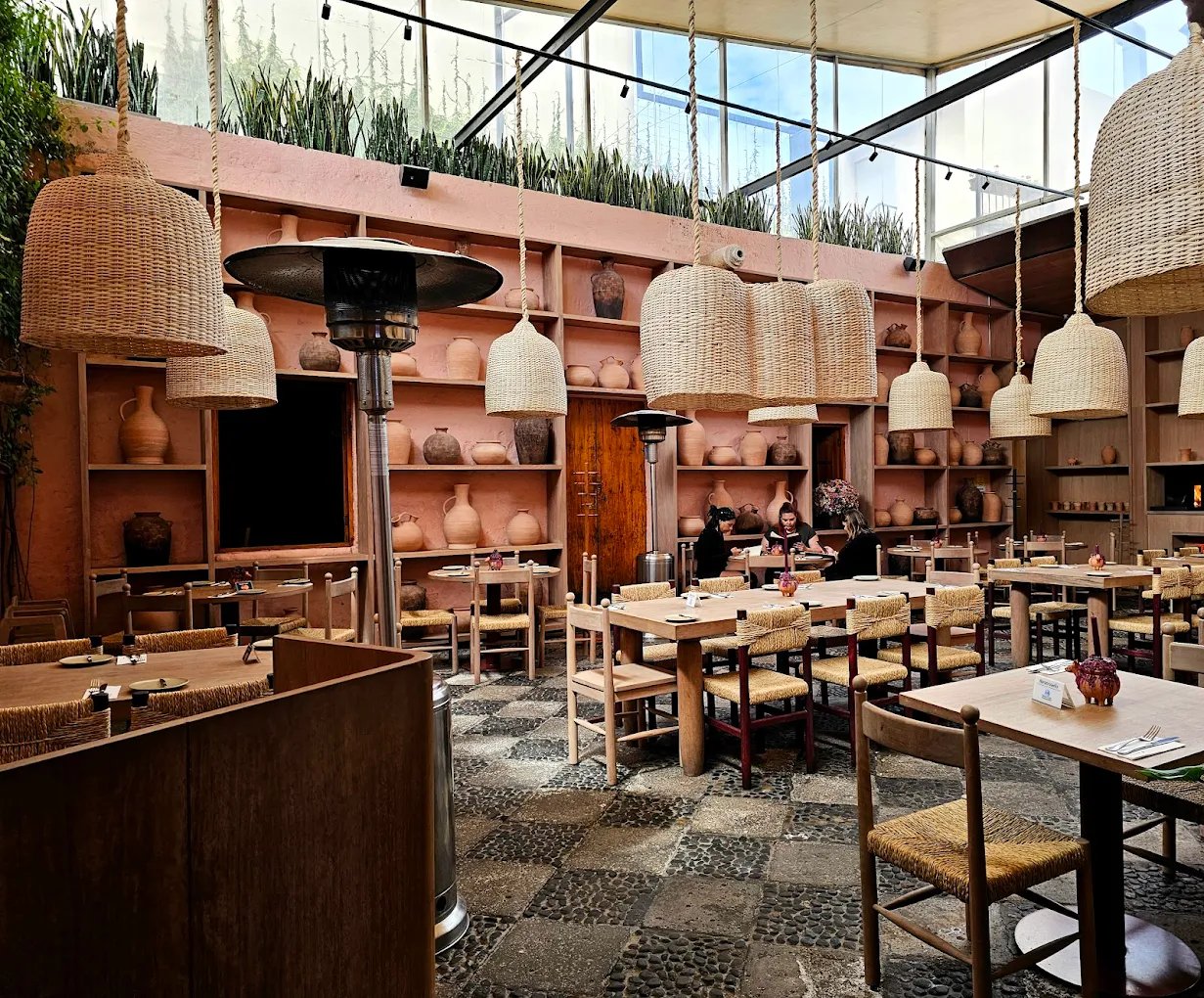
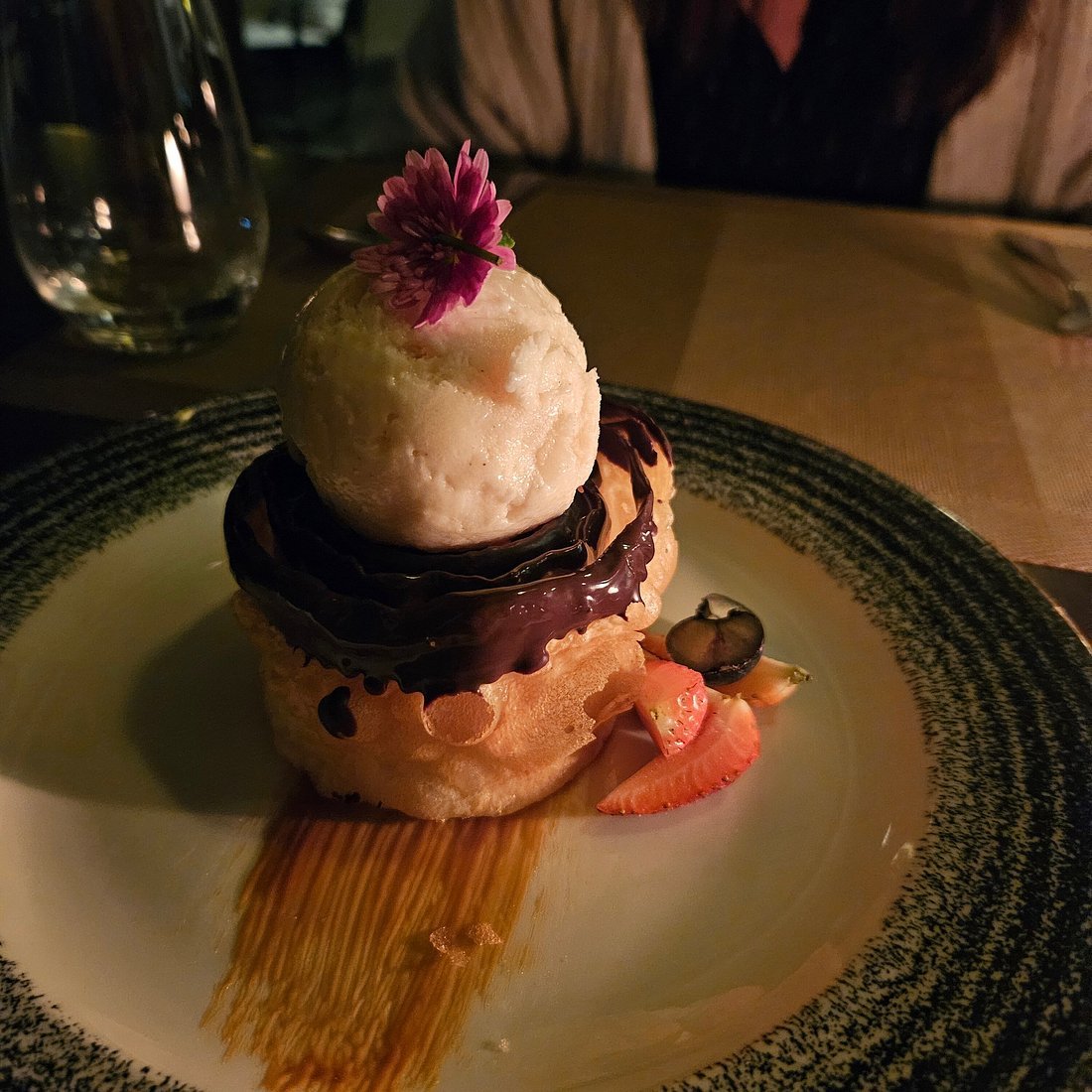
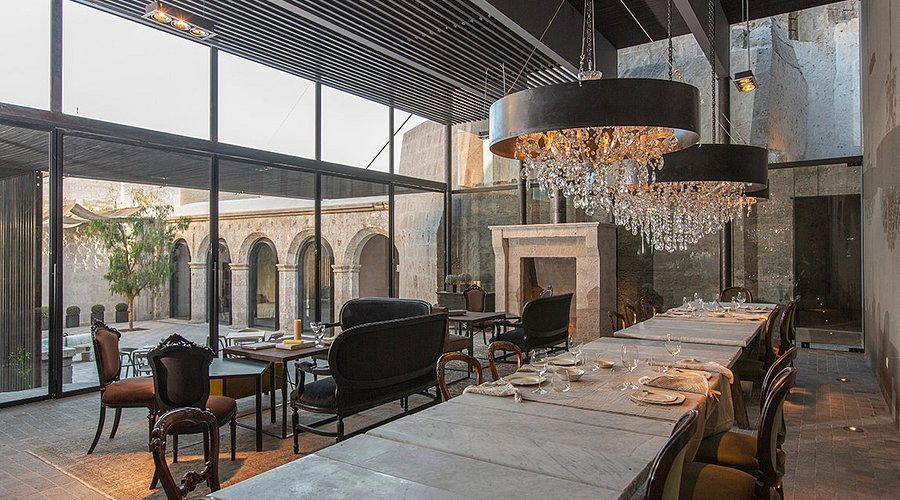
 restaurantCirqa RestaurantCirqa Restaurant places Arequipa’s regional cooking inside a polished, contemporary frame rather than treating it as museum fare. Chef Maria Fe Garcia Uranga’s work is framed around ancestral culinary heritage and a present-tense reading of local classics, making the dining room a useful lens on how the city’s picantería tradition is being translated for a quieter, more design-led audience.
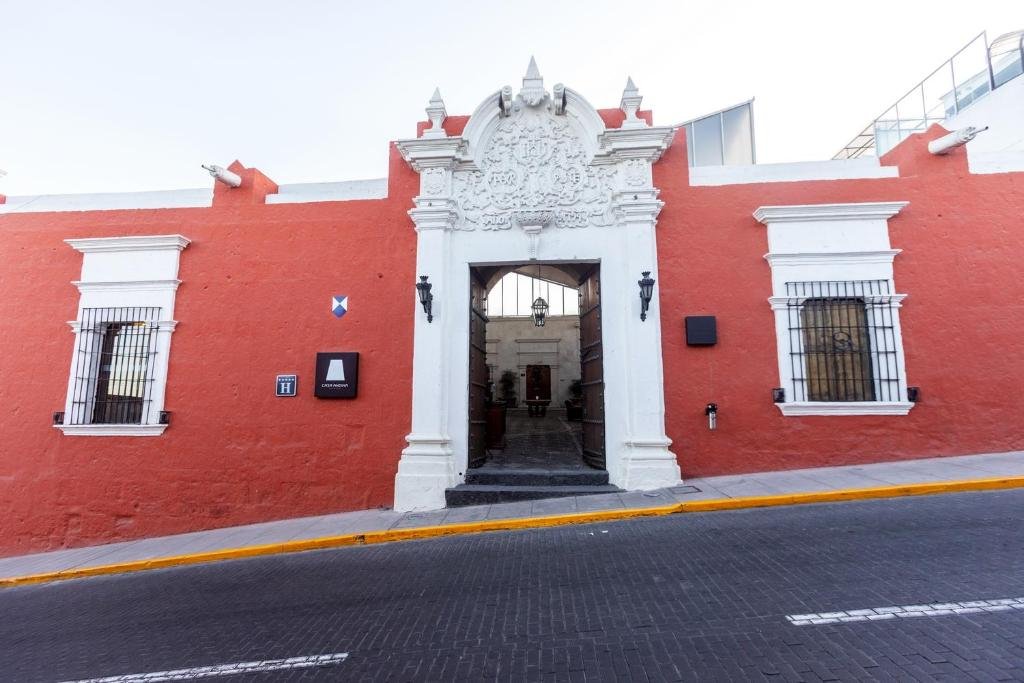
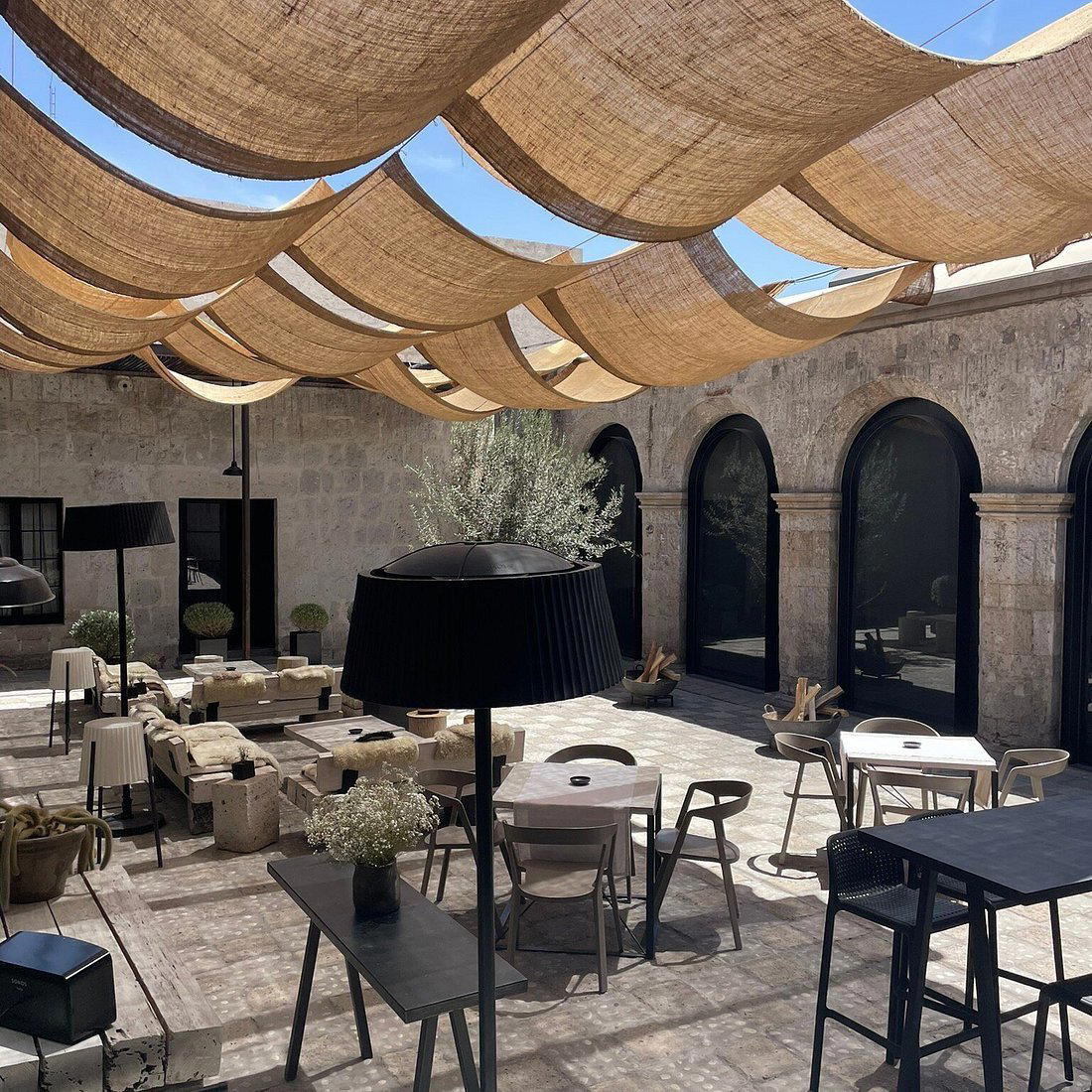
 restaurantCirqaSet within a 16th-century monastery on Calle Sucre, Cirqa places Arequipa's indigenous ingredient traditions at the centre of a contemporary Peruvian Fusion menu under Chef Franck Derouet. The colonial sillar-stone architecture gives the space a gravity that few dining rooms in the southern Andes can match. Google reviewers rate it 4.7 from 268 responses, and EP Club members have awarded it a 4.9 out of 5.
Planning details
- Location
- C. Sucre 104, Arequipa 04001, Peru
- Website
- cirqa.pe
- Phone
- +51 1 7005105
The take
The Take
The Vibe
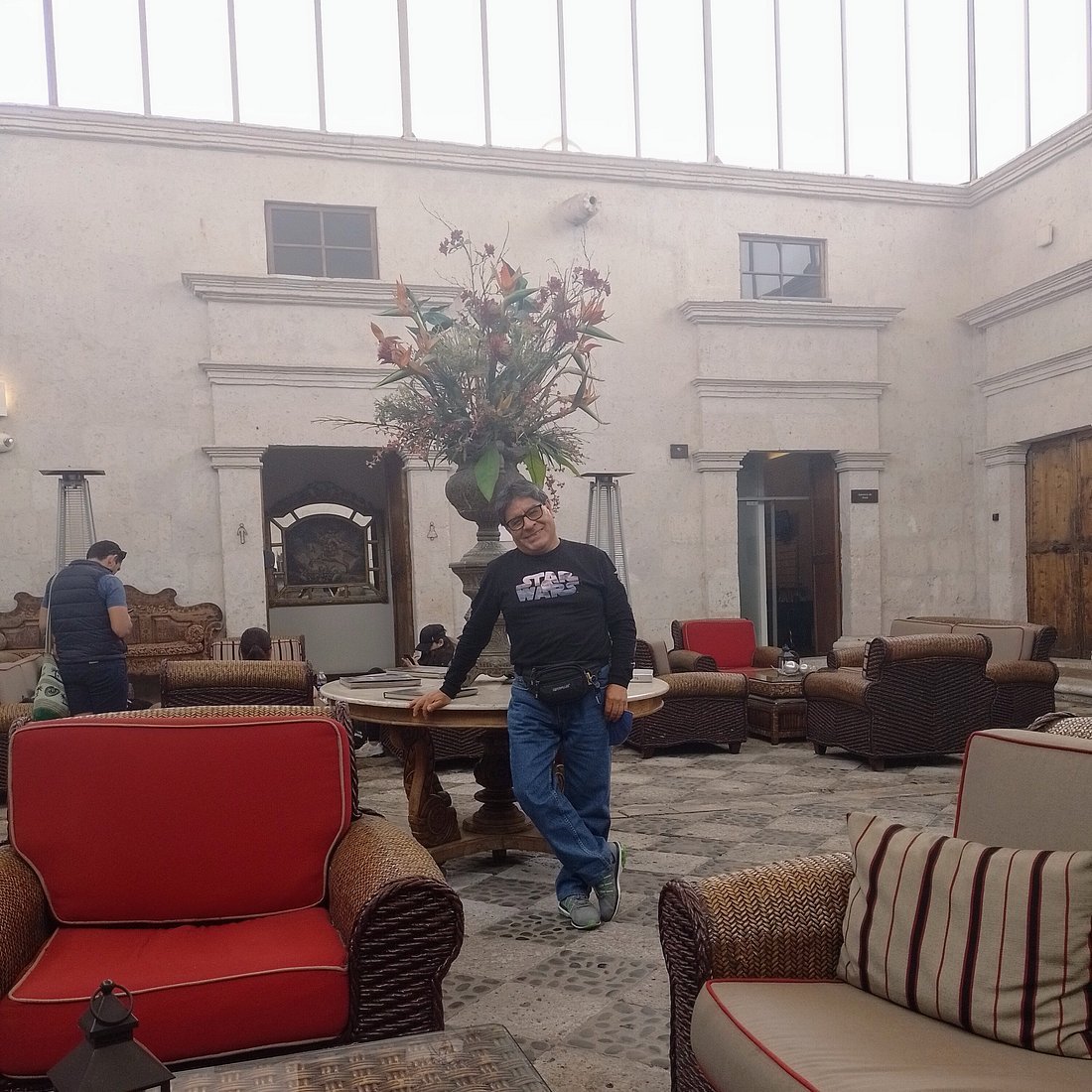
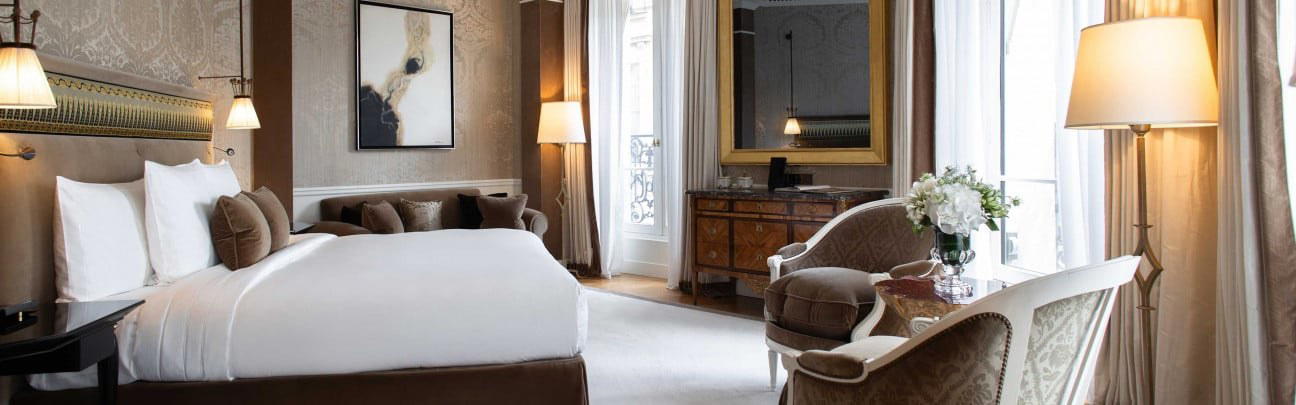
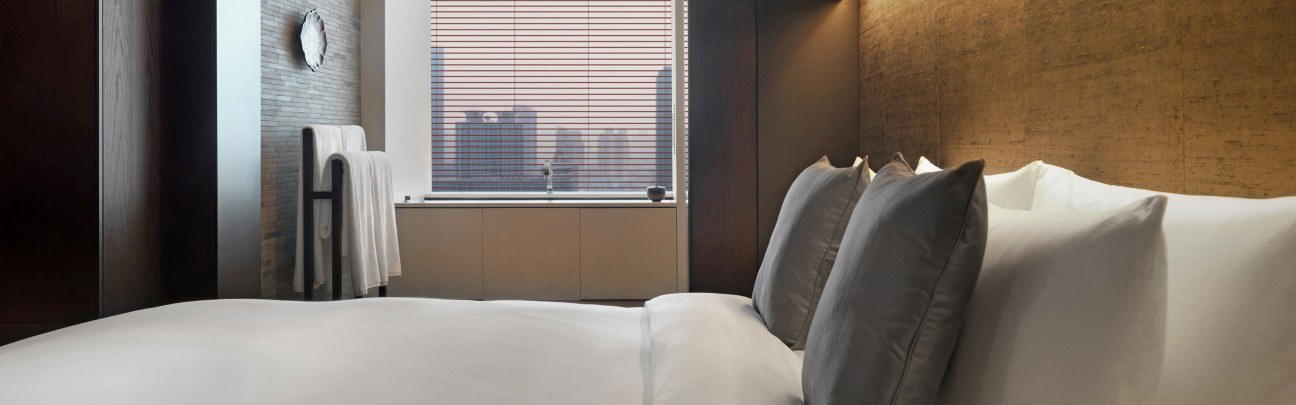
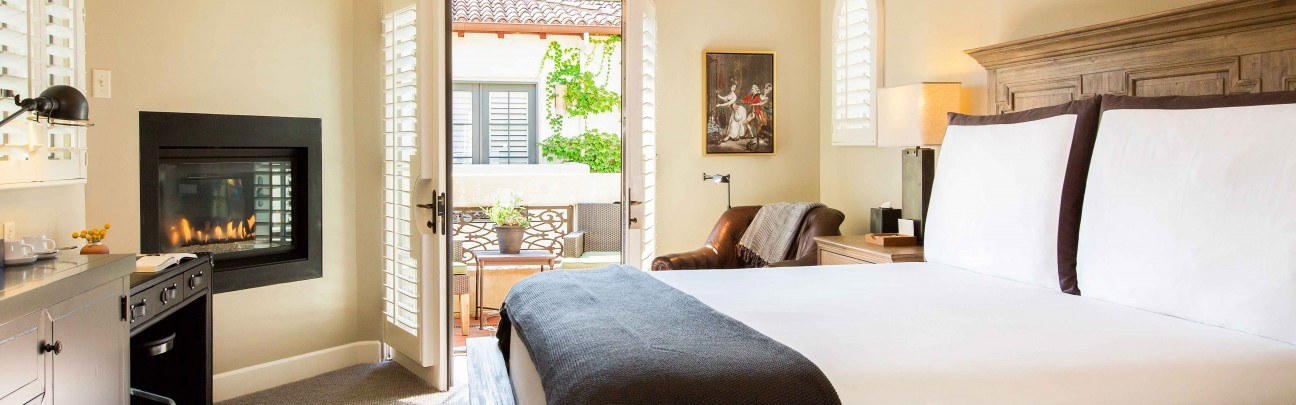
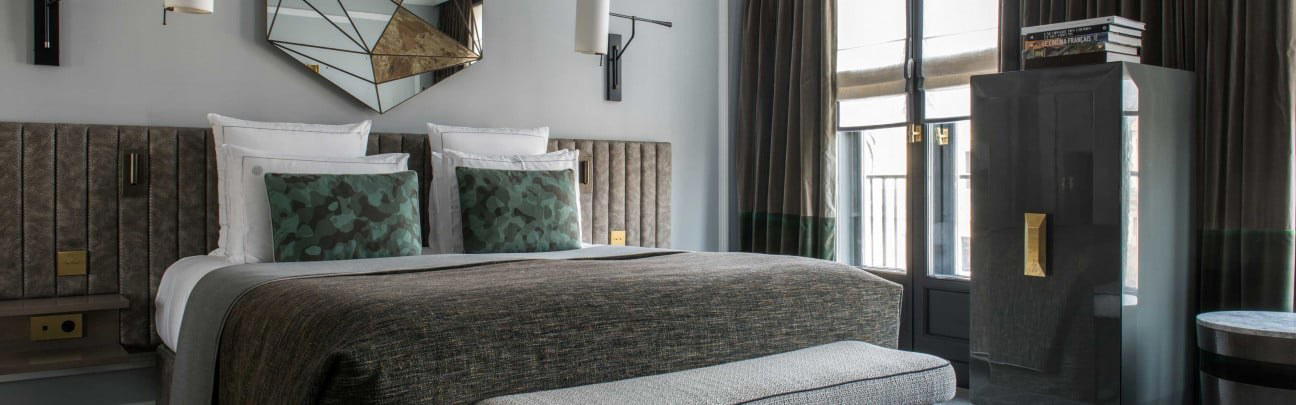
Cirqa sits at 104 Calle Sucre inside Arequipa’s UNESCO-listed historic centre, occupying a converted colonial house built from luminous sillar stone. The hotel leans into its colonial-casona logic: tightly proportioned courtyards, baroque neighbors, and a design-led conversion that foregrounds material and light. That design focus has earned Cirqa Two MICHELIN Keys in the 2025 guide, a signal of consistent hospitality and an elevated guest experience. Guests encounter an intimate, quietly refined atmosphere that amplifies the city’s white-stone luminosity rather than overwhelming it.
Best For
Cirqa is best for travelers who want to immerse themselves in Arequipa’s historic heart: couples seeking a romantic getaway or celebrating an anniversary will appreciate the hotel’s intimate scale and design polish. The Two MICHELIN Keys badge signals an elevated hospitality standard that suits special-occasion stays. Its location in a compact, UNESCO-listed district also makes it useful for short cultural itineraries and weekend escapes where the building’s colonial architecture and sillar stonescape are the main attractions. The property’s conversion format emphasizes quiet, contemplative moments rather than large-group programming.
Venue details
Ambiance
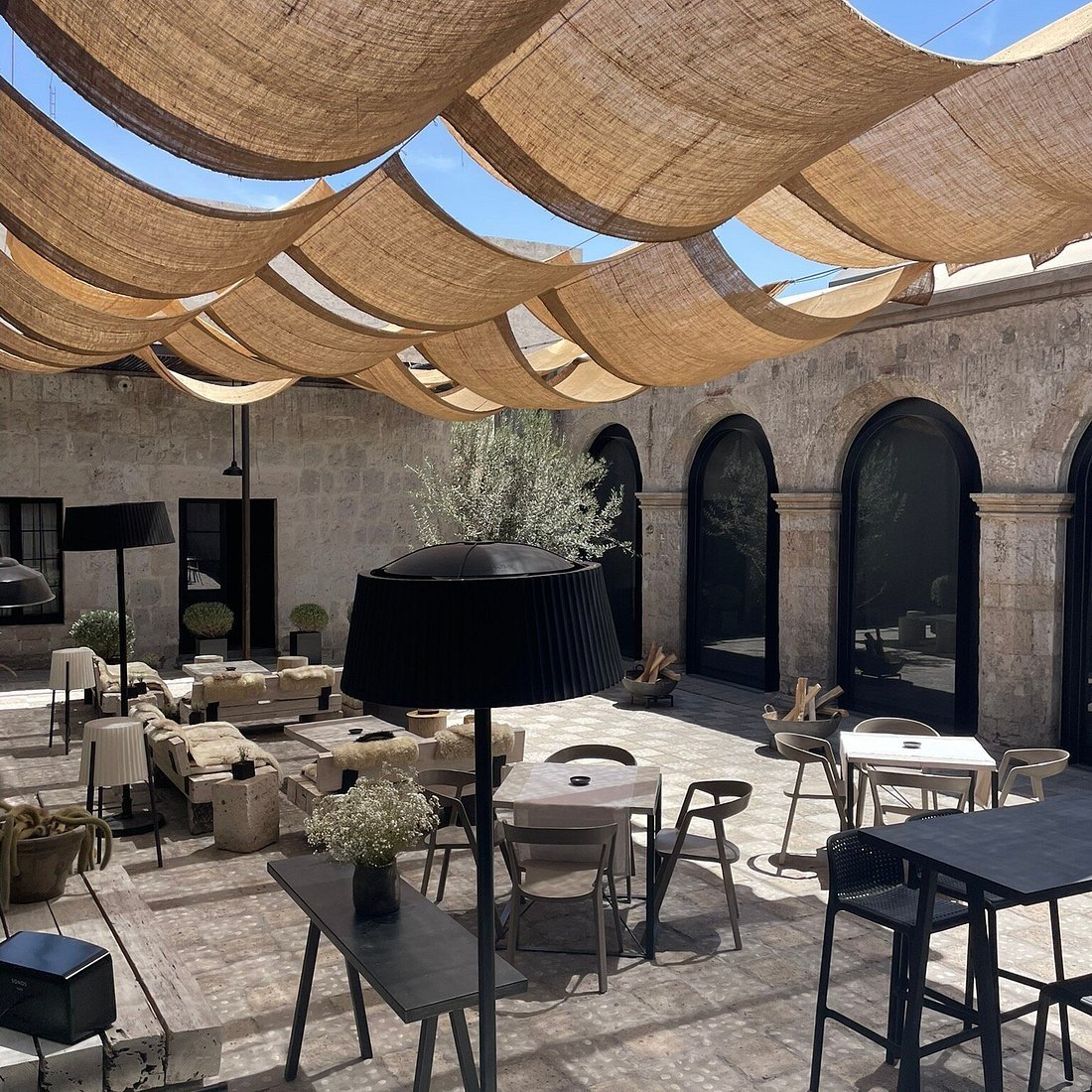
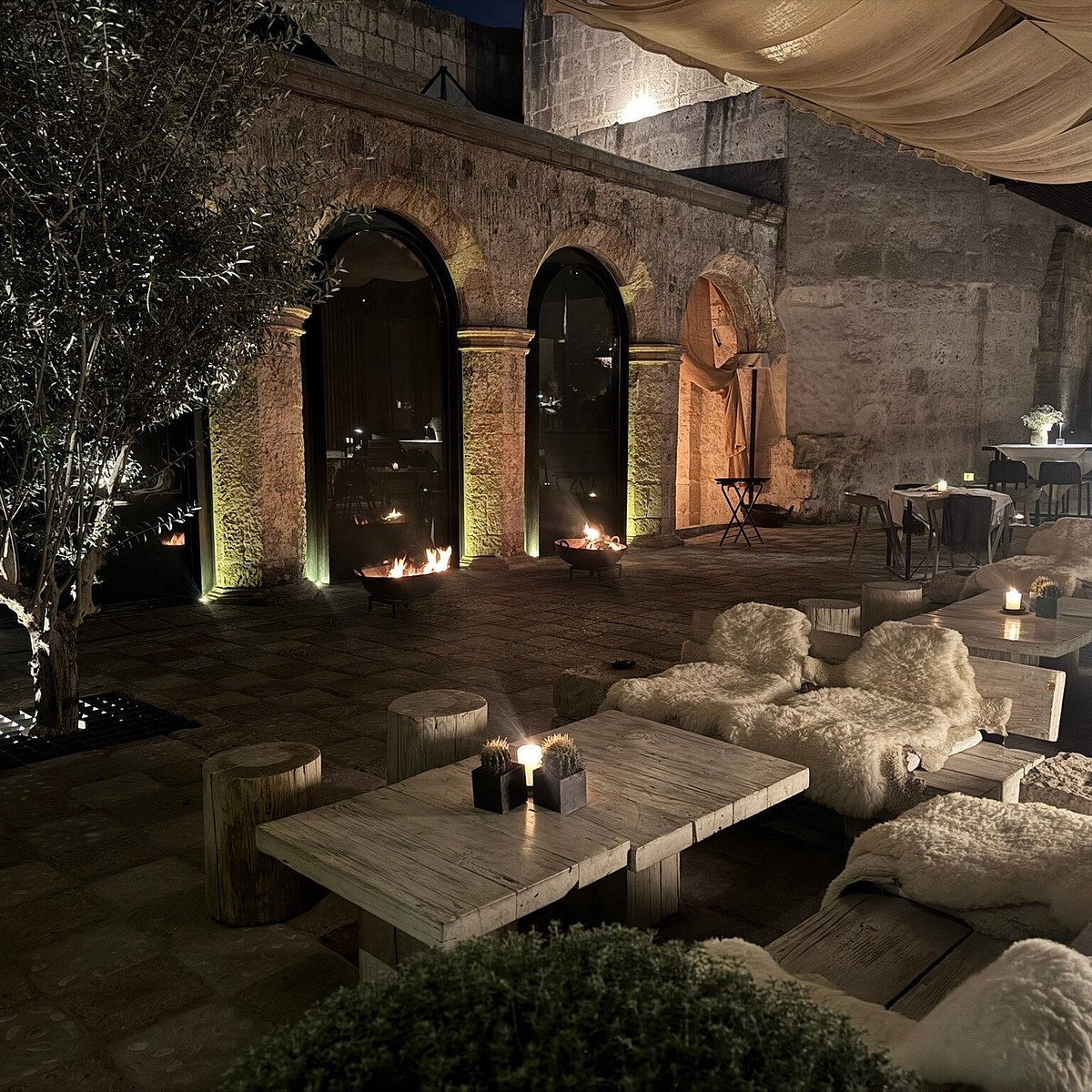
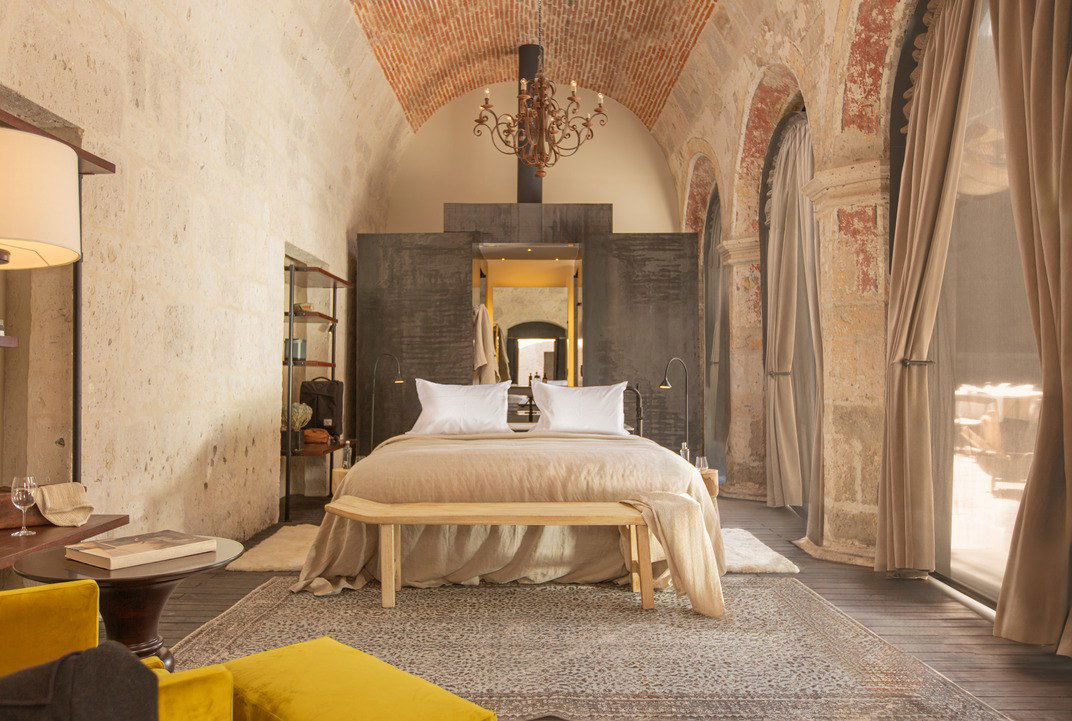
Refined colonial atmosphere with stone walls, flagstone floors, high-vaulted ceilings, and an elegant central courtyard blending historic charm with modern elegance.
Tags
Vibe
Best For
Experience
Amenities
View
About the Stay
- Rooms
- 11
- Check-in
- 14:00
- Check-out
- 12:00
- Property Type
- Boutique hotel
- Property Style
- Converted 16th Century Monastery Blending Historic Architecture with Contemporary Luxury
- Design Style
- Elegant Colonial with Stone Walls, Vaulted Ceilings, and Modern Nuances
- Breakfast
- Included
- Airport Transfer
- Available
- Pool
- Yes
- Spa
- Yes
Know before you go
Know Before You Go
- Getting there
- C. Sucre 104, Arequipa 04001, Peru
Planning details
Location
Recognition and awards


Also consider
Also Consider
- Casa Andina Premium Arequipa, Notable alternative
- Las Casitas, A Belmond Hotel, Notable alternative
- Las Casitas, A Belmond Hotel, Colca Canyon, Notable alternative
- Tinajani, Notable alternative
- Titilaka, Notable alternative
Hotel context
How Cirqa compares in Arequipa
Cirqa is the stronger pick for travelers who want an Arequipa city base with a more intimate, design-forward feel and external hotel recognition. Casa Andina Premium Arequipa is the safer cross-shop if the priority is a conventional premium hotel setup in the city and likely easier planning.
Las Casitas, A Belmond Hotel and Las Casitas, A Belmond Hotel, Colca Canyon are better choices when the trip is about the Colca Canyon rhythm rather than Arequipa's historic center. They make more sense for scenery, space, and slower downtime; Cirqa makes more sense for short city stays, walking access, and a tighter urban itinerary.
Tinajani and Titilaka sit outside the metro comparison set, so treat them as itinerary alternatives rather than direct substitutes. Pick those if the trip is moving beyond Arequipa; pick Cirqa when Arequipa itself is the anchor.
Explore Arequipa
Around this place
Discover more on Pearl
Unlock the full Cirqa guide in Pearl, including awards, comparisons, FAQs, planning details, and nearby places.
Compare Cirqa
| Venue | Location | Awards |
|---|---|---|
| Cirqa | Arequipa | 2026 Relais Chateaux Hotels100 Most Incredible Hotels in the World · 20262026 Mr & Mrs Smith Luxury Hotels2026 Michelin 2 KeysMichelin 2 Keys 20252025 Relais Chateaux Award2025 Michelin 2 Keys |
| Casa Andina Premium Arequipa | Arequipa | No published awards |
| Las Casitas, A Belmond Hotel | Arequipa | No published awards |
| Las Casitas, A Belmond Hotel, Colca Canyon | Arequipa | No published awards |
| Tinajani | Canon De Tinajani | 2026 Conde Nast Traveler Hot List Hotels2026 Travel + Leisure It List HotelsTown & Country Hotel Awards 2026 |
| Titilaka | Puno | 2026 Virtuoso Luxury Hotel Collection2026 Mr & Mrs Smith Luxury Hotels2026 Michelin 2 KeysMichelin 2 Keys 20252025 Michelin 2 Keys |





How Cirqa Arequipa compares with similar nearby venues.
FAQ
Frequently Asked Questions
How is the pool and spa at Cirqa?
For pool or spa details at Cirqa, check directly before booking and compare with other hotel options when the trip is not focused on staying in Arequipa.
How is the location of Cirqa?
How is the dining at Cirqa?
Check dining details directly with the hotel before building plans around them. The strongest proof points are the hotel recognitions: MICHELIN Guide Hotels 2 Keys for 2025 and a Relais Chateaux Award for 2026, rather than a named restaurant concept, cuisine, chef, menu, or price point.
What is check-in like at Cirqa?
How does Cirqa compare to other hotels?
Choose Cirqa over Casa Andina Premium Arequipa if you specifically want the Cirqa profile: an Arequipa hotel with MICHELIN Guide Hotels 2 Keys for 2025 and a Relais Chateaux Award for 2026. Consider Las Casitas, A Belmond Hotel, Colca Canyon instead if its own profile fits your itinerary better than an Arequipa city stay.
Which room category is best at Cirqa?
Choose based on the current booking options shown by the hotel and confirm room categories, room names, views, sizes, layouts, and any preferences directly before reserving.
When is the best time to book Cirqa?
Book when your Arequipa dates are firm and the booking terms work for your trip. If you are choosing between this and Titilaka or Tinajani, Cirqa makes more sense when your trip is centered on Arequipa rather than a different itinerary.