
Hotel Captain Cook
Downtown Anchorage, Anchorage
Hotel in Anchorage, United States
 Book with Pearl
The Read
Three-Tower Downtown Anchor
Why go
Hotel Captain Cook is the practical Anchorage pick for travelers who want a downtown base with a recognized full-service profile. Book it for business travel, first-night logistics, or city access; cross-shop lodge-style Alaska properties if scenery and property-led experiences matter more than Anchorage convenience.
About Hotel Captain Cook
Hotel Captain Cook is an Anchorage hotel. It is in the Preferred Hotels L.V.X. Collection for 2025 and has a smart-casual dress code. Travelers should confirm specific details about restaurants, amenities, room categories, service style, prices, and exact location directly with the hotel before booking.
That makes the decision direct: consider Hotel Captain Cook if you want an Anchorage hotel with a clearly identified hotel affiliation. If your trip depends on particular dining, room, access, or service details, verify those details with the property before booking.
Book it for an Anchorage hotel stay, not unconfirmed extras
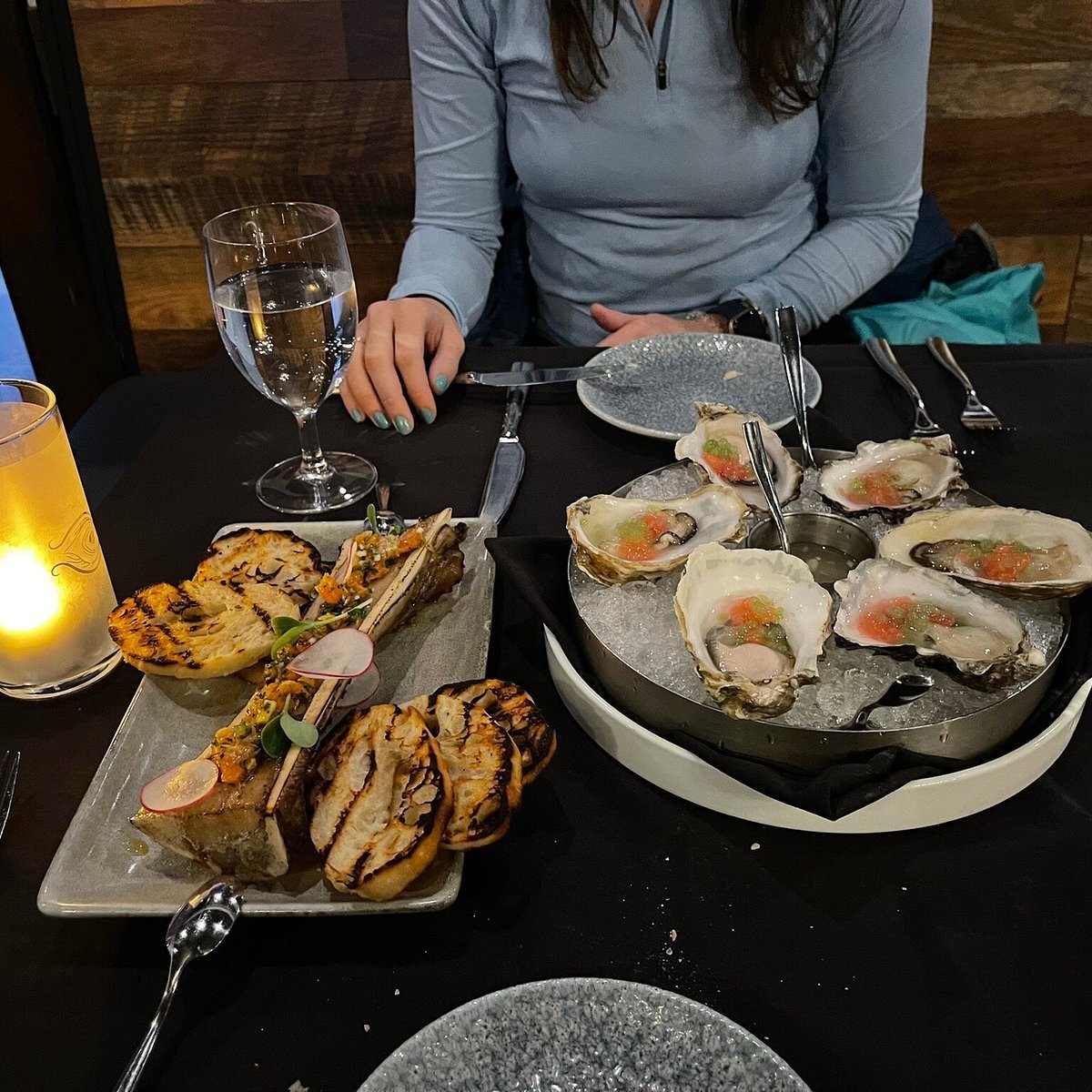
The on-site dining question needs a clean answer: there is not enough information here to recommend the property primarily for a restaurant program. Choose it as an Anchorage hotel option, then plan meals separately. For travelers who care heavily about dinner, the smarter move is to pair the stay with independent restaurant research through Our full Anchorage restaurants guide, rather than assuming the hotel will carry the whole food side of the trip.
That does not make the hotel a weak choice. It makes the booking use-case specific. The case for Hotel Captain Cook is its Anchorage setting, smart-casual standard, and Preferred Hotels L.V.X. Collection recognition. Other details should be checked directly before you commit.
Who should choose it over a different Alaska stay
Pick this if you want to stay with Hotel Captain Cook in Anchorage and value its Preferred Hotels L.V.X. Collection recognition. The decision should stay practical: book for the hotel identity and confirmed affiliation, not for claims about dining, amenities, room product, or exact location.
If the trip is built around another style of Alaska stay, compare Alyeska Resort, Eleven Winterlake Lodge, or the broader Alaska lodge set before committing. If the trip is Anchorage-first, also scan Our full Anchorage hotels guide and Our full Anchorage bars guide to make sure the surrounding plan matches the stay.
Planning details
- Location
- 939 W 5th Ave, Anchorage, AK 99501
- Website
- captaincook.com
- Phone
- +1 907-276-6000
The take
The Take
The Vibe
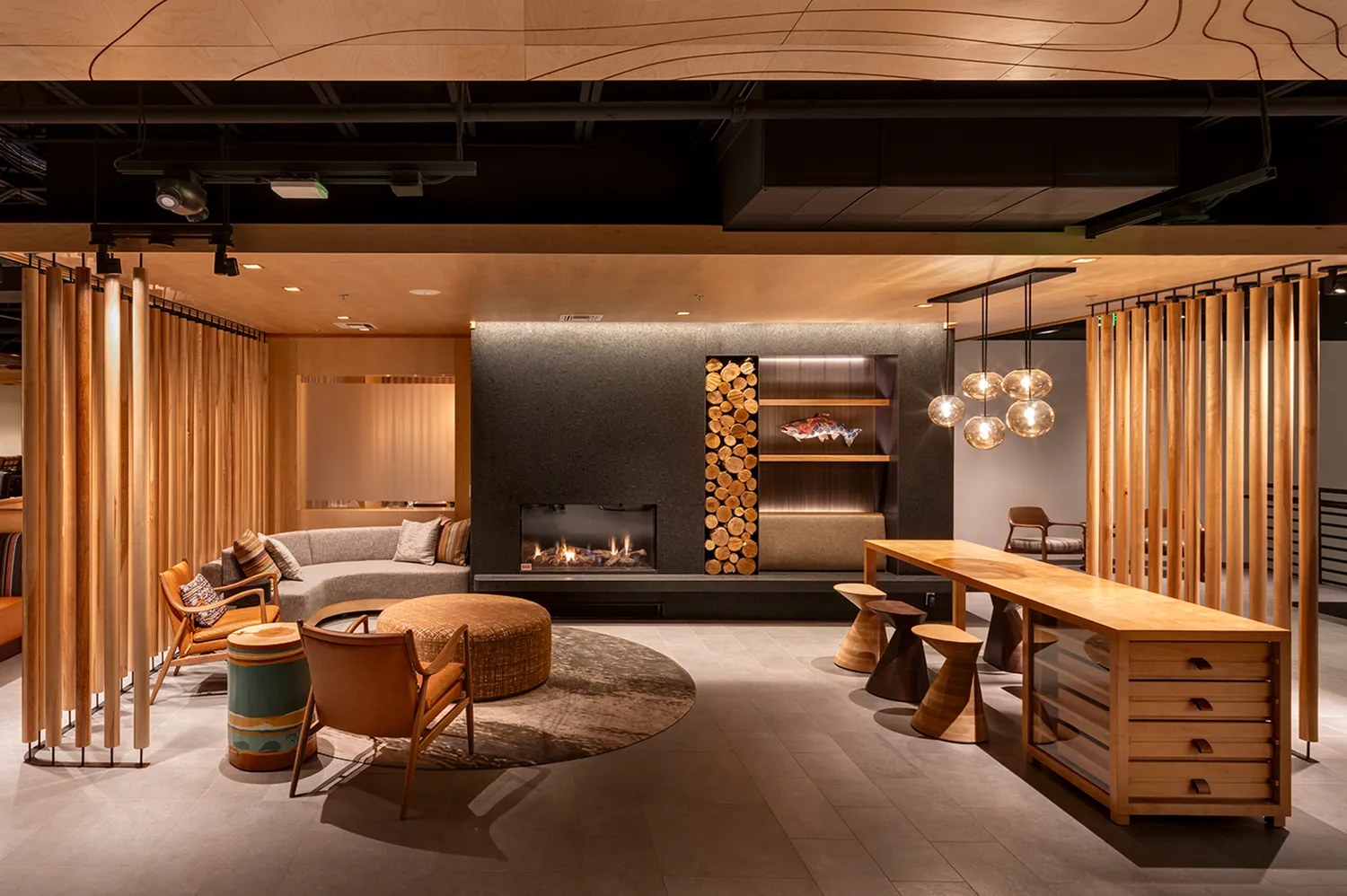
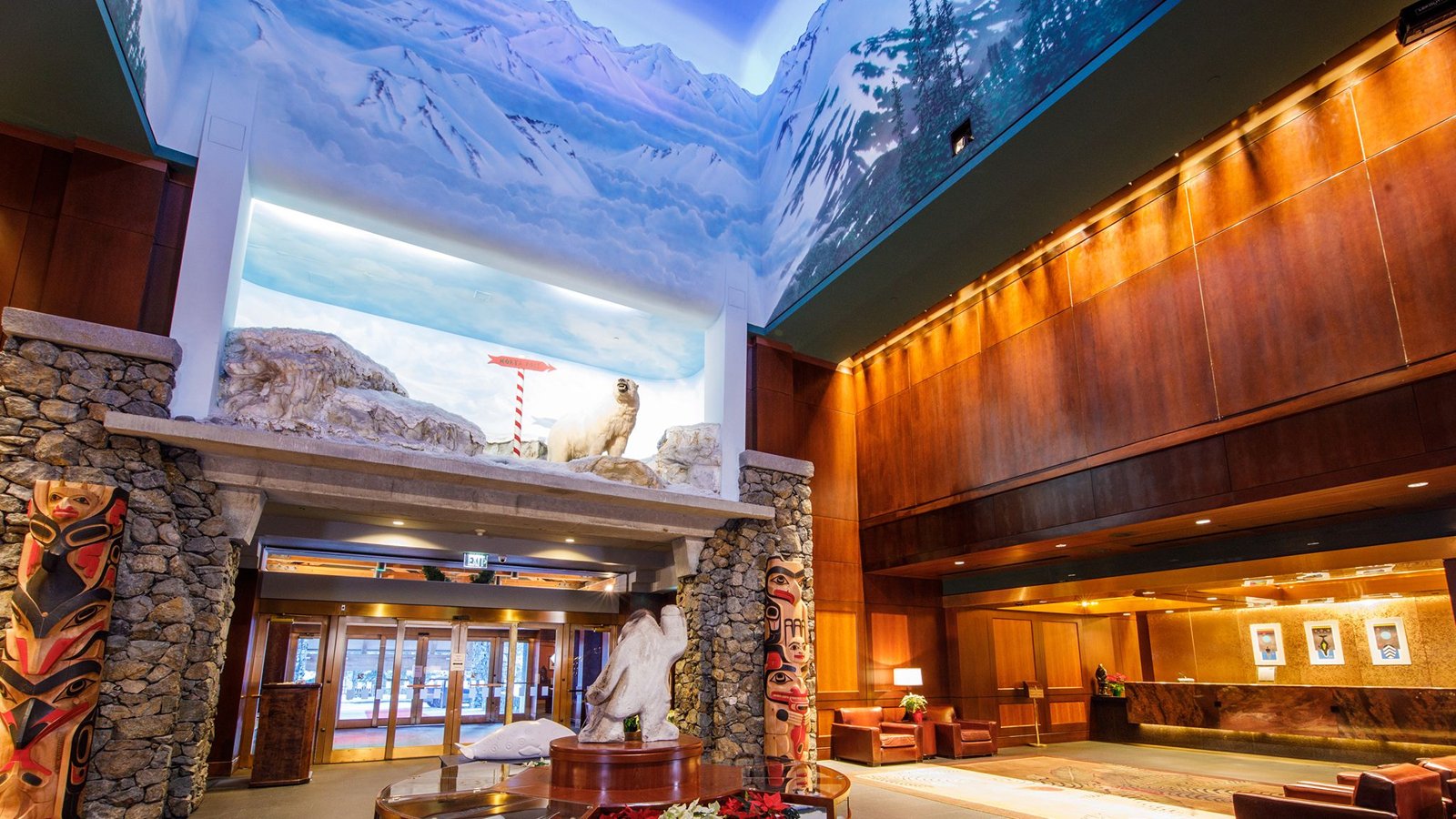
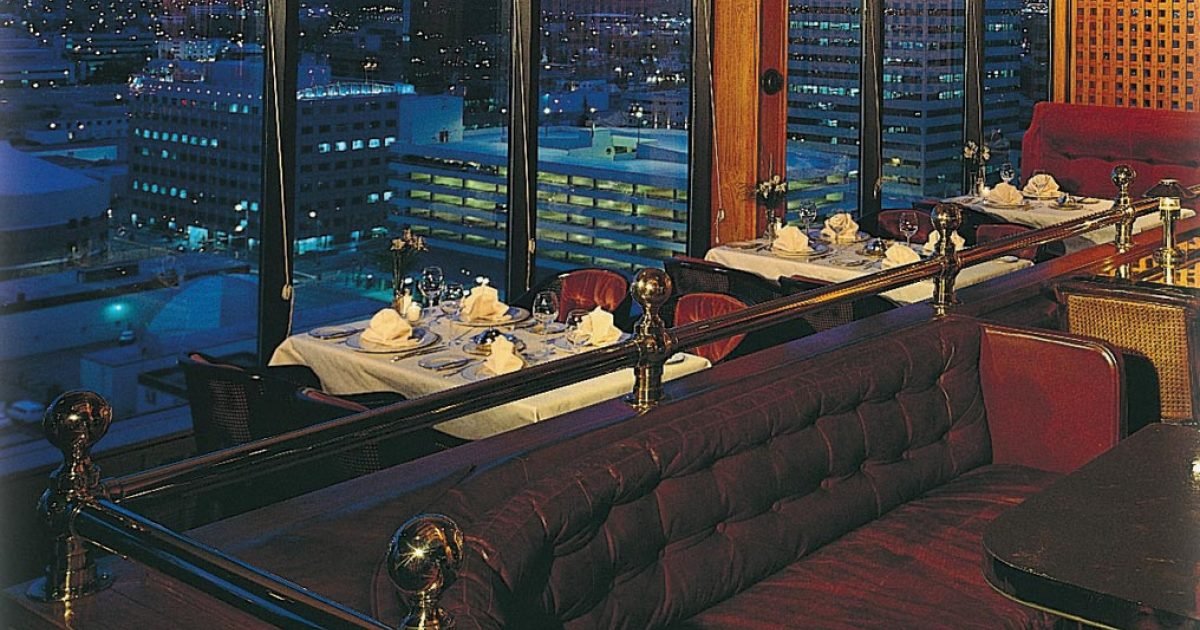
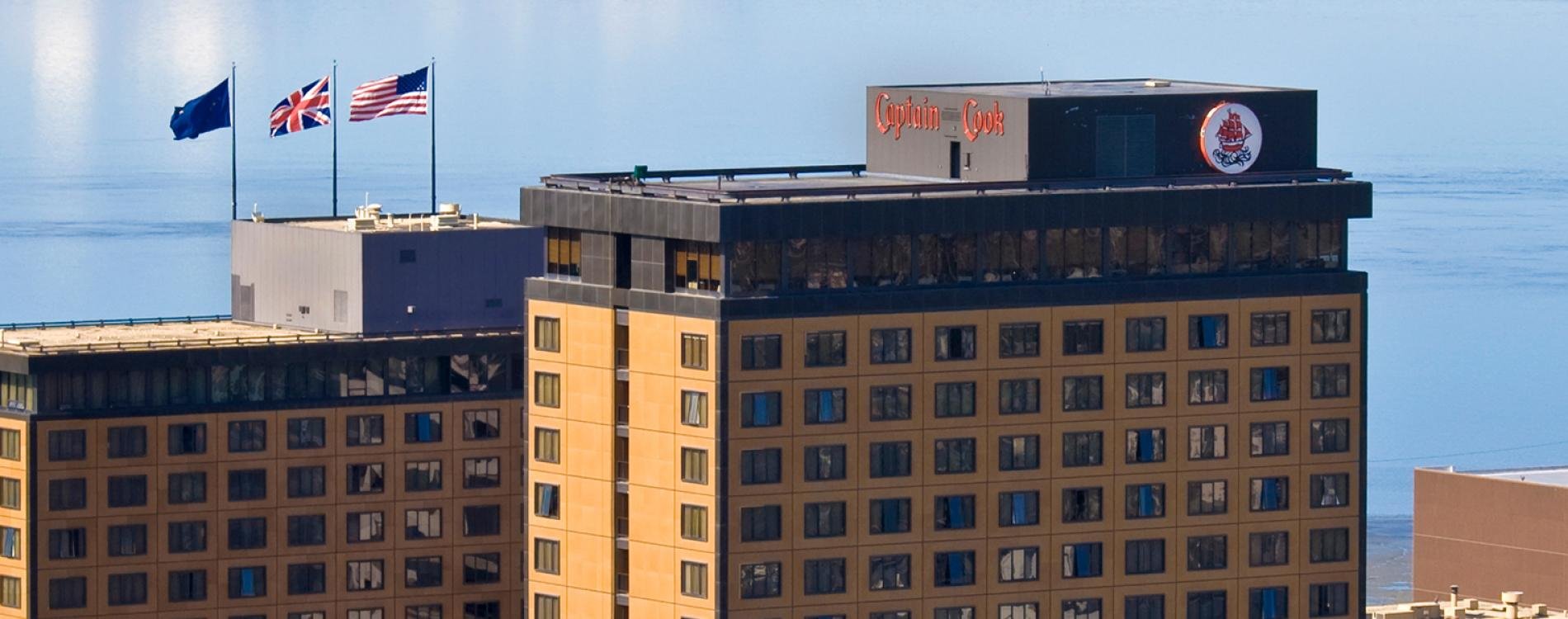
Hotel Captain Cook reads like an Alaskan urban anchor: large in scale yet rooted in local references. With 547 rooms across three interconnected towers the property leans into its city-hotel role rather than the intimate-lodge model found elsewhere in the state. Its independence from a global brand lets the hotel lean into regional identity, and the setting—Cook Inlet to the west and the Chugach Range rising immediately to the east—gives many rooms and public spaces a distinctly scenic outlook. The result is a big, city-facing property that still feels resolutely of Alaska in its views and sensibility.
Best For
The Captain Cook is built for travelers who need scale and services: convention delegates, corporate groups, and visitors staging multi-day Alaska itineraries all find the hotel's full-service capabilities useful. Its capacity and downtown location make it a natural choice for large parties and meetings, while the dramatic inlet and mountain views provide a memorable backdrop for celebratory stays. For guests who prioritize access to Anchorage's transport and business infrastructure—or who need a centralized base before venturing into the wilderness—the hotel is a pragmatic and scenic option.
Stay Tips
Book early around conference dates and major local events: the hotel’s scale and role serving convention traffic mean rooms can fill quickly. When you reserve, request a room with a Cook Inlet or Chugach Range view to take advantage of the property's defining vistas. If you need meeting or group accommodations, confirm event spaces and block availability in advance—the Captain Cook is positioned to handle larger corporate and group bookings, so early planning helps secure preferred dates and room types.
Venue details
Ambiance
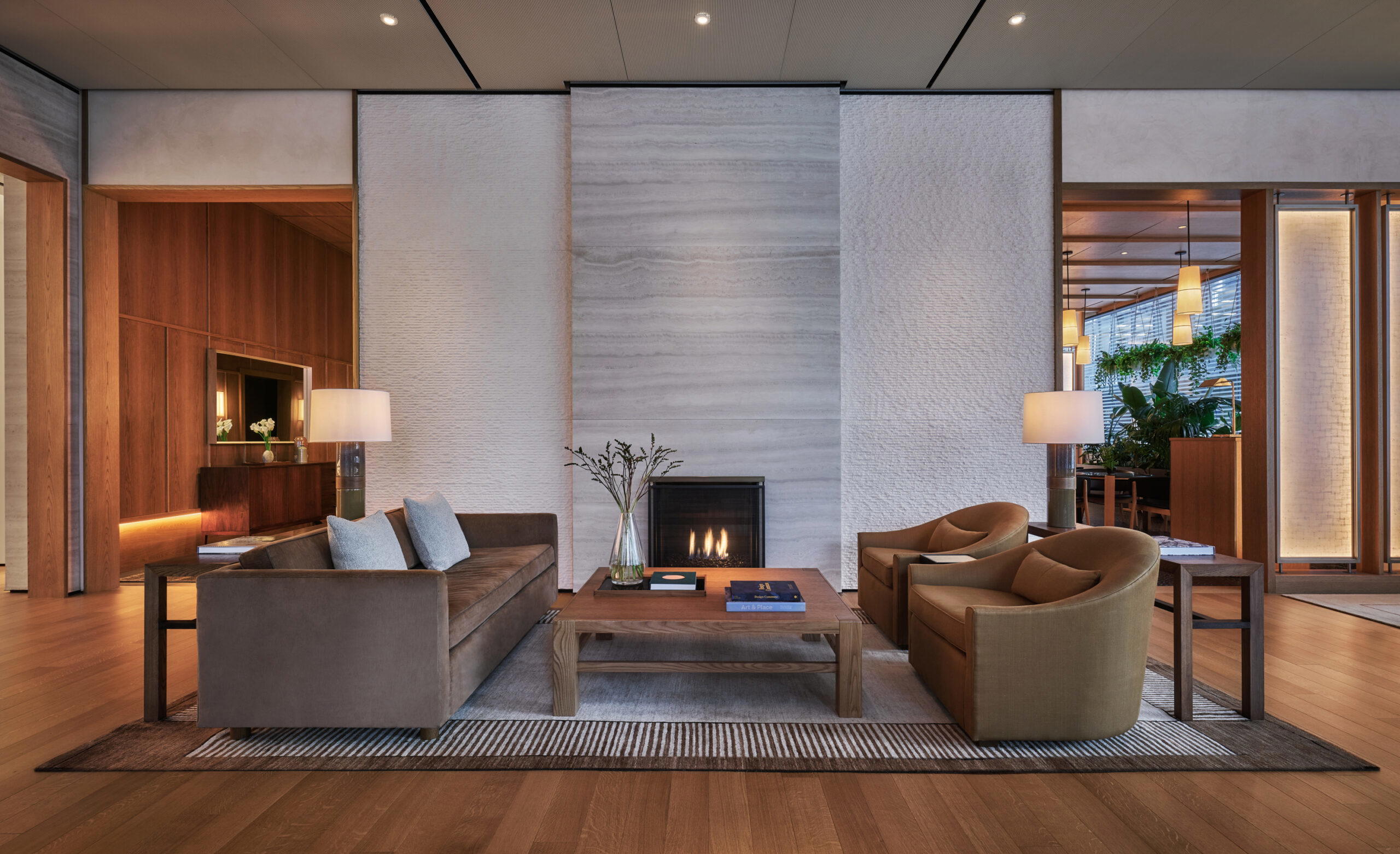
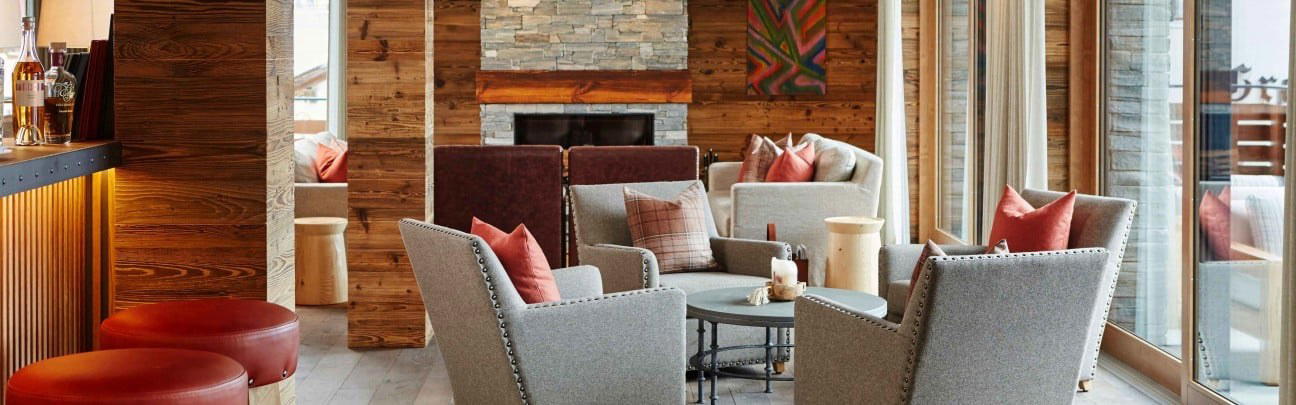
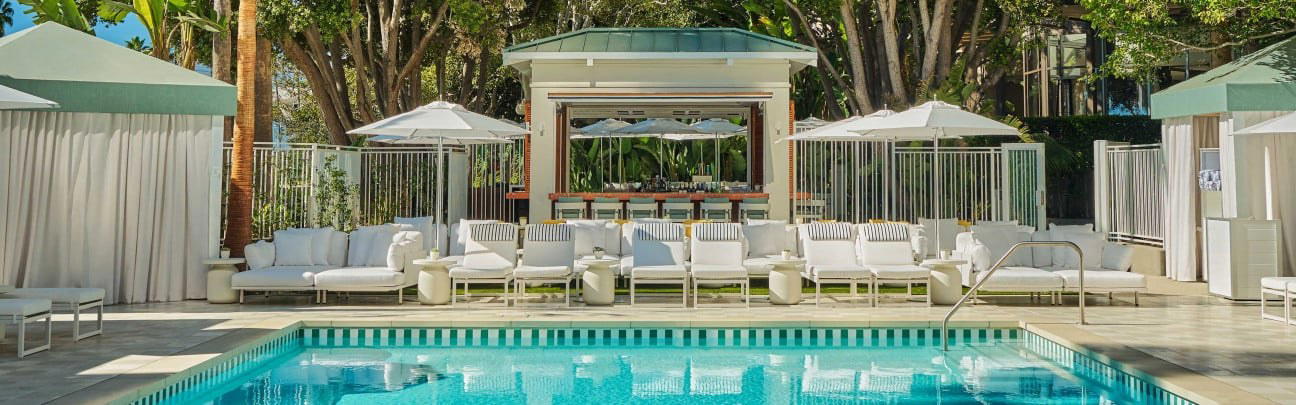
Classic and elegant with custom-made furniture, plush bathrobes, and stunning city or natural views; some rooms modernized for contemporary comfort.
Tags
Vibe
Best For
Experience
Amenities
View
Accessibility
About the Stay
- Rooms
- 557
- Check-in
- 15:00
- Check-out
- 11:00
- Property Type
- Heritage hotel
- Property Style
- Historic Luxury with Modern Updates
- Design Style
- Classic Nautical Theme with Custom Alaskan Furnishings
- Pool
- Yes
- Spa
- Yes
- Pets
- Allowed
- Families
- Welcome
- Cancellation
- Moderate
Know before you go
Know Before You Go
- Getting there
- 939 W 5th Ave, Anchorage, AK 99501
Planning details
Location
Recognition and awards
Also consider
Also Consider
- Alyeska Resort, Notable alternative
- Tordrillo Mountains, Notable alternative
- Winterlake Lodge, Notable alternative
- Eleven Winterlake Lodge, Notable alternative
- Stillpoint Lodge, Notable alternative
Hotel context
How it compares with Alaska peers
Choose Hotel Captain Cook when Anchorage access matters more than resort atmosphere. Compared with Alyeska Resort, it is the more city-useful choice for meetings, downtown plans, and first-night logistics; Alyeska is the better fit when the trip is built around a resort setting outside the city rhythm.
Tordrillo Mountains, Winterlake Lodge, Eleven Winterlake Lodge, and Stillpoint Lodge are stronger cross-shops for travelers who want the stay itself to be the main event. They read as lodge-led Alaska trips, while this hotel reads as a downtown Anchorage anchor. Booking difficulty is listed as easy here, which gives it an advantage for travelers who need a practical room without building the whole itinerary around availability.
For value, compare live rates rather than assuming the higher-drama property is the better spend. If the plan includes restaurants, bars, errands, or business in Anchorage, the downtown hotel may return more usable value. If the plan is scenery-first, a lodge or resort will likely justify a higher commitment in time and budget.
Explore Anchorage
Around this place
Discover more on Pearl
Unlock the full Hotel Captain Cook guide in Pearl, including awards, comparisons, FAQs, planning details, and nearby places.
Compare Hotel Captain Cook
| Venue | Location | Awards |
|---|---|---|
| Hotel Captain Cook | Anchorage | Preferred Hotels L.V.X. Collection 2025 |
| Alyeska Resort | Anchorage | No published awards |
| Tordrillo Mountains | Kenai Peninsula Borough | No published awards |
| Winterlake Lodge | Skwentna | No published awards |
| Eleven Winterlake Lodge | Anchorage | No published awards |
| Stillpoint Lodge | Halibut Cove | 2026 Virtuoso Luxury Hotel Collection2026 Michelin 2 Keys2025 Michelin 2 Keys2024 Michelin 2 Keys |



How Hotel Captain Cook Anchorage compares with similar nearby venues.
FAQ
Frequently Asked Questions
When is the best time to book Hotel Captain Cook?
How does Hotel Captain Cook compare to other Alaska hotels?
Choose Hotel Captain Cook if you want this specific Anchorage hotel and value its Preferred Hotels L.V.X. Collection recognition. For a different Alaska stay style, compare options such as Alyeska Resort, Tordrillo Mountains, Winterlake Lodge, Eleven Winterlake Lodge, or Stillpoint Lodge before deciding.
Which room category is best at Hotel Captain Cook?
Ask the hotel directly about available room types, placement, views, accessibility needs, and any other stay-specific requirements before booking.
What is check-in like at Hotel Captain Cook?
Is Hotel Captain Cook good for business travel?
Hotel Captain Cook is an Anchorage hotel with Preferred Hotels L.V.X. Collection recognition, but specific business-travel facilities and services should be confirmed directly with the property.