
Sir Albert Hotel
Hercules Seghersbuurt, Amsterdam
Hotel in Amsterdam, Netherlands
 Book with Pearl
Why go
Sir Albert Hotel works when De Pijp location and design credibility matter more than resort-scale facilities. The 2026 Design Hotels membership and Mr & Mrs Smith Seal of Approval support the boutique-stay case, but compare rates against larger luxury peers if amenities are a priority.
About Sir Albert Hotel
Sir Albert Hotel is a verified Amsterdam hotel with a smart casual dress code and confirmed recognition as a 2026 Design Hotels member and a 2026 Mr & Mrs Smith Seal of Approval recipient.
Because the verified data here is limited, the safest booking read is narrow: consider Sir Albert Hotel if those design-and-stay signals matter to your Amsterdam trip, avoid assuming details about facilities, dining, room categories, pricing, or service style unless your booking channel confirms them directly.
Choose it for confirmed design-hotel recognition
The strongest verified reason to consider Sir Albert Hotel is its recognition profile. Its 2026 Design Hotels membership and 2026 Mr & Mrs Smith Seal of Approval are relevant signals for travelers who prefer a design-conscious stay over a generic hotel choice.
For comparison shopping, keep the decision grounded in what is actually confirmed. Hotel Okura Amsterdam and Mandarin Oriental Conservatorium, Amsterdam may be useful comparisons for travelers weighing broader Amsterdam hotel options, while De Pijp Boutique Hotel and The College Hotel Amsterdam, Autograph Collection can also help frame the boutique-hotel decision.
The decision rule: verified recognition over assumptions
Do not build the booking decision around unverified claims about restaurants, bars, wellness facilities, room size, prices, or neighborhood-specific advantages. The confirmed facts are the Amsterdam setting, smart casual dress code, the 2026 Design Hotels and Mr & Mrs Smith recognition.
For wider planning, use Our full Amsterdam hotels guide first, then compare Sir Albert Hotel with other Amsterdam stays that fit your budget and trip style. For the rest of the trip, Our full Amsterdam restaurants guide, Our full Amsterdam bars guide, Our full Amsterdam experiences guide are more useful than assuming unverified hotel dining or bar details.
Inside Sir Albert Hotel
Planning details
- Location
- Albert Cuypstraat 2-6, Amsterdam 1072 CT, The Netherlands
- Website
- marriott.com/hotels/travel/amsda
The take
The Take
The Vibe
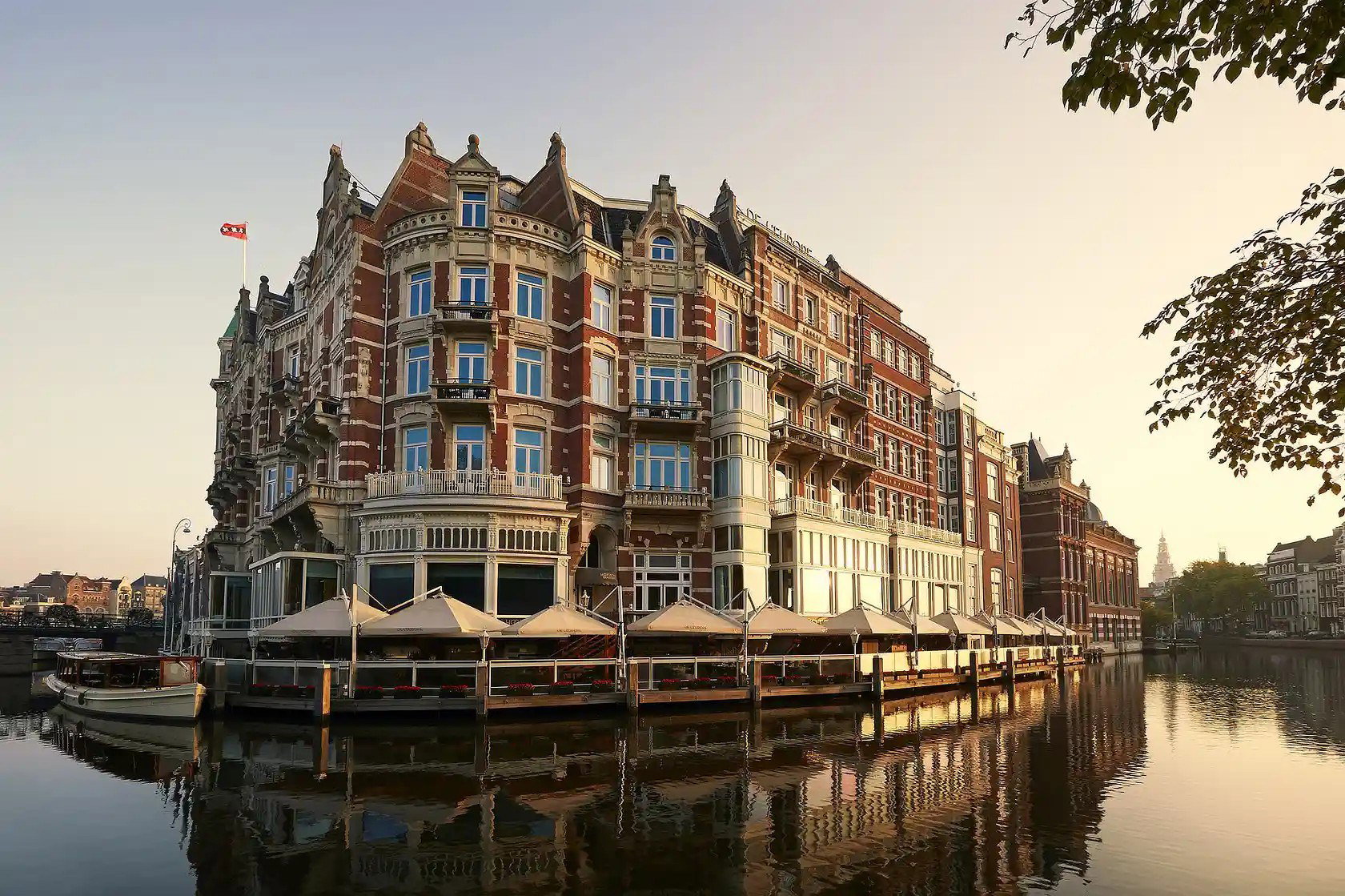
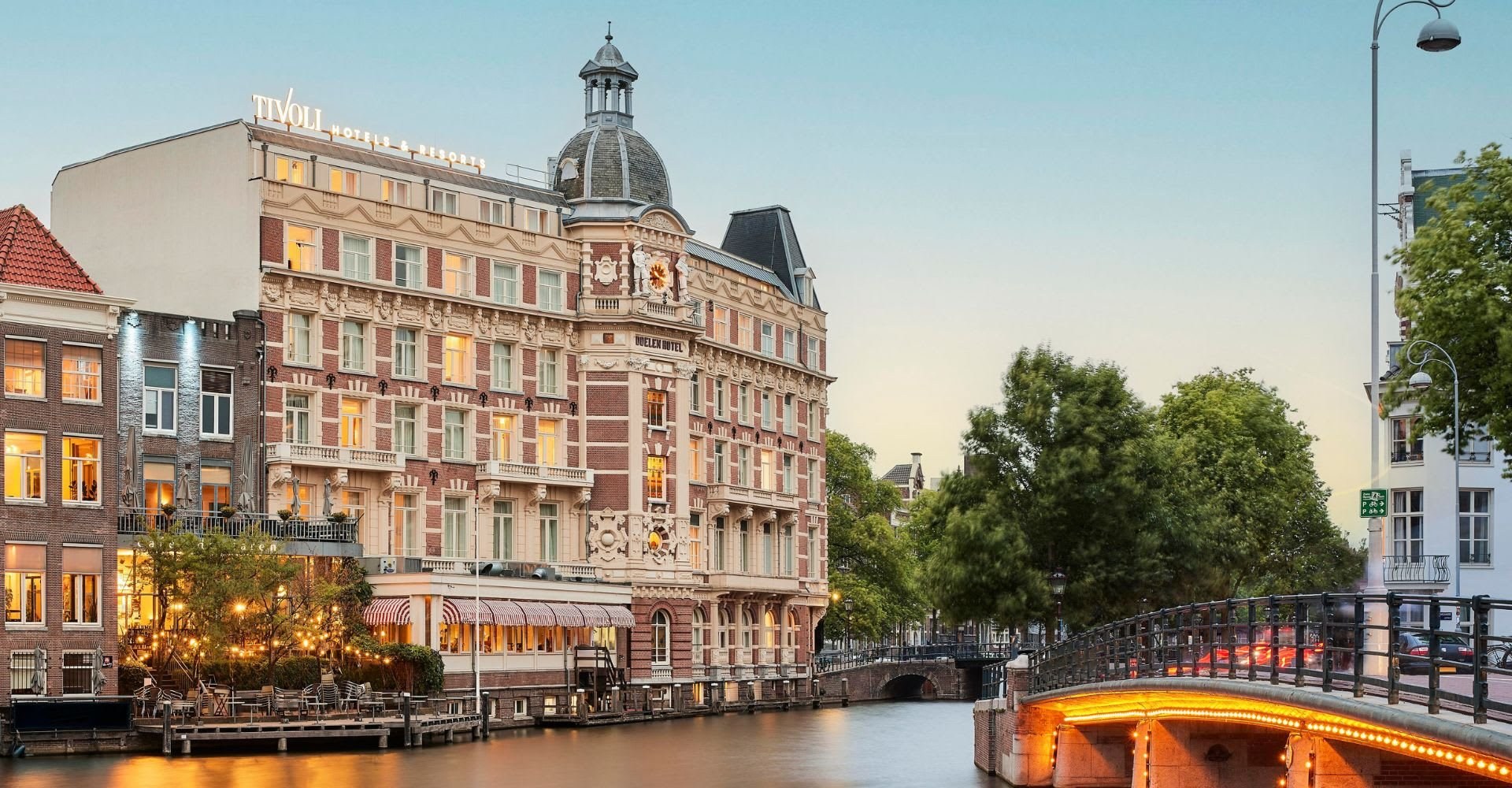
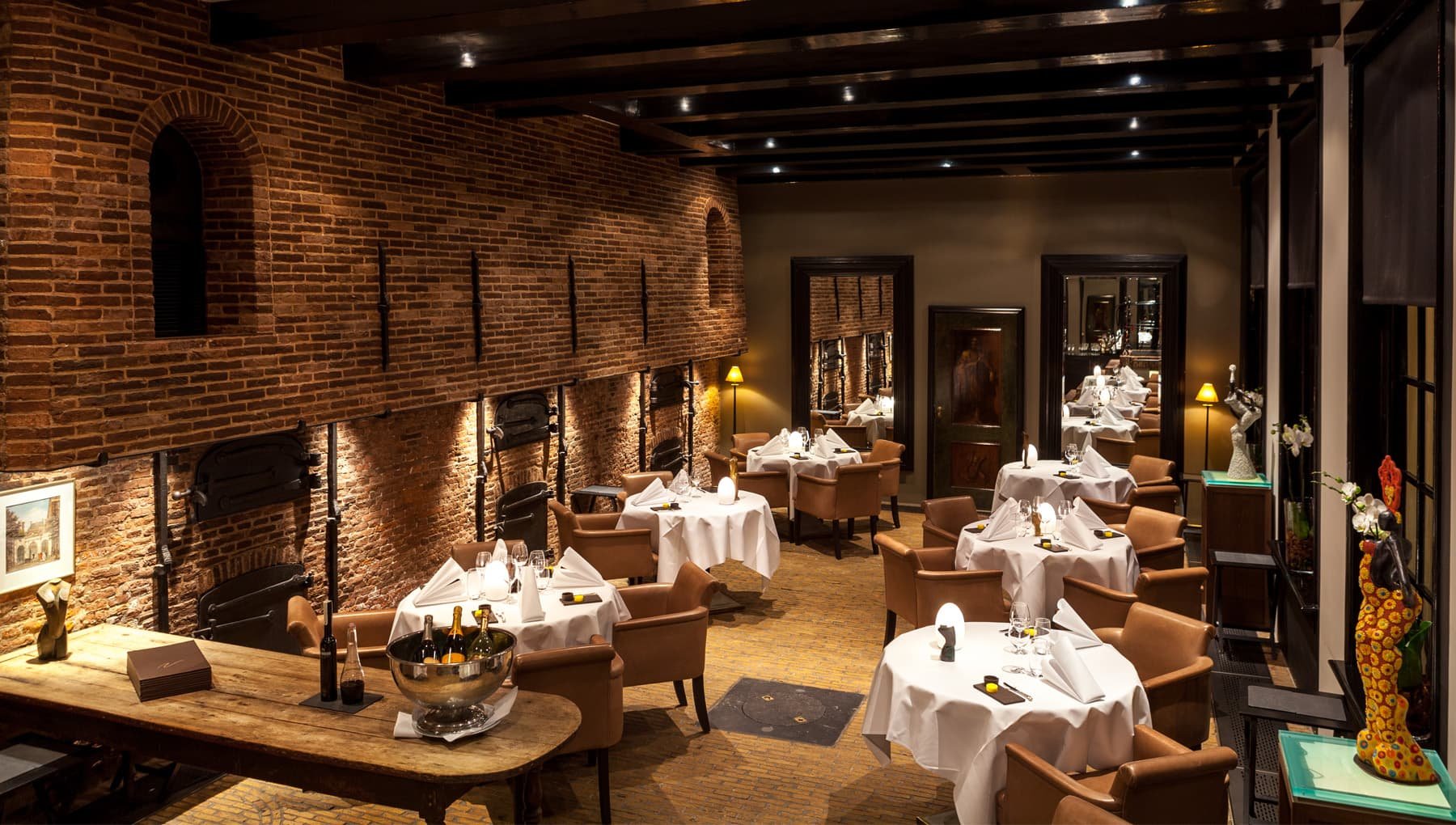
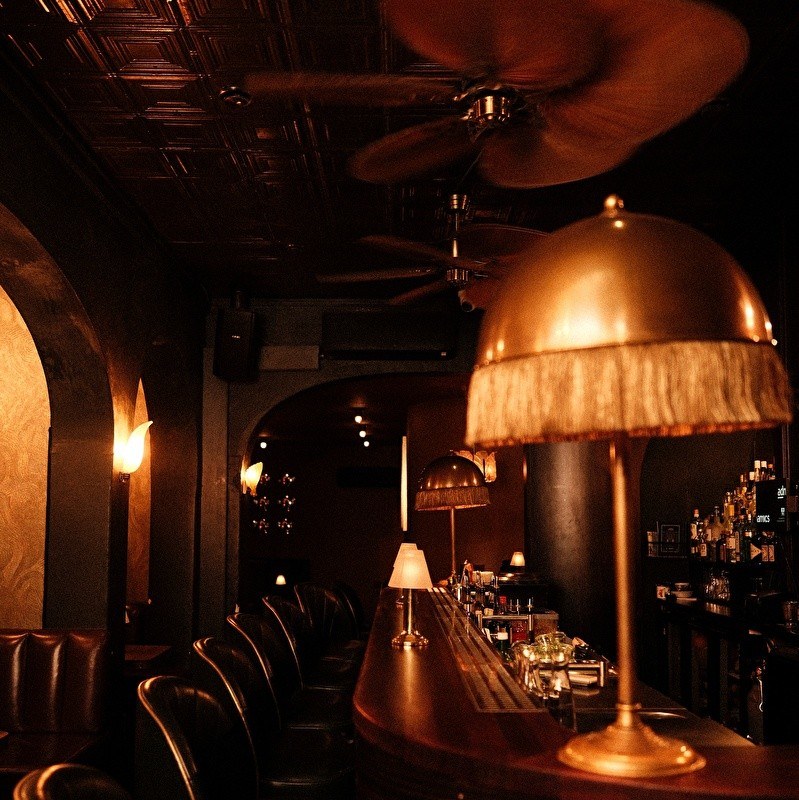
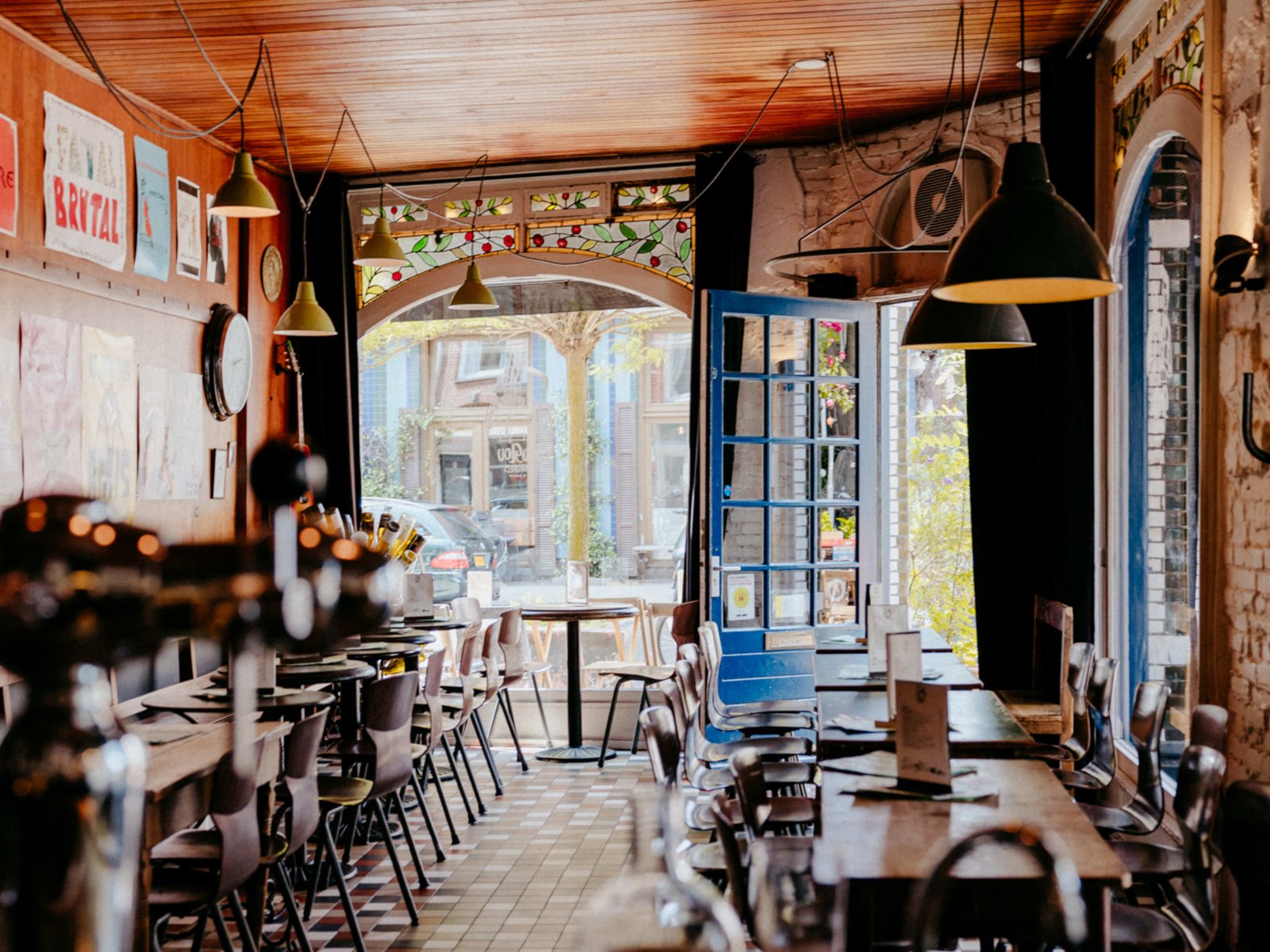
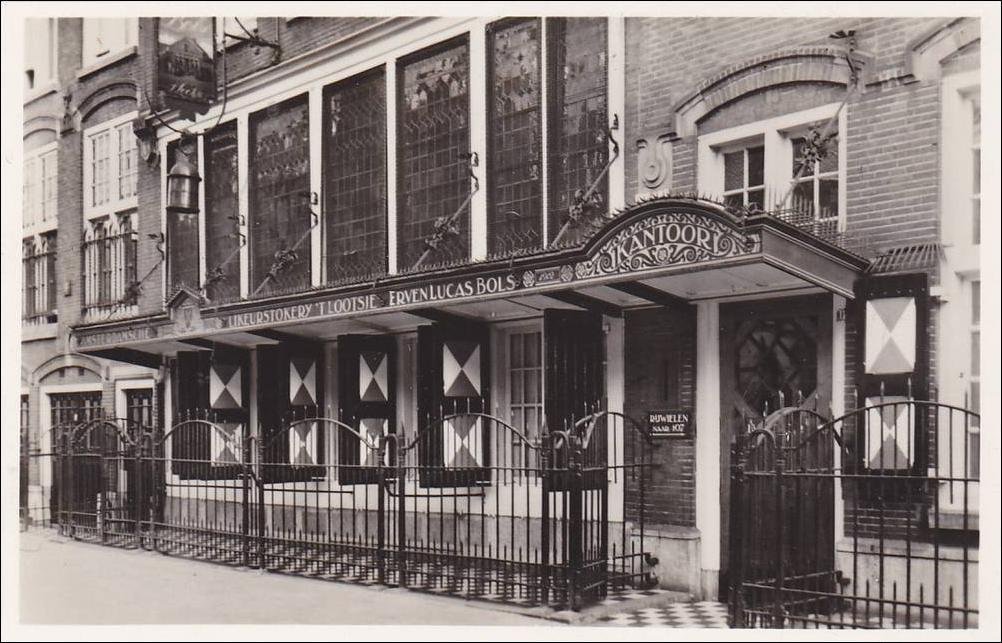
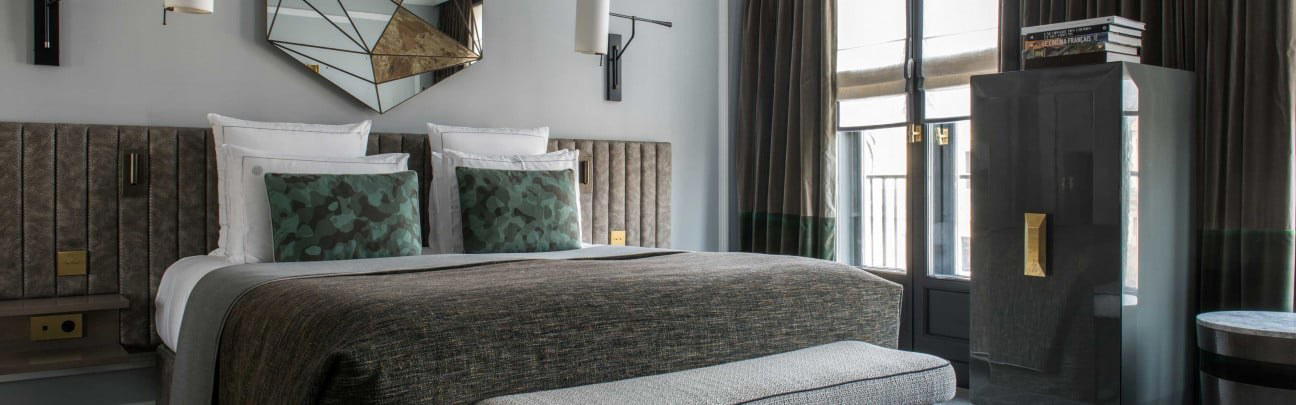
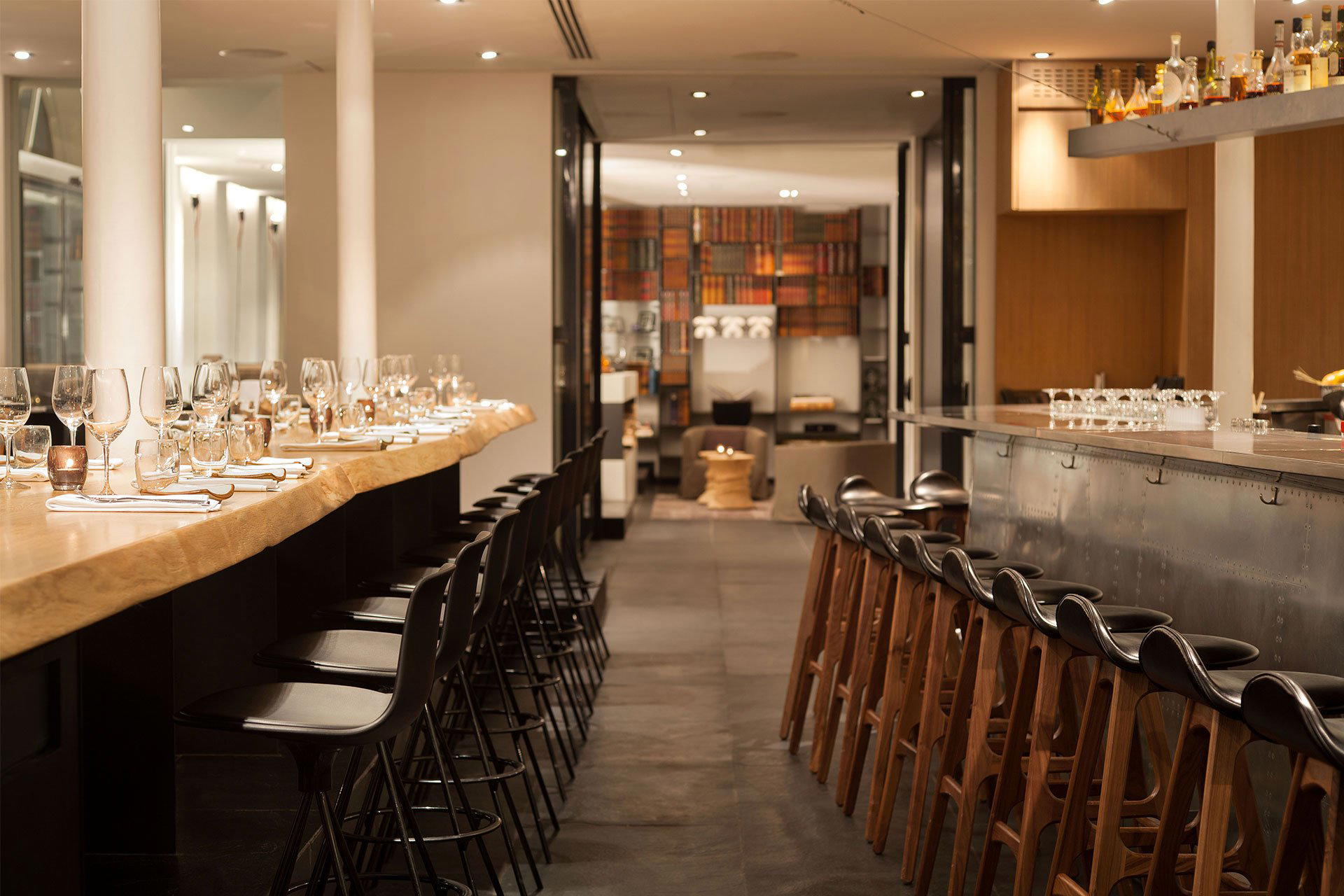
Sir Albert Hotel rests in a restored 19th-century diamond factory, and the building’s industrial bones define the guest experience. Brick walls, high ceilings, and generous proportions give public spaces and rooms a sense of honest scale rather than contrived grandeur. The property reads as part of De Pijp’s layered history—its architecture and adaptive-reuse approach anchor it in the neighbourhood story rather than in a generic tourist circuit. The mood feels rooted and urban: you sense both the area’s working-class past and the creative present through material finishes and the building’s retained industrial character.
Best For
This hotel suits travelers who want to live within a neighborhood rather than beside a tourist strip. Its location on Albert Cuypstraat places guests steps from one of the city’s largest daily markets and within easy reach of local cafés, independent shops, and cultural institutions that define De Pijp. It works well for short stays focused on exploration, for visitors keen on food and street‑market life, and for anyone who prefers staying in an architecturally distinct property that tells you something about Amsterdam’s social and economic history.
Venue details
Ambiance
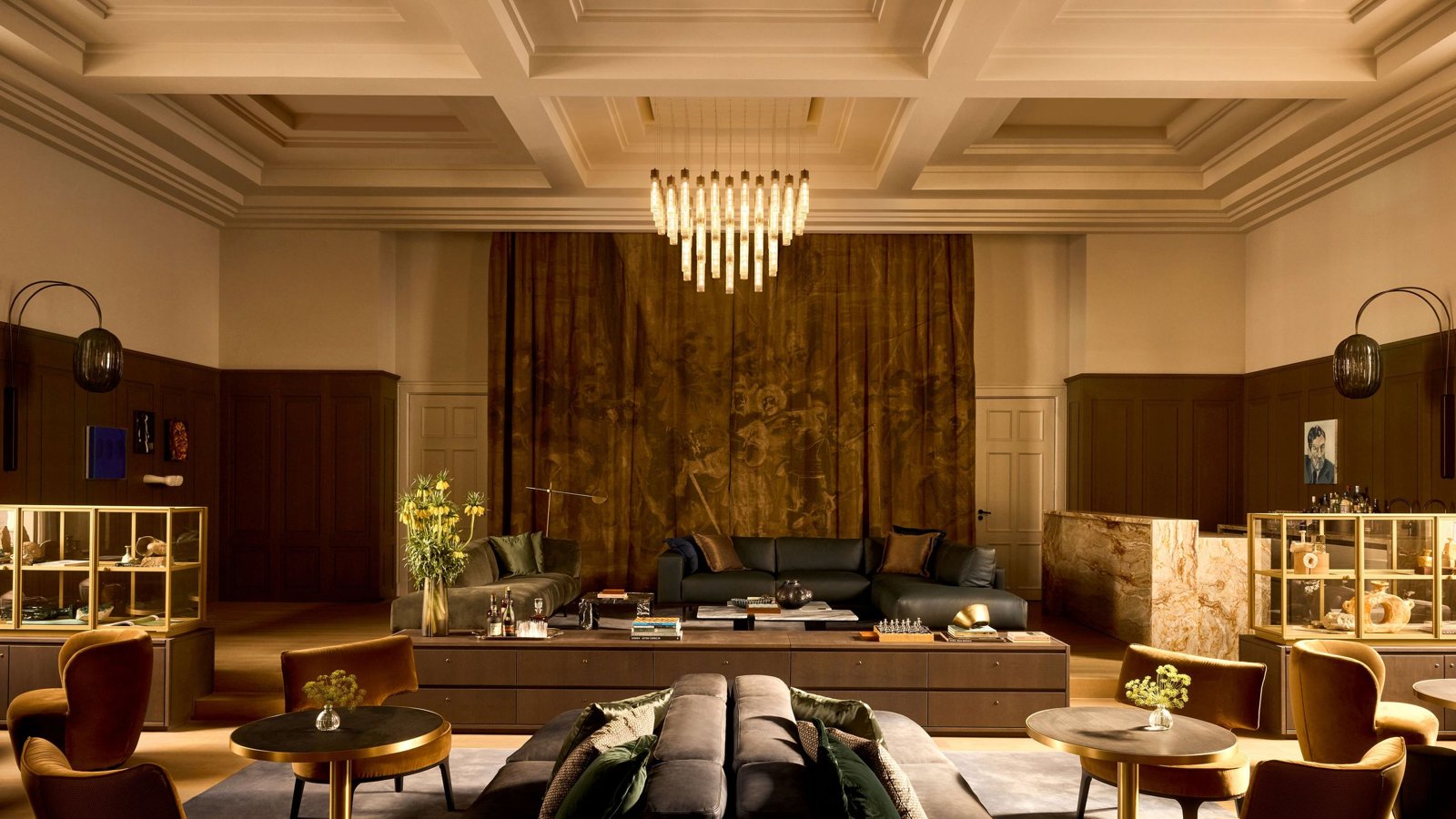
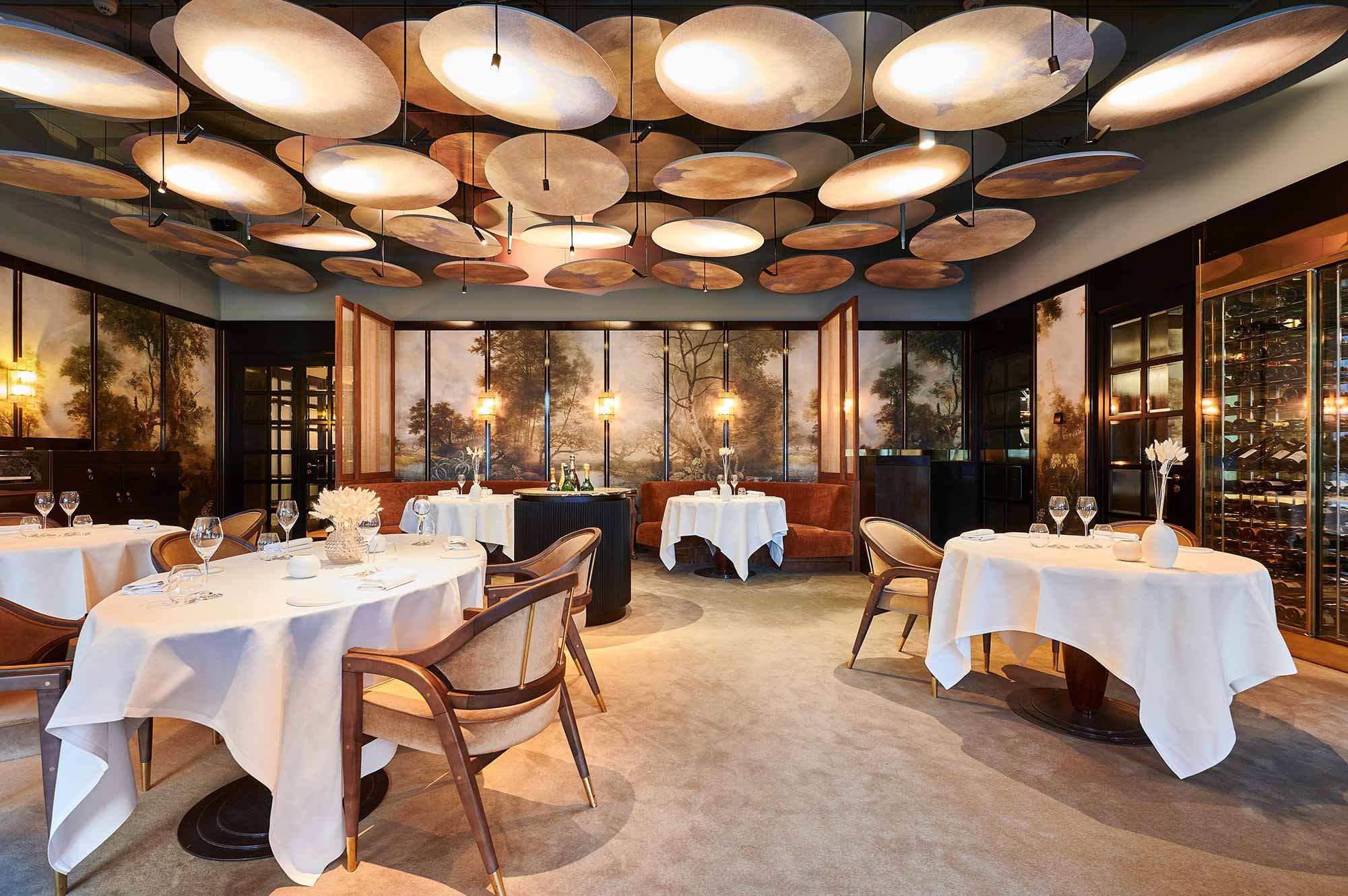
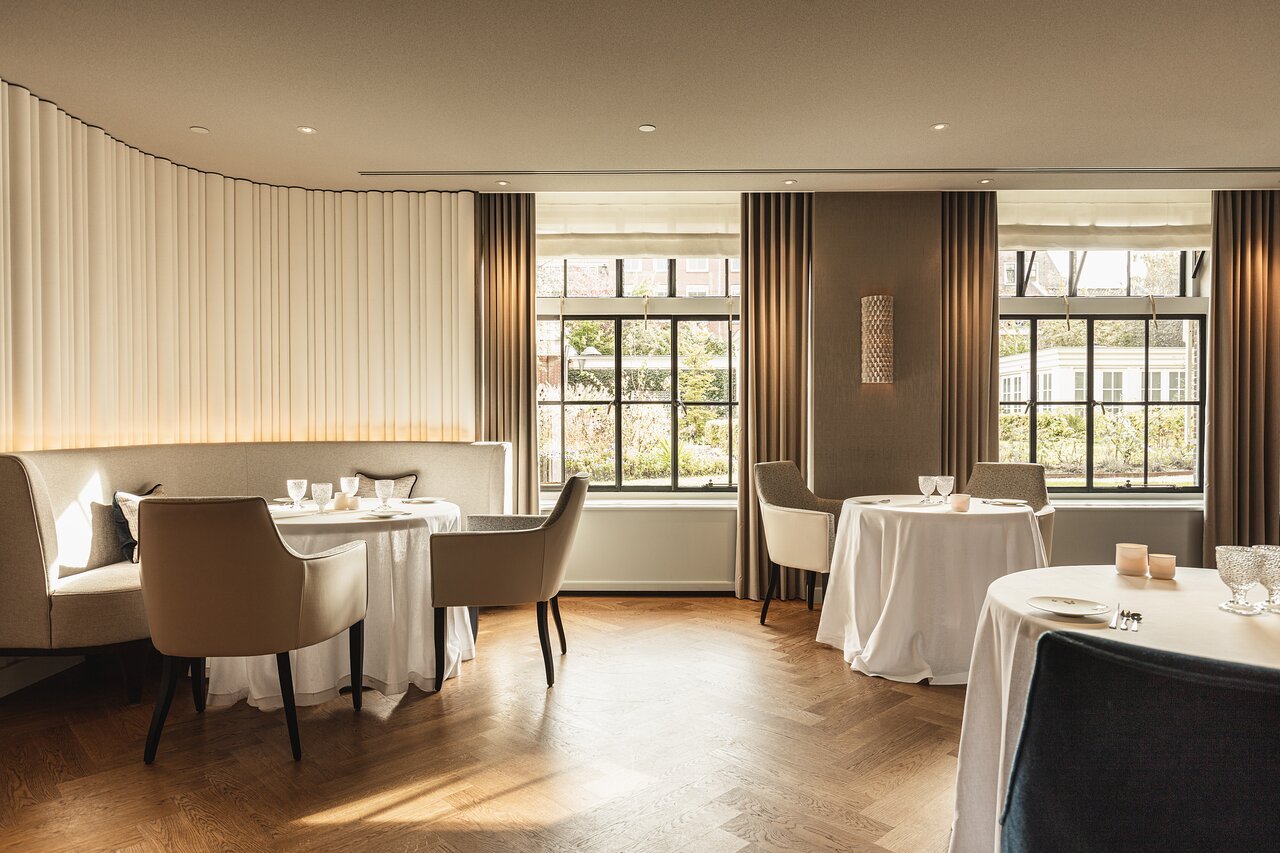
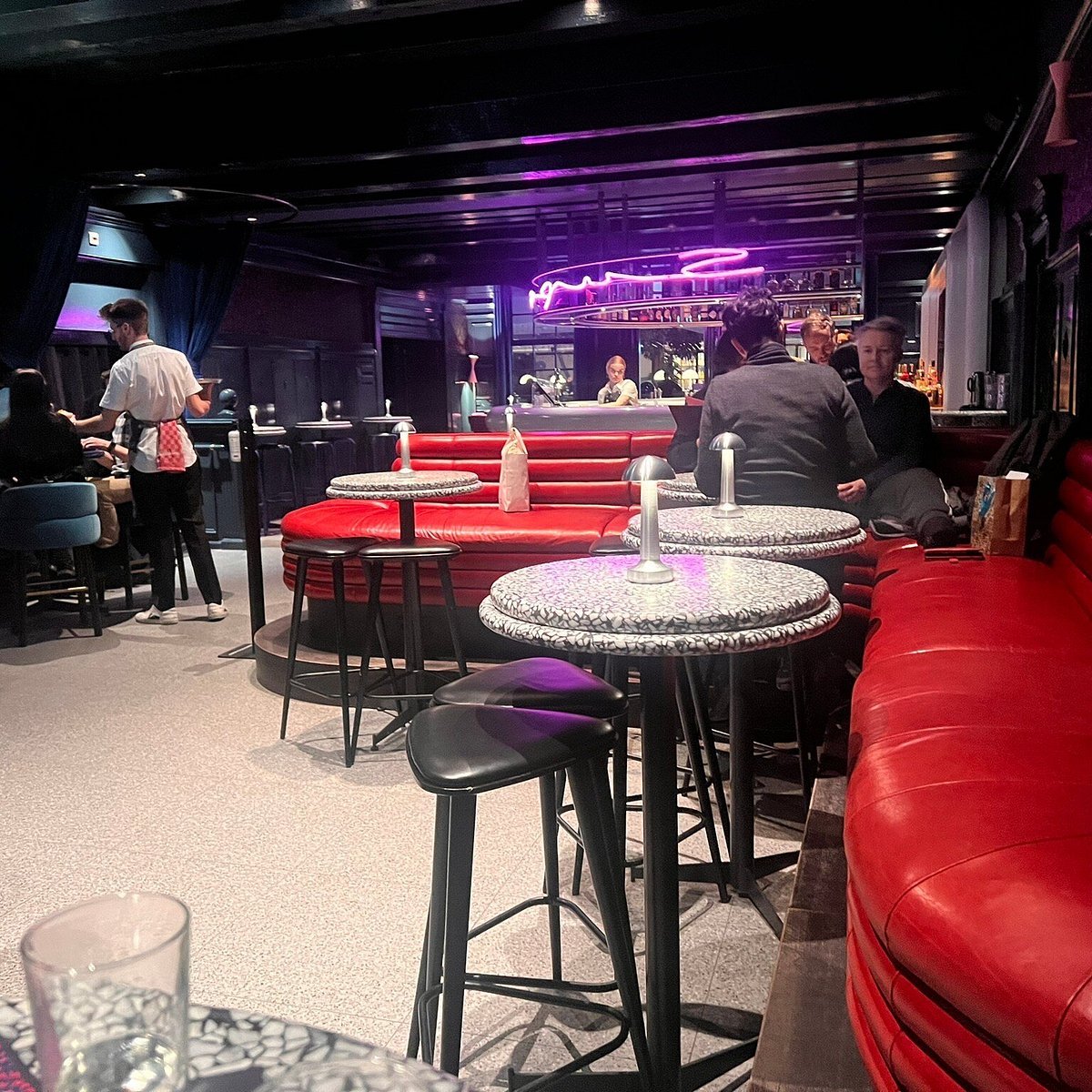
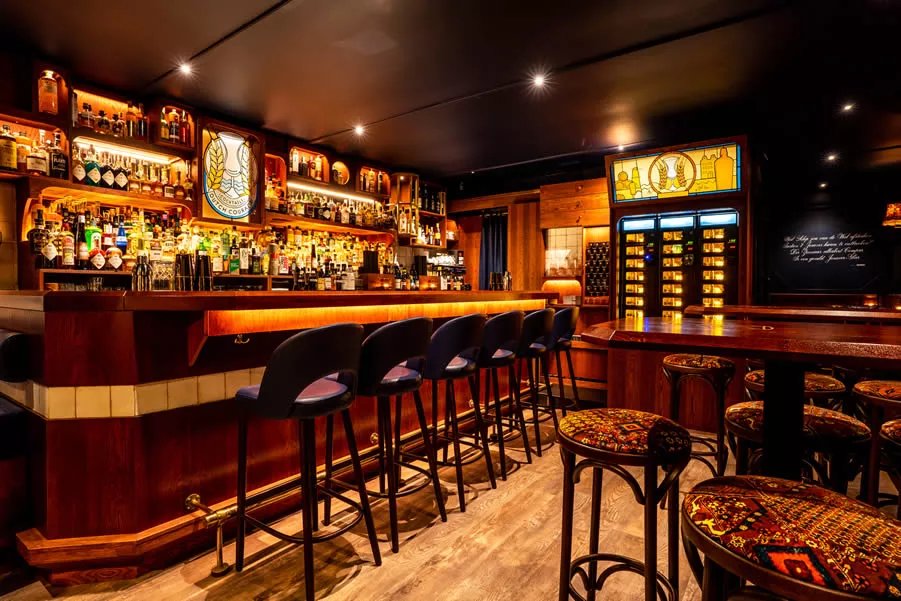
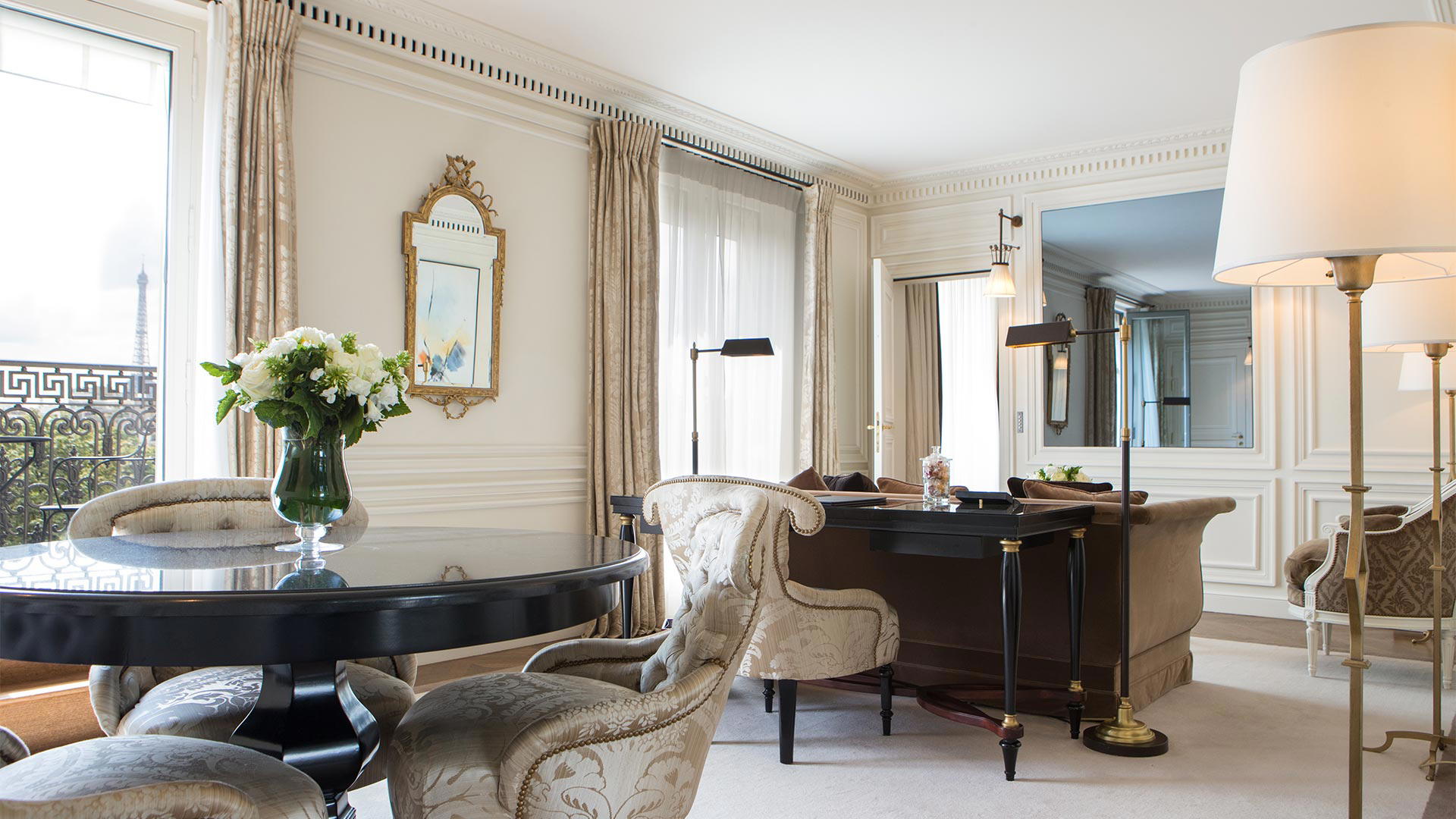
Cozy lobby with fireplace and library, stylish and modern rooms with comfortable beds; guests describe it as welcoming, quiet, and elegantly designed.
Tags
Vibe
Best For
Experience
Amenities
View
Accessibility
About the Stay
- Rooms
- 90
- Property Style
- Former Diamond Factory Transformed Into a Stylish Urban Boutique Hotel.
- Design Style
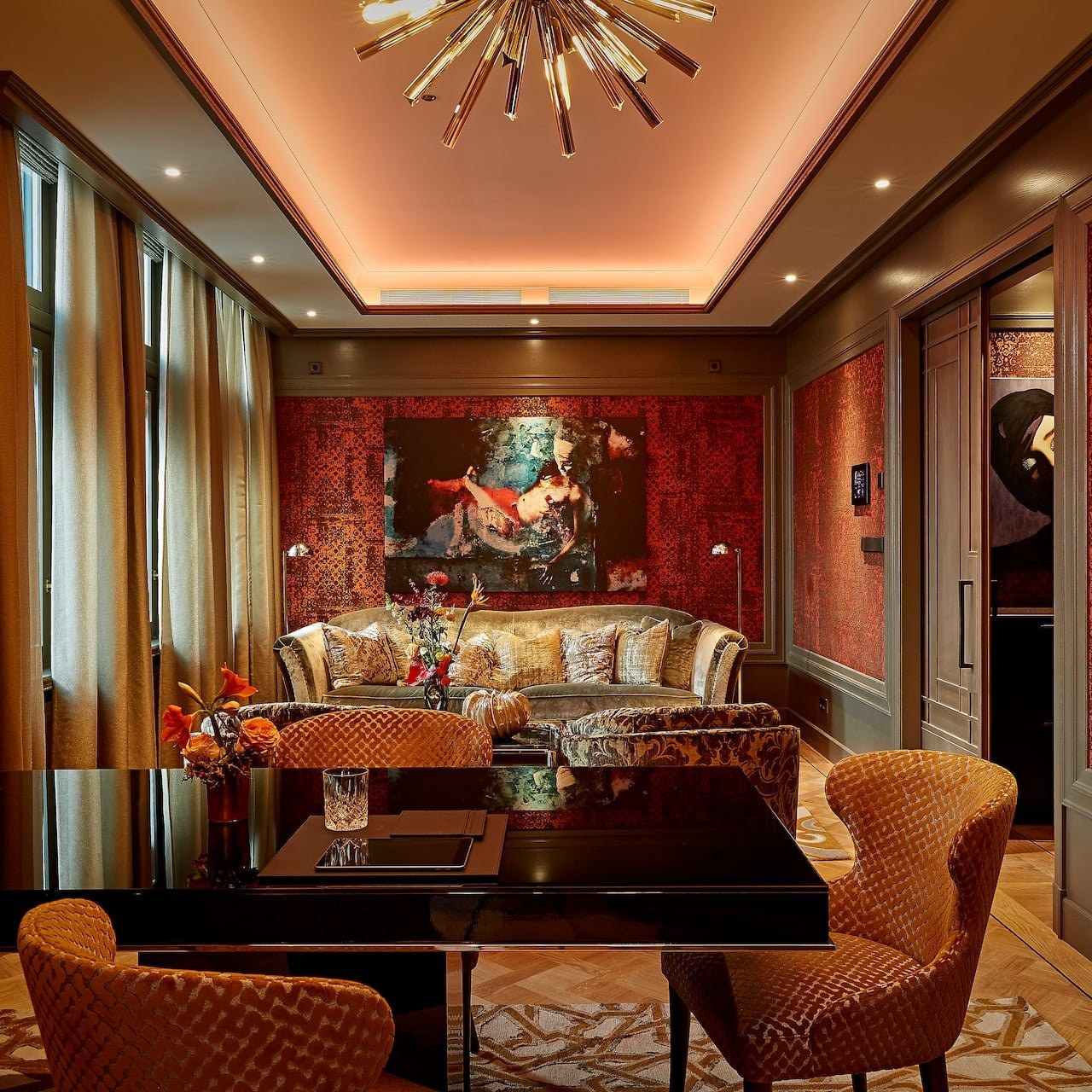
- Individually Furnished Rooms Inspired by Art Movements with Modern, Elegant Aesthetics.
Planning details
Location
Albert Cuypstraat 2-6, Amsterdam 1072 CT, The Netherlands · Directions
Recognition and awards
Also consider
If this is not the right fit
Choose De Pijp Boutique Hotel if the goal is staying in the same general neighborhood with a simpler boutique brief. Choose Hotel Okura Amsterdam if the trip needs more amenities and a bigger-hotel rhythm.
Hotel context
How it compares in Amsterdam
Against The College Hotel Amsterdam, Autograph Collection and De Pijp Boutique Hotel, Sir Albert Hotel is the sharper pick when the trip calls for a more design-led stay in the neighborhood. The College Hotel is the safer comparison for travelers who prefer a bigger-brand framework, while De Pijp Boutique Hotel is the one to check if the goal is a simpler local base and the rate gap is meaningful.
Mandarin Oriental Conservatorium, Amsterdam and Hotel Okura Amsterdam sit in a different decision lane: choose them when a fuller luxury-hotel experience matters more than the boutique feel. Sir Albert Hotel is easier to justify for a short couple stay or business trip where De Pijp access is the point; Okura and Conservatorium are stronger for guests who want more facilities wrapped into the stay.
Verdi Gzira Promenade is not an Amsterdam substitute, so it only belongs in the comparison if the trip itself is flexible. For Amsterdam specifically, keep the decision between De Pijp convenience, represented by Sir Albert Hotel and De Pijp Boutique Hotel, versus larger luxury structure at Okura or Conservatorium.
Around this place
Discover more on Pearl
Unlock the full Sir Albert Hotel guide in Pearl, including awards, comparisons, FAQs, planning details, and nearby places.
Compare Sir Albert Hotel
| Venue | Location | Awards |
|---|---|---|
| Sir Albert Hotel | Amsterdam | 2026 Design Hotels Collection2026 Mr & Mrs Smith Luxury Hotels |
| The College Hotel Amsterdam, Autograph Collection | Amsterdam | No published awards |
| De Pijp Boutique Hotel | Amsterdam | No published awards |
| Mandarin Oriental Conservatorium, Amsterdam | Amsterdam | No published awards |
| Verdi Gzira Promenade | Gzira | No published awards |
| Hotel Okura Amsterdam | Amsterdam | 2026 Great Hotels of the World CollectionLeading Hotels of the World 20262026 La Liste Top Hotels2025 Conde Nast Best Hotels · #252025 Michelin Selected Hotels |





How Sir Albert Hotel Amsterdam compares with similar nearby venues.
FAQ
Frequently Asked Questions
How is the dining at Sir Albert Hotel?
The verified data does not establish a specific dining format, cuisine, menu, or restaurant program at Sir Albert Hotel. Treat it as an Amsterdam hotel first, confirm any dining details directly before booking around them. If dining is your main priority, Hotel Okura Amsterdam can be a useful Amsterdam comparison.
Which room category is best at Sir Albert Hotel?
No specific room categories, room sizes, or in-room features are verified here. Choose based on the room details shown by your booking channel, do not assume a particular category is best without current confirmation from the hotel or seller.
How does Sir Albert Hotel compare to other hotels?
Sir Albert Hotel has confirmed 2026 Design Hotels membership and a 2026 Mr & Mrs Smith Seal of Approval. Compare it with De Pijp Boutique Hotel, Mandarin Oriental Conservatorium, Amsterdam, Hotel Okura Amsterdam based on the current room, rate, facility details shown for your dates.