






Rosewood Amsterdam
Leidsebuurt Noordwest, Amsterdam
Hotel in Amsterdam, Netherlands
 Book with Pearl
The Read
Civic Heritage Conversion
Why go
For 2026 Amsterdam trips, Rosewood Amsterdam is the luxury pick to pursue when the hotel needs to carry business, celebration, or client-facing weight. Michelin 2 Keys and recent major hotel-list recognition support the premium positioning, but value-focused travelers should cross-shop smaller canal-house or lifestyle hotels before committing.
About Rosewood Amsterdam
On a trip to Amsterdam, Rosewood Amsterdam is a premium choice for travelers who want a clearly recognized luxury hotel rather than a simple sleep-and-email base. It has smart casual dress code, Michelin 2 Keys in 2025, and multiple luxury-hotel recognitions across 2025 and 2026.
The business-travel case is strongest for guests who want the hotel itself to carry weight in the itinerary. For a client-facing trip, anniversary weekend, or senior-level stay, the appeal is clear: Rosewood Amsterdam has recent validation from major luxury-travel sources. If the trip is mostly off-site meetings and the room is only a practical base, it may be worth comparing other Amsterdam options before committing to the premium.
Choose it for high-stakes Amsterdam trips, not for value chasing
The strongest reason to pursue this hotel is recognition. Michelin awarded Rosewood Amsterdam 2 Keys in 2025, and the property is also associated with major luxury-hotel honors including Robb Report The 50 Greatest Luxury Hotels on Earth #1 in 2025, Conde Nast Hot List Hotels in 2026, Travel + Leisure It List Hotels in 2026, Town & Country Hotel Awards in 2026, and Virtuoso Luxury Hotel Partner in 2026. That matters for decision-making because it gives the property a clearer luxury-hotel signal than many broadly attractive Amsterdam stays.
That does not make it the automatic choice for every work trip. If the stay is expense-policy sensitive, the better move is to compare with smaller or less trophy-positioned Amsterdam hotels. If the trip is a negotiation, celebration, or senior-client visit where the hotel itself sends a signal, this is where the premium may make more sense. The practical read: use it when the hotel is part of the outcome, not just logistics.
The Amsterdam setting is the point
Rosewood Amsterdam's location is Amsterdam, and that alone is central to the appeal for travelers who want a luxury hotel attached to a major city stay. The fit is especially clear for a two-person special occasion folded around business obligations: daytime commitments, time back at the hotel, then other plans in the city. For larger leisure groups, the better fit depends on availability and room needs; for solo executives or couples, the positioning is cleaner.
If dates are fixed around a conference, holiday weekend, or peak travel period, it is sensible to compare availability at Rosewood Amsterdam with another Amsterdam option before assuming the hotel will fit the itinerary.
Who should skip it
Skip it if the priority is a relaxed, lower-commitment Amsterdam base or if the itinerary does not benefit from a highly recognized luxury hotel. The awards and recognition justify the chase for travelers who care about the hotel as part of the trip. If that is not the case, the smarter decision may be to cross-shop a less competitive property and spend the budget elsewhere in Amsterdam.
Part of
Rosewood79 locations on PearlInside Rosewood Amsterdam
Planning details
- Location
- Prinsengracht 432 – 436, 1017 KE Amsterdam
- Website
- rosewoodhotels.com/en/amsterdam
- Phone
- +31 20 722 3300
The take
The Take
The Vibe
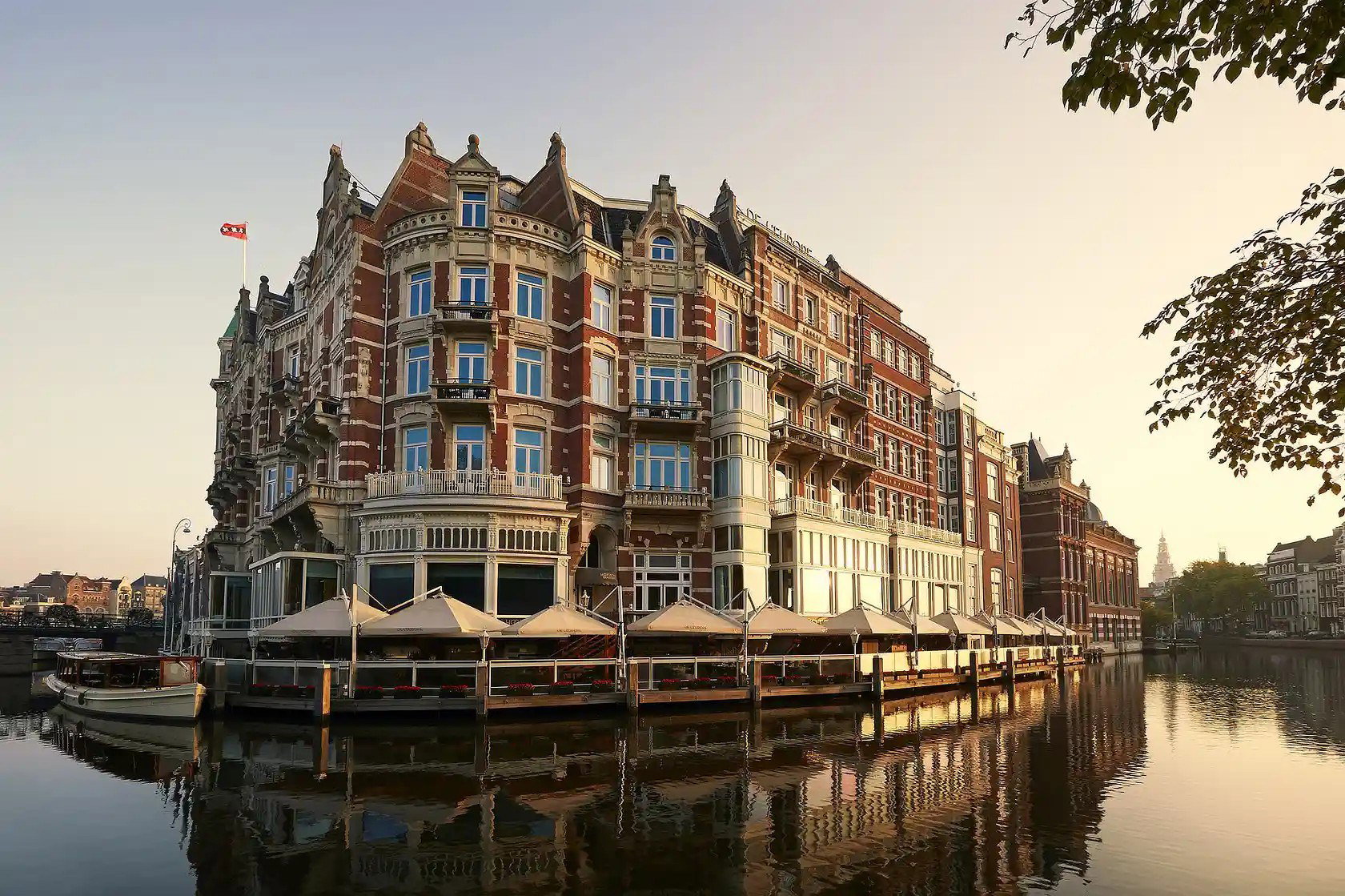
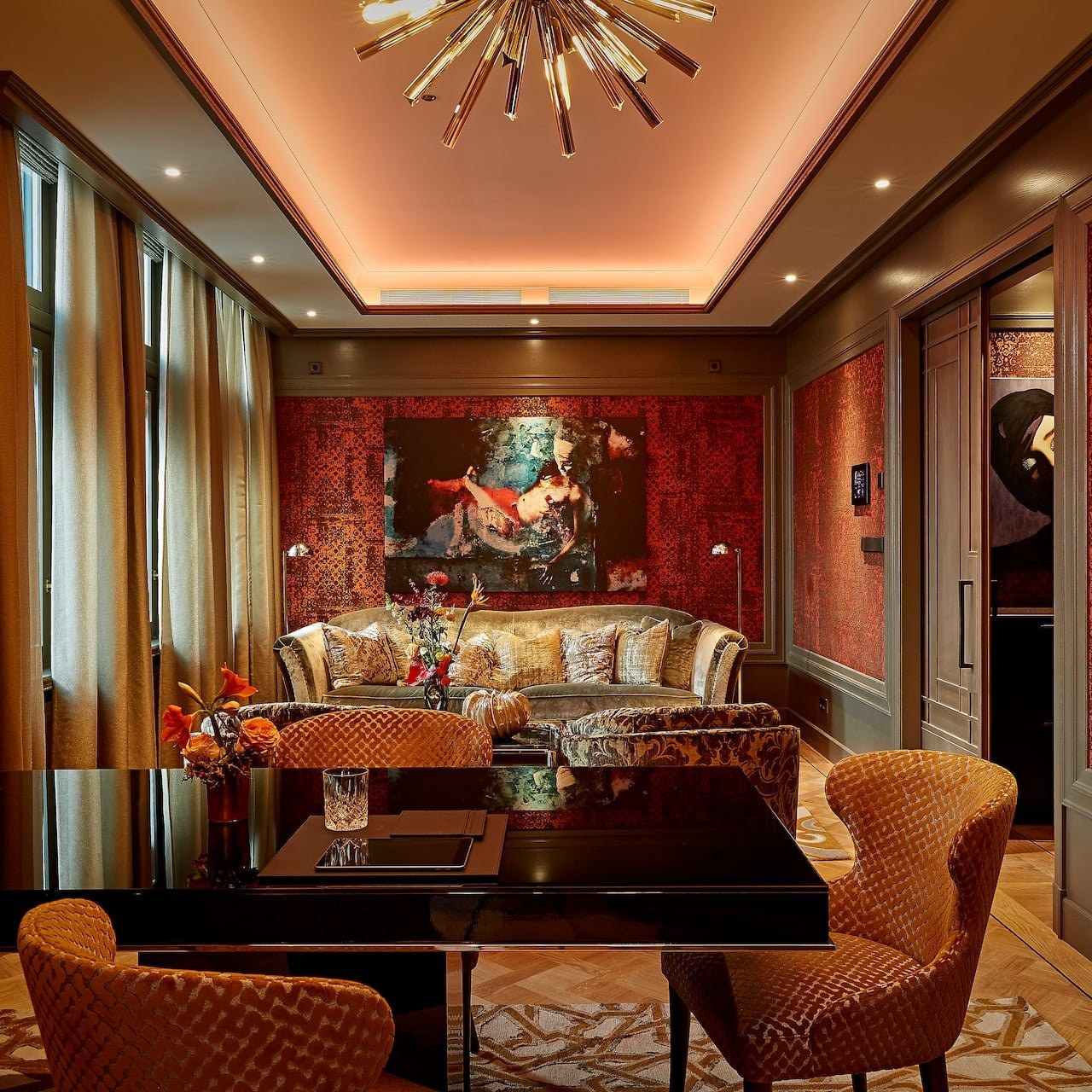
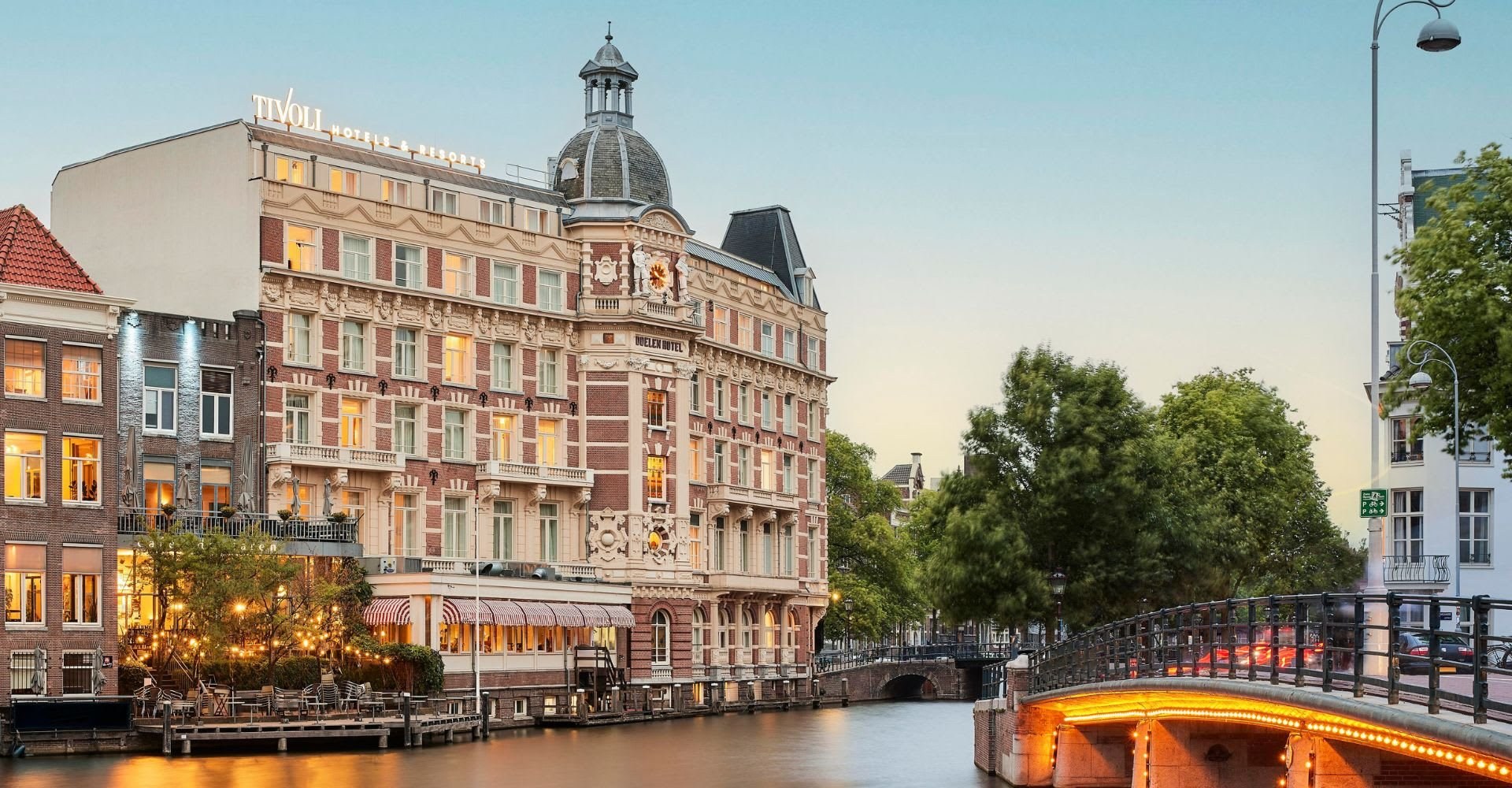
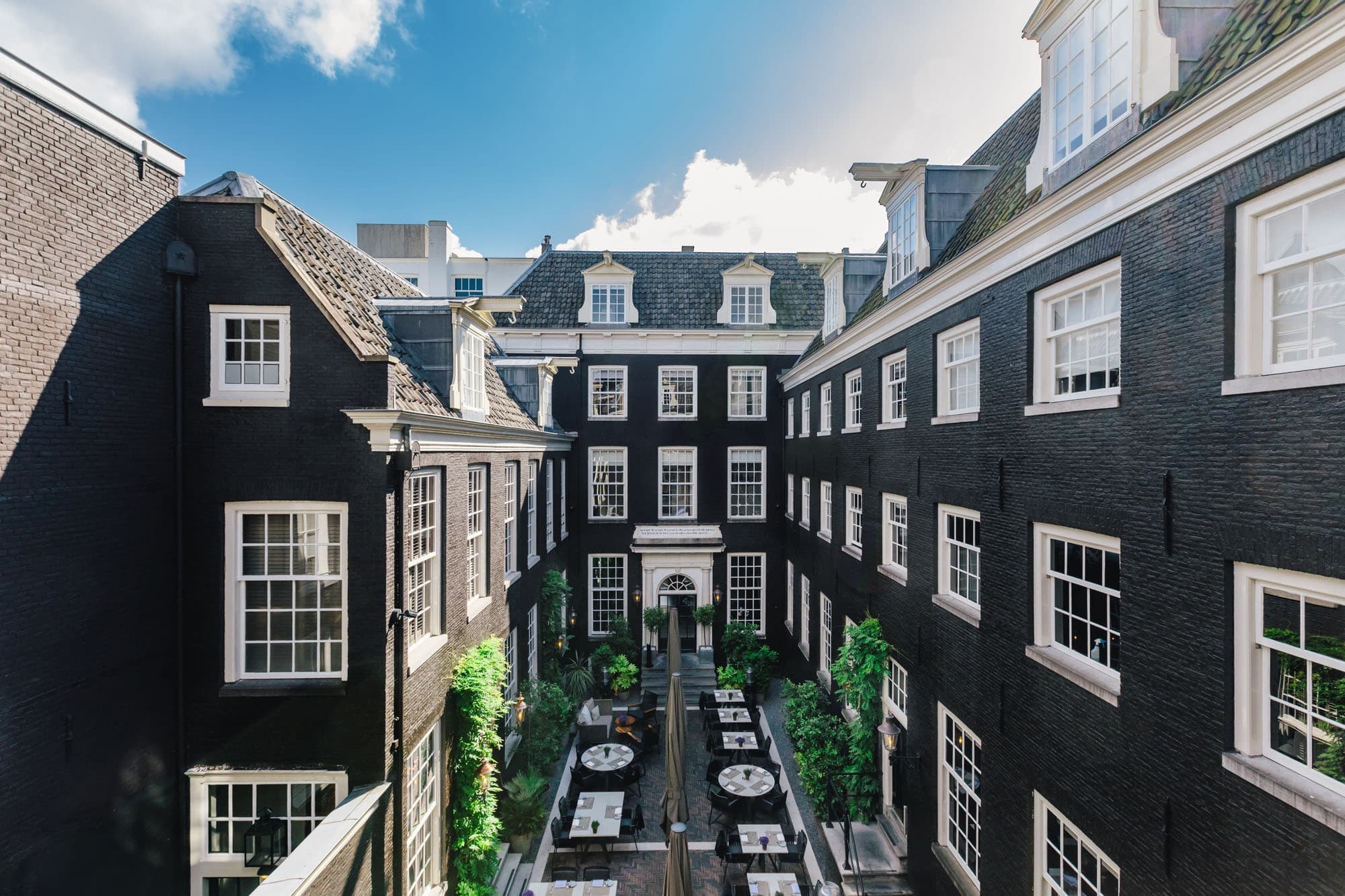
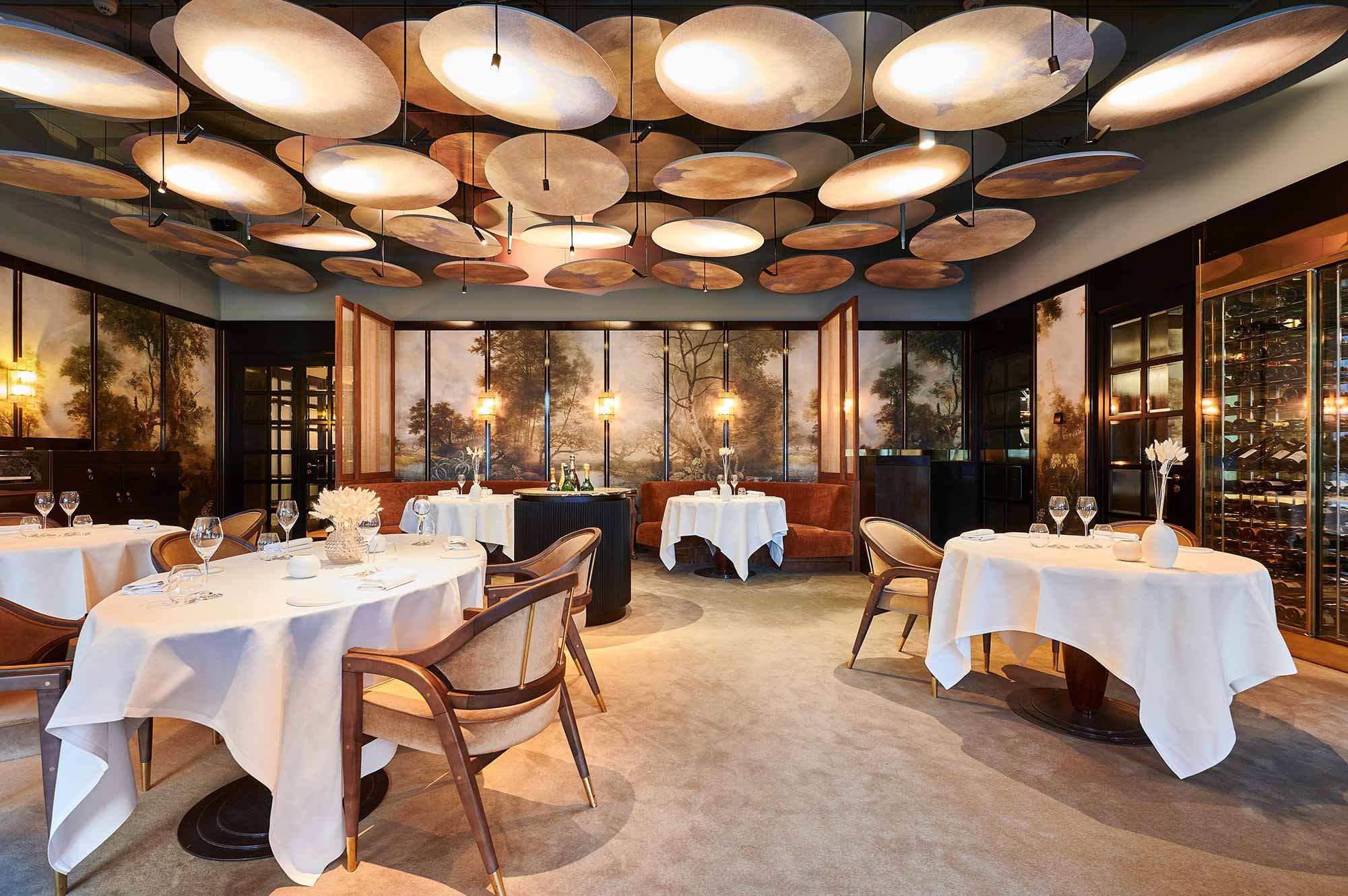
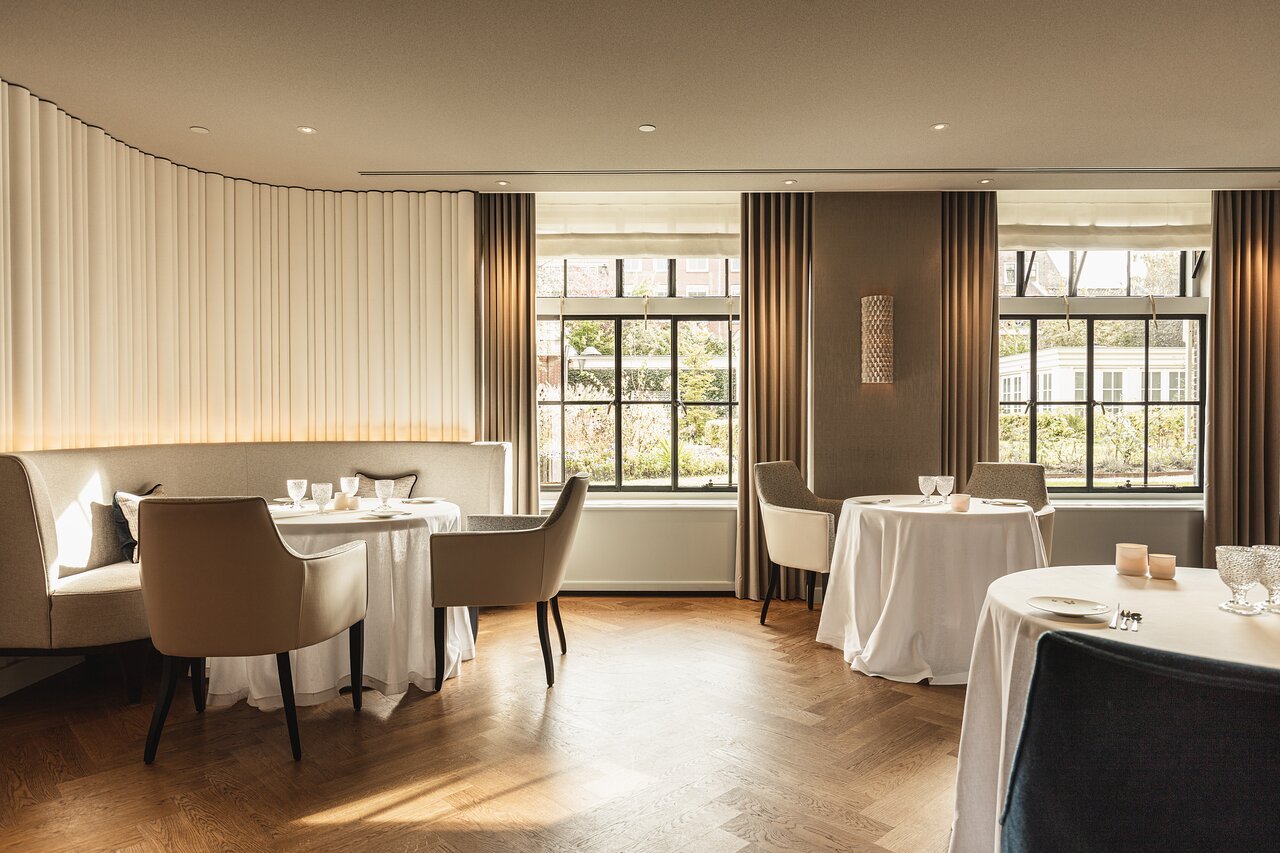
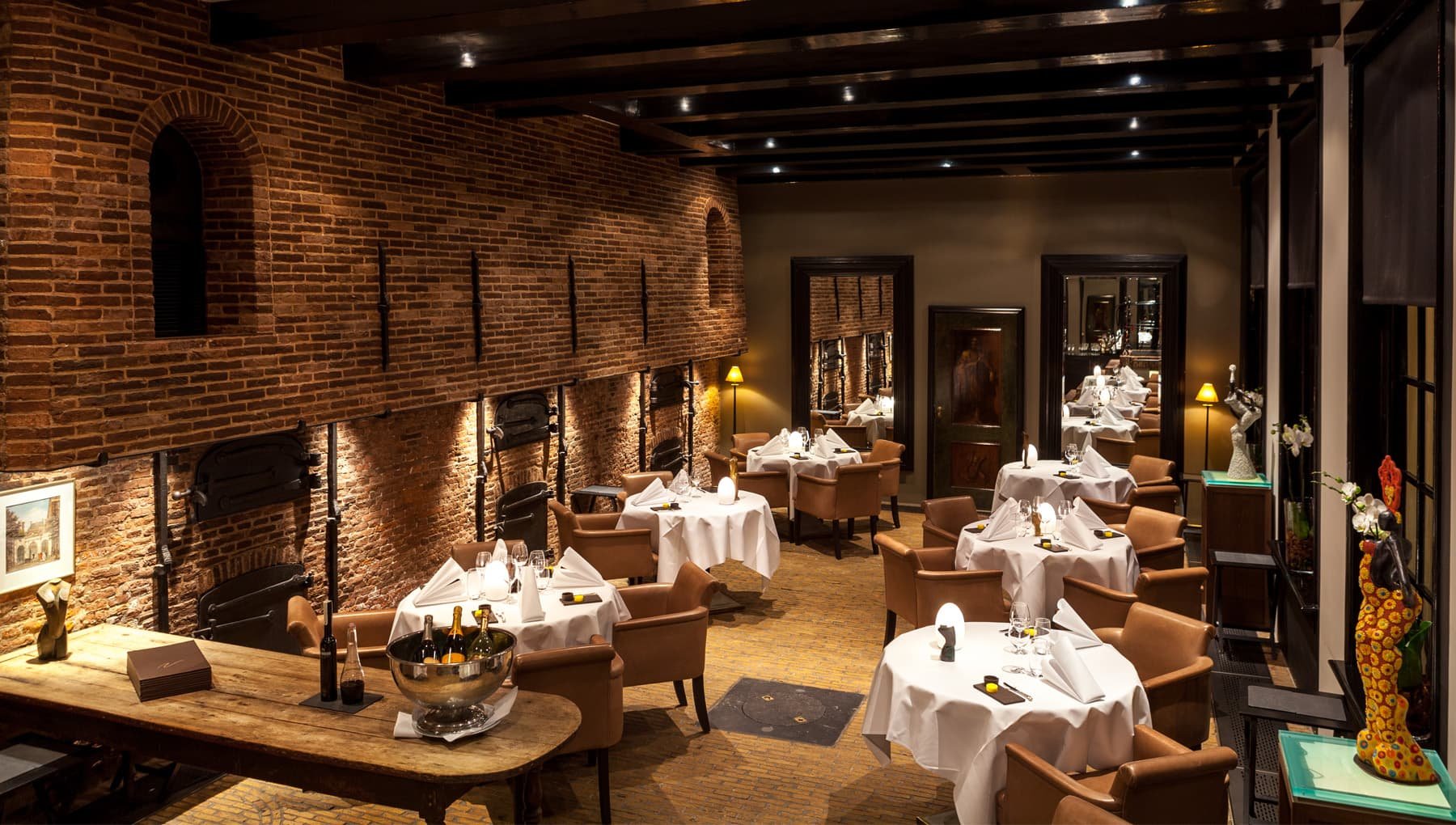
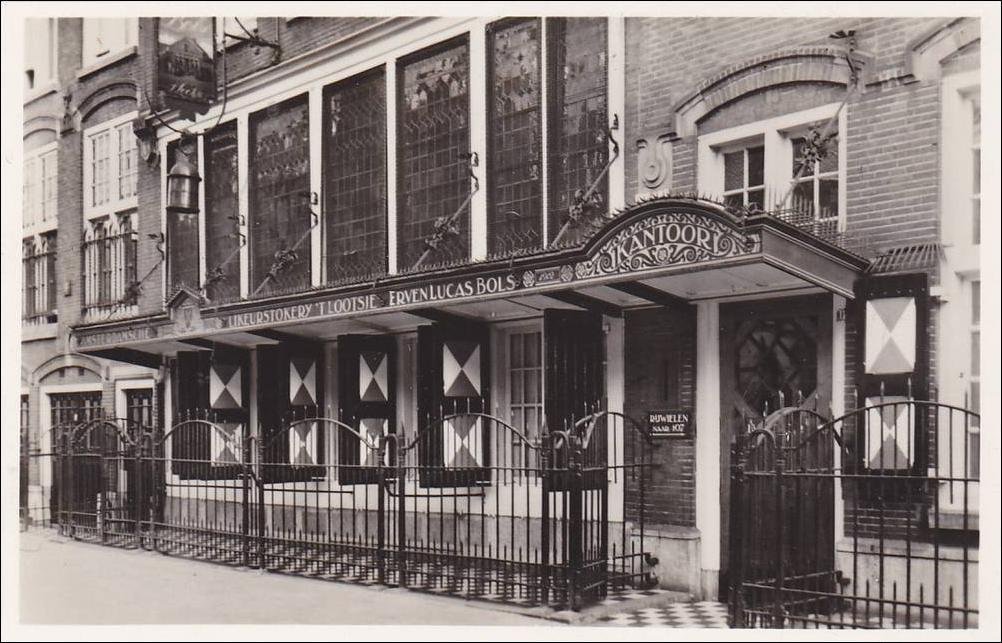
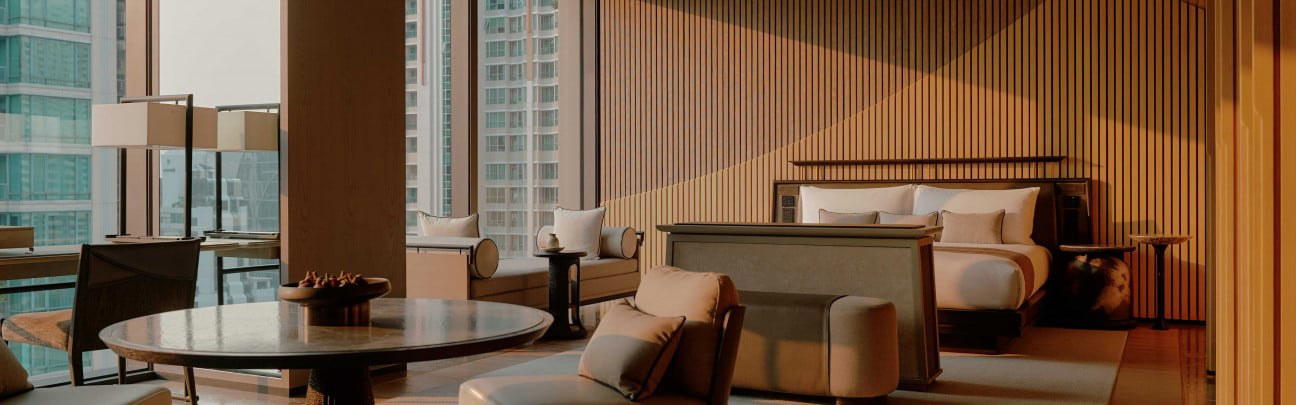
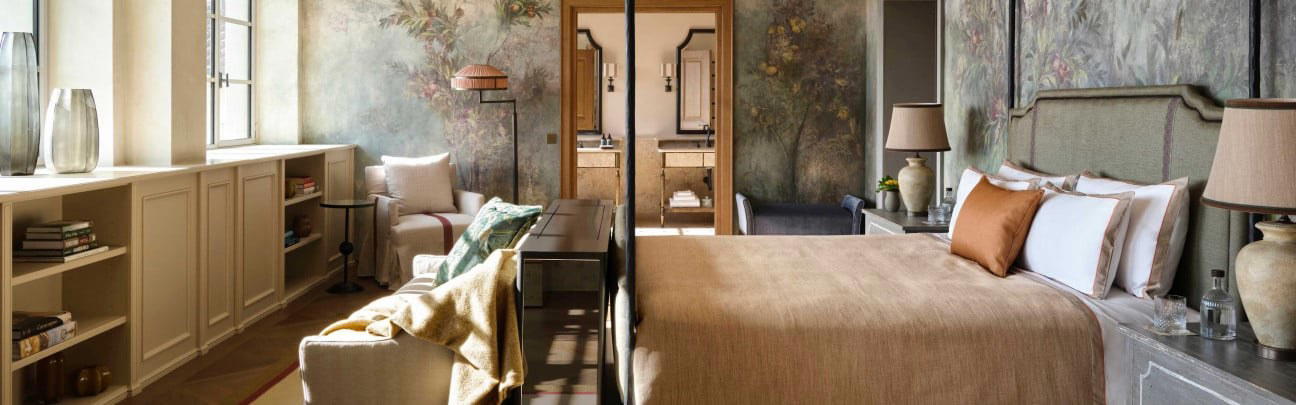
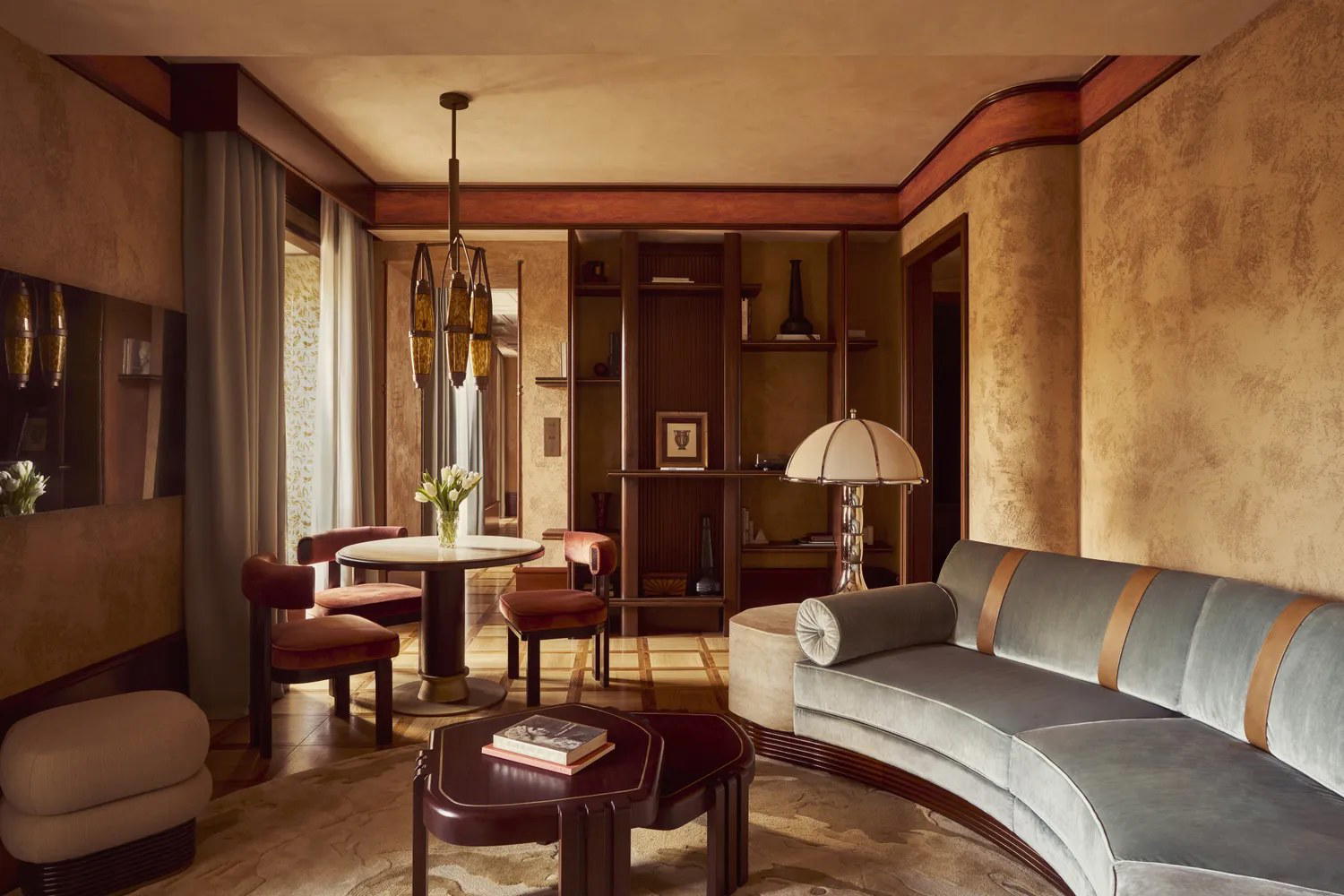
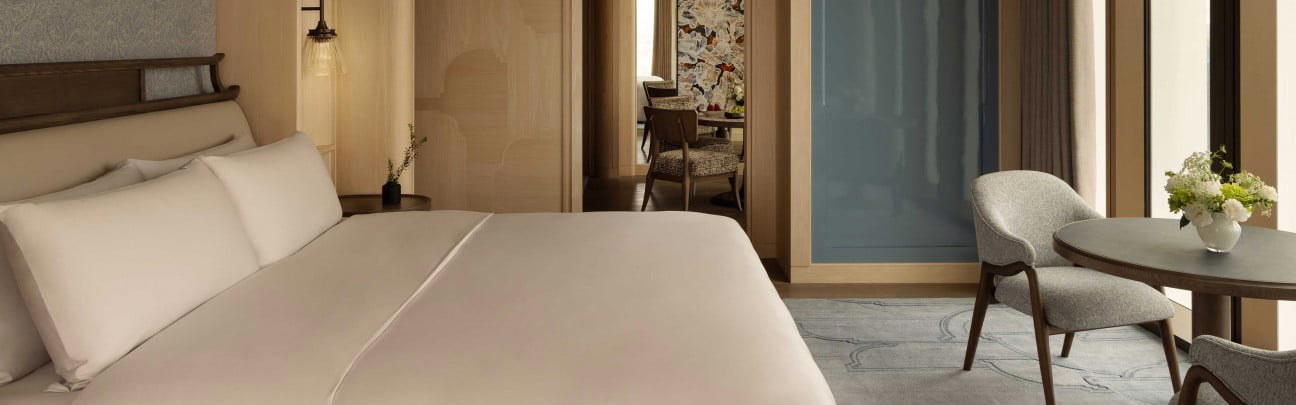
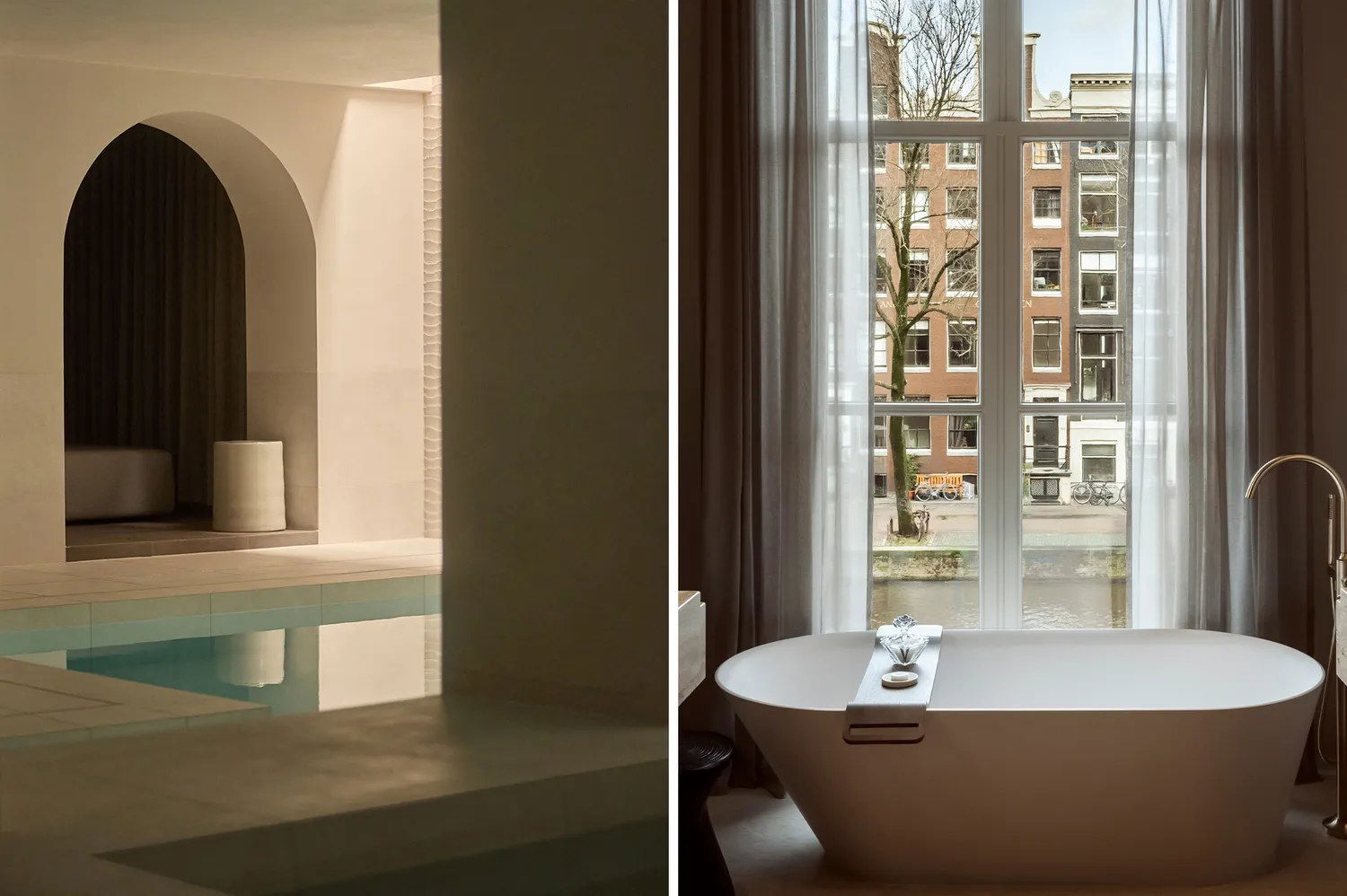
Rosewood Amsterdam reads like a repurposed civic monument: the former Palace of Justice's neoclassical façade and preserved period fabric give the property a historic, canonical presence on the Prinsengracht. Dutch designer Piet Boon layers contemporary furniture, art, and technology at room scale rather than altering the building’s structural language, so the hotel feels monumental from the canal and distinctly hotel-like only once you step inside. Generously proportioned rooms and suites, handcrafted finishes, and marble bathrooms sustain a classic, scenic atmosphere that balances respect for the past with quietly refined modern comforts.
Best For
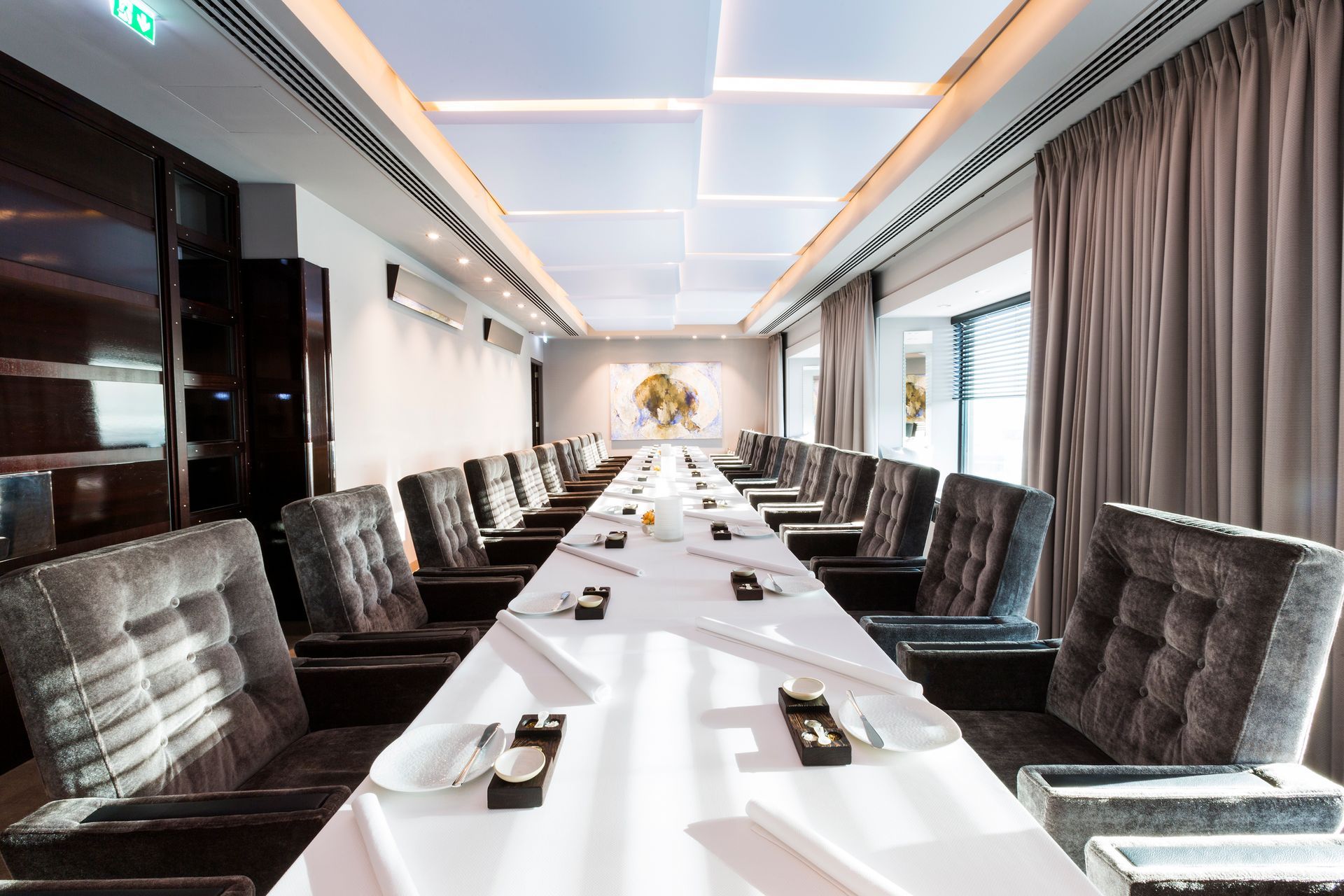
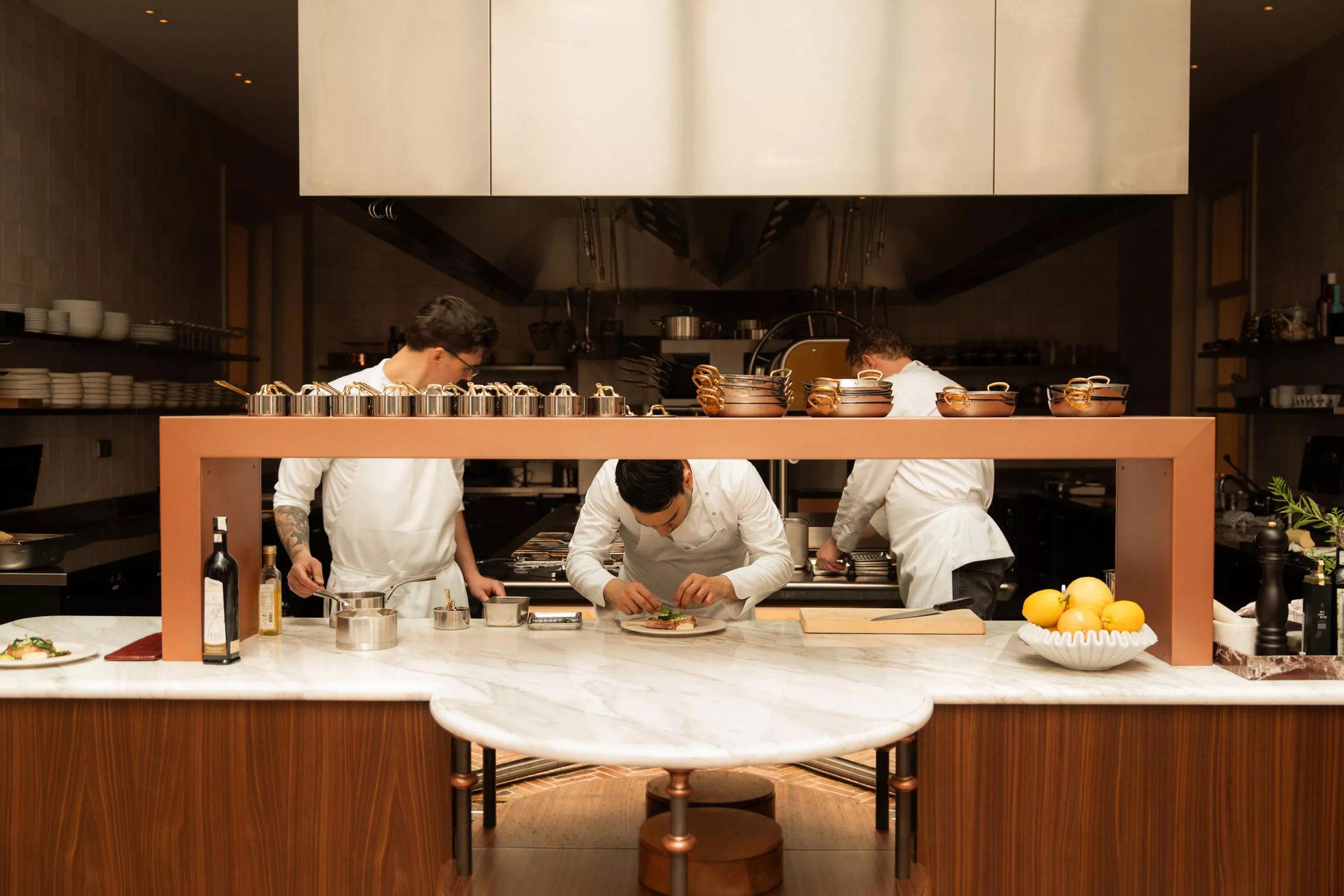
This is a go-to choice for couples and travelers seeking a refined Amsterdam stay: suite inventory and canal-facing rooms make it especially well suited to romantic getaways, honeymoons, and anniversaries, while the building’s civic gravitas and careful design appeal to business travelers. The hotel's repurposed courtrooms functioning as dining rooms and event spaces also make it a natural setting for private events and elevated dinners, accommodating groups that want an architecturally memorable venue without sacrificing luxury-hotel service.
Stay Tips
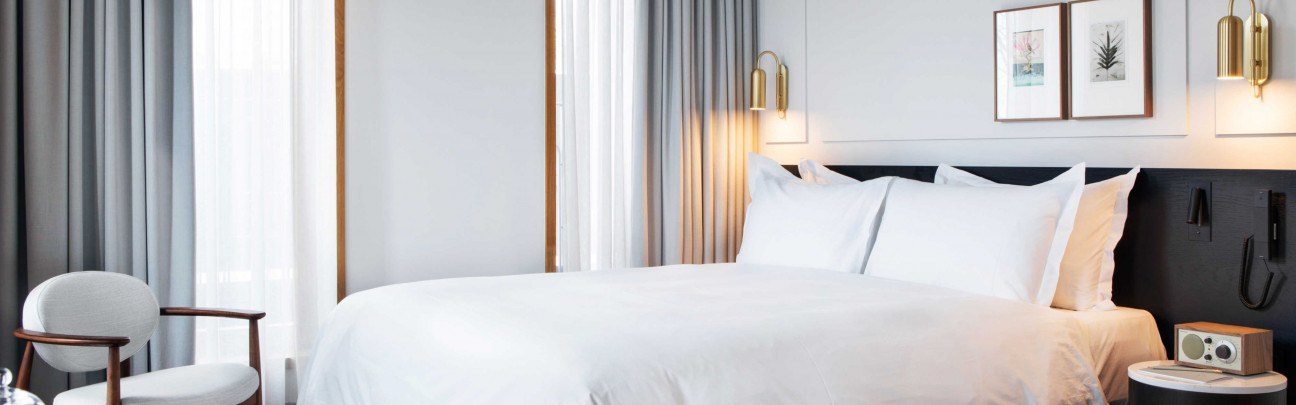
Request a canal-facing room on an upper floor to secure the clearest water views, as the description highlights those rooms specifically. Note that many of the hotel's distinctive spaces are repurposed courtrooms now used for dining and events—if you are planning a private dinner or group booking, reserve event space well in advance. Expect generous room proportions compared with typical historic Amsterdam properties; mention preferences for handcrafted finishes or marble-bathroom configurations when booking to align with the hotel’s design strengths.
Venue details
Ambiance
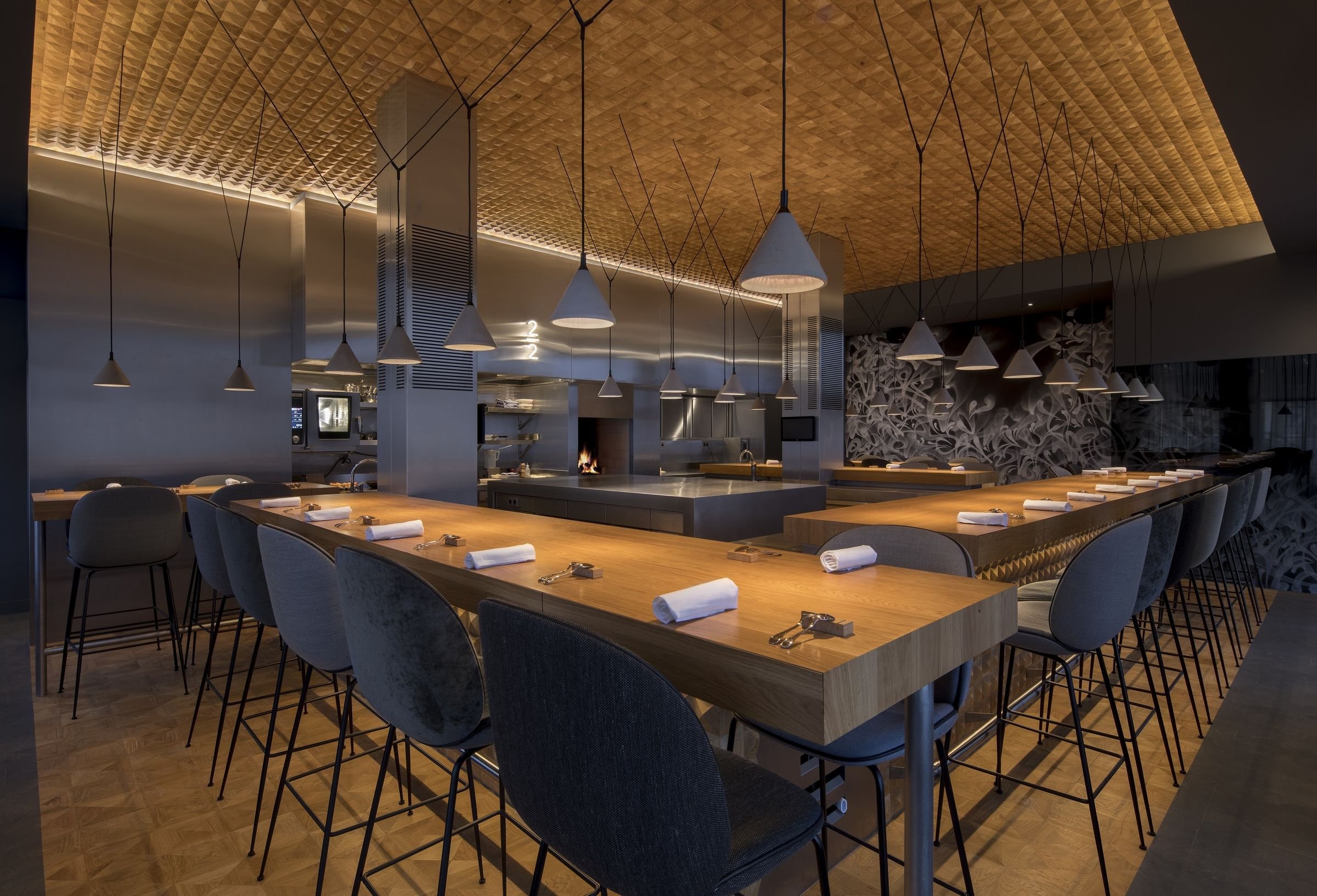
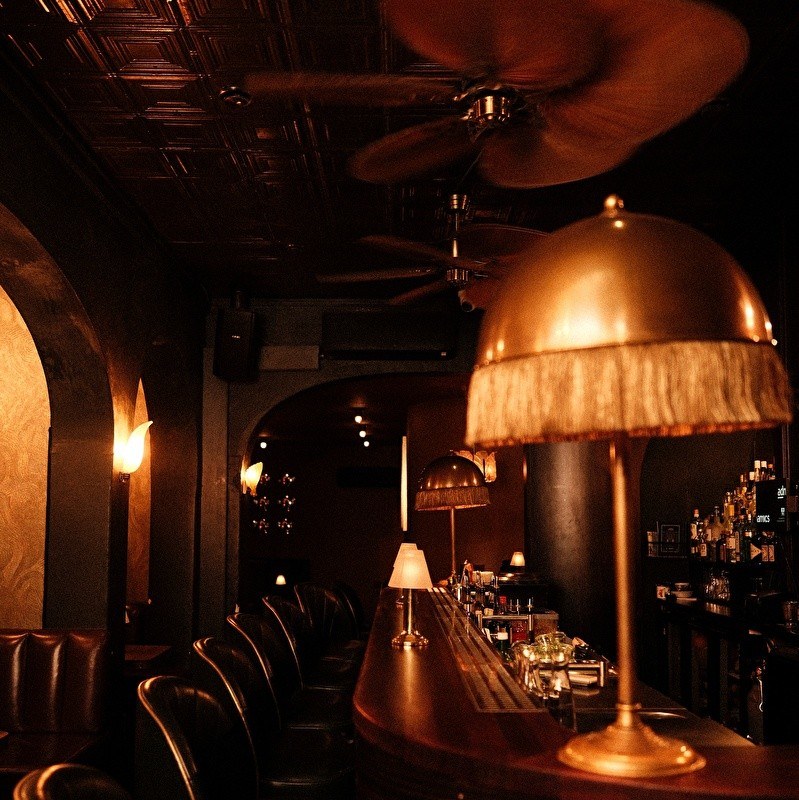
Hushed subterranean spa with dreamily lit pool, art-filled public spaces blending historic layers with modern artistry, and serene courtyard gardens.
Tags
Vibe
Best For
Experience
Amenities
View
Accessibility
About the Stay
- Rooms
- 134
- Check-in
- 15:00
- Check-out
- 12:00
- Property Style
- Reimagined Historic Landmark Blending Dutch Heritage with Contemporary Luxury
- Design Style
- Art Filled Modern Artistry in a Historic Canal House Setting
Know before you go
Know Before You Go
- Getting there
- Prinsengracht 432 – 436, 1017 KE Amsterdam
Planning details
Location
Prinsengracht 432 – 436, 1017 KE Amsterdam · Directions
Recognition and awards





Also consider
Also Consider
- Hotel 717, Notable alternative
- Andaz Amsterdam Prinsengracht, Notable alternative
- The Noblemen, Notable alternative
- Park Centraal Amsterdam, Notable alternative
- Park Centraal Amsterdam, part of Sircle Collection, Notable alternative
Hotel context
How Rosewood Amsterdam compares in the city
Against Hotel 717 and The Noblemen, Rosewood Amsterdam is the higher-ceremony choice. Pick it when the stay needs a luxury-hotel signal for a celebration, senior work trip, or client-facing itinerary. Choose Hotel 717 or The Noblemen when a smaller canal-house mood matters more than brand scale and when booking pressure needs to be lower.
Andaz Amsterdam Prinsengracht is the more natural cross-shop for travelers who want a lively design-led stay on a comparable canal-ring axis. Rosewood is the better fit for quieter formality and recognition-led luxury; Andaz makes more sense for a less formal Amsterdam weekend where atmosphere matters as much as polish.
Park Centraal Amsterdam and Park Centraal Amsterdam, part of Sircle Collection are the practical backups when value and easier availability beat trophy-hotel status. They are the smarter call for straightforward work travel, while Rosewood is the splurge to chase when the hotel itself is part of the reason for the trip.
Around this place
Discover more on Pearl
Unlock the full Rosewood Amsterdam guide in Pearl, including awards, comparisons, FAQs, planning details, and nearby places.
Compare Rosewood Amsterdam
| Venue | Location | Awards |
|---|---|---|
| Rosewood Amsterdam | Amsterdam | 2026 Virtuoso Luxury Hotel Collection2026 House & Garden Great Stays Travel Hot List2026 Travel + Leisure It List Hotels2026 Conde Nast Traveler Hot List HotelsTown & Country Hotel Awards 20262025 Robb Report The 50 Greatest Luxury Hotels on Earth · #1Michelin 2 Keys 20252025 Michelin 2 Keys |
| Hotel 717 | Amsterdam | No published awards |
| Andaz Amsterdam Prinsengracht | Amsterdam | 2026 Forbes Recommended2025 Michelin Selected Hotels2025 Forbes Recommended |
| The Noblemen | Amsterdam | No published awards |
| Park Centraal Amsterdam | Amsterdam | No published awards |
| Park Centraal Amsterdam, part of Sircle Collection | Amsterdam | No published awards |


How Rosewood Amsterdam compares with similar nearby venues.
FAQ
Frequently Asked Questions
How is the pool and spa at Rosewood Amsterdam?
Choose Rosewood Amsterdam primarily for its Amsterdam setting, smart casual standard, and confirmed luxury-hotel recognition, including Michelin 2 Keys in 2025.
Do loyalty programs work at Rosewood Amsterdam?
Rosewood Amsterdam is a Virtuoso Luxury Hotel Partner in 2026. If you are weighing a points-led stay, compare the booking value with Park Centraal Amsterdam, part of Sircle Collection.
When is the best time to book Rosewood Amsterdam?
If your Amsterdam dates are fixed, compare availability early with alternatives such as Hotel 717 or The Noblemen before making the final call.
What is Rosewood Amsterdam known for?
Rosewood Amsterdam is known for its luxury-hotel recognition, including Michelin 2 Keys in 2025, Robb Report The 50 Greatest Luxury Hotels on Earth #1 in 2025, and other 2026 luxury-travel honors.